
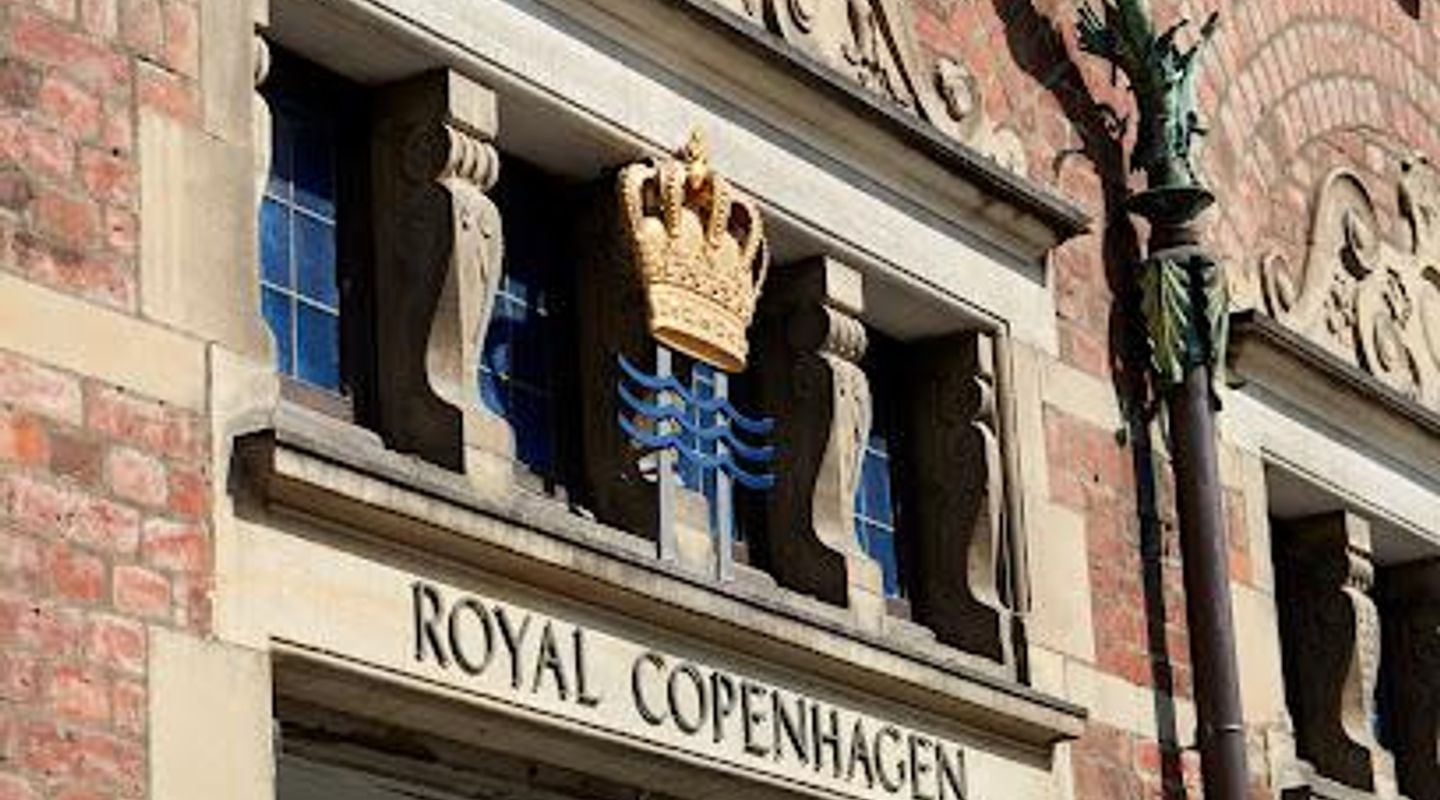
Royal Copenhagen Flagship Store, North Zealand Travel Guide
A historic Renaissance townhouse on Strøget transformed into a living gallery of Royal Copenhagen porcelain, where Danish design, craft and heritage meet.
Set in a 1616 Renaissance townhouse on Copenhagen’s prime shopping street Strøget, the Royal Copenhagen Flagship Store is both boutique and living museum of Danish porcelain. Across three elegant floors you can explore hand‑painted dinnerware, heritage pieces like Flora Danica, seasonal collections and artist demonstrations, all in one of the city’s oldest and most atmospheric interiors.
A brief summary to Royal Copenhagen Flagship Store
- Amagertorv 6, Copenhagen, Indre By, 1160, DK
- Click to display
- Click to display
- Duration: 0.5 to 2 hours
- Mid ranged
-
 Indoor
- Mobile reception: 5 out of 5
- Monday 10 am-7 pm
- Tuesday 10 am-7 pm
- Wednesday 10 am-7 pm
- Thursday 10 am-7 pm
- Friday 10 am-7 pm
- Saturday 10 am-7 pm
- Sunday 11 am-7 pm

Know before you go
Hi, I'm Eve. Here are a few practical things to know before exploring Royal Copenhagen Flagship Store.
- Explore all three floors: the upper levels often showcase elaborate table settings and heritage pieces that you do not immediately see from the entrance.
- Ask staff about tax‑free shopping and shipping options if you are buying larger or fragile items and are travelling onward by plane or train.
- If you are interested in technique, look out for live painting demonstrations or ask when they typically take place during the week.
- Combine your visit with a stroll around Amagertorv and Strøget to enjoy the contrast between the store’s calm interior and the lively square outside.
Do you manage this location?
Take control to get all the benefits, like improved information, better appearance, and stronger visibility across AI-powered discovery. Learn more about listing your business on Evendo
Activate your presenceOther nearby places you may find interesting
The closest places of the same kind, if this one is not quite what you had in mind.
Explore Royal Copenhagen Flagship Store on the Map
A handpicked selection of must-see spots near Royal Copenhagen Flagship Store, mapped for you.
Getting There
-
Metro
From Kongens Nytorv metro station, it typically takes 5–10 minutes to reach Amagertorv on foot through the pedestrian streets. Metro lines M1, M2, M3 and M4 all serve the station with frequent trains throughout the day. A single metro ticket within central Copenhagen generally costs around 20–30 DKK, and stations and surrounding pavements are step‑free, making this route convenient for travellers with luggage or mobility needs.
-
Train and Walk
If you arrive at Copenhagen Central Station, plan for a 15–20 minute walk through the inner city to reach the store on Amagertorv. The route passes through busy pedestrian shopping streets with mostly flat, paved surfaces. A standard train ticket into the central zone costs roughly 24–36 DKK depending on distance, and the area around the station can be crowded, so allow extra time if travelling with children or wheeled luggage.
-
City Bus
Several city bus lines stop near Rådhuspladsen and other central stops within 10–15 minutes’ walk of Amagertorv. Buses usually run every 5–15 minutes during the day, less frequently late at night. A single bus journey in the central zones costs around 20–30 DKK when bought via ticket machines or travel apps. Note that buses cannot enter the pedestrian section of Strøget, so the final part of the journey is always on foot.
-
Taxi
Taxis can bring you close to the edges of the pedestrian zone surrounding Strøget, from where it is a short walk to Amagertorv. A typical daytime fare from Copenhagen Central Station or other central hotels ranges between 80 and 140 DKK depending on traffic and exact distance. Vehicles cannot drive directly to the store entrance due to pedestrianisation, so this option suits those who prefer door‑to‑zone rather than door‑to‑door access.
For the on-the-go comforts that matter to you
-
 Restrooms
-
 Drink Options
-
 Food Options
-
 Seating Areas
-
 Trash Bins
-
 Information Boards
Discover more about Royal Copenhagen Flagship Store
Porcelain Heritage in a Renaissance House
Housed in the historic Mathias Hansen House on Amagertorv, the Royal Copenhagen Flagship Store brings together more than four centuries of architecture and over 245 years of porcelain craftsmanship. The tall, narrow façade with its Dutch Renaissance gables and copper roof stands out among the surrounding shopfronts, a reminder that this is one of Copenhagen’s oldest surviving buildings. Step through the doors and you leave the bustle of Strøget for a world of cool tiles, soft lighting and glinting glazed surfaces.Royal Copenhagen began life in 1775 as the Royal Porcelain Factory, founded under royal patronage and quickly entwined with the Danish court. Its move to Amagertorv in 1911 turned this address into the brand’s ceremonial home. Today, display tables, vitrines and wall shelves trace that history in three dimensions, from early blue‑and‑white pieces inspired by East Asian porcelain to refined neoclassical forms that accompanied the rise of modern Denmark.Icons of Danish Design on Display
The store’s main draw is its complete presentation of Royal Copenhagen’s collections, arranged almost like curated gallery rooms. Classic blue‑fluted dinnerware sits beside more contemporary series with crisp lines and understated decoration, showing how a single motif can be reinterpreted over generations. You may notice small variations from plate to plate: each item is still hand‑painted, so every brushstroke is unique.One section is devoted to Flora Danica, the legendary service created in the late 18th century and still produced in limited numbers. Here, delicate botanical illustrations of Danish plants unfurl across serving dishes and lidded tureens, edged with fine gilding. Even if these pieces are beyond most travel budgets, seeing them up close reveals the microscopic detailing and careful layering of colours that define top‑tier European porcelain.A Living Workshop of Craft and Technique
Beyond its role as a shop, the flagship functions as a window onto the discipline of porcelain painting. On upper floors, tableaus may be set to show festive or seasonal table settings, with patterns mixed in ways that echo real Danish homes. At times, painters demonstrate their work, guiding fine cobalt pigment over unglazed bisque pieces in steady, practiced lines. Watching outlines bloom into finished decoration makes clear how much of the brand’s identity rests on human skill rather than industrial process.Educational displays and staff explanations help demystify stages such as molding, glazing and firing. You gain a sense of why certain lines are considered more robust for daily use while others are treated almost as heirlooms. This emphasis on process turns browsing into a kind of informal design lesson, linking what you see on the shelves to broader traditions of Nordic craft.Atmosphere in the Heart of Amagertorv
The store’s setting on Amagertorv, a central square along the Strøget pedestrian zone, shapes the experience as much as its interior. Large windows frame views of the Stork Fountain, street performers and shoppers drifting past historic façades. Inside, the atmosphere tends to be calm and measured, with the muted clink of porcelain and low conversation providing a contrast to the energy outside.Original architectural details, such as heavy beams and period staircases, combine with minimalist displays to create a distinctly Danish balance of old and new. Moving between floors, you navigate spaces that feel both domestic and ceremonial, as if walking through a series of dining rooms prepared for different occasions. This layered character makes the store appealing even to those not intending to purchase anything.Shopping, Gifting and Practical Details
For travellers, the flagship is a convenient place to explore both everyday pieces and special keepsakes. Alongside full services, there are mugs, small bowls, ornaments and seasonal collectibles that pack easily into luggage. Staff are accustomed to international visitors and can advise on shipping larger or fragile items abroad, as well as on tax‑free procedures for eligible non‑EU residents.Prices reflect the level of craftsmanship and the brand’s royal connections, but the range is broad enough that you can find both aspirational showpieces and more accessible souvenirs. Whether you leave with a single cup, a carefully boxed gift, or simply mental images of exquisitely laid tables, time spent here offers a concise introduction to Danish design values: craftsmanship, longevity and quiet elegance set within a richly historic urban backdrop.More to explore near Royal Copenhagen Flagship Store









Your all‑in‑one travel companion app
Explore expert travel guides, compare and book tours, experiences, hotels, and more—all from the palm of your hand. Download now for seamless trip planning wherever your wanderlust takes you.


Explore More of North Zealand
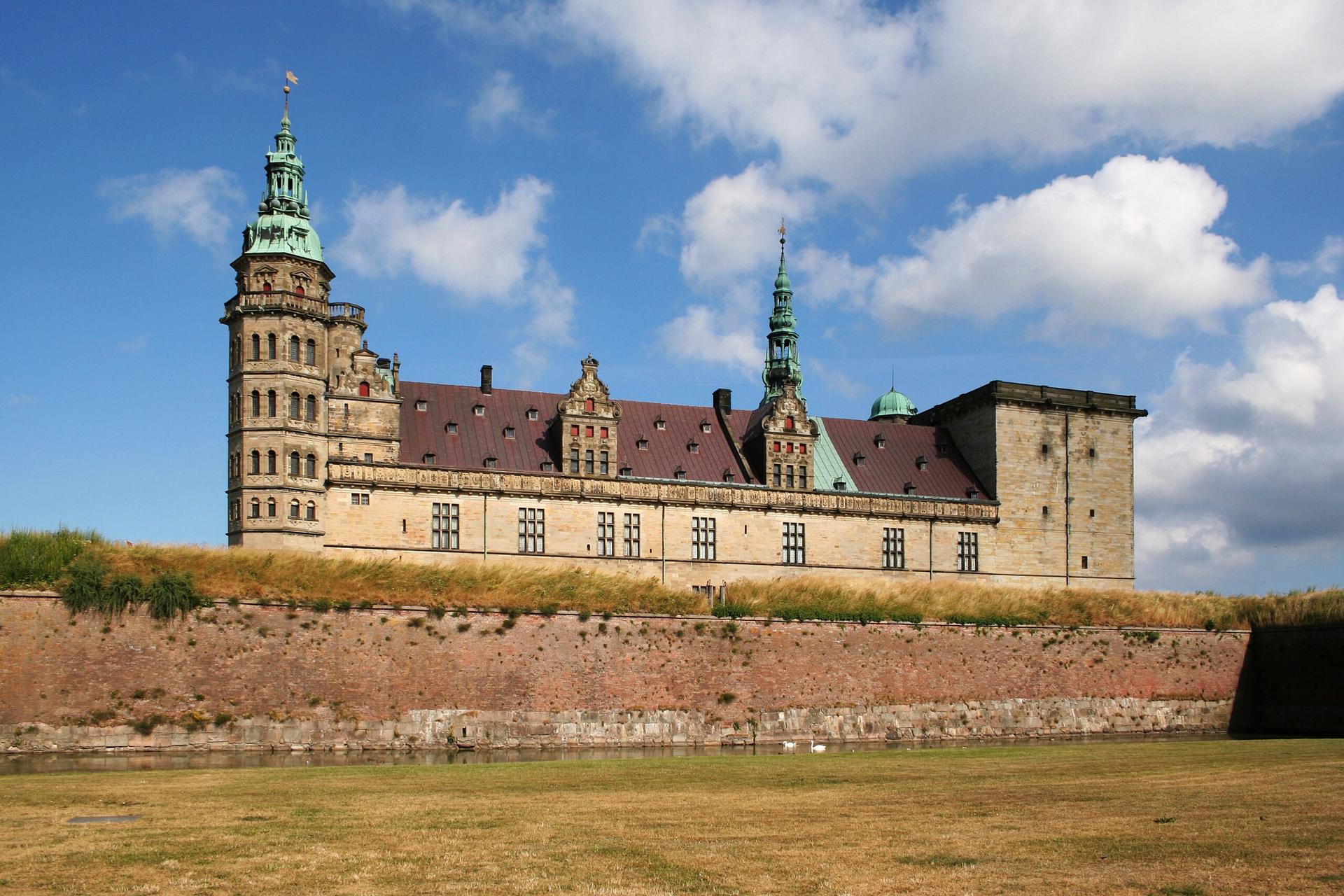
Looking beyond Royal Copenhagen Flagship Store? Discover North Zealand for broader travel guides, local hot-spots, and regional highlights.
Explore North Zealand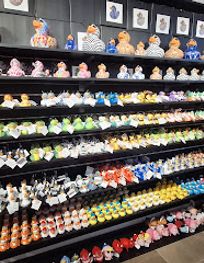
A tiny, colourful shop in Copenhagen’s old town where hundreds of themed rubber ducks turn souvenir hunting into a playful, photo‑worthy detour.

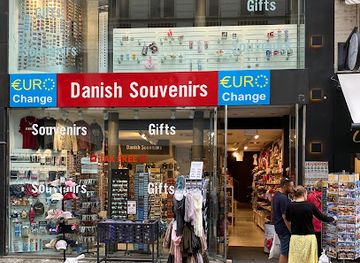
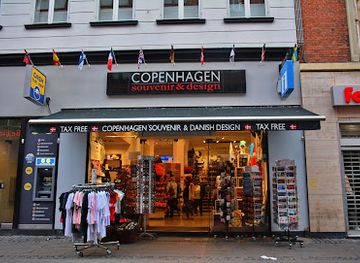
Central Copenhagen’s one-stop shop for classic Danish trinkets, practical luggage and last-minute gifts, right on bustling Strøget at historic Amagertorv.
