Den Blå Planet, Koge Travel Guide
Northern Europe’s largest aquarium, where sharks, sea otters and coral reefs meet bold architecture and family‑friendly marine storytelling on Copenhagen’s seafront.
Den Blå Planet, Denmark’s National Aquarium, ripples out beside the Øresund in a striking whirlpool‑shaped building just south of central Copenhagen. Inside, more than 7 million litres of water and thousands of creatures take you from Nordic seas to tropical coral reefs and steamy rainforest habitats. Highlights include a vast ocean tank with sharks gliding overhead, playful rescued sea otters, hands‑on touch pools and family‑friendly exhibitions that blend immersive design with marine science.
A brief summary to Den Blå Planet
- Jacob Fortlingsvej 1, Kastrup, 2770, DK
- Click to display
- Click to display
- Duration: 2 to 4 hours
- Mid ranged
-
 Mixed
Mixed
- Mobile reception: 5 out of 5
- Monday 10 am-9 pm
- Tuesday 10 am-5 pm
- Wednesday 10 am-5 pm
- Thursday 10 am-5 pm
- Friday 10 am-5 pm
- Saturday 10 am-5 pm
- Sunday 10 am-5 pm

Know before you go
Hi, I'm Eve. Here are a few practical things to know before exploring Den Blå Planet.
- Pre‑book timed tickets online, especially for weekends, holidays and school breaks, both to secure entry and to benefit from slightly lower prices.
- Aim to arrive early in the day or later in the afternoon to enjoy the Ocean Tank and sea otter feedings with a bit more breathing space.
- Bring a light layer: some zones feel cool and dim while the rainforest section is warm and humid, and you may move outside for the otter area.
- Allow at least two to three hours if you want to follow animal feedings, explore the rainforest wing and take a relaxed break in Café Plankton.
- If travelling with children, seek out the touch pools and seasonal outdoor activities, which offer hands‑on encounters with Danish sea life.
Do you manage this location?
Take control to get all the benefits, like improved information, better appearance, and stronger visibility across AI-powered discovery. Learn more about listing your business on Evendo
Activate your presenceOther nearby places you may find interesting
The closest places of the same kind, if this one is not quite what you had in mind.
Explore Den Blå Planet on the Map
A handpicked selection of must-see spots near Den Blå Planet, mapped for you.
Getting There
-
Metro from central Copenhagen
From central Copenhagen, take the M2 metro line towards Copenhagen Airport and get off at Kastrup Station; trains run every few minutes and the ride takes around 15–20 minutes. From the station it is a straightforward walk of roughly 10 minutes on mostly flat, paved paths, suitable for strollers and wheelchairs. A single metro ticket within the relevant zones typically costs about 24–36 DKK depending on your starting point, and services operate from early morning until late evening.
-
Train and metro from Copenhagen Central Station
If you are near Copenhagen Central Station, you can either take a regional train or S‑train to Nørreport or Kongens Nytorv and change to the M2 metro towards the airport, or take a direct regional train to the airport and connect to the metro there. Total travel time is usually 25–35 minutes, including transfers. Expect to pay in the range of 36–48 DKK for the combined journey, depending on zones. All stations along this route have lifts or escalators, and trains run at least every 10–15 minutes during the day.
-
Car or taxi within Greater Copenhagen
Driving from central Copenhagen to Den Blå Planet typically takes 15–25 minutes outside rush hour via the main routes towards Amager and the airport. There is paid parking near the aquarium; standard hourly rates in the area are usually around 15–20 DKK, and spaces can fill up at busy times. Taxis from the city centre often cost in the range of 180–260 DKK each way, depending on traffic and time of day. The drop‑off area is close to the entrance, making this a convenient option for families or visitors with limited mobility.
-
Cycling along the Amager coastline
For a scenic approach, cycle from inner Copenhagen across Amager, following the signposted cycle routes towards Kastrup and the coast; the journey generally takes 25–35 minutes at a relaxed pace. The route uses segregated bike lanes for most of the way and is largely flat, though it can feel exposed in windy conditions. There are bicycle stands close to the entrance where you can lock your bike free of charge, but remember to bring a sturdy lock and appropriate clothing for the weather.
For the on-the-go comforts that matter to you
-
 Restrooms
-
 Drinking Water
-
 Seating Areas
-
 Sheltered Areas
-
 Picnic Areas
-
 Trash Bins
-
 Information Boards
-
 Visitor Center
Discover more about Den Blå Planet
An underwater world on the edge of Copenhagen
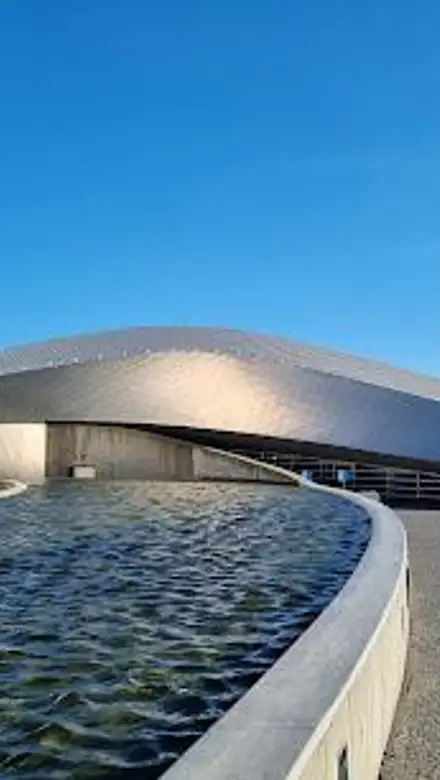
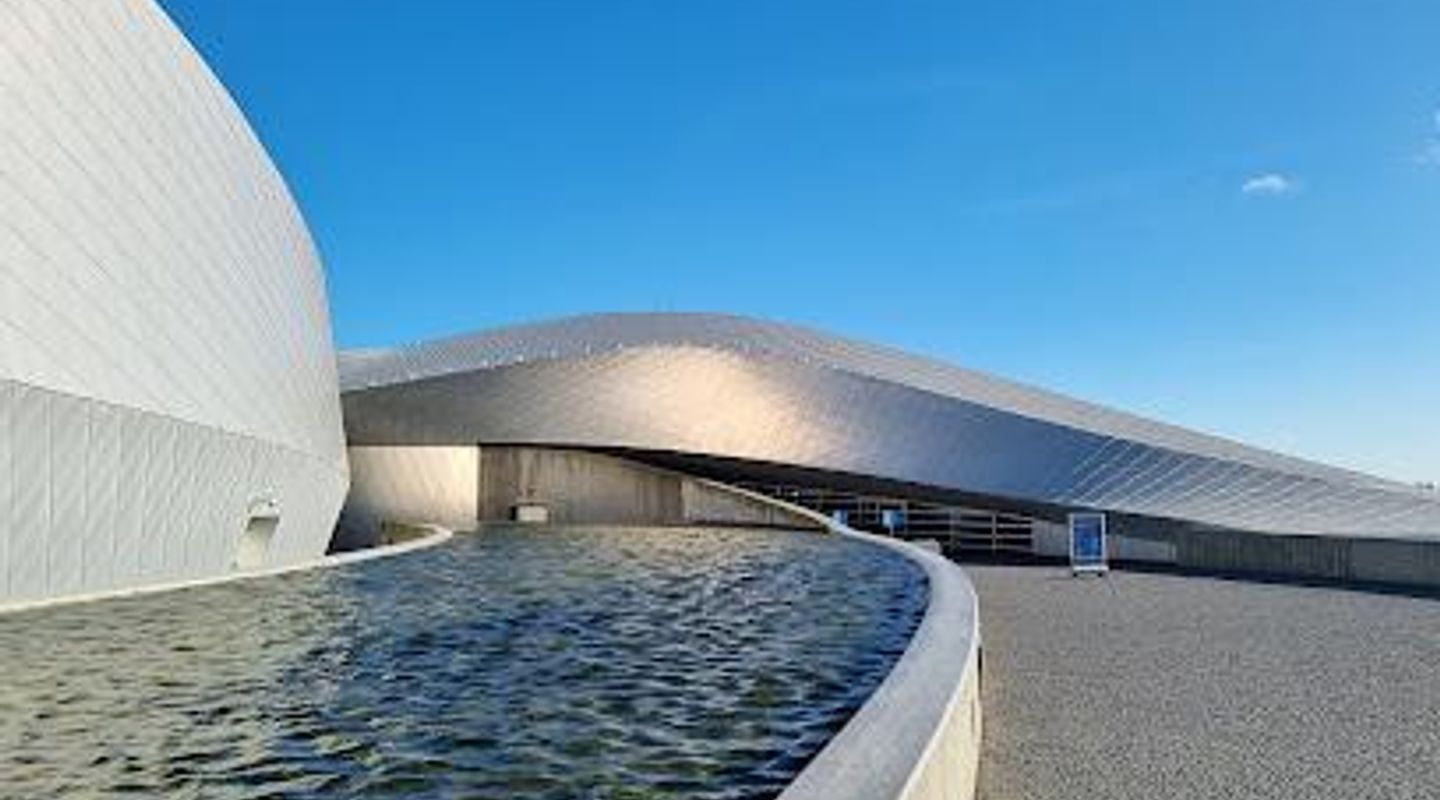
Den Blå Planet sits right on the Øresund coastline in Kastrup, its swirling, aluminium‑clad form echoing a whirlpool seen from above. As you approach, the low, sweeping curves and reflective pools outside already hint that this is more than a traditional aquarium. Step through the doors and you descend gently into semi‑darkness, where the soundscape shifts from airport hum to soft bubbling water and distant echoes of waves.From the central foyer, long, gently sloping corridors branch out like currents, each one pulling you towards a different aquatic realm. The design is deliberate: instead of marching past rows of tanks, you wander through an unfolding seascape where light, sound and temperature change as dramatically as the animals.Ocean giants and glass tunnels
At the heart of Den Blå Planet is the vast Ocean Tank, holding millions of litres of salt water and home to hammerhead sharks, rays and schools of shimmering fish. A glass tunnel takes you right through the middle, so sharks and rays slice overhead while silver fish swirl around you at eye level. It is one of the most cinematic spots in the building, where many visitors pause just to watch the slow choreography of marine life.Around the main tank, smaller yet carefully lit displays showcase coral reefs bursting with colour, elegant sea jellies pulsing in blue light, and bizarre deep‑sea creatures adapted to perpetual darkness. Large floor‑to‑ceiling windows turn some of these aquariums into living murals, with bench seating inviting you to linger and simply gaze.Rainforest heat and northern coasts
One entire wing is devoted to a warm, humid rainforest zone. Here the air feels thicker, plants crowd the paths and the soundtrack changes to dripping leaves and bird calls. Among the foliage you spot free‑flying birds, turtles, reptiles and even a resident sloth, while tanks built into rockwork reveal piranhas and other river fish from tropical systems.In contrast, the Cold Water galleries focus on Nordic seas and coastlines. Wave‑simulating tanks show how hardy fish, crabs and anemones cling to life in rough, chilly waters. Interactive touch pools let you get close to native species under staff supervision, turning the nearby Danish straits and beaches into something immediate and tangible rather than distant blue on a map.Rescued sea otters and family‑friendly encounters
A signature experience here is the sea otter habitat. These charismatic animals, originally rescued from the wild, spend their time gliding through the water, spinning with toys or crunching through ice blocks filled with food. Outdoor viewing areas give you different perspectives, and timed feedings reveal just how much energy an otter burns in a day. Their story adds a strong note of conservation and animal welfare to the visit.Throughout the building, many exhibits are designed at child height, with porthole windows, crawl‑under viewing bubbles and simple explanations alongside more detailed panels. Regular feeding demonstrations and talks introduce everything from rays and sharks to Amazonian fish. Seasonal programmes often add creative workshops, temporary exhibitions or evening openings that let you experience the aquariums after dark.Architecture, seafront setting and practical comforts
Beyond the tanks, Den Blå Planet’s architecture and location are part of the appeal. Large glazed sections frame views of the Øresund and the approach flight path to the nearby airport, creating an unusual juxtaposition of sea life and modern infrastructure. On calmer days the outdoor areas, including a small water playground and pond activities in season, extend the visit into the open air.Indoors, the layout is largely step‑free with lifts between levels, making it practical for wheelchairs and strollers. A spacious café, Café Plankton, overlooks the water and serves meals and snacks, while lockers, cloakrooms and clearly signed facilities help keep the logistics easy, even on busier days. Whether you stay for a focused hour or drift for most of the day, the aquarium combines serious marine storytelling with a smooth, family‑oriented experience.












Your all‑in‑one travel companion app
Explore expert travel guides, compare and book tours, experiences, hotels, and more—all from the palm of your hand. Download now for seamless trip planning wherever your wanderlust takes you.


Explore More of Koge
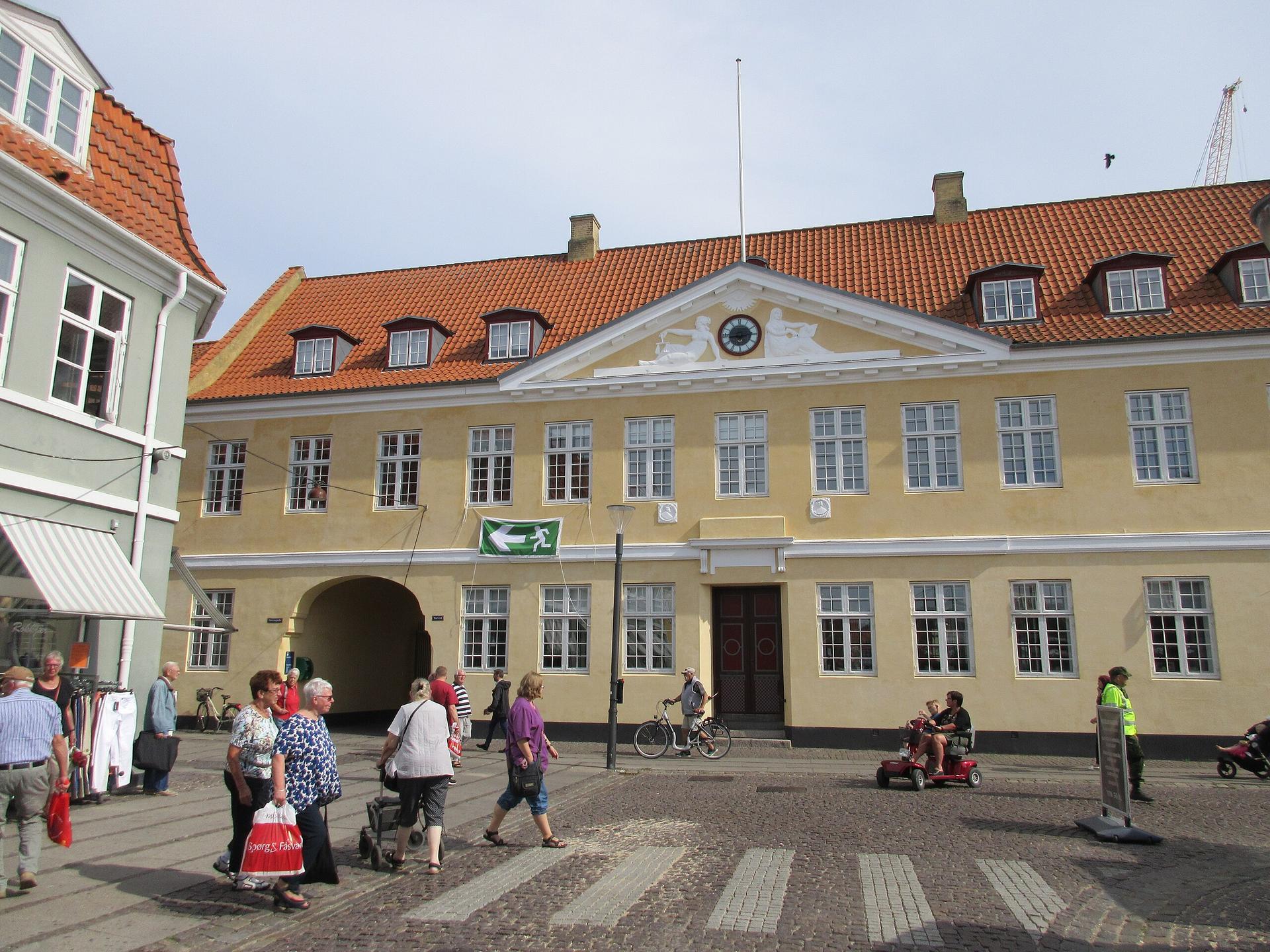
Looking beyond Den Blå Planet? Discover Koge for broader travel guides, local hot-spots, and regional highlights.
Explore Koge