Egeskov Castle, Nyborg Travel Guide
Free Guide: Europe's best-preserved Renaissance water castle, still inhabited by its noble family and surrounded by award-winning gardens.


A brief summary of Egeskov Castle
Europe's best-preserved Renaissance water castle, still inhabited by its noble family and surrounded by award-winning gardens.
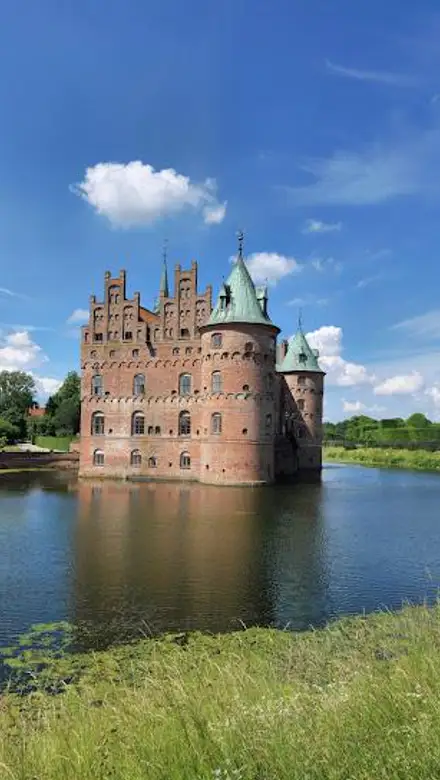
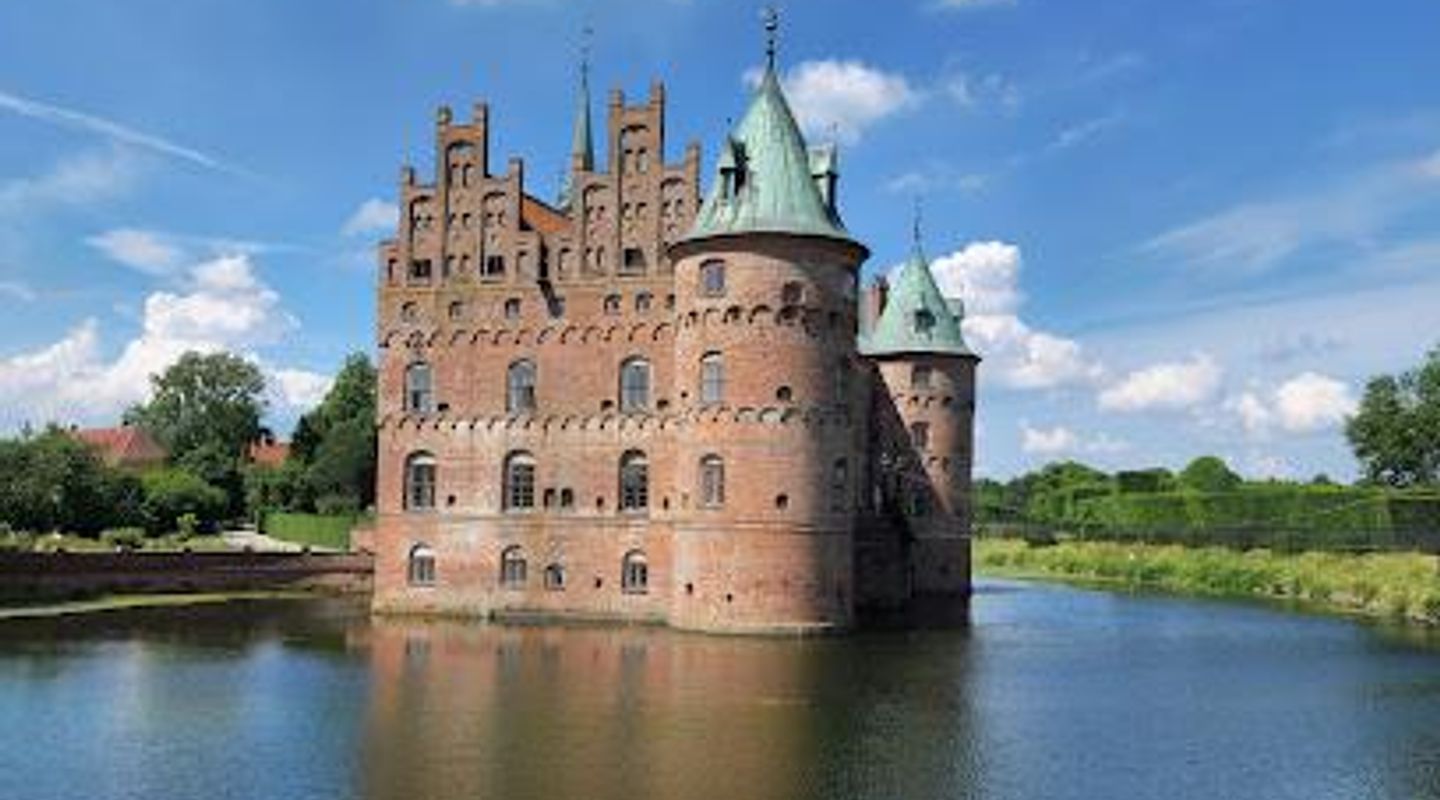
Egeskov Castle is Europe's best-preserved Renaissance water castle, built in 1554 on oak pilings in the middle of a lake near Kværndrup on the island of Funen. This privately owned and still-inhabited fortress features grand historic chambers, award-winning gardens dating to the early 1700s, museums showcasing vintage aircraft and automobiles, and family-friendly attractions including a maze and outdoor play areas. The castle remains a living home to the Ahlefeldt-Laurvig-Bille family, descendants of the Bille lineage who have owned it since 1784.
On-site amenities
 Restrooms
 Drink options
 Food options
 Seating areas
 Picnic areas
 Trash bins
 Information boards
 Visitor centre
Opening hours
- Every day10 am–4 pm
Opening hours as listed on the venue’s Google Business Profile. Hours can change for services and special events, so check with the venue before you go.
- Address
- Egeskov Gade 22, 5772 Kværndrup
- Phone
- Website
Getting there
Car from Odense
Train and Bus from Odense
Guided Tour from Odense
Bicycle from Kværndrup
Discover more about Egeskov Castle
A Fortress Born from Political Turmoil
Egeskov Castle stands as a masterpiece of Renaissance defensive architecture, built in 1554 by nobleman Frands Brockenhuus following his marriage to Anne Tinhuus, whose family owned the estate. The castle's construction reflected the turbulent political climate of 16th-century Denmark, marked by the Protestant Reformation and the Count's Feud, which prompted noble families to fortify their homes against rival clans. The decision to build on an island in the middle of a shallow lake was deliberate—a strategic choice that made the castle accessible only by drawbridge, transforming it into an impregnable stronghold. According to legend, the construction required such an enormous quantity of oak timber for the foundation pilings that it took an entire oak forest to complete the work, lending the castle its name: Egeskov, meaning "oak forest."
Ingenious Military Design and Hidden Chambers
The castle's architecture reveals sophisticated defensive thinking. The structure consists of two long houses connected by a thick double wall, allowing defenders to abandon the outer building if breached and continue fighting from the inner fortress. The outer walls feature machicolations and embrasures—openings through which defenders could pour boiling water or tar onto attackers below. Hidden within the central wall are a concealed staircase and a well, ensuring the castle could sustain a siege. This combination of water-based isolation and architectural ingenuity made Egeskov one of Europe's most formidable fortifications, a status it has maintained through the centuries as the continent's best-preserved moat castle.
Centuries of Noble Stewardship and Family Drama
Over nearly five centuries, Egeskov has passed through the hands of Denmark's most prominent noble families, including the Skinkel, Brockenhuus, Ulfeldt, Krag, and Bille-Brahe families. The castle's most poignant historical episode involves Rigborg Brockenhuus, daughter of Laurids Brockenhuus, who was imprisoned in a tower room for five years after bearing a child out of wedlock with young nobleman Frederik Rosenkrantz. Her father's harsh punishment—locking her away until his death in 1604—stands as a stark reminder of the rigid social codes governing aristocratic life. Today, the Riborg Room on the first floor commemorates this tragic story and houses Titania's Palace, an extraordinary miniature dollhouse built over fifteen years by English painter and officer Sir Nevile Wilkinson and his team of craftsmen. The tiny palace was created after Wilkinson's daughter asked her father to build a house for fairies she had seen in the garden, and it remains one of the world's most intricate and celebrated dollhouses.
The Krag Family's Vision and Landscape Transformation
When Privy Councillor Otte Krag purchased Egeskov in 1656, he initiated a new chapter of development that would reshape the estate's character. Under his grandson Niels Krag "The Younger," the castle underwent significant expansion and modernization. The most visible legacy of this period is the creation of the magnificent French-inspired gardens, established in the early 1700s and meticulously maintained ever since. The gardens feature a celebrated maze and an embankment to the east that established a land-based connection between the castle and its grounds. These historic gardens have been preserved to reflect their appearance in 1959, when restoration work began, with ancient trees and bushes—some centuries old—carefully tended by dedicated castle gardeners. The park remains an award-winning landscape that draws visitors from across Europe.
Modern Stewardship and Living Heritage
In 1784, Henrik Bille purchased Egeskov, and his descendants have maintained ownership ever since. The most transformative period came in the 1880s when Julius Ahlefeldt-Laurvig-Bille and his wife Jessie took over the estate following their grand wedding in 1875, which united the Bille-Brahe and Ahlefeldt-Laurvig families. Under their stewardship, extensive modernization occurred, with Swedish architect Helgo Zettervall overseeing comprehensive restoration work. The couple transformed Egeskov into a model farm, adding a dairy, power station, and even a private railway line to the nearby town of Kværndrup. Today, the castle continues to function as both a private residence and a working farm, with the Ahlefeldt-Laurvig-Bille family still living within its walls. This unique status—as a genuine home rather than a museum—gives Egeskov an authenticity and vitality that distinguishes it from many other European castles.
Museums, Collections, and Family Experiences
Beyond the castle itself, Egeskov hosts Europe's first Camping Outdoor Museum, showcasing vintage caravans and camping heritage. The grounds also feature impressive collections of antique automobiles, motorcycles, and rare aircraft, offering visitors a fascinating glimpse into transportation history. The castle maintains extensive play areas and exhibitions designed for families, including a large outdoor maze where visitors can test their navigation skills and race to reach the tower. During winter months, when the castle and gardens close, the site remains accessible for exhibitions and parts of the play forest, ensuring year-round engagement. Special events throughout the year include the popular Christmas Market in November and the LUMINIS light festival in February, transforming the castle into an enchanting venue for seasonal celebrations.
Evendo Review Centre
 Google
Guest reviews
Best time to go
Quietest: Jan, Feb & Dec · before 9am or from 6pm
Busy times are Evendo estimates for a typical year, to help you plan. Actual crowds vary with events, school holidays and the weather.
Explore Egeskov Castle on the map
A handpicked selection of must-see spots near Egeskov Castle, mapped for you.
Get your free copy of our complete guide to Egeskov Castle, delivered straight to you.
Everything on this page, from opening hours and how to get there to Eve’s tips and the best time to go, in one PDF you can read offline, print or share.
Already have an account? Sign in
Your Egeskov Castle guide is ready.
We'll send it to · Not you? Sign out

Getting your guide ready…
We are putting together a fresh copy of the Egeskov Castle guide. This can take up to a minute.
This can take a few moments. If your browser asks, choose Allow so the download can start. You'll find the guide in your Downloads folder.
Nothing happened? Download it again
Sorry, the guide is taking longer than usual. Please try again in a minute, or get it by email instead.
Unlock the best of Egeskov Castle
Skip-the-line tickets, guided tours with entry, and walking tours of the area, booked in a few clicks.

Other nearby places you may find interesting
The closest places of the same kind, if this one is not quite what you had in mind.
-
-
-
-
-


Swipe for more places
More to explore near Egeskov Castle

 Best experiences near Egeskov Castle
 Best hotels near Egeskov Castle
 Best landmarks near Egeskov Castle
 Best attractions near Egeskov Castle
 Best shops near Egeskov Castle
 Best restaurants near Egeskov Castle
 Best bars near Egeskov Castle
Do you manage this location?
Take control to get all the benefits, like improved information, better appearance, and stronger visibility across AI-powered discovery.
Explore more
Explore more of Nyborg
Discover Nyborg: A blend of medieval charm, stunning coastal views, and rich Danish heritage that promises an unforgettable travel experience.
Explore Nyborg
Explore more of Denmark
Discover Denmark: A perfect blend of history, modern design, and the cozy concept of hygge. Explore vibrant cities, serene landscapes, and world-class cuisine.
Explore Denmark