Landporten, Nyborg
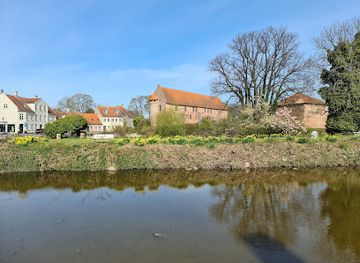
Step through Nyborg’s historic land gate, once the town’s only entrance, and wander grassy ramparts where fortress walls meet tranquil park-like scenery.
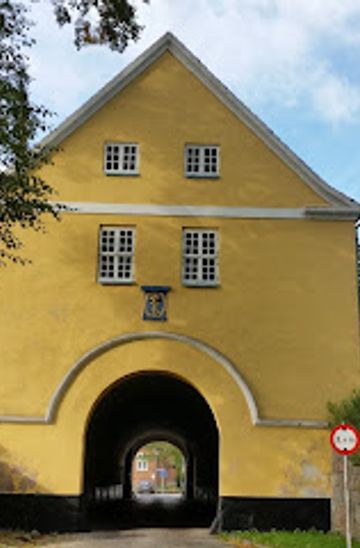
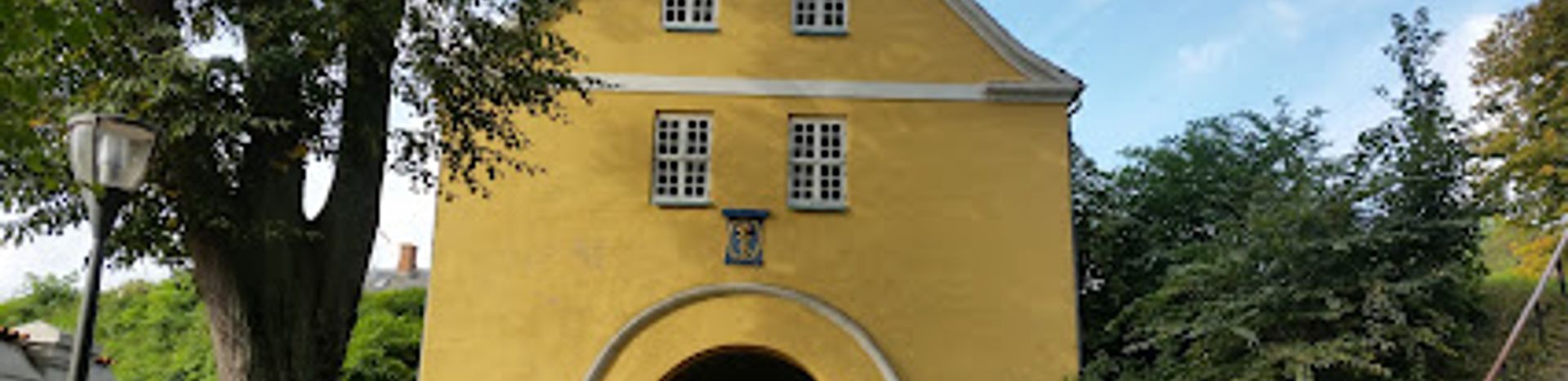
Landporten is the surviving land gate of Nyborg’s old fortress, a 17th‑century portal where cobbled paths, grassy ramparts and brick arches recall the days when this was the town’s only official entrance. Once locked every evening to secure the royal borough, the gate now stands permanently open, inviting you to wander the earthworks of Nyborg Fæstning, trace the line of the old defenses, and picture soldiers, merchants and travelers passing beneath its vaulted passageway.
A brief summary to Landporten
- Lindealleen 1, Nyborg, 5800, DK
- Duration: 0.5 to 1.5 hours
- Free
-
 Outdoor
- Mobile reception: 4 out of 5

Know before you go
Hi, I'm Eve. Here are a few practical things to know before exploring Landporten.
- Combine a visit to Landporten with a walk along the surrounding ramparts to better understand the scale and layout of Nyborg’s former fortress.
- Aim for early morning or late afternoon for softer light that highlights the textures of the brickwork and makes for atmospheric photos.
- Wear comfortable shoes suitable for grass and gently sloping ground if you plan to explore the embankments around the gate.
Do you manage this location?
Take control to get all the benefits, like improved information, better appearance, and stronger visibility across AI-powered discovery. Learn more
Activate your presenceOther nearby places you may find interesting
Getting There
-
Train and walk from Nyborg Station
From elsewhere on Funen or from cities such as Odense, take a regional train to Nyborg Station; services typically run at least once per hour and the journey from Odense takes about 25–35 minutes, costing roughly 60–90 DKK one way in standard class. From the station, it is an easy 15–20 minute walk through town on mostly paved, gently sloping streets to reach Landporten, suitable for most visitors with basic mobility.
-
Local bus within Nyborg
Several local and regional bus routes serve central Nyborg and stops within a short walking distance of the fortress area; travel times within the town are usually 5–15 minutes depending on your starting point. A single bus ticket in the local zone generally costs around 20–30 DKK and can be bought from ticket machines, apps, or on board on many services. From nearby stops, expect a brief walk on urban pavements and park paths to reach Landporten.
-
Car or rental car on Funen
If you arrive by car, Nyborg is directly connected to the island’s main east–west road network and is close to the Great Belt Bridge. Driving times from Odense are typically 25–35 minutes in normal traffic. Parking in Nyborg is available at various public car parks around the town; many offer time-limited free spaces or paid parking in the range of about 10–20 DKK per hour. From central parking areas, plan on a 10–15 minute walk across mostly level streets to the gate.
For the on-the-go comforts that matter to you
-
 Seating Areas
-
 Trash Bins
-
 Information Boards
Discover more about Landporten
The historic gateway to Nyborg
Landporten is the last standing land gate of Nyborg’s former fortress, a brick and earthwork stronghold that once guarded one of Denmark’s most important royal towns. Built in the 17th century as part of a modernized defensive system, the gate controlled all movement between the countryside and the walled city. For two centuries, every cart, soldier and visitor heading into Nyborg had to pass through this arch.Up close, the structure feels both sturdy and elegant. The brick portal is framed by sloping ramparts covered in grass, with a vaulted passage that channels you straight toward the old town. Subtle decorative details in the masonry hint at the prestige of the royal borough it protected, while the worn surfaces reveal just how many feet and hooves have crossed this threshold.From closed fortress to open city
Until 1869, Landporten functioned as Nyborg’s only public landward entrance, a literal choke point in and out of the town. Each evening the gate was shut, sealing the community behind walls and moats until it was reopened the following morning. Anyone arriving after hours had to wait outside until the city awoke again, a powerful reminder of how controlled urban life once was.As military technology evolved, Nyborg’s fortress lost its strategic importance. The ramparts were gradually demilitarized, moats were adapted to a more peaceful landscape, and Landporten shifted from active checkpoint to symbolic landmark. Today, the gate stands permanently open, a quiet survivor of a period when borders and defenses shaped everyday routines.Walking the ramparts and earthworks
Landporten is more than just an archway; it is the natural starting point for exploring the broader system of embankments and ditches that formed Nyborg Fæstning. Around the gate, the terrain rises and dips in gentle slopes, the outlines of bastions and protective earth walls still visible beneath lawns and trees. Paths lead along the top of the ramparts, offering changing perspectives back toward the gate and toward the roofs and towers of the town.The setting has a surprisingly green, almost park-like ambience. Birds nest in the trees, and seasonal wildflowers dot the grass. In places, you can still sense the line where the moat once encircled the fortress, transforming the gate into the only controlled crossing point. It is an evocative landscape that mixes military heritage with a calm, recreational atmosphere.Architecture, symbolism and stories
Architecturally, Landporten blends practicality with representation. The thick masonry walls and narrow passage are designed to impede attackers and to funnel movement, while the facade facing the countryside projects the dignity of a royal stronghold. Passing under the arch, you move from open landscape into the structured geometry of a fortified town, a transition that would once have carried clear symbolic weight.Standing here, it is easy to imagine the daily dramas that unfolded at this threshold: soldiers checking papers, merchants negotiating entry with loaded wagons, messengers arriving at night only to find the gate barred. The gate marked not only a physical boundary but also a legal and social one, separating town life from the surrounding rural district.Experiencing Landporten today
Today, visiting Landporten is a relaxed, unhurried experience. There is no admission fee, no barriers and no fixed route; you can simply stroll through the arch, wander up onto the ramparts, and take your time absorbing the setting. The area lends itself to short contemplative walks, photography sessions that capture the interplay of brick and greenery, or a quiet pause on the grass overlooking the former moat line.Information on site and in the wider town helps place the gate within Nyborg’s broader story as a royal seat and fortified harbor. Combined with the nearby castle and waterfront, Landporten adds a tangible, atmospheric layer to understanding how the city once controlled access and defended its position along one of Denmark’s key east–west routes.Explore the best of what Landporten has to offer













More about Funen
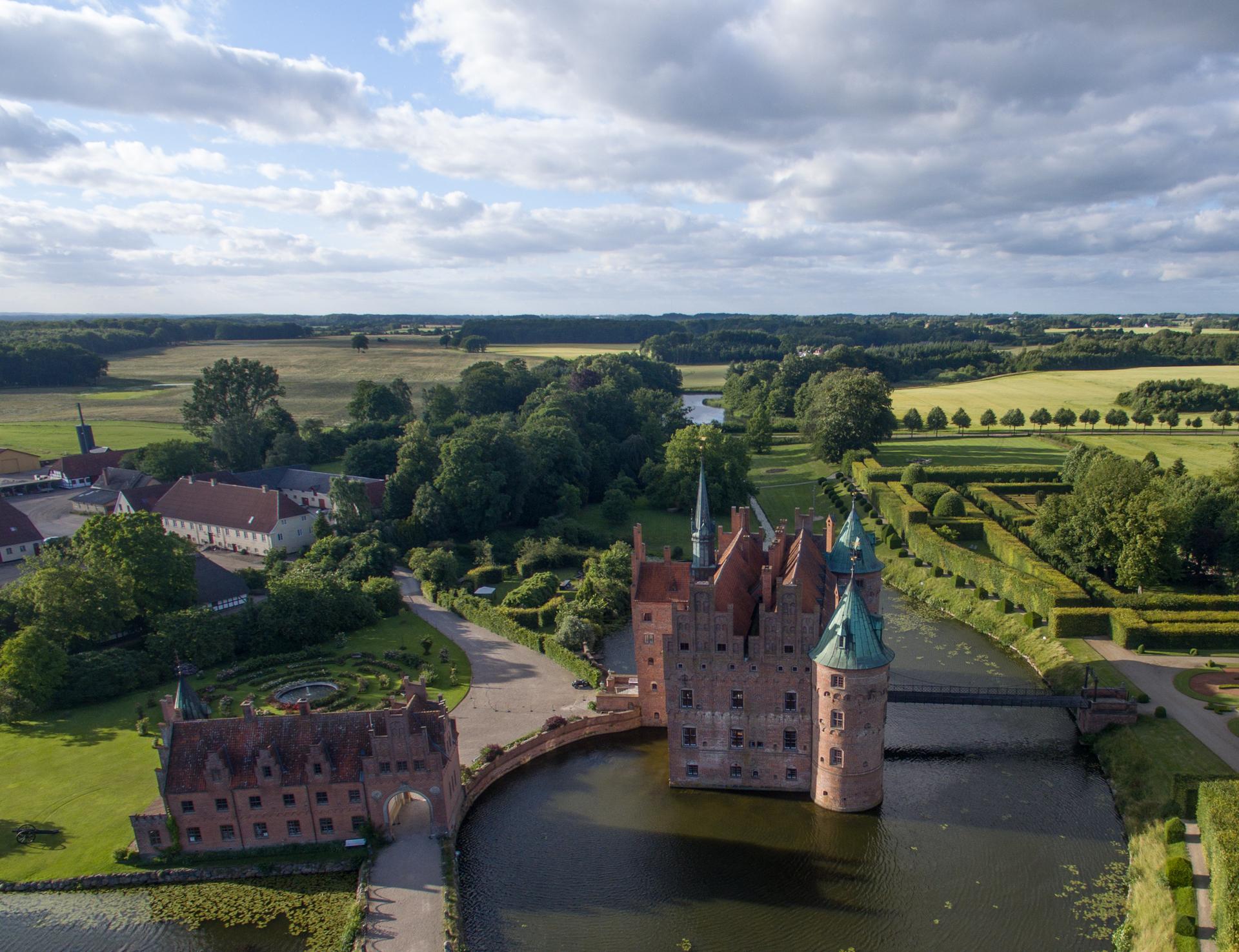
Discover Funen, Denmark's lush island treasure, where fairy tales come to life amidst scenic landscapes, historic castles, and vibrant cultural heritage.
Tell me more about Funen
A calm Funen bay where marina life, sea trout, waterbirds and views of the Great Belt Bridge come together along Nyborg’s gently curving coastline.
Grassy fortress ramparts circling Nyborg’s old royal heart, now a leafy park of historic earthworks, castle views and relaxed walks above the town.