
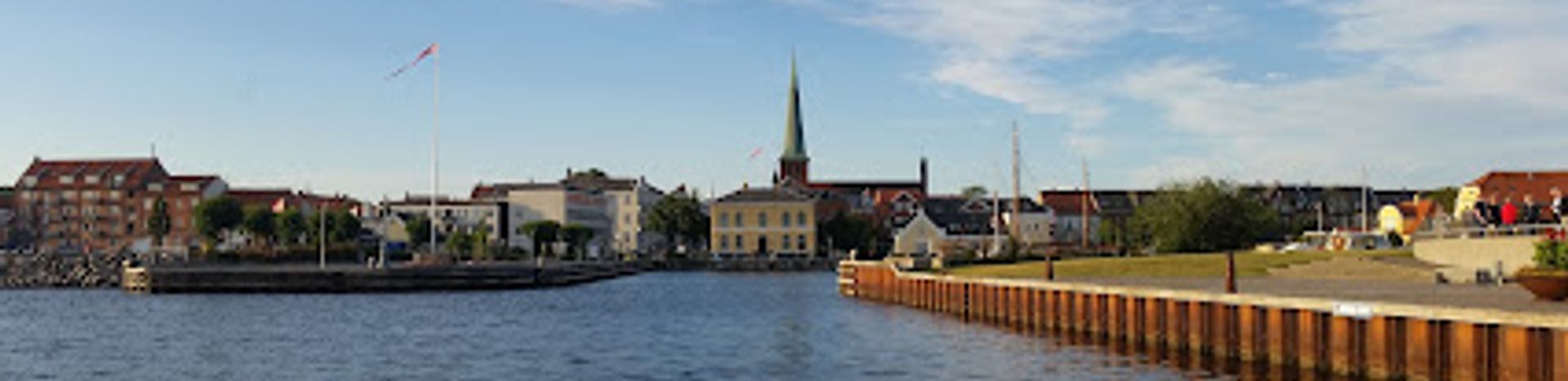
Church of Our Lady (Vor Frue Kirke), Nyborg
Medieval red-brick landmark founded by Queen Margrete I, Nyborg’s Church of Our Lady blends royal history, Gothic architecture and living Lutheran tradition.
Rising above the medieval streets of Nyborg, the red-brick Church of Our Lady (Vor Frue Kirke) is a historic Lutheran church founded in 1389 under Queen Margrete I. Built beside Nyborg Castle, it once served as the town’s grand five‑aisled church, later reshaped in the 19th century. Today its tall west tower, vaulted interior and calm, light-filled nave offer a serene counterpoint to the bustle of Gl. Torv, inviting quiet reflection, architectural curiosity and a sense of Denmark’s royal past.
A brief summary to Church of Our Lady
- Gl. Torv 1, Nyborg, 5800, DK
- +4565311608
- Visit website
- Duration: 0.5 to 1.5 hours
- Free
-
 Indoor
- Mobile reception: 4 out of 5
Local tips
- Visit during the church’s daytime opening hours to explore the nave and chancel in natural light; access may be restricted during services and private ceremonies.
- Pause near the west tower to appreciate how the church lines up with Nyborg’s historic streets and castle, giving a sense of the old town’s medieval layout.
- Check the local church or tourism information for organ recitals or choir performances, which make full use of the building’s acoustics.
- Step slowly through the nave and side areas to notice carved woodwork, inscriptions and small details that reveal different periods of the church’s history.
- Be respectful of worshippers; keep voices low and avoid photography near the altar during ongoing religious services.

For the on-the-go comforts that matter to you
- Restrooms
- Seating Areas
- Trash Bins
- Information Boards
Getting There
-
Train and short walk from Odense
From Odense, frequent regional trains run to Nyborg Station with a typical journey time of 25–35 minutes. A standard adult single ticket usually costs around 70–110 DKK in 2nd class. From the station it is an easy 10–15 minute walk on level pavements through the town centre to the church, suitable for most visitors and pushchairs. Trains run throughout the day, but evening and weekend services can be less frequent, so it is worth checking departure times in advance.
-
Car from the Funen motorway
Drivers coming via the E20 across Funen can follow signs into central Nyborg; the journey from Odense typically takes about 30–40 minutes depending on traffic. Public parking areas are available within walking distance of the old town and the church, though spaces can be limited at busy times and time restrictions may apply in central zones. There is no dedicated large car park solely for the church, so allow extra time to find a space, especially during major services or events.
-
Regional bus within eastern Funen
Regional buses connect surrounding towns in eastern Funen with Nyborg, generally taking 20–50 minutes depending on the route. A single ticket within the local fare zones typically costs in the range of 30–60 DKK, and tickets can often be bought on board or via transport apps. Most services stop near the railway station or in the central town area, from where it is a straightforward walk on urban pavements to the church. Bus frequencies are reduced in the evening and on Sundays, so plan journeys with the timetable in mind.
Church of Our Lady location weather suitability
-
 Any Weather
-
 Rain / Wet Weather
-
 Cold Weather
-
 Mild Temperatures
-
 Hot Weather
Discover more about Church of Our Lady
A royal foundation beside Nyborg Castle
Nyborg’s Church of Our Lady stands at the edge of the old town square, its history closely entwined with the nearby royal castle and Denmark’s medieval monarchy. Commissioned in 1389 by Queen Margrete I, the church was intended as a tangible marker of royal power at a time when Nyborg functioned as an important political centre. The dedication to Our Lady reflects the strong Marian devotion of the late Middle Ages, when many major Danish churches were placed under the Virgin’s protection. The choice of site reinforced its significance. From the square, the church’s mass of red brick rises above the tiled roofs, a visual partner to the fortress-like silhouette of Nyborg Castle. Together they defined the skyline for sailors approaching across the Great Belt, signalling both spiritual authority and the presence of the crown.From five naves to a pared-back Gothic interior
Architecturally, Vor Frue Kirke tells a story of change. For centuries it was an unusually large **five‑aisled** church, a layout that underlined Nyborg’s importance and allowed large congregations to gather for services and royal occasions. In 1870–71, major alterations removed much of the outer aisles, slimming the footprint but preserving the core Gothic structure and soaring sense of height. Inside, the space is defined by brick vaults, clustered pillars and filtered daylight that softens the red tones of the walls. The rhythm of arches draws the eye toward the chancel, where the altar forms a quiet focal point. The building’s west tower, completed in 1589, anchors the composition; from outside, its stepped gables and tall, narrow windows give the church a distinctly Danish Gothic profile that contrasts with the more massive Romanesque churches found elsewhere in the country.Reformation and life as a Lutheran parish church
With the Danish Reformation in the 16th century, the Church of Our Lady shifted from Catholic to Lutheran worship but remained Nyborg’s principal parish church. The interior decoration changed gradually: side altars disappeared, and a strong emphasis was placed on preaching and congregational hymn-singing, still central to services today. Over the centuries the church has witnessed royal visits, town assemblies and everyday rites of passage. Baptisms, confirmations, weddings and funerals continue to tie local families to the building, and the church’s calendar includes everything from solemn high services to musical events that make use of its resonant acoustics and organ.Details, furnishings and quiet corners
Exploring the interior reveals layers of craftsmanship. The altarpiece and pulpit, shaped by post‑medieval tastes, introduce carved wood, gilded details and figurative scenes that contrast with the relative simplicity of the brick walls. Memorials and gravestones hint at Nyborg’s merchants, clergy and notable citizens, some with inscriptions that have weathered to soft reliefs. Light plays an important role in the atmosphere. On bright days, beams of sunlight cut across the nave, illuminating dust motes and picking out the textures of old timber, brass chandeliers and worn floor surfaces. In quieter side spaces, candles and small stained-glass panels add more intimate pools of colour and warmth, offering spots for private reflection away from the main aisle.A living landmark in Nyborg’s historic heart
Although steeped in history, Vor Frue Kirke is far from a static monument. It remains an active parish church with regular services, choir activities and seasonal events such as Advent and Christmas concerts that fill the building with music. Its central location on Gl. Torv means that the sound of bells punctuates daily life, marking the hours and calling worshippers to gatherings. For visitors, the church offers both an architectural highlight and a contemplative pause within walking distance of Nyborg’s other historic sites. Stepping back outside, the contrast between the calm interior and the cobbled square underscores how this red‑brick landmark has long anchored the town’s identity, bridging medieval origins and modern community life.Iconic landmarks you can’t miss

Erik Ballings Plads
0.2 km
Where Danish cinema's greatest visionary is celebrated through iconic characters and cultural memory.
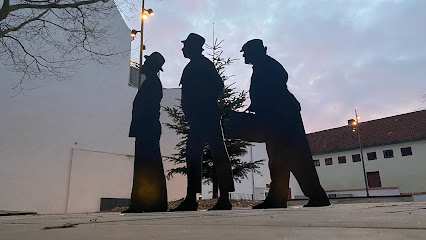
Mindesmærke for kaptajn Peter Bredal
0.2 km
A solemn memorial to a 17th-century Danish captain whose frozen fleet became legend.
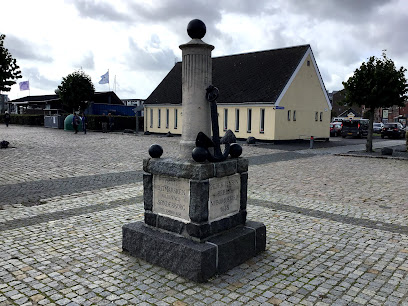
Nyborg Vold
0.3 km
Stroll the grassy ramparts and mirror-still moats that once guarded Denmark’s medieval power center, now a peaceful green belt wrapping historic Nyborg.

Nyborg Fortress
0.5 km
Medieval parliament seat where Danish kings shaped a nation's destiny and founded a Nordic empire.
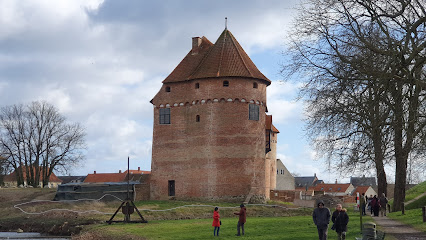
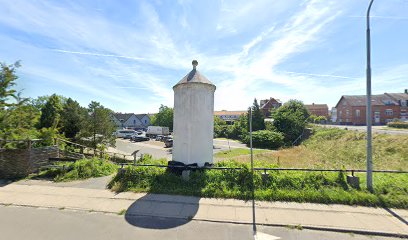
Den Hvide Jomfru
0.5 km
A modest white monument on Nyborg’s old fortress embankment, Den Hvide Jomfru blends legend, landscape and history into a quiet, atmospheric pause.
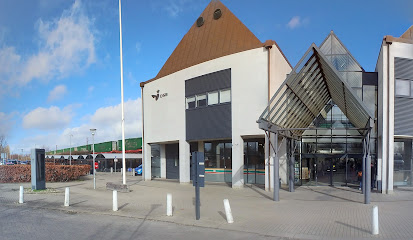
Nyborg St.
0.7 km
A historic rail gateway on Funen’s east coast, Nyborg Station links castle town charm with fast, modern connections across Denmark via the Great Belt.
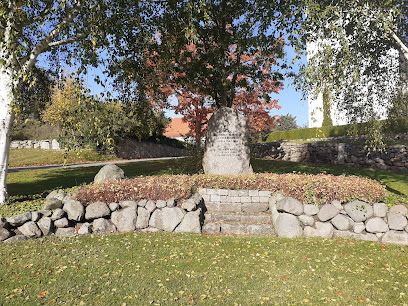
Befrielsessten i Vindinge
3.8 km
A modest village liberation stone in front of Vindinge Church, quietly commemorating Denmark’s 1945 freedom amid the calm of rural eastern Funen.
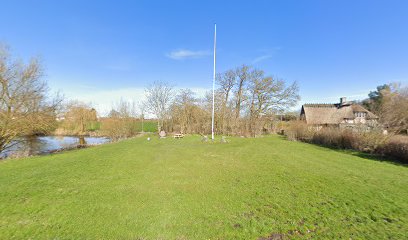
Befrielsessten i Skalkendrup
7.5 km
A quiet memorial to Denmark's liberation from Nazi occupation in 1945
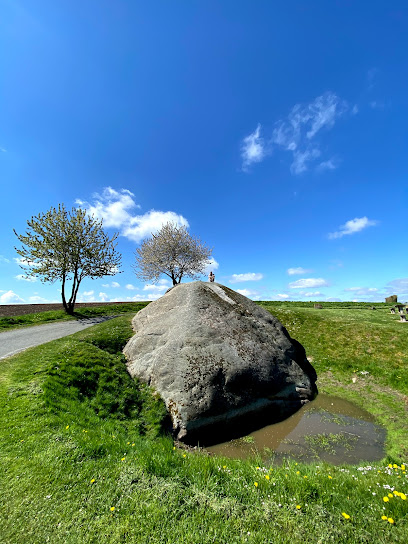
Damestenen
14.6 km
Denmark's colossal 1,200-tonne ice-age boulder, transported from Sweden 18,000 years ago.
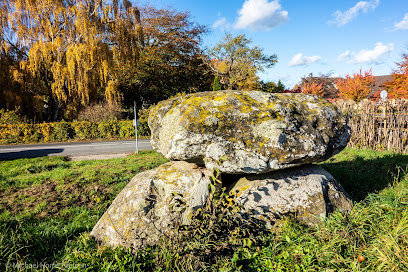
Rolfshøj
15.1 km
A quiet Neolithic long barrow in the fields near Ferritslev Fyn, where a simple stone chamber and grassy mound bring Funen’s prehistoric past close at hand.
Papirbåden | H.C. Andersen
27.1 km
A delicate paper boat turned gleaming sculpture, Papirbåden floats on Odense’s Fairytale Garden lake, quietly celebrating H.C. Andersen’s “Steadfast Tin Soldier.”

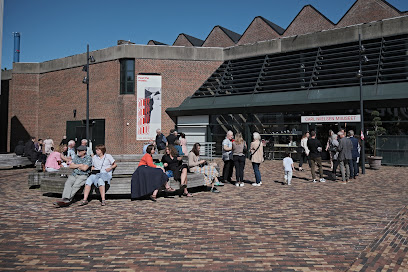
Carl Nielsen Museum
27.2 km
Discover the life and work of Carl Nielsen at this intimate Odense museum, where music, history, and Danish cultural heritage blend in interactive exhibits.
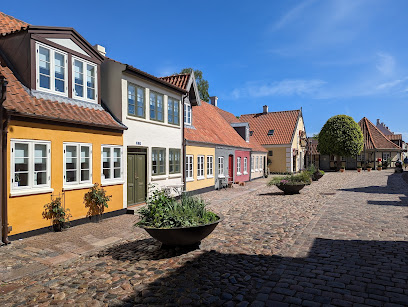
Odense Cathedral - St. Canute's Church
27.2 km
A luminous Brick Gothic cathedral in central Odense, where Denmark’s last Viking king, royal tombs and a masterpiece altarpiece share a serene, living sacred space.

H. C. Andersens House
27.2 km
Explore the spellbinding H.C. Andersen’s House in Odense, where world-class storytelling, innovative design, and interactive exhibitions bring fairy tales to life.
VILLE VAU
27.2 km
A world-class architectural landmark offering immersive exhibitions on Denmark’s maritime past and present, set in a dramatic underground dry dock by Kronborg Castle.

Unmissable attractions to see

Nyborg Lokalhistoriske Arkiv
0.2 km
Paper trails, photographs and quiet stories: Nyborg’s local history archive opens a focused window onto the town’s streets, families and everyday past.

Nyborg torv
0.2 km
Experience Danish heritage and community on Nyborg’s historic main square, where medieval history meets the relaxed rhythm of modern market town life.
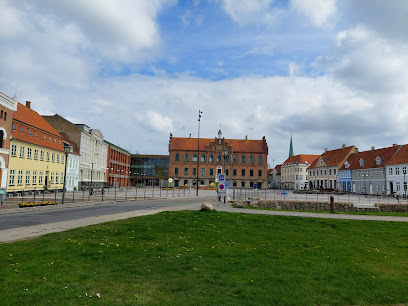
Mindesmærke for D-Dag
0.3 km
Compact yet powerful, Nyborg’s D‑Day Memorial quietly honours Danish war sailors and links a small coastal town to the vast drama of 6 June 1944.
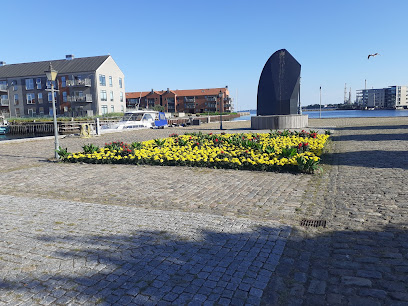
Bastionen Nyborg
0.3 km
Nyborg's vibrant cultural hub hosting 35,000+ annual visitors and 200+ events.

Mads Lerches Gård
0.3 km
Step into an 18th-century merchant's home and discover the intimate world of prosperous Nyborg.

Borgmestergården
0.3 km
Step through the red half‑timbered façade into four centuries of Nyborg history, where a merchant’s and mayor’s home now tells the town’s intimate story.
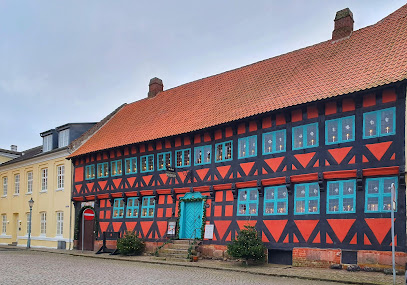
Børge Jensens Plads
0.3 km
Experience the Befrielsessten in Sulkendrup: A serene memorial park honoring Denmark's World War II liberation amidst lush countryside.
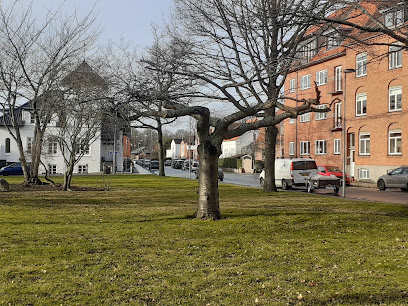
Nyborg Voldspil
0.3 km
Denmark’s oldest open‑air theatre, staging big summer musicals on Nyborg’s historic ramparts beneath tall trees and long Nordic evening skies.

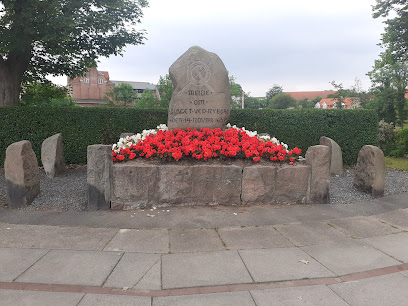
Mindesten for Slaget ved Nyborg 1659
0.3 km
A modest stone in a small green corner of Nyborg that quietly commemorates the brutal 1659 battle which helped secure Denmark’s survival as an independent kingdom.
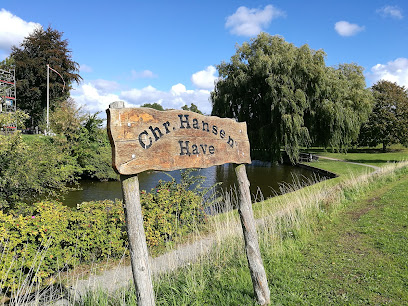
Chr. Hansens Have
0.4 km
A former pharmacist’s private refuge turned public pocket park, Christian Hansen’s Garden offers calm greenery, local history and a gentle pause on Nyborg’s Blue Clover Path.
Nyborg Volde
0.4 km
Grassy fortress ramparts circling Nyborg’s old royal heart, now a leafy park of historic earthworks, castle views and relaxed walks above the town.

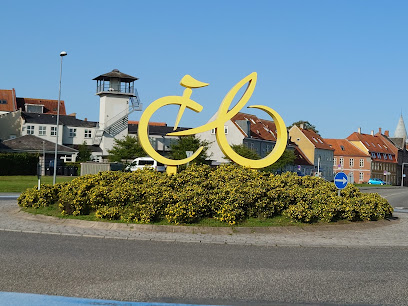
Tour de France-monument
0.4 km
Oversized yellow bike, big cycling memories: Nyborg’s open-air Tour de France Monument celebrates the 2022 stage finish on Funen’s windswept waterfront.
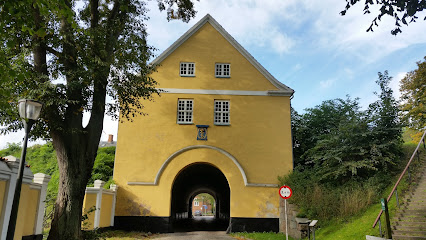
Landporten
0.4 km
Step through Nyborg’s historic land gate, once the town’s only entrance, and wander grassy ramparts where fortress walls meet tranquil park-like scenery.
Nyborg Castle
0.4 km
Medieval power centre and early Danish capital, where moats, ramparts and royal halls tell the story of kings, parliaments and the kingdom’s first constitution.
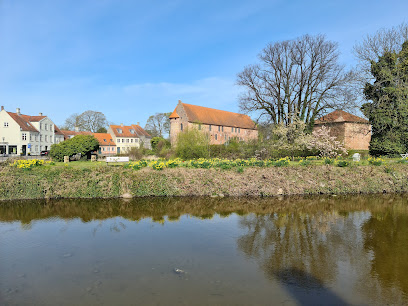
Schønheyders Plads
0.4 km
A modest harborfront square on Nyborg’s Vesterhavnen, where everyday maritime life, open water views, and the town’s coastal character quietly meet.
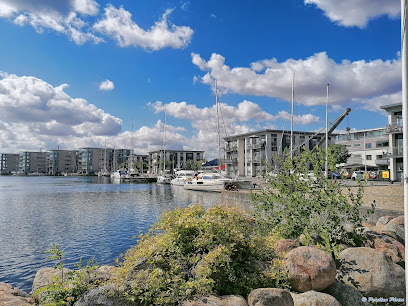
Essential places to dine

Aiko Sushi
0.1 km
Intimate Japanese restaurant in Nyborg’s old town, serving carefully crafted sushi made with local Danish produce in a relaxed, modern setting.

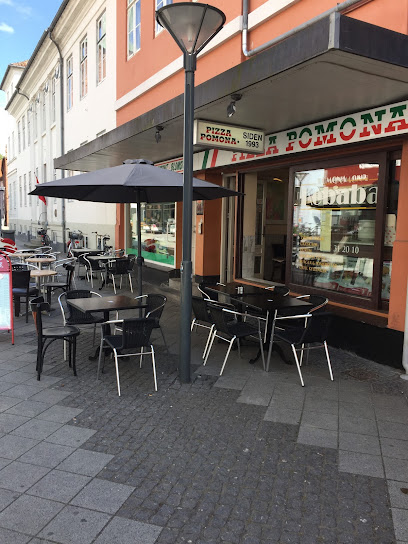
Pomona Pizza Nyborg
0.1 km
Thin-crust pizza, hearty kebab and easygoing vibes in a central Nyborg pizzeria that doubles as a convenient sit‑down spot and busy takeaway hub.
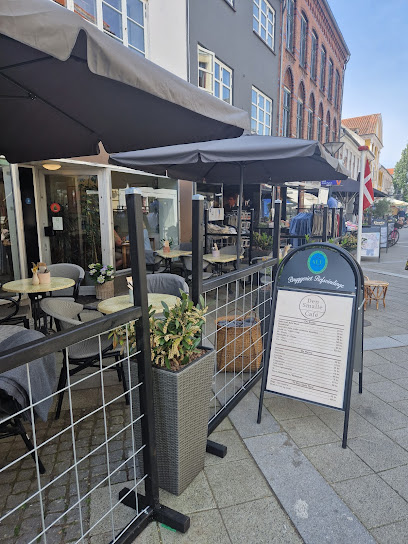
Den Smalle Café
0.1 km
A petite Kongegade café turned catering hub, Den Smalle Café blends cozy Scandinavian charm with simple, wholesome food prepared in the heart of Nyborg.
Roeds Brasserie
0.1 km
Refined bistro dining with impeccable service and curated wines in the heart of Nyborg.
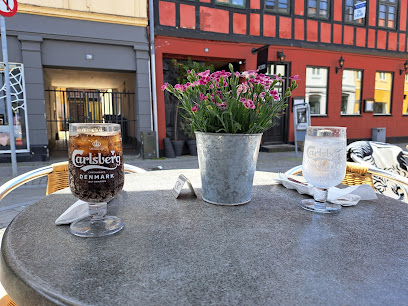
Jimbo's Kaffebar
0.1 km
Cosy Nyborg kaffebar where well-made coffee, hearty panini and relaxed evening drinks meet in a warm, lived-in neighbourhood atmosphere.
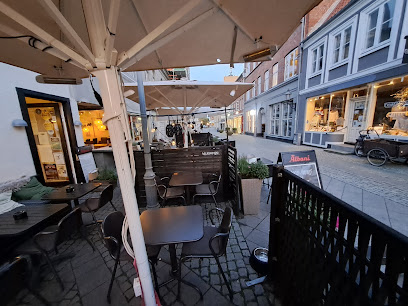
Mamma's Nyborg
0.1 km
Casual Italian pizzas, pasta and focaccia in Nyborg’s historic centre, offering a warm, family‑friendly evening stop for relaxed dine‑in meals or easy takeaway.
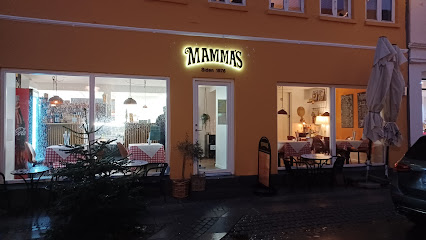
Rio Bravo
0.2 km
Discover the vibrant atmosphere at Rio Bravo Beer Hall in Nyborg—where good times and great brews come together!

Central Cafeen
0.2 km
Historic Danish eatery in the heart of Nyborg, serving classic comfort dishes like smørrebrød and æggekage in cosy, unpretentious surroundings.

Nyborg Thai Food
0.2 km
Authentic Thai cuisine in Nyborg's center—dine in or take away.
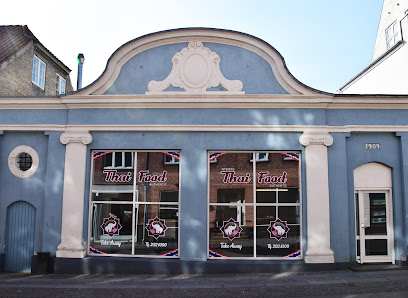
Chicago burger
0.2 km
Straightforward, American-style burgers in Nyborg’s compact town center, ideal for a quick, filling meal or takeaway between castle, harbor, and coastal strolls.
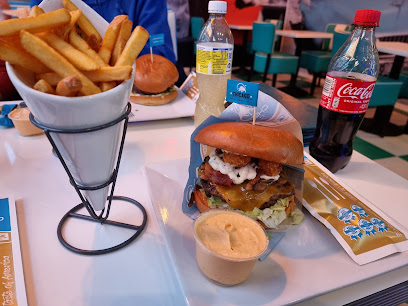
King's Running Sushi & Wok
0.2 km
Casual all‑you‑can‑eat sushi and wok in the heart of Nyborg, mixing conveyor‑belt plates, tablet ordering and playful robot service in a lively setting.
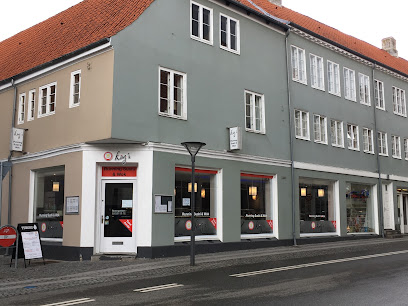
Pizza King
0.2 km
Casual pizzeria in the heart of Nyborg serving hearty slices, classic pizzas and fast favourites for an easy, budget‑friendly meal any day of the week.
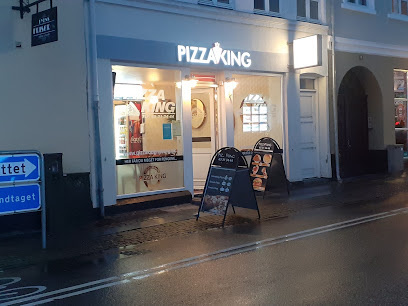
Café Valde
0.2 km
Cozy corner café near Nyborg’s harbor, serving smørrebrød, burgers, local craft beer and distillery cocktails in a relaxed, dog-friendly atmosphere.

Det Lille Vaffelbageri
0.2 km
Homemade waffle cones and generous scoops in a cosy Nyborg side street, blending simple Danish ice-cream joy with the charm of a historic royal town.

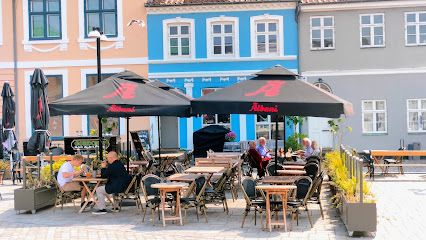
Den Gode Smag ApS
0.2 km
Central square café-brasserie in Nyborg serving tapas, hearty classics and good wine in a cozy, candlelit setting just steps from the historic castle.
Markets, malls and hidden boutiques

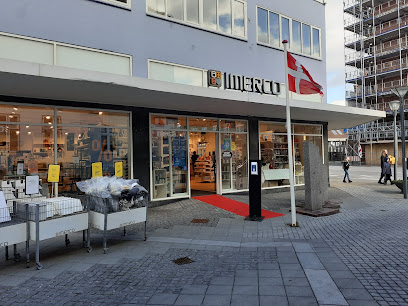
Imerco
0.0 km
Central Danish homeware and kitchen store on Nyborg’s historic square, ideal for practical gear, Scandinavian design pieces and thoughtful gifts in one stop.
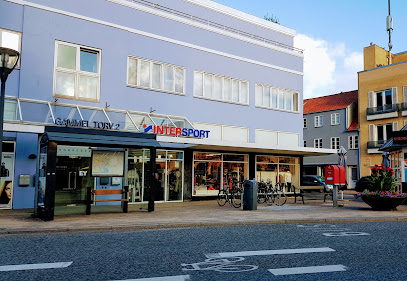
Intersport Nyborg
0.1 km
Nyborg's trusted sports retailer with expert service and complete outdoor gear selection.
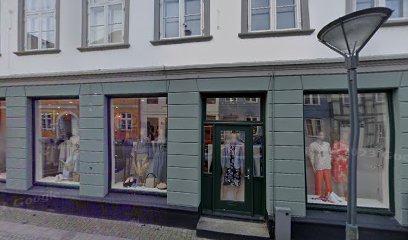
Linn V/Tina Rasmussen
0.1 km
Intimate owner-run womenswear boutique in central Nyborg, offering classic Scandinavian style and personal service along cosy Mellemgade.
Tippy
0.1 km
Contemporary women's fashion in the heart of historic Nyborg's charming medieval center.

Tinga Tango v/Anette Langholm
0.1 km
A cosy Nyborg design boutique blending Scandinavian home décor, colour and hygge across two light-filled shopfronts on lively Kongegade.
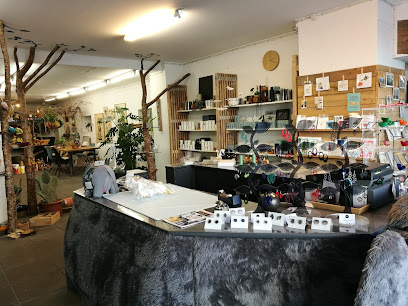
Gen&Brug Nyborg
0.1 km
Lively second-hand treasure trove in central Nyborg, where everyday bargains and characterful vintage finds meet a down-to-earth, reuse-first ethos.

Pigernes Magasin
0.1 km
Intimate women’s fashion and lingerie boutique tucked above a central Nyborg street, blending personalised fittings with relaxed, small‑town Danish charm.
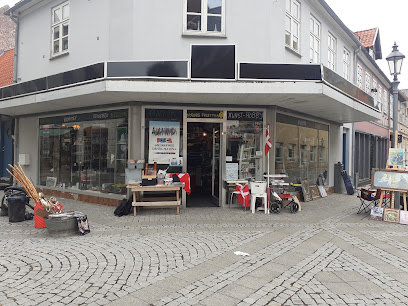
Nyborg Paletten v/Jan Andersen
0.1 km
A cozy Nyborg art and secondhand shop where paints, paper, books and curious finds share shelves in a compact, creative corner on Nørregade.
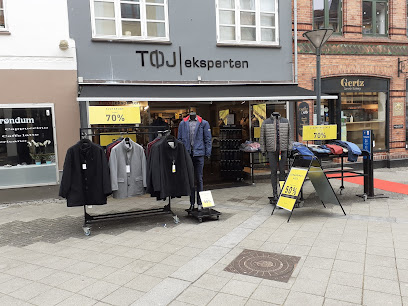
Tøjeksperten
0.1 km
Premium menswear specialist in Nyborg's heart, offering quality clothing with exceptional customer service and a generous 365-day return policy.
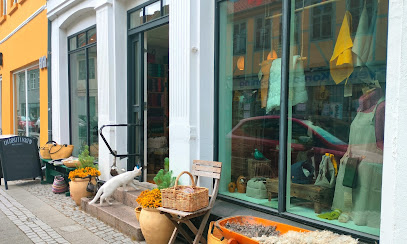
Uldbutikken Marcusholm
0.1 km
A small, personal yarn and craft shop in Nyborg’s historic centre, where warm wool, handmade ceramics and expert advice create a cosy creative retreat.
Vinspecialisten Nyborg
0.1 km
Atmospheric wine shop and cosy coffee & wine bar on Nyborg’s Nørregade, blending curated bottles, tastings and local charm in an intimate, owner-driven setting.
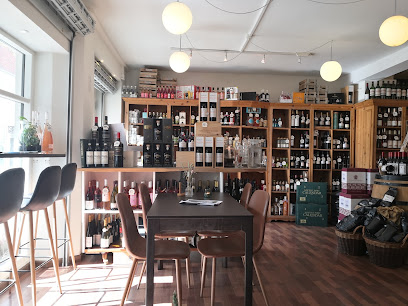
Red Cross Op Shop
0.1 km
Community-powered Danish thrift store in central Nyborg, where budget-friendly finds and second-hand treasures directly support Red Cross humanitarian work.
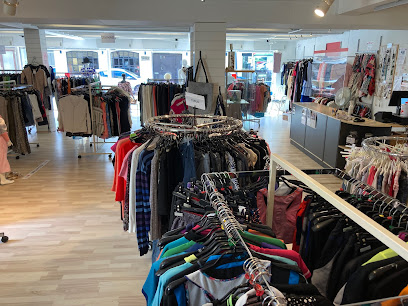
Helle Svansø
0.2 km
A cosy Nyborg specialty shop where Italian delicacies, handpicked wines and colourful ceramics come together in lovingly curated gift-worthy combinations.
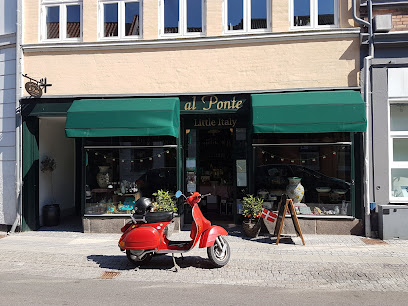
H&M
0.2 km
Compact high-street fashion hub in the heart of Nyborg, bringing everyday basics, family essentials and seasonal trends together on lively Nørregade.
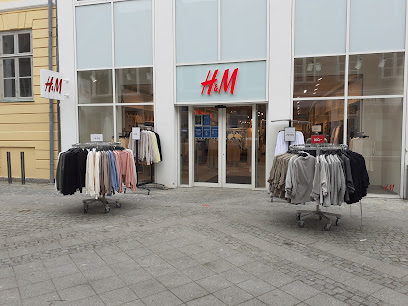
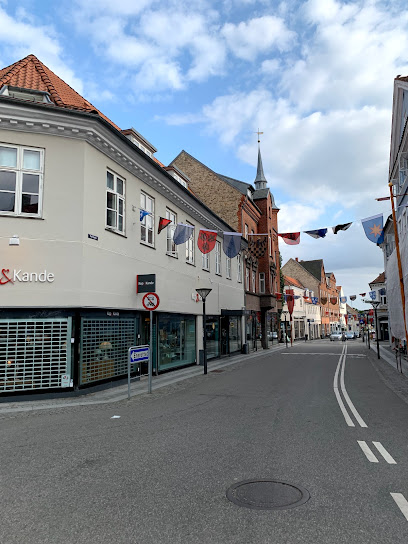
Kop & Kande
0.2 km
Compact Danish homeware and gift shop in Nyborg’s town centre, blending practical kitchen tools, tableware and lamps with a cozy, everyday local atmosphere.
Essential bars & hidden hideouts

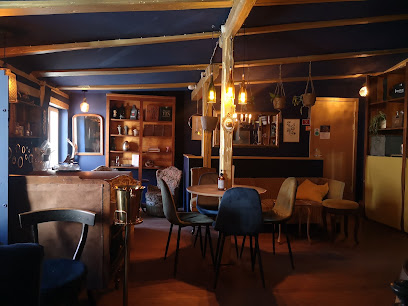
Laboratoriet Nyborg
0.1 km
Atmospheric wine bar and bottle shop in a historic 1824 apothecary laboratory, tucked in a Nyborg courtyard and serving carefully chosen wines, snacks and coffee.
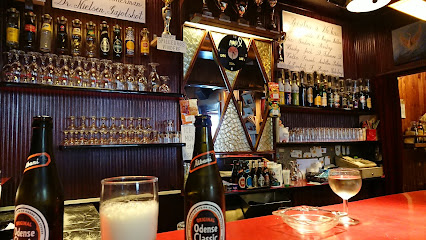
Phønix I/S
0.1 km
Cozy, no-frills bar and burger spot in central Nyborg, serving cold beers, simple comfort food, and relaxed local nightlife just off the town’s historic streets.
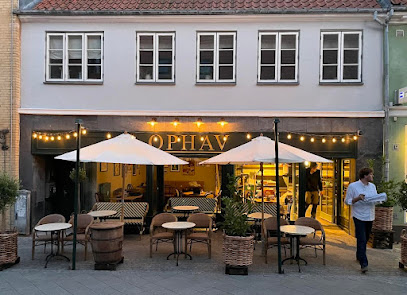
Ophav
0.1 km
Nyborg's refined casual dining hub blending bar, restaurant, and café culture with seasonal local cuisine.
Chr. II's Pub
0.1 km
Casual Danish pub in Nyborg's historic centre, where locals gather for authentic neighbourhood hospitality.

Øksendrup Cider
0.1 km
Cosy Nyborg cider bar showcasing organic East Funen apples, slow‑fermented bottles and intimate tastings in the historic heart of Denmark’s former royal city.

Corner Bar
0.5 km
Unpretentious neighborhood bar on Nyborg’s Strandvejen corner, serving cold drinks, easy conversation and a playful weekend wheel of fortune from late morning.
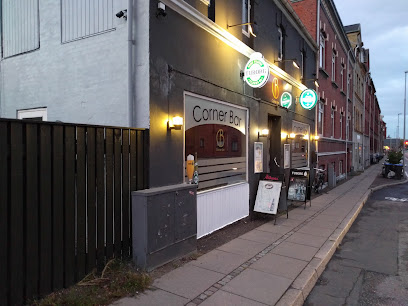
Terningen Henrik Skovlykke Vedel Hansen
19.8 km
Cozy neighborhood bar in Årslev with billiards, hearty Danish comfort food and a relaxed local atmosphere from late morning coffee to late-night beers.
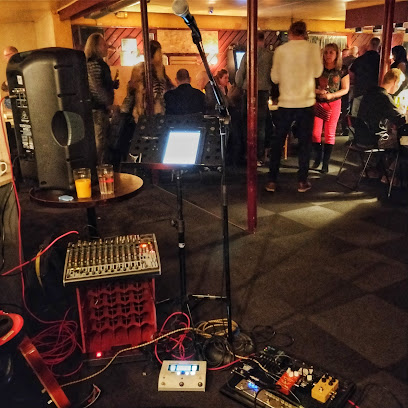
Den Gyldne Hund
20.7 km
Smoky, harbourfront pub in Lohals where locals, sailors and visitors share simple drinks, sea air and classic Danish værtshus atmosphere.
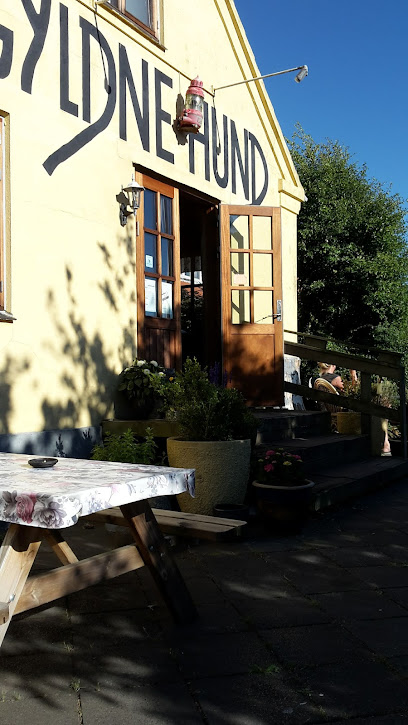
Marina's Sportslounge
20.8 km
Laid-back village sports bar in Tranekær, mixing live matches, simple small plates and a friendly Langeland local-pub feel.
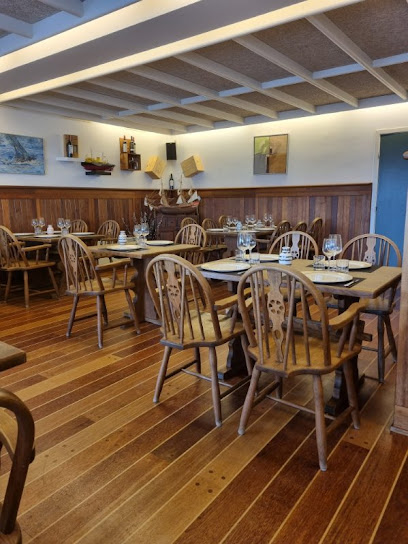
Hjallese Puben
26.0 km
Vibrant neighborhood bar where Odense locals gather for music, drinks, and authentic Danish pub atmosphere.

Den Lille Kro Odense
26.5 km
A classic Odense brown bar with history in its walls, cold beer on tap and a warmly worn, neighborhood atmosphere that feels instantly familiar.
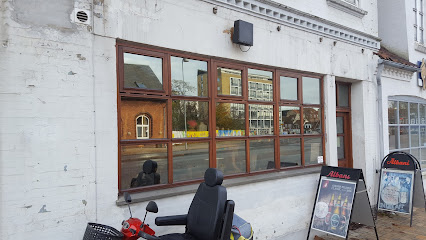
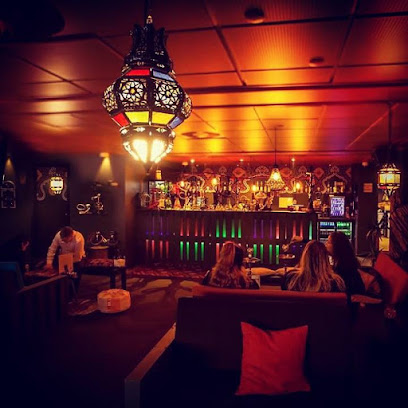
Vandpibe Cafe Odense - Casablanca lounge cafe
26.6 km
Cozy Odense shisha lounge blending Middle Eastern café culture with Danish hygge, soft music, and long, sociable evenings over fragrant hookah and drinks.
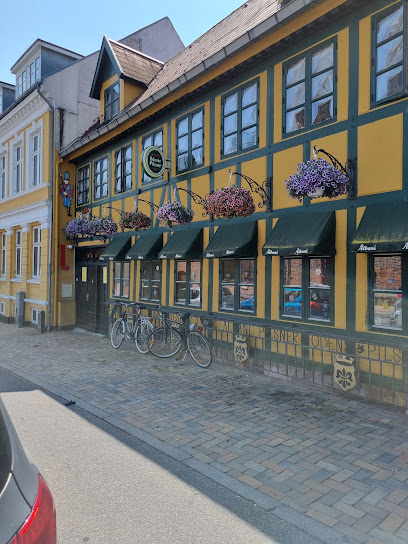
Den Standhaftige Tinsoldat Af Odense
26.9 km
A small, steadfast neighborhood beer bar in Odense C where inexpensive drinks, local regulars, and a laid-back dive-bar atmosphere tell their own quiet story.
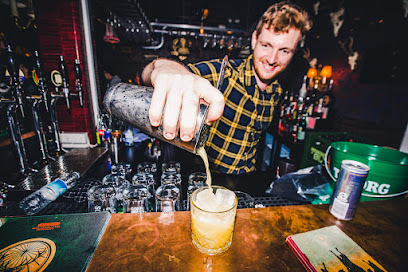
The Flower and the Bee
27.0 km
Experience Odense's vibrant nightlife at The Flower and the Bee, a premier weekend dance bar offering quality cocktails and dynamic music in a lively atmosphere.

Rabalder Bar Odense
27.0 km
A small, homely Odense bar styled like grandma’s living room, serving easygoing drinks and sing‑along hits in the heart of the city’s weekend nightlife.
Nightclubs & after hour spots

KJ's bodel
0.3 km
Laid‑back local nightspot on Nyborg’s main square, mixing simple drinks, sociable bar chatter and a compact dance floor in an unpretentious setting.
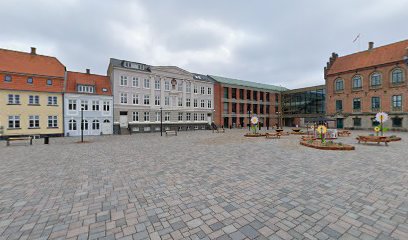
Muzirkus
1.3 km
Nyborg's independent music sanctuary where local bands rehearse, collaborate, and perform since 1974.
Dance Odense, Funen Square Dance Club
22.5 km
Community-driven square dancing in a cozy Odense neighborhood hall, where callers, patterns and shared rhythm turn an ordinary evening into a friendly social event.
BUTCHERS Odense
27.0 km
High-energy nightclub on Odense’s Overgade, mixing pounding bass, lights and late-night drinks in a central old-town setting steps from major sights.
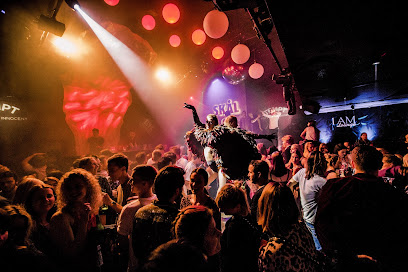
Boogie Dance Café
27.3 km
Odense's oldest disco where retro charm meets genuine community dancing.
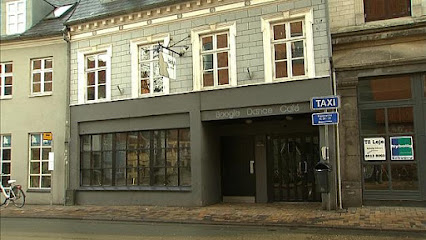
Dansebar Odense
27.4 km
Lively central Odense nightclub with mainstream hits, colorful lights and a sociable dance floor vibe from late evening into the early hours.
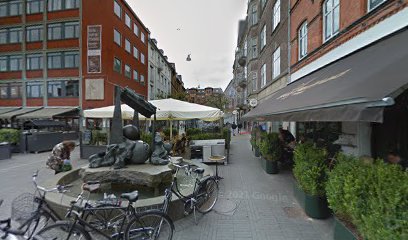
The slaughterhouse Nightclub & Eventhus
28.1 km
Experience industrial-cool nights, live music, and eclectic parties at The Slaughterhouse Nightclub & Eventhus, Odense’s dynamic hub for nightlife and contemporary culture.
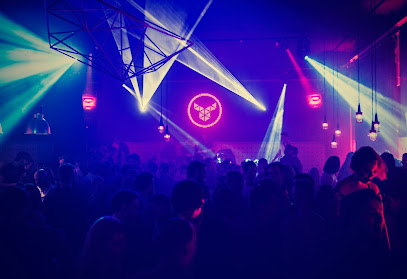
Crazy Daisy Svendborg
30.3 km
Compact, high-energy weekend nightclub in central Svendborg, serving mainstream beats, drinks and a sociable dance floor until the early hours.
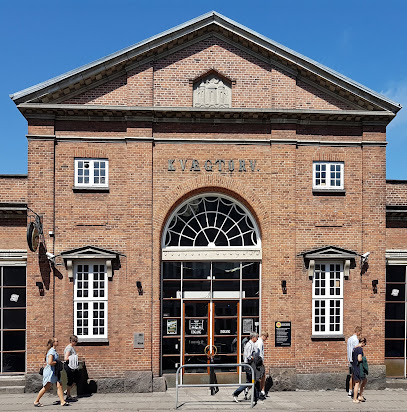
Gecco Bar & Natklub
36.9 km
Loud, colorful, and unapologetically party‑focused, Gecco Bar & Natklub is Slagelse’s straightforward late‑night spot for dancing, drinks, and familiar club hits.
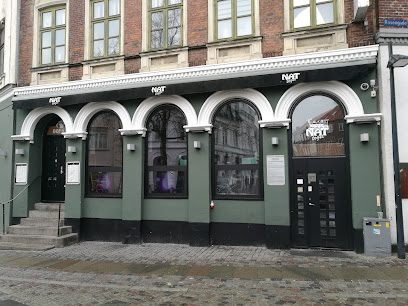
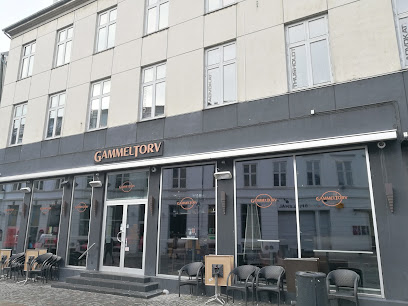
Gammeltorv
37.0 km
Slagelse's vibrant weekend nightclub where locals and visitors dance until dawn.
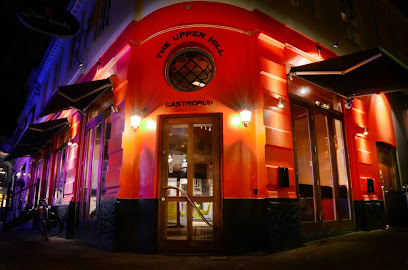
The Upper Hill
37.0 km
A lively, well-loved pub and wine bar on Slagelse’s main square, delivering authentic Danish nightlife, craft drinks, and regular social events in a warm, modern setting.
Slagelse Jazzklub
37.1 km
Western Zealand's premier jazz venue celebrating five decades of live music, dining, and authentic club culture.
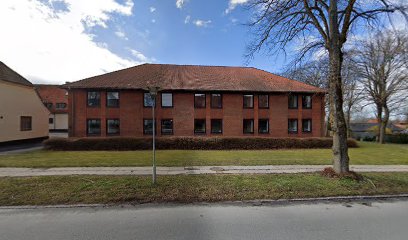
Kasket karl
42.0 km
Discover authentic Danish hospitality and local color at Kasket Karl, Rudkøbing’s beloved bodega on Langeland—a lively gathering spot offering drinks, history, and community.
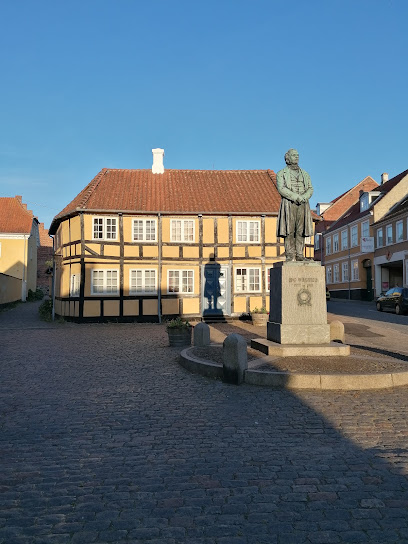
Langelands Jazzklub
42.3 km
Experience the vibrant local jazz scene at Langelands Jazzklub in Rudkøbing, where live music and island hospitality meet in one of Denmark’s most charming settings.
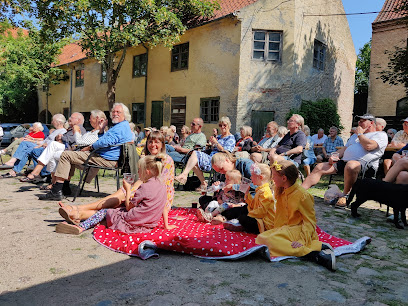
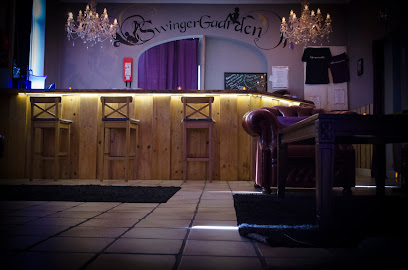
Swingergaarden
44.7 km
Discreet countryside swingers club near Slagelse, offering themed adult nights, intimate play spaces and a rules-based, consent-focused environment for open-minded guests.
For the vibe & atmosphere seeker
- Tranquil
- Scenic
- Unique
- Casual
For the design and aesthetic lover
- Vintage Styles
- Rustic Designs
For the architecture buff
- Historic
- Sacred Sites
- Landmarks
- Heritage Neighborhoods
For the social media creator & influencer
- Photo Spots
- Architectural Shots
For the eco-conscious traveler
- Low Impact
- Public-Transport Accessible
- Locally Managed
For the kind of experience you’re after
- Cultural Heritage
- Mindfulness
- Photowalk
- Day Trip
- Roadtrip Stop
For how adventurous you want the journey to be
- Easy Access
Location Audience
- Family Friendly
- Senior Friendly
- Child Friendly
- Teen Friendly
- Solo Friendly
- Couple Friendly
- Solo Female Friendly
- Vegetarian Friendly
- Vegan Friendly


