
Mosedalsbjerg, The North Sea Islands Travel Guide
Historic dune with WWII bunker, seal colonies, and sweeping Wadden Sea vistas
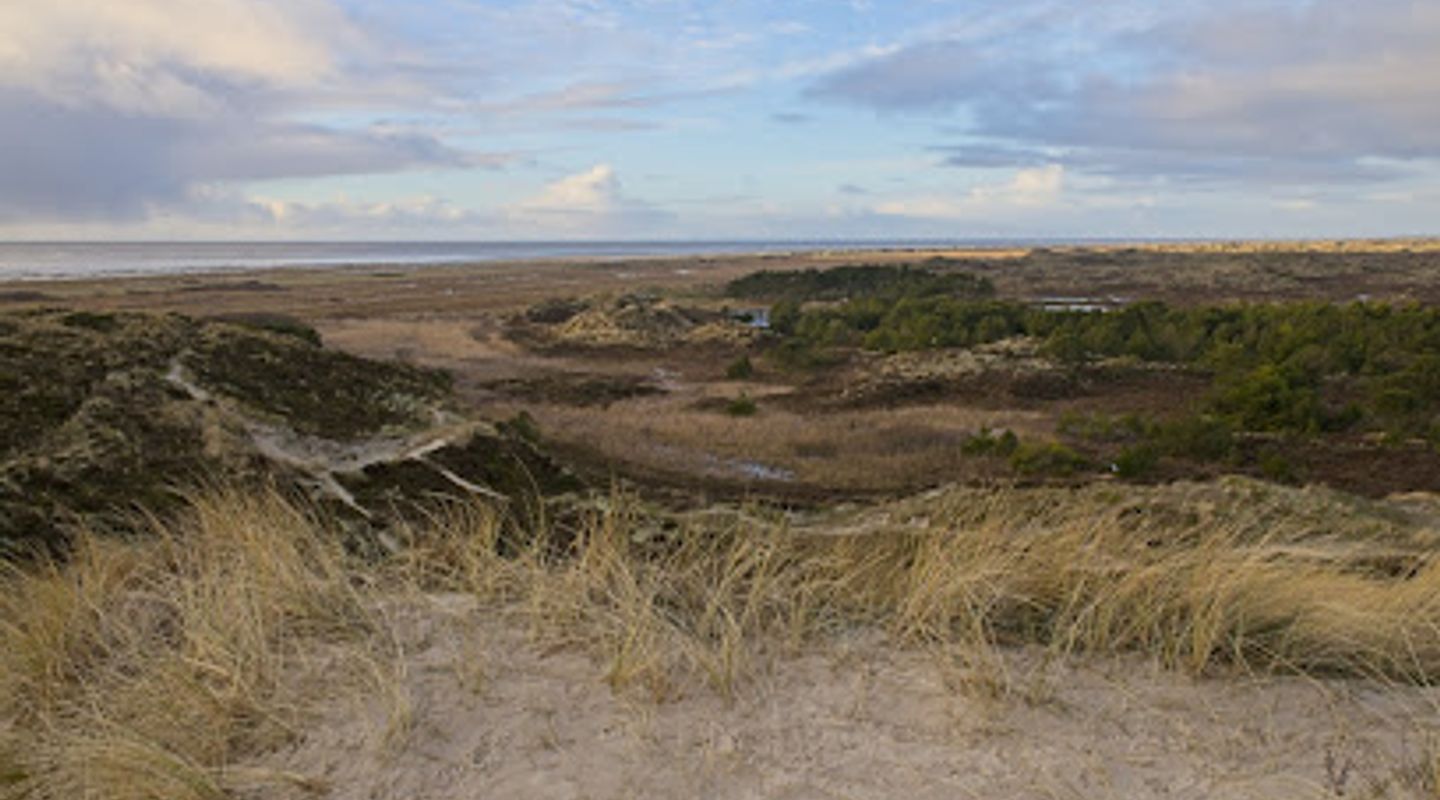
Mosedalsbjerg is one of Fanø's five highest dunes, offering panoramic views across the southern island and the Wadden Sea. This distinctive sand dune features a World War II personnel bunker and represents a crucial point in the Atlantic Wall's defensive line. The surrounding landscape reveals layers of the island's geological and historical development, with nearby seal colonies and tidal meadows adding natural richness to the experience.
A brief summary to Mosedalsbjerg
- Fanø, 6720, DK
- Click to display
- Duration: 1.5 to 3 hours
- Free
-
 Outdoor
- Mobile reception: 4 out of 5

Know before you go
Hi, I'm Eve. Here are a few practical things to know before exploring Mosedalsbjerg.
- Visit during low tide to walk 1.7 km into the Wadden Sea toward Galgerev for the best seal-watching opportunities. Grey and harbour seals are most active during calm weather.
- Bring binoculars for observing seals and migratory birds. The surrounding marshes and mudflats attract millions of waterfowl annually, particularly during spring and autumn migration seasons.
- The World War II bunker is visible but not accessible for entry. Respect the site as a historical monument and be cautious near the dune structure.
- Wear appropriate footwear for sand dunes and potentially muddy terrain. Weather can change rapidly on exposed coastal dunes, so bring wind-resistant clothing.
- Combine your visit with other dunes on Fanø's Big Five route to experience the full range of the island's geological and ecological diversity.
Do you manage this location?
Take control to get all the benefits, like improved information, better appearance, and stronger visibility across AI-powered discovery. Learn more about listing your business on Evendo
Activate your presenceOther nearby places you may find interesting
The closest places of the same kind, if this one is not quite what you had in mind.

Explore Mosedalsbjerg on the Map
A handpicked selection of must-see spots near Mosedalsbjerg, mapped for you.
Getting There
-
Car from Fanø Bad (northern village)
Drive south through Fanø on the main road connecting Nordby and Sønderho, approximately 12–15 kilometres, taking 20–25 minutes. Follow signs toward Sønderho and the southern dune areas. Free parking is available at the Mosedalsbjerg car park near the dune base. The road is well-maintained year-round.
-
Bicycle from Sønderho village
Cycle south from Sønderho village along the coastal road and dune paths, approximately 4–5 kilometres, taking 15–20 minutes depending on terrain. Fanø has extensive cycling infrastructure with flat, accessible routes. Bicycle rental is available in both Nordby and Sønderho for approximately 80–120 DKK per day.
-
Walking from Sønderho
A scenic walk of approximately 5–6 kilometres from Sønderho village takes 60–90 minutes. Follow the coastal paths and dune trails southward. The terrain is mostly flat sand and marked paths, though soft sand can slow progress. This route passes through characteristic Fanø landscape and is suitable for most fitness levels.
-
Ferry and car from Esbjerg mainland
Take the Fanø ferry from Esbjerg harbour to Fanø (Nordby terminal), approximately 12 minutes, with departures every 30–60 minutes. Ferry costs approximately 50–70 DKK per person. Drive or cycle south from Nordby to Mosedalsbjerg as described above. Total travel time from Esbjerg is approximately 60–90 minutes including ferry wait.
For the on-the-go comforts that matter to you
-
 Parking
-
 Information Boards
Discover more about Mosedalsbjerg
A Dune Shaped by History and Nature
Mosedalsbjerg stands as one of Fanø's five highest dunes, each representing different stages in the island's geological evolution. This distinctive sand formation rises prominently above the surrounding landscape, offering sweeping vistas across the southern portion of Fanø and extending toward the Wadden Sea horizon. The dune's significance extends beyond its natural beauty—it served as the southernmost point of the Atlantic Wall during World War II, when German forces positioned four 12.2 cm cannons south of Sønderho Strandvej to defend against potential Allied invasion. A substantial personnel bunker from this era remains embedded within the dune, a tangible reminder of the island's wartime occupation.Legends and Place Names of the Past
The area surrounding Mosedalsbjerg carries names steeped in maritime folklore and cautionary history. Nearby lies "Ved Galgen" (By the Gallows), a location where a gallows once stood as a grim warning to would-be beach robbers and those attempting to come ashore with ill intentions. The wet beach meadow immediately west of this historic site bears the name "Galgedalen" (Gallow Valley), preserving the memory of these darker chapters in local history. These place names reflect Fanø's long relationship with the sea and the dangers that once characterized its shores.A Gateway to Seal Colonies and Tidal Wonders
The waters and mudflats surrounding Mosedalsbjerg host one of Fanø's largest seal populations. Galgerev and Galgedyb, located toward the southwest, provide ideal habitat for both grey seals and harbour seals. During low tide, visitors can walk approximately 1.7 kilometres into the Wadden Sea toward Galgerev, where seals rest on sandbanks and bask in the sun. This tidal phenomenon transforms the landscape dramatically, revealing pathways across the mudflats and creating opportunities for close encounters with these marine mammals in their natural environment.Panoramic Views and Landscape Perspectives
From the peak of Mosedalsbjerg, the vista encompasses much of Fanø's southern landscape, revealing the intricate relationship between dune, beach, and sea. The view extends across characteristic Wadden Sea terrain—a landscape of profound ecological importance that supports millions of migratory birds annually. The dune's elevated position provides perspective on the island's diverse habitats, from the plantation areas to the marsh regions that serve as crucial resting places for migrating waterfowl. The panorama illustrates why this location has held strategic and cultural significance throughout Fanø's history.Integration Within Fanø's Dune System
Mosedalsbjerg forms part of Fanø's "Big Five" dune route, a collection of five prominent dunes distributed across the island. Each dune represents distinct phases of the island's development and offers unique perspectives on Fanø's natural character. The dunes collectively showcase the island's dynamic relationship with wind, water, and time, with Mosedalsbjerg exemplifying the dramatic topography that defines southern Fanø. The area is situated within the Wadden Sea National Park, placing it within one of Europe's most significant ecological zones.












Your all‑in‑one travel companion app
Explore expert travel guides, compare and book tours, experiences, hotels, and more—all from the palm of your hand. Download now for seamless trip planning wherever your wanderlust takes you.


Explore More of The North Sea Islands
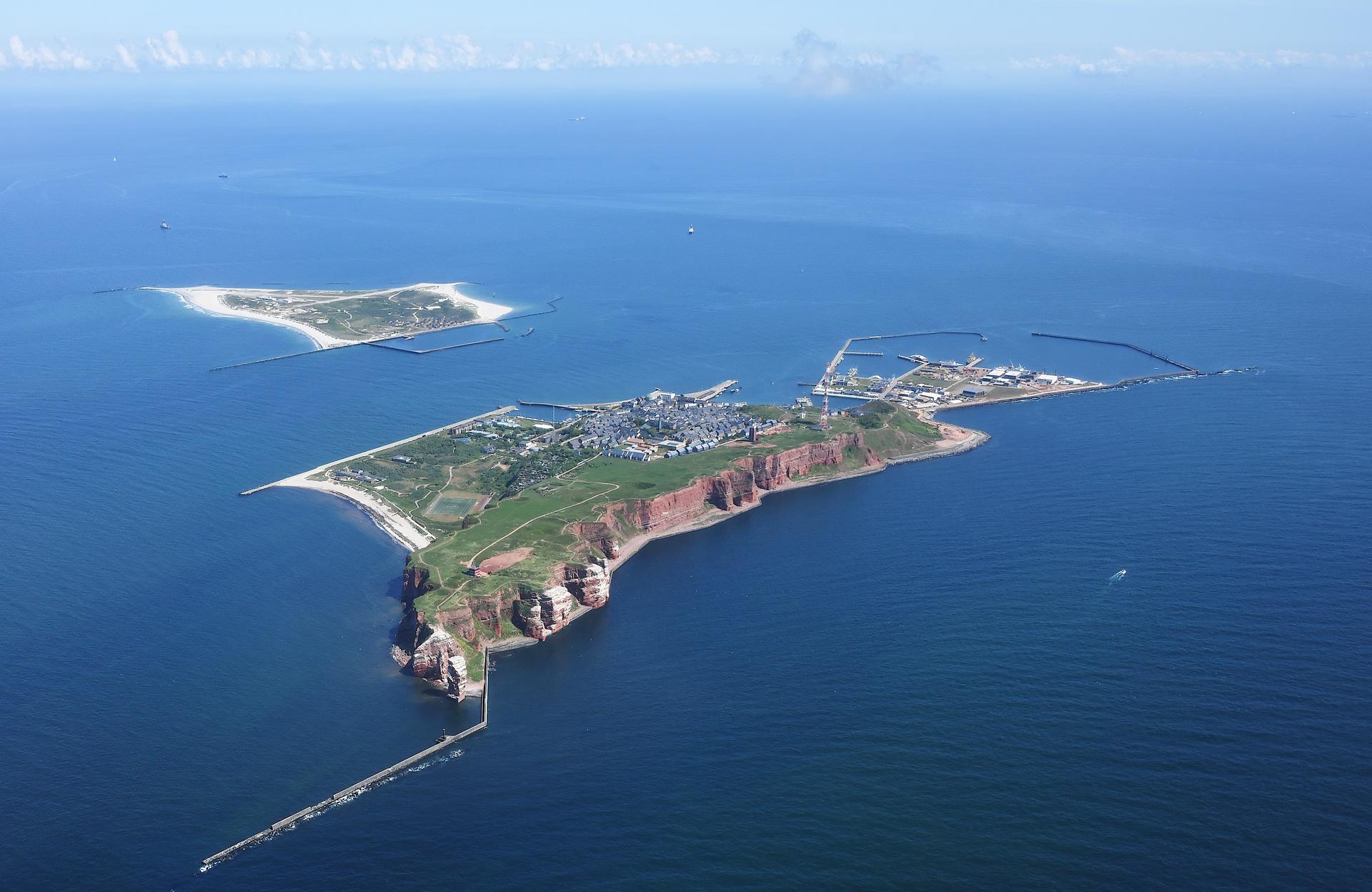
Looking beyond Mosedalsbjerg? Discover The North Sea Islands for broader travel guides, local hot-spots, and regional highlights.
Explore The North Sea Islands