Højbro Pl., North Zealand Travel Guide
Copenhagen's historic heart where Bishop Absalon's legacy meets vibrant urban life.
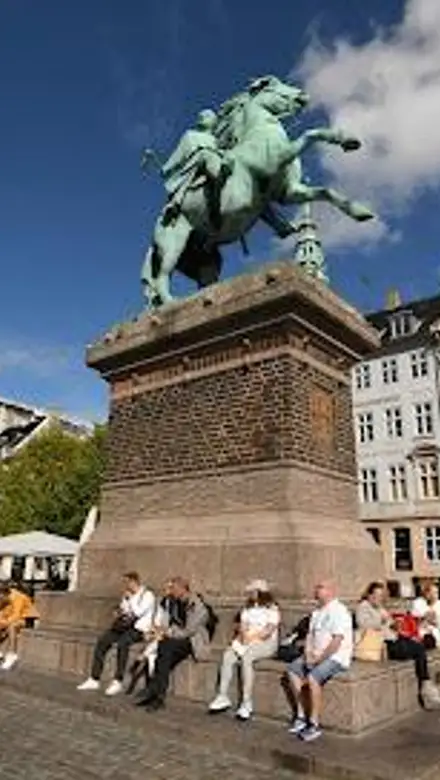
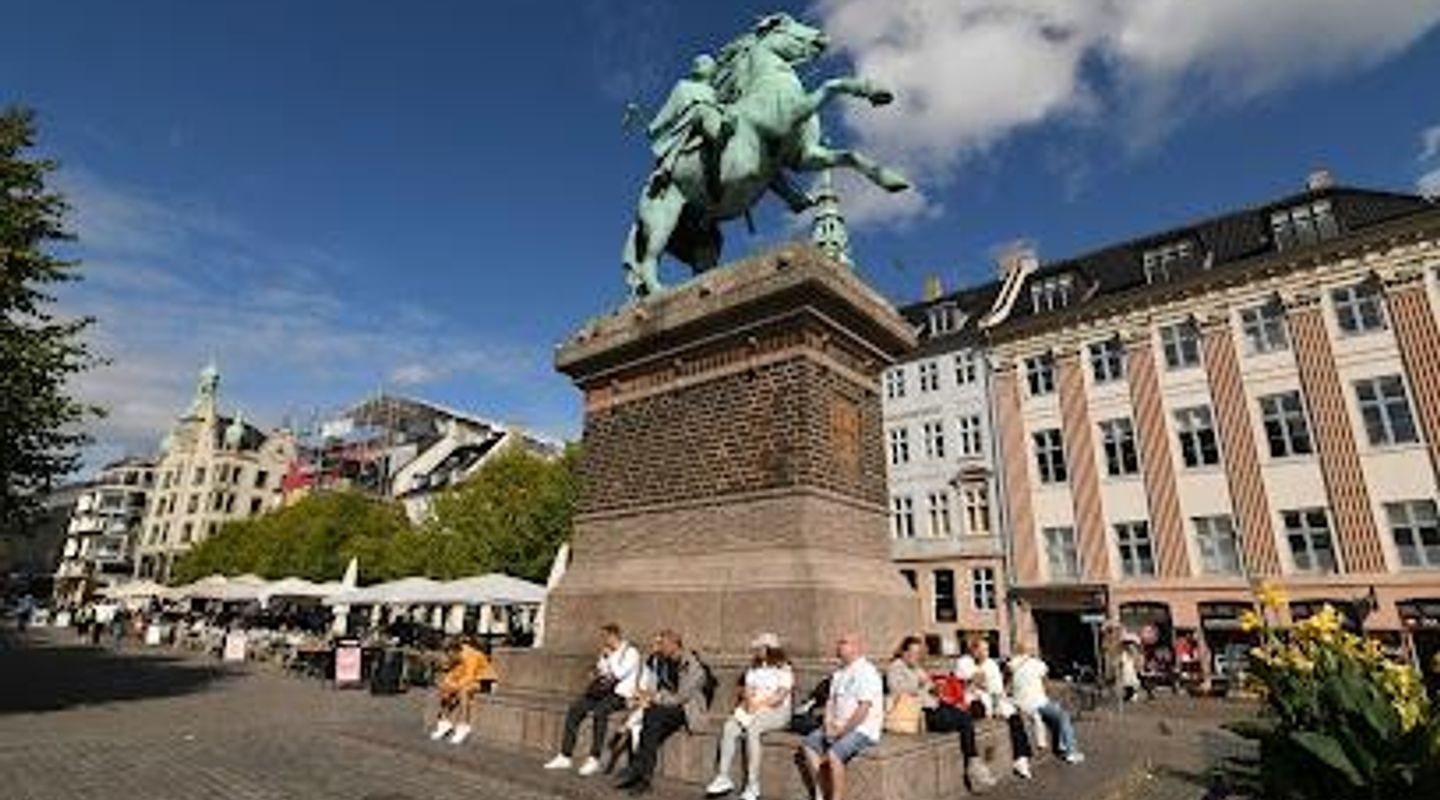
Højbro Plads is Copenhagen's vibrant central square, anchored by an iconic equestrian statue of Bishop Absalon, the city's legendary founder. Connecting the bustling Strøget shopping street to Slotsholmen island, this historic gathering space offers stunning views of the Højbro Bridge, Christiansborg Palace, and the picturesque canal. The square pulses with local life year-round, transforming into a festive Christmas market during the holidays and hosting major cultural events like the Copenhagen Jazz Festival.
A brief summary to Højbro Pl.
- Copenhagen, Indre By, 1200, DK
- Duration: 0.5 to 2 hours
- Free
-
 Outdoor
- Mobile reception: 5 out of 5

Know before you go
Hi, I'm Eve. Here are a few practical things to know before exploring Højbro Pl..
- Visit during warm afternoons to experience the square's true character—grab a cold beer or coffee at one of the surrounding cafes and settle in for people-watching along the canal.
- Time your visit for the Christmas season to experience the festive market atmosphere, or plan around the Copenhagen Jazz Festival for live music performances.
- Use the square as a strategic starting point for exploring Copenhagen's historic core; Nyhavn, Christiansborg Palace, and the National Museum are all within easy walking distance.
- Don't miss the sculptural details: examine the herring relief on Absalon's statue base and seek out the merman sculpture beneath Højbro Bridge for deeper historical storytelling.
- Rent a bicycle to experience the square as locals do; Copenhagen's cycling culture is integral to the square's daily rhythm and energy.
Do you manage this location?
Take control to get all the benefits, like improved information, better appearance, and stronger visibility across AI-powered discovery. Learn more about listing your business on Evendo
Activate your presenceOther nearby places you may find interesting
The closest places of the same kind, if this one is not quite what you had in mind.
Explore Højbro Pl. on the Map
A handpicked selection of must-see spots near Højbro Pl., mapped for you.
Unlock the Best of Højbro Pl.
Buy tickets
-
No tickets available
Book tours with entry


Getting There
-
Metro & Walking
From Copenhagen Central Station, take the Metro Line M1 or M2 toward Vanløse or Christianshavn respectively. Exit at Gammel Strand station (approximately 5 minutes). From the station, walk northeast through the historic Indre By district toward the square (approximately 3–5 minutes on foot). The square is directly accessible from Strøget pedestrian street. No entrance fee required.
-
Bicycle
Copenhagen's extensive cycling network makes bicycle travel ideal. From most central locations, Højbro Plads is reachable within 10–15 minutes by bike. Bike rental stations are located throughout the city; expect to pay 80–150 DKK for a day pass. The square has dedicated bicycle parking areas. This is the preferred local transport method.
-
Walking from Nyhavn
If exploring the harbor district, Nyhavn is approximately 400 meters south of Højbro Plads. A pleasant 8–10 minute walk along Gammel Strand (the old waterfront street) leads directly to the square, passing historic buildings and canal views. This route is flat and fully accessible.
-
Bus
Multiple bus routes serve the Indre By district near Højbro Plads, including lines 1A, 2A, and 6A. Journey times from Central Station are typically 8–12 minutes depending on traffic. A single ticket costs 24 DKK; a 24-hour pass is 80 DKK. Buses run frequently throughout the day.
For the on-the-go comforts that matter to you
-
 Restrooms
-
 Drink Options
-
 Food Options
-
 Seating Areas
-
 Information Boards
Discover more about Højbro Pl.
The Founder's Monument and Medieval Legacy
At the heart of Højbro Plads stands an imposing equestrian statue of Bishop Absalon, the Danish warrior-bishop who founded Copenhagen in 1167. Originally called Hafnia, the settlement grew from a small fishing community into a major medieval port, largely due to the lucrative export of salted herring. The statue's base features a symbolic detail: herring swimming in relief, a tribute to the commodity that transformed the settlement into a thriving city. Absalon's vision of fortifying the town with a protective fort laid the foundation for Copenhagen's rise as a Scandinavian power.Urban Design Born from Fire and Vision
Höjbro Plads was established after the devastating 1795 fire that swept through Copenhagen's medieval quarters. The square was deliberately designed as a broad, open space to prevent future fires from spreading through the city's narrow, winding streets. This urban planning innovation served a dual purpose: it created a firebreak while simultaneously providing an aeration system and gathering place for residents. The surrounding neo-classical buildings reflect the architectural ambitions of post-fire Copenhagen, blending historic preservation with enlightened urban renewal.A Bridge Between Worlds
The square's name derives from Højbro, the Highbridge, which connects Højbro Plads to Slotsholmen, the island birthplace of Copenhagen. This bridge offers enchanting views of the canal, shoreline, and the magnificent Christiansborg Palace with its chapel. Beneath the bridge lies a whimsical sculpture depicting a merman and his seven sons, abandoned by their human wife and mother when she returned to land—a poignant reminder of the maritime folklore woven into Copenhagen's identity. The Børsen, the Old Stock Exchange, completes the architectural ensemble visible from the bridge.The Pulse of Contemporary Copenhagen
Today, Højbro Plads functions as one of Copenhagen's most vital public squares, seamlessly bridging the historic Strøget pedestrian shopping street with the cultural and governmental institutions of Slotsholmen. During warmer months, locals and visitors alike gather to enjoy cold beers and watch the world pass by, absorbing the city's distinctive rhythm. The square's central location makes it an ideal vantage point for observing daily Copenhagen life, from cyclists navigating the streets to street musicians performing for appreciative crowds.Seasonal Transformations and Cultural Events
Höjbro Plads transforms dramatically with the seasons. During the Christmas period, the square becomes a festive wonderland, hosting a popular Christmas market with stalls, seasonal treats, and holiday cheer. Throughout the year, the square hosts major cultural events including the Copenhagen Jazz Festival, drawing music lovers from across the region. The Stork Fountain adds another architectural focal point, while the surrounding cafes and bars create an inviting atmosphere for lingering and people-watching.












Your all‑in‑one travel companion app
Explore expert travel guides, compare and book tours, experiences, hotels, and more—all from the palm of your hand. Download now for seamless trip planning wherever your wanderlust takes you.


Explore More of North Zealand
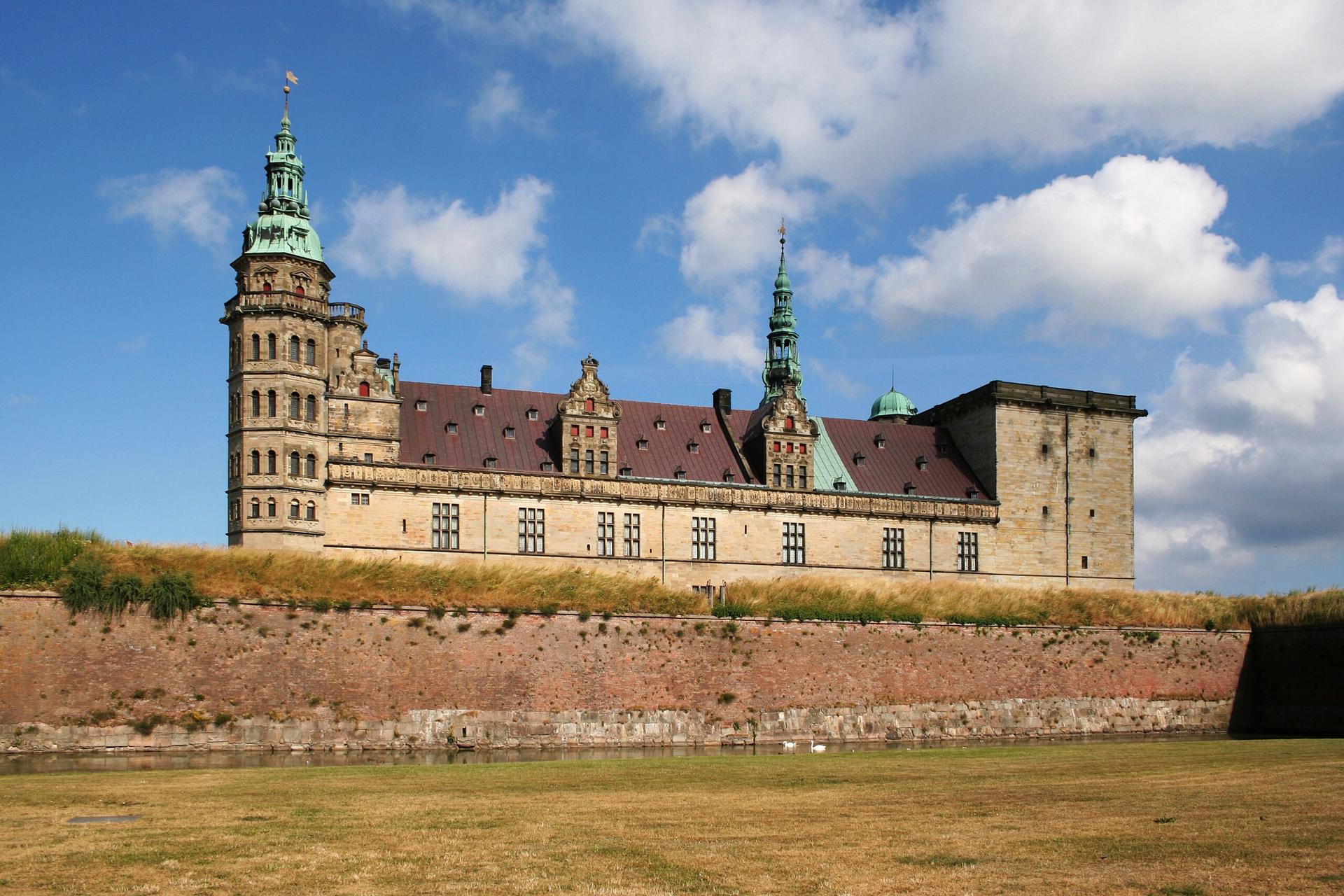
Looking beyond Højbro Pl.? Discover North Zealand for broader travel guides, local hot-spots, and regional highlights.
Explore North Zealand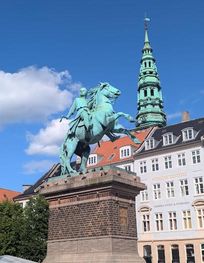
Dynamic equestrian monument to Copenhagen’s warrior-bishop founder, rising over central Højbro Plads with rich maritime symbolism and a direct visual link to Christiansborg.

Vibrant historic square in Indre By, blending striking architecture, open-air markets, and the pulse of Copenhagen’s social life in a central gathering space.