
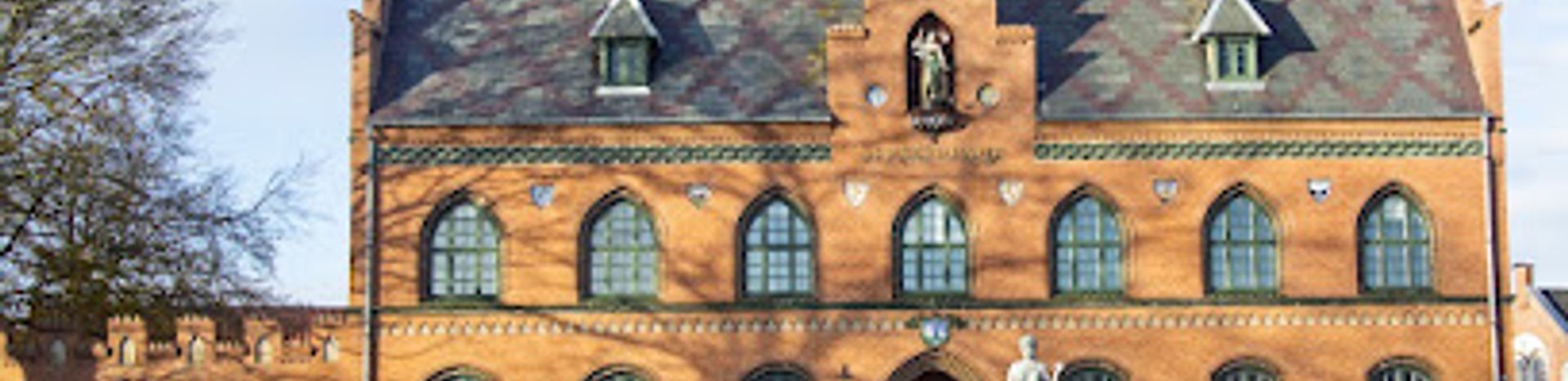
Det Gamle Rådhus
Historic 1744 town hall turned cultural venue, preserving Skælskør's medieval heritage.
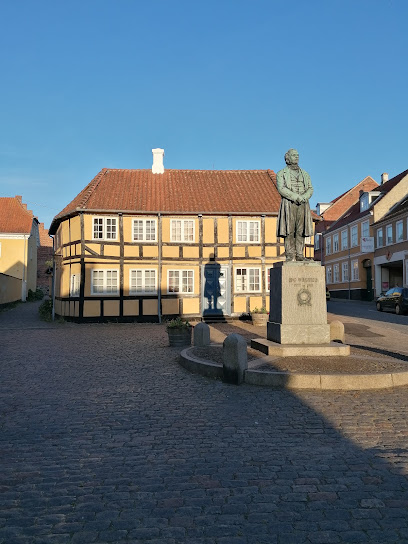
Det Gamle Rådhus (The Old Town Hall) in Skælskør is a historic yellow building on Gammeltorv square that has served multiple civic functions since 1744. Originally constructed as a residential house, it housed a courtroom, magistrate's office, and detention cells before being repurposed. Today, the beautifully preserved structure hosts rotating exhibitions and cultural events, offering visitors a window into the town's medieval heritage and administrative history.
A brief summary to Det Gamle Rådhus
- Gammeltorv 13, Skælskør, 4230, DK
- Duration: 0.5 to 2 hours
- Free
-
 Outdoor
- Mobile reception: 4 out of 5
Local tips
- Visit during rotating exhibitions to experience the building's interior and learn about Skælskør's medieval history and local heritage through curated displays.
- Explore Gammeltorv square in its entirety—the Pomona fountain and nearby medieval church complement the town hall and provide deeper context for the area's historical significance.
- The yellow facade is particularly photogenic in natural daylight; morning and late afternoon light enhance the building's architectural details and color.
- Check local tourism information for exhibition schedules and special cultural events, as programming varies seasonally and the building's availability may change.

For the on-the-go comforts that matter to you
- Information Boards
- Seating Areas
Getting There
-
Bus
Regional buses serve Skælskør town center with services from Svendborg and surrounding areas. Journey times typically range from 20–50 minutes depending on origin. Buses stop near Gammeltorv square. Check local transport schedules for current routes and frequencies, as services vary seasonally.
-
Car
Skælskør is accessible via Route 43 and local roads. Parking is available on or near Gammeltorv square and in surrounding streets. The town center is compact and walkable once parked. No specific parking fees apply in most areas, though some spaces may have time restrictions.
-
Walking
From Skælskør train station, the walk to Gammeltorv is approximately 10–15 minutes through the town center. The route is flat and well-marked, passing through the historic core. The building is directly on the square, making it easy to locate once in the town center.
Det Gamle Rådhus location weather suitability
-
 Any Weather
Discover more about Det Gamle Rådhus
From Residence to Civic Institution
Det Gamle Rådhus began its life in 1744 as an ordinary residential dwelling, a yellow-painted building positioned on the south side of Gammeltorv square. What made this house remarkable was its rapid transformation into the town's administrative and judicial center. The building was adapted to house a courtroom, the magistrate's office, and quarters for the arrest keeper, consolidating Skælskør's civic functions under one roof. This dual purpose—part residence, part government building—reflected the practical needs of a growing medieval market town.A Century of Justice and Order
For over eighty years, Det Gamle Rådhus served as the seat of local justice and administration. The detention cells housed within its walls made it a place where law and order were enforced, while the courtroom above dealt with disputes and legal matters affecting the town's residents. This period of service lasted until 1829, when the town's expanding needs prompted the construction of a larger, more purpose-built town hall on the western side of the square. The old building's role as a detention facility continued until 1955, when it was finally decommissioned from this function after more than two centuries of use.Preservation and Cultural Rebirth
In 1980, Skælskør Municipality purchased the building from the Danish Ministry of Justice, recognizing its historical and architectural value. Rather than allowing it to fall into disrepair, the municipality committed to its preservation and adaptive reuse. The building was carefully restored to maintain its original character while preparing it for a new purpose. Today, Det Gamle Rådhus functions as a cultural and exhibition space, hosting rotating displays that celebrate local history, medieval heritage, and contemporary art.Architectural Character and Setting
The building's distinctive yellow facade makes it immediately recognizable on Gammeltorv, the historic heart of Skælskør. Its modest yet dignified proportions reflect 18th-century Danish provincial architecture, with proportions and details typical of the period. The square itself remains a focal point of the town, surrounded by other historic structures and enhanced by the presence of the Pomona fountain, which depicts a woman symbolizing the region's agricultural fertility. The proximity to the medieval church adds to the area's historical atmosphere.A Living Connection to Medieval Skælskør
Det Gamle Rådhus stands as a tangible link to Skælskør's past as a medieval market town and administrative center. The building's long history—from private residence to courthouse to prison to cultural venue—mirrors the evolution of the town itself. Visitors today can appreciate not only the architectural heritage but also the stories embedded in its walls: the legal proceedings that shaped community life, the individuals held within its cells, and the civic pride that led to its preservation. The rotating exhibitions often explore these themes, offering context for understanding how ordinary buildings become repositories of collective memory.Iconic landmarks you can’t miss

Mindesten for Hans Tausen
16.0 km
A modest granite stone in a quiet Slagelse green, marking the birthplace of Denmark’s Lutheran Reformation story at the former Antvorskov monastery.
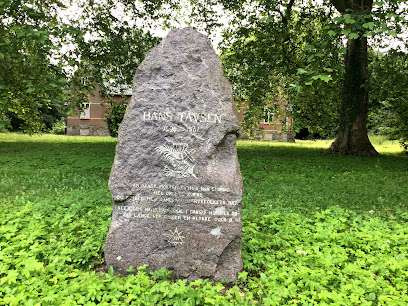
Gammeltorv
17.1 km
Copenhagen's 12th-century heart: Renaissance fountain, Neoclassical facades, and Strøget buzz in one timeless square.
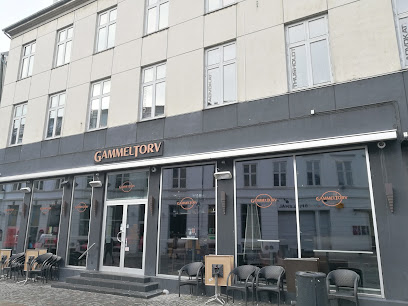
Rytterstatue af Christian IX
17.2 km
Bronze king on horseback surveys Slagelse from Schweizerpladsen—a citizen-honored tribute to Christian IX's enduring reign, sculpted with poised majesty.
Vandtrappen
17.2 km
A small yet compelling ceramic water sculpture in Slagelse’s Rosengården, where stepped cascades and quiet sound turn an everyday square into a contemplative urban pause.

RAF Memorial Stone
19.9 km
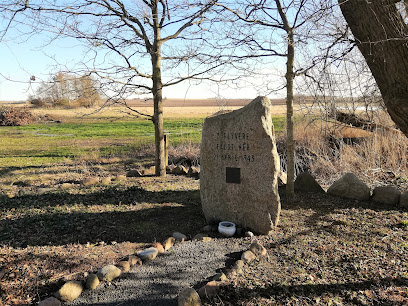
Small rural monument, big wartime story: a quiet Danish field where seven RAF airmen are remembered with a single steadfast stone.
Breddysse Stones
20.2 km
A modest Neolithic dolmen in the fields near Slagelse, where ancient burial stones, open skies, and quiet farmland meet in a quietly powerful landscape.

Stendysse ved Blæsinge
22.7 km
A modest Neolithic stone tomb in the fields near Blæsinge, offering a quiet roadside glimpse into western Zealand’s Stone Age landscape and rituals.

Genforeningssten i Saltø Skov
25.7 km
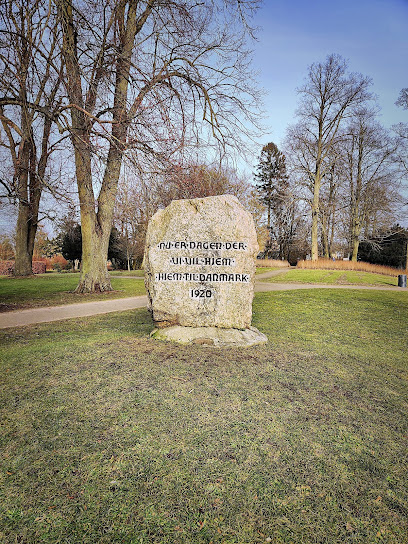
A granite memorial stone marking Denmark's 1920 reunification with South Jutland, standing at a forest crossroads near Næstved.
Hans-Jørgen Færks Plads
29.6 km
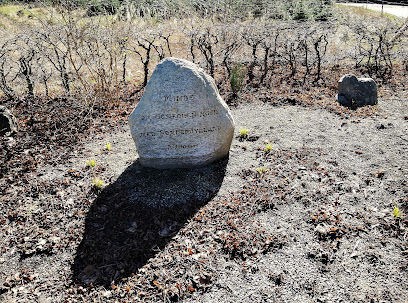
Medieval market town square where Danish history, culture, and modern commerce converge in southern Zealand.
Visit Sydsjælland & Møn
30.3 km
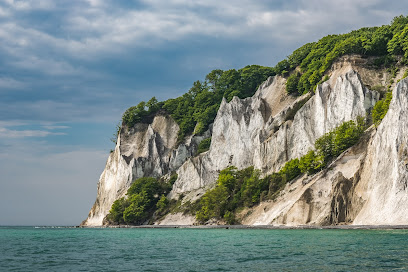
Discover the stunning landscapes and rich culture of Sydsjælland & Møn, a unique Danish destination for nature lovers and history enthusiasts alike.
Næstved Station
30.5 km
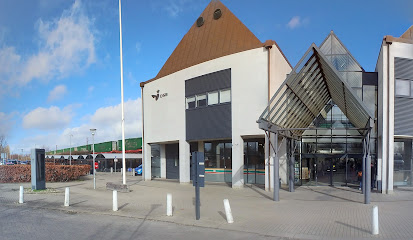
Explore the evolution of Danish and international design at Copenhagen's historic Designmuseum Danmark.

Nyborg St.
31.4 km
A historic rail gateway on Funen’s east coast, Nyborg Station links castle town charm with fast, modern connections across Denmark via the Great Belt.
Nyborg Vold
31.7 km
Stroll the grassy ramparts and mirror-still moats that once guarded Denmark’s medieval power center, now a peaceful green belt wrapping historic Nyborg.

Mindesmærke for kaptajn Peter Bredal
32.0 km
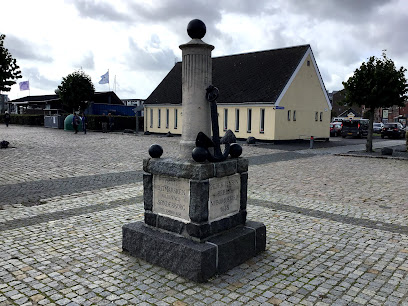
A solemn memorial to a 17th-century Danish captain whose frozen fleet became legend.
Erik Ballings Plads
32.0 km
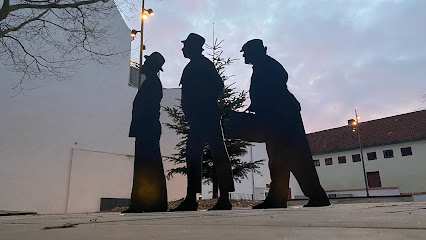
Where Danish cinema's greatest visionary is celebrated through iconic characters and cultural memory.
Unmissable attractions to see

Monument for Frederik den Syvende
10.8 km
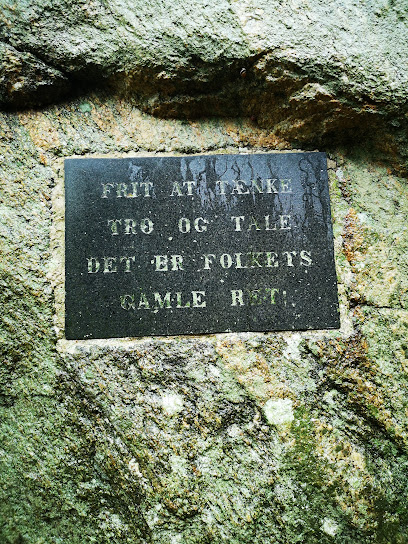
A modest 1881 granite tribute in a rural memorial grove, linking Frederik VII’s constitutional legacy with the quiet landscapes of West Zealand.
Gerlev Legepark
11.5 km
A three-hectare open-air playground where traditional Nordic games, Viking-inspired challenges and low-tech fun turn West Zealand’s fields into one huge shared game board.

Holsteinborg Castle
12.0 km
Seaside Renaissance manor on Zealand where noble history, coastal parkland and Hans Christian Andersen’s fairytale Denmark quietly come together.
Korsør Fortress
13.0 km
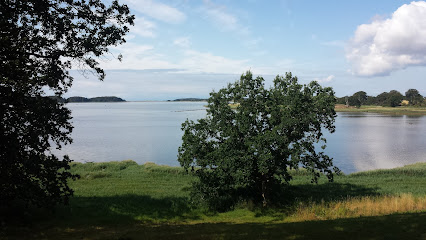
Harbor‑side stronghold where a medieval tower, star‑style ramparts and historic warehouses tell the story of Denmark’s Great Belt crossing in one compact ensemble.
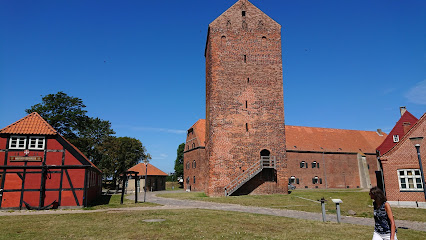
Kong Slags Dysse
15.3 km
Experience Denmark's largest organic vineyard with award-winning wines and scenic tours in Karrebæksminde.

Trelleborg
15.6 km
Experience the flavors of Danish wine culture at Vesterhave Vingård—coastal vineyard tastings, local treats, and artisan hospitality near Karrebæksminde.

Trelleborg - Museum of the Viking Age
15.6 km
A thousand-year-old Viking ring fortress where Harald Bluetooth’s warriors, longhouses and legends still shape the windswept fields of West Zealand.

Skovsgaard Mølle og Bagerimuseum
15.9 km
Step into a 19th‑century village bakehouse where more than 500 tools, ovens and bread wagons tell the fragrant story of Danish baking in rural Zealand.

Antvorskov Klosterruin, Slagelse
15.9 km
Atmospheric monastery and castle ruins on Slagelse’s edge, where low stone walls, open grass and big skies trace the story of a powerful medieval order.

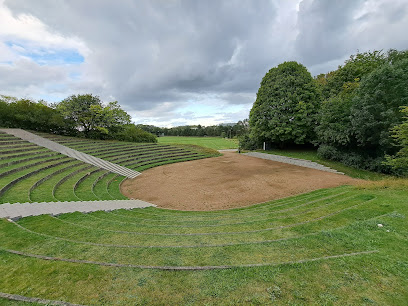
Amphiteater
16.6 km
A small open-air stage carved into the greenery of Slagelse, where local performances, picnics and quiet pauses share the same gently sloping grassy bowl.
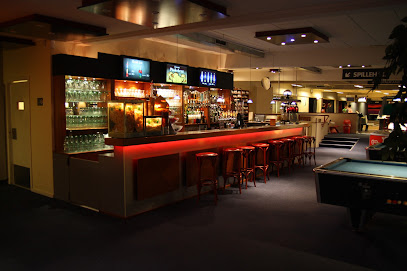
Restaurant Superbowl & Golfcenter Slagelse
16.8 km
Slagelse's premier entertainment complex blending bowling, golf, dining, and games for unforgettable family fun.
Soldatens Lod
16.8 km
Simple forest shelters, campfires and quiet clearings on the edge of Slagelse’s former military training grounds, ideal for low-key picnics and nights under the trees.

Slagelse Museum
16.9 km
Step into old Slagelse at this intimate town museum, where recreated shops, homes and changing exhibitions bring West Zealand’s everyday history vividly to life.

Øen i søen
16.9 km
A tiny green island in a calm lake, Øen i søen offers an easy escape into water, sky and quiet lawns just a short stroll from everyday Slagelse life.
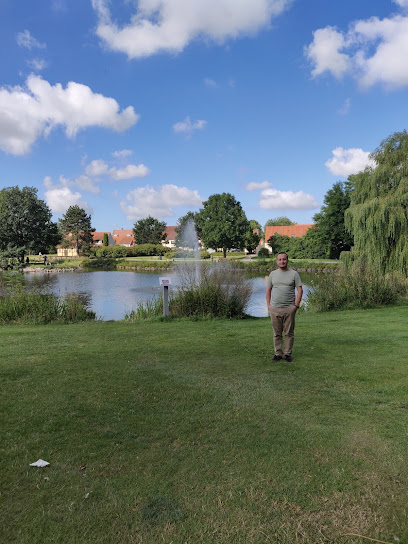
Genforeningssten i Slagelse
17.0 km
Diskret granitsten på en lille jordhøj i Slagelse, hvor genforeningen i 1920 er hugget i sten midt i et roligt, grønt anlæg.
Essential places to dine

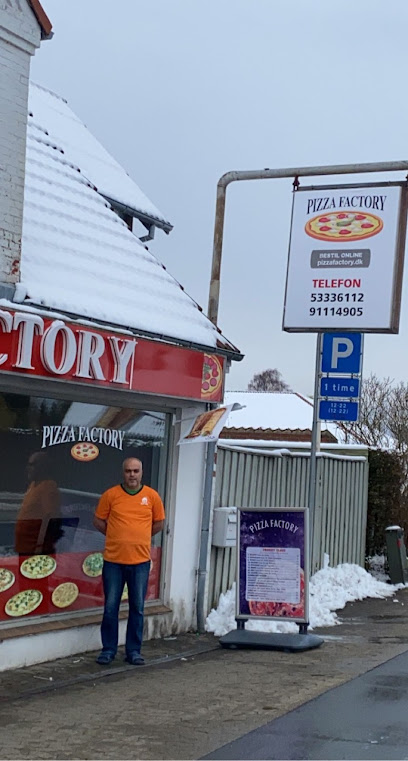
PIZZA FACTORY
15.7 km
Casual neighborhood pizzeria and grill in western Slagelse serving generously topped pizzas, kebab, burgers and family-friendly fast food at moderate prices.
Carl's Jr. Slagelse
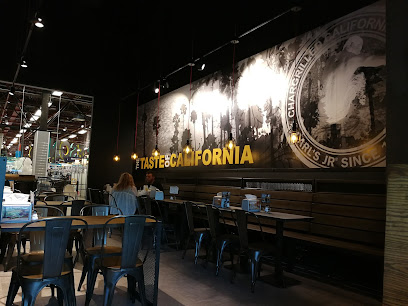
15.8 km
Flame-grilled American-style burgers, free refills and family-friendly seating beside Bilka make Carl’s Jr. Slagelse a convenient, casual pit stop in West Zealand.
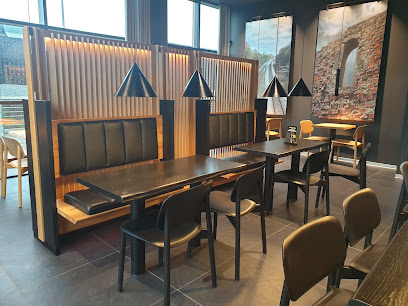
Sunset Boulevard
15.9 km
Modern Danish fast-food stop in Slagelse offering burgers, sandwiches and quick, casual meals with long opening hours and convenient takeaway options.
Tayyib Food
15.9 km
Denmark's only kebab producer with integrated meat-cutting and butchery operations.
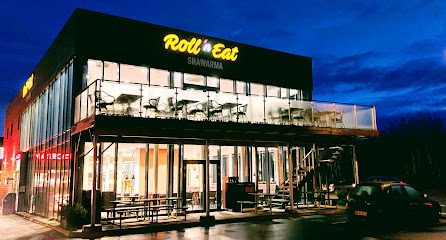
Roll 'n Eat - Slagelse
15.9 km
Denmark's first kebab drive-thru serving fresh shawarma and quality fast food in Slagelse.
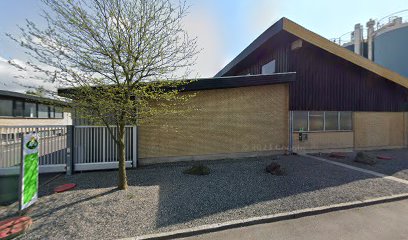
Kantine
16.1 km
Unfussy, canteen‑style dining on Karolinevej in Slagelse, serving hearty everyday meals and coffee to locals, workers and curious visitors on a budget.
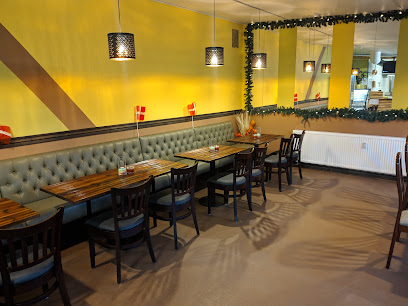
Grill Mania
16.5 km
Casual central Slagelse grill joint serving hearty fast-food favorites, ideal for quick lunches, easy dinners, and takeaway on the go.
Grill-letten
16.7 km
Casual Danish grill bar in central Slagelse serving smørrebrød, burgers and hearty grill plates in a simple, no-fuss setting with generous portions.
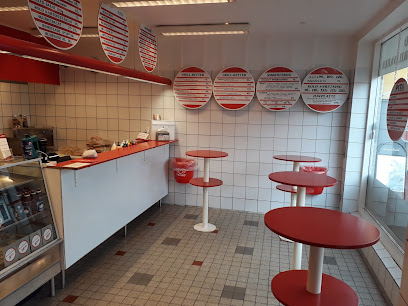
Viking Pizza
16.8 km
Straightforward Bredegade pizzeria in central Slagelse, serving classic Danish‑style pizzas, burgers and grill dishes for quick, budget‑friendly meals and easy takeaway.
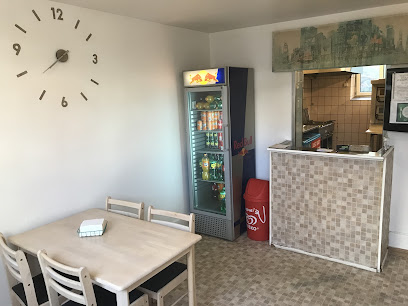
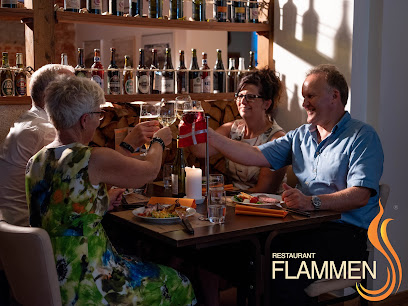
Restaurant Flammen
17.0 km
Big‑hearted grill buffet in the center of Slagelse, where glowing grills, generous spreads and cozy interiors make easy work of family dinners and celebrations.
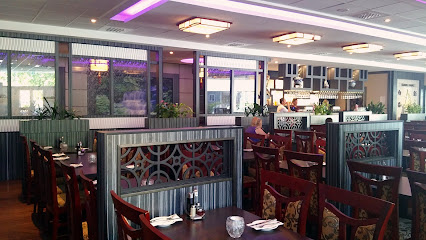
Restaurant Siang Jiang
17.0 km
Authentic Chinese buffet dining with fresh ingredients and warm hospitality in central Slagelse.
Caféteket
17.0 km
Cosy vegan café-bar in central Slagelse, blending homemade plant-based comfort food with retro interiors, vintage porcelain and an intimate, living-room atmosphere.
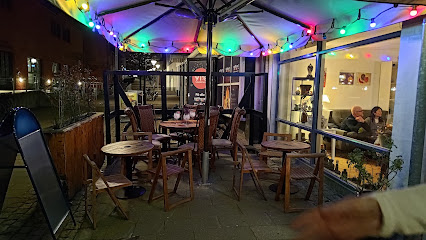
Café Korn - Slagelse
17.0 km
Scandi-style café on Slagelse’s historic Gamle Torv, serving generous brunches, casual classics and good coffee in bright, social surroundings all day.
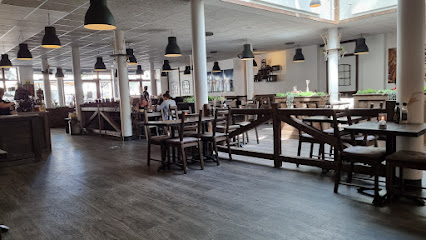
Det Mexicanske Bøfhus
17.0 km
Hearty steaks and Tex-Mex favorites in a casual upstairs restaurant overlooking Slagelse’s historic Gamle Torv.
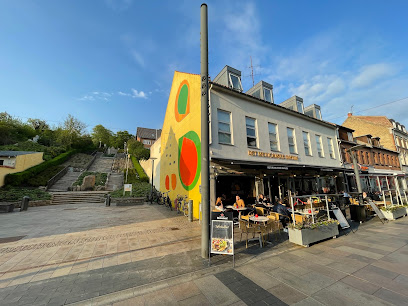
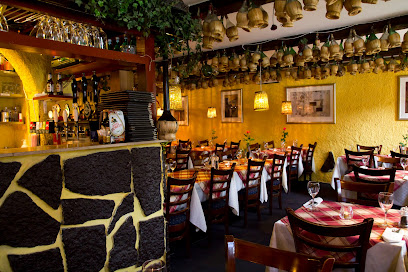
Restaurant Pulcinella
17.1 km
Long‑running Italian courtyard restaurant in central Slagelse, serving classic pizzas and pasta in a warm, rustic setting with a surprisingly Mediterranean feel.
Markets, malls and hidden boutiques

Dansk
15.1 km
Straightforward, family-focused fashion in Slagelse, with seasonal styles and familiar brands for kids, teens and adults gathered under one practical roof.

Frede's Neat Things
15.5 km
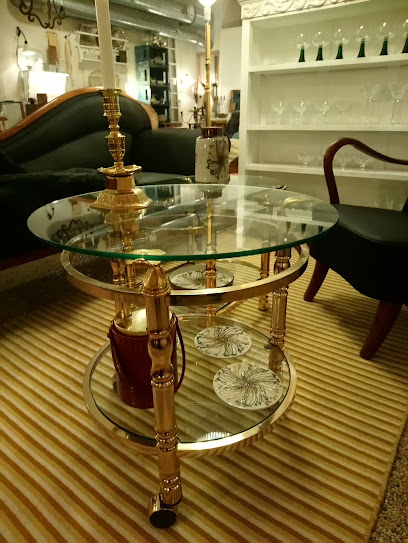
Curated vintage and antique treasures in the heart of Slagelse for collectors and design enthusiasts.
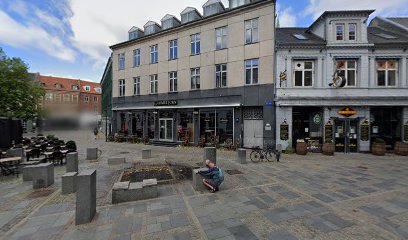
Kings & Queens
17.1 km
Contemporary multi-brand fashion retailer in Slagelse's historic town center, offering affordable style for men and women.
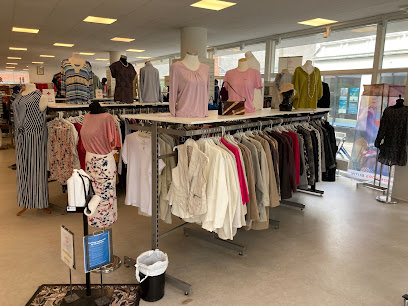
Red Cross charity shop - Slagelse
17.1 km
Volunteer-run second-hand treasure trove in central Slagelse, where ever-changing bargains meet everyday Danish life and each purchase supports Red Cross humanitarian work.
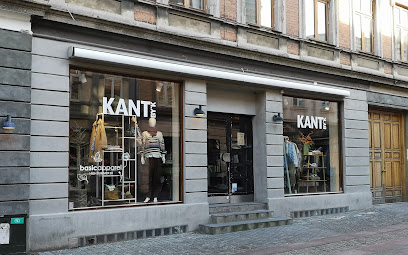
Kant By K
17.1 km
Cosy women’s fashion boutique in central Slagelse, blending Scandinavian style, personal styling advice and a relaxed, small-town atmosphere on Rosengade.
Kræmmerhus ApS
17.1 km
Denmark's finest sweets, artisanal teas, and cozy gift treasures in central Slagelse.
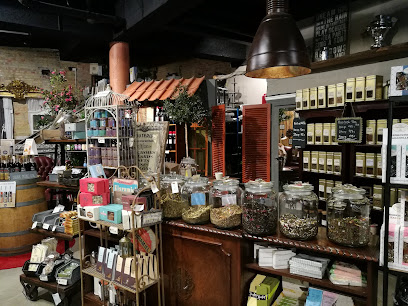
Templet
17.2 km
Handcrafted jewellery and watches celebrating life's precious moments in central Slagelse.
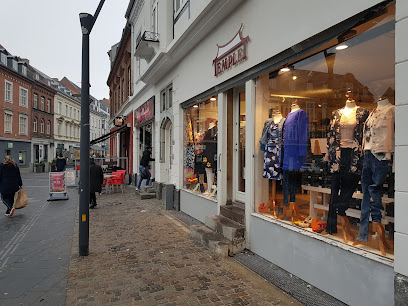
Javahuset
17.2 km
Premium coffee and curated gifts in Slagelse's charming city center.
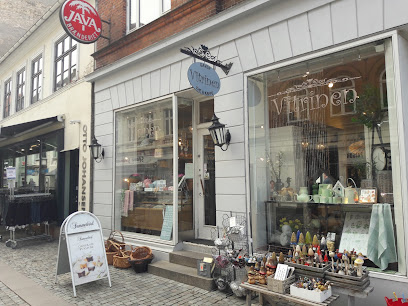
Carsten P
17.2 km
Premium menswear and tailoring expertise in the heart of Slagelse's city center.
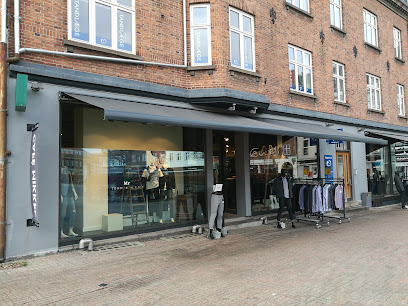
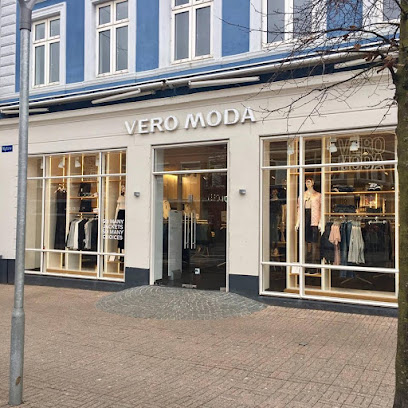
VERO MODA
17.2 km
Compact Scandinavian womenswear store on Slagelse’s central square, offering contemporary outfits, seasonal trends and wardrobe staples in a bright, modern setting.
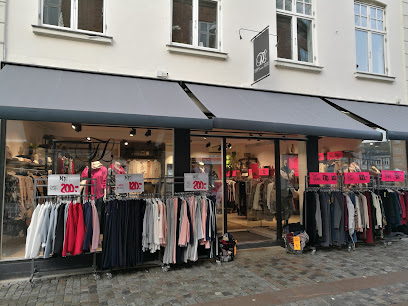
Tippy
17.2 km
Cozy women’s boutique in central Slagelse, offering comfortable Scandinavian everyday fashion, varied sizes and approachable prices in a compact, easy-to-browse space.
Max & Co. ApS
17.2 km
Sophisticated Danish fashion boutique offering contemporary womenswear and accessories in Slagelse's vibrant city center.
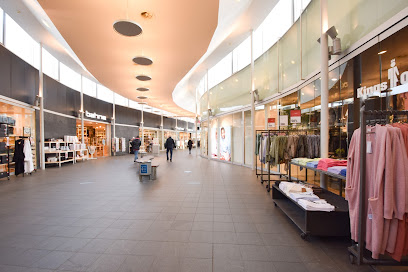
Galleriet Slagelse
17.2 km
Modern shopping mall in Slagelse's city center with diverse retailers and convenient parking.
Kings And Queens
17.2 km
Youthful Danish fashion in a compact, urban-feel boutique on Slagelse’s central square, ideal for trend-led outfits, last-minute looks and everyday style updates.
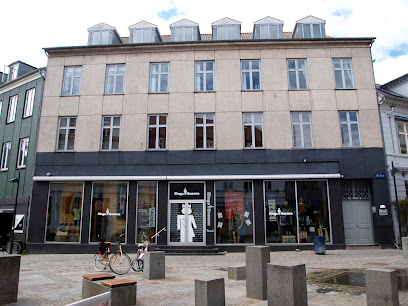
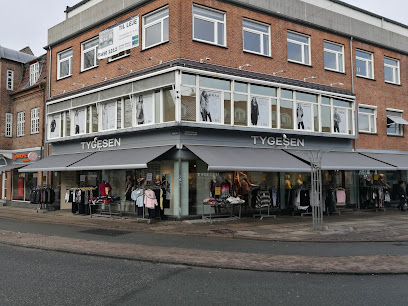
Tygesen Women
17.2 km
Spacious central Slagelse boutique offering Scandinavian-style fashion, outfit advice and seasonal collections tailored to the modern adult woman’s everyday and occasion wear.
Essential bars & hidden hideouts

Slagelse Jazzklub
16.2 km
Intimate jazz evenings in a historic high school setting, where shared meals, swing bands and local community keep Western Zealand’s live jazz tradition thriving.
Gecco Bar & Natklub
17.0 km
Slagelse's premier late-night cocktail bar and nightclub, serving craft drinks until dawn.
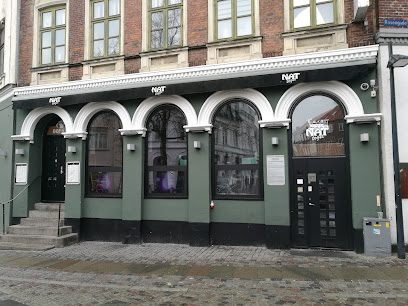
Rosen Bodega
17.1 km
Unpretentious neighborhood bodega in central Slagelse, pouring inexpensive drinks and local character in a relaxed, lived-in bar setting.
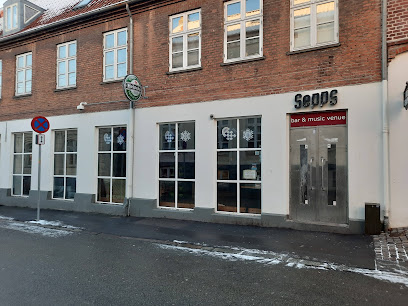
Café Sepps
17.1 km
Laid-back, smoky student bar in central Slagelse with cheap drinks, alternative music, live jam nights and a relaxed, come-as-you-are neighborhood atmosphere.
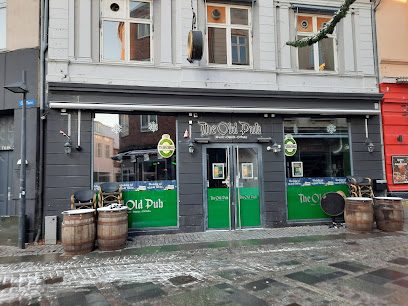
The Old Pub
17.1 km
Lively Irish-style pub on Slagelse’s Fisketorvet, mixing late-night live music, casual drinks and dance-floor energy from Thursday to Saturday.
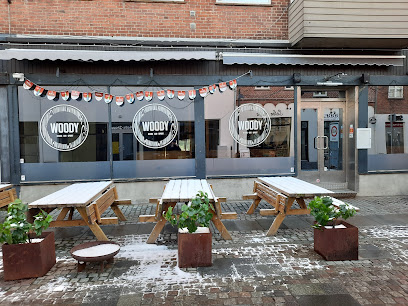
WOODY - Sport
17.1 km
Slagelse's premier weekend sports bar for craft beer, gin, and late-night social entertainment.
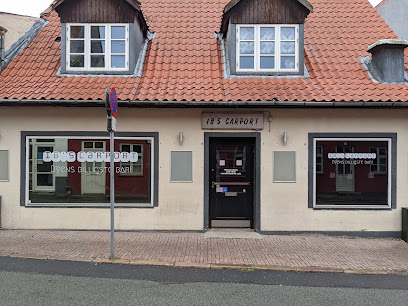
Ibs Carport
17.1 km
Unpretentious late‑night bar in central Slagelse, serving generous budget‑friendly drinks and billiards in a compact, sociable setting open on weekend nights only.
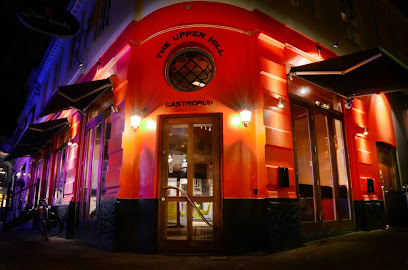
The Upper Hill
17.1 km
Cozy Irish-style pub in central Slagelse, serving generous pub dishes, broad beer and gin selections, live sports and music, plus outdoor tables on Fisketorvet.
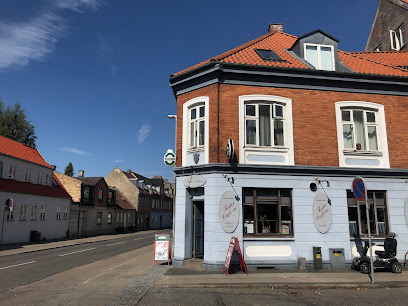
Teater Cafe'en
17.1 km
Cosy neighbourhood bar in central Slagelse, blending café calm by day with a sociable, theatre-tinged bar atmosphere late into the weekend nights.
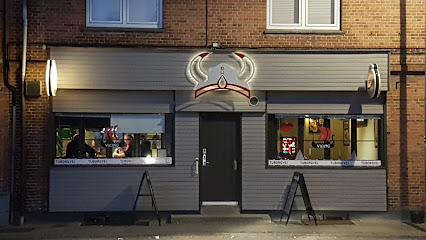
Cafe Viking.
17.3 km
Unpretentious local bar in central Slagelse, serving inexpensive drinks and everyday Danish pub atmosphere from midday into the late evening.
Cafe 23
17.4 km
Low‑key, old‑school brown bar in central Slagelse, serving inexpensive drinks and a slice of everyday Danish nightlife in a worn but welcoming setting.
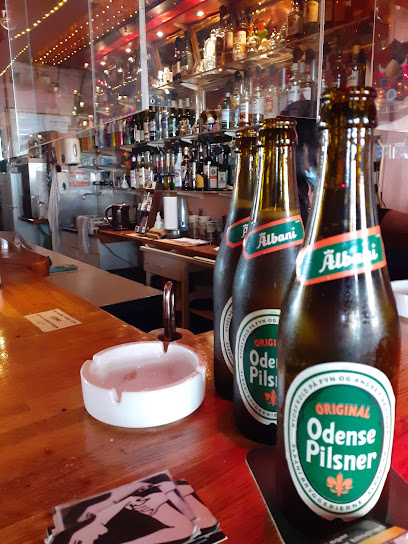
The Red Rubin
17.4 km
Cozy, no‑nonsense neighborhood bar in central Slagelse, serving straightforward drinks and a relaxed local vibe from daytime until the early hours.
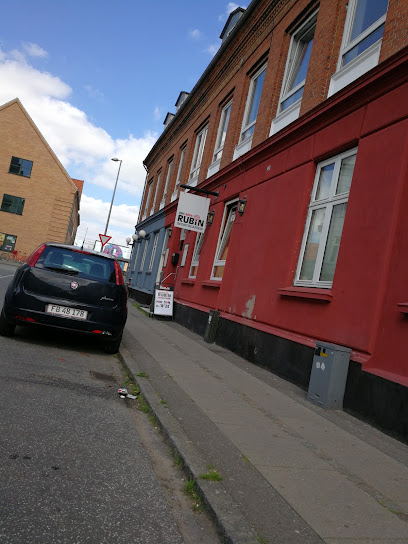
Den Gyldne Hund
27.7 km
Smoky, harbourfront pub in Lohals where locals, sailors and visitors share simple drinks, sea air and classic Danish værtshus atmosphere.
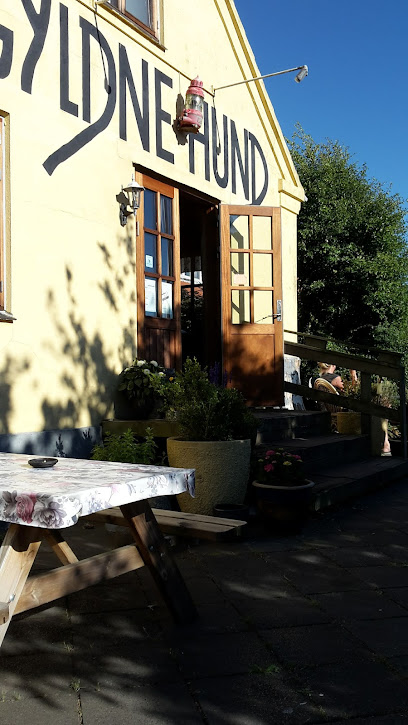
Marina's Sportslounge
27.8 km
Laid-back village sports bar in Tranekær, mixing live matches, simple small plates and a friendly Langeland local-pub feel.
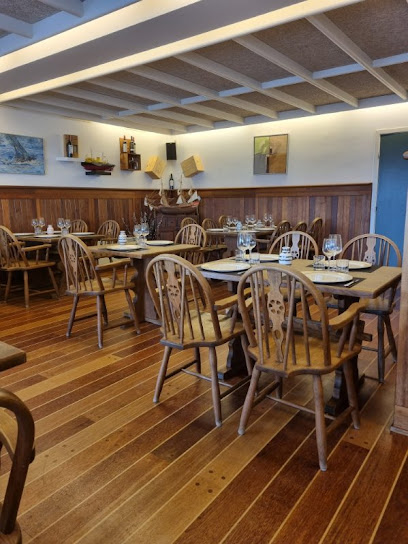
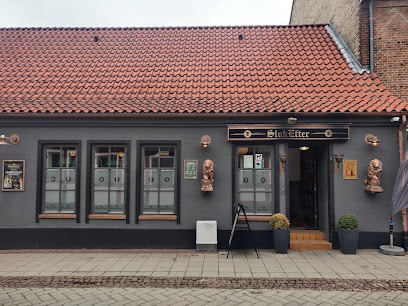
Sluk Efter
29.8 km
Unpretentious local pub on Kindhestegade in central Næstved, pouring cold beers and simple drinks in a cozy, social setting from midday to late night.
Nightclubs & after hour spots

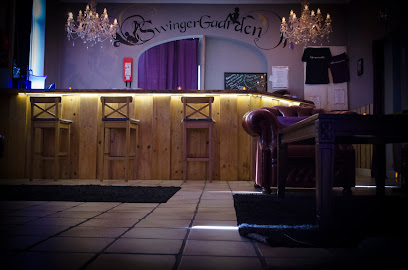
Swingergaarden
22.6 km
Discreet countryside swingers club near Slagelse, offering themed adult nights, intimate play spaces and a rules-based, consent-focused environment for open-minded guests.
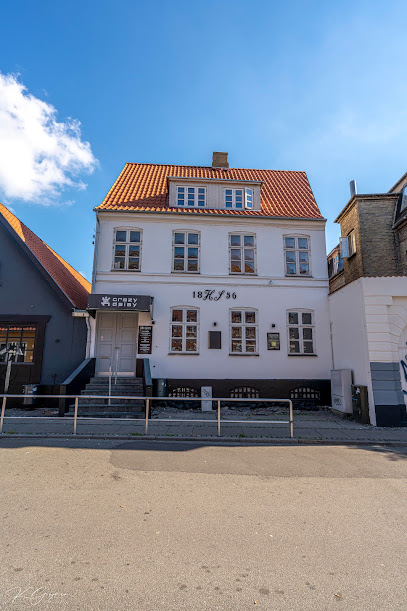
Crazy Daisy Næstved
30.2 km
High‑energy weekend nightclub in central Næstved, packing loud beats, flashing lights and a late‑night local crowd into a compact, classic Danish town‑club setting.
Avenue Næstved
30.3 km
Lively nightspot and flexible event hall in central Næstved, mixing dancefloor energy, festive dinners, stand-up comedy and themed parties under one roof.
KJ's bodel
32.2 km
Laid‑back local nightspot on Nyborg’s main square, mixing simple drinks, sociable bar chatter and a compact dance floor in an unpretentious setting.
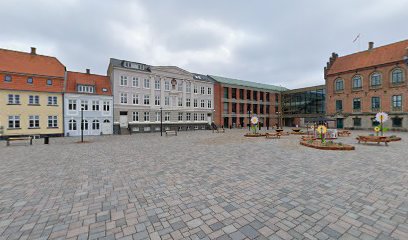
Muzirkus
33.0 km
Nyborg's independent music sanctuary where local bands rehearse, collaborate, and perform since 1974.
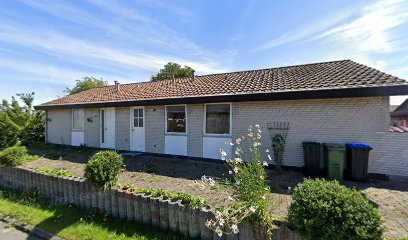
CLUB ZANZI
47.8 km
High‑energy waterfront nightclub bringing big‑city beats, flashing lights and late‑night dancing to the heart of coastal Nakskov.
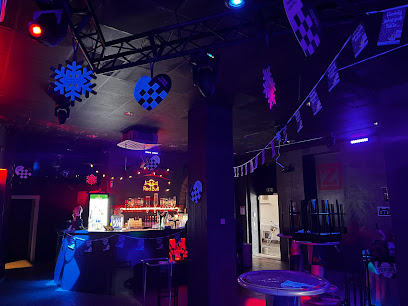
Crazy Daisy Svendborg
48.0 km
Compact, high-energy weekend nightclub in central Svendborg, serving mainstream beats, drinks and a sociable dance floor until the early hours.
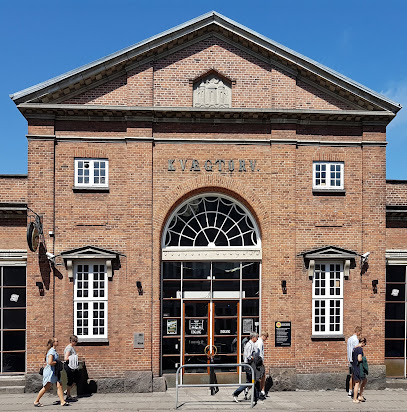
Juviklubben
48.9 km
Intimate Kalundborg live music hub and youth club, where generations meet for close-up concerts, casual bar nights and a laid-back, community-driven vibe.
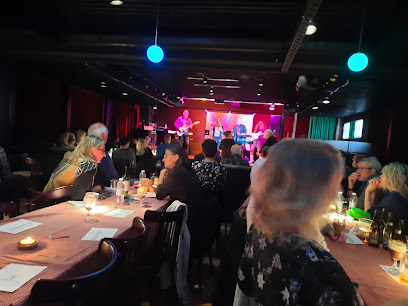
Postgaarden Kalundborg Event og Musikhus
49.1 km
Experience live music and cultural events at Postgaarden Kalundborg Event og Musikhus, the heart of Kalundborg's entertainment scene.
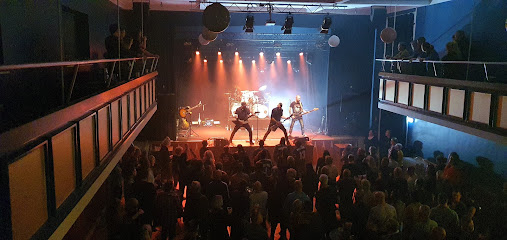
SKØL Brygkompagni
49.1 km
Discover craft beer excellence and Danish hospitality at SKØL Brygkompagni—Kalundborg’s lively brewpub blending Scandinavian tradition, local flavor, and community spirit.
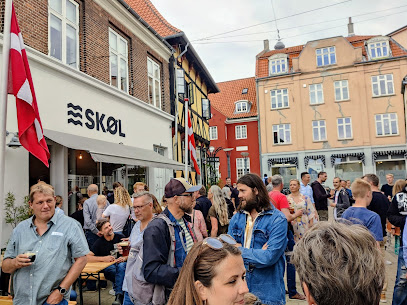
Kalundborg Jazzclub
49.2 km
Experience the soulful rhythms of jazz in the heart of Kalundborg at this intimate and vibrant venue.
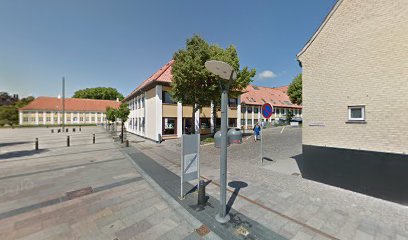
Langelands Jazzklub
50.6 km
Experience the vibrant local jazz scene at Langelands Jazzklub in Rudkøbing, where live music and island hospitality meet in one of Denmark’s most charming settings.
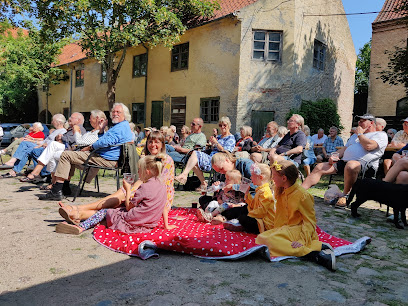
Kasket karl
50.9 km
Discover authentic Danish hospitality and local color at Kasket Karl, Rudkøbing’s beloved bodega on Langeland—a lively gathering spot offering drinks, history, and community.
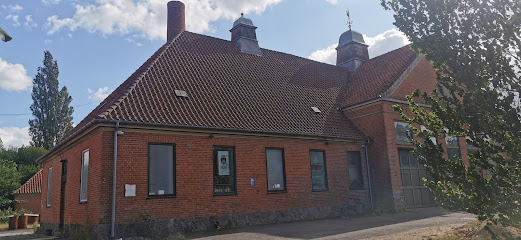
Loke MC - Helheim
51.4 km
Rural Danish biker clubhouse with Norse-mythology flair, offering intimate late-night gatherings, loud rock playlists and a no-frills bar far from mainstream nightlife.
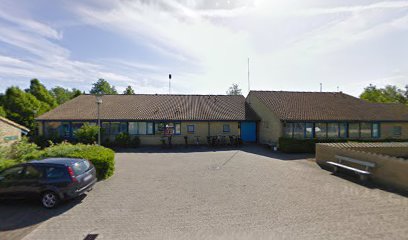
Dance Odense, Funen Square Dance Club
54.4 km
Community-driven square dancing in a cozy Odense neighborhood hall, where callers, patterns and shared rhythm turn an ordinary evening into a friendly social event.
For the vibe & atmosphere seeker
- Historic
- Cultural
- Tranquil
- Unique
For the design and aesthetic lover
- Vintage Styles
- Minimalist Designs
For the architecture buff
- Historic
- Heritage Neighborhoods
For the view chaser and sunset hunter
- Iconic Views
For the social media creator & influencer
- Architectural Shots
- Photo Spots
For the eco-conscious traveler
- Locally Managed
- Protected Area
For the kind of experience you’re after
- Cultural Heritage
- Myth & Legends
- Day Trip
For how adventurous you want the journey to be
- Easy Access
Location Audience
- Family Friendly
- Solo Friendly
- Senior Friendly
- Wheelchair Access


