

Best Landmarks Near Friedenspark (Leipzig)
Planning a trip to Friedenspark? Discover the best landmarks nearby with history, expert tips, and routes. Free on web or the Evendo app.


The best landmarks near Friedenspark
- Top rated
- Closest to Friedenspark
- A–Z
74 landmarks
-
Monument4.7★23,937 reviews
Monument to the Battle of the Nations
The Monument to the Battle of the Nations, or Völkerschlachtdenkmal, is an imposing monument in Leipzig, Germany, commemorating the Battle of Leipzig in 1813, where Napoleon's forces were defeated by the allied armies of Russia, Prussia, Austria, and Sweden. Completed in 1913, it stands as one of the largest monuments in Europe, soaring 91 meters high. Visitors can explore the monument's intricate interior, ascend to the observation platform for panoramic views of Leipzig, and delve into the historical context of the battle at the FORUM 1813 museum located at its base. The monument serves as a powerful reminder of a pivotal moment in European history and offers a unique blend of architectural grandeur and historical significance, making it a must-see attraction for history enthusiasts and sightseers alike. With its stunning architecture, historical importance, and breathtaking views, the Monument to the Battle of the Nations offers an unforgettable experience.
Daily 10:00–18:00
-
Historical market square4.6★19,903 reviews
Marktplatz Leipzig
Marktplatz Leipzig is a captivating historical market square located in the heart of the city. With its stunning architecture and vibrant atmosphere, it serves as a central hub for tourists and locals alike, offering a glimpse into the rich cultural heritage of Leipzig. Surrounded by beautiful buildings, shops, and cafes, it's the perfect place to relax and soak in the local ambiance.
Open 24 hours
-
Park4.7★8,404 reviews
Clara-Zetkin-Park
Clara-Zetkin-Park, a sprawling green oasis in the heart of Leipzig, offers a refreshing escape from the urban bustle. Named after the prominent women's rights activist Clara Zetkin, this expansive park boasts diverse landscapes, from meticulously manicured gardens to vast open meadows. Visitors can explore tranquil lakes, vibrant flowerbeds, and shady groves, perfect for leisurely strolls and peaceful picnics. The park also features historical landmarks, including the Anton-Bruckner-Allee and the Sachenspiegel fountain, alongside modern attractions like playgrounds and the Parkbühne open-air stage, making it a beloved destination for locals and tourists alike. Whether you're seeking relaxation, recreation, or a touch of culture, Clara-Zetkin-Park provides a welcoming space to unwind and reconnect with nature.
Open 24 hours
-
Museum4.5★7,713 reviews
Leipzig Panometer
The Leipzig Panometer, housed in a former gasometer, offers a unique and immersive art experience. Austrian artist Yadegar Asisi transformed this industrial relic into a captivating space for 360° panoramic displays. Visitors are transported into different worlds through massive circular images, enhanced by light, sound, and thematic exhibitions. From historical recreations to natural landscapes, the Panometer provides a memorable and educational experience for all ages. Currently showcasing 'MONET'S CATHEDRAL', a painted panorama of Rouen in the 19th century, the Panometer continues to be a must-see attraction in Leipzig, blending art, history, and technology in a distinctive way. Free parking and a café add to the visitor experience.
Daily 10:00–17:00
-
Evangelical church4.6★4,892 reviews
St. Nicholas Church
St. Nicholas Church, an iconic Evangelical church in Leipzig, invites visitors to explore its stunning Baroque architecture and rich historical significance. Located in the heart of the city, this remarkable landmark is more than just a place of worship; it stands as a symbol of peace and community. As one of Leipzig's most cherished attractions, the church is known for its impressive interior and vibrant cultural events, making it a must-visit for tourists seeking to immerse themselves in the local history and architecture.
-
Lutheran church4.7★4,195 reviews
St. Thomas Church
St. Thomas Church in Leipzig is a stunning Lutheran church known for its rich history, stunning architecture, and association with the great composer Johann Sebastian Bach. A must-visit for music lovers and history buffs alike.
-
Wildlife park4.4★3,670 reviews
Wildpark Leipzig
Discover Wildpark Leipzig, a charming wildlife park that offers a unique opportunity to explore nature and observe various animal species in a serene environment. Perfect for families and nature lovers, this park is a must-visit destination in Leipzig.
Daily 9:00–19:00
-
Shopping mall4.7★3,282 reviews
Mädler-Passage
Nestled in the heart of Leipzig, Mädrer-Passage is not just a shopping mall; it’s a historical landmark that blends shopping with architectural beauty. Visitors can enjoy a unique experience as they stroll through its elegant arcades, indulging in a mix of high-end shops, quaint cafes, and rich cultural history. The stunning architecture and vibrant atmosphere make it a must-visit destination for any traveler.
Mon–Fri 10:00–19:00 · Sat 10:00–18:00
-
Museum4.6★2,521 reviews
Museum of fine arts
The Museum of Fine Arts Leipzig (MdbK) is a treasure trove of artistic expression spanning from the late Middle Ages to the present day. Founded in 1837 by Leipzig's art enthusiasts, the museum boasts a rich collection of paintings, sculptures, photographs, and graphic works. Housed in a striking modern building since 2004, the MdbK offers visitors an immersive experience across four floors, each showcasing different architectural styles and artistic movements. From Old Masters like Frans Hals and Lucas Cranach to German Romantics such as Caspar David Friedrich, and contemporary works from the New Leipzig School, the museum presents a diverse panorama of European art history. With over 35 temporary exhibitions annually, the MdbK remains a vibrant center for cultural exploration and artistic discovery, appealing to art lovers from around the globe.
-
Botanical garden4.5★2,246 reviews
Botanical Garden Leipzig
Escape the urban bustle at the Botanical Garden Leipzig, Germany's oldest botanical garden. Established in 1542, this verdant sanctuary showcases over 7,000 plant species from diverse biomes across the globe. Wander through meticulously organized collections, from the steppes of Eastern Europe and Asia to the prairies of North America, and explore the unique alpine garden. Don't miss the interconnected glasshouses, where you can journey from tropical forests to a captivating butterfly world. With its rich history and commitment to education, the Botanical Garden offers a refreshing and enlightening experience for nature enthusiasts of all ages.


Forum of Contemporary History Leipzig
The Forum of Contemporary History in Leipzig offers a compelling journey through Germany's tumultuous 20th century. Located in the heart of the city, this museum vividly portrays the division and reunification of Germany, the realities of life in the GDR, and the inspiring events of the Peaceful Revolution. Through interactive exhibits, personal stories, and a vast collection of artifacts, visitors gain a profound understanding of the political, economic, and social contexts that shaped modern Germany. The museum is committed to fostering dialogue and reflection on the past, making it an essential destination for anyone seeking to understand Germany's journey from division to unity. With free admission and central location, it's easily accessible and a must-see for history enthusiasts and those curious about Germany's recent past.
Daily 10:00–18:00

Stadtgeschichtliches Museum Leipzig, Altes Rathaus
The Altes Rathaus (Old Town Hall) in Leipzig is more than just a building; it's a captivating journey through the city's rich history. Standing proudly on the Markt, this Renaissance masterpiece, dating back to 1556, houses the Stadtgeschichtliches Museum. Visitors can explore meticulously curated exhibits showcasing Leipzig's evolution from a medieval trade hub to a modern cultural center. The museum vividly illustrates Leipzig's role in pivotal moments in German history, including the Peaceful Revolution of 1989. With its central location and engaging displays, the Altes Rathaus offers a gateway to understanding the heart and soul of Leipzig. Don't miss the stunning ballroom and the Ratsstube, where Johann Sebastian Bach signed his contract as cantor.
Daily 10:00–18:00

Peterskirche Leipzig
The Peterskirche (St. Peter's Church) in Leipzig is a stunning example of Neo-Gothic architecture, boasting the city's tallest church tower. Built in the late 19th century, it replaced an older structure and quickly became a vital part of Leipzig's skyline and religious life. Severely damaged during WWII, the Peterskirche has been lovingly restored and now serves not only as a place of worship but also as a vibrant venue for concerts, exhibitions, and other cultural events. Its impressive interior, featuring soaring arches and intricate stained glass, creates a serene and awe-inspiring atmosphere. Whether you're an architecture enthusiast, a history buff, or simply seeking a moment of tranquility, the Peterskirche offers a captivating experience in the heart of Leipzig.

Mendelssohn-Haus
Step back in time at the Mendelssohn-Haus, the only surviving residence of the celebrated composer Felix Mendelssohn Bartholdy. Located in the heart of Leipzig, this meticulously restored house offers an intimate glimpse into the composer's life, work, and family. Explore the faithfully reconstructed apartment, furnished in the Biedermeier style, and discover original manuscripts, letters, and watercolors. The museum also features exhibits dedicated to Mendelssohn's sister, Fanny Hensel, and conductor Kurt Masur, adding layers of depth to the visitor experience. Regular concerts in the music salon keep Mendelssohn's musical legacy alive, making it a must-visit for music lovers and history buffs alike. The Mendelssohn-Haus provides a unique opportunity to connect with the past and appreciate the genius of one of Leipzig's most famous residents.
Daily 10:00–18:00

Mendebrunnen
The Mendebrunnen, Leipzig's largest and most ornate fountain, graces Augustusplatz with its neo-baroque splendor. Erected in 1886, it stands as a testament to the city's rich history and artistic heritage. Named after Marianne Pauline Mende, a benefactor who bequeathed funds for its creation, the fountain features allegorical figures of Tritons, Nereids, and Hippocampi, celebrating water as a life-giving force. Its design, inspired by Roman fountains like the Trevi Fountain, adds a touch of Italian flair to Leipzig's city center. Despite the square's transformations over time, the Mendebrunnen remains a cherished landmark, captivating visitors with its enduring beauty and historical significance, offering a tranquil oasis amidst the bustling cityscape.
Open 24 hours

UNIKATUM Children's Museum Leipzig
The UNIKATUM Children's Museum in Leipzig offers a hands-on, interactive experience designed to spark curiosity and creativity in children of all ages. Housed in a former industrial building in the Plagwitz district, the museum features a variety of exhibits that encourage exploration and learning through play. From constructing elaborate structures with oversized building blocks to experimenting with light and sound, children can engage in activities that stimulate their senses and challenge their problem-solving skills. The museum also hosts workshops and special events throughout the year, providing even more opportunities for children to learn and grow. With its focus on active participation and discovery, the UNIKATUM Children's Museum is a must-visit destination for families seeking a fun and educational experience in Leipzig. It's a place where children can unleash their imaginations, explore new concepts, and create lasting memories.

Russische Gedächtniskirche
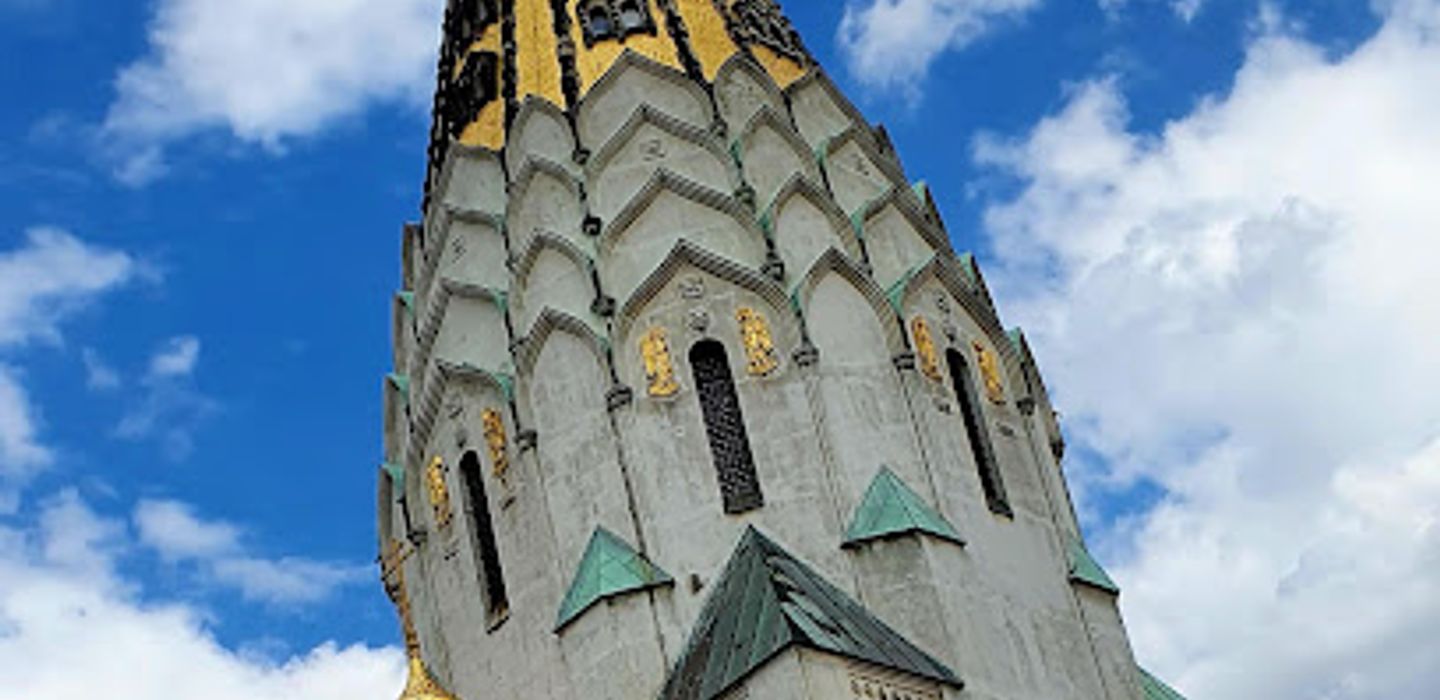
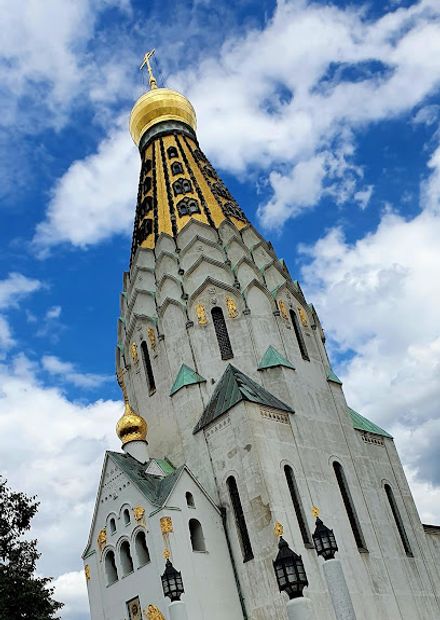
The Russian Memorial Church in Leipzig, also known as the Russian Church of St. Alexis, stands as a poignant reminder of the Battle of Leipzig in 1813 and the shared sacrifice of Russian and Prussian soldiers. Consecrated in 1913 to mark the centenary of the battle, this impressive structure, designed in the Old Russian style, offers a unique architectural contrast to the surrounding cityscape. Its gilded domes and intricate mosaics evoke the grandeur of Tsarist Russia, while its serene interior provides a space for reflection and remembrance. More than just a religious site, the church serves as a symbol of reconciliation and a testament to the enduring bonds between nations. Visitors are captivated by the church's historical significance, its artistic beauty, and the peaceful atmosphere that permeates its grounds, making it a compelling destination for history buffs, architecture enthusiasts, and those seeking a moment of tranquility.
Daily 10:00–16:00

Bach-Museum Leipzig
The Bach-Museum Leipzig, nestled in the heart of the city opposite St. Thomas Church, offers an immersive exploration into the life and musical genius of Johann Sebastian Bach. Housed in the historic Bosehaus, once home to Bach's friends, the museum presents a captivating blend of historical artifacts, interactive exhibits, and multimedia displays. Visitors can delve into Bach's family history, examine original manuscripts, and even experiment with Baroque instruments. With its engaging approach and rich collection, the Bach-Museum provides a compelling experience for music lovers and history enthusiasts alike. Don't miss the treasure room showcasing original Bach manuscripts and the chance to relax in the pleasant garden or the Café Gloria after your visit. The museum is committed to accessibility, offering resources for visitors with disabilities, ensuring an inclusive experience for all.
Tue–Sun 10:00–18:00

Fockeberg
Fockeberg is a picturesque scenic spot in Leipzig, renowned for its stunning views and peaceful ambiance. Ideal for leisurely strolls, picnics, and enjoying nature, this destination offers a serene escape in the heart of the city, making it perfect for tourists seeking relaxation and beautiful landscapes.
Open 24 hours

N' Ostalgie Museum
Step back in time at Leipzig's N' Ostalgie Museum, a captivating journey into the daily life of East Germany (GDR). This privately-owned museum showcases over 30,000 artifacts, from household items and vintage Trabant cars to iconic consumer products, offering a nostalgic glimpse into a bygone era. Explore themed rooms filled with 'Plaste and Elaste' (plastics), radios, kitchen gadgets, toys, and even props from famous East German films. The museum provides a unique, hands-on experience, inviting visitors to discover the contrasts between East and West Germany and the impact of reunification. Located near the Nikolaikirche, it's a must-see for history buffs and those curious about the DDR's culture and everyday life.
Tue–Sun 10:00–18:00

New Town Hall
The New Town Hall in Leipzig, or Neues Rathaus, is an imposing landmark that dominates the city's skyline. Built on the site of the former Pleissenburg Castle, it seamlessly blends historicist, Neo-Baroque, Renaissance, and Art Nouveau styles. Its towering presence, highlighted by Germany's tallest city hall tower at 114.7 meters, reflects Leipzig's growth and prosperity at the turn of the 20th century. Beyond its architectural grandeur, the New Town Hall serves as the seat of Leipzig's city administration and offers visitors a glimpse into the city's rich history and civic life. Explore its opulent interiors, ascend the tower for panoramic views, and discover the stories etched into its Franconian shell limestone facade, adorned with sculptures and symbolic details. The New Town Hall is a must-see, embodying Leipzig's resilience, ambition, and dynamic spirit.
Mon–Thu 7:00–18:00 · Fri 7:00–16:00

Steinplatz
Steinplatz, nestled in Leipzig's Südvorstadt, is a charming public space offering a delightful escape from the urban bustle. Named after the Prussian statesman Heinrich Friedrich Karl vom und zum Stein, this elevated square provides a unique setting for relaxation and recreation. Originally designed in 1912 and revitalized in 2010, Steinplatz features lush greenery, including red-flowering horse chestnut trees and diverse play areas crafted by wood designer Lars Piolka. Its slightly elevated position, about 1.8 meters above the surrounding streets, creates a serene and safe environment for families and individuals alike. With its blend of open spaces, play facilities, and convenient access via public transport, Steinplatz is a beloved local gem and a worthwhile stop for visitors seeking a tranquil retreat in Leipzig.
Open 24 hours

Citizens Committee Leipzig e.V.
The Citizens Committee Leipzig e.V., custodian of the 'Runde Ecke' (Round Corner) Memorial Museum, offers a chilling yet vital glimpse into the operations of the former East German secret police, the Stasi. Located in the former Stasi district headquarters, the museum meticulously documents the surveillance and repression tactics employed by the regime. Through exhibits of original documents, equipment, and reconstructed offices, visitors gain a profound understanding of the Stasi's pervasive reach and its impact on everyday life in the GDR. The museum also serves as a center for historical and political discourse, hosting regular discussions, film evenings, and lectures. It stands as a powerful reminder of the importance of democracy and the dangers of unchecked state power, making it a must-see for those interested in Cold War history and the legacy of the Peaceful Revolution that began in Leipzig.
Daily 11:00–16:00

Löffelfamilie
The Löffelfamilie, or 'Spoon Family,' is a beloved neon sign in Leipzig, Germany, that has been illuminating the Karl-Liebknecht-Straße since 1973. This vibrant sign depicts a family of four happily eating soup, and it served as an advertisement for VEB Feinkost Leipzig, a state-owned food company during the East German era. The Löffelfamilie is one of the few remaining neon advertisements from that time, making it a significant cultural and historical landmark. Its playful design and colorful lights have captured the hearts of locals and visitors alike, becoming a symbol of Leipzig's unique character and resilience. Today, the sign is maintained by a local association and can be illuminated for a small donation, ensuring that this piece of Leipzig's history continues to shine for generations to come. The Löffelfamilie is more than just a sign; it's a reminder of a bygone era and a testament to the enduring power of community spirit.
Open 24 hours

Südfriedhof
Leipzig's Südfriedhof, or South Cemetery, is more than just a final resting place; it's an expansive parkland offering tranquility and historical insights. Covering 82 hectares, it ranks among Germany's largest and most beautiful cemeteries, near the Völkerschlachtdenkmal (Monument to the Battle of the Nations). Designed in the late 19th century as a Gesamtkunstwerk (a total work of art) in the Art Nouveau style, its winding paths, diverse flora, and impressive funerary art create a unique atmosphere. Visitors can explore the graves of notable Leipzig figures, admire the architecture of the chapel complex, and enjoy the peaceful ambiance, making it a worthwhile destination for history buffs, nature lovers, and those seeking a quiet escape.
Daily 7:00–21:00

Alte Börse
The Alte Börse (Old Stock Exchange), Leipzig's oldest Baroque building, stands proudly on the Naschmarkt. Constructed in 1678, it served as a vital meeting place for merchants for two centuries, hosting transactions, auctions, and trade. Its symmetrical design, adorned with the city's coat of arms, reflects its historical significance. Damaged during World War II and later restored, the Alte Börse now functions as a vibrant venue for concerts, readings, theatre, lectures, and celebrations. Located on the charming Naschmarkt, surrounded by restaurants and shops, the Alte Börse offers visitors a glimpse into Leipzig's rich trading past and cultural present. Its central location makes it easily accessible and a must-see for those exploring Leipzig's historical city center. The building's elegant facade and historical importance make it a popular spot for photographs and a key landmark within the city.

Statue of Goethe
Nestled in the heart of Leipzig, the Statue of Goethe stands as a tribute to one of Germany's most celebrated literary figures. This stunning sculpture not only captures the essence of Johann Wolfgang von Goethe but also serves as a focal point for visitors to explore the rich cultural heritage of Leipzig. Surrounded by vibrant squares and historic architecture, this landmark is a must-see for literature enthusiasts and casual tourists alike.
Open 24 hours

Demokratieglocke
The Demokratieglocke (Democracy Bell) stands as a modern monument on Leipzig's Augustusplatz, commemorating the peaceful protests of 1989 that led to the fall of the East German regime. Inaugurated in 2009, the bell serves as a reminder of the power of unity and freedom. Its unique egg shape and golden bronze color make it a striking landmark, inviting reflection on Leipzig's pivotal role in German reunification. The bell chimes twelve times every Monday at 6:35 p.m., marking the start of the historical Monday demonstrations. Beyond its symbolic value, the Demokratieglocke is a gathering place, fostering civic engagement and community spirit in the heart of Leipzig. A visit offers a profound connection to a defining moment in history, set against the backdrop of Augustusplatz's vibrant cultural scene.
Open 24 hours

Neues Bach-Denkmal
The Neues Bach-Denkmal, or New Bach Monument, stands proudly south of the Thomaskirche in Leipzig, honoring Johann Sebastian Bach's profound legacy. Erected in 1908, this bronze statue by Carl Seffner replaced an earlier monument to Leibniz. Bach served as the Thomaskantor for 27 years, composing many of his most famous works here. The monument captures Bach in a moment of contemplation, reflecting his deep connection to the city and its musical heritage. A visit offers a chance to reflect on Bach's enduring influence and appreciate the artistry of the sculpture itself. The monument is a focal point for Bach enthusiasts and a reminder of Leipzig's rich musical history, making it a must-see for any visitor exploring the city's cultural landmarks. It's a place where music history comes alive.
Open 24 hours

Holocaust Memorial
The Holocaust Memorial in Leipzig stands as a poignant tribute to the Jewish community that once thrived in the city before the Holocaust. Located on Zentralstraße, in the heart of Leipzig, the memorial marks the site where the city's main synagogue once stood before it was destroyed during Kristallnacht in 1938. The memorial features 140 empty bronze chairs, symbolizing the 14,000 Jewish citizens of Leipzig who perished during the Nazi regime. This stark and powerful installation serves as a place for reflection and remembrance, inviting visitors to contemplate the devastating impact of the Holocaust and honor the lives lost. The memorial is open 24/7 and provides informational plaques in German, English, and Hebrew, ensuring accessibility for a diverse audience.
Open 24 hours

Alter Johannisfriedhof
The Alter Johannisfriedhof, Leipzig's oldest cemetery, offers a serene escape into the city's past. Established in 1278 as part of a leper hospital, it later became the main burial ground in 1536. Transformed into a memorial park in the early 20th century, it features historic gravestones, monuments relocated from the Neuer Johannisfriedhof, and lush greenery. Notable figures such as Franz Dominic Grassi and family members of Richard Wagner are buried here. Visitors can explore Leipzig's history, from music and science to politics, within this peaceful, protected monument. Open daily, it provides a tranquil space for reflection and appreciation of Leipzig's rich cultural heritage. The cemetery's layout and monuments reflect various periods, offering a unique glimpse into the city's evolution.
Daily 10:00–18:00

Paulinum - Aula und Universitätskirche St. Pauli
The Paulinum, officially the Aula und Universitätskirche St. Pauli (Assembly Hall and University Church of St. Paul), stands as a poignant reminder of Leipzig's past and a symbol of its present. Rebuilt on the site of the original Paulinerkirche, which was controversially demolished in 1968 by the communist regime, the Paulinum serves as both a university auditorium and a place of worship. Its striking architecture incorporates elements of the original Gothic church, creating a space where history, faith, and academia converge. Visitors can explore the building's unique design, admire salvaged artifacts from the original church, and attend services or events held within its walls, experiencing a powerful connection to Leipzig's rich cultural heritage.

Augustusplatz
Augustusplatz, one of Germany's largest city squares, is the bustling heart of Leipzig. Named after Frederick Augustus I, the first King of Saxony, this expansive space is framed by iconic buildings reflecting various architectural periods, including the Leipzig Opera, the Gewandhaus Concert Hall, and the modern Paulinum of Leipzig University. Severely damaged during World War II, the square was later rebuilt, becoming a focal point of socialist modernism before returning to its original name after German reunification. Today, Augustusplatz serves as a central transport hub and a vibrant venue for events, seamlessly blending historical significance with contemporary urban life. Visitors can explore nearby landmarks like the Mende Fountain and the City-Hochhaus, making it a must-see destination for anyone visiting Leipzig.

Napoleonstein
The Napoleonstein, a historical landmark nestled within Leipzig's Wilhelm Külz Park, marks the spot where Napoleon Bonaparte observed the Battle of Leipzig in 1813. This monument, erected in 1857, stands as a memorial to one of the most pivotal battles in European history. Surrounded by the tranquil greenery of the park, it offers visitors a serene space for reflection amidst nature. The stone itself, adorned with inscriptions and symbols, provides a tangible link to the past, inviting contemplation on the events that unfolded here. While overshadowed by the nearby Völkerschlachtdenkmal, the Napoleonstein offers a quieter, more intimate historical experience, attracting history enthusiasts and casual visitors alike. It's a place where the echoes of the past resonate, inviting visitors to connect with a significant moment in European history within a peaceful setting.
Open 24 hours

Stein Palmen
Stein Palmen, located in Leipzig's Mitte district, is a striking example of modern architecture that captivates visitors with its unique design and serene atmosphere. Featuring large concrete pillars arranged in a visually intriguing manner, this landmark offers a peaceful retreat from the city's bustle. Its meticulously maintained grounds and distinctive charm make it a popular spot for locals and tourists alike. Stein Palmen provides a fascinating glimpse into Leipzig's contemporary architectural scene, inviting contemplation and appreciation of urban design. Whether you're an architecture enthusiast or simply seeking a tranquil space, Stein Palmen offers a memorable experience in the heart of Leipzig.
Open 24 hours

Faust and Mephisto Sculpture
Nestled within the elegant Mädlerpassage, the Faust and Mephisto Sculpture captures a pivotal scene from Goethe's renowned play, Faust. These bronze figures, crafted by Mathieu Molitor, depict the moment Mephistopheles leads Faust into the revelry of Auerbachs Keller, a historic wine cellar located in the passage. The sculpture serves as a tangible connection to Leipzig's rich literary history and the enduring legacy of Goethe's masterpiece. Visitors are drawn to the sculpture not only for its artistic merit but also for the tradition of rubbing Faust's shoe, said to ensure a return visit to Leipzig. The Mädlerpassage itself, with its upscale shops and restaurants, provides a sophisticated backdrop for this cultural landmark, making it a must-see for literature enthusiasts and casual tourists alike. The sculpture is free to view and accessible during the passage's opening hours, offering a glimpse into the world of Faust and the spirit of Leipzig.
Open 24 hours

Unzeitgemäße Zeitgenossen
The 'Unzeitgemäße Zeitgenossen' (Untimely Contemporaries) is a thought-provoking bronze sculpture by Bernd Göbel, located on Grimmaische Straße near Augustusplatz in Leipzig. Created between 1986 and 1989 and gifted to the city in 1990, the artwork features five nude figures perched atop a beam, each embodying a character Göbel found objectionable: a city planner, a teacher, a diagnostician, an art theorist, and a rationalizer. Each figure has a golden detail representing their misguided attribute. The sculpture serves as a critique of outdated thought patterns and behaviors prevalent during its creation, inviting viewers to reflect on timeless societal issues and sparking conversations among passersby in Leipzig's bustling city center. It's a popular spot for photos and contemplation.
Open 24 hours

Leipzig Zentrum
Leipzig Zentrum, the city's core, pulsates with a rich blend of historical significance and modern vibrancy. From its roots as a medieval trading hub to its pivotal role in the Peaceful Revolution, the Zentrum encapsulates Leipzig's dynamic spirit. Explore architectural gems like the Old Town Hall and St. Thomas Church, delve into the city's musical heritage, or wander through the charming shopping arcades. The Zentrum offers a diverse array of experiences, blending historical landmarks with contemporary attractions. Whether you're drawn to its cultural institutions, bustling marketplaces, or vibrant nightlife, Leipzig Zentrum promises an unforgettable journey through the heart of this captivating city, making it a must-see destination for any traveler seeking an authentic German experience.
Open 24 hours

Villersbrunnen
The Villersbrunnen, gracing Leipzig's Tröndlinring, is more than just a fountain; it's a testament to the city's rich history and artistic heritage. Erected in 1903, this beautiful structure was conceived by sculptor Max Unger, commissioned by local booksellers Dürr and Geibel. The fountain is a memorial to Helene de Villers, Dürr's wife, who passed away shortly after their marriage. Its design features a foundation of natural rock, supporting a tiered basin system. The fountain's central column showcases intertwined fish supporting a smaller basin, upon which stands a bronze figure of a drinking maiden. The Villersbrunnen has faced adversity, including the melting down of its original bronze figure for war efforts in 1942 and a subsequent theft in 1993. Today, a meticulously crafted replica stands as a symbol of Leipzig's resilience and enduring beauty, inviting visitors to pause and appreciate its intricate details and historical significance.
Open 24 hours

Museum of Antiquities of Leipzig University
The Museum of Antiquities of Leipzig University, nestled in the heart of Leipzig's historic district, offers a captivating glimpse into the world of ancient Greece and Rome. Founded in 1840, this academic collection showcases a diverse array of artifacts, from intricately decorated vases and terracotta figurines to imposing plaster casts of renowned sculptures. Housed within the historic Alte Nikolaischule, the museum provides a unique opportunity to explore classical art and culture within the walls of a building that has witnessed centuries of Leipzig's history. Whether you're a seasoned archaeologist or a curious traveler, the museum's rich collection and engaging exhibits promise an enriching and educational experience. The museum's location near the iconic Nikolaikirche and the bustling city center makes it easily accessible and a perfect addition to any Leipzig itinerary. Don't miss the chance to step back in time and discover the wonders of antiquity at this hidden gem in Leipzig.
Wed–Fri 11:00–16:00 · Sat–Sun 12:00–17:00

Letzte Gaslampe Leipzigs
In the heart of Leipzig stands a solitary sentinel of a bygone era: the Letzte Gaslampe Leipzigs, or Leipzig's Last Gas Lamp. This relic offers a tangible connection to the city's past, when gas lamps illuminated the streets with a warm, inviting glow. Located on the Martin-Luther-Ring, near the New Town Hall, this working gas lamp serves as a poignant reminder of urban lighting's evolution. While simple in appearance, it evokes a sense of nostalgia and provides a unique photo opportunity against the backdrop of Leipzig's modern architecture. The lamp is a testament to Leipzig's history as one of the first German cities to embrace gas lighting, making it a worthwhile stop for history enthusiasts and curious travelers alike. Its central location allows for easy exploration of the surrounding area, including shops, cafes, and other historical attractions, offering a glimpse into Leipzig's vibrant urban life.
Open 24 hours

Crazy Clock
The Crazy Clock in Leipzig's Plagwitz district is more than just a timepiece; it's a vibrant piece of public art that embodies the area's creative spirit. Situated on Alte Straße, this eye-catching installation invites passersby to pause and appreciate its playful design. The clock's colorful and imaginative elements make it a popular spot for photographs and a memorable highlight for any visitor exploring Leipzig. Nestled within the artistic hub of Plagwitz, known for its industrial charm and thriving cultural scene, the Crazy Clock is easily accessible and surrounded by galleries, cafes, and unique shops. It serves as a delightful reminder of Leipzig's innovative character and offers a fun, quirky experience for tourists of all ages, solidifying its place as a cherished local landmark.

Rathausbrunnen
The Rathausbrunnen, or Town Hall Fountain, is a beloved landmark in Leipzig, gracing the Burgplatz in front of the New Town Hall. Inaugurated in 1908, it was funded by Leipzig citizens and designed by Dresden sculptor Georg Wrba. The fountain features an octagonal basin made of shell limestone, with a central column adorned with a bronze 'fairytale wreath' depicting characters from German fairytales. Topped by a bronze group of a flute-playing youth and playing children, it's also known as the 'Rattenfängerbrunnen' (Pied Piper Fountain). The fountain serves as a serene gathering place, reflecting Leipzig's rich history and artistic heritage, and offering a picturesque scene for visitors and locals alike.
Open 24 hours

Richard-Wagner Denkmal
The Richard Wagner Monument in Leipzig stands as a testament to the city's deep connection with the renowned composer. Unveiled in 2013 to mark the 200th anniversary of Wagner's birth, the monument is a captivating blend of historical homage and contemporary artistry. Created by Stephan Balkenhol, it incorporates Max Klinger's original plinth design from a century prior. Located in the green spaces along Goerdelerring, the monument features reliefs of figures from Wagner's operas, including the Rhinemaidens, Siegfried, and Parsifal. A bronze statue of a young Wagner stands atop the base, with a silhouette of an older Wagner in the background, symbolizing his life's work. The monument serves as a reminder of Wagner's formative years in Leipzig and his lasting impact on the world of music.
Open 24 hours

Lipsia Brunnen
The Lipsia Brunnen, nestled in the heart of Leipzig, is a charming ornamental fountain that offers a moment of respite from the bustling city. Designed in 1913 by Dr. Max Lange, this fountain, also known as Putten-Brunnen, features an elegant architectural and sculptural composition. Its central column and surrounding figures create a visually appealing focal point, while its location next to the historic "Zum Arabischen Coffe Baum" adds to its historical significance. The fountain's name, derived from "Lipsia," the Latin term for Leipzig, further connects it to the city's identity, making it a beloved landmark and a protected historical heritage site. A perfect spot to pause and appreciate the beauty of Leipzig.
Open 24 hours

Schiller-Denkmal
The Schiller-Denkmal, a monument dedicated to the renowned German poet Friedrich Schiller, stands proudly in Leipzig's city center. Inaugurated in 1914, this marble monument, crafted by Johannes Hartmann, showcases a bust of Schiller atop a high stele, flanked by two imposing figures representing 'Erhabenheit' (Sublimity) and 'Tragik' (Tragedy). Schiller's connection to Leipzig stems from his stay in 1785, during which he penned the famous 'Ode to Joy' in Gohlis. The monument serves as a lasting tribute to his contributions to German literature and his time spent in the city, making it a worthwhile stop for those exploring Leipzig's cultural landscape. Its location within the green belt makes it easily accessible and a pleasant spot for reflection.
Open 24 hours

Denkmal der Leipzig-Dresdner Eisenbahn
The Leipzig-Dresden Railway Monument, an elegant obelisk erected in 1878, commemorates the Leipzig-Dresden Railway, Germany's first long-distance railway line. Conceived by Carl Gustav Aeckerlein, the monument stands proudly in the parkland near Schwanenteich, just east of Goethestraße. It was commissioned by the banker W. Seyfferth, who initially considered a location near Riesa but ultimately chose Leipzig, gifting the monument to the city. The monument features inscriptions on all four sides, detailing the railway's history and significance. Today, it serves as a reminder of Leipzig's pioneering role in railway transport and its impact on the city's development as a trade and commerce hub. A stroll around the monument offers a tranquil escape from the city bustle and a chance to reflect on Leipzig's rich industrial heritage.
Open 24 hours

Clara Zetkin Memorial
Nestled within the serene Johannapark in Leipzig, the Clara Zetkin Memorial stands as a tribute to Clara Zetkin (1857-1933), a prominent figure in the socialist movement and a tireless advocate for women's rights. Unveiled in 1967, the bronze statue, created by sculptor Walter Arnold, commemorates Zetkin's 110th birthday and her enduring legacy. The memorial not only honors her political achievements but also serves as a reminder of the ongoing struggle for gender equality. Surrounded by the lush greenery of the park, the memorial offers a tranquil space for reflection and contemplation, inviting visitors to learn about Zetkin's life and contributions to social justice. A visit to the Clara Zetkin Memorial provides a unique opportunity to connect with history and appreciate the beauty of Johannapark.
Open 24 hours

Hahnemann-Denkmal
The Hahnemann Monument in Leipzig stands as a tribute to Samuel Hahnemann, the founder of homeopathy. Located in the heart of the city on Richard-Wagner-Straße, this historical landmark offers a serene escape amidst the urban bustle. Erected in 1851, the monument features a bronze statue of Hahnemann seated on a marble pedestal, surrounded by lush greenery. It commemorates Hahnemann's significant contributions to medicine and his time spent in Leipzig, where he studied, practiced, and taught. Visitors can admire the intricate sculptures and inscriptions that celebrate his legacy, reflecting on the evolution of medical practices. The monument serves as a reminder of Hahnemann's impact on the medical community and invites contemplation on alternative approaches to healing. Its central location provides easy access to other attractions, making it a worthwhile stop for those interested in health, history, and culture. The monument provides a peaceful retreat and a glimpse into the life and work of an influential figure in medical history.
Open 24 hours

Altes Bach-Denkmal
The Altes Bach-Denkmal, or Old Bach Monument, stands proudly in Leipzig as the world's oldest memorial to Johann Sebastian Bach. Initiated by Felix Mendelssohn Bartholdy and unveiled in 1843, this sandstone monument in the Dittrichring park is a testament to Bach's enduring legacy as a composer and musician. Located near the Thomaskirche, where Bach served as cantor for many years, the monument features intricate reliefs depicting scenes from his life and work. A visit offers a moment of reflection on Bach's profound impact on music history and the city of Leipzig's rich musical heritage. The monument is surrounded by greenery, providing a peaceful setting for contemplation and appreciation of Bach's genius. It's a must-see for music lovers and history enthusiasts alike, offering a tangible connection to one of the greatest composers of all time. The Altes Bach-Denkmal serves as a reminder of Leipzig's commitment to preserving and celebrating its musical past, inviting visitors to delve deeper into the world of classical music.
Open 24 hours

Bronze der Universitätskirche St. Pauli
The Bronze der Universitätskirche St. Pauli is a poignant miniature bronze replica of the original University Church of St. Paul, which stood on Leipzig's Augustusplatz for centuries. This small-scale monument serves as a powerful reminder of the Paulinerkirche's rich history and tragic demolition in 1968 by the communist regime. Located near the modern Paulinum, which incorporates elements of the old church's design, the bronze model allows visitors to visualize the architectural grandeur that was lost. It acts as a tangible link to the past, inviting reflection on Leipzig's cultural heritage and the importance of preserving historical memory. The bronze replica provides a unique opportunity to contemplate the intersection of faith, academia, and civic identity in Leipzig's history. A visit to this understated yet deeply meaningful memorial enriches the experience of Augustusplatz, offering a moment of contemplation amidst the bustling city center.
Open 24 hours

Skulptur Aktion
Skulptur Aktion is a unique open-air gallery nestled in Leipzig's vibrant Süd district, offering a refreshing blend of art and nature. This evolving exhibition space showcases a diverse collection of contemporary sculptures and installations, providing a stimulating visual experience for art enthusiasts and casual visitors alike. The sculptures, often thought-provoking and engaging, are set against the backdrop of the city, creating a dynamic interplay between art and urban environment. Open daily and free to explore, Skulptur Aktion invites you to wander, discover, and contemplate art in an accessible and informal setting. It's a perfect spot for a leisurely stroll, a quick art fix, or simply a moment of reflection amidst the city's hustle and bustle. The ever-changing collection ensures a fresh experience with each visit, making it a worthwhile destination for both locals and tourists seeking a unique cultural encounter.
Daily 10:00–17:00

Monument der Erinnerung und Trauer
The Monument of Remembrance and Mourning in Leipzig, Germany, stands as a poignant tribute to the Jewish synagogue destroyed during the Kristallnacht pogrom in 1938. Located on Zentralstraße, the memorial marks the site where the synagogue once stood, serving as a solemn reminder of the events of the Holocaust and the vibrant Jewish community that was decimated. The monument invites reflection on Leipzig's past, urging visitors to remember the victims of Nazi persecution and to stand against intolerance and discrimination. Its simple yet powerful design, incorporating the synagogue's original foundation stones, creates a space for contemplation and remembrance in the heart of the city. The monument is a reminder of the importance of preserving historical memory and promoting understanding between cultures and religions. It is a place for both locals and tourists to pay their respects and learn about Leipzig's complex history during the Nazi era.
Open 24 hours

Das Doppel-M
Das Doppel-M, located at the Alte Messe (Old Trade Fair) in Leipzig, is a towering landmark that represents the city's rich history as a global trade hub. Standing for "Muster Messe" (Sample Fair), the logo was created in 1917 and quickly became an internationally recognized symbol of Leipzig's innovative approach to trade. While the main trade fair has moved to a new location, the Doppel-M remains a significant historical monument and a reminder of Leipzig's pioneering role in establishing the modern trade fair system. Today, the Alte Messe is a vibrant district with businesses, research institutes, and leisure facilities, making the Doppel-M a compelling stop for those interested in Leipzig's industrial past and present.

Urbane Kunst/ Streetart
Urbane Kunst/Streetart in Leipzig transforms the city into a vibrant canvas, particularly in the Süd district around Kochstraße. This area showcases an impressive array of murals and graffiti by local and international artists, reflecting the city's dynamic artistic culture and providing a platform for diverse voices. The art ranges from large-scale graffiti walls reaching up to 50 meters high to intricate stencils and installations, offering a constantly evolving display. Exploring this open-air gallery provides not only a visual feast but also a glimpse into Leipzig's creative spirit and social commentary, making it a must-see for art enthusiasts and curious travelers alike. The area around Werk 2 and along Karl-Heine-Strasse are particularly rich in street art.

Kleine Brücke zum Auwald
The Kleine Brücke zum Auwald, or 'Small Bridge to the Riverside Forest,' serves as an inviting entry point to Leipzig's expansive Auwald, one of the largest urban forests in Europe. This isn't just a bridge; it's a portal to a natural escape, offering a tranquil transition from the city's bustle to the serene woodland. The Auwald itself is a remarkable ecosystem, shaped by centuries of interaction between the rivers Elster, Pleiße, and Luppe and human influence. Expect to find well-maintained hiking and cycling trails winding through a diverse landscape of hardwood trees, meadows, and waterways. Whether you're seeking a peaceful stroll, an adventurous bike ride, or simply a breath of fresh air, the Kleine Brücke marks the beginning of your Auwald experience. The bridge is easily accessible and provides a taste of the natural beauty that awaits within this unique urban wilderness, making it a must-visit for nature lovers and outdoor enthusiasts.
Open 24 hours

Tympanon-Fries
The Tympanon-Fries, located on Augustusplatz in Leipzig, is a poignant reminder of the city's rich cultural history and the ravages of World War II. These restored fragments are remnants of the Neues Theater (New Theatre), which was destroyed in 1943. The surviving pieces, depicting scenes of Ceres, Bacchus, Ariadne, and the allegory of Lipsia, offer a glimpse into the grandeur of the original 19th-century building. Situated on the west side of the Opera House, the Tympanon-Fries serves as a memorial and a testament to Leipzig's commitment to preserving its heritage. A visit provides a moment for reflection amidst the bustling atmosphere of Augustusplatz, one of Germany's largest city squares, surrounded by landmarks such as the Leipzig Opera House and the Gewandhaus.
Open 24 hours

Ausschank Brunnen
The Ausschank Brunnen, located in Leipzig's Süd district, is more than just a fountain; it's a local landmark and a testament to the city's artistic spirit. Created in 1986 by sculptor Peter Schremmer, the fountain features a unique design that invites passersby to pause and appreciate its charm. Situated at the intersection of Karl-Liebknecht-Straße and Richard-Lehmann-Straße, it serves as a refreshing oasis in the urban landscape. While not a grand historical monument, its presence adds character to the neighborhood, offering a place for locals and tourists alike to gather and enjoy a moment of tranquility. The fountain's unpretentious beauty and accessibility make it a beloved spot, embodying the everyday art that enriches Leipzig's cultural fabric. Its location on 'Karli,' as the locals affectionately call Karl-Liebknecht-Straße, places it amidst a vibrant mix of shops, cafes, and bars, making it a perfect spot to take a break and soak in the lively atmosphere.
Open 24 hours

Katakombe Connewitz
Venture into the heart of Leipzig's Connewitz district and discover Katakombe Connewitz, an artist-run gallery that embodies the area's alternative spirit. More than just a gallery, it's a dynamic space where local artists showcase their work, fostering a sense of community and creative exchange. The gallery's raw, unpolished aesthetic adds to its charm, providing an authentic backdrop for the diverse range of art on display. From paintings and sculptures to photography and mixed media, Katakombe Connewitz offers a glimpse into the vibrant contemporary art scene of Leipzig, making it a must-see for art enthusiasts and those seeking an offbeat cultural experience. Opening hours are limited, so check in advance. The gallery is located within the WERK 2 cultural center, itself a hub of alternative activity.
Mon 15:00–22:00 · Fri 15:00–20:00

Kanonenkugel Turm
Kanonenkugel Turm, an iconic landmark in Leipzig, offers visitors a glimpse into the city's rich history and architectural beauty. This captivating attraction makes for a perfect stop on your travel itinerary.
Open 24 hours

Karl-Liebknecht-Straße 1
Karl-Liebknecht-Straße, affectionately known as "Karli" by locals, is the pulsating heart of Leipzig's Südvorstadt district. This 2.5-kilometer stretch is more than just a street; it's a vibrant tapestry of culture, cuisine, and history. Once a vital trade route dating back to the Middle Ages, the Karli has transformed into a haven for students, artists, and anyone seeking an authentic Leipzig experience. Lined with beautifully restored buildings from the late 19th and early 20th centuries, the street boasts a unique architectural charm. Today, it's a bustling hub of independent shops, eclectic restaurants, cozy cafes, and lively bars, offering a diverse range of experiences. From its historical roots to its modern-day vibrancy, Karl-Liebknecht-Straße encapsulates the spirit of Leipzig, making it a must-visit destination for any traveler seeking to immerse themselves in the city's unique atmosphere.

City-Hochhaus Leipzig
The City-Hochhaus Leipzig, locally known as 'Uniriese' (University Giant) or 'Weisheitszahn' (Wisdom Tooth), is a prominent 36-story skyscraper that dominates Leipzig's skyline. Designed by Hermann Henselmann and built between 1968 and 1972, its unique shape resembles an open book, a nod to its original association with the University of Leipzig. Standing at 142.5 meters (468 feet), it was the tallest building in Germany upon completion. Following renovations in the early 2000s, the building now houses private tenants, including the MDR broadcaster and the European Energy Exchange. Visitors can enjoy panoramic views of the city from the observation platform on the 31st floor and dine at the 'Plate of Art' restaurant on the 29th floor, making it a must-see attraction for tourists.

Cannon Ball Memorial (Kugeldenkmal)
The Cannon Ball Memorial, or Kugeldenkmal, in Leipzig, stands as a poignant reminder of the city's tumultuous history. Located on Chopinstraße, this unassuming yet powerful landmark marks the spot where a cannonball struck during the Napoleonic Wars, specifically the Battle of Leipzig in 1813. More than just a historical marker, it embodies the resilience and enduring spirit of Leipzig and its people. The memorial offers a moment for reflection amidst the bustling city, inviting visitors to contemplate the impact of war and the importance of peace. Its central location makes it easily accessible, encouraging a brief but meaningful pause during exploration of Leipzig's cultural district. The Kugeldenkmal serves as a tangible link to the past, fostering a deeper understanding of Leipzig's identity and its place in European history.
Open 24 hours

Roßbach-Palais
The Roßbach-Palais, nestled in Leipzig's Mitte district, stands as a testament to the city's rich architectural and cultural history. Built in 1892 by the renowned architect Arwed Roßbach, this stunning building showcases the grandeur of historicist architecture. Its intricate facade and elegant design reflect the opulence of the late 19th century, offering visitors a glimpse into Leipzig's prosperous past. Located on Grassistraße, the Palais is easily accessible and serves as a captivating landmark in the city's vibrant landscape. Whether you're an architecture enthusiast or simply seeking a tranquil escape, the Roßbach-Palais promises an unforgettable experience, inviting you to explore its storied halls and admire its artistic details. The Palais often hosts cultural events, making it an active part of Leipzig's cultural life.
Аlte Waage
Allte Waage, a fascinating tourist attraction in Leipzig, offers visitors a glimpse into the city's rich history and architectural beauty. This iconic site is a must-visit for anyone wanting to experience the cultural essence of Leipzig.
Open 24 hours

Böttchergäßchen 3
Böttchergäßchen, a revitalized lane in Leipzig's city center, offers a glimpse into the city's rich history and modern cultural landscape. Once home to barrel makers, the street was destroyed during WWII and remained fragmented for nearly 60 years. Re-established in 2002, it now forms the southern boundary of the Museum Quarter, blending historical significance with contemporary attractions. Visitors can explore the Haus Böttchergäßchen, part of the Stadtgeschichtliches Museum, and the Children's Museum, making it a destination for all ages. Its central location provides easy access to other landmarks, shopping arcades like Mädler Passage and Marktgalerie, and the vibrant atmosphere of Leipzig's market square, making it a must-see for those seeking to immerse themselves in the city's unique blend of past and present.
Katharinenstraße 17
Kretschmanns Hof, located on Katharinenstraße in Leipzig's city center, is more than just a building; it's a journey through architectural styles and historical periods. Originally constructed between 1910 and 1912, this six-story commercial building showcases a pioneering steel-concrete skeleton construction. Designed by architect Max Fricke, the building cleverly incorporates local traditions, featuring a spacious, white-tiled inner courtyard that provides a passageway to Hainstraße 14. Kretschmanns Hof has adapted to the times, housing one of Leipzig's first silent film cinemas, the Monopol-Theater, and later, after renovations, becoming the home of the satirical cabaret Leipziger Pfeffermühle. Today, it stands as a testament to Leipzig's rich commercial past and its vibrant cultural present, inviting visitors to explore its unique blend of history and modernity.

Lobo vom Grünen Tann - Memoriam Tree
Lobo vom Grünen Tann, located in Leipzig, is a touching memorial dedicated to a beloved dog named Lobo. This serene spot offers a peaceful retreat for reflection and remembrance, celebrating the bond between humans and their canine companions. The memorial tree serves as a symbol of loyalty and companionship, inviting visitors to reflect on their own experiences with pets. Situated in a quiet area of the city, it provides a tranquil escape from the urban bustle. Visitors often leave flowers and tokens, adding to the warm and inviting atmosphere. It's a small but meaningful stop that adds depth to your exploration of Leipzig, reminding us of the unconditional love that exists between humans and their beloved animals. The surrounding greenery enhances the tranquil experience, making it a perfect spot for a moment of peace during your adventures in Leipzig. Whether you're a local or a tourist, this unique attraction is an opportunity to pay homage to the bond shared with our furry friends.
Open 24 hours

Richard-Wagner-Platz
Richard-Wagner-Platz, located in the heart of Leipzig, is a vibrant square steeped in history and culture. Named after the renowned composer Richard Wagner, whose birthplace was nearby, the square has evolved from a Slavic marketplace in the 10th century to a modern urban space. Today, it offers a blend of historical significance and contemporary attractions, including a dandelion-shaped fountain, a weekly market, and proximity to the Höfe am Brühl shopping center. The square serves as a central hub for locals and tourists alike, providing a space to relax, shop, and connect with Leipzig's rich heritage. Its central location and accessibility make it a convenient starting point for exploring the city's many attractions, including the Leipzig Opera House, Gewandhaus Concert Hall, and St. Thomas Church.

Jahnallee 4
Jahnallee 4 is an architectural gem located in the heart of Leipzig, showcasing a beautiful blend of history and modernity. This building is a must-visit for tourists seeking to explore the unique heritage of the city.

Blick auf Weiße Elster
Blick auf Weiße Elster, nestled in Leipzig's vibrant Plagwitz district, offers a serene escape with picturesque views of the Weiße Elster river. This charming spot, easily accessible via Karl-Heine-Straße, is perfect for leisurely strolls and photography enthusiasts, especially during the golden hour when the sunset casts a magical glow on the water. Surrounded by lush greenery and framed by historical architecture, it provides a tranquil atmosphere for relaxation and a chance to connect with the local community. Nearby attractions include the trendy Karl-Heine-Straße with its unique shops and restaurants, the Karl-Heine Canal offering boat tours, and the cultural hub of Plagwitz with its galleries and studios. Whether you're seeking a peaceful retreat or a scenic backdrop, Blick auf Weiße Elster promises an enjoyable experience for all.

Froschbrunnen
The Froschbrunnen, or Frog Fountain, is a charming landmark located near the Hakenteich in Leipzig's Süd district. This delightful fountain features a bronze sculpture of a frog surrounded by two playful boys. The original fountain, created in 1909 by Werner Stein, was destroyed during World War II. However, in 2018, a replica sculpted by Markus Gläser was installed, restoring this beloved piece of local history. Situated near the Rabensteinplatz, a park with a history as a former execution site, the Froschbrunnen offers a whimsical contrast to its surroundings. It's a delightful spot for a moment of relaxation and reflection amidst the city's hustle and bustle, embodying Leipzig's blend of history and artistry. The fountain is easily accessible and provides a picturesque scene for visitors of all ages.
Open 24 hours

Rathausplatz Plagwitz
Rathausplatz Plagwitz, a triangular square in the heart of Leipzig's Plagwitz district, holds significant historical and cultural value. Once the center of the independent municipality of Plagwitz, the square is framed by the former Plagwitz Town Hall and Post Office, reflecting its historical importance. Today, the square serves as a green space and a focal point within the vibrant Plagwitz neighborhood, known for its industrial history and artistic atmosphere. While currently undergoing renovations aimed at enhancing its appeal and functionality, Rathausplatz Plagwitz remains a testament to the area's rich past and a symbol of its ongoing transformation. Visitors can appreciate the square's historical context, its role in the community, and its ongoing revitalization as a public space.
Open 24 hours

„Musikkapelle“ auf dem Karl-Heine-Platz
Karl-Heine-Platz, located in the heart of Leipzig's Alt-West district, is a bustling public square named after the industrial pioneer Karl Heine, who significantly shaped the area's development in the 19th century. Once the site of Lindenau's second cemetery, colloquially known as "Knochenplatz" (Bone Square), the square has transformed into a lively meeting point for locals and tourists alike. Surrounded by a diverse array of shops, restaurants, and cultural venues, Karl-Heine-Platz serves as a central node connecting the vibrant Karl-Heine-Straße with the surrounding neighborhoods. The square hosts regular events, markets, and festivals, making it a dynamic and engaging space that reflects the creative and entrepreneurial spirit of Leipzig's western districts. With its blend of historical significance and contemporary energy, Karl-Heine-Platz offers a unique glimpse into the past and present of this thriving part of the city, making it a must-visit destination for anyone exploring Leipzig.
Open 24 hours
Explore Friedenspark on the map
A handpicked selection of must-see spots near Friedenspark, mapped for you.
More about Friedenspark
Friedenspark travel guide
Explore the serene beauty of Friedenspark, Leipzig's tranquil oasis filled with lush greenery and vibrant floral displays, perfect for relaxation and leisure.
Tell me more about FriedensparkMore to explore near Friedenspark

 Best experiences near Friedenspark
 Best hotels near Friedenspark
 Best attractions near Friedenspark
 Best shops near Friedenspark
 Best bars near Friedenspark
 Best restaurants near Friedenspark
Explore more

Explore more of Leipzig
Explore Leipzig, Germany's hidden gem, where history, music, art, and nature come together to create a vibrant and dynamic tourist destination.
Explore Leipzig
Getting your guide ready…
We are putting together a fresh copy of the Friedenspark guide. This can take up to a minute.
This can take a few moments. If your browser asks, choose Allow so the download can start. You'll find the guide in your Downloads folder.
Nothing happened? Download it again
Sorry, the guide is taking longer than usual. Please try again in a minute, or get it by email instead.

