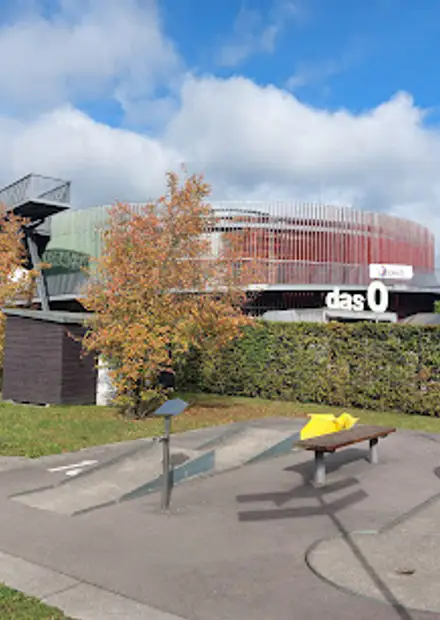
Best Landmarks Near O-Schatz Park (Saxony)
Planning a trip to O-Schatz Park? Discover the best landmarks nearby with history, expert tips, and routes. Free on web or the Evendo app.


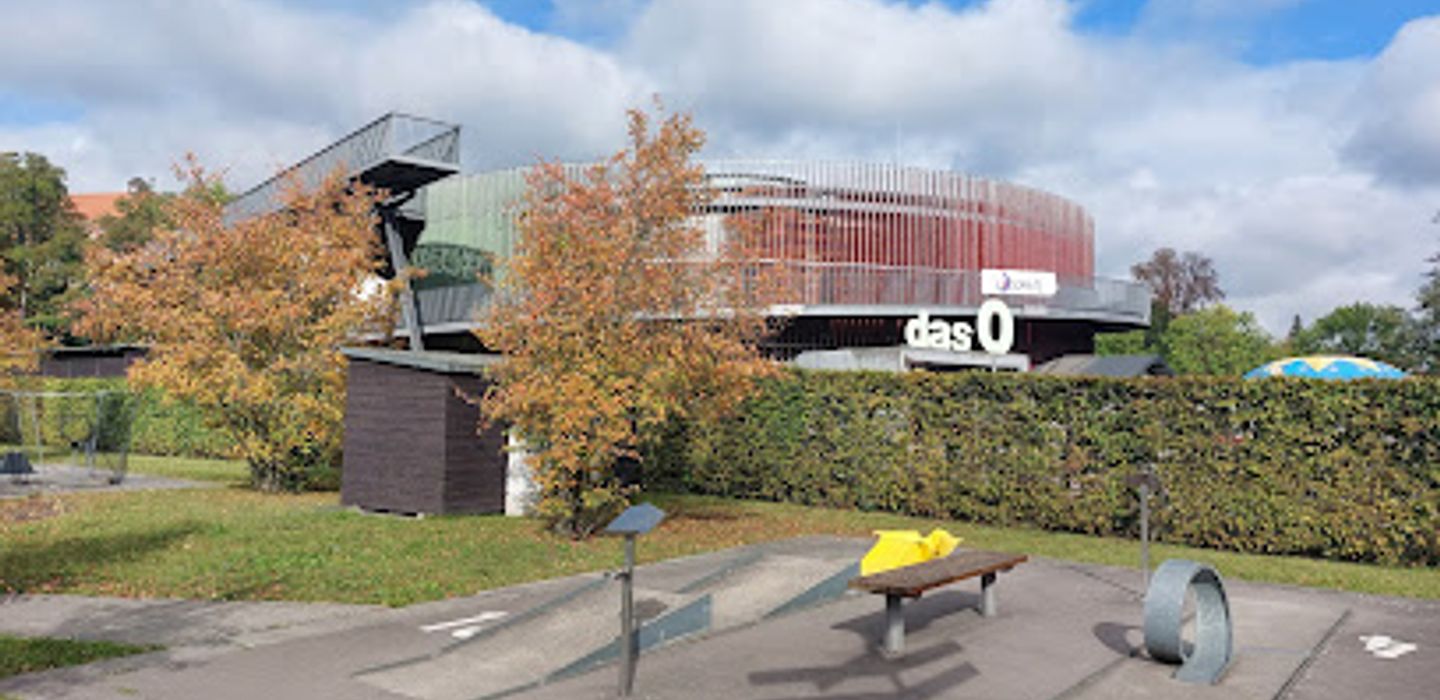
The best landmarks near O-Schatz Park
- Top rated
- Closest to O-Schatz Park
- A–Z
74 landmarks
-
Historical landmark4.7★49,399 reviews
Zwinger
The Dresden Zwinger is a stunning Baroque palace in the heart of Dresden, Germany. Built in the 18th century during the reign of Augustus the Strong, it originally served as an orangery and festival ground. Today, it houses world-renowned museums, including the Old Masters Picture Gallery, the Dresden Porcelain Collection, and the Royal Cabinet of Mathematical and Physical Instruments. The Zwinger's architecture, a synthesis of sculpture and painting, exemplifies the opulence of the Baroque period. Its serene courtyards and intricate details offer a captivating glimpse into Saxony's rich history and artistic heritage, making it a must-see destination for any visitor to Dresden. Admission to the Zwinger complex is free, but its museums and exhibitions cost extra.
Mon–Fri 6:00–20:00 · Sat–Sun 8:00–20:00
-
Castle4.7★24,585 reviews
Moritzburg Castle
Nestled in the beautiful landscape of Moritzburg, Moritzburg Castle is a magnificent baroque palace that captivates visitors with its stunning architecture and rich history. Surrounded by serene lakes and lush forests, it offers a perfect escape for tourists looking to immerse themselves in culture and nature.
Daily 10:00–18:00
-
Monument4.7★23,937 reviews
Monument to the Battle of the Nations
The Monument to the Battle of the Nations, or Völkerschlachtdenkmal, is an imposing monument in Leipzig, Germany, commemorating the Battle of Leipzig in 1813, where Napoleon's forces were defeated by the allied armies of Russia, Prussia, Austria, and Sweden. Completed in 1913, it stands as one of the largest monuments in Europe, soaring 91 meters high. Visitors can explore the monument's intricate interior, ascend to the observation platform for panoramic views of Leipzig, and delve into the historical context of the battle at the FORUM 1813 museum located at its base. The monument serves as a powerful reminder of a pivotal moment in European history and offers a unique blend of architectural grandeur and historical significance, making it a must-see attraction for history enthusiasts and sightseers alike. With its stunning architecture, historical importance, and breathtaking views, the Monument to the Battle of the Nations offers an unforgettable experience.
Daily 10:00–18:00
-
Opera house4.8★13,706 reviews
Semperoper Dresden
The Semperoper Dresden, a world-renowned opera house, stands as a symbol of the city's rich cultural heritage. Its stunning Neo-Renaissance architecture, meticulously restored after near-total destruction in World War II, draws visitors from across the globe. Home to the Saxon State Orchestra, one of the world's oldest, the Semperoper has hosted premieres of works by Wagner and Strauss, solidifying its place in music history. Beyond performances, guided tours reveal the opera house's fascinating past, intricate design, and the stories of the artists who graced its stage. A visit promises an immersive experience, blending architectural grandeur with artistic excellence, making it a must-see destination in Dresden.
-
Museum4.7★11,206 reviews
Dresden Castle
Dresden Castle is a stunning blend of history and art, situated in the heart of Dresden. As a prominent landmark, it offers visitors a glimpse into the region's rich heritage through its impressive architecture and remarkable collections. A must-visit for any traveler!
Mon 10:00–18:00 · Wed–Sun 10:00–18:00
-
Historical landmark4.6★11,100 reviews
Golden Rider
The Golden Rider (Goldener Reiter) is a dazzling equestrian statue of Augustus the Strong, Elector of Saxony and King of Poland, prominently situated on the Neustädter Markt in Dresden. Erected in 1736, this gilded monument has become a beloved symbol of the city, representing its rich history and artistic heritage. Augustus is depicted in Roman armor, riding towards Poland, a nod to his kingship. The statue survived the bombings of World War II hidden away and returned to its original position in 1956. Today, it stands as a testament to Dresden's resilience and a reminder of the opulent Baroque era. The Golden Rider is more than just a statue; it's a focal point of Neustadt, surrounded by vibrant cafes, shops, and galleries, making it a must-see for any visitor exploring Dresden. Its golden shimmer catches the eye, drawing visitors to explore the Neustädter Markt and delve into the stories of Augustus the Strong and his impact on Dresden's cultural landscape. The statue also appears on local products, such as beer bottles and Dresden Christmas cake, further solidifying its status as a city icon.
Open 24 hours
-
Art gallery4.8★7,580 reviews
Old Masters Picture Gallery
The Old Masters Picture Gallery (Gemäldegalerie Alte Meister) in Dresden is a world-renowned art museum housing an exceptional collection of paintings from the 15th to 18th centuries. Located in the Semper Building of the Zwinger Palace, this gallery showcases masterpieces by Italian Renaissance artists like Raphael (Sistine Madonna), Baroque masters such as Rembrandt and Vermeer, and Flemish masters including Rubens. Visitors can immerse themselves in European art history, exploring thematic displays and admiring works from various countries and artistic movements. Beyond the paintings, the gallery's Sculpture Collection highlights the interplay between sculpture and painting during the Renaissance and Baroque periods. A visit promises a captivating journey through centuries of artistic brilliance.
Tue–Sun 10:00–18:00
-
Museum4.5★7,713 reviews
Leipzig Panometer
The Leipzig Panometer, housed in a former gasometer, offers a unique and immersive art experience. Austrian artist Yadegar Asisi transformed this industrial relic into a captivating space for 360° panoramic displays. Visitors are transported into different worlds through massive circular images, enhanced by light, sound, and thematic exhibitions. From historical recreations to natural landscapes, the Panometer provides a memorable and educational experience for all ages. Currently showcasing 'MONET'S CATHEDRAL', a painted panorama of Rouen in the 19th century, the Panometer continues to be a must-see attraction in Leipzig, blending art, history, and technology in a distinctive way. Free parking and a café add to the visitor experience.
Daily 10:00–17:00
-
Art museum4.7★6,667 reviews
Green Vault
The Green Vault (Grünes Gewölbe) in Dresden's Residenzschloss is a dazzling museum housing one of Europe's most magnificent collections of royal treasures. Divided into the Historic Green Vault, showcasing the treasury as a baroque work of art, and the New Green Vault, focusing on individual masterpieces, the museum displays an astounding array of jewels, gold, silver, ivory, and amber artifacts. Founded by Augustus the Strong in 1723, the Green Vault is one of the oldest museums in the world, presenting around 3,000 objects. A visit offers a glimpse into the opulence and power of Saxony's rulers, with highlights including the Green Diamond and intricate gemstone vessels. Due to its popularity, especially for the Historic Green Vault, booking tickets in advance is highly recommended.
-
Evangelical church4.6★4,892 reviews
St. Nicholas Church
St. Nicholas Church, an iconic Evangelical church in Leipzig, invites visitors to explore its stunning Baroque architecture and rich historical significance. Located in the heart of the city, this remarkable landmark is more than just a place of worship; it stands as a symbol of peace and community. As one of Leipzig's most cherished attractions, the church is known for its impressive interior and vibrant cultural events, making it a must-visit for tourists seeking to immerse themselves in the local history and architecture.


Kriebstein Castle
Nestled in the heart of Saxony, Kriebstein Castle is a stunning example of medieval architecture that enchants visitors with its picturesque views and rich history. Surrounded by lush hiking trails and a serene lake, this castle offers a unique blend of culture and nature, making it a must-visit destination for tourists seeking both adventure and relaxation.
Tue–Fri 10:00–17:00 · Sat–Sun 10:00–18:00

Mädler-Passage
Nestled in the heart of Leipzig, Mädrer-Passage is not just a shopping mall; it’s a historical landmark that blends shopping with architectural beauty. Visitors can enjoy a unique experience as they stroll through its elegant arcades, indulging in a mix of high-end shops, quaint cafes, and rich cultural history. The stunning architecture and vibrant atmosphere make it a must-visit destination for any traveler.
Mon–Fri 10:00–19:00 · Sat 10:00–18:00

Kathedrale Sanctissimae Trinitatis
The Kathedrale Sanctissimae Trinitatis, also known as Dresden Cathedral or Hofkirche (Court Church), is a stunning example of Baroque architecture in the heart of Dresden's Altstadt. Built between 1739 and 1755, it stands as the city's youngest Baroque edifice and the largest church in Saxony. Designed by Italian architect Gaetano Chiaveri, the cathedral boasts an impressive facade adorned with 78 statues of saints and church dignitaries. Inside, visitors can marvel at the intricate details of the high altar by Balthasar Permoser, the altarpiece by Anton Raphael Mengs, and the Silbermann organ. The cathedral also serves as the burial site for Saxon royalty, including the heart of Augustus the Strong, making it a significant historical and cultural landmark. Despite suffering damage during World War II, meticulous restoration efforts have returned the Kathedrale Sanctissimae Trinitatis to its former glory, offering a serene and awe-inspiring experience for all who visit.

Terra mineralia
Nestled in the historic Schloss Freudenstein in Freiberg, Terra Mineralia is a captivating museum showcasing an extensive collection of minerals and gemstones from around the world. Visitors can immerse themselves in the beauty and diversity of Earth's natural treasures, making it a must-visit destination for tourists of all ages.
Tue–Fri 10:00–17:00 · Sat–Sun 10:00–18:00

Botanical Garden Leipzig
Escape the urban bustle at the Botanical Garden Leipzig, Germany's oldest botanical garden. Established in 1542, this verdant sanctuary showcases over 7,000 plant species from diverse biomes across the globe. Wander through meticulously organized collections, from the steppes of Eastern Europe and Asia to the prairies of North America, and explore the unique alpine garden. Don't miss the interconnected glasshouses, where you can journey from tropical forests to a captivating butterfly world. With its rich history and commitment to education, the Botanical Garden offers a refreshing and enlightening experience for nature enthusiasts of all ages.

Augustus Bridge
The Augustus Bridge in Dresden is a stunning architectural masterpiece that connects the historic parts of the city with breathtaking views of the Elbe River. This iconic bridge, with its impressive Baroque style, is not just a means of crossing but a true symbol of Dresden’s rich history and culture. Visitors can enjoy picturesque walks across the bridge, taking in the vibrant surroundings and the impressive skyline of the city.
Open 24 hours

Forum of Contemporary History Leipzig
The Forum of Contemporary History in Leipzig offers a compelling journey through Germany's tumultuous 20th century. Located in the heart of the city, this museum vividly portrays the division and reunification of Germany, the realities of life in the GDR, and the inspiring events of the Peaceful Revolution. Through interactive exhibits, personal stories, and a vast collection of artifacts, visitors gain a profound understanding of the political, economic, and social contexts that shaped modern Germany. The museum is committed to fostering dialogue and reflection on the past, making it an essential destination for anyone seeking to understand Germany's journey from division to unity. With free admission and central location, it's easily accessible and a must-see for history enthusiasts and those curious about Germany's recent past.
Daily 10:00–18:00

Hubertusburg
Nestled in the picturesque landscape of Wermsdorf, Hubertusburg Castle stands as a testament to Saxony's rich history and architectural grandeur. This beautifully restored castle invites tourists to explore its stunning surroundings, immerse themselves in history, and enjoy leisurely strolls through its expansive grounds.
Thu–Sun 10:00–17:00

Peterskirche Leipzig
The Peterskirche (St. Peter's Church) in Leipzig is a stunning example of Neo-Gothic architecture, boasting the city's tallest church tower. Built in the late 19th century, it replaced an older structure and quickly became a vital part of Leipzig's skyline and religious life. Severely damaged during WWII, the Peterskirche has been lovingly restored and now serves not only as a place of worship but also as a vibrant venue for concerts, exhibitions, and other cultural events. Its impressive interior, featuring soaring arches and intricate stained glass, creates a serene and awe-inspiring atmosphere. Whether you're an architecture enthusiast, a history buff, or simply seeking a moment of tranquility, the Peterskirche offers a captivating experience in the heart of Leipzig.

Mendelssohn-Haus
Step back in time at the Mendelssohn-Haus, the only surviving residence of the celebrated composer Felix Mendelssohn Bartholdy. Located in the heart of Leipzig, this meticulously restored house offers an intimate glimpse into the composer's life, work, and family. Explore the faithfully reconstructed apartment, furnished in the Biedermeier style, and discover original manuscripts, letters, and watercolors. The museum also features exhibits dedicated to Mendelssohn's sister, Fanny Hensel, and conductor Kurt Masur, adding layers of depth to the visitor experience. Regular concerts in the music salon keep Mendelssohn's musical legacy alive, making it a must-visit for music lovers and history buffs alike. The Mendelssohn-Haus provides a unique opportunity to connect with the past and appreciate the genius of one of Leipzig's most famous residents.
Daily 10:00–18:00

Mendebrunnen
The Mendebrunnen, Leipzig's largest and most ornate fountain, graces Augustusplatz with its neo-baroque splendor. Erected in 1886, it stands as a testament to the city's rich history and artistic heritage. Named after Marianne Pauline Mende, a benefactor who bequeathed funds for its creation, the fountain features allegorical figures of Tritons, Nereids, and Hippocampi, celebrating water as a life-giving force. Its design, inspired by Roman fountains like the Trevi Fountain, adds a touch of Italian flair to Leipzig's city center. Despite the square's transformations over time, the Mendebrunnen remains a cherished landmark, captivating visitors with its enduring beauty and historical significance, offering a tranquil oasis amidst the bustling cityscape.
Open 24 hours

Russische Gedächtniskirche
The Russian Memorial Church in Leipzig, also known as the Russian Church of St. Alexis, stands as a poignant reminder of the Battle of Leipzig in 1813 and the shared sacrifice of Russian and Prussian soldiers. Consecrated in 1913 to mark the centenary of the battle, this impressive structure, designed in the Old Russian style, offers a unique architectural contrast to the surrounding cityscape. Its gilded domes and intricate mosaics evoke the grandeur of Tsarist Russia, while its serene interior provides a space for reflection and remembrance. More than just a religious site, the church serves as a symbol of reconciliation and a testament to the enduring bonds between nations. Visitors are captivated by the church's historical significance, its artistic beauty, and the peaceful atmosphere that permeates its grounds, making it a compelling destination for history buffs, architecture enthusiasts, and those seeking a moment of tranquility.
Daily 10:00–16:00

Schlossplatz
Schlossplatz, or Castle Square, is the vibrant heart of Dresden's historic Altstadt (Old Town). This expansive square, meticulously restored after World War II, is framed by architectural masterpieces including the Dresden Castle, the Catholic Church of the Royal Court (Katholische Hofkirche), and the Saxon House of Estates. The square serves as a focal point, linking the city's past and present. Visitors can admire the Frederick Augustus Monument, explore the nearby Augustus Bridge, and discover the paving stone marking where Napoleon rallied his troops. With its blend of history, art, and culture, Schlossplatz is a must-see destination, offering a picturesque setting to relax and soak in Dresden's captivating atmosphere. Whether you're interested in architecture, history, or simply enjoying the ambiance, Schlossplatz provides a memorable experience.
Open 24 hours

Kronentor
The Kronentor, or Crown Gate, is the iconic main entrance to Dresden's Zwinger Palace, a stunning example of Baroque architecture. Built in the early 18th century under Augustus the Strong, it showcases intricate sculptures, mythological figures, and a prominent Polish royal crown, symbolizing Augustus's ambition. More than just an entrance, the Kronentor embodies Dresden's rich history and artistic heritage, offering visitors a glimpse into the opulence of the Baroque era. The gate leads to the Zwinger Palace courtyard, surrounded by pavilions and galleries housing world-renowned museums. Open year-round, the Kronentor provides free access to the courtyard, making it a must-see landmark for anyone exploring Dresden's Old Town. Its architectural splendor and historical significance make it a captivating destination for history buffs and casual tourists alike.
Daily 6:00–22:00

N' Ostalgie Museum
Step back in time at Leipzig's N' Ostalgie Museum, a captivating journey into the daily life of East Germany (GDR). This privately-owned museum showcases over 30,000 artifacts, from household items and vintage Trabant cars to iconic consumer products, offering a nostalgic glimpse into a bygone era. Explore themed rooms filled with 'Plaste and Elaste' (plastics), radios, kitchen gadgets, toys, and even props from famous East German films. The museum provides a unique, hands-on experience, inviting visitors to discover the contrasts between East and West Germany and the impact of reunification. Located near the Nikolaikirche, it's a must-see for history buffs and those curious about the DDR's culture and everyday life.
Tue–Sun 10:00–18:00

Steinplatz
Steinplatz, nestled in Leipzig's Südvorstadt, is a charming public space offering a delightful escape from the urban bustle. Named after the Prussian statesman Heinrich Friedrich Karl vom und zum Stein, this elevated square provides a unique setting for relaxation and recreation. Originally designed in 1912 and revitalized in 2010, Steinplatz features lush greenery, including red-flowering horse chestnut trees and diverse play areas crafted by wood designer Lars Piolka. Its slightly elevated position, about 1.8 meters above the surrounding streets, creates a serene and safe environment for families and individuals alike. With its blend of open spaces, play facilities, and convenient access via public transport, Steinplatz is a beloved local gem and a worthwhile stop for visitors seeking a tranquil retreat in Leipzig.
Open 24 hours

Statue of King Johann
The Statue of King Johann, an equestrian bronze sculpture, graces Dresden's Theaterplatz, a historical and cultural focal point. Erected in 1889, it honors King Johann of Saxony, who reigned from 1854 to 1873, and was known for his contributions to the arts and sciences. Flanked by the Semper Opera House, the Zwinger Palace, and the Dresden Cathedral, the statue stands as a testament to Dresden's royal past and artistic heritage. The statue itself is an impressive work of art, showcasing intricate details that highlight the craftsmanship of the period. Visitors are often drawn to its grandeur, taking time to appreciate the historical context and the artistic mastery involved in its creation. The surrounding Theaterplatz is a hub of activity, featuring stunning baroque architecture, charming cafes, and the nearby Semper Opera House, making it an ideal spot for a leisurely stroll or a break to enjoy the local ambiance.
Open 24 hours

Dresden Armory
The Dresden Armory, or Rüstkammer, nestled within the magnificent Dresden Castle, showcases one of the world's most impressive collections of ceremonial arms, armor, and textiles. Dating back to the 15th century, this historical museum offers a captivating journey through the opulent world of Saxon electors and kings. Explore the resplendent Giants' Hall, marvel at intricately crafted weaponry, and discover the Turkish Chamber's exotic collection of Ottoman art. A visit to the Dresden Armory is a must for history buffs and anyone seeking a glimpse into the lavish displays of power and artistry from centuries past. The armory not only displays weapons, but also tells a story of evolving craftsmanship and the changing roles of these objects, from tools of war to symbols of status and ceremony.
Daily 10:00–18:00

Südfriedhof
Leipzig's Südfriedhof, or South Cemetery, is more than just a final resting place; it's an expansive parkland offering tranquility and historical insights. Covering 82 hectares, it ranks among Germany's largest and most beautiful cemeteries, near the Völkerschlachtdenkmal (Monument to the Battle of the Nations). Designed in the late 19th century as a Gesamtkunstwerk (a total work of art) in the Art Nouveau style, its winding paths, diverse flora, and impressive funerary art create a unique atmosphere. Visitors can explore the graves of notable Leipzig figures, admire the architecture of the chapel complex, and enjoy the peaceful ambiance, making it a worthwhile destination for history buffs, nature lovers, and those seeking a quiet escape.
Daily 7:00–21:00

Hausmannsturm, Dresden
Hausmannsturm, a striking historical landmark in Dresden, offers breathtaking views and rich history, making it a must-visit for tourists exploring this beautiful city.
Mon 10:00–18:00 · Wed–Sun 10:00–18:00

Alte Börse
The Alte Börse (Old Stock Exchange), Leipzig's oldest Baroque building, stands proudly on the Naschmarkt. Constructed in 1678, it served as a vital meeting place for merchants for two centuries, hosting transactions, auctions, and trade. Its symmetrical design, adorned with the city's coat of arms, reflects its historical significance. Damaged during World War II and later restored, the Alte Börse now functions as a vibrant venue for concerts, readings, theatre, lectures, and celebrations. Located on the charming Naschmarkt, surrounded by restaurants and shops, the Alte Börse offers visitors a glimpse into Leipzig's rich trading past and cultural present. Its central location makes it easily accessible and a must-see for those exploring Leipzig's historical city center. The building's elegant facade and historical importance make it a popular spot for photographs and a key landmark within the city.

Statue of Goethe
Nestled in the heart of Leipzig, the Statue of Goethe stands as a tribute to one of Germany's most celebrated literary figures. This stunning sculpture not only captures the essence of Johann Wolfgang von Goethe but also serves as a focal point for visitors to explore the rich cultural heritage of Leipzig. Surrounded by vibrant squares and historic architecture, this landmark is a must-see for literature enthusiasts and casual tourists alike.
Open 24 hours

Nymphenbad Dresden
Nestled within the Zwinger Palace complex in Dresden, the Nymphenbad is a captivating Baroque fountain renowned for its intricate sculptures and serene atmosphere. Designed by Matthäus Daniel Pöppelmann and featuring sculptures by Balthasar Permoser, this enchanting courtyard offers a tranquil escape from the bustling city. The fountain's design showcases mythological sea creatures and nymphs, creating a visually stunning spectacle. As one of the most beautiful historical fountains in Dresden, the Nymphenbad provides a glimpse into the opulent artistry of the Baroque era. Its location near other iconic landmarks like the Semper Opera House and Dresden Castle makes it a must-see destination for any visitor exploring the city's rich cultural heritage. Whether you're an art enthusiast or simply seeking a moment of peace, the Nymphenbad promises an unforgettable experience.
Open 24 hours

Sachsenburg Concentration Camp Memorial Site
The Sachsenburg Concentration Camp Memorial Site offers a poignant glimpse into a critical chapter of history. Nestled amidst tranquil nature, this memorial stands as a testament to resilience and remembrance. Visitors can explore the remnants of the camp and engage with informative exhibits that reflect on the lives affected by this dark era. A visit here is not just a journey through history, but a deep reflection on humanity.
Open 24 hours

Postplatz
Postplatz, a central square in Dresden, Germany, holds a rich history as a vital transportation hub and urban space. Originally the site of the Wilsdruffer Tor gate, it transformed into a bustling square in the 19th century with the construction of a post office, lending it the name Postplatz. Severely damaged during World War II, the square has been redeveloped, blending historical elements with modern architecture. Today, Postplatz serves as a major public transport interchange, surrounded by significant landmarks like the Zwinger Palace and the Schauspielhaus, making it a key point for exploring Dresden's cultural attractions. Despite its modern redesign, Postplatz retains echoes of its past, offering visitors a glimpse into Dresden's evolving urban landscape and its enduring importance as a central meeting point.

Demokratieglocke
The Demokratieglocke (Democracy Bell) stands as a modern monument on Leipzig's Augustusplatz, commemorating the peaceful protests of 1989 that led to the fall of the East German regime. Inaugurated in 2009, the bell serves as a reminder of the power of unity and freedom. Its unique egg shape and golden bronze color make it a striking landmark, inviting reflection on Leipzig's pivotal role in German reunification. The bell chimes twelve times every Monday at 6:35 p.m., marking the start of the historical Monday demonstrations. Beyond its symbolic value, the Demokratieglocke is a gathering place, fostering civic engagement and community spirit in the heart of Leipzig. A visit offers a profound connection to a defining moment in history, set against the backdrop of Augustusplatz's vibrant cultural scene.
Open 24 hours

Denkmal "Friedrich August dem Gerechten"
Located in the enchanting city of Dresden, the Friedrich August Monument stands as a majestic tribute to history and culture. This impressive monument is not only a focal point in the Old Town but also a symbol of the city’s rich heritage. Surrounded by picturesque architecture and vibrant public spaces, it offers visitors a glimpse into the past while serving as a perfect backdrop for memorable photographs.
Open 24 hours

Alter Johannisfriedhof
The Alter Johannisfriedhof, Leipzig's oldest cemetery, offers a serene escape into the city's past. Established in 1278 as part of a leper hospital, it later became the main burial ground in 1536. Transformed into a memorial park in the early 20th century, it features historic gravestones, monuments relocated from the Neuer Johannisfriedhof, and lush greenery. Notable figures such as Franz Dominic Grassi and family members of Richard Wagner are buried here. Visitors can explore Leipzig's history, from music and science to politics, within this peaceful, protected monument. Open daily, it provides a tranquil space for reflection and appreciation of Leipzig's rich cultural heritage. The cemetery's layout and monuments reflect various periods, offering a unique glimpse into the city's evolution.
Daily 10:00–18:00

Paulinum - Aula und Universitätskirche St. Pauli
The Paulinum, officially the Aula und Universitätskirche St. Pauli (Assembly Hall and University Church of St. Paul), stands as a poignant reminder of Leipzig's past and a symbol of its present. Rebuilt on the site of the original Paulinerkirche, which was controversially demolished in 1968 by the communist regime, the Paulinum serves as both a university auditorium and a place of worship. Its striking architecture incorporates elements of the original Gothic church, creating a space where history, faith, and academia converge. Visitors can explore the building's unique design, admire salvaged artifacts from the original church, and attend services or events held within its walls, experiencing a powerful connection to Leipzig's rich cultural heritage.

Augustusplatz
Augustusplatz, one of Germany's largest city squares, is the bustling heart of Leipzig. Named after Frederick Augustus I, the first King of Saxony, this expansive space is framed by iconic buildings reflecting various architectural periods, including the Leipzig Opera, the Gewandhaus Concert Hall, and the modern Paulinum of Leipzig University. Severely damaged during World War II, the square was later rebuilt, becoming a focal point of socialist modernism before returning to its original name after German reunification. Today, Augustusplatz serves as a central transport hub and a vibrant venue for events, seamlessly blending historical significance with contemporary urban life. Visitors can explore nearby landmarks like the Mende Fountain and the City-Hochhaus, making it a must-see destination for anyone visiting Leipzig.

Napoleonstein
The Napoleonstein, a historical landmark nestled within Leipzig's Wilhelm Külz Park, marks the spot where Napoleon Bonaparte observed the Battle of Leipzig in 1813. This monument, erected in 1857, stands as a memorial to one of the most pivotal battles in European history. Surrounded by the tranquil greenery of the park, it offers visitors a serene space for reflection amidst nature. The stone itself, adorned with inscriptions and symbols, provides a tangible link to the past, inviting contemplation on the events that unfolded here. While overshadowed by the nearby Völkerschlachtdenkmal, the Napoleonstein offers a quieter, more intimate historical experience, attracting history enthusiasts and casual visitors alike. It's a place where the echoes of the past resonate, inviting visitors to connect with a significant moment in European history within a peaceful setting.
Open 24 hours

Artesischer Brunnen (1832-36; Paul Siemen)
Discover the Artesian Fountain in Dresden, a stunning 19th-century masterpiece that combines art and nature in a serene setting. Perfect for a leisurely stroll or a peaceful retreat amidst the city's hustle and bustle.
Open 24 hours

Museum Göschenhaus
Museum Göschenhaus in Grimma offers a delightful glimpse into the region's cultural heritage. Explore historical exhibits, art, and engage in captivating events that bring the past to life, making it a must-visit for any tourist.
Wed–Sun 11:00–16:00

Schloss Sachsenburg
Nestled in the picturesque town of Frankenberg, Schloss Sachsenburg stands as a stunning testament to medieval architecture. This castle offers visitors an immersive experience into the rich history of the region, complemented by enchanting landscapes and captivating stories that echo through its ancient walls. Its charm and allure make it a must-visit destination for any tourist exploring Germany.
Open 24 hours

Faust and Mephisto Sculpture
Nestled within the elegant Mädlerpassage, the Faust and Mephisto Sculpture captures a pivotal scene from Goethe's renowned play, Faust. These bronze figures, crafted by Mathieu Molitor, depict the moment Mephistopheles leads Faust into the revelry of Auerbachs Keller, a historic wine cellar located in the passage. The sculpture serves as a tangible connection to Leipzig's rich literary history and the enduring legacy of Goethe's masterpiece. Visitors are drawn to the sculpture not only for its artistic merit but also for the tradition of rubbing Faust's shoe, said to ensure a return visit to Leipzig. The Mädlerpassage itself, with its upscale shops and restaurants, provides a sophisticated backdrop for this cultural landmark, making it a must-see for literature enthusiasts and casual tourists alike. The sculpture is free to view and accessible during the passage's opening hours, offering a glimpse into the world of Faust and the spirit of Leipzig.
Open 24 hours

Unzeitgemäße Zeitgenossen
The 'Unzeitgemäße Zeitgenossen' (Untimely Contemporaries) is a thought-provoking bronze sculpture by Bernd Göbel, located on Grimmaische Straße near Augustusplatz in Leipzig. Created between 1986 and 1989 and gifted to the city in 1990, the artwork features five nude figures perched atop a beam, each embodying a character Göbel found objectionable: a city planner, a teacher, a diagnostician, an art theorist, and a rationalizer. Each figure has a golden detail representing their misguided attribute. The sculpture serves as a critique of outdated thought patterns and behaviors prevalent during its creation, inviting viewers to reflect on timeless societal issues and sparking conversations among passersby in Leipzig's bustling city center. It's a popular spot for photos and contemplation.
Open 24 hours

Leipzig Zentrum
Leipzig Zentrum, the city's core, pulsates with a rich blend of historical significance and modern vibrancy. From its roots as a medieval trading hub to its pivotal role in the Peaceful Revolution, the Zentrum encapsulates Leipzig's dynamic spirit. Explore architectural gems like the Old Town Hall and St. Thomas Church, delve into the city's musical heritage, or wander through the charming shopping arcades. The Zentrum offers a diverse array of experiences, blending historical landmarks with contemporary attractions. Whether you're drawn to its cultural institutions, bustling marketplaces, or vibrant nightlife, Leipzig Zentrum promises an unforgettable journey through the heart of this captivating city, making it a must-see destination for any traveler seeking an authentic German experience.
Open 24 hours

Museum of Antiquities of Leipzig University
The Museum of Antiquities of Leipzig University, nestled in the heart of Leipzig's historic district, offers a captivating glimpse into the world of ancient Greece and Rome. Founded in 1840, this academic collection showcases a diverse array of artifacts, from intricately decorated vases and terracotta figurines to imposing plaster casts of renowned sculptures. Housed within the historic Alte Nikolaischule, the museum provides a unique opportunity to explore classical art and culture within the walls of a building that has witnessed centuries of Leipzig's history. Whether you're a seasoned archaeologist or a curious traveler, the museum's rich collection and engaging exhibits promise an enriching and educational experience. The museum's location near the iconic Nikolaikirche and the bustling city center makes it easily accessible and a perfect addition to any Leipzig itinerary. Don't miss the chance to step back in time and discover the wonders of antiquity at this hidden gem in Leipzig.
Wed–Fri 11:00–16:00 · Sat–Sun 12:00–17:00

Schiller-Denkmal
The Schiller-Denkmal, a monument dedicated to the renowned German poet Friedrich Schiller, stands proudly in Leipzig's city center. Inaugurated in 1914, this marble monument, crafted by Johannes Hartmann, showcases a bust of Schiller atop a high stele, flanked by two imposing figures representing 'Erhabenheit' (Sublimity) and 'Tragik' (Tragedy). Schiller's connection to Leipzig stems from his stay in 1785, during which he penned the famous 'Ode to Joy' in Gohlis. The monument serves as a lasting tribute to his contributions to German literature and his time spent in the city, making it a worthwhile stop for those exploring Leipzig's cultural landscape. Its location within the green belt makes it easily accessible and a pleasant spot for reflection.
Open 24 hours

Denkmal der Leipzig-Dresdner Eisenbahn
The Leipzig-Dresden Railway Monument, an elegant obelisk erected in 1878, commemorates the Leipzig-Dresden Railway, Germany's first long-distance railway line. Conceived by Carl Gustav Aeckerlein, the monument stands proudly in the parkland near Schwanenteich, just east of Goethestraße. It was commissioned by the banker W. Seyfferth, who initially considered a location near Riesa but ultimately chose Leipzig, gifting the monument to the city. The monument features inscriptions on all four sides, detailing the railway's history and significance. Today, it serves as a reminder of Leipzig's pioneering role in railway transport and its impact on the city's development as a trade and commerce hub. A stroll around the monument offers a tranquil escape from the city bustle and a chance to reflect on Leipzig's rich industrial heritage.
Open 24 hours

Narrenhaus-Denkmal
The Narrenhaus-Denkmal, located in Dresden, is a captivating sculpture that serves as a cultural landmark. Tourists can immerse themselves in the artistry and history of this unique monument, which celebrates the spirit of humor and satire in the city's heritage. Its intricate design and vibrant surroundings make it a perfect spot for photography and reflection.
Open 24 hours

Rundbrunnen goldene Reiter Blick
The Rundbrunnen Goldene Reiter Blick offers an iconic view of the Goldener Reiter (Golden Rider), a gilded equestrian statue of Augustus the Strong, Elector of Saxony and King of Poland. Located on the Neustädter Markt, this Baroque monument serves as a striking symbol of Dresden's rich history and artistic heritage. The statue marks the starting point of Hauptstraße, a boulevard lined with shops and cultural attractions, making it a perfect spot to begin exploring the Innere Neustadt (Inner New City). Visitors can admire the statue's intricate details, soak in the vibrant atmosphere of the surrounding square, and delve into the stories of Dresden's past. Whether you're a history enthusiast, a photography lover, or simply seeking a picturesque spot, the Goldener Reiter provides a captivating experience.
Open 24 hours

Statue of Tomyris
The Statue of Tomyris in Dresden is a remarkable historical landmark that pays homage to the legendary queen of the Massagetae. Set against the backdrop of the beautiful Altstadt, this statue is not only a tribute to a powerful figure in history but also an invitation for tourists to explore the rich cultural tapestry of Dresden. As you visit, you’ll discover the significance of Tomyris's story and its relevance to the themes of strength and resilience.
Open 24 hours

Bronze der Universitätskirche St. Pauli
The Bronze der Universitätskirche St. Pauli is a poignant miniature bronze replica of the original University Church of St. Paul, which stood on Leipzig's Augustusplatz for centuries. This small-scale monument serves as a powerful reminder of the Paulinerkirche's rich history and tragic demolition in 1968 by the communist regime. Located near the modern Paulinum, which incorporates elements of the old church's design, the bronze model allows visitors to visualize the architectural grandeur that was lost. It acts as a tangible link to the past, inviting reflection on Leipzig's cultural heritage and the importance of preserving historical memory. The bronze replica provides a unique opportunity to contemplate the intersection of faith, academia, and civic identity in Leipzig's history. A visit to this understated yet deeply meaningful memorial enriches the experience of Augustusplatz, offering a moment of contemplation amidst the bustling city center.
Open 24 hours

Skulptur Aktion
Skulptur Aktion is a unique open-air gallery nestled in Leipzig's vibrant Süd district, offering a refreshing blend of art and nature. This evolving exhibition space showcases a diverse collection of contemporary sculptures and installations, providing a stimulating visual experience for art enthusiasts and casual visitors alike. The sculptures, often thought-provoking and engaging, are set against the backdrop of the city, creating a dynamic interplay between art and urban environment. Open daily and free to explore, Skulptur Aktion invites you to wander, discover, and contemplate art in an accessible and informal setting. It's a perfect spot for a leisurely stroll, a quick art fix, or simply a moment of reflection amidst the city's hustle and bustle. The ever-changing collection ensures a fresh experience with each visit, making it a worthwhile destination for both locals and tourists seeking a unique cultural encounter.
Daily 10:00–17:00

Altes Schienendenkmal
Nestled in the heart of Wilsdruff, Altes Schienendenkmal is a captivating tourist attraction that offers visitors a glimpse into the region's rich railway history. This unique monument pays homage to the railway's pivotal role in shaping the community and serves as a reminder of the past, making it a must-visit for history enthusiasts and curious travelers alike.
Open 24 hours

Das Doppel-M
Das Doppel-M, located at the Alte Messe (Old Trade Fair) in Leipzig, is a towering landmark that represents the city's rich history as a global trade hub. Standing for "Muster Messe" (Sample Fair), the logo was created in 1917 and quickly became an internationally recognized symbol of Leipzig's innovative approach to trade. While the main trade fair has moved to a new location, the Doppel-M remains a significant historical monument and a reminder of Leipzig's pioneering role in establishing the modern trade fair system. Today, the Alte Messe is a vibrant district with businesses, research institutes, and leisure facilities, making the Doppel-M a compelling stop for those interested in Leipzig's industrial past and present.

Schloßpl.
Schloßplatz, or Palace Square, is the central square in Dresden's historic Altstadt, a captivating blend of history, art, and architecture. Surrounded by iconic landmarks like the Dresden Castle, the Catholic Church of the Royal Court (Hofkirche), and the Zwinger Palace, the square offers a glimpse into the city's opulent past. Severely damaged during World War II, Schloßplatz has been meticulously restored, a testament to Dresden's commitment to preserving its cultural heritage. Today, it's a vibrant hub where visitors and locals alike gather to soak in the atmosphere, admire the architecture, and attend various events and festivals. Whether you're an art enthusiast, a history buff, or simply seeking a picturesque spot, Schloßplatz is a must-visit destination in Dresden.

Statue des Hl. Dominikus
The Statue of St. Dominic, nestled within Dresden's Stallhof, offers a glimpse into the city's rich religious and artistic heritage. This monument, dedicated to the founder of the Dominican Order, stands as a testament to faith and history amidst the architectural splendor of the Stallhof. The statue provides a serene focal point within the courtyard, inviting contemplation and appreciation of its craftsmanship. Surrounded by the Renaissance ambiance of the Stallhof, visitors can reflect on the historical significance of St. Dominic and his enduring influence. The statue is easily accessible and provides a peaceful interlude for those exploring Dresden's Old Town. Its presence enhances the cultural tapestry of the Stallhof, making it a worthwhile stop for those interested in art, history, and religious iconography. The Stallhof itself provides a stunning backdrop, adding to the statue's allure and creating a memorable experience for visitors.

Sachsenstein-Säule
The Sachsenstein-Säule is a striking monument located in Grimma, Germany, that offers a glimpse into the region's rich history and stunning natural beauty. Nestled amidst scenic landscapes, this tourist attraction is perfect for history enthusiasts and nature lovers alike, providing a serene escape with panoramic views that capture the essence of the German countryside.

Memorial for fallen Rider Guards of World War I
The Memorial for Fallen Rider Guards of World War I in Dresden stands as a poignant tribute to the bravery of soldiers. This historical landmark is not only a place for remembrance but also a testament to the rich history of the city, providing visitors with a serene environment to reflect and honor the past. Surrounded by lush greenery, the memorial offers stunning views, making it a must-visit for anyone exploring Dresden.
Open 24 hours

Kleine Brücke zum Auwald
The Kleine Brücke zum Auwald, or 'Small Bridge to the Riverside Forest,' serves as an inviting entry point to Leipzig's expansive Auwald, one of the largest urban forests in Europe. This isn't just a bridge; it's a portal to a natural escape, offering a tranquil transition from the city's bustle to the serene woodland. The Auwald itself is a remarkable ecosystem, shaped by centuries of interaction between the rivers Elster, Pleiße, and Luppe and human influence. Expect to find well-maintained hiking and cycling trails winding through a diverse landscape of hardwood trees, meadows, and waterways. Whether you're seeking a peaceful stroll, an adventurous bike ride, or simply a breath of fresh air, the Kleine Brücke marks the beginning of your Auwald experience. The bridge is easily accessible and provides a taste of the natural beauty that awaits within this unique urban wilderness, making it a must-visit for nature lovers and outdoor enthusiasts.
Open 24 hours

Denkmal „Anna Churfürstin von Sachsen“
Discover the historical significance of the Anna Churfürstin von Sachsen monument in Dresden, a tribute to one of the region's most notable figures. This stunning landmark offers insight into the rich heritage of Saxony and showcases exquisite craftsmanship, making it a must-visit for history enthusiasts and travelers alike.
Open 24 hours

Rudolph-Denkmal
The Rudolph-Denkmal, nestled in Dresden's vibrant Neustadt district, stands as a tribute to a significant historical figure, though the exact Rudolph commemorated remains somewhat debated. Adorned with intricate details and surrounded by greenery, it offers a serene escape. The monument serves as a gathering place and a backdrop for cultural events. Nearby, explore the cafes, shops, and art galleries that define Neustadt's unique atmosphere. Whether you're an art lover, a history enthusiast, or simply seeking a picturesque location, the Rudolph-Denkmal encapsulates the spirit of Dresden's Neustadt, inviting reflection and exploration. Its location near Königstraße and Stübelallee makes it easily accessible, and a perfect spot to relax after a day of sightseeing.

Tympanon-Fries
The Tympanon-Fries, located on Augustusplatz in Leipzig, is a poignant reminder of the city's rich cultural history and the ravages of World War II. These restored fragments are remnants of the Neues Theater (New Theatre), which was destroyed in 1943. The surviving pieces, depicting scenes of Ceres, Bacchus, Ariadne, and the allegory of Lipsia, offer a glimpse into the grandeur of the original 19th-century building. Situated on the west side of the Opera House, the Tympanon-Fries serves as a memorial and a testament to Leipzig's commitment to preserving its heritage. A visit provides a moment for reflection amidst the bustling atmosphere of Augustusplatz, one of Germany's largest city squares, surrounded by landmarks such as the Leipzig Opera House and the Gewandhaus.
Open 24 hours

Ausschank Brunnen
The Ausschank Brunnen, located in Leipzig's Süd district, is more than just a fountain; it's a local landmark and a testament to the city's artistic spirit. Created in 1986 by sculptor Peter Schremmer, the fountain features a unique design that invites passersby to pause and appreciate its charm. Situated at the intersection of Karl-Liebknecht-Straße and Richard-Lehmann-Straße, it serves as a refreshing oasis in the urban landscape. While not a grand historical monument, its presence adds character to the neighborhood, offering a place for locals and tourists alike to gather and enjoy a moment of tranquility. The fountain's unpretentious beauty and accessibility make it a beloved spot, embodying the everyday art that enriches Leipzig's cultural fabric. Its location on 'Karli,' as the locals affectionately call Karl-Liebknecht-Straße, places it amidst a vibrant mix of shops, cafes, and bars, making it a perfect spot to take a break and soak in the lively atmosphere.
Open 24 hours

Kanonenkugel Turm
Kanonenkugel Turm, an iconic landmark in Leipzig, offers visitors a glimpse into the city's rich history and architectural beauty. This captivating attraction makes for a perfect stop on your travel itinerary.
Open 24 hours

Meissen
Meissen, a captivating town on the Elbe River, beckons with its rich history and world-renowned porcelain. As the 'Cradle of Saxony,' Meissen boasts a skyline dominated by the majestic Albrechtsburg Castle and Meissen Cathedral, testaments to its medieval importance. The town's fame extends to its exquisite porcelain, the first of its kind in Europe, crafted here since 1710. Explore the charming Old Town with its cobblestone streets, discover hidden courtyards, and immerse yourself in the artistry of Meissen porcelain. Indulge in local wines from the Saxon Wine Route, offering a taste of the region's terroir. Whether you're drawn to history, art, or scenic beauty, Meissen promises an unforgettable experience, blending cultural heritage with Saxon charm. Don't miss the opportunity to witness the creation of 'white gold' and explore the legacy of this enchanting town.

Grab von Johann Georg von Sachsen (Chevalier de Saxe)
Discover the serene resting place of Johann Georg von Sachsen, a significant historical figure, located in the heart of Dresden. This captivating attraction offers a glimpse into the region’s royal past, surrounded by lush greenery and tranquility.
Tue–Sun 10:00–16:00

Cannon Ball Memorial (Kugeldenkmal)
The Cannon Ball Memorial, or Kugeldenkmal, in Leipzig, stands as a poignant reminder of the city's tumultuous history. Located on Chopinstraße, this unassuming yet powerful landmark marks the spot where a cannonball struck during the Napoleonic Wars, specifically the Battle of Leipzig in 1813. More than just a historical marker, it embodies the resilience and enduring spirit of Leipzig and its people. The memorial offers a moment for reflection amidst the bustling city, inviting visitors to contemplate the impact of war and the importance of peace. Its central location makes it easily accessible, encouraging a brief but meaningful pause during exploration of Leipzig's cultural district. The Kugeldenkmal serves as a tangible link to the past, fostering a deeper understanding of Leipzig's identity and its place in European history.
Open 24 hours

City-Hochhaus Leipzig
The City-Hochhaus Leipzig, locally known as 'Uniriese' (University Giant) or 'Weisheitszahn' (Wisdom Tooth), is a prominent 36-story skyscraper that dominates Leipzig's skyline. Designed by Hermann Henselmann and built between 1968 and 1972, its unique shape resembles an open book, a nod to its original association with the University of Leipzig. Standing at 142.5 meters (468 feet), it was the tallest building in Germany upon completion. Following renovations in the early 2000s, the building now houses private tenants, including the MDR broadcaster and the European Energy Exchange. Visitors can enjoy panoramic views of the city from the observation platform on the 31st floor and dine at the 'Plate of Art' restaurant on the 29th floor, making it a must-see attraction for tourists.
Große Meißner Str. 15
The Bilderberg Bellevue Hotel Dresden, nestled on the banks of the Elbe River in Dresden's Neustadt (New City), offers a blend of baroque history and modern luxury. Its prime location provides stunning, unobstructed views of Dresden's iconic Altstadt (Old City) skyline, famously captured by Canaletto. The hotel uniquely incorporates a meticulously restored baroque building, once the Royal Chancellery, into its contemporary design. Guests can enjoy easy access to major attractions like the Semperoper, Frauenkirche, and Zwinger Palace, all within walking distance. With a rich history as a prominent 'Devisenhotel' during the GDR era, the Bellevue has hosted countless dignitaries and celebrities. Today, it boasts a wellness area, extensive gardens, and diverse dining options, making it a perfect base for exploring Dresden's cultural treasures and scenic surroundings. Whether you're drawn to the historical significance, the architectural blend, or the unparalleled views, the Bilderberg Bellevue promises an unforgettable Dresden experience.

Theaterplatz
Theaterplatz, located in the historic Altstadt of Dresden, is a vibrant cultural hub where history, art, and architecture converge. This stunning square is surrounded by iconic landmarks such as the Semper Opera House, the Royal Palace, and the Dresden Cathedral, making it an essential stop for any tourist. Visitors can enjoy the lively atmosphere, attend performances, or simply soak in the breathtaking views of the beautifully restored baroque architecture that defines this remarkable city.

Böttchergäßchen 3
Böttchergäßchen, a revitalized lane in Leipzig's city center, offers a glimpse into the city's rich history and modern cultural landscape. Once home to barrel makers, the street was destroyed during WWII and remained fragmented for nearly 60 years. Re-established in 2002, it now forms the southern boundary of the Museum Quarter, blending historical significance with contemporary attractions. Visitors can explore the Haus Böttchergäßchen, part of the Stadtgeschichtliches Museum, and the Children's Museum, making it a destination for all ages. Its central location provides easy access to other landmarks, shopping arcades like Mädler Passage and Marktgalerie, and the vibrant atmosphere of Leipzig's market square, making it a must-see for those seeking to immerse themselves in the city's unique blend of past and present.
Explore O-Schatz Park on the map
A handpicked selection of must-see spots near O-Schatz Park, mapped for you.
More about O-Schatz Park
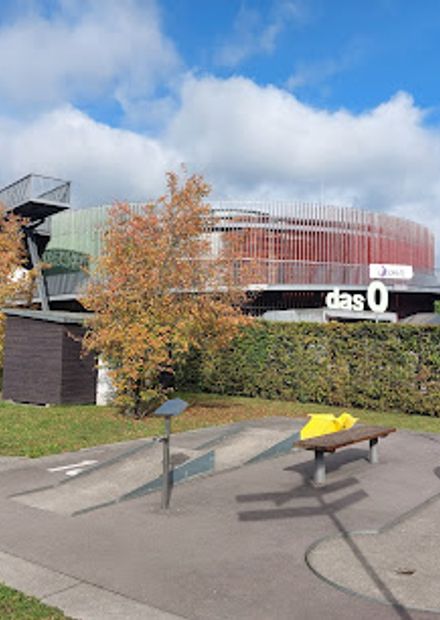
O-Schatz Park travel guide
Discover exotic animals, playful attractions, and community spirit at O-Schatz Park, a vibrant family destination born from the 2006 Saxon State Garden Show in Oschatz.
Tell me more about O-Schatz ParkMore to explore near O-Schatz Park

 Best experiences near O-Schatz Park

 Best hotels near O-Schatz Park

 Best attractions near O-Schatz Park

 Best shops near O-Schatz Park

 Best bars near O-Schatz Park

 Best restaurants near O-Schatz Park
Explore more

Explore more of Saxony
Discover Saxony: A blend of baroque beauty, musical heritage, and natural splendor in Germany's historic heartland.
Explore Saxony
Getting your guide ready…
We are putting together a fresh copy of the O-Schatz Park guide. This can take up to a minute.
This can take a few moments. If your browser asks, choose Allow so the download can start. You'll find the guide in your Downloads folder.
Nothing happened? Download it again
Sorry, the guide is taking longer than usual. Please try again in a minute, or get it by email instead.