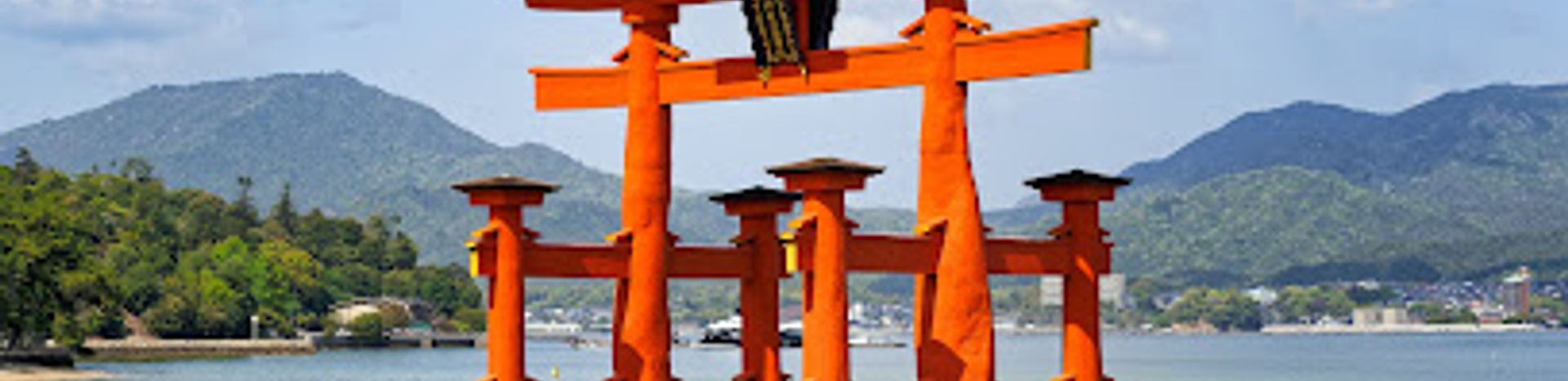
Itsukushima Shrine: A Floating Sanctuary
Discover Itsukushima Shrine: A timeless sanctuary where art and nature converge on the sacred island of Miyajima, Japan.
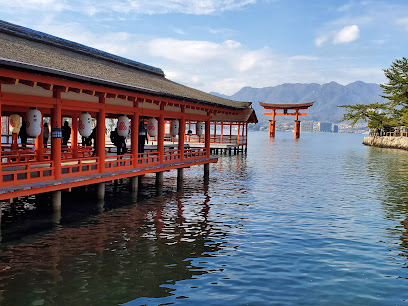
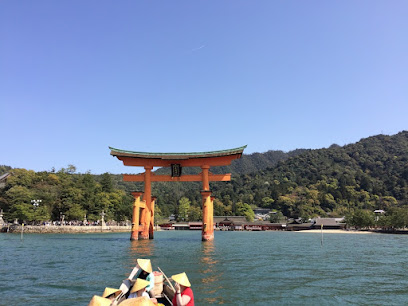
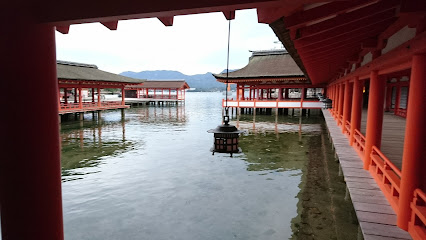
Itsukushima Shrine, a UNESCO World Heritage site on Miyajima Island, is famed for its iconic 'floating' torii gate and elegant buildings seemingly afloat on the Seto Inland Sea during high tide. With a history dating back to the 6th century, the shrine is a harmonious blend of nature and human artistry.
A brief summary to Itsukushima Jinja
- 1-1 Miyajimacho, Hatsukaichi, Miyajimacho, Hiroshima, 739-0588, JP
- +81829-44-2020
- Visit website
Local tips
- Check the tide schedule before visiting to witness the iconic 'floating' shrine at high tide or walk to the torii gate at low tide.
- Arrive early in the morning or later in the afternoon to avoid the biggest crowds and enjoy a more peaceful experience.
- Wear comfortable shoes, as you'll be doing a lot of walking on boardwalks and potentially on the seabed at low tide.
- Consider visiting during sunrise or sunset for magical lighting and stunning photo opportunities.
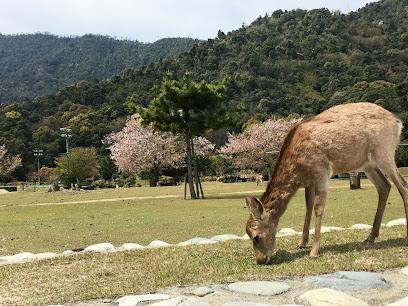
- Be aware that the deer on Miyajima Island are accustomed to humans and may approach you for food, but it's best not to feed them.

Getting There
-
Ferry
The final approach to Itsukushima Shrine involves a ferry journey from Miyajimaguchi to Miyajima Island. From Hiroshima Station, take the JR Sanyo Line to Miyajimaguchi Station (25 minutes, ¥420). Alternatively, take tram line number 2 from central Hiroshima to Miyajimaguchi (50 minutes, ¥240). From Miyajimaguchi Station, it's a short walk to the ferry terminal. Two ferry companies operate from Miyajimaguchi: JR West Miyajima Ferry and Miyajima Matsudai Kisen. Both offer a 10-minute ride to Miyajima. The basic fare is ¥200 one-way for adults, plus a ¥100 visitor tax. JR ferries accept the Japan Rail Pass. Matsudai Kisen offers a 'Miyajima Otokuja Ticket' (¥600) including round-trip ferry, visitor tax, and a local sweet. Parking is available near Miyajimaguchi Pier for a fee. Expect to pay around ¥2,000 per night. Note that there is limited parking on Miyajima Island.
-
Walking
Upon arrival at Miyajima Ferry Terminal, Itsukushima Shrine is approximately a 10-minute walk. Follow the waterfront promenade, enjoying the views of the island and the iconic torii gate. The path is well-marked and relatively flat, making for an easy stroll. As you approach the shrine, you'll pass shops and restaurants lining the street.
Discover more about Itsukushima Jinja
Iconic landmarks you can’t miss

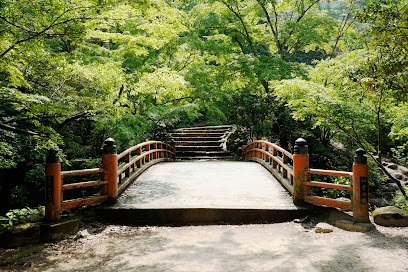
Momijidani Bridge
0.6 km
Experience the beauty of Momijidani Bridge in Miyajima, a picturesque landmark surrounded by stunning autumn foliage and serene natural landscapes.
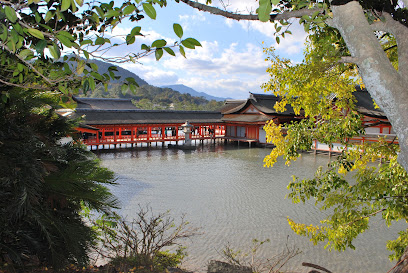
Itsukushima Island
0.9 km
Explore Itsukushima Island, a stunning UNESCO World Heritage site known for its iconic floating torii gate and rich cultural heritage.
Shishiiwa Observatory
2.0 km
Miyajima's easily accessible mountaintop vista, offering panoramic views of the Seto Inland Sea and a gateway to Mount Misen.
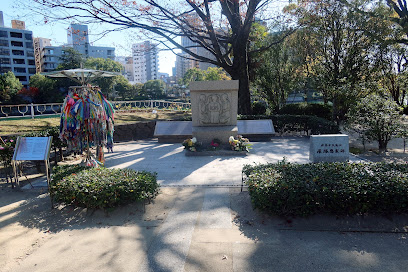
Hiroshima Prefecture Staff Atomic Bomb Victims Memorial
15.5 km
A place of quiet reflection honoring Hiroshima Prefecture staff who perished in the atomic bombing, promoting peace and remembrance.
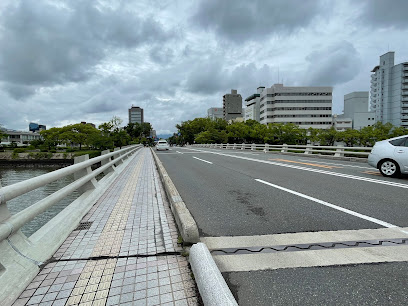
Nishiheiwao Bridge
15.9 km
Cross the Nishiheiwao Bridge in Hiroshima, a serene pathway to peace and remembrance, offering reflection and scenic beauty.
Hiroshima Municipal High School Atomic Bomb Cenotaph
16.1 km
A memorial to Hiroshima's lost students, symbolizing peace and resilience near Peace Memorial Park.
Peace Bridge
16.2 km
Walk across Peace Bridge in Hiroshima, a symbolic gateway to Peace Memorial Park and a poignant reminder of hope and resilience.
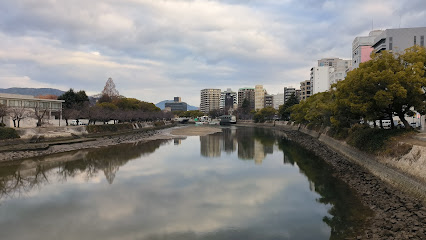
Pond of Peace
16.3 km
Reflect on peace and remember history at Hiroshima's serene Pond of Peace, a symbol of hope and remembrance in the heart of the city.
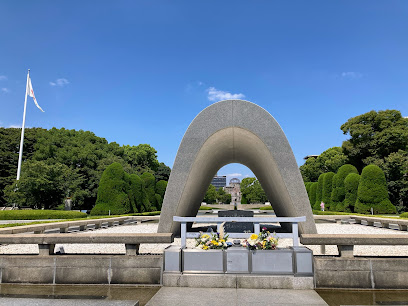
Korean Atomic Bomb Victims Cenotaph
16.3 km
Explore the Korean Atomic Bomb Victims Cenotaph in Hiroshima, a poignant memorial dedicated to peace and remembrance of those lost during the atomic bombing.
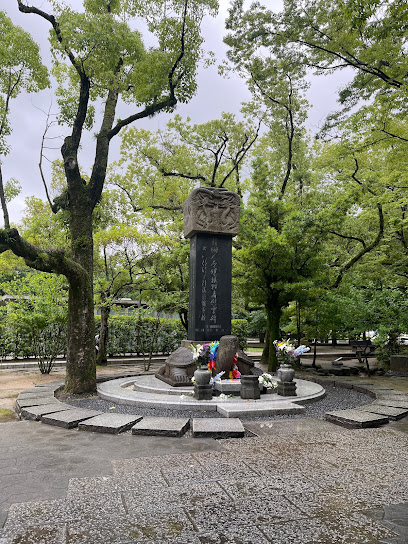
Former place of Kokutaiji Temple and Atago Pond
16.3 km
Discover Hiroshima's tranquil Atago Pond, the historic site of Kokutaiji Temple, offering a peaceful retreat and a glimpse into the city's past.
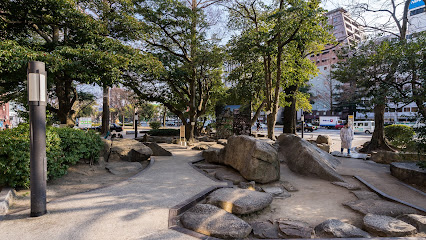
Shirakami-sha Shrine
16.3 km
Discover Hiroshima's maritime heritage at Shirakami-sha Shrine, a symbol of resilience and cultural continuity in the heart of the city.
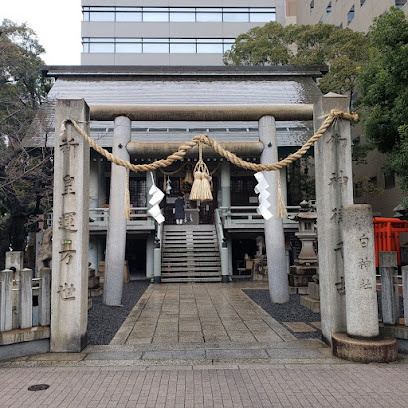
Hiroshima Peace Park Rest House
16.4 km
Discover Hiroshima's past and present at the Peace Park Rest House, a retro-modern building with a poignant history and vital visitor services.
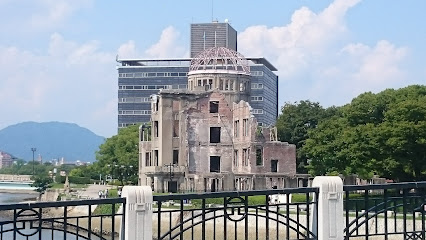
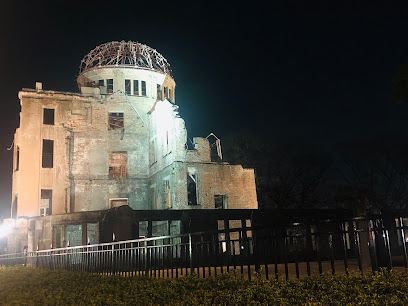
Hiroshima Prefectural Industrial Promotion Hall (Atomic Bomb Dome) Atomic bomb damage information board
16.4 km
A haunting reminder of nuclear devastation and a symbol of enduring hope for world peace in Hiroshima's Peace Memorial Park.
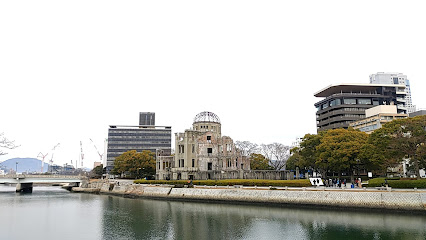
Hiroshima World Heritage River Cruise
16.4 km
Discover Hiroshima's iconic landmarks from a unique vantage point on a relaxing river cruise, blending history and scenic beauty.
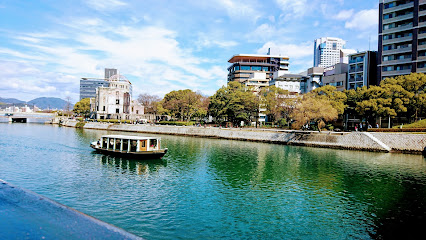
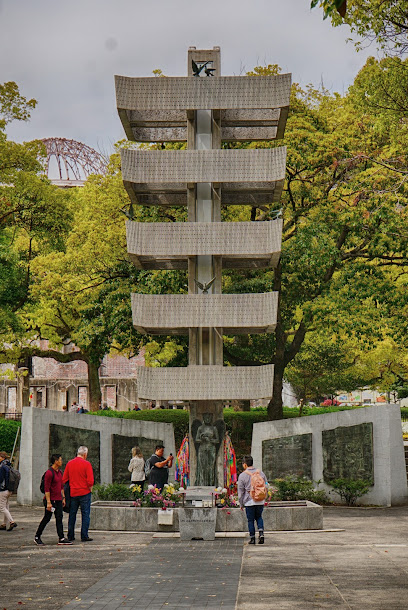
Memorial Tower Dedicated to Mobilized Students
16.5 km
Explore the Memorial Tower in Hiroshima, a significant historical landmark honoring the students lost during World War II, and reflect on the impact of war.
Unmissable attractions to see

Itsukushima Shrine
0.0 km
Experience the spiritual beauty of Itsukushima Shrine, a UNESCO World Heritage Site, with its floating Torii gate and stunning natural surroundings.
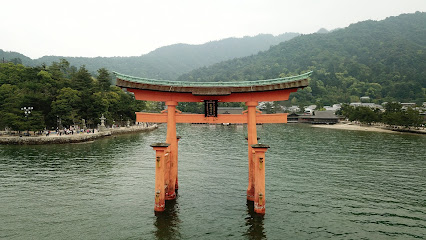
Daigan-ji
0.2 km
Experience the serene beauty and spiritual heritage of Daigan-ji Temple in Miyajimacho, Hiroshima – a tranquil escape for every traveler.
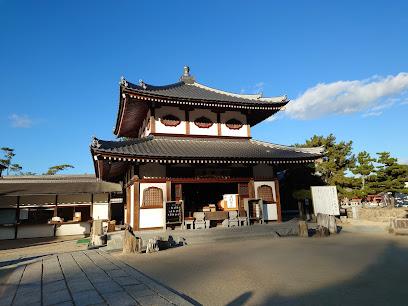
Hokokujinja Senjokaku Pavilion
0.2 km
Experience tranquility and cultural richness at Hokokujinja Senjokaku Pavilion, a stunning Shinto shrine on Miyajima Island.
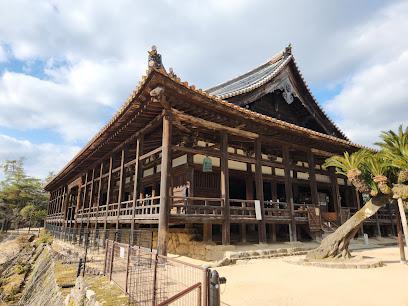
Itsukushima Shrine Five-Story Pagoda
0.2 km
Discover the breathtaking Five-Story Pagoda at Itsukushima Shrine, an iconic symbol of Japan's cultural heritage amid stunning natural beauty.
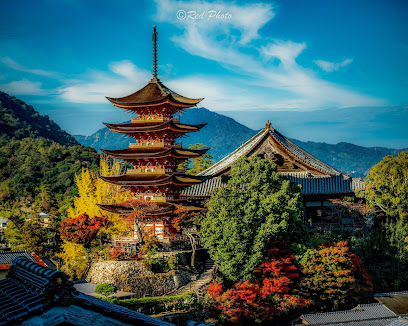
Rokai Bune (Roaring Boat)
0.2 km
Experience the captivating beauty of Miyajima aboard Rokai Bune, a traditional yakatabune offering serene waters and rich cultural heritage.
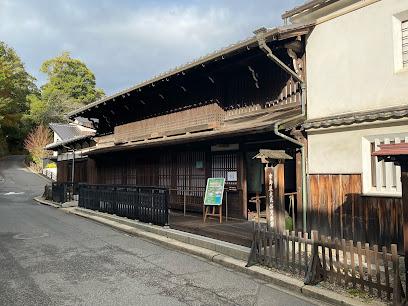
Miyajima History and Folklore Museum
0.2 km
Discover the rich heritage of Miyajima at the History and Folklore Museum, where the island's captivating past comes to life through engaging exhibits.
Miyajima Public Aquarium
0.4 km
Explore the vibrant marine life at Miyajima Public Aquarium, where adventure meets education in a stunning natural setting.
Momijidani Park
0.4 km
Explore the stunning beauty of Momijidani Park in Hiroshima, a serene retreat featuring vibrant maple trees and rich cultural experiences.
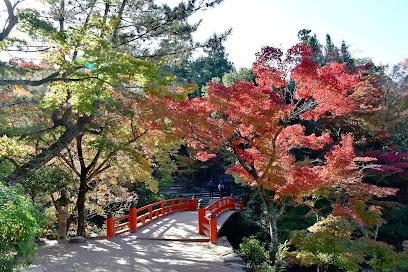
Daishoin
0.5 km
Explore Daishoin Temple on Miyajima Island, a serene Buddhist retreat featuring stunning architecture, tranquil gardens, and a rich cultural heritage amidst breathtaking natural beauty.
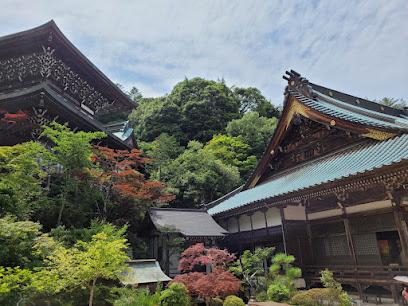
Omoto Park
0.6 km
Discover the tranquil beauty of Omoto Park in Hiroshima, where nature and serenity come together for an unforgettable experience.
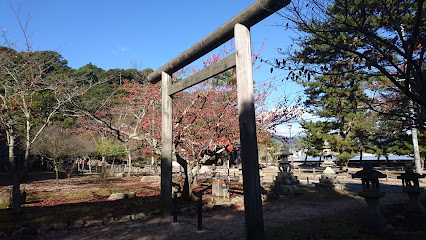
Kayatani Station
0.7 km
Experience breathtaking views and serene landscapes at Kayatani Station, the gateway to Miyajima's natural beauty.
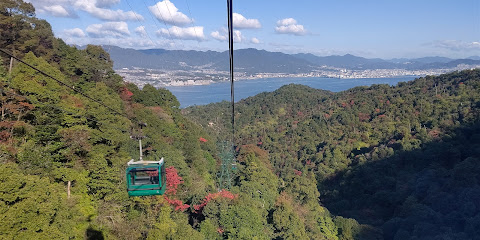
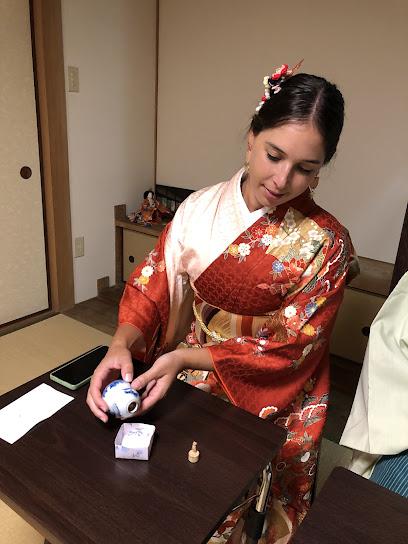
okeiko Japan Miyajima
0.8 km
Explore traditional Japanese arts at Okeiko Japan Miyajima, where creativity meets cultural heritage on picturesque Miyajima Island.
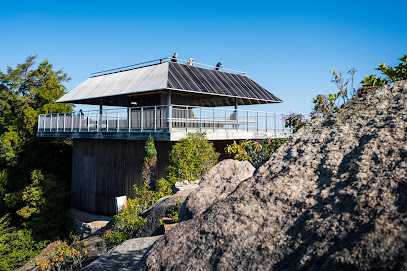
Mount Misen Observatory
1.8 km
Experience stunning views at Mount Misen Observatory, a serene escape in Hiroshima's breathtaking landscapes, perfect for nature lovers and adventurers alike.
Mount Misen
1.8 km
Discover the breathtaking views and rich spirituality at Mount Misen, a must-visit mountain peak in Japan's scenic Miyajima Island.
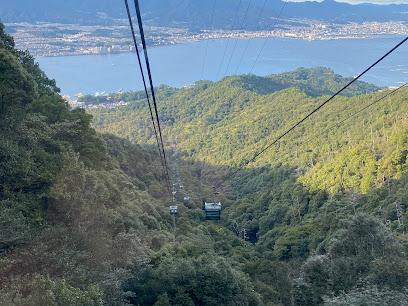
Tsutsumigaura Nature Park
2.1 km
Discover tranquility at Tsutsumigaura Nature Park, a serene retreat in Hatsukaichi, Hiroshima, perfect for nature lovers and relaxation seekers.
Essential places to dine

Miyajima Base
0.1 km
Discover culinary delights at Miyajima Base - where breathtaking views meet delectable dishes in Hiroshima's iconic destination.
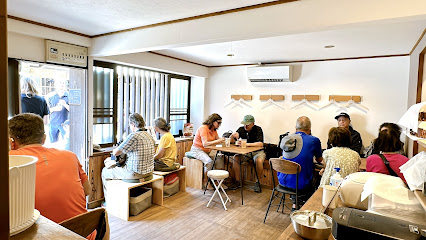
Anagomeshi (Conger Eel), Fujitaya
0.2 km
Savor authentic Anagomeshi at Fujitaya in Miyajima—where tradition meets exquisite culinary artistry amidst stunning views.
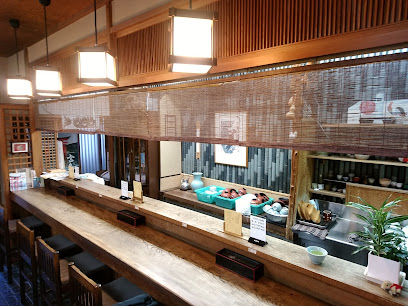
Matochan
0.2 km
Experience authentic Hiroshima okonomiyaki at Matochan - where every bite tells a story of flavor and tradition.
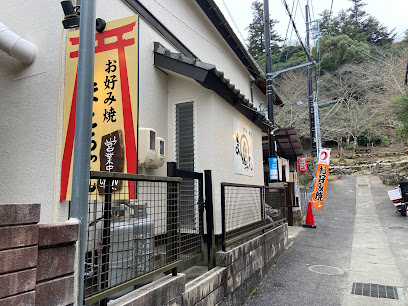
Restaurant Otani
0.3 km
Discover authentic Japanese flavors at Restaurant Otani on beautiful Miyajima Island - a perfect blend of tradition and taste.
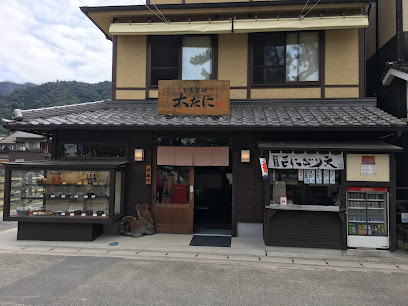
Yakigaki No Hayashi
0.3 km
Discover authentic seafood dining at Yakigaki No Hayashi in Miyajima - where fresh flavors meet traditional Japanese hospitality.
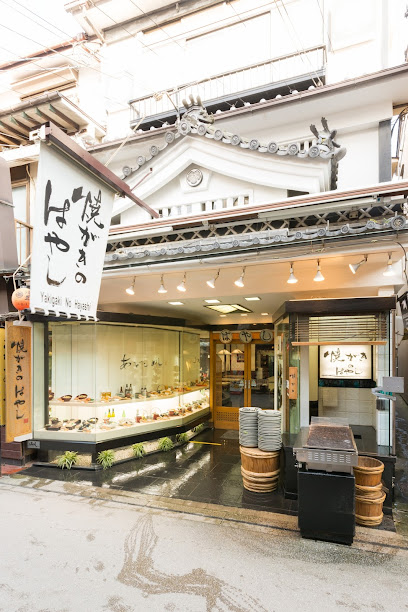
Kakiya
0.3 km
Experience authentic Japanese seafood at Kakiya in Hiroshima - fresh flavors, inviting ambiance, and culinary delights await you.
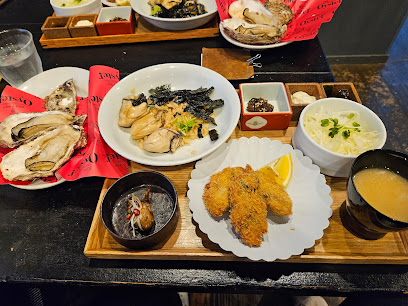
Mame-tanuki
0.3 km
Experience authentic Japanese cuisine at Mame-tanuki in Miyajima - where tradition meets flavor in every exquisite dish.
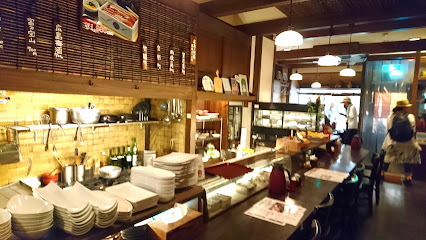
Miyajima Les Clos
0.4 km
Experience authentic Italian cuisine at Miyajima Les Clos, where every dish tells a story amidst stunning island views.
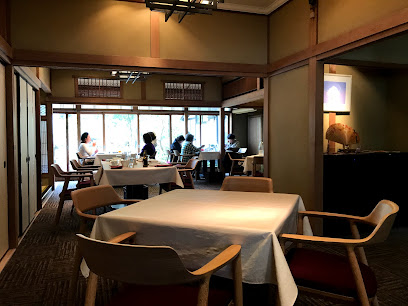
enishi
0.4 km
Experience authentic Japanese cuisine at Enishi in Hatsukaichi - where tradition meets flavor in every dish.
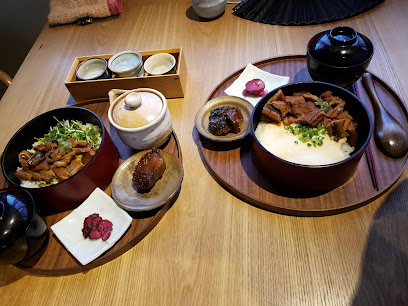
Miyajima Shokudou
0.4 km
Discover authentic Japanese dining at Miyajima Shokudou on scenic Miyajima Island, where every dish tells a story of tradition and flavor.
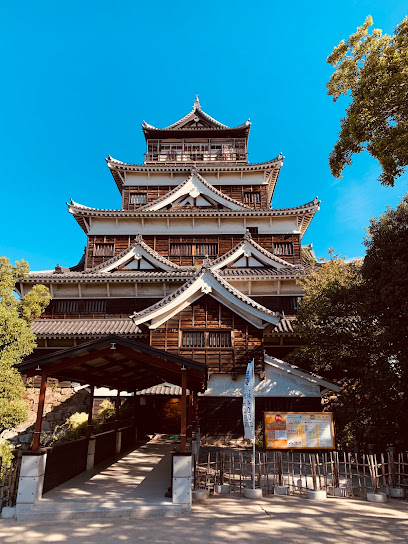
Niwa Cafe Miyama
0.4 km
Discover the unique flavors of Japan at Niwa Cafe Miyama - a modern izakaya restaurant offering coffee, cocktails, and delectable desserts.
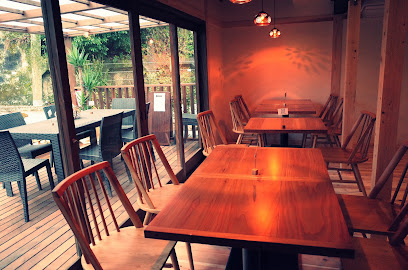
Mikotoya
0.6 km
Experience authentic Japanese cuisine at Mikotoya in Miyajimacho - a must-visit Syokudo and Teishoku restaurant for food lovers.
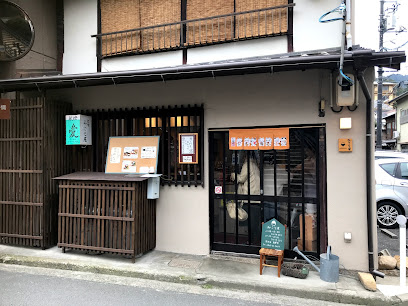
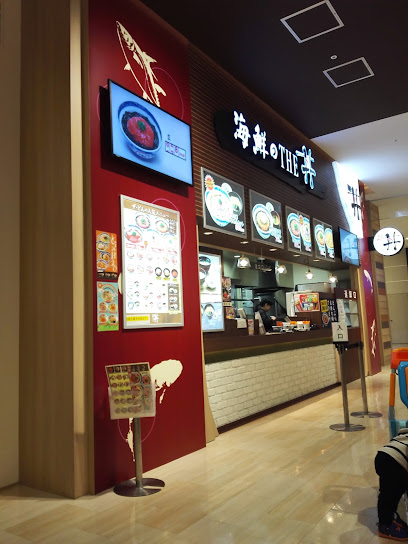
Kaisennoza Don Yume Town Hatsukaichiten
5.7 km
Experience authentic Japanese seafood donburi at Kaisennoza Don Yume Town Hatsukaichiten – a culinary gem in Hiroshima's charming town.
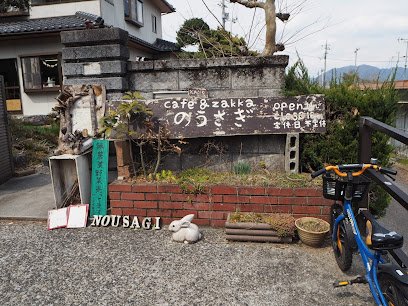
Restaurant
12.0 km
Experience authentic Japanese cuisine in a cozy countryside setting at this charming restaurant in Hatsukaichi, Hiroshima.
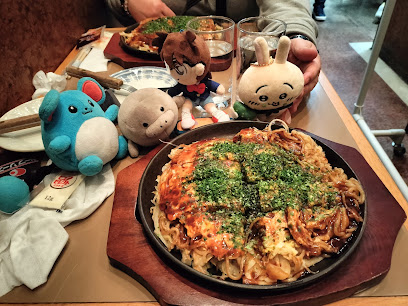
Okonomiyaki Kakkun
14.3 km
Discover authentic Hiroshima okonomiyaki at Okonomiyaki Kakkun - where flavor meets tradition in every savory bite.
Markets, malls and hidden boutiques

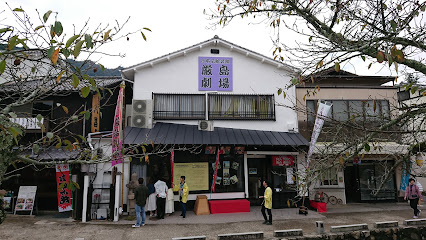
Itsukusimagekijo
0.1 km
Explore Itsukusimagekijo in Miyajima for unique souvenirs and traditional crafts that embody the spirit of Japan.
Yamamura
0.1 km
Discover unique souvenirs that encapsulate the essence of Hiroshima at Yamamura, your go-to souvenir store in Miyajimacho.
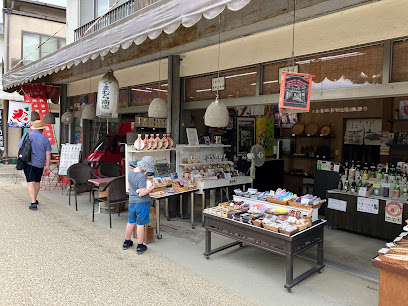
Fujiya
0.1 km
Explore Fujiya Souvenir Store on Miyajima for unique gifts and local delicacies that capture the heart of Japanese culture.
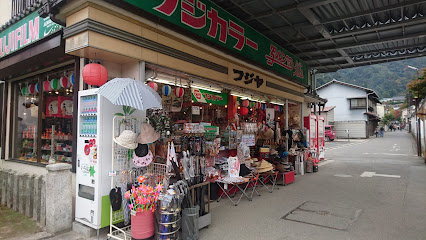
ビームス ジャパン 宮島
0.1 km
Explore Beams Japan Miyajima for a diverse selection of clothing and unique souvenirs that capture the essence of Japanese culture.
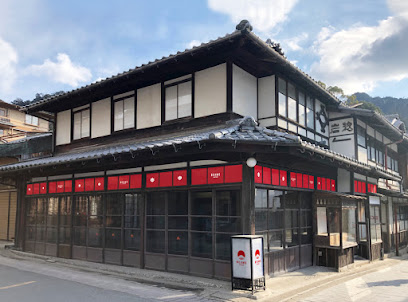
小野商店
0.2 km
Discover unique souvenirs at 小野商店 in Hatsukaichi, a charming store showcasing local craftsmanship and culture.
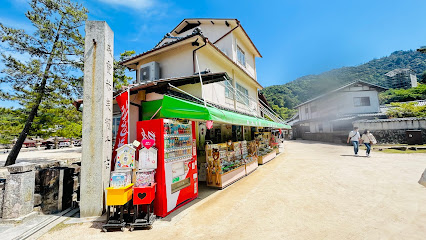
TORIIYA
0.3 km
Explore Toriiya, the quintessential souvenir store in Miyajima, Hiroshima, offering handcrafted treasures and local delicacies that celebrate Japanese culture.
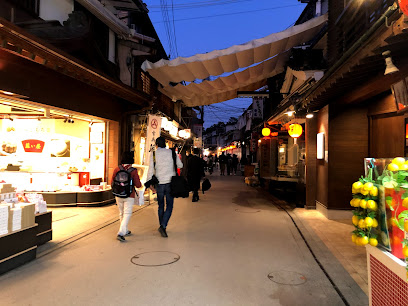
角落生物商店-宮島
0.4 km
Explore Kakurosubio Store in Miyajima for authentic local products and a warm shopping experience that embodies Japanese culture.
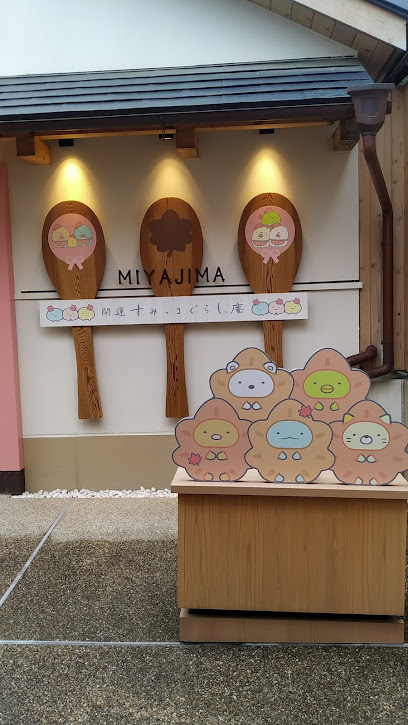
Miyajima Omotesandō Shopping Street
0.4 km
Discover unique souvenirs and delightful local cuisine at Miyajima Omotesandō Shopping Street, your gateway to the charm of Miyajima Island.
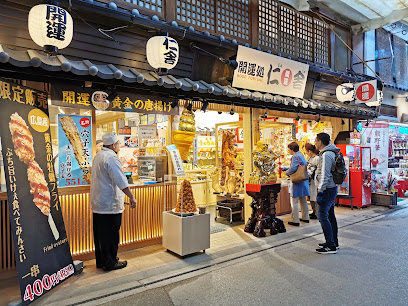
KIRARA Miyajima
0.4 km
Explore KIRARA Miyajima for unique souvenirs, local delicacies, and a glimpse into Japan's rich cultural heritage on beautiful Miyajima Island.
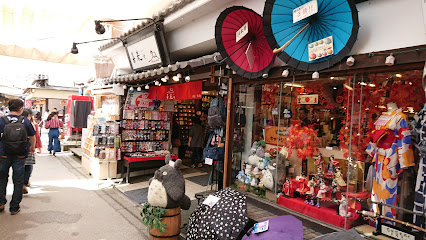
Funatsuki
0.5 km
Explore Funatsuki Souvenir Store in Miyajimacho for authentic Hiroshima crafts and unique treasures that capture the spirit of your travels.
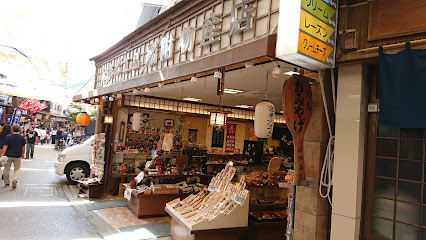
Japanese Souvenir Shop
0.6 km
Explore the Japanese Souvenir Shop for unique local crafts and authentic memorabilia that capture the spirit of Hiroshima and its rich culture.
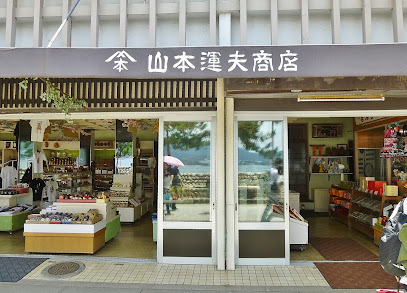
Alpark East
11.0 km
Discover Alpark East, Hiroshima’s vibrant shopping mall featuring diverse shops, delightful dining, and family-friendly entertainment all in one location.
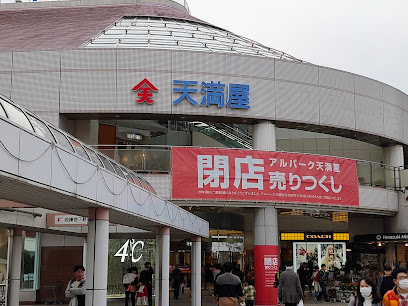
Marina Hop
11.4 km
Explore Hiroshima's Marina Hop: A Shopping Mall Experience with Local Flavors, Stunning Views, and Family-Friendly Fun.
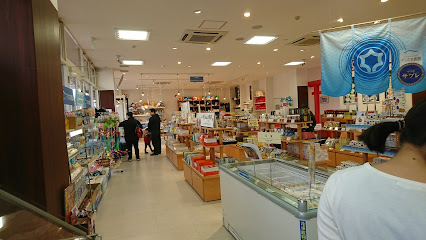
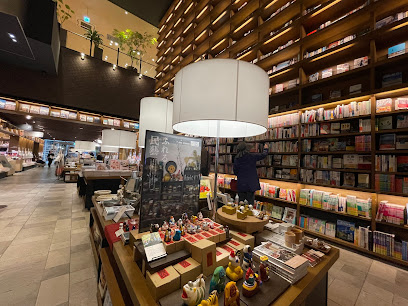
広島 T-SITE
11.7 km
Explore Hiroshima T-SITE: A vibrant shopping mall blending modern design with a rich literary experience, perfect for book lovers and cultural explorers.
THE OUTLETS HIROSHIMA
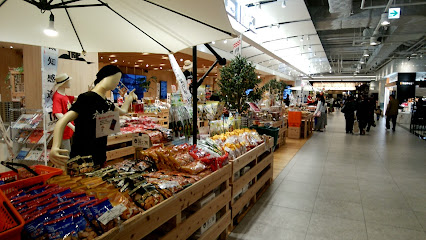
14.5 km
Explore The Outlets Hiroshima: A vibrant shopping haven with diverse brands, delicious dining, and a lively atmosphere in Japan.
Essential bars & hidden hideouts

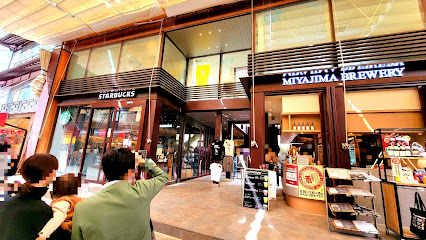
MIYAJIMA BREWERY(3階レストランは団体様のみ承り中)
0.2 km
Experience the essence of Japanese craft beer at Miyajima Brewery, where local flavors meet breathtaking views.
Charles Taproom
0.2 km
Experience the best of Hiroshima's pub culture at Charles Taproom, featuring a fantastic selection of craft beers and a warm, friendly atmosphere.
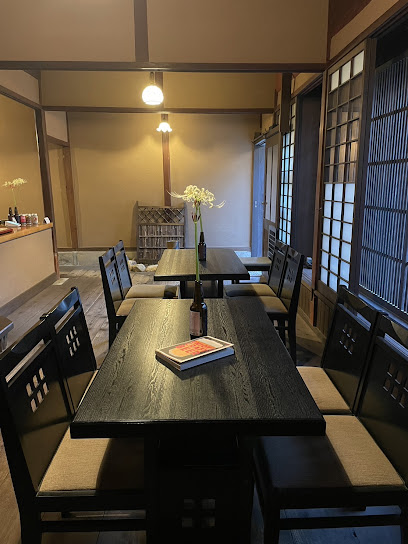
tuGiico
0.2 km
Discover the finest oysters at tuGiico, a charming oyster bar in Hatsukaichi, Hiroshima, offering fresh flavors and stunning coastal views.
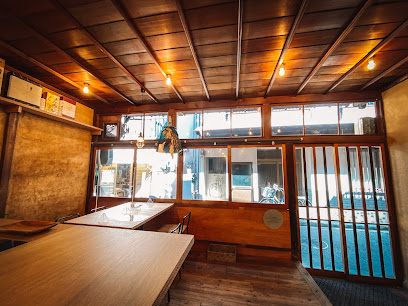
GEBURA SISTER
0.3 km
Experience the heart of Hiroshima at GEBURA SISTER, where exceptional drinks and local culture come together in a cozy bar setting.
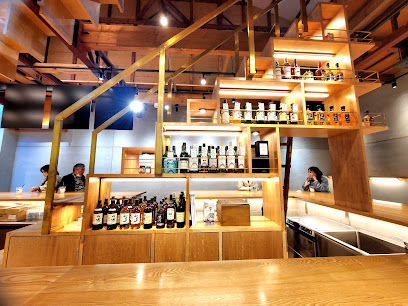
GEBURA
0.4 km
Experience the tranquil ambiance and delightful beverages at GEBURA, your perfect bar getaway in Miyajima, Hiroshima.
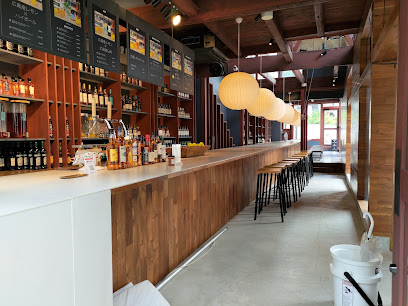
Sakuraya (Yakikaki)
0.5 km
Indulge in the freshest oysters and delightful yakikaki dishes at Sakuraya in Hiroshima's scenic Miyajimacho, a must-visit for seafood lovers.
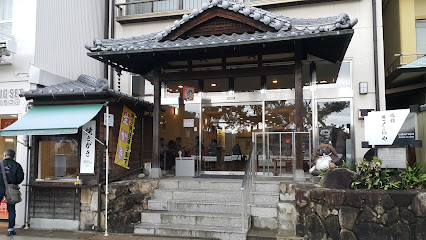
Miyajima BARL ISSAI
0.6 km
Experience the flavors of Japan at Miyajima BARL ISSAI, a culinary haven on beautiful Miyajima Island, offering exquisite dishes and stunning views.
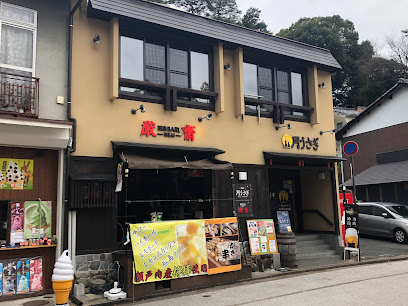
ゲストラウンジ&テラス こもLe美
0.7 km
Discover tranquility and stunning views at the KomoLeBi Lounge and Terrace in Hatsukaichi, a perfect retreat for tourists exploring Miyajima.
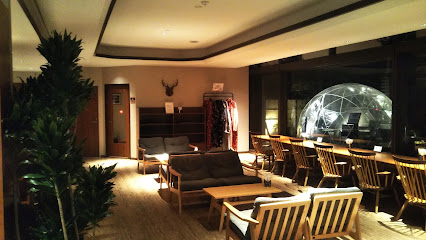
Kura Vitto
0.7 km
Discover the flavors of Miyajima Island at Kura Vitto, a cozy grill and café offering local cuisine and stunning views.
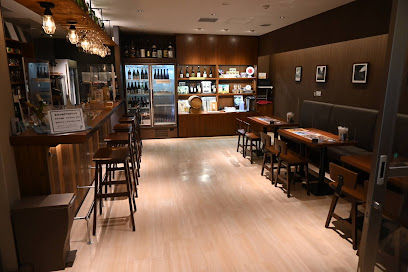
Sky Lounge TOP OF HIROSHIMA
14.2 km
Discover breathtaking views and exquisite dining at Sky Lounge TOP OF HIROSHIMA, where every meal is a celebration of flavor and scenery.
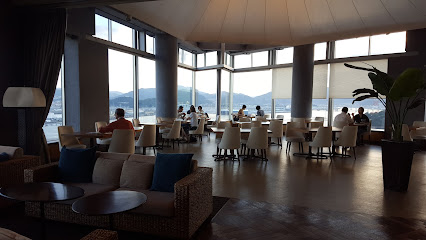
Uluru
16.1 km
Discover the majestic beauty and cultural significance of Uluru, a UNESCO World Heritage Site in the heart of Australia, perfect for nature lovers and adventurers.
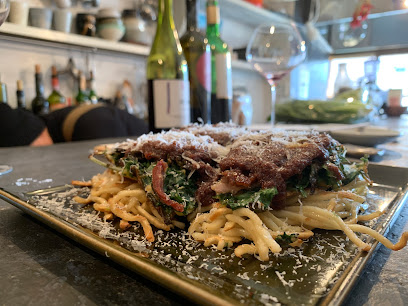
VITAL YAWD
16.4 km
Savor the authentic taste of Jamaica at VITAL YAWD, Iwakuni's premier destination for Caribbean cuisine and vibrant atmosphere.
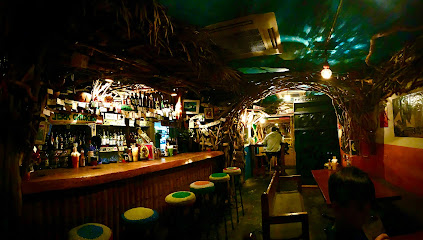
Hiroshima Hop's
16.4 km
Experience the vibrant flavors of Hiroshima at Hiroshima Hop's, where local beers and traditional izakaya dishes create unforgettable memories.
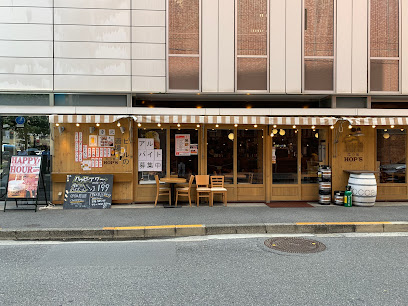
hangout
16.5 km
Experience the best of Hiroshima's craft beer scene at Hangout, where delicious burgers meet a diverse selection of brews.
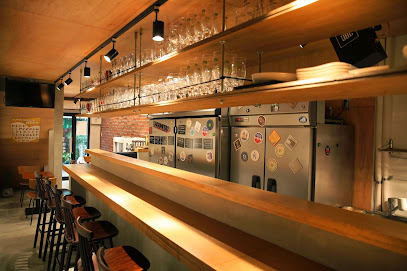
HACHIRO'S BAR AND CAFE
16.5 km
Discover Hachiro's Bar and Cafe - a cozy spot in Hiroshima blending traditional vibes with modern flavors, perfect for relaxation and local tastes.
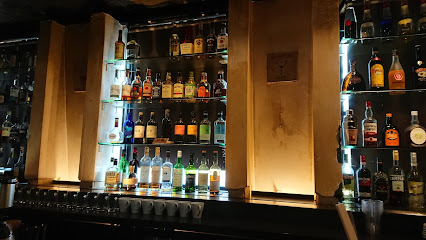
Nightclubs & after hour spots

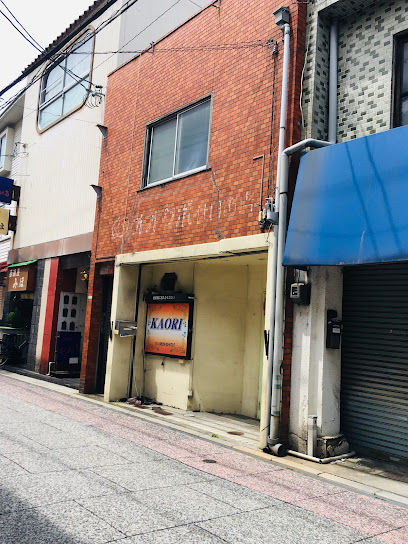
Kaori
6.8 km
Join the fun at Kaori Karaoke Bar in Hatsukaichi, where singing, laughter, and local culture come together for an unforgettable night out.
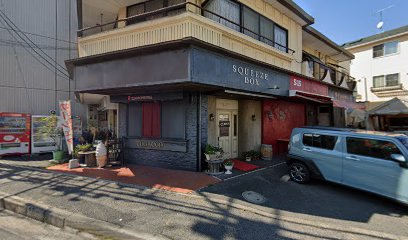
GALLERY SPACE 5.15
8.0 km
Discover the lively heartbeat of Hiroshima's nightlife at Gallery Space 5.15 - where music, art, and community come alive in a vibrant atmosphere.
CLUB L2 広島
16.8 km
Discover the electrifying nightlife at CLUB L2 Hiroshima, where music, dancing, and unforgettable memories come together.
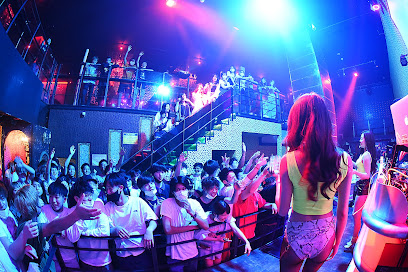
Nightclub【LAGOON HIROSHIMA】
16.8 km
Discover the electrifying nightlife of Hiroshima at LAGOON HIROSHIMA, where music and dance come alive in an unforgettable setting.
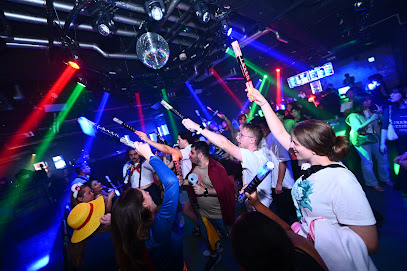
クラブHAW(ハウ)
16.9 km
Dive into the vibrant nightlife of Hiroshima at Club HAW, where electrifying music and a lively atmosphere await every night.
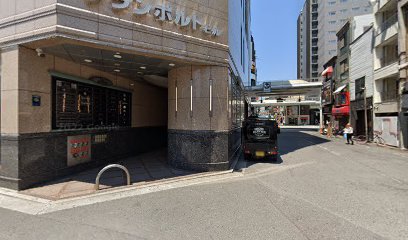
ONE NIGHT CARNIVAL
16.9 km
Discover the electrifying nightlife at One Night Carnival in Hiroshima, where unforgettable music and vibrant energy create the ultimate party experience.
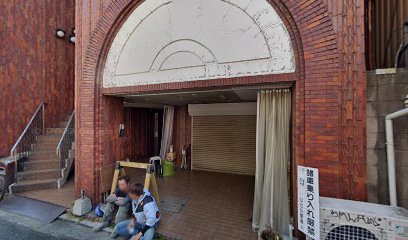
Club cream
16.9 km
Discover the electrifying atmosphere of Club Cream, Hiroshima's top live music venue, where unforgettable nightlife awaits.
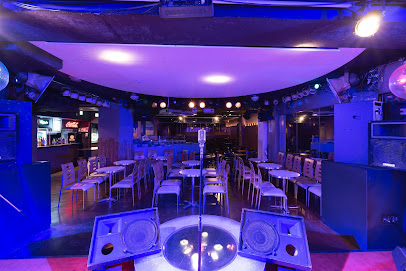
矢沢スタンドサンタ
16.9 km
Unleash your inner star at Yazawa Stand Santa, Hiroshima's liveliest karaoke bar featuring an extensive song selection and a fun-loving crowd.
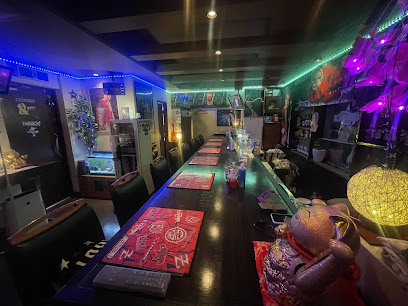
スタンドHIRO
17.0 km
Discover the thrilling nightlife at スタンドHIRO, Hiroshima's vibrant night club offering an unforgettable blend of music, dance, and culture.
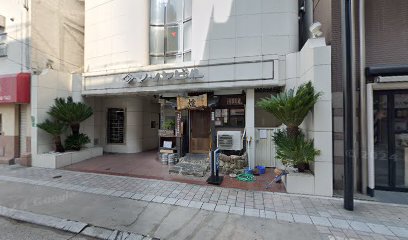
Girl's Bar Hot Hips
17.0 km
Discover the enchanting nightlife of Hiroshima at Girl's Bar Hot Hips, where friendly service and vibrant ambiance await every visitor.
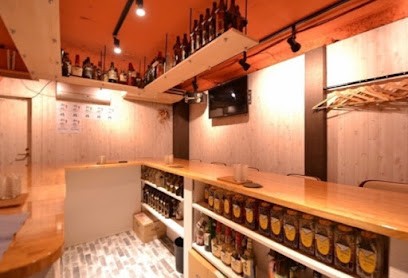
Mars Petcare
17.0 km
Discover the electric nightlife of Hiroshima at Mars Petcare, where unforgettable parties and vibrant energy come alive every night.
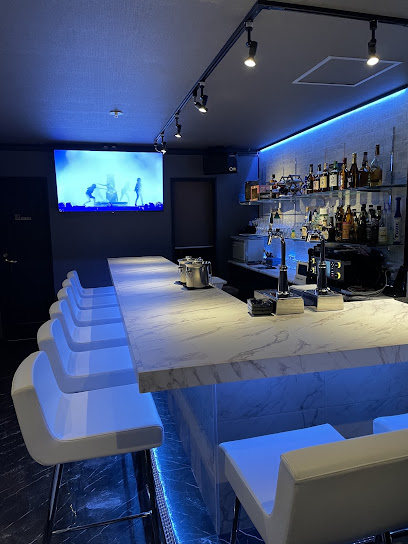
New Club Hiroshimarikyu
17.0 km
Unleash your spirit and dance the night away at New Club Hiroshimarikyu, Hiroshima's ultimate nightlife destination.
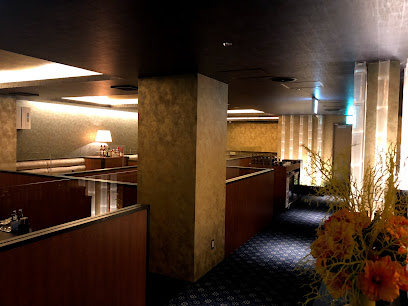
Kurabubaronhiroshima
17.0 km
Experience the vibrant nightlife of Hiroshima at Kurabubaronhiroshima, where music, dancing, and fun await you in a modern club atmosphere.
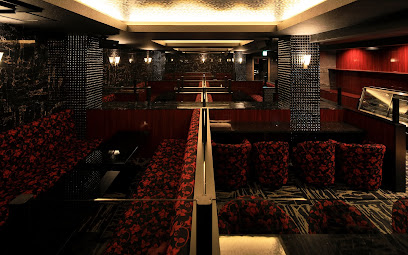
CLUB A-1
17.1 km
Discover the electrifying nightlife of Hiroshima at CLUB A-1, where music and energy come alive in a stylish setting.
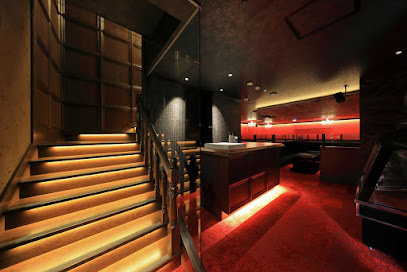
BAR KING
17.1 km
Discover the electrifying nightlife of Hiroshima at Bar King, a night club that promises unforgettable experiences and lively entertainment.