

Charlevoix Travel Guide - Free Web & App
Your ultimate guide to Charlevoix. Discover top landmarks, proposed trips, and local tips. Free on the web or via the Evendo companion app.


Charlevoix, Michigan, pairs Lake Michigan beaches with Lake Charlevoix, Earl Young’s Mushroom Houses, Castle Farms and northern waterside charm.
Between Two Great Lakes
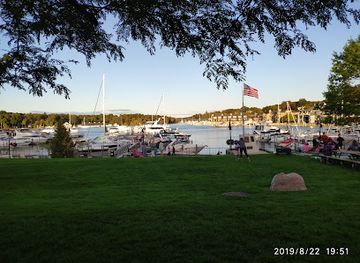
Charlevoix occupies an unusually graceful position in north-western Michigan, set between Lake Michigan and the inland waters of Lake Charlevoix. The town’s centre gathers around Round Lake, a sheltered basin linked to Lake Michigan by the Pine River Channel, while beaches, marinas and wooded roads extend into the surrounding landscape. Water is central to Charlevoix’s identity: sailing boats move through the channel, anglers use the area’s lakes and rivers, and changing weather gives the shoreline a different character from one hour to the next.Read more about Charlevoix
Architecture and Local Character
Exploring Charlevoix
When is the best time to visit Charlevoix?
Best: June–August · 23–25°C| Month | High (°C) | Rainfall (mm) |
|---|---|---|
| January | 1 | 50 |
| February | 1 | 40 |
| March | 5 | 60 |
| April | 12 | 70 |
| May | 18 | 80 |
| June (best) | 23 | 80 |
| July (best) | 25 | 80 |
| August (best) | 24 | 80 |
| September | 20 | 80 |
| October | 14 | 70 |
| November | 8 | 60 |
| December | 2 | 50 |
Getting to and around Charlevoix
How to get there
Transportation
Best attractions in Charlevoix
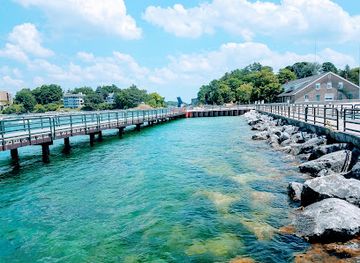
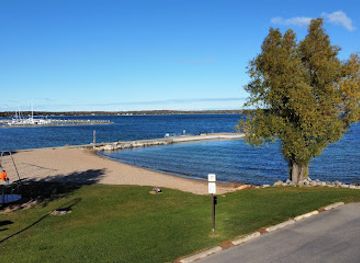
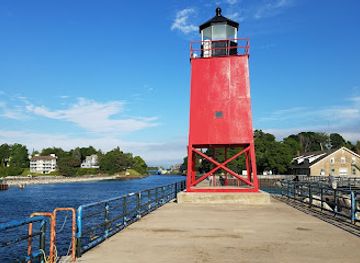
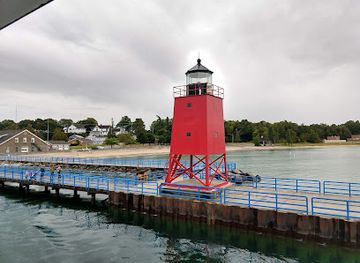
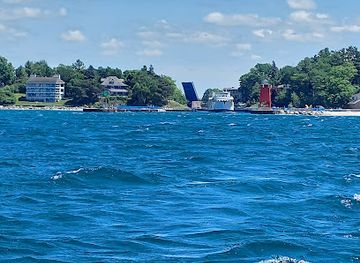
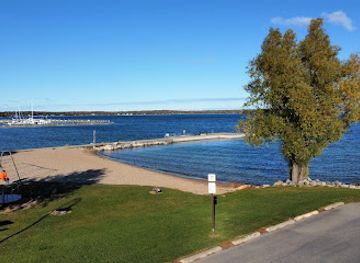
Charlevoix’s attractions are closely tied to its meeting of inland and Great Lakes waters. Round Lake and the Pine River Channel form the visual centre of town, with boats, bridges and waterfront paths leading towards Lake Michigan and the South Pier Light. North Beach and South Beach offer different perspectives on the open lake, while Mt McSauba Recreation Area provides a wooded setting for seasonal recreation on the town’s northern side. Architecture is another major draw: self-guided walks or organised tours can introduce visitors to Earl Young’s Mushroom Houses, whose fieldstone walls and low, flowing roofs give Charlevoix a character unlike nearby resort towns. South-west of the centre, Castle Farms presents a substantial historic stone complex with grounds and event spaces. The wider Lake Charlevoix shoreline, inland roads and nearby communities provide opportunities for boating, fishing, cycling and quiet landscape viewing beyond the central waterfront.
-
Beach
Michigan Beach Park
Experience the natural beauty and family-friendly atmosphere of Michigan Beach Park, a perfect destination on the shores of Lake Michigan.
-
Tourist attraction
Ferry Beach Park
Discover the serene beauty of Ferry Beach Park in Charlevoix, Michigan, where nature and recreation meet for an unforgettable experience.
-
Tourist attraction
Mushroom House Tours
Explore the whimsical Mushroom House Tours in Charlevoix, Michigan, a unique architectural wonder blending art and nature in colorful harmony.
-
Tourist attraction
North Point Nature Preserve
Explore the breathtaking North Point Nature Preserve in Charlevoix, Michigan, a tranquil escape featuring scenic trails, wildlife, and stunning lake views.
Best landmarks in Charlevoix
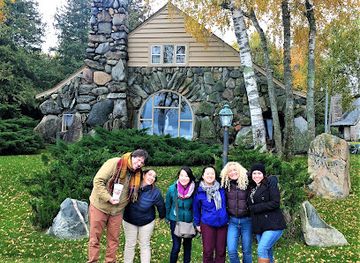
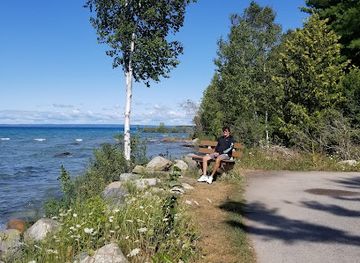
Charlevoix’s defining landmarks are both natural and architectural. Lake Michigan forms the town’s western horizon, while Lake Charlevoix reaches inland through a broad network of bays and tributaries. Between them, Round Lake and the Pine River Channel create the setting for the South Pier Light, a recognisable harbour marker at the lake entrance. Earl Young’s Mushroom Houses are the area’s best-known built landmarks, distinguished by local stone, organic forms and unusually low rooflines; because they are private residences, they should be appreciated from public streets. Castle Farms, south-west of the centre, is another prominent architectural site, built from stone and associated with the area’s agricultural and later event history. Charlevoix’s beaches, wooded slopes and water approaches are not simply scenery but landmarks that explain the town’s development as a harbour, resort and year-round lakeside community.
-
Beach
Michigan Beach Park
Explore Michigan Beach Park: A picturesque lakeside retreat in Charlevoix, featuring sandy beaches, stunning views, and family-friendly activities.
-
Historical landmark
Charlevoix South Pier Lighthouse
Discover the historic Charlevoix South Pier Lighthouse, a scenic highlight on Lake Michigan, perfect for history buffs and nature lovers alike.
-
Ferry service
Beaver Island Boat Co
Discover scenic ferry rides to Beaver Island, a hidden treasure in Lake Michigan, filled with nature, adventure, and rich history.
-
Park
Ferry Beach Park
Discover the tranquil beauty of Ferry Beach Park in Charlevoix, Michigan, where nature meets recreation and relaxation by Lake Michigan.
Explore Charlevoix on the map
Plan your trip on one map. See where the top attractions, landmarks, restaurants and hotels are, and book hotels and experiences in a few clicks.
Best hotels in Charlevoix
Best restaurants in Charlevoix
Charlevoix’s dining choices are concentrated in the downtown area and around the waterfront, with restaurants, cafés, bakeries and bars serving visitors alongside the permanent community. Great Lakes fish, seasonal produce, locally made baked goods and familiar northern Michigan comfort food feature in the region’s culinary landscape, while summer brings the strongest emphasis on outdoor seating and waterside dining. The town’s marinas and boating culture also influence the relaxed character of meals near Round Lake and the Pine River Channel. Visitors staying around Lake Charlevoix may find additional options in nearby villages and on routes towards Petoskey or Boyne City, although rural choices are more dispersed. Farm stands, markets and independent food shops can add regional produce to a self-catered stay, but opening patterns and seasonal availability vary, particularly outside the main summer period.
-
Family-friendly
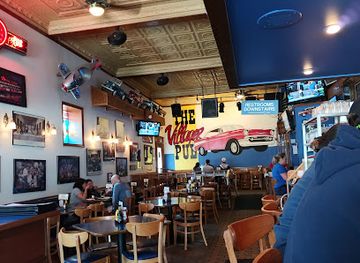
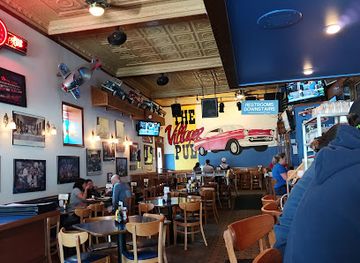
The Villager Pub
Discover The Villager Pub in Charlevoix - where family-friendly dining meets delicious food and refreshing drinks in a cozy atmosphere.
-
American
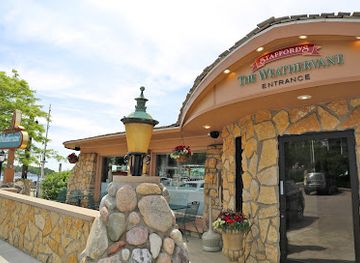
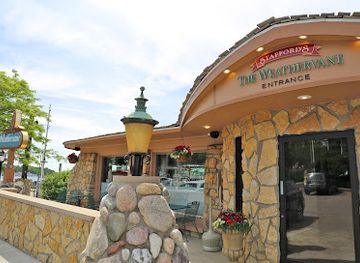
Stafford's Weathervane Restaurant
Discover unparalleled dining at Stafford's Weathervane Restaurant in Charlevoix - where stunning lake views meet exquisite American cuisine.
-
Bar
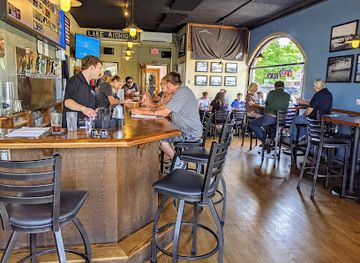
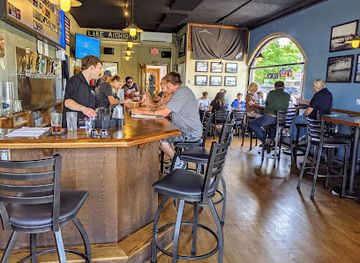
Bridge Street Tap Room
Experience delectable pizzas and local brews at Bridge Street Tap Room in Charlevoix - your perfect stop for good food and great company.
-
Breakfast
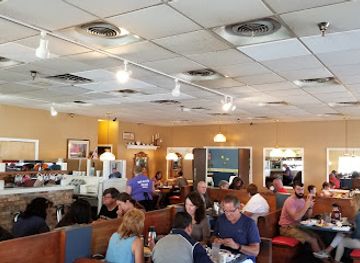
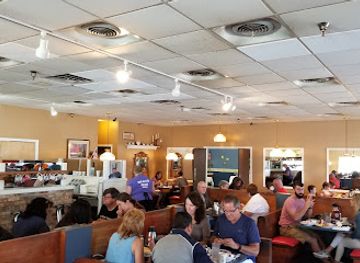
Flap Jack Family Restaurant
Experience the best breakfast in Charlevoix at Flap Jack Family Restaurant—where family-friendly dining meets delicious American classics.
Best bars in Charlevoix
Evenings in Charlevoix are generally relaxed rather than club-focused. Downtown bars, brew-oriented venues, restaurants and traditional pubs provide places for a drink after time on the water, with the busiest atmosphere usually found during the summer visitor season. Some establishments combine dining with occasional music or community events, but entertainment schedules and opening patterns can change, so visitors should check current local information. The waterfront is well suited to an evening walk around Round Lake and the channel, although public access and lighting vary away from the central areas. There is no large nightlife district or extensive nightclub scene; visitors seeking more late-night variety may need to look towards larger nearby towns, while those staying in rural accommodation generally experience quiet evenings shaped by the lake, woods and seasonal weather.
-
Bar
The Villager Pub
Discover The Villager Pub in Charlevoix, a charming family-friendly bar and restaurant offering delicious food, warm hospitality, and a perfect retreat for all.
-
American
Stafford's Weathervane Restaurant
Experience the essence of American cuisine at Stafford's Weathervane Restaurant, featuring fresh local seafood and stunning waterfront views.
-
Bar
Bridge Street Tap Room
Discover the vibrant Bridge Street Tap Room in Charlevoix, Michigan, where craft beer and delicious pizza create the perfect local dining experience.
-
Breakfast
Flap Jack Family Restaurant
Discover the charm of Flap Jack Family Restaurant in Charlevoix, MI, where family-friendly dining meets delicious American breakfast classics.
Best nightclubs in Charlevoix
Evenings in Charlevoix are generally relaxed rather than club-focused. Downtown bars, brew-oriented venues, restaurants and traditional pubs provide places for a drink after time on the water, with the busiest atmosphere usually found during the summer visitor season. Some establishments combine dining with occasional music or community events, but entertainment schedules and opening patterns can change, so visitors should check current local information. The waterfront is well suited to an evening walk around Round Lake and the channel, although public access and lighting vary away from the central areas. There is no large nightlife district or extensive nightclub scene; visitors seeking more late-night variety may need to look towards larger nearby towns, while those staying in rural accommodation generally experience quiet evenings shaped by the lake, woods and seasonal weather.
-
Family-friendly
The Villager Pub
Experience the warmth and flavors of The Villager Pub, a family-friendly restaurant and bar in Charlevoix, perfect for all ages.
-
Bar
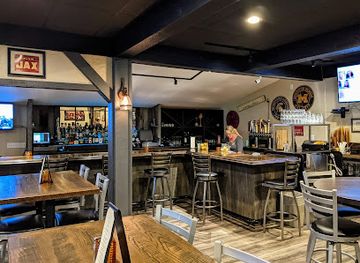
Bridge Street Tap Room
Experience the best of Charlevoix at Bridge Street Tap Room, where craft beers and gourmet pizzas meet a vibrant atmosphere.
-
American
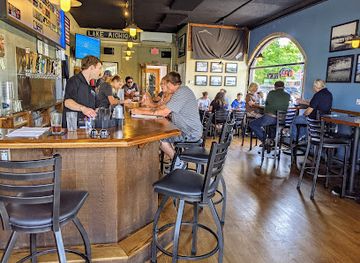
JAX Northside Food & Spirits
Discover the best of American cuisine at JAX Northside Food & Spirits in Charlevoix, where cozy ambiance meets delicious flavors.
-
Brewpub
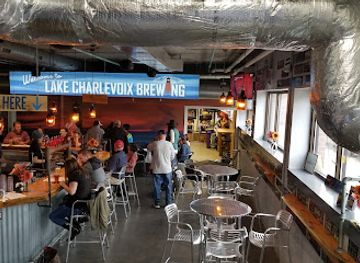
Lake Charlevoix Brewing Co
Experience the finest craft beers and stunning lakeside views at Lake Charlevoix Brewing Co, the heart of Charlevoix's brewpub scene.
Best shops in Charlevoix
Shopping is centred on downtown Charlevoix, where independent retailers, galleries, gift shops, clothing stores, cafés and seasonal market activity serve both local residents and visitors. Regional souvenirs often reflect northern Michigan’s relationship with the lakes and forests, including artwork, photography, locally produced food, handmade goods and outdoor-oriented merchandise. The town is also a useful place to browse for books, homeware and practical supplies before exploring the wider Lake Charlevoix area. Farm stands and small producers may offer seasonal fruit, preserves and other regional products along surrounding roads, while more extensive everyday shopping is available in larger nearby communities. Retail activity is strongly seasonal, with the broadest choice during the warmer months; visitors should not expect the compact town centre or outlying countryside to provide the scale of shopping found in a major American city.
-
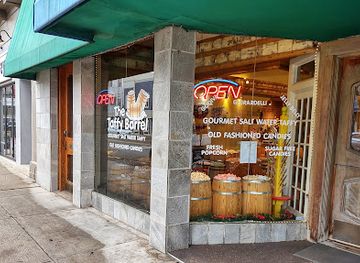
Candy store
The Taffy Barrel
Experience the charm of Charlevoix at The Taffy Barrel, where handmade taffy and delightful confections create sweet memories.
-
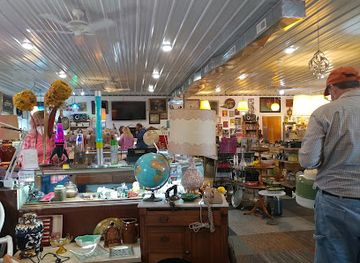
Antique store
Chill Retro
Discover timeless treasures and unique finds at Chill Retro, Charlevoix's premier antique store filled with nostalgia and charm.
-
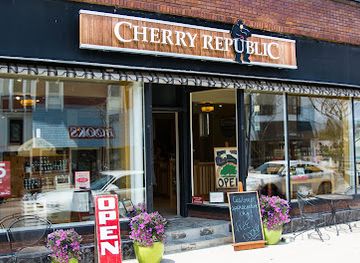
Gift shop
Cherry Republic | Charlevoix
Experience the best of Michigan's flavors at Cherry Republic, your go-to gift shop for chocolates, wines, and unique local treasures in Charlevoix.
-
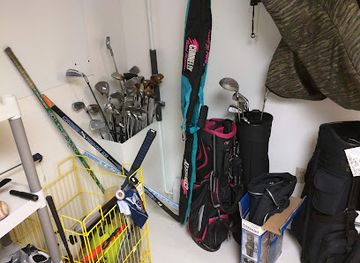
Thrift store
Rainbow Thrift Shoppe
Explore the eclectic world of second-hand shopping at Rainbow Thrift Shoppe in Charlevoix, MI, where treasures await around every corner.
Get your free copy of our complete guide to Charlevoix, delivered straight to you.
Everything on this page, from attractions and restaurants to essentials and local phrases, in one PDF you can read offline, print or share.
Already have an account? Sign in
Your Charlevoix guide is ready.
We'll send it to · Not you? Sign out

Getting your guide ready…
We are putting together a fresh copy of the Charlevoix guide. This can take up to a minute.
This can take a few moments. If your browser asks, choose Allow so the download can start. You'll find the guide in your Downloads folder.
Nothing happened? Download it again
Sorry, the guide is taking longer than usual. Please try again in a minute, or get it by email instead.
Charlevoix essentials
Currency and Payment
Safety
Emergency Situations
Do's and Don'ts
Local Tips
From Eve
Local phrases worth knowing
You don't need to get them perfect. A few words go a long way, and locals appreciate the effort.
Basics
| English | Local | Say it |
|---|---|---|
| Hello | Bonjour | [bon-zhoor] |
| Goodbye | Au revoir | [oh ruh-vwar] |
| Yes | Oui | [wee] |
| No | Non | [nohn] |
| Please/You're welcome | S'il vous plaît / De rien | [seel voo pleh / duh ryen] |
| Thank you | Merci | [mehr-see] |
| Excuse me/Sorry | Excusez-moi / Désolé | [ex-kew-zay mwa / day-zoh-lay] |
| How are you? | Comment ça va? | [kohm-ohn sah vah] |
| Fine. And you? | Bien. Et vous? | [byen. ay voo] |
| Do you speak English? | Parlez-vous anglais? | [par-lay voo ahn-glay] |
| I don't understand | Je ne comprends pas | [zhuh nuh kohm-prahn pah] |
Eating & Drinking
| English | Local | Say it |
|---|---|---|
| I'd like to see the menu, please | Je voudrais voir le menu, s'il vous plaît | [zhuh voo-dray vwahr luh muh-nyuh, seel voo pleh] |
| I don't eat meat | Je ne mange pas de viande | [zhuh nuh mahnj pah duh vyand] |
| Cheers! | Santé! | [sahn-tay] |
| I would like to pay, please | Je voudrais payer, s'il vous plaît | [zhuh voo-dray pay-yay, seel voo pleh] |
Emergencies
| English | Local | Say it |
|---|---|---|
| Help! | Au secours! | [oh seck-oor] |
| Go away! | Allez-vous en! | [ah-lay vooz ahn] |
| Call the Police! | Appelez la police! | [ah-puh-lay lah poh-leess] |
| Call a doctor! | Appelez un médecin! | [ah-puh-lay uhn mayd-sahn] |
| I'm lost | Je suis perdu | [zhuh swee pair-doo] |
| I'm ill | Je suis malade | [zhuh swee mah-lahd] |
Shopping
| English | Local | Say it |
|---|---|---|
| I'd like to buy... | Je voudrais acheter... | [zhuh voo-dray zah-shey...] |
| I'm just looking | Je regarde juste | [zhuh ruh-gard zhewst] |
| How much is it? | Combien ça coûte? | [kohm-byen sah koot] |
| That's too expensive | C'est trop cher | [say troh shair] |
| Can you lower the price? | Pouvez-vous baisser le prix? | [poo-vay voo beh-say luh pree] |
Time & Numbers
| English | Local | Say it |
|---|---|---|
| What time is it? | Quelle heure est-il? | [kell ur ay eel] |
| It's one o'clock | Il est une heure | [eel ay eunn ur] |
| Half past (10) | Dix et demi | [dees ay duh-mee] |
| Morning | Matin | [mah-tan] |
| Afternoon | Après-midi | [ah-pray mee-dee] |
| Evening | Soir | [swahr] |
| Yesterday | Hier | [ee-air] |
| Today | Aujourd'hui | [oh-zhoor dewee] |
| Tomorrow | Demain | [duh-man] |
| 1 | Un | [uhn] |
| 2 | Deux | [duh] |
| 3 | Trois | [twah] |
| 4 | Quatre | [kat] |
| 5 | Cinq | [sank] |
| 6 | Six | [sees] |
| 7 | Sept | [set] |
| 8 | Huit | [weet] |
| 9 | Neuf | [nuff] |
| 10 | Dix | [dees] |
Transport & Directions
| English | Local | Say it |
|---|---|---|
| Where's a/the...? | Où est...? | [oo ay...] |
| What's the address? | Quelle est l'adresse? | [kell ay lad-res] |
| Can you show me (on the map)? | Pouvez-vous me montrer (sur la carte)? | [poo-vay voo muh mohn-tray (soor lah kart)] |
| When's the next (bus)? | Quand est le prochain (bus)? | [kahnd ay luh proh-shahn (bus)] |
| A ticket (to ....) | Un billet (pour ....) | [uhn bee-yay (poor)] |
History of Charlevoix
Indigenous Shores and Early Exploration
The Charlevoix area lies within the traditional homeland of Anishinaabe peoples, including Odawa communities whose history is closely connected with the lakes, rivers and forests of northern Michigan. French Jesuit missionary and explorer Pierre François Xavier de Charlevoix travelled through the Great Lakes region in the eighteenth century, and the town later took his name. Long before the modern settlement formed, the waterways around Lake Charlevoix and Lake Michigan served as routes for movement, exchange and seasonal use.
Settlement at the Pine River
Permanent Euro-American settlement developed during the nineteenth century as timber, agriculture and Great Lakes shipping shaped the region’s economy. The community was first known as Pine River, reflecting the waterway connecting Lake Charlevoix with Lake Michigan. Its position beside navigable water gave the settlement practical importance, while surrounding forests supplied lumber during an era when many northern Michigan communities expanded through logging. The town was incorporated as Charlevoix in the late nineteenth century as its civic identity became established.
Harbour, Resorts and Summer Visitors
Charlevoix’s waterfront gradually shifted from a primarily working landscape towards a mixed harbour and holiday destination. Improved transport connections made the town more accessible to visitors from other parts of Michigan and the wider Great Lakes region. Boating, fishing and lakeside recreation became increasingly important, while local civic improvements shaped the centre around Round Lake and the Pine River Channel. The community’s appeal has continued to depend on the contrast between an active harbour, open lake beaches and the quieter inland landscape.
Earl Young and the Mushroom Houses
Architect and builder Earl Young created many of Charlevoix’s most distinctive houses during the twentieth century. Working largely with local fieldstone, he developed buildings with broad, low forms, irregular masonry and rooflines that appear integrated with their wooded settings. The informal term Mushroom Houses refers to their organic silhouettes rather than to a single architectural style. They remain private homes, so visitors should view them from public roads and avoid treating residential streets as open-air museum grounds.
Preservation and Contemporary Charlevoix
Charlevoix’s modern identity rests on the continuing relationship between its historic waterfront, residential architecture and natural setting. Preservation of notable buildings and careful recognition of Earl Young’s work have strengthened the town’s architectural reputation, while shoreline parks and public beaches maintain access to the lakes. Tourism now joins boating, festivals, agriculture and year-round outdoor recreation as major elements of the local economy. Seasonal pressure and changing lake conditions also make responsible shoreline use and respect for private property important parts of the town’s contemporary character.
Charlevoix in Photos
Browse through our photo collection highlighting the charm and character of the destination.
Neighbouring destination travel guides
The closest destinations to Charlevoix, if you have time for more than one.
-

-

-

-

-


Swipe for more destinations
Explore more

Explore more of Northern Michigan
Northern Michigan pairs Great Lakes shorelines, island heritage, forest trails, mining history, seasonal produce and outdoor adventures across the state’s north.
Explore Northern Michigan
Explore more of Michigan
Explore Michigan's stunning Great Lakes, vibrant cities, and untouched natural beauty. Discover the state's rich cultural heritage and endless outdoor adventures.
Explore Michigan