

Best Attractions Near Guildhall Library (London)
Planning a trip to Guildhall Library? Discover the best attractions nearby with history, expert tips, and routes. Free on web or the Evendo app.


The best attractions near Guildhall Library
- Top rated
- Closest to Guildhall Library
- Price level: low to high
- Time to spend: shortest first
- A–Z
63 attractions
-
Scenic point4.6★76,132 reviews
Sky Garden
Sky Garden turns a visit to the top of 20 Fenchurch Street into a short, tightly managed skyline stop. You ride up into a planted indoor space with glass walls, citywide views, bars, cafés, and restaurants, then move through the terrace at a steady pace. It is polished, busy, and best for clear days and late-afternoon light.
Time to spend 0.8–4 hrs
-
Cathedral4.7★46,330 reviews
St. Paul's Cathedral
St Paul's Cathedral is one of London’s defining landmarks: a working Anglican cathedral, a major heritage site, and a place where the dome, crypt and galleries shape the visit. Expect a formal, structured experience rather than a casual wander, with interiors rich in monuments and a climb that ends in wide city views. It is busiest late morning to mid-afternoon.
Price level $$Time to spend 1–4 hrs
-
Performing arts theatre4.6★21,957 reviews
Shakespeare's Globe
On the South Bank, Shakespeare’s Globe recreates the feel of an Elizabethan playhouse with timber galleries, an open yard, and a busy programme of tours and performances. It is part theatre, part heritage site, and part working cultural venue, so a visit can be a quick guided look or an evening spent under the stage lights. The riverside setting adds a strong London backdrop without softening the site’s historical focus.
Price level $$Time to spend 1–4 hrs
-
Market4.4★18,841 reviews
Leadenhall Market
Leadenhall Market is a covered Victorian market in the City of London, now used mainly for shopping, dining, and sightseeing rather than stall trading. Its ironwork, painted façades, and cobbled lanes make it one of the Square Mile’s most photogenic short stops. Expect office workers at lunch, tourists with cameras, and a compact, self-guided visit.
Price level $$Time to spend 0.5–3 hrs
-
Scenic point4.8★5,381 reviews
Horizon 22
Horizon 22 is a free viewing platform on Level 58 of 22 Bishopsgate, giving a wide, glass-framed sweep over the City of London and beyond. The visit is efficient and modern: timed entry, a fast lift, then a short stay at the windows for skyline photos, landmark spotting, and a clear sense of London’s scale from above.
Time to spend 0.5–2 hrs
-
Pub4.4★5,611 reviews
The Blackfriar
The Blackfriar is a Grade II* listed City of London pub that feels closer to a small architectural exhibit than a standard drinking stop. Built on a friary site and dressed in Art Nouveau and Arts-and-Crafts detail, it rewards a short visit with carved figures, polished wood, and a compact, highly decorative interior. Expect a busy central-London pub atmosphere, good for lunch, drinks, and a close look at the building itself.
Mon–Sat 11:30–23:00 · Sun 12:00–18:00Price level $$Time to spend 0.5–3 hrs
-
Performing arts theatre4.6★4,060 reviews
Barbican Centre
The Barbican Centre is a vast arts complex in the City of London, combining theatres, galleries, a cinema, concert halls, a library, restaurants, and public terraces. Its concrete walkways, water features, and layered foyers make it as much an architectural visit as a cultural one. Come for a performance or exhibition, then linger in the public spaces, where the scale and geometry of the postwar design are part of the experience.
Price level $$Time to spend 0.8–4.5 hrs
-
Miniature golf course4.4★4,115 reviews
Swingers Crazy Golf - City
Swingers Crazy Golf - City turns a round of mini golf into a full social outing. Set in the City of London, it pairs themed indoor courses with bars, cocktails, and street food, drawing groups, dates, and work crowds. Expect timed sessions, lively music, and a venue that feels built for conversation, competition, and lingering over drinks.
Mon–Sat 12:00–24:00Price level $$Time to spend 1–4 hrs
-
Historical place museum4.5★2,885 reviews
London Mithraeum Bloomberg SPACE
Beneath Bloomberg’s headquarters in the City of London, this compact free museum pairs a reconstructed Roman temple with artefacts from one of the capital’s key archaeological sites. The setting is controlled and atmospheric: stone remains, careful interpretation, and a sharp contrast between ancient Londinium and the glass-and-steel office block above. It is best for a short, focused visit.
Tue–Sat 10:00–18:00 · Sun 12:00–17:00Time to spend 0.5–2 hrs
-
Art museum4.7★2,035 reviews
Guildhall Art Gallery
Guildhall Art Gallery pairs a compact civic art museum with the remains of London’s Roman Amphitheatre beneath Guildhall Yard. In the middle of the City’s financial district, it offers a calm, layered visit: paintings upstairs, archaeology below, and a short outdoor pause in the yard. Free entry and central transport links make it an easy cultural stop.
Daily 10:00–17:00Time to spend 0.8–3 hrs


Bank of England Museum
Set inside the Bank of England complex in the City of London, this compact museum traces the story of money, banknotes, gold reserves and the institution behind them. Expect a calm, self-guided visit through formal galleries, historic interiors and hands-on displays rather than a sprawling museum day out. It is free, central and best for travellers who like civic history, architecture and concise indoor visits.
Time to spend 0.5–2 hrs

The Clink Prison Museum
Situated on the original site of the infamous Clink Prison in Bankside, London, The Clink Prison Museum offers a chilling journey into over 600 years of England’s penal history. Established in 1144 and operational until 1780, this museum reveals the harsh realities faced by debtors, heretics, and criminals through immersive exhibits, original artifacts, and recreated prison conditions. Visitors can explore medieval cells, handle torture devices, and uncover stories of notorious inmates in a vivid educational experience.
Daily 10:00–18:00Price level $$Time to spend 1–2 hrs

The Royal Exchange
The Royal Exchange is a Grade I-listed City of London landmark that now mixes luxury shopping, dining, and architecture under a glazed central courtyard. Set by Bank, it feels formal and polished rather than mall-like, with stone façades, hard floors, and a compact layout that suits a short stop between nearby sights. Come for the building first, then linger over coffee, lunch, or a browse through the boutiques.
Mon–Fri 7:30–22:00Price level $$Time to spend 0.5–3 hrs

Postman's Park
Postman’s Park is a compact City of London garden with an unusual purpose: it pairs a small, enclosed green space with the Watts Memorial to Heroic Self Sacrifice, a wall of ceramic plaques commemorating ordinary people who died saving others. Visitors usually come for a short, reflective stop rather than a long stay, reading the plaques, sitting briefly, and stepping back into the surrounding streets.
Daily 8:00–16:30Time to spend 0.2–1 hr

Barbican Conservatory
Inside the Barbican Centre, this glass-roofed conservatory packs tropical planting into a concrete modernist setting. It is compact, calm, and highly photogenic, with paths that encourage slow wandering rather than long stays. Visitors come for the contrast: dense foliage, filtered light, and one of London’s most unusual indoor gardens.
Fri 18:30–21:30 · Sat–Sun 12:00–17:00Time to spend 0.5–2 hrs

The Lookout
The Lookout is a glass-enclosed viewing gallery on the 50th floor of 8 Bishopsgate, giving a clean, elevated sweep across the City of London and beyond. It is a short, efficient visit: ride up, scan the skyline, photograph the landmarks, and move on. The setting is polished and contemporary, with the appeal coming from height, clarity, and the contrast between old street patterns and new towers.
Time to spend 0.5–2 hrs

Sam Wanamaker Playhouse
Inside Shakespeare’s Globe complex, the Sam Wanamaker Playhouse offers a tightly focused theatre experience: a small indoor auditorium lit by beeswax candles, with audience and performers close together. It is less a sightseeing stop than a timed cultural event, best for travellers who want live drama, readings, or concerts in a room that feels deliberately old-world without being a museum piece.
Price level $$Time to spend 1.5–4 hrs

Bunhill Fields Burial Ground
Bunhill Fields Burial Ground in London is a historic cemetery dating back to 1665, known for its role as a resting place for notable nonconformists like William Blake, Daniel Defoe, and John Bunyan. With over 123,000 estimated burials and more than 2,000 monuments, it offers a tranquil atmosphere blending rich history with ecological conservation, maintained as a public garden and nature reserve.
Mon–Fri 8:00–19:00 · Sat–Sun 9:30–19:00Time to spend 0.5–2 hrs

Smithfield Market
Smithfield Market is not a browsing market but a working wholesale complex in the City of London, where the action starts before dawn and fades fast after sunrise. Its 19th-century market halls, ironwork and loading yards still frame a trade that has occupied this site for more than 800 years. Visitors come for the architecture, the early-morning atmosphere and a rare look at London’s food logistics in motion.
Mon–Fri 0:00–7:00Price level $Time to spend 0.5–3 hrs

The Charterhouse
The Charterhouse is one of central London’s most layered heritage sites: a former Carthusian monastery, Tudor mansion, museum, chapel and active almshouse charity. Set around Charterhouse Square, it feels enclosed and quiet despite the surrounding city. Visitors come for guided tours, the free museum display, the chapel and the courtyards, where stone, timber and old brick give the place its restrained, reflective character.
Tue–Sat 10:30–16:30Price level $$Time to spend 0.8–4 hrs

Everyman Broadgate
Everyman Broadgate is a polished, three-screen cinema under Finsbury Avenue Square in Broadgate Circle, a short walk from Liverpool Street. It pairs current films with bar service, hot food, and seat-side drinks, so the visit feels more like an evening out than a standard multiplex trip. Expect a compact, indoor venue with a lounge-like atmosphere, premium seating, and a steady after-work crowd.
Price level $$Time to spend 1–4 hrs

Finsbury Circus Gardens
Finsbury Circus Gardens is a compact public garden in the middle of the City of London, set inside an oval street pattern and framed by office blocks. It is one of the Square Mile’s oldest open spaces, with roots in Moor Fields and a formal layout from the early 19th century. Expect mature plane trees, straight paths, and a calm, workday rhythm rather than a full-scale park experience.
Time to spend 0.2–1 hr

The Chocolate Cocktail Club
Nestled in the heart of London at 72 St John St, The Chocolate Cocktail Club offers a unique indulgence for chocoholics and cocktail lovers alike. This intimate cocktail bar specializes in over 20 decadent chocolate-infused cocktails, including the signature Chocotini, alongside light bites and desserts. With a cozy, stylish interior and a lively yet relaxed atmosphere, it’s a perfect spot for a sweet, sophisticated night out or a special occasion.
Price level $$Time to spend 1–2 hrs

London's Roman Amphitheatre
In the middle of the City of London, a dark line in Guildhall Yard marks the footprint of the capital’s only known Roman amphitheatre. The site is small, quiet, and easy to miss, but it rewards anyone interested in Roman London, civic history, or compact heritage stops. Most visits begin outdoors at the courtyard marker and continue into the adjoining gallery to see the excavated remains.
Daily 10:00–17:00Time to spend 0.2–2 hrs

Liverpool Street
Liverpool Street Station is a major railway terminus and underground station located in the north-eastern corner of the City of London. Serving millions annually, it connects central London with East Anglia and beyond, including direct links to Stansted Airport. The station blends rich Victorian architecture with modern transport facilities and stands close to iconic landmarks like Spitalfields Market and the Sky Garden.
Time to spend 0.5–2 hrs

City of London Distillery & Bar
Part distillery, part cocktail bar, this compact City of London venue pairs guided gin tastings with a working production space below street level. It feels intimate, industrial and a little secretive, with copper stills, short tours and a bar that draws office workers, gin fans and small groups after work. Check current status before going, as operations may change.
Price level $$Time to spend 0.8–3 hrs

St Stephen Walbrook
A compact Wren church just off Mansion House, St Stephen Walbrook draws visitors for its elegant dome, calm interior, and Henry Moore altar. It is less a sightseeing stop than a brief, concentrated encounter with City of London history: quiet, architectural, and best appreciated at an unhurried pace.
Time to spend 0.2–1 hr

St Mary-le-Bow Church
St Mary-le-Bow is a compact Anglican church in the middle of Cheapside, better known for its Bow Bells lore than for long sightseeing. Step inside from the traffic and office bustle and you get a brief, quiet encounter with a rebuilt City of London landmark. The visit is usually short, reflective, and best folded into a wider walk through the historic core.
Mon–Fri 7:30–18:00Time to spend 0.2–1.5 hrs

Holy Sepulchre Church
On Holborn Viaduct, Holy Sepulchre Church is one of the City of London’s most layered historic interiors: medieval origins, Wren-era rebuilding, memorial chapels, and a strong musical identity. Visitors come for a quiet, compact visit rather than a grand spectacle, moving through nave, chapels, stained glass, and remembrance spaces at an unhurried pace. It suits travellers who want church architecture, London history, and a calm break from the surrounding traffic.
Time to spend 0.5–2 hrs

Winchester Palace
Winchester Palace is a compact medieval ruin in Southwark, best known for its surviving Great Hall wall and rose window. Set just off Clink Street, it is a brief but rewarding stop for walkers tracing London’s riverside history. There is no interior to tour; you come for the stonework, the quiet garden setting, and the sense of a major lost palace compressed into a small urban plot.
Open 24 hoursTime to spend 0.2–1 hr

Church of Saint Magnus-the-Martyr
The Church of Saint Magnus-the-Martyr is a historic Anglican church located at the northern end of London Bridge in the City of London. Originally founded in the 12th century, it was rebuilt by Sir Christopher Wren between 1671 and 1684 after the Great Fire of London. Known for its striking Baroque architecture and a 185-foot steeple, it has served as a spiritual and historical landmark for centuries, marking the gateway to the city from the south.
Tue–Fri 10:00–15:00 · Sun 10:30–13:30Time to spend 0.5–2 hrs

Mansion House
Mansion House is the Lord Mayor of London’s official residence, a Palladian civic mansion in the Square Mile. Visits are usually by guided tour or booked event, so the experience is structured, indoor, and focused on ceremonial rooms, art, and City history rather than casual sightseeing.
Open 24 hoursPrice level $$Time to spend 0.8–3 hrs

St Lawrence Jewry
St Lawrence Jewry next Guildhall is a historic Church of England guild church located in the heart of the City of London on Gresham Street. Originally built in the 12th century, it was destroyed in the Great Fire of London in 1666 and rebuilt by Sir Christopher Wren between 1670 and 1677. Damaged again during World War II, it was restored by 1957 and remains the official church of the Lord Mayor of London, renowned for its rich white and gold interiors and significant civic role.
Mon–Fri 10:00–17:00Time to spend 0.5–2 hrs

The City Of London Police Museum
This former specialist museum at 2 Aldermanbury focused on the City of London Police and the Square Mile’s crime history. Small, indoor, and information-led, it offered uniforms, equipment, documents, and civic policing stories rather than a broad museum experience. The setting was central and urban, but the attraction itself was modest in scale and is now permanently closed.
Time to spend 0.5–1.5 hrs

St John's Gate
St John's Gate is a compact but unusually layered historic site in Clerkenwell, where a surviving medieval gatehouse fronts the Museum of the Order of St John. Visitors come for the stonework, the small galleries, and the chance to step into a rare remnant of the Knights Hospitaller's London base. It is quiet, interpretive, and best for travellers who prefer history in manageable doses.
Wed–Sat 9:30–17:00Time to spend 0.5–2.5 hrs

St Bartholomew's Hospital Museum
Set inside the North Wing of St Bartholomew’s Hospital in West Smithfield, this compact museum traces nine centuries of medical and institutional history at Britain’s oldest hospital on its original site. The visit is short, quiet, and best paired with the restored Great Hall and Hogarth Stair nearby. Expect Georgian interiors, archive material, and a low-key atmosphere shaped by a working hospital setting.
Mon–Tue 10:00–16:00Time to spend 0.5–2 hrs

Stationers' Hall
A Grade I listed Livery Hall in the City of London, Stationers' Hall pairs 17th-century rebuilding with formal rooms, stained glass and a small private garden. It is mainly a private events venue, so visits are usually arranged rather than casual. The setting is compact, polished and quietly historic, just off Ave Maria Lane near St Paul's Cathedral.
Daily 8:00–17:00Price level $$Time to spend 0.5–4 hrs

St James Garlickhythe
On Garlick Hill, a short walk from the Thames, St James Garlickhythe is a compact City church with deep medieval roots and a strong Wren-era character. It draws visitors for its calm interior, parish history, and the contrast between old stone and the surrounding office district. Expect a brief, reflective stop rather than a long attraction visit.
Time to spend 0.2–2 hrs

St Mary Aldermanbury Garden
Tucked beside the Guildhall in the City of London, St Mary Aldermanbury Garden is a quiet, green pocket park marking the site of a historic Wren church destroyed in the Blitz. Its foundations remain visible, laid out in the original church footprint, and the garden now serves as a peaceful memorial linking London to Shakespeare, Churchill, and a transatlantic story of resilience. A bust of Shakespeare and a plaque explaining the church’s journey to Missouri add layers of history to this unassuming but deeply evocative space.
Open 24 hoursTime to spend 15–45 min

Billingsgate Roman House & Baths
Discover the Billingsgate Roman House & Baths, a rare archaeological gem beneath London’s Lower Thames Street. Built around AD 150 and expanded a century later, this well-preserved Roman private residence features a luxurious bathhouse complex with underfloor heating and multiple heated rooms. The site reveals insights into late Roman Londinium life, with remains used until the early 5th century and evidence of early Anglo-Saxon presence. Access is by guided tour only, offering a unique glimpse into London’s ancient past.
Price level $$Time to spend 1–2 hrs

St Vedast alias Foster
St Vedast-alias-Foster, located at 4 Foster Lane in London, is a historic Anglican church with origins dating back to the 12th century. Rebuilt by Sir Christopher Wren after the Great Fire of London and restored following severe damage in the Blitz, this church is notable for its distinctive baroque spire and collegiate-style interior seating. It honors Saint Vedast, a French bishop and miracle worker, whose name evolved into 'Foster' over centuries.
Mon–Fri 10:00–15:00 · Sun 11:00–12:00Time to spend 0.5–1.5 hrs

St Margaret Lothbury
St Margaret Lothbury is a compact Anglican church on a narrow City street, known for medieval origins, Wren rebuilding and a calm interior amid Bank’s office towers. Visits are usually brief and quiet, with the appeal lying in the contrast between a working parish church and the hard-edged financial district around it. It suits heritage walkers, architecture fans and anyone tracing London’s post-Fire churches.
Mon–Fri 7:00–18:00Time to spend 0.2–1.5 hrs

St Martin Ludgate
St Martin Ludgate is a compact City of London church with medieval roots, a Wren rebuild after the Great Fire, and a calm interior just off Ludgate Hill. Visitors come for a brief, self-guided look at restrained architecture, historic woodwork, and details tied to the old Ludgate entrance and the St Paul’s area. It suits a short heritage stop rather than a long visit.
Thu–Fri 11:00–15:00Time to spend 0.2–1.5 hrs

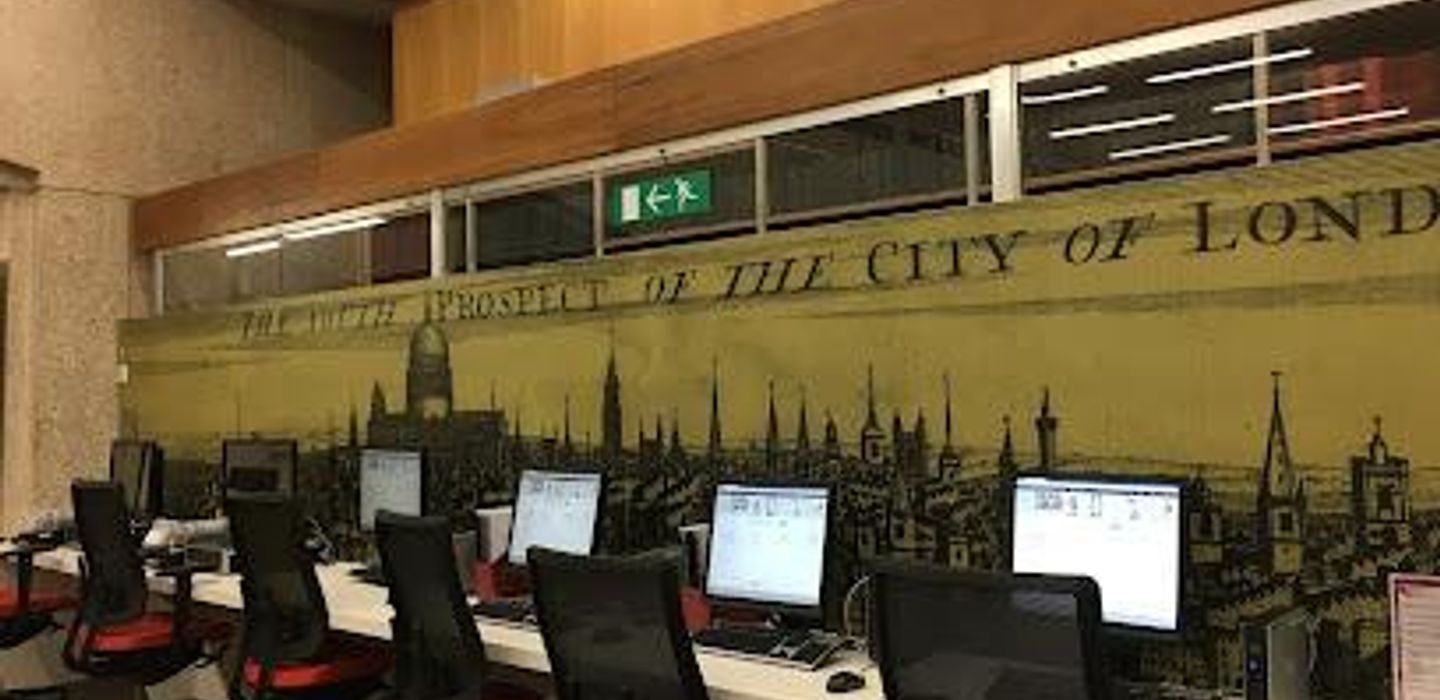
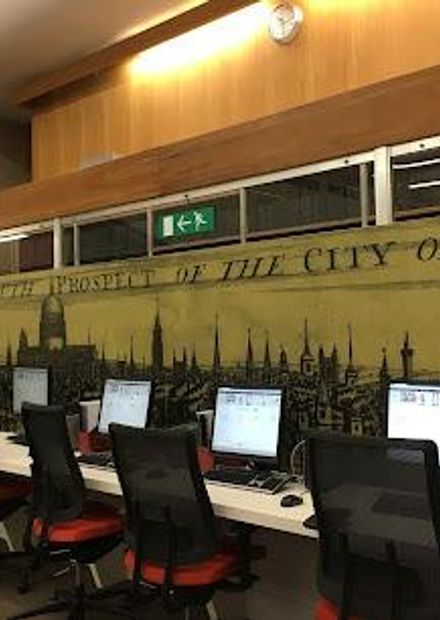
Guildhall Library
Guildhall Library in London is a renowned public reference library specializing in the history of London. It houses over 200,000 titles from the 15th century to the present, covering all aspects of London life, including maritime, business, food and drink, and family history. The library offers access to unique archival collections, hosts exhibitions and events, and provides a rich resource for researchers and history enthusiasts alike.
Mon–Thu 10:00–16:00Price level $Time to spend 1–3 hrs

Philpot Lane Mice Sculpture
Nestled on a modest 19th-century office building at 23 Eastcheap, the Philpot Lane Mice Sculpture is London's smallest public artwork. This diminutive bronze carving depicts two mice locked in a tug-of-war over a piece of cheese, commemorating a tragic yet curious story of two 19th-century construction workers. The sculpture blends folklore, history, and craftsmanship, offering a unique glimpse into London's layered past amidst its towering modern skyline.
Open 24 hoursTime to spend 15–30 min

Golden Boy of Pye Corner
The Golden Boy of Pye Corner is easy to miss and worth a pause. Set into a building corner on Giltspur Street, this late-17th-century figure is one of the City of London’s oddest survivals: a compact street monument linked to the Great Fire, old Smithfield folklore, and the area’s long medical and market history. It is a brief, self-guided stop rather than a full attraction.
Open 24 hoursTime to spend 0.1–1 hr

St Mary Abchurch
Tucked into Abchurch Yard off Cannon Street, St Mary Abchurch is one of the City of London’s quieter Wren churches. Rebuilt after the Great Fire, it preserves an unusually intact 17th-century interior, including its dome and altar furnishings. Visits are brief, calm and architectural, with a working-church atmosphere rather than a museum feel.
Mon–Thu 11:00–15:00Time to spend 0.2–2 hrs

College of Arms
The College of Arms is one of London’s most specialised historic institutions: a royal corporation that grants and records coats of arms, pedigrees, and ceremonial protocol. Set on Queen Victoria Street in the City, it is a compact, formal building rather than a museum-style attraction. Visits are usually short, appointment-led, and best suited to travellers interested in genealogy, royal pageantry, and civic history.
Mon–Fri 10:00–16:00Price level $Time to spend 0.5–2 hrs

Whitley Neill Distillery
At 22–24 Bride Lane, this compact City of London distillery pairs gin production with tastings and cocktails in an indoor, basement-like space off Fleet Street. It is less a sightseeing stop than a short, adult-focused experience built around heritage, flavour, and a bar atmosphere. Expect a brief descent from street level, a tight footprint, and a setting that feels more craft workshop than polished attraction.
Mon–Fri 16:00–22:00 · Sat 14:00–22:00Price level $$Time to spend 0.8–3 hrs

St Botolph’s-without-Aldersgate
On Aldersgate Street, St Botolph’s-without-Aldersgate is a compact Church of England guild church that feels more like a working city chapel than a tourist stop. Visitors come for short heritage visits, lunchtime talks, or a few calm minutes indoors between the towers and traffic of the Square Mile. Its appeal lies in scale, restraint, and its place in London’s old church network.
Tue 13:00–13:40Time to spend 0.2–2 hrs
Finsbury Square Bowling Green
Finsbury Square Bowling Green is a rare grass bowls green in the middle of central London, set among office blocks near Moorgate and Old Street. It is a compact, seasonal sports facility rather than a sightseeing stop, with six rinks, a calm pace, and a distinctly urban-park feel. Visitors come for booked sessions, not casual wandering, so the experience is brief, structured, and low-key.
Price level $Time to spend 0.5–4 hrs

London dragon
Golden Lane Estate is a compact slice of post-war London: bold housing blocks, raised walkways, planted courtyards and a calm, residential feel just north of the Barbican. Built in the 1950s and 1960s, it rewards slow walking and close observation rather than a rushed photo stop. Architecture fans come for the geometry, the social-housing history and the quiet streetscape.
Time to spend 0.5–3 hrs

London Wall Museum Of London
The Barbican is less a single sight than a whole postwar city fragment: raised walkways, raw concrete towers, sheltered courtyards, and a major arts centre wrapped into one complex. Come for architecture, performances, films, the Conservatory, or a slow walk through one of London’s most distinctive modernist landscapes. It feels cerebral, layered, and surprisingly calm between event peaks.
Price level $$Time to spend 0.5–4 hrs

Watling St
Watling Street is less a standalone sight than a short, historic street walk through the City of London’s oldest core. Linked to the Roman road of Watling Street, it cuts through a dense business district where medieval street patterns, office towers, and heritage buildings meet. Visitors come for a brief, self-guided look at London’s layered urban history.
Time to spend 0.2–2 hrs

Threadneedle St & Royal Exchange
This compact City of London crossroads centres on the Royal Exchange, where stone façades, luxury shopfronts and commuter traffic meet in a tightly packed historic setting. It is less a single attraction than a short urban stop: good for architecture, a quick photo walk, and a coffee or lunch break amid one of London’s oldest trading districts. The atmosphere is formal, polished and brisk, with the Bank of England and surrounding financial streets close by.
Price level $$Time to spend 0.2–3 hrs

Queen Victoria St
Queen Victoria Street is not a destination in the usual sense but a broad City of London thoroughfare with real historical weight. Laid out in the Victorian era, it links Blackfriars, St Paul’s, Mansion House and Bank, threading past office blocks, landmark sightlines and busy junctions. Weekdays bring commuter flow and lunch-hour traffic; weekends feel far calmer. It works best as a walking route, heritage connector or practical base for exploring the City.
Time to spend 0.2–1.5 hrs

Lombard St
Lombard Street in London’s City is a narrow, historic street that has been the centre of British banking since the 12th century. Named after the Lombards, Italian merchants who brought European banking to England, it remains home to iconic financial institutions and historic landmarks like the Gresham Grasshopper sign and St Edmund’s Church. Once known as London’s Wall Street, Lombard Street blends centuries of financial heritage with elegant architecture and a vibrant urban atmosphere.
Time to spend 0.5–2 hrs

Cloth Fair
Cloth Fair is one of the City of London’s most atmospheric historic streets: compact, quiet and lined with surviving older fabric in the Smithfield area. There is no single monument here, just a short heritage walk with listed buildings, church context and a strong sense of the medieval-to-Georgian City. Most visitors come for photographs, architecture and a brief pause in a densely built district.
Time to spend 0.2–2 hrs
Church Entry
Church Entry is not a grand attraction but a short historic passage in Blackfriars, where a medieval religious layout survives in the street name. It is the sort of place you reach on foot, pause to read the plaque, and move on. The appeal lies in its compressed scale: a narrow urban lane, dense City surroundings, and a direct link to the former Blackfriars friary church.
Time to spend 0.1–1 hr

Finsbury Square
Finsbury Square is a formal public square and planted open space on the edge of the City of London, where office workers, local residents, and passing walkers stop for a brief reset. It is not a grand park; it is a practical, urban green pocket with lawns, benches, a bowling green, and a calm, workday rhythm. The appeal lies in its scale and setting: central, flat, and easy to cross, yet noticeably quieter than the streets around it.
Time to spend 0.2–2 hrs

Pudding Ln
Pudding Lane in London is famously known as the site where the Great Fire of London began in 1666, originating from Thomas Farriner’s bakery. This narrow street, once part of a bustling meat market district, played a pivotal role in shaping London’s history and urban development. Beyond its fiery legacy, Pudding Lane is notable for being one of the world’s earliest one-way streets, reflecting early traffic regulation efforts in the city.
Time to spend 0.5–1.5 hrs

20 Fenchurch St
20 Fenchurch Street, better known as the Walkie Talkie, is one of the City of London’s most recognisable modern towers. Visitors come for Sky Garden, a public rooftop space with planted terraces and wide views over the Thames, the Square Mile, and beyond. The experience is compact, polished, and time-limited: security check, lift ride, then a short stay among glass, greenery, and skyline.
Time to spend 0.8–3 hrs

Devonshire Square
Devonshire Square is a compact City of London estate near Liverpool Street, where listed warehouse buildings frame a formal courtyard lined with restaurants, bars and office entrances. It is less a sightseeing stop than a place to pause, eat, meet or pass through, with a polished business feel and a clear sense of the area’s textile-warehouse past.
Price level $$Time to spend 0.2–2 hrs
Explore Guildhall Library on the map
A handpicked selection of must-see spots near Guildhall Library, mapped for you.
More about Guildhall Library
More to explore near Guildhall Library

 Best experiences near Guildhall Library
 Best hotels near Guildhall Library
 Best landmarks near Guildhall Library
 Best shops near Guildhall Library
 Best bars near Guildhall Library
 Best restaurants near Guildhall Library
Explore more


Getting your guide ready…
We are putting together a fresh copy of the Guildhall Library guide. This can take up to a minute.
This can take a few moments. If your browser asks, choose Allow so the download can start. You'll find the guide in your Downloads folder.
Nothing happened? Download it again
Sorry, the guide is taking longer than usual. Please try again in a minute, or get it by email instead.

