

All Hallows by the Tower: London's Oldest Church Steeped in History
Discover London's oldest church, a historic gem beside the Tower, where Roman, Saxon, and medieval layers tell tales of resilience and heritage.
All Hallows by the Tower, founded in 675 AD, is the oldest church in the City of London. Nestled beside the Tower of London, it showcases layers of history from Roman pavements and Saxon arches to medieval stonework. Surviving the Great Fire of London and the Blitz, the church houses a crypt museum with ancient artifacts and commemorates notable figures like William Penn, founder of Pennsylvania.
A brief summary to All Hallows by the Tower
- Byward St, London, EC3R 5BJ, GB
- +442074812928
- Visit website
- Duration: 0.5 to 2 hours
- Free
-
 Indoor
- Mobile reception: 4 out of 5
- Monday 8 am-5 pm
- Tuesday 8 am-5 pm
- Wednesday 8 am-5 pm
- Thursday 8 am-5 pm
- Friday 8 am-5 pm
- Saturday 10 am-5 pm
- Sunday 10 am-5 pm
Local tips
- Visit the Crypt Museum to see Roman pavements, Saxon artifacts, and medieval relics that reveal London’s ancient past.
- Arrive before 3:30pm to allow ample time for self-guided exploration or to join a volunteer-led tour.
- Look for the melted lead piece inside the church as a powerful reminder of the Blitz bombings.
- Explore the church tower views and imagine Samuel Pepys watching the Great Fire of London from this very spot.
- Respect the church’s status as a working place of worship, especially during services and prayer times.

For the on-the-go comforts that matter to you
- Restrooms
- Information Boards
- Visitor Center
- Seating Areas
Getting There
-
London Underground
Take the District or Circle Line to Tower Hill Station, approximately a 5-10 minute walk to All Hallows by the Tower. The station is well-served with frequent trains, and the walk follows flat, paved streets suitable for most visitors. No entrance fee applies for the station.
-
Bus
Bus routes 15, 42, 78, and 100 stop near the Tower of London area, within a 5-7 minute walk to the church. Buses run frequently during the day with fares around £1.75 using an Oyster card or contactless payment. Note that traffic can cause delays during peak hours.
-
Taxi or Rideshare
Taxis and rideshare services provide direct access to Byward Street, with a typical journey time of 15-25 minutes from central London depending on traffic. Costs vary but expect approximately £10-£20. Drop-off is close to the church entrance.
-
Walking
If staying nearby, walking to All Hallows by the Tower offers a scenic route along the Thames Path or through the historic City streets. Walking times vary from 10 to 30 minutes depending on your starting point, with mostly flat terrain and accessible pavements.
All Hallows by the Tower location weather suitability
-
 Any Weather
-
 Rain / Wet Weather
-
 Clear Skies
-
 Mild Temperatures
Discover more about All Hallows by the Tower
Ancient Origins and Enduring Legacy
Founded in 675 AD by Erkenwald, Bishop of London, All Hallows by the Tower is recognized as the oldest church in the City of London. Originally established as a chapel for the Abbey of Barking, its land was granted under Abbess Æthelburh, Erkenwald's sister. The church was built atop Roman remains, with archaeological discoveries including Roman pavements and stonework visible today. A Saxon arch, uncovered after World War II bomb damage, hints at the church's early medieval origins, though its exact dating ranges from the 7th to the 11th century.Architectural Evolution and Historical Significance
The church has undergone multiple rebuilds and expansions from the 11th to 15th centuries, incorporating Norman, medieval, and Tudor architectural elements. Its 17th-century red brick tower, rebuilt in 1659 after a devastating gunpowder explosion nearby, is the only surviving City of London church tower from the Commonwealth period. The church narrowly escaped destruction in the Great Fire of London in 1666 thanks to Admiral William Penn, who ordered surrounding buildings demolished to create a firebreak. Samuel Pepys famously watched the fire from the church tower.Witness to Turbulent Times and Notable Burials
All Hallows’ proximity to the Tower of London made it a temporary resting place for many executed prisoners, including Sir Thomas More, Archbishop John Fisher, and Archbishop William Laud. The church also served as a royal chantry chapel under Edward IV. The crypt contains relics such as fragments of 11th-century stone crosses and medieval monuments, reflecting its rich religious and social history.Survival Through War and Restoration
During World War II, the church suffered severe damage from bombings in the Blitz, with only the walls and tower remaining intact. It was rebuilt and rededicated in 1957, incorporating reclaimed Roman and medieval materials. A melted piece of lead preserved inside serves as a poignant reminder of the wartime destruction. The church remains a working place of worship and the guild church of Toc H, an international Christian movement founded by Reverend Philip 'Tubby' Clayton, its vicar from 1922 to 1962.The Crypt Museum and Visitor Experience
Beneath the church lies the Crypt Museum, home to an impressive collection of Roman and Saxon artifacts, including a perfectly preserved Roman floor and ancient parish registers dating back to the 16th century. Visitors can explore the layers of London’s history through these tangible remnants. Volunteer guides offer tours on weekdays, sharing fascinating stories from the church's Saxon origins to its modern-day role.Maritime Connections and Cultural Heritage
Known as the seafarers’ church, All Hallows has strong ties to the Port of London Authority and maritime history. The Lady Chapel contains the tomb of Alderman John Croke, restored after war damage. The church’s enduring presence beside the Tower of London makes it a unique landmark, blending spiritual significance with centuries of London’s evolving urban tapestry.Iconic landmarks you can’t miss

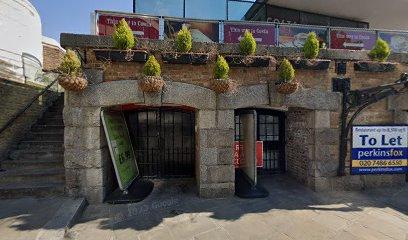
1 Tower Hl Ter
0.1 km
Historic urban landmark near Tower of London, blending centuries of British heritage with maritime memorials and modern city life.
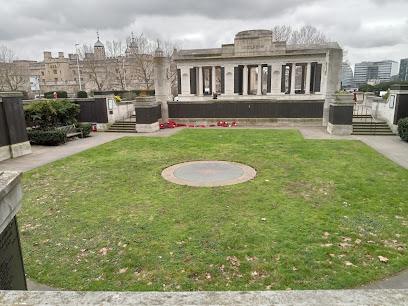
Tower Hill Memorial
0.1 km
Honouring 35,000 merchant seafarers with no grave but the sea—a dual memorial to two world wars.
London Wall
0.2 km
Explore London Wall, an ancient Roman landmark revealing the rich history of Londinium amidst the modern cityscape of London.
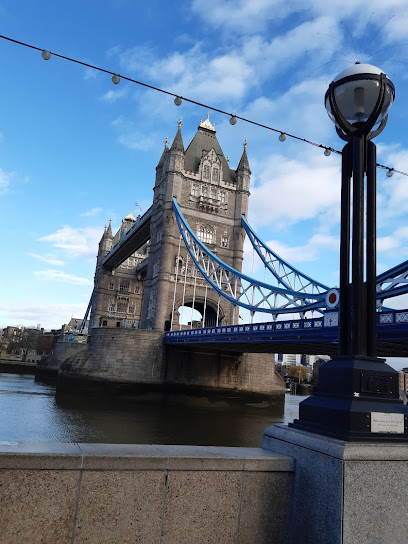
Custom House
0.3 km
Historic Custom House on London’s Thames waterfront, a grand 19th-century customs hub echoing centuries of maritime trade and empire.

Wakefield Tower
0.3 km
Medieval royal tower steeped in 13th-century splendor and tragic history within the Tower of London.
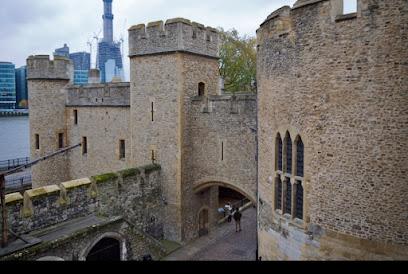
Roman Wall of Londinium
0.3 km
Explore the towering Roman Wall at Tower Hill, a striking relic that shaped London’s ancient cityscape and echoes 2,000 years of history.
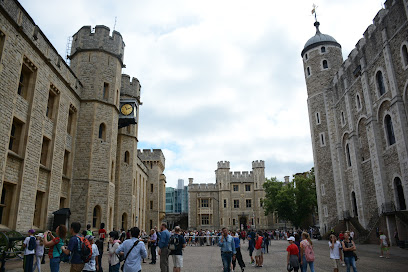
Lloyd's of London
0.5 km
A high-tech architectural masterpiece blending tradition and innovation in the heart of London’s financial district.
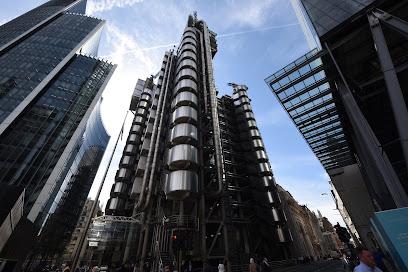
Monument to the Great Fire of London
0.5 km
An iconic Doric column commemorating the Great Fire of London, offering panoramic city views from its historic 311-step climb.

30 Saint Mary Axe - Swiss Re
0.6 km
Discover The Gherkin, London’s pioneering eco-friendly skyscraper with its iconic spiraling glass façade and panoramic city views.
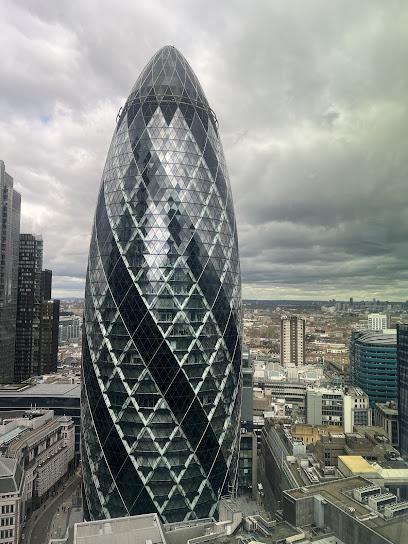
30 St Mary Axe (The Gherkin)
0.6 km
A striking, sustainable skyscraper in London’s financial heart, blending innovative design with panoramic city views and historic roots.
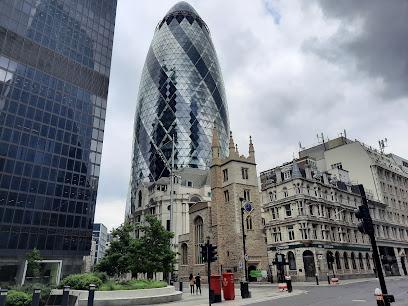
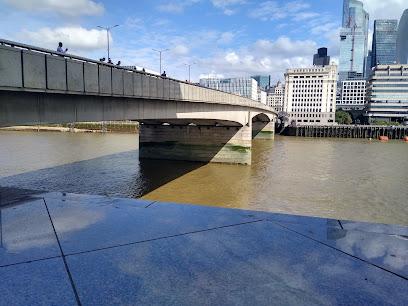
London Bridge
0.6 km
Historic London Bridge, a vital Thames crossing blending centuries of engineering with modern urban life.
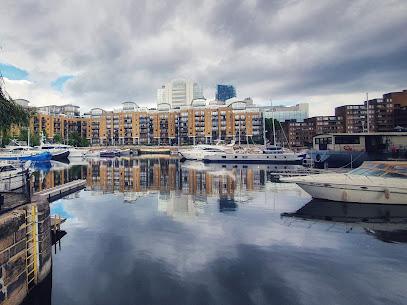
St Katharine Docks Marina
0.6 km
London's only central marina: historic waterfront elegance where maritime heritage meets modern leisure.
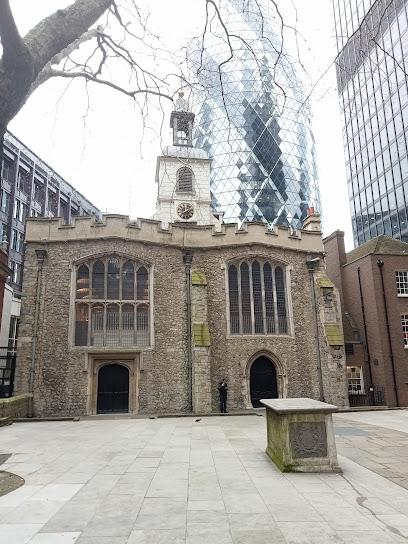
St Helen's Church, Bishopsgate
0.6 km
Medieval dual-nave church with 800+ years of history, royal relics, and remarkable resilience.
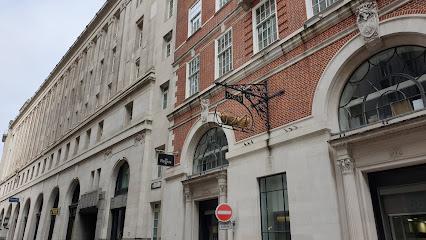
Lombard St
0.7 km
Explore the iconic Lombard Street, London's 'Crookedest Street,' featuring stunning architecture and charming gardens in the heart of the city.
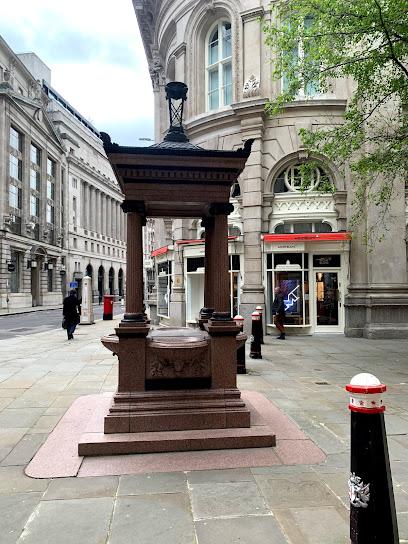
Cornhill Fountain
0.7 km
A historic cast-iron water pump outside the Royal Exchange, symbolizing centuries of London's civic pride and public health innovation.
Unmissable attractions to see

8-12 Tower Hill
0.1 km
Historic Tower Hill in London, where ancient walls meet iconic landmarks and vibrant riverside life unfolds.
Gunpowder Plot: The Immersive Experience
0.1 km
Immerse yourself in the thrilling 1605 Gunpowder Plot with live actors, authentic vaults, and cutting-edge VR at Tower Hill Vaults.

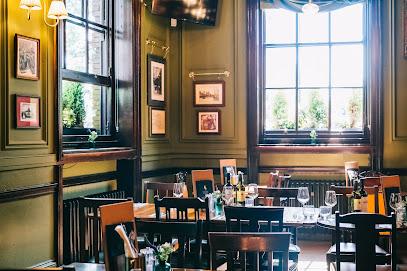
The Hung Drawn & Quartered, EC3
0.1 km
Historic pub near Tower Hill offering seasonal classics and craft ales in a setting steeped in London's dramatic past.
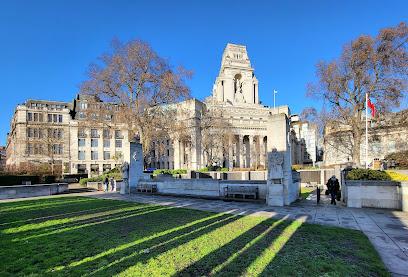
Trinity Square Gardens
0.1 km
A quiet City garden on the site of Tower Hill’s scaffold, home to the Tower Hill Memorial and framed by historic architecture and views of the Tower of London.
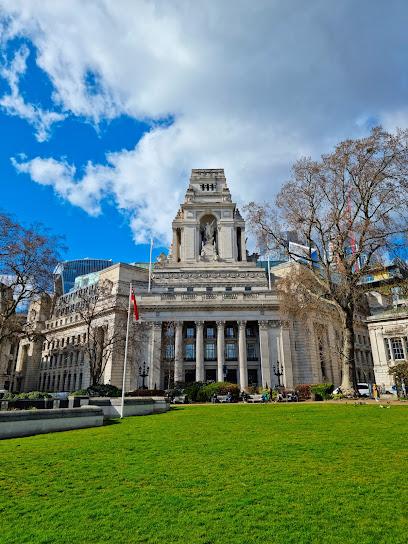
Trinity Square
0.1 km
A dignified London square where imperial architecture, ancient walls, and solemn memorials meet beside the Tower of London.
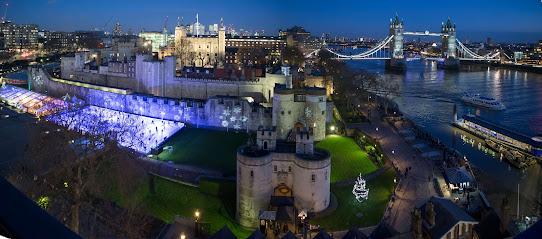
Tower of London Ice Rink
0.1 km
Skate in the historic moat of London’s iconic Tower of London for a magical winter experience surrounded by medieval walls and festive cheer.
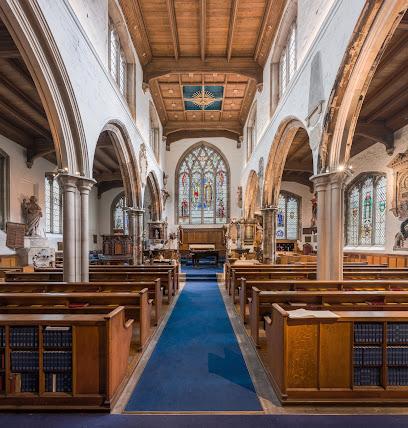
St Olave's Church, Hart Street
0.2 km
Discover the serene beauty and rich history of St Olave's Church, a hidden gem in the heart of London, perfect for history enthusiasts and peace-seekers alike.
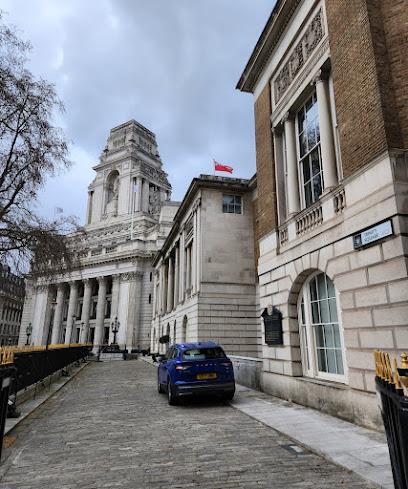
Trinity House
0.2 km
Discover the rich maritime heritage at Trinity House, London's historic center for navigation and seamanship, featuring stunning architecture and captivating exhibits.
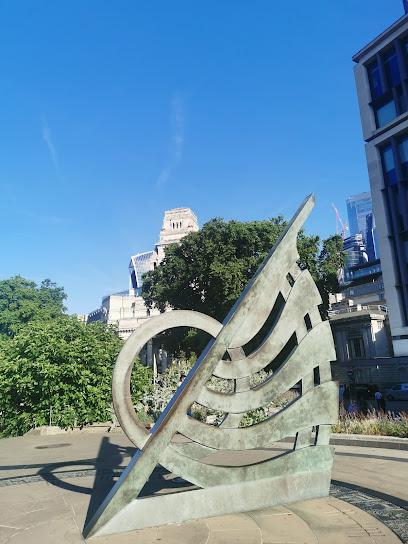
Sundial at the Tower Hill
0.2 km
A captivating bronze sundial near Tower Hill station, telling London’s 2,000-year history through intricate carvings and offering stunning views of the Tower of London.
Chapel Royal of St Peter ad Vincula
0.2 km
Historic Tudor chapel within the Tower of London, resting place of executed royalty and a vibrant parish church for over 500 years.
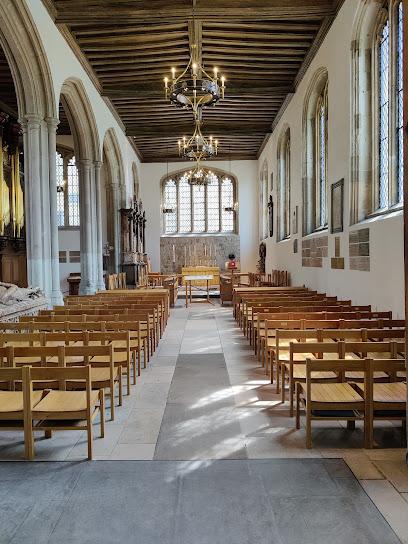
St Dunstan in the East Church Garden
0.2 km
A peaceful historic garden oasis in the heart of London’s financial district, blending Gothic ruins with lush greenery and tranquil charm.
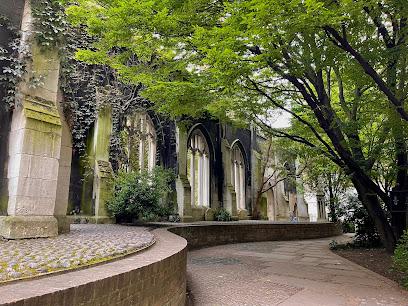
Tower Hill
0.2 km
Historic Tower Hill offers a captivating blend of medieval heritage, iconic landmarks, and vibrant riverside charm in the heart of London.
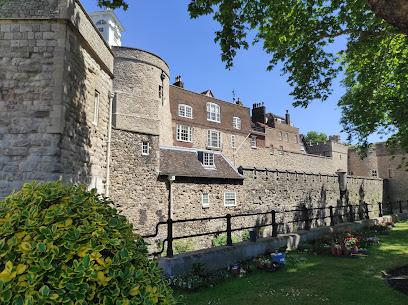
The Crown Jewels
0.2 km
Explore the dazzling Crown Jewels collection, a symbol of British monarchy and history, housed securely within the iconic Tower of London.

Billingsgate Roman House & Baths
0.3 km
Explore one of London’s best-preserved Roman private homes and bathhouses, revealing ancient luxury beneath the modern city streets.
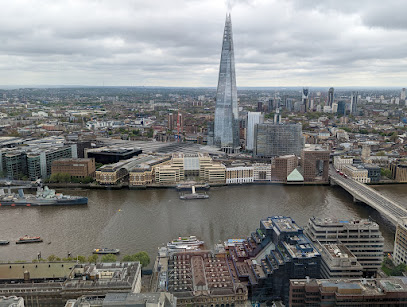
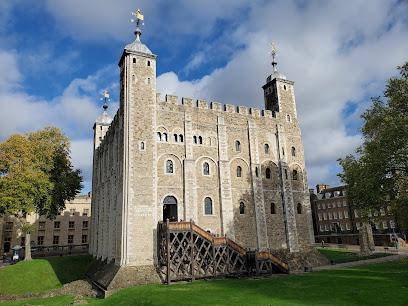
Tower of London
0.3 km
Explore the Tower of London, a UNESCO World Heritage site, rich in history and home to the Crown Jewels, perfect for all history lovers.
Essential places to dine

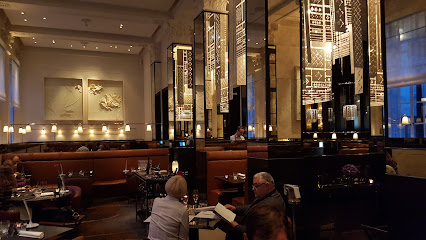
La Dame de Pic London
0.1 km
Discover refined French gastronomy and elegant dining in a historic London landmark with two Michelin stars and innovative cuisine.
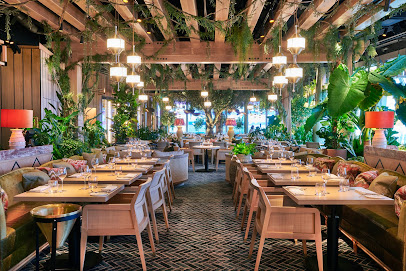
14 Hills
0.3 km
Experience modern British cuisine in a lush, sky-high garden with breathtaking panoramic views over London’s iconic skyline.
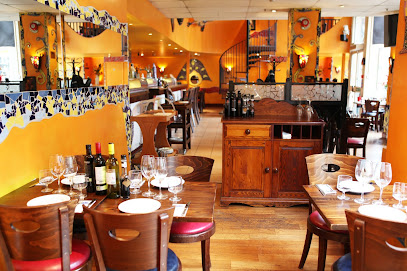
Barcelona Tapas Bar & Restaurant
0.7 km
Authentic Spanish tapas and warm hospitality in the heart of London’s City since 1991.
Mattarello Chiodo Bolognese Restaurant
0.7 km
Authentic Bolognese pasta and gluten-free Italian delights in the heart of London’s Middlesex Street.
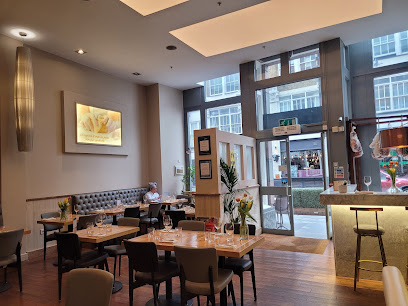
Restaurant Story
0.7 km
Experience a two Michelin-starred culinary journey where storytelling meets British fine dining in the heart of London Bridge.
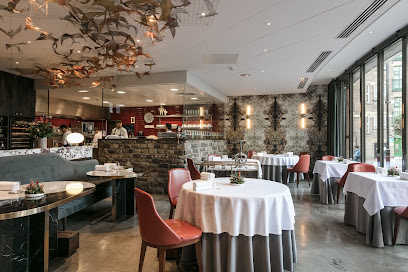
Marugame Udon Middlesex Street
1.0 km
Experience freshly handcrafted Japanese udon and crispy tempura in a lively open kitchen setting at Marugame Udon Middlesex Street, London’s authentic udon destination.
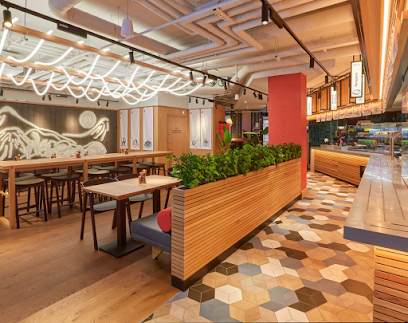
George
1.0 km
Step into London’s last galleried coaching inn, where history, hearty ales, and a lively courtyard blend in a timeless pub experience.
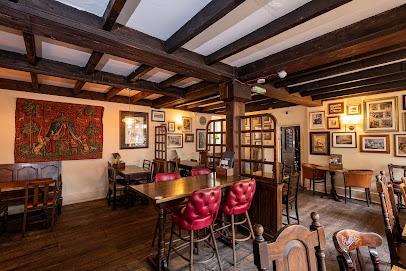
Madison
1.2 km
Stylish rooftop dining and cocktails with breathtaking views of St Paul’s Cathedral and London’s skyline.
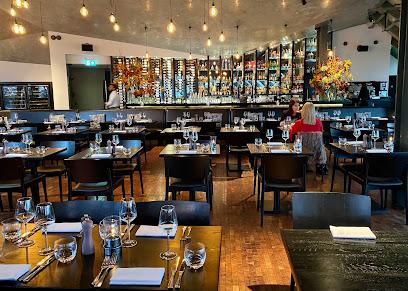
Lyle's
1.6 km
Michelin-starred Lyle's serves innovative, seasonal British cuisine in a minimalist Shoreditch setting with a relaxed, refined atmosphere.
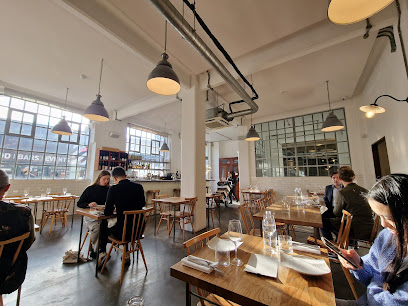
Nomadic community
1.7 km
A colorful, community-driven urban garden near Brick Lane, blending street art, creativity, and green space in East London’s vibrant cultural scene.

Mercato Metropolitano
1.8 km
A vibrant, sustainable community food market in Elephant & Castle offering global flavors, local sourcing, and a lively social atmosphere.
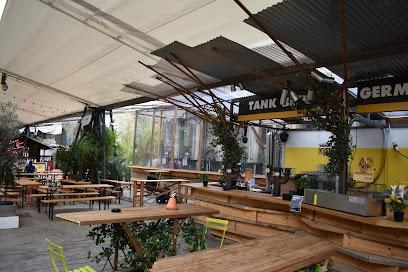
Sea Containers Restaurant
1.9 km
Stylish Modern British dining with iconic Thames views on London’s vibrant Southbank, perfect for brunch, dinner, and special occasions.
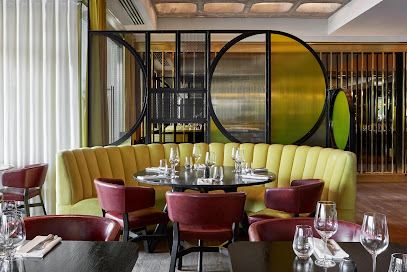
St. John
2.0 km
Experience authentic British nose-to-tail dining in the heart of London’s Barbican at St. John, where tradition meets modern culinary artistry.
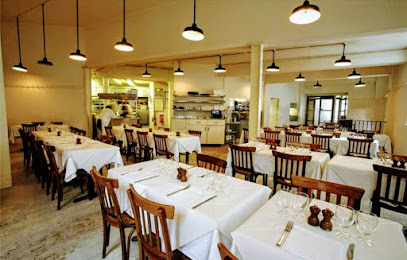
The Clove Club
2.0 km
Two Michelin stars meet innovative modern British cuisine in a historic Shoreditch Town Hall setting with a unique urban garden.
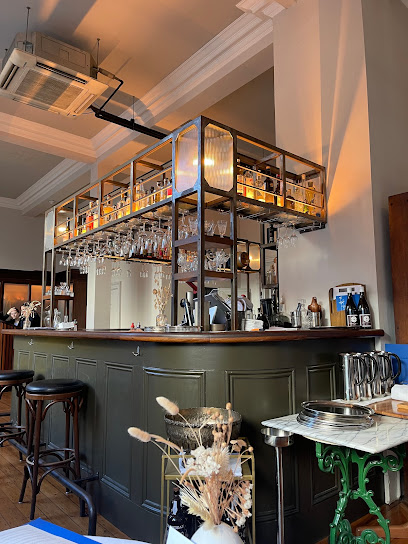
Nest Restaurant Old Street
2.0 km
Intimate Shoreditch gem offering creative British seasonal tasting menus in a cozy, historic setting with a sustainable ethos.
Markets, malls and hidden boutiques

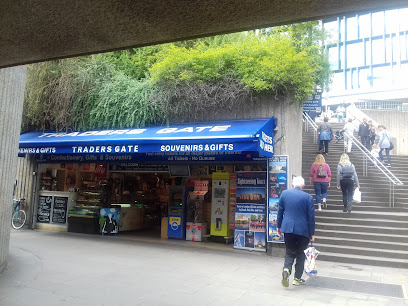
Traders Gate
0.1 km
A long-standing family-run gift shop on Tower Hill, offering classic London souvenirs and local charm just steps from the Tower of London.
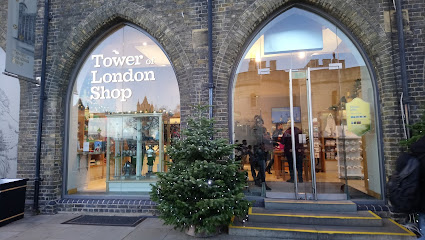
Tower of London Shop
0.2 km
Explore the Tower of London Shop for unique souvenirs that celebrate British heritage and history in the heart of London.
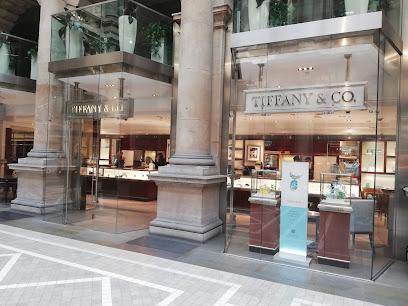
The Royal Exchange
0.7 km
A majestic neoclassical landmark blending 450 years of London’s trading history with luxury shopping in the City’s financial heart.
Middlesex Textiles
0.8 km
Discover London’s premier West African fabric store offering vibrant, high-quality textiles with unmatched variety and service since 1969.
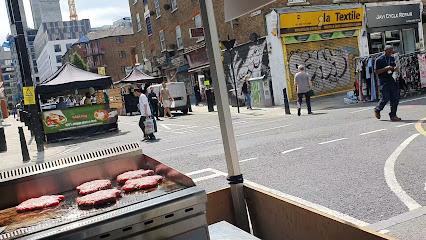
Petticoat Lane Market
0.8 km
London's historic street market where 370 years of commerce, migration, and East End character converge.
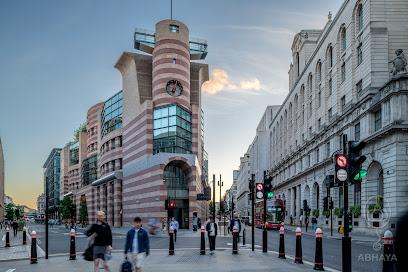
1 Poultry
0.9 km
Iconic postmodern office and retail building with vibrant limestone stripes, a colorful atrium, and a rooftop garden overlooking London’s financial district.
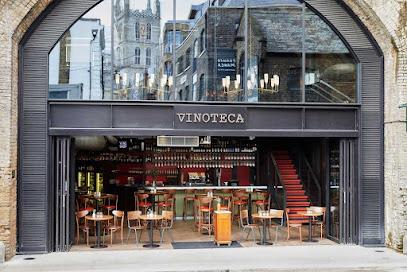
Borough Yards
1.0 km
Discover Borough Yards, a lively London district blending historic railway arches with cutting-edge shopping, dining, and culture near Borough Market.
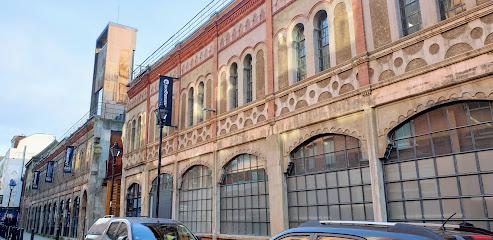
Fashion St
1.1 km
A historic East London street where Victorian architecture meets modern creativity, surrounded by boutiques, cafés, and vibrant community life.
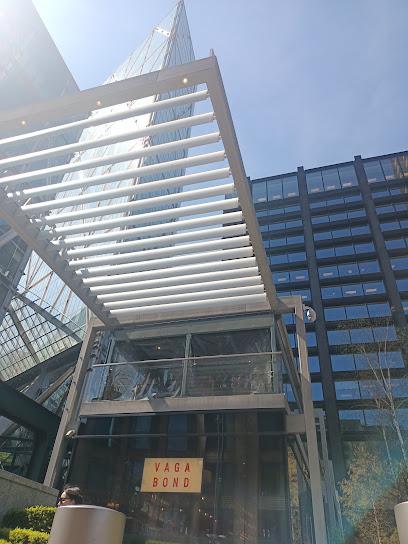
Commercial St
1.1 km
Historic East London artery blending industrial heritage, vibrant markets, and cultural landmarks in the heart of Spitalfields.
Spitalfields Market
1.2 km
Historic yet vibrant, Spitalfields Market blends East London’s rich heritage with a lively mix of food, art, and shopping all week long.
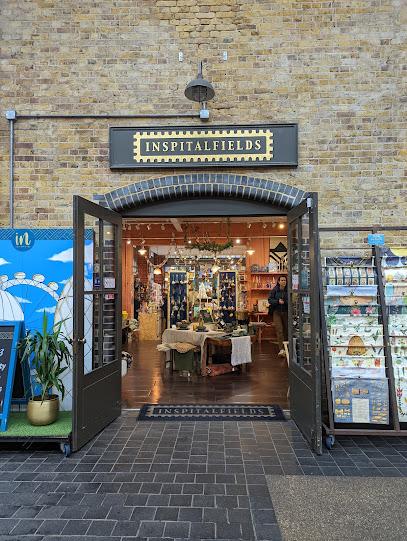
One New Change
1.2 km
Modern glass landmark with free rooftop views of St Paul's Cathedral and London skyline.

Sclater Street Market
1.3 km
Vintage treasures and eclectic finds in the heart of Shoreditch's bohemian marketplace.
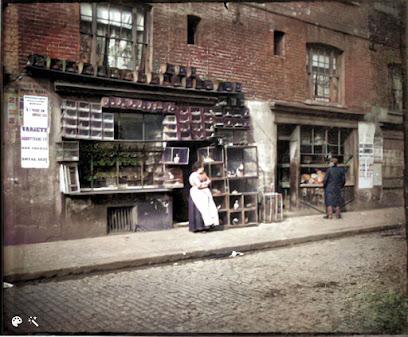
DPUS Designer Outlet
1.3 km
Authentic designer fashion outlet in Shoreditch’s historic Old Truman Brewery, blending luxury style with urban culture and unbeatable prices.

Bermondsey Antique Market
1.3 km
Uncover vintage treasures at London’s oldest antiques market, where history meets haggling every Friday morning in Bermondsey Square.
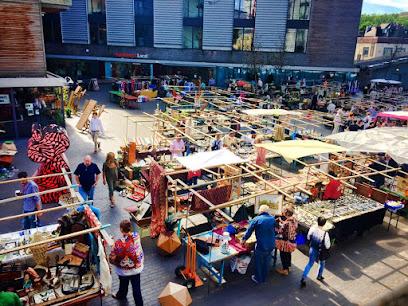
The Brick Lane Vintage Market
1.4 km
Explore the UK’s largest underground vintage market, where fashion history meets East London creativity and every visit promises a unique find.

Essential bars & hidden hideouts

The Bootlegger
0.4 km
Step into The Bootlegger’s hidden Lime Street basement for expertly crafted cocktails, live jazz, and a true 1920s speakeasy vibe in the heart of London.
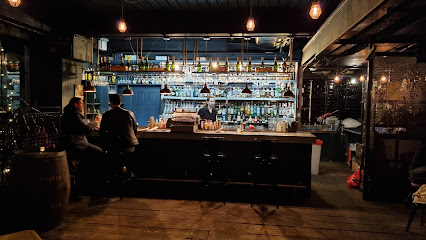
The Cocktail Club - Cocktail Bar near Monument
0.5 km
Vibrant underground cocktail bar near Monument, blending creative drinks with a lively, speakeasy-style party atmosphere.
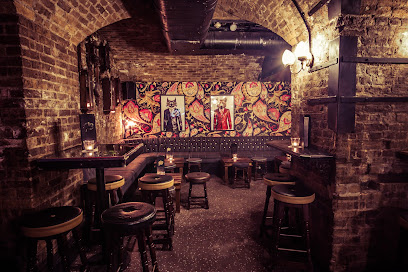
The Alchemist Bevis Marks
0.6 km
Experience London’s theatrical cocktail haven blending molecular mixology with Victorian charm and all-day dining in Aldgate.
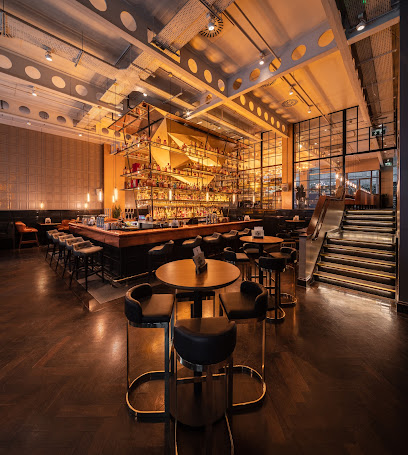
Nine Lives
0.7 km
A subterranean Bermondsey bar blending Mexican spirits, sustainable craft cocktails, and vibrant sharable dishes in a boho-chic setting.
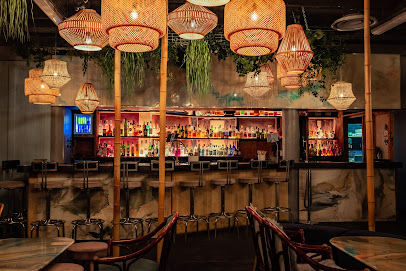
The Bell
0.8 km
A historic East End pub blending traditional charm and local spirit near Petticoat Lane Market.
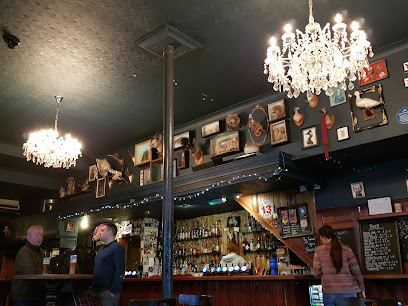
Demon, Wise & Partners
0.8 km
Classic basement cocktail bar blending historic City charm with expert mixology in London’s financial district.
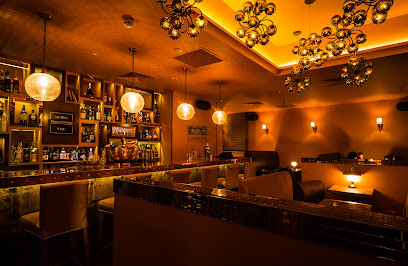
Discount Suit Company
0.9 km
Discover a hidden vintage cocktail bar beneath Spitalfields, blending bespoke drinks with a cozy speakeasy atmosphere in London’s historic tailoring district.
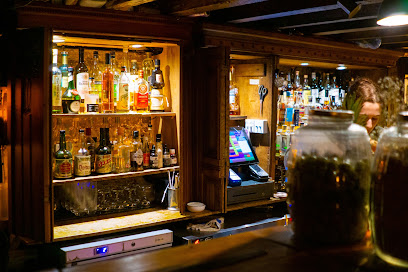
The Astronomer, EC1
0.9 km
A traditional London pub with a cosmic twist, offering hearty pies, craft ales, and a welcoming atmosphere near Liverpool Street.
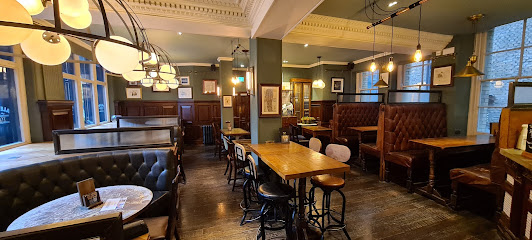
Dirty Dicks
1.0 km
Historic London pub with quirky charm, classic ales, and lively atmosphere near Liverpool Street Station.
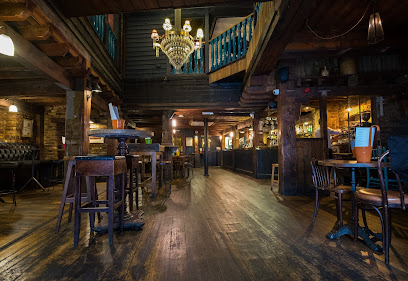
The Mayor of Scaredy Cat Town
1.0 km
Discover Shoreditch’s secret speakeasy behind a fridge door, where quirky vintage charm meets expertly crafted cocktails and lively 80s beats.
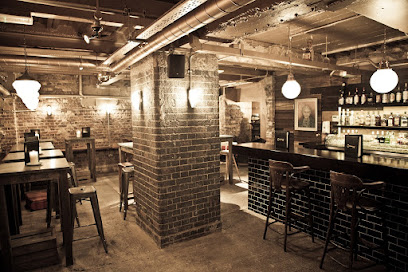
Apples & Pears Cocktail Bar
1.1 km
A vibrant East London cocktail bar blending creative drinks, lively DJs, and a welcoming atmosphere in the heart of Brick Lane.
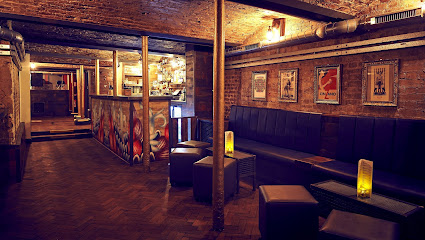
The Old School Yard
1.2 km
Step into a lively retro playground with expertly crafted cocktails, classic arcade games, and a vibrant 80s and 90s atmosphere in London Bridge.
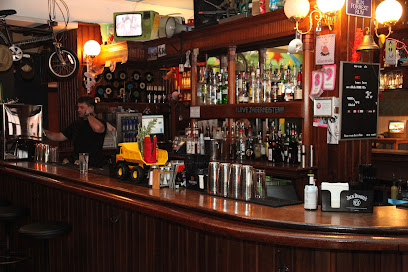
Aviary
1.4 km
Elegant rooftop dining with botanical cocktails and panoramic London skyline views in the heart of Finsbury Square.
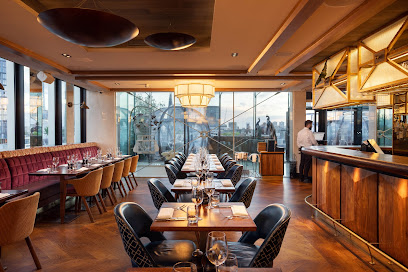
The Cocktail Club - Cocktail Bar near Old Street
1.5 km
A vibrant and stylish cocktail bar in London’s Old Street area, known for creative drinks and a lively urban atmosphere.
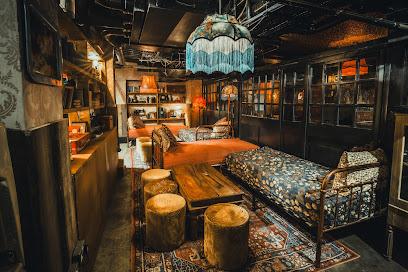
Flight Club Shoreditch
1.5 km
Experience the vibrant social darts scene with great food, cocktails, and fun at Flight Club Shoreditch in East London.
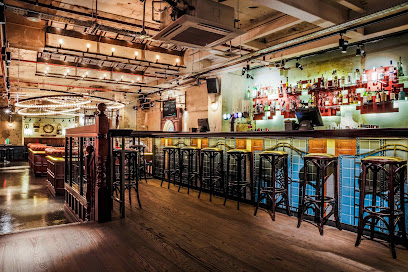
Nightclubs & after hour spots

The Steel Yard
0.8 km
Experience London’s premier industrial-chic nightclub set in historic Victorian railway arches, with world-class sound and late-night energy until 6am.
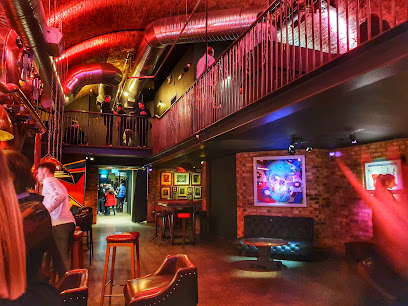
E1
1.2 km
Experience East London’s underground pulse with E1’s cutting-edge sound, immersive visuals, and vibrant club nights.
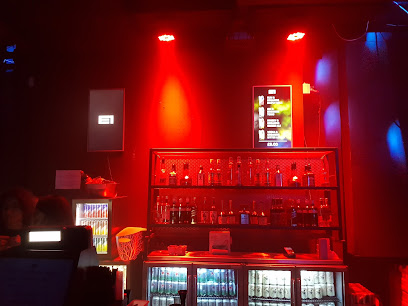
The Hoxton Pony
1.8 km
Edgy Shoreditch cocktail bar and nightclub blending vintage style with vibrant nightlife energy in East London.

XOYO LONDON
1.8 km
Experience Shoreditch’s iconic XOYO, where cutting-edge DJs and vibrant nightlife create an unforgettable London clubbing atmosphere.

Ministry of Sound
1.9 km
London's legendary dance music cathedral since 1991, where world-class sound systems and global DJs fuel euphoric nights across four pulsing rooms.

Trafik
2.0 km
Shoreditch’s dynamic nightclub with underground beats, two floors of dancing, and a late licence for unforgettable nights.

Basing House - Shoreditch
2.2 km
An intimate Shoreditch nightclub with top electronic beats, a Funktion One sound system, and a lively rooftop bar under the London skyline.

Corsica Studios
2.2 km
Experience London’s underground music pulse at Corsica Studios, where intimate vibes meet exceptional sound beneath historic railway arches.
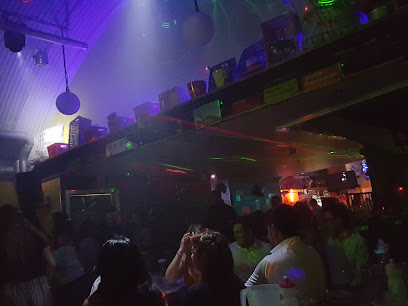
London Best Night Clubs
2.2 km
Experience London’s legendary Ministry of Sound, where cutting-edge sound meets dynamic club culture in a multi-room dance haven.
STRAWBERRY SUNDAE
2.7 km
Retro rave haven in Waterloo Arches: Daytime hardcore beats, 90s DJ legends, and industrial euphoria from midday to midnight.
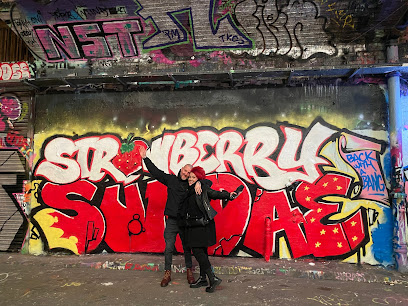
Cirque Du Soul
2.7 km
Dive into Leake Street's graffiti tunnel for soul-stirring electronic nights at this underground nightclub haven.
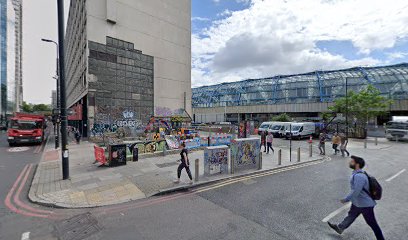
We Are Waterloo
2.7 km
Dive into Leake Street's graffiti heart where street art meets thumping beats in London's ultimate underground nightclub haven.
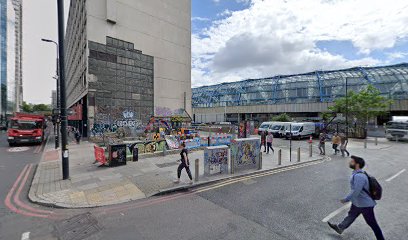
Proud Late
2.7 km
Dive into two-storey glamour under Waterloo Bridge: cabaret acrobatics, burlesque dazzle, supper feasts, and non-stop clubbing till 5am in London's West End nightlife epicenter.
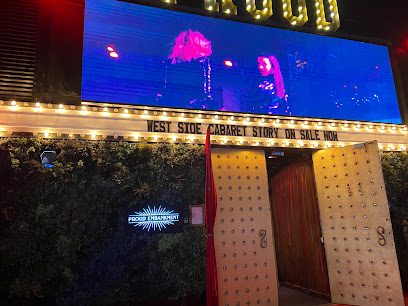
Club 701
2.8 km
Experience the vibrant nightlife and dynamic clubbing scene at Club 701, South London's energetic hotspot on Old Kent Road.
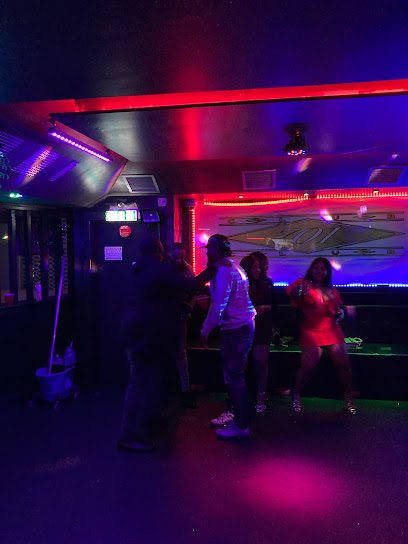
Carwash Nightclub
2.9 km
Experience Europe’s longest-running disco club in London’s West End, where retro beats, vibrant crowds, and themed parties create unforgettable nights.
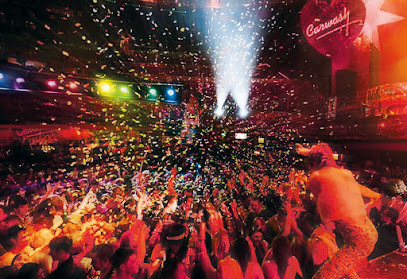
For the vibe & atmosphere seeker
- Tranquil
- Scenic
- Unique
- Historic
- Relaxing
For the design and aesthetic lover
- Vintage Styles
- Rustic Designs
For the architecture buff
- Historic
- Sacred Sites
- Heritage Neighborhoods
For the view chaser and sunset hunter
- Iconic Views
- Panoramas
For the social media creator & influencer
- Instagrammable
- Photo Spots
- Architectural Shots
For the eco-conscious traveler
- Public-Transport Accessible
- Locally Managed
For the kind of experience you’re after
- Cultural Heritage
- Photowalk
- Day Trip
- Weekend Getaway
- Myth & Legends
For how adventurous you want the journey to be
- Easy Access
Location Audience
- Family Friendly
- Senior Friendly
- Child Friendly
- Teen Friendly
- Wheelchair Access
- Solo Friendly
- Couple Friendly
- Solo Female Friendly


