

Golden Square, Soho – A Historic Garden Oasis in Central London
A historic garden square in Soho offering a tranquil green oasis amid London's vibrant cityscape and rich cultural heritage.
Golden Square is a historic garden square nestled in Soho, Central London, known for its tranquil green space amid classical office buildings. Originating in the 1670s on the site of a former plague pit, it evolved into a political and ambassadorial hub with notable residents and literary connections. Today, it offers a peaceful retreat with mature trees, raised borders, and a paved garden, surrounded by media and creative industry offices.
A brief summary to Golden Square
- London, GB
- Duration: 0.5 to 1.5 hours
- Free
-
 Outdoor
- Mobile reception: 5 out of 5
Local tips
- Visit during weekday lunchtimes to experience the square’s lively yet peaceful atmosphere with local office workers.
- Take time to admire the historic statue at the center, believed to depict King George II or possibly King Charles II.
- Explore nearby Soho and Chinatown for diverse dining options after relaxing in the square.
- Use Oxford Circus or Piccadilly Circus Underground stations for easy access to the square.

For the on-the-go comforts that matter to you
- Seating Areas
- Information Boards
- Trash Bins
Getting There
-
Underground
Access Golden Square via Oxford Circus or Piccadilly Circus stations, each about a 5-7 minute walk. Both stations are served by multiple Tube lines with frequent service, costing approximately £2.50-£3.50 per single journey with an Oyster card or contactless payment. The walking route is flat and accessible.
-
Bus
Several London bus routes serve the area around Golden Square, including routes 12, 88, and 453. Bus stops are within a 5-10 minute walk. Fares range from £1.75 to £2.00 per ride with an Oyster or contactless card. Buses run frequently during the day but check schedules for evening and weekend service.
-
Walking
If staying nearby in Soho or the West End, walking to Golden Square is ideal. The terrain is flat and paved, suitable for all mobility levels. Walking times vary but typically range from 10 to 20 minutes from major nearby landmarks such as Carnaby Street or Leicester Square.
Golden Square location weather suitability
-
 Any Weather
-
 Rain / Wet Weather
-
 Clear Skies
-
 Mild Temperatures
Discover more about Golden Square
Origins and Historical Significance
Golden Square’s story begins in the late 17th century, established around the 1670s on land once used as a plague pit during the Great Plague of London. The square’s layout is believed to have been designed by Sir Christopher Wren or his office, reflecting the architectural vision of the era. Initially developed to accommodate the gentry, it quickly became a prestigious political and ambassadorial district, hosting embassies such as the Portuguese embassy. The name 'Golden Square' likely derives from 'Gelding Close,' referring to land used for horse grazing before urban development.Architectural and Cultural Heritage
The square is framed by classical office buildings, many with heritage status, including Grade II* listed properties. Notable residents have included artists like Martin Archer Shee and figures such as Thomas Jefferson during his only London visit. The square also features a statue believed to represent King George II, though some debate exists about whether it depicts King Charles II. This statue, erected in the mid-18th century, stands as a guardian over the garden’s lush greenery.Literary and Social Connections
Golden Square has been immortalized in English literature, notably as the home of Ralph Nickleby in Charles Dickens’ 1839 novel "Nicholas Nickleby." Dickens described the square’s atmosphere with its musical boarding houses and the melancholy presence of the statue amid the evening air. The area’s social fabric evolved over centuries, transitioning from a diplomatic quarter to a hub for the wool and worsted yarn trade in the 19th century, with around 70 yarn firms based there by 1900.Transformation Through the 20th Century
During World War II, an air raid shelter was constructed beneath the square, and post-war restoration transformed it into a paved garden with mature trees such as hornbeam, ornamental crab apples, and maples. The roses in the flower beds were a goodwill gift from Sofia, Bulgaria, symbolizing international friendship. The square today maintains its historical charm while serving as a green oasis within London’s bustling urban environment.Modern-Day Environment and Usage
Golden Square is now a serene garden square popular with local office workers and visitors seeking respite from the nearby tourist crowds of Soho and Regent Street. It is surrounded by media, advertising, and public relations companies, reflecting the creative character of the neighborhood. The square provides ample seating and accessibility, making it a welcoming spot for relaxation and quiet reflection amidst the city.Location and Accessibility
Situated just east of Regent Street and north of Piccadilly Circus, Golden Square is easily accessible from Oxford Circus and Piccadilly Circus Underground stations. Its central location places it within walking distance of vibrant Soho attractions, Chinatown, and Carnaby Street, making it a convenient yet peaceful retreat in a lively part of London.Iconic landmarks you can’t miss

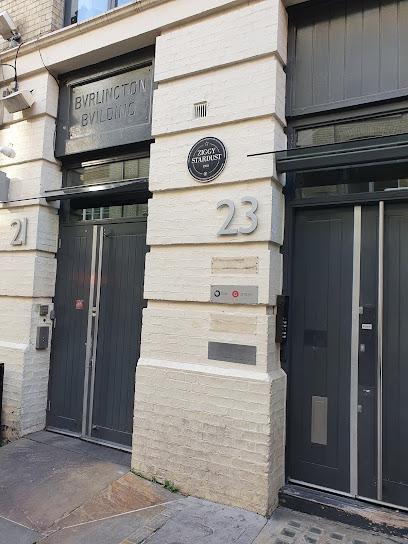
Ziggy Stardust album cover
0.2 km
Step into the legendary London street where David Bowie’s Ziggy Stardust persona was born on an iconic 1972 album cover.
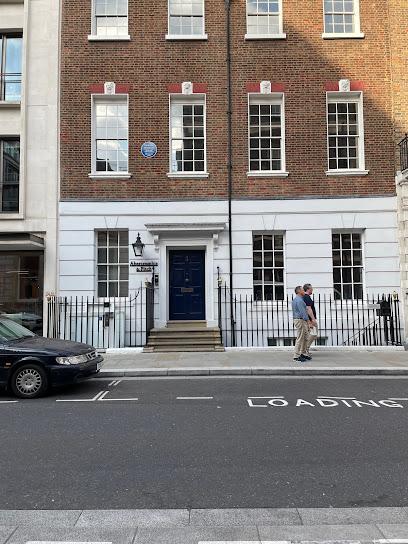
3 Savile Row
0.2 km
Historic Georgian townhouse in London, famed as The Beatles’ Apple Corps HQ and site of their legendary 1969 rooftop concert.
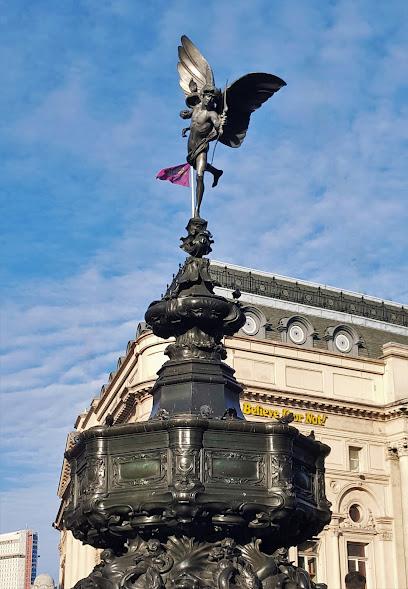
Eros (Shaftesbury Memorial Fountain)
0.3 km
Iconic London landmark honoring Victorian philanthropy with the world’s first aluminium statue, set amidst Piccadilly Circus’s vibrant theatre district.
225 Piccadilly Circus
0.3 km
At the luminous heart of London’s West End, 225 Piccadilly Circus dazzles with history, iconic lights, and vibrant urban energy.
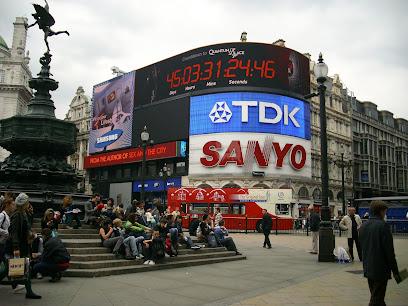
Piccadilly Circus
0.3 km
Piccadilly Circus pulses with iconic neon lights, historic monuments, and vibrant street life at the heart of London’s West End.

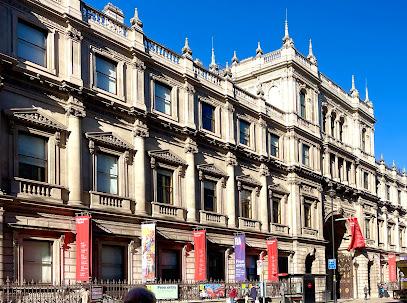
Burlington House
0.3 km
A grand 17th-century mansion on Piccadilly, now home to the Royal Academy of Arts and Britain’s leading learned societies, blending Palladian elegance with centuries of art and science.
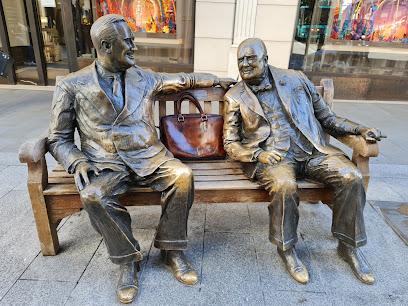
Allies (Churchill & Roosevelt)
0.4 km
A life-size bronze sculpture on New Bond Street celebrating Churchill and Roosevelt’s historic wartime alliance and enduring friendship.
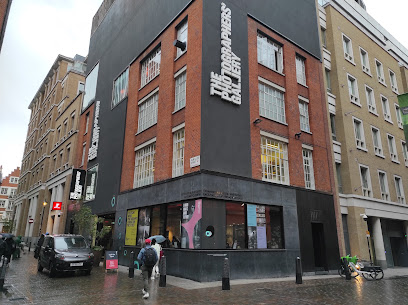
The Photographers' Gallery
0.4 km
Explore the captivating world of photography at The Photographers' Gallery, London's premier destination for stunning exhibitions and engaging workshops.
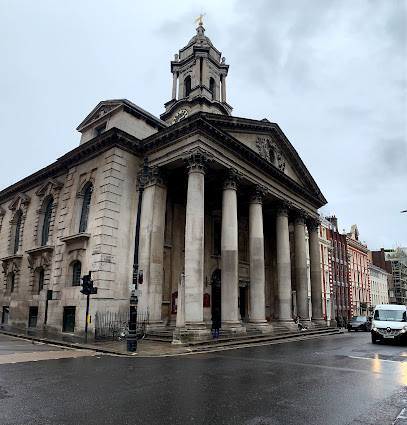
St George's Church, Hanover Square
0.4 km
Historic Georgian church in Mayfair, famed for Handel’s music, elegant worship, and a premier London wedding venue.
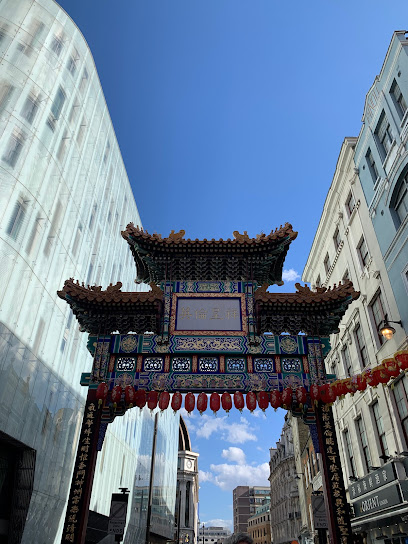
Chinatown Gate
0.4 km
Experience the vibrant spirit of London's Chinatown at the iconic Chinatown Gate, a cultural gem filled with culinary delights and rich heritage.
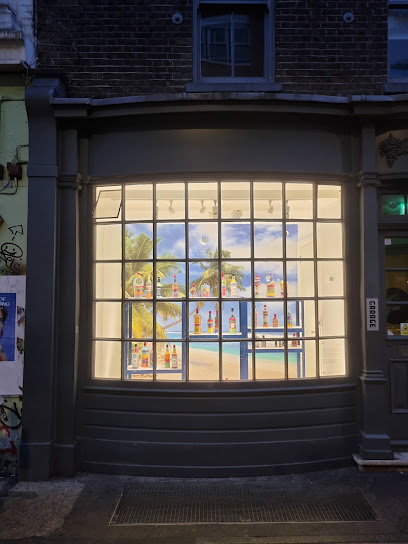
The Smallest Gallery in Soho
0.4 km
Discover unique contemporary art at The Smallest Gallery in Soho, London - an intimate space showcasing emerging talents and established artists.
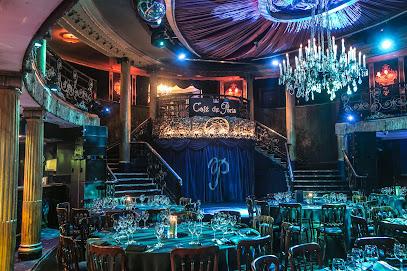
Café de Paris
0.4 km
Legendary West End cabaret where royalty danced, stars performed, and history was made—now closed after 96 years.
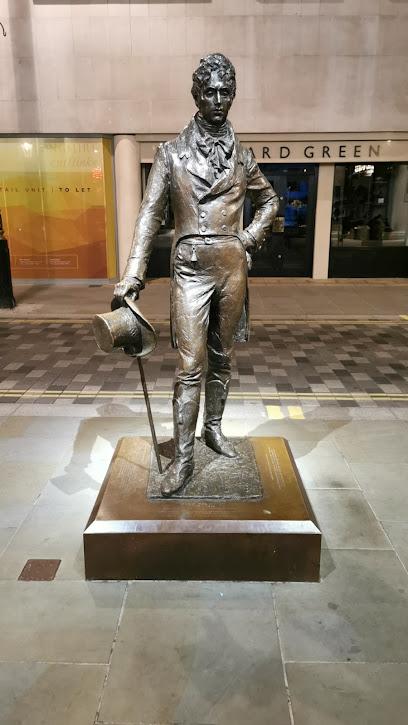
Beau Brummell Statue
0.4 km
The dandy who revolutionised menswear and defined Regency elegance in bronze.
Swiss Glockenspiel
0.5 km
A 10-metre Swiss timepiece performing mechanical magic in London's West End, where Alpine tradition meets modern precision.
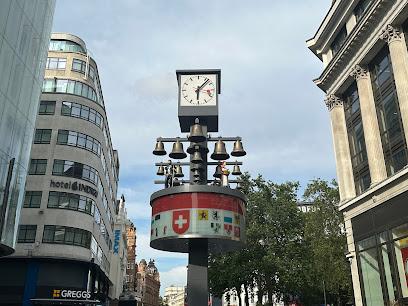
Self-Guided Audio Tour - London's Soho, Theatreland and Chinatown
0.5 km
Discover the rich culture and vibrant nightlife of London's Soho, Theatreland, and Chinatown with a self-guided audio tour.
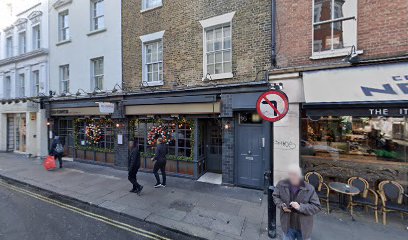
Unmissable attractions to see

British Tours
0.1 km
Discover the heart of London with British Tours, offering personalized experiences to explore the city's rich history and culture.
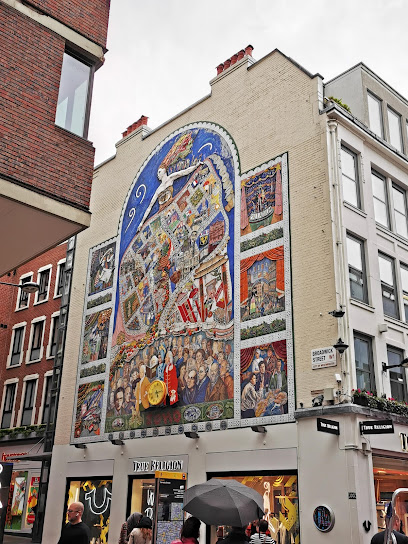
Spirit of Soho Mural
0.1 km
A vibrant mosaic celebrating Soho’s rich artistic heritage and community spirit at the corner of Carnaby and Broadwick Streets.
Piccadilly Theatre
0.1 km
Historic West End theatre offering immersive musicals and timeless Art Deco charm in the heart of London’s vibrant entertainment district.
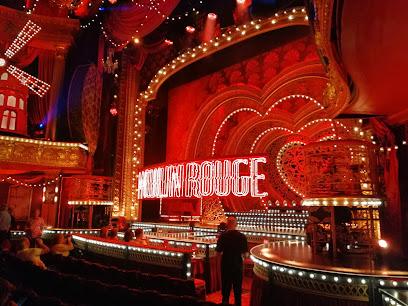
Kingly Ct
0.1 km
Discover Kingly Court, a colourful three-storey courtyard in Soho offering world-class dining, unique shops, and a vibrant atmosphere in London’s West End.
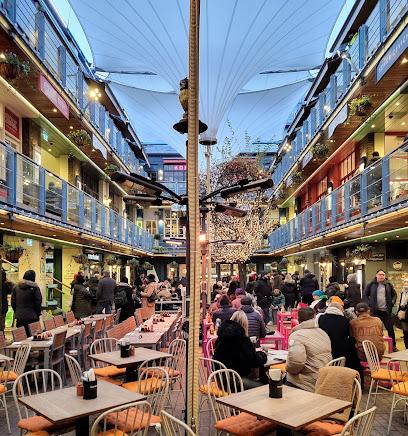
Kingly Court
0.1 km
A vibrant three-level Soho courtyard serving global cuisines and stylish bars just off iconic Carnaby Street.
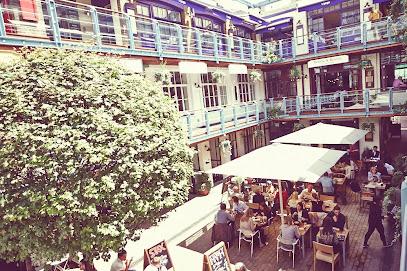
Ham Yard Hotel
0.2 km
A vibrant boutique hotel in Soho blending eclectic design, luxury amenities, and central London convenience in a lively yet tranquil setting.
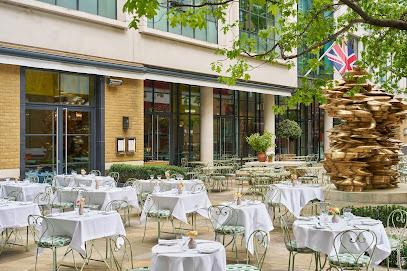
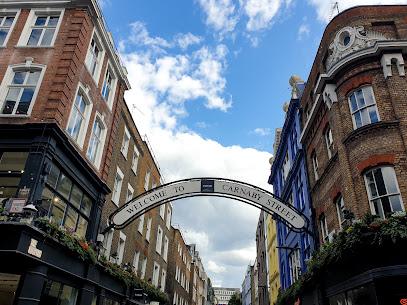
Carnaby St
0.2 km
Explore Carnaby Street, London’s legendary pedestrianized shopping and dining district blending iconic fashion, rich history, and vibrant culture.
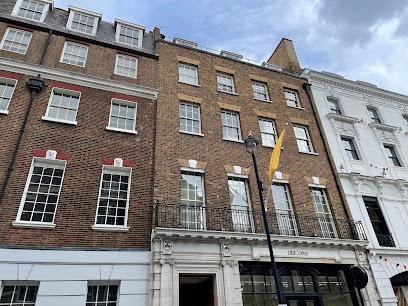
Savile Row
0.2 km
Savile Row, London’s legendary street, is the global heart of bespoke tailoring, where tradition meets timeless style and craftsmanship.
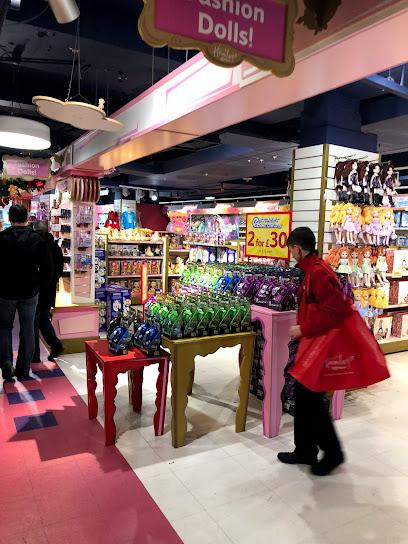
Hamleys
0.2 km
Discover the magic of Hamleys, London's iconic toy store, where imagination comes to life with seven floors of endless fun and excitement.
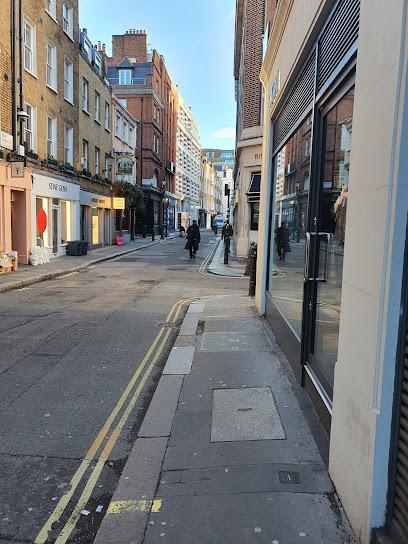
Soho
0.2 km
Discover Soho, London's vibrant district known for nightlife, dining, unique shops, and rich cultural experiences, perfect for every traveler.
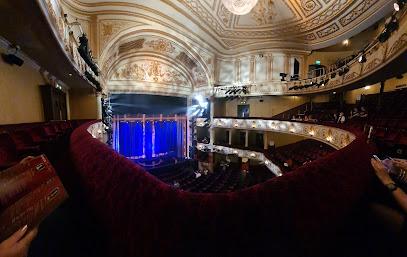
Lyric Theatre
0.3 km
London’s oldest surviving theatre on Shaftesbury Avenue, blending historic charm with world-class musicals and drama in the heart of the West End.
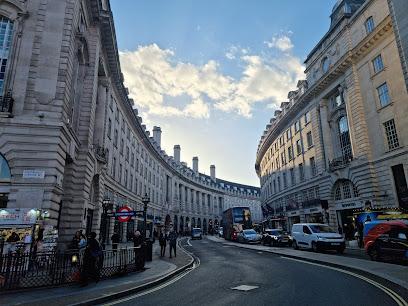
Regent St.
0.3 km
Discover the timeless elegance and world-class shopping of Regent Street, London’s premier mile of style and culture in the heart of the West End.
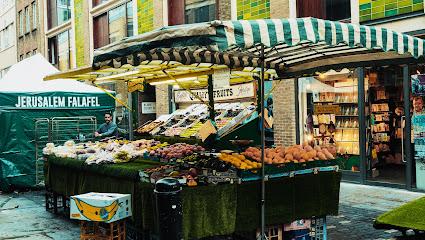
Berwick Street Market
0.3 km
Historic Soho market blending fresh produce, global street food, and iconic vinyl culture in the heart of London.
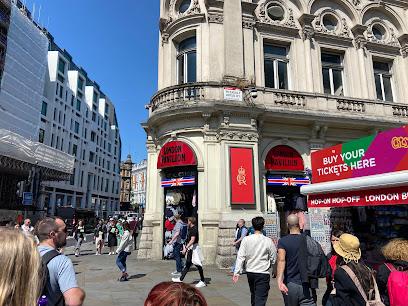
The London Pavillion
0.3 km
A historic West End landmark blending Victorian theatrical grandeur with modern urban culture in the heart of London’s Shaftesbury Avenue.
Piccadilly & Piccadilly Circus
0.3 km
Experience the vibrant crossroads of London’s West End where iconic lights, historic landmarks, and lively entertainment converge.
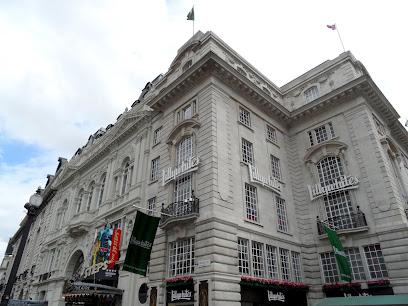
Essential places to dine

NOPI
0.1 km
Experience vibrant Mediterranean and Middle Eastern flavors in Soho at NOPI, Ottolenghi’s innovative restaurant known for shareable, seasonal dishes.
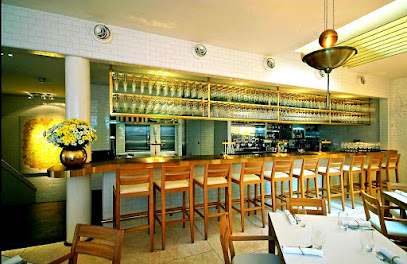
Bob Bob Ricard Soho
0.1 km
Experience glamorous British & French dining in Soho with iconic booths and a unique ‘Press for Champagne’ button at every table.
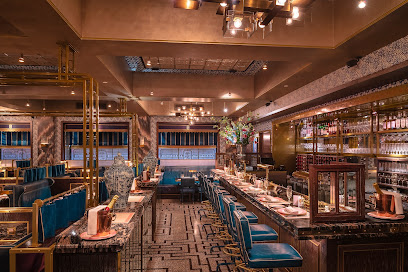
Mele e Pere
0.1 km
Discover authentic Italian flavors and a rich vermouth selection in the cozy, candlelit basement of Soho’s Mele e Pere.
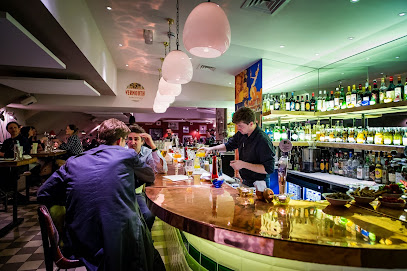
Kricket Soho
0.2 km
Discover bold, modern Indian small plates in a lively Soho setting with an open kitchen and vibrant basement dining.
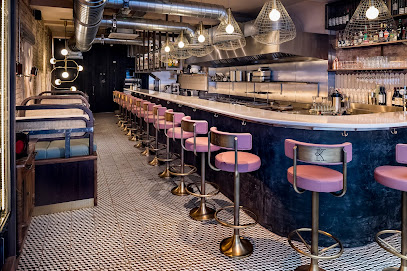
Bantof
0.2 km
Discover Bantof, Soho’s intimate hotspot blending Michelin-starred modern European cuisine, inventive cocktails, and vibrant art in a stylish, welcoming setting.
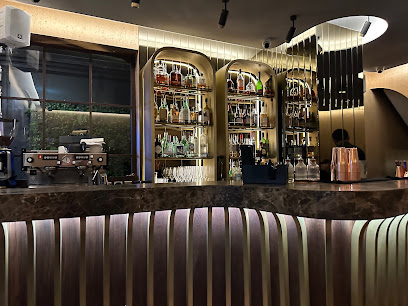
Blacklock Soho
0.2 km
A vibrant Soho basement chophouse serving exceptional grass-fed steaks and chops in a lively, rustic setting with unbeatable value.
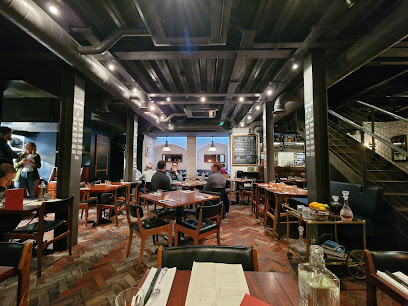
Andrew Edmunds Restaurant
0.2 km
A romantic Soho townhouse serving refined Franco-Mediterranean dishes with an acclaimed wine list in an intimate, candlelit setting.
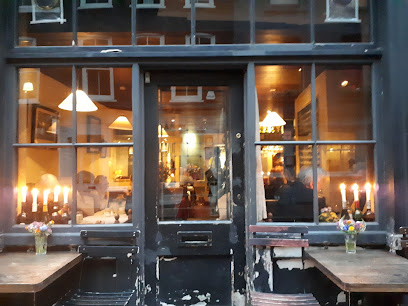
Social Eating House
0.3 km
Modern European dining in Soho with creative British flair, relaxed elegance, and an intimate chef’s counter experience.
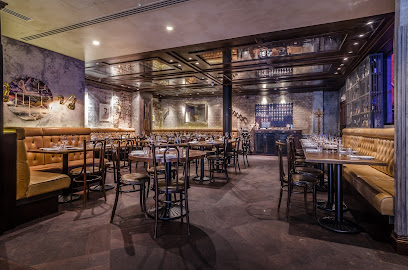
sketch
0.3 km
An iconic Mayfair venue blending avant-garde art, Michelin-starred dining, and whimsical design for an unforgettable London experience.
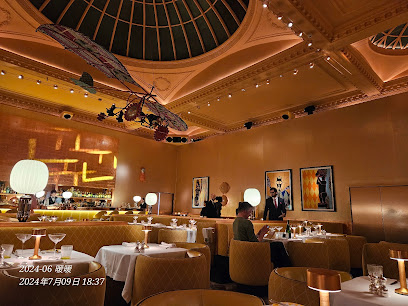
Evelyn's Table
0.3 km
Discover Evelyn's Table, a Michelin-starred, intimate dining counter in Soho offering inventive British cuisine with French and Japanese flair.
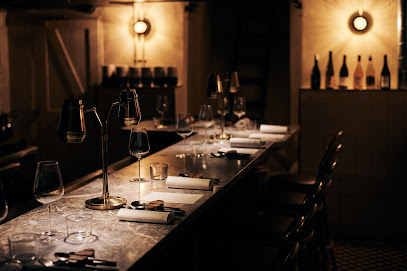
Blanchette
0.4 km
Cozy Soho French bistro serving modern small plates, charcuterie, and exquisite cheese and honey pairings in a Parisian-inspired setting.
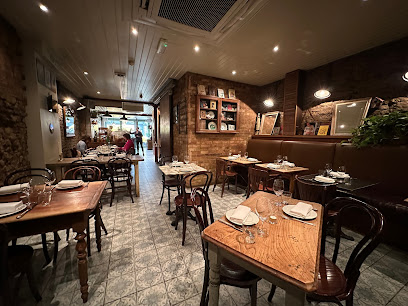
Inamo
0.4 km
Experience futuristic Asian fusion dining with interactive tables and vibrant sharing plates in the heart of London’s Covent Garden.
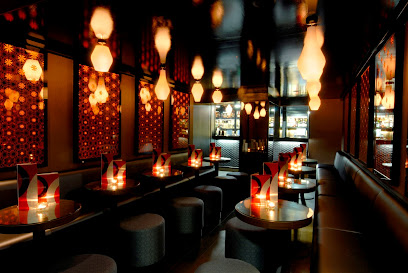
Little Social
0.4 km
Stylish Mayfair bistro offering refined modern British small plates with an intimate atmosphere and excellent wine selection.
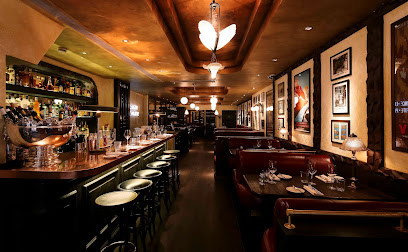
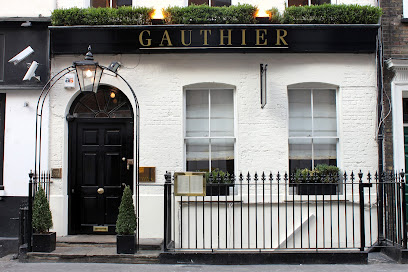
Gauthier Soho
0.4 km
Innovative vegan French fine dining in a stylish Soho townhouse, blending tradition with plant-based creativity.
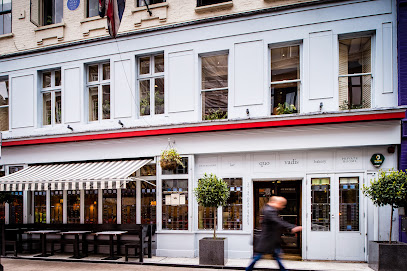
Quo Vadis
0.4 km
An iconic Soho dining destination blending refined modern British cuisine with elegant historical charm and a lively, convivial atmosphere.
Markets, malls and hidden boutiques

CLOSET CASE SOHO LONDON
0.2 km
Discover avant-garde menswear from global designers in Soho's vibrant heart – unique finds for the bold dresser at Closet Case.
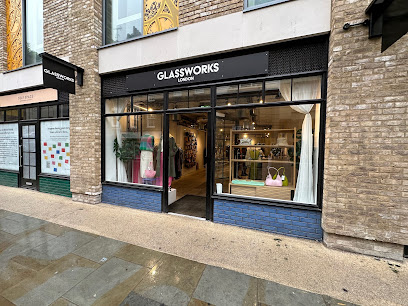
Glassworks London - Soho
0.3 km
Discover limited-edition London fashion at Glassworks Soho: quality designs, weekly drops, and timeless style on vibrant Berwick Street.
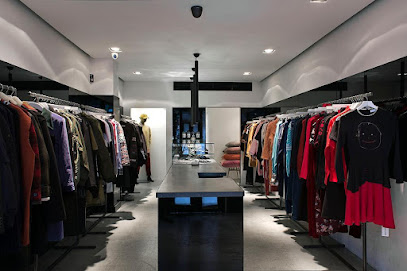
Machine-A
0.3 km
Small but influential Soho boutique showcasing curated avant‑garde and emerging fashion with gallery‑like presentation.
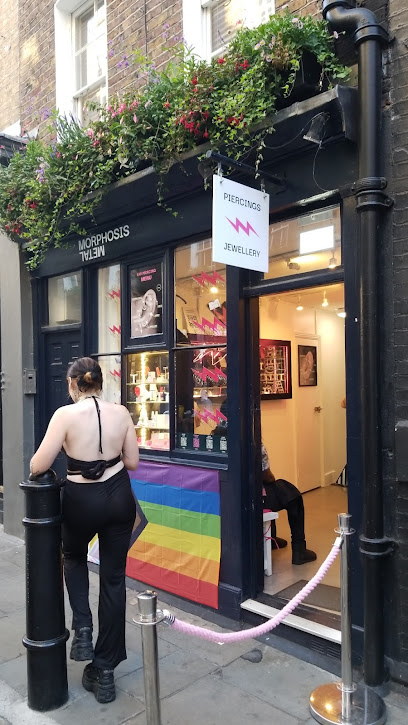
Canvas Collection
0.3 km
Discover handmade ceramics, jewelry, and accessories in Carnaby's artistic gift haven—unique treasures from London's creative makers.
Pop Up 38
0.3 km
A compact, curated boutique on Broadwick Street offering rotating seasonal pieces and design-led accessories in the heart of Soho.
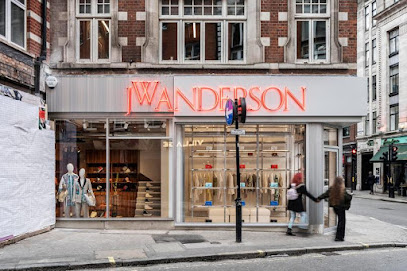
JW Anderson London Soho
0.3 km
Soho's avant-garde flagship: minimalist Shaker-inspired space brimming with gender-fluid luxury fashion, artisanal homewares, and exclusive collaborations.
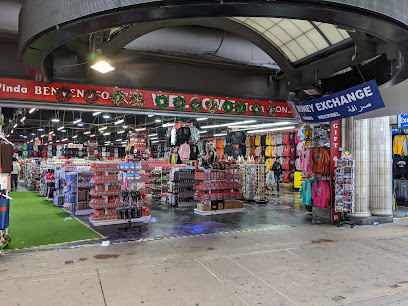
Glorious London Gift & Souvenir
0.3 km
Discover unique souvenirs and gifts that embody the spirit of London at Glorious London Gift & Souvenir, a must-visit shopping destination.
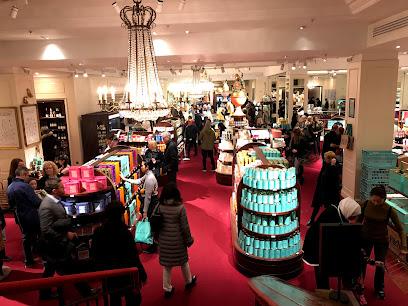
Fortnum & Mason
0.4 km
Historic luxury food hall and iconic London emporium offering gourmet delights, royal hampers, and timeless British tradition since 1707.
Floris London
0.4 km
Experience nearly three centuries of British fragrance heritage at Floris London’s historic boutique on iconic Jermyn Street.
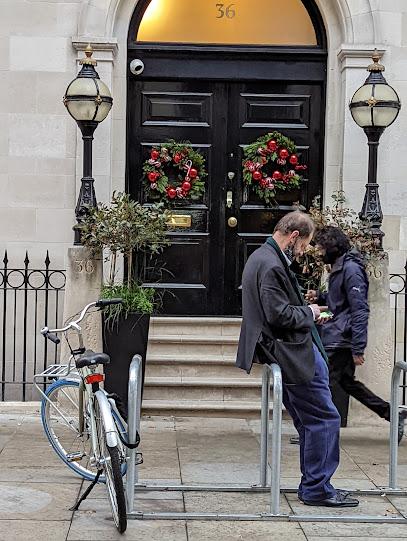
28 The Royal Arcade
0.4 km
Step into London's oldest Victorian shopping arcade, where historic charm meets luxury boutiques in the heart of Mayfair.
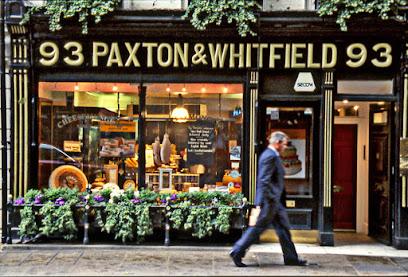
Paxton & Whitfield Ltd
0.4 km
London’s oldest cheesemonger, serving artisan cheese with royal heritage and timeless charm.
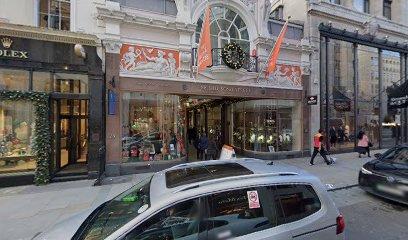
Charbonnel et Walker
0.4 km
Britain’s first luxury chocolatier since 1875, nestled in Mayfair’s Royal Arcade – where tradition, truffles and royal patronage meet in every exquisite box.
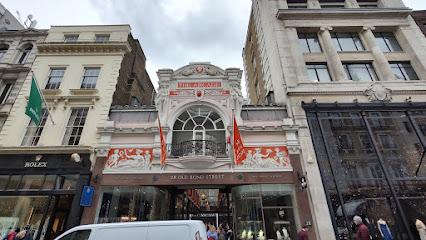
Burlington Arcade
0.4 km
Discover a luxurious shopping experience at Burlington Arcade, where timeless elegance meets exquisite craftsmanship in the heart of London.
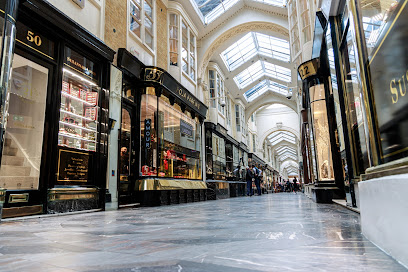
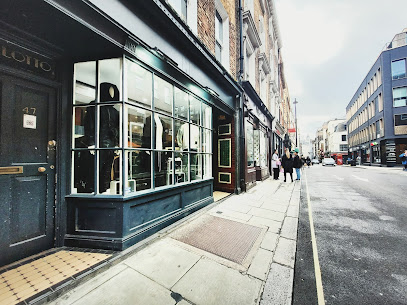
La Boutik
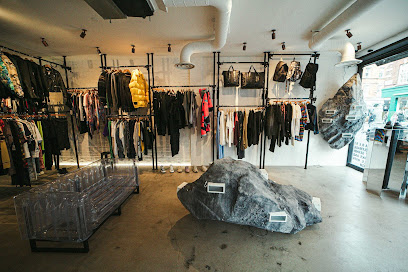
0.4 km
Soho's chic haven for European designer imports on buzzing Dean Street—unique fashion finds in London's creative epicenter.
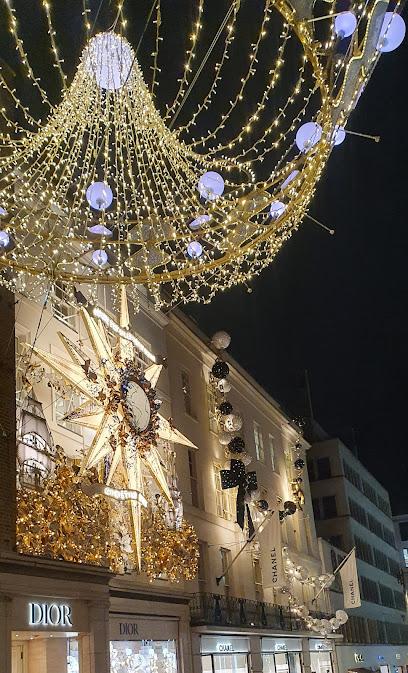
Bond St
0.4 km
London's most exclusive luxury shopping street, where three centuries of elegance meet contemporary high fashion.
Essential bars & hidden hideouts

Disrepute - Soho
0.1 km
Descend into Soho's glamorous underworld at Disrepute, where 1960s scandal meets masterful cocktails in velvet-clad vaults—Soho's seductive late-night escape.
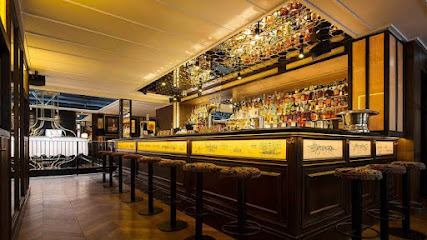
Cahoots London
0.1 km
Step into a 1940s London underground tube station and enjoy creative cocktails in a vibrant, theatrical vintage setting.
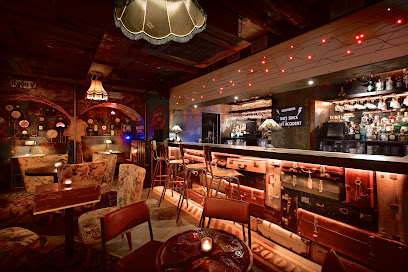
Duke of Argyll
0.2 km
Step into the Duke of Argyll for authentic Victorian pub charm, affordable ales, and a warm Soho atmosphere in central London.
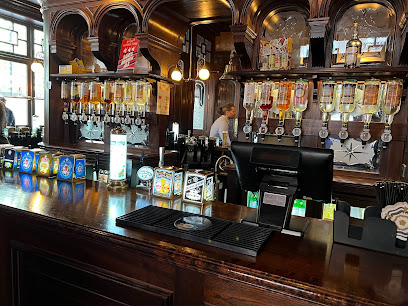
The Thin White Duke
0.2 km
Discover Soho’s intimate cocktail bar inspired by David Bowie, blending bespoke drinks, award-winning dim sum, and creative recording studios.
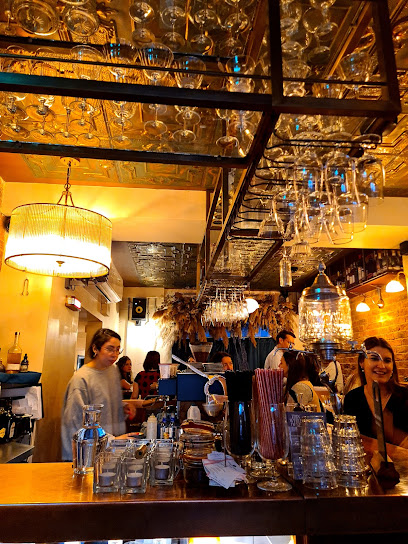
The Blind Pig at Social Eating House
0.3 km
Soho's hidden speakeasy gem: storybook cocktails and Michelin bites in Prohibition-style elegance.
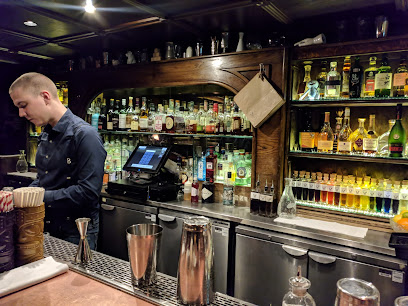
Basement Sate
0.3 km
Discover Soho’s chic basement bar where decadent desserts meet expertly crafted cocktails in an intimate, stylish setting.
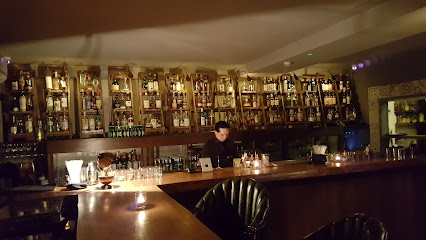
The Red Lion, Mayfair
0.4 km
Historic Victorian pub in Mayfair famed for its political heritage and classic London charm, steps from Downing Street.
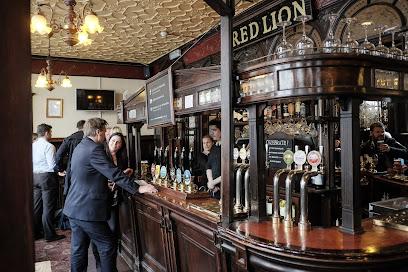
The Admiral Duncan - Soho
0.4 km
Historic Soho gay pub and resilient LGBTQ+ landmark, symbolizing community strength and vibrant nightlife since the 1830s.
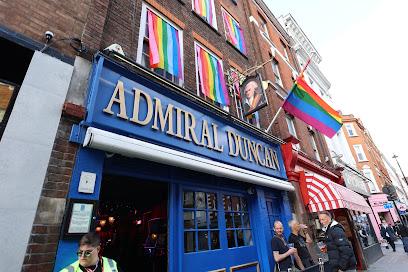
Opium Cocktail Bar - Soho
0.4 km
Discover a hidden Soho speakeasy blending 1920s Shanghai charm with inventive cocktails and exquisite dim sum in London’s Chinatown.
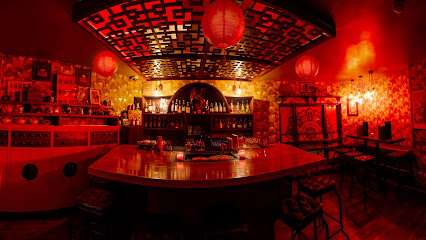
NQ64 Soho
0.5 km
Dive into a neon-lit world of retro arcade games and themed cocktails in the heart of Soho’s vibrant nightlife scene.
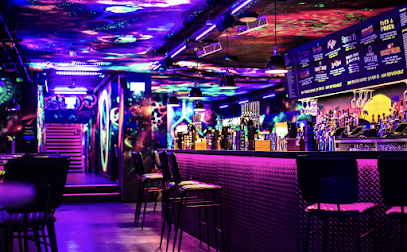
The Nellie Dean
0.5 km
A classic Soho pub blending traditional charm with lively local spirit and renowned for hearty pies and well-kept ales.
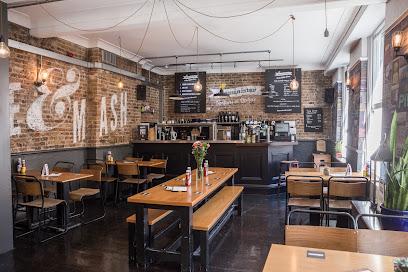
Henson's Bar and Social
0.5 km
Soho's oak-panelled cocktail sanctuary: precise classics, inventive signatures, and fireside intimacy amid Frith Street's electric vibe.
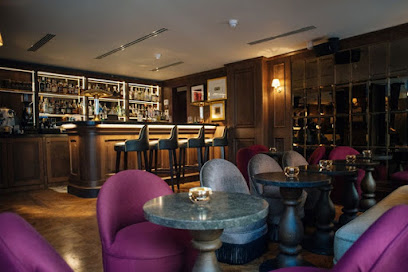
The Argyll Arms
0.5 km
Step into The Argyll Arms, a Victorian-era pub gem in Soho blending historic charm, real ales, and hearty British fare near Oxford Circus.
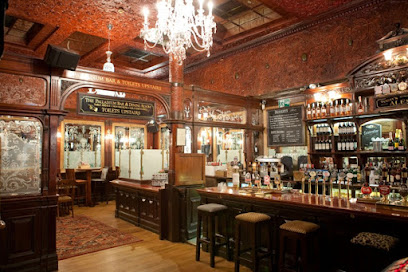
The Black Book
0.5 km
Soho's clandestine basement wine bar, pouring rare vintages by the glass alongside Mediterranean bites in a former members' club hideout—perfect for late-night indulgence.
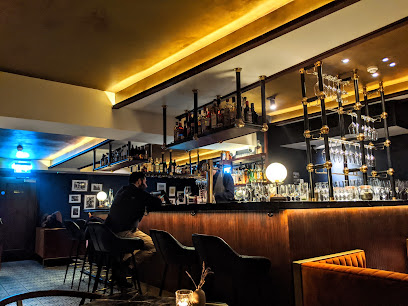
Bar Soho
0.5 km
A theatrical two‑floor cocktail bar on Old Compton Street — daytime drinks and late‑night DJs for dancing, private hire and people‑watching in the heart of Soho.
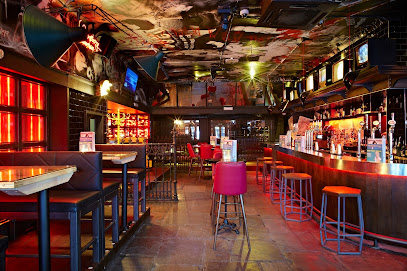
Nightclubs & after hour spots

The Cuckoo Club
0.2 km
Exclusive Mayfair nightclub and restaurant blending glamorous design, contemporary cuisine, and vibrant nightlife in London’s upscale scene.
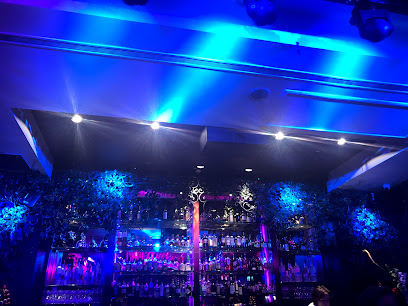
The Windmill Soho | Restaurant, Cabaret & Nightclub in Soho, London
0.2 km
Soho's legendary cabaret den revived: burlesque bites, theatrical feasts, and all-night beats in a historic hotspot of hedonism.
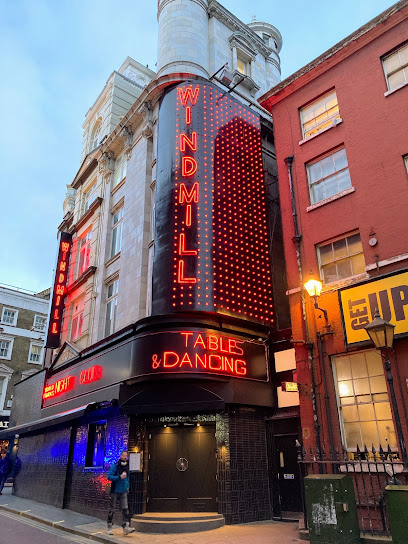
Sunset night club
0.2 km
Dive into Soho's electric nightlife at Sunset Night Club, where thumping beats, craft cocktails, and dawn-chasing energy define unforgettable nights in London's vibrant core.
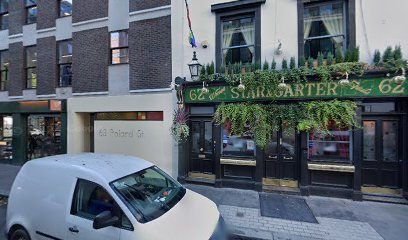
The Box Soho
0.3 km
A clandestine Soho cabaret where decadent staging, provocative shows and high‑end cocktails collide in an intense late‑night theatre.
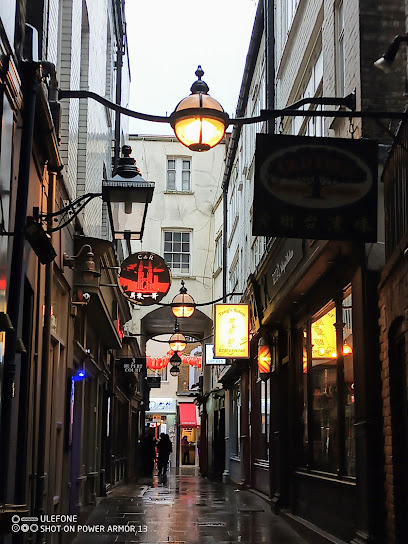
Versity Camp Nightclub
0.3 km
Dive into Soho's beating heart at Versity Camp Nightclub, where thumping bass, inventive cocktails, and an electric crowd fuel unforgettable nights until dawn.
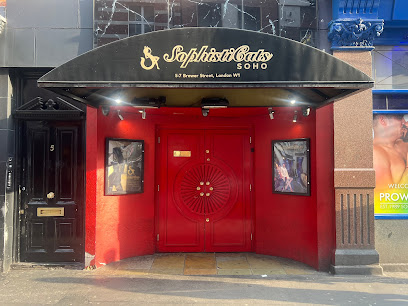
Sophisticats Soho
0.3 km
An intimate, late‑night Soho gentlemen’s club on Brewer Street offering staged performances, VIP seating and an upmarket, discreet atmosphere.
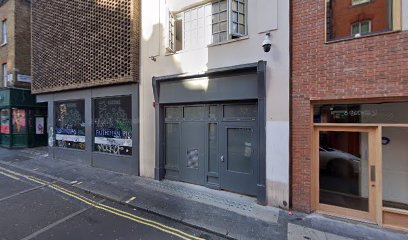
St Moritz Club
0.4 km
Soho's retro basement nightclub: 1960s vibes meet modern beats in an intimate, wood-paneled haven beneath a Swiss chalet restaurant.
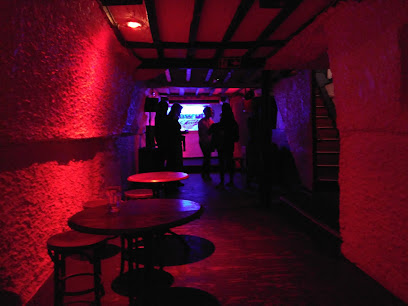
Luxe Club
0.4 km
Experience London's vibrant nightlife at Luxe Club, a central hotspot for music, dancing, and late-night entertainment.
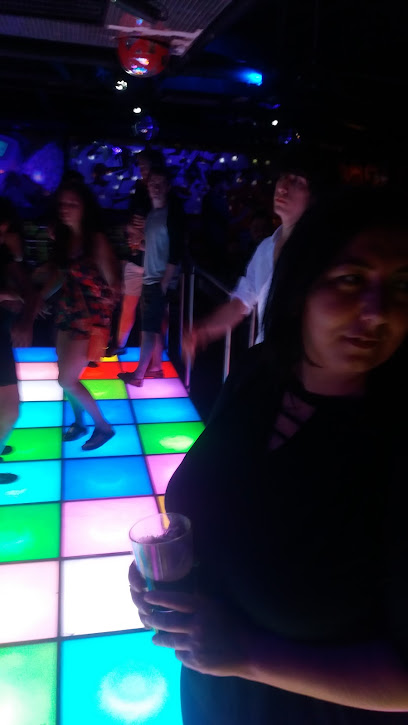
Tiger Tiger London
0.4 km
Experience London’s iconic Haymarket nightclub with six vibrant rooms, lively DJs, and a dynamic party atmosphere just moments from Piccadilly Circus.
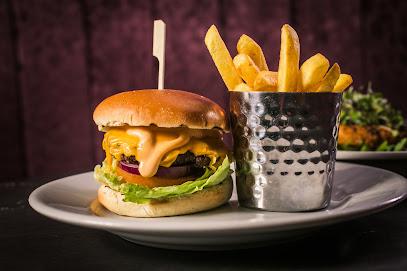
The Scotch of St James
0.4 km
Legendary Mayfair speakeasy where 60s rock stars jammed and today's elite dance till dawn in velvet-clad intimacy.
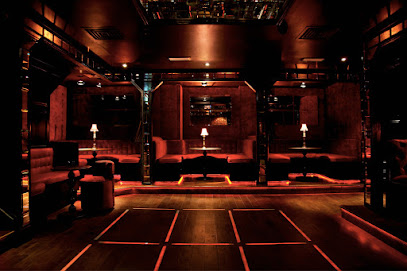
Bordello London
0.5 km
Dive into Soho's seductive basement beats at Bordello London, where Wardour Street's nightlife legacy ignites late-night frenzy on weekends.
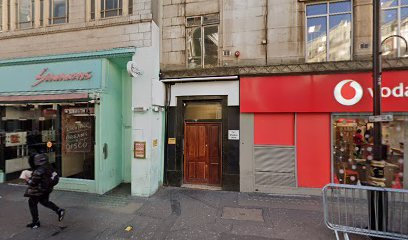
101 Nightclub London
0.5 km
Soho's raw Saturday night pulse: intimate beats, crowded floors, and unfiltered London club energy on Wardour Street.
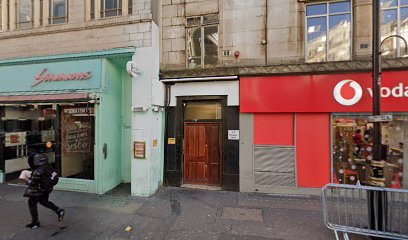
The Penthouse London
0.5 km
A compact, rooftop nightclub above Leicester Square — reached by a side lift, built for late‑night private parties and skyline glimpses.
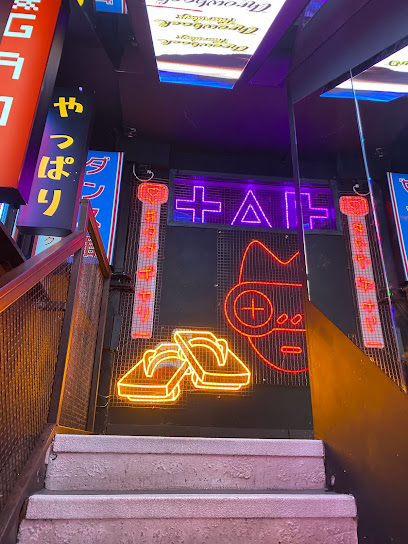
Tabu London
0.5 km
Escape Mayfair's polish for Tokyo's neon-lit Shinjuku alleys at Tabu London—retro gaming vibes, caged dancers, hip-hop beats, and upscale bites fuel epic nights.
LUXX CLUB LONDON
0.5 km
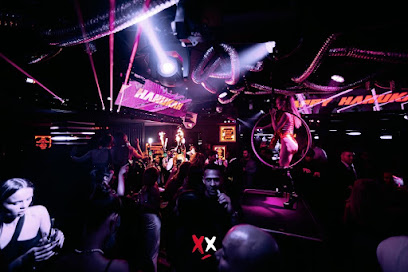
Experience Mayfair’s premier luxury nightclub with dazzling lights, top DJs, and exclusive VIP vibes at LUXX CLUB LONDON.
For the vibe & atmosphere seeker
- Tranquil
- Relaxing
- Scenic
- Casual
For the design and aesthetic lover
- Vintage Styles
- Rustic Designs
For the architecture buff
- Historic
- Landmarks
- Parks & Gardens
For the view chaser and sunset hunter
- Iconic Views
For the social media creator & influencer
- Instagrammable
- Photo Spots
For the eco-conscious traveler
- Public-Transport Accessible
- Locally Managed
For the kind of experience you’re after
- Cultural Heritage
- Photowalk
- Nature Escape
- Day Trip
For how adventurous you want the journey to be
- Easy Access
Location Audience
- Family Friendly
- Senior Friendly
- Child Friendly
- Wheelchair Access
- Solo Friendly
- Couple Friendly


