

The Lamb, Historic Georgian Pub on Lamb's Conduit Street, London
Historic Georgian pub with iconic Victorian snob screens, rich literary ties, and a cozy atmosphere on charming Lamb's Conduit Street.
The Lamb is a charming Georgian-era pub located at 94 Lamb's Conduit Street in London’s Bloomsbury district. Named after William Lamb, a 16th-century philanthropist who funded the original water conduit that gave the street its name, this pub boasts a rich history dating back to the 1720s. It features iconic Victorian snob screens, a horseshoe bar, and a cozy atmosphere that reflects its longstanding role as a local gathering spot for real ale lovers and literary figures alike.
A brief summary to The Lamb
- 94 Lamb's Conduit St, London, WC1N 3LZ, GB
- +442074050713
- Visit website
- Duration: 1 to 3 hours
- Mid ranged
-
 Indoor
- Mobile reception: 5 out of 5
- Monday 11 am-11 pm
- Tuesday 11 am-11 pm
- Wednesday 11 am-11 pm
- Thursday 11 am-12 am
- Friday 11 am-12 am
- Saturday 11 am-12 am
- Sunday 12 pm-11 pm
Local tips
- Try the real ales on offer, which reflect the pub’s longstanding brewing traditions.
- Look for the unique Victorian snob screens at the bar, a rare feature in London pubs.
- Visit the small rear garden for a tranquil spot to enjoy your drink away from the street.
- Explore the surrounding Lamb’s Conduit Street for independent shops and historic sites.

For the on-the-go comforts that matter to you
- Restrooms
- Drink Options
- Food Options
- Seating Areas
- Information Boards
Getting There
-
London Underground
Take the Piccadilly Line to Russell Square station, approximately 10 minutes' walk from The Lamb. The station is well-served with frequent trains and step-free access. Tickets cost between £2.40 and £6.00 depending on travel zones and ticket type.
-
Bus
Bus routes 8, 19, and 38 stop near Lamb's Conduit Street, with a 5-10 minute walk to the pub. Services run frequently throughout the day, with single fares around £1.75 using contactless payment.
-
Walking
From the British Museum, it is a pleasant 15-minute walk along historic Bloomsbury streets to The Lamb. The route is flat and accessible, suitable for wheelchairs and strollers.
The Lamb location weather suitability
-
 Any Weather
-
 Rain / Wet Weather
-
 Clear Skies
-
 Mild Temperatures
Discover more about The Lamb
A Legacy Rooted in London's Water History
The Lamb stands on Lamb's Conduit Street, a thoroughfare named after William Lamb, a wealthy Tudor cloth merchant and philanthropist who, in 1577, funded the rebuilding of the Holborn Conduit—a vital water supply system for London. His generous donation of £1,500, a vast sum at the time, enabled the construction of a conduit that channeled fresh water from a tributary of the River Fleet to the city, improving public health and sanitation. Though the conduit was demolished in 1746 after the New River supplanted its function, the street and pub preserve Lamb’s legacy through name and memorials, including a nearby fountain and a stone inscription commemorating the public benefit of his work.Architectural Charm and Victorian Interior Features
The current pub building dates back to the mid-to-late Georgian period, with significant Victorian-era refurbishments that have shaped its distinctive character. It is a Grade II listed structure featuring yellow stock brickwork and a slate roof. Inside, The Lamb is renowned for its exceptional Victorian interior, including a horseshoe-shaped bar and the famous double range of snob screens—frosted glass partitions that offered patrons privacy in the late 19th century. These screens remain a rare and treasured feature, alongside original fittings such as etched glass windows and Edwardian two-tone green tiling on the façade. The pub’s snug and compartmentalized spaces evoke a bygone era of London pub culture.A Cultural Hub for Literary and Social History
The Lamb has long been a favored haunt for literary figures and intellectuals. Charles Dickens, who lived nearby, frequented the pub, and it served as a meeting place for the Bloomsbury Group in the early 20th century, a collective of influential writers and thinkers. The pub also witnessed romantic encounters between poets Ted Hughes and Sylvia Plath. This rich cultural heritage adds layers of historical significance beyond its architectural and social function.A Welcoming Atmosphere for Real Ale Enthusiasts
Today, The Lamb continues to attract real ale drinkers and locals who appreciate its authentic ambiance and commitment to traditional British pub culture. The pub offers a selection of changing food specials and maintains a quiet, music-free environment except for a unique working polyphon—a predecessor to the gramophone—that can be played in aid of charity. The small rear garden provides a peaceful retreat enhanced by mirrors, perfect for relaxed socializing.Setting Within a Historic and Vibrant Neighborhood
Lamb's Conduit Street itself is a lively, partly pedestrianized street known for its historic charm and independent shops. The area reflects a mix of middle-class residences and social housing, with a history of intellectual and social reform figures having lived nearby. The street’s character is shaped by its medical institutions, community centers, and the legacy of the water conduit that once defined it. The Lamb pub is a key landmark within this vibrant urban tapestry.Preservation and Heritage Recognition
The Lamb’s interior is recognized for its national historic interest, with its Victorian fittings carefully preserved during refurbishments, including a 1958 update when Young’s Brewery took over. The pub’s exterior features, such as the ornate cast-iron lamp bracket and Edwardian tiling, complement its heritage status. This dedication to preservation ensures that The Lamb remains a living piece of London’s social and architectural history.Iconic landmarks you can’t miss

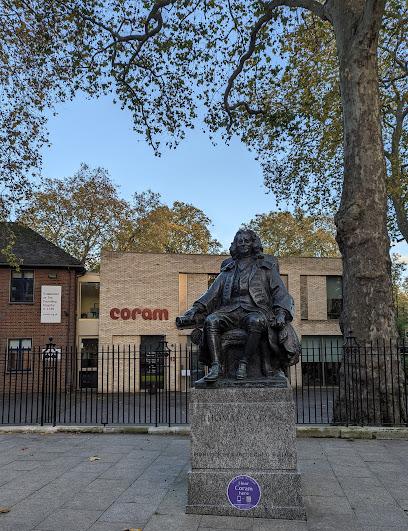
Statue of Thomas Coram
0.3 km
A seated bronze tribute to the philanthropist who saved thousands of abandoned children from London's streets.
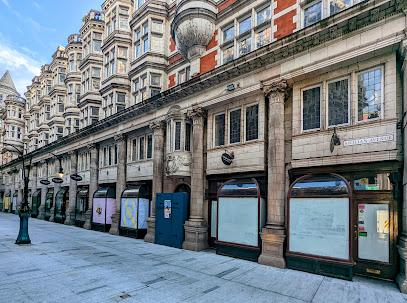
Sicilian Avenue
0.5 km
Discover Sicilian Avenue, a serene Edwardian pedestrian street in London blending Italianate architecture with charming shops and tranquil ambiance.
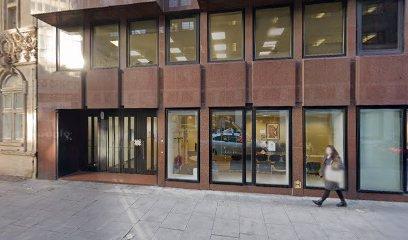
190 High Holborn
0.7 km
A modern office landmark in central London, blending contemporary design with strategic connectivity near historic Holborn.
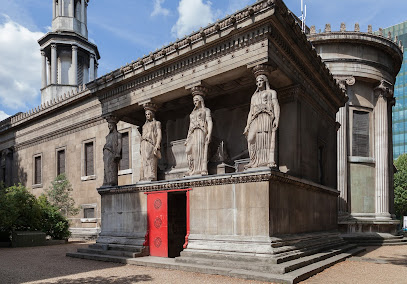
St Pancras New Church
0.9 km
A majestic Greek Revival church in London, blending ancient Athenian design with rich history and vibrant community life.
covent Garden ,
1.0 km
Explore Covent Garden's vibrant atmosphere filled with shopping, dining, and entertainment in the heart of London.
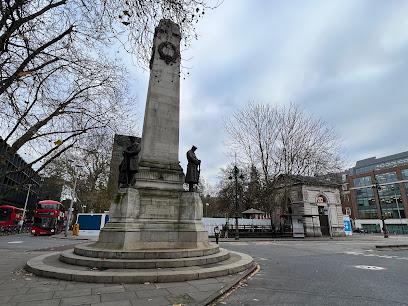
Euston War Memorial
1.0 km
A solemn 13-meter obelisk and bronze statues honor London’s railway workers who sacrificed their lives in World War I.
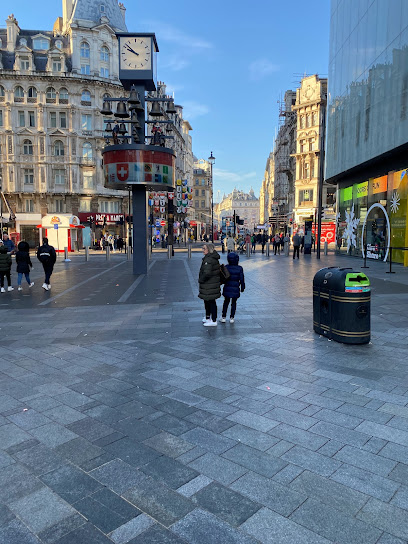
Hasdan
1.0 km
Discover the vibrant heart of London at Hasdan, where shopping, culture, and history meet on Tottenham Court Road.
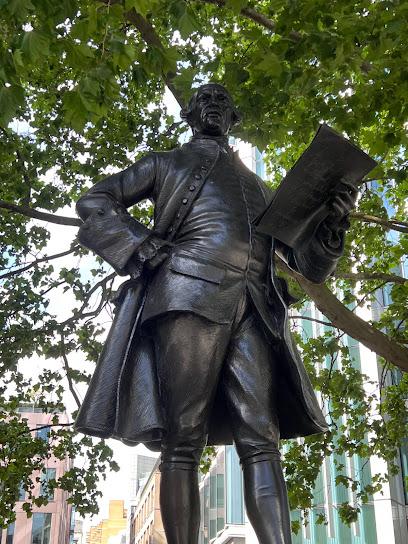
John Wilkes statue
1.1 km
Explore the John Wilkes Statue in London, a significant cultural landmark celebrating civil liberties and the fight for free speech.
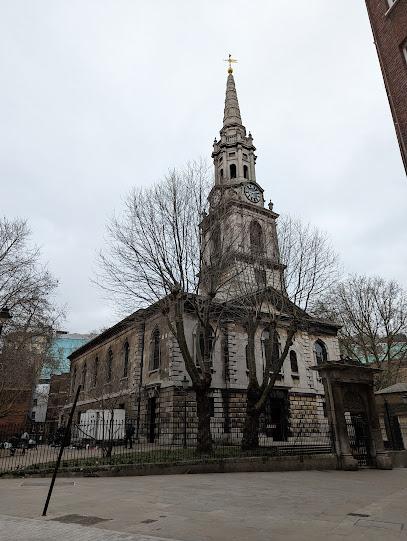
St Giles in the Fields
1.1 km
Medieval leper hospital turned Palladian masterpiece—nearly 1000 years of London's sacred and troubled history
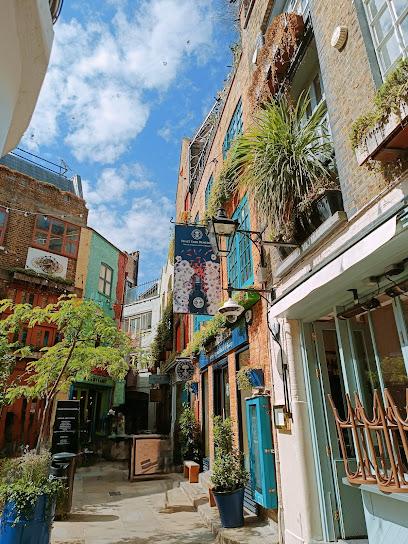
Neal’s Yard (Courtyard)
1.1 km
Discover Neal’s Yard, a colorful hidden courtyard in Covent Garden transformed from dereliction into a thriving hub of community, sustainability, and alternative culture.
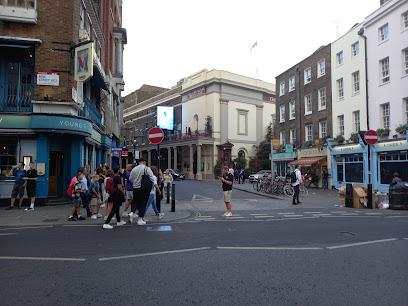
Bow St
1.1 km
Bow Street, a historic London street famed for pioneering policing, vibrant theatre, and rich cultural heritage in Covent Garden.
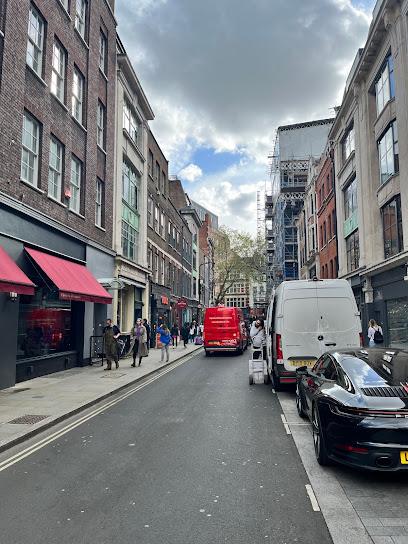
Denmark St
1.1 km
Britain's legendary Tin Pan Alley where rock and roll history was written in every studio, café, and guitar shop.
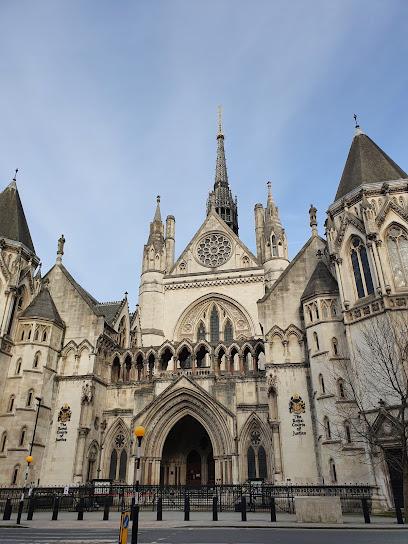
Royal Courts of Justice
1.1 km
Victorian Gothic masterpiece where British justice convenes beneath soaring pinnacles and intricate stone carvings.
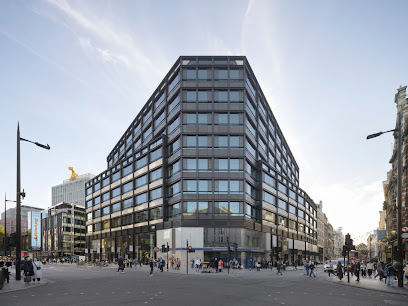
1 Soho Place
1.1 km
Explore 1 Soho Place: A vibrant business park in London's Soho, surrounded by eclectic eateries, shops, and cultural landmarks.
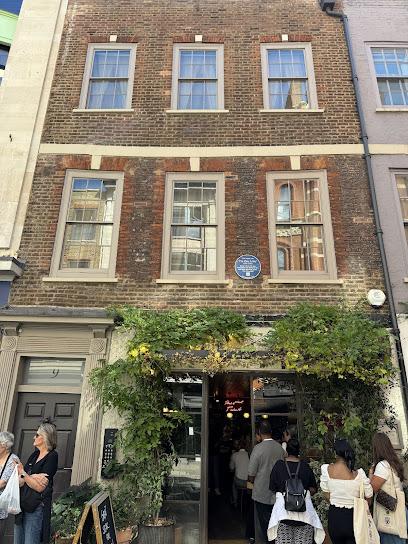
Plaque: Tin Pan Alley & La Giaconda cafe
1.1 km
Discover the legendary Tin Pan Alley and La Giaconda Cafe at 9 Denmark Street, the historic heart of London’s music scene and creative spirit.
Unmissable attractions to see

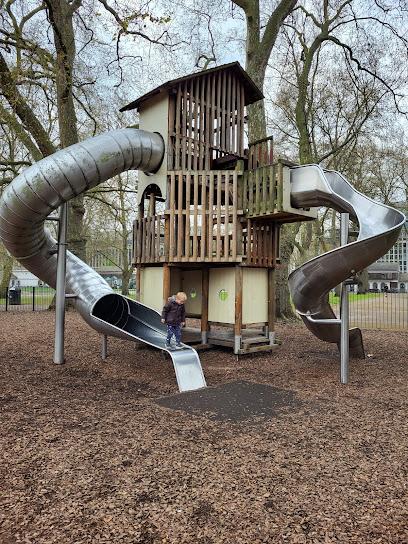
Coram's Fields
0.1 km
A historic seven-acre playground and community hub in London dedicated exclusively to children and young people.
Persephone books
0.1 km
Explore the unique literary treasures of Persephone Books, a London bookshop dedicated to uncovering forgotten works by women authors.
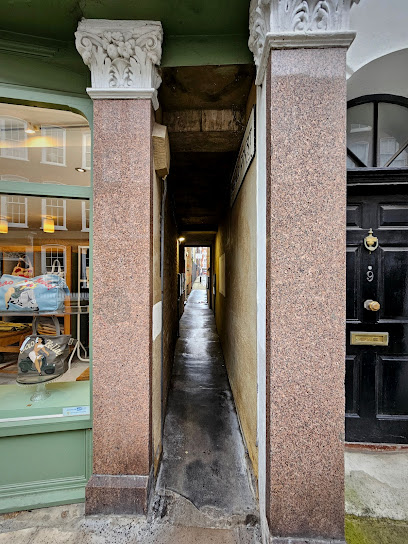
Smallest Street in London
0.2 km
Discover Emerald Court, London’s famously narrow alley, a hidden passage steeped in history and architectural contrasts in Bloomsbury.
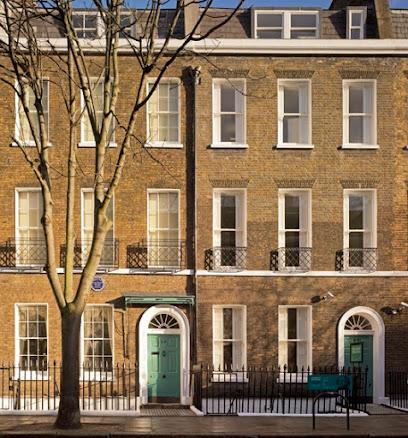
Charles Dickens Museum
0.2 km
Step into the Victorian world of Charles Dickens at his only surviving London home, where literary history and personal stories come alive.
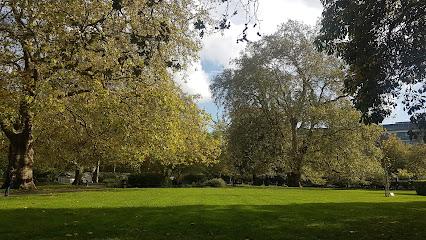
Brunswick Square Gardens
0.2 km
Historic Bloomsbury garden where literary giants walked beneath ancient plane trees and bohemian dreams took root.
Queen Square
0.3 km
A historic Bloomsbury square blending Georgian charm, royal ties, and a world-renowned medical heritage in tranquil garden surroundings.
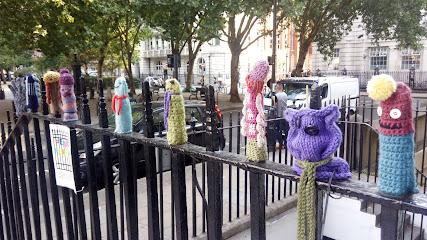
Foundling Museum
0.3 km
Explore the Foundling Museum, where art, music, and history unite to tell the story of Britain’s first children’s charity and its enduring legacy.
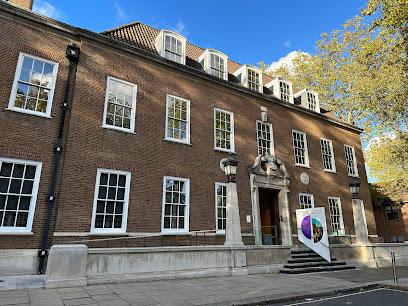
Curzon Bloomsbury
0.3 km
Discover world-class arthouse cinema and documentary premieres at Curzon Bloomsbury, nestled in the iconic Brunswick Centre.
1 Queen Square
0.3 km
Historic Bloomsbury garden square renowned for medical heritage, tranquil gardens, and Georgian architecture.
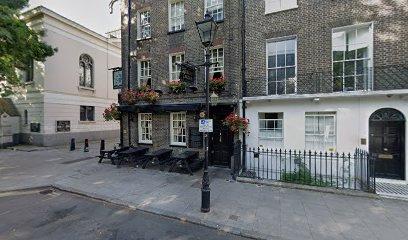
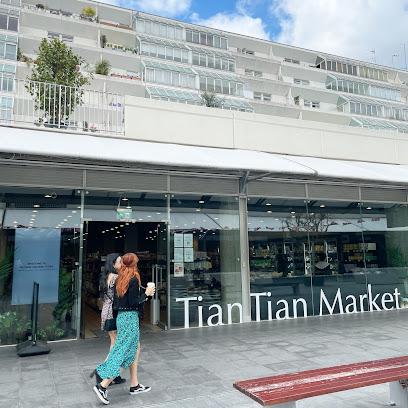
The Brunswick Centre
0.4 km
A Grade II listed modernist residential and shopping complex blending architecture, community, and culture in Bloomsbury, London.
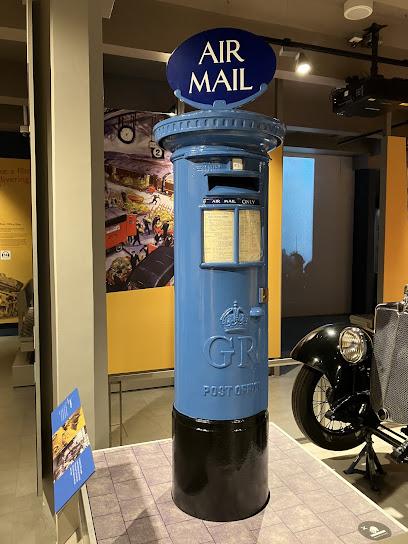
The Postal Museum
0.4 km
Discover five centuries of postal history and ride London’s secret underground Mail Rail at The Postal Museum in Clerkenwell.
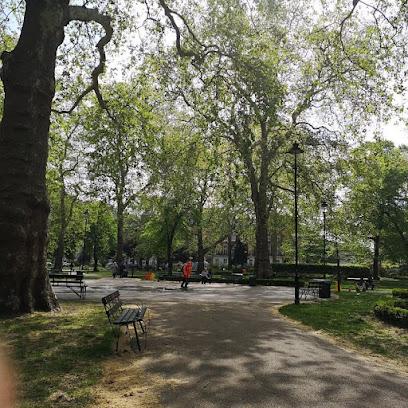
Russell Sq
0.4 km
A peaceful Georgian garden square in Bloomsbury, blending historic charm with serene green spaces in central London.
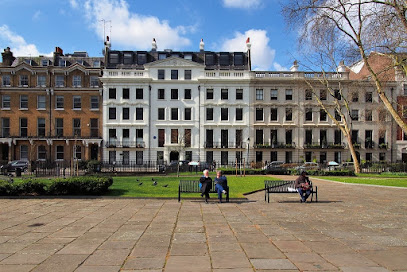
Bloomsbury Square Garden
0.5 km
Discover Bloomsbury Square Garden, London's serene historic square blending 17th-century heritage with tranquil green space in the heart of Bloomsbury.
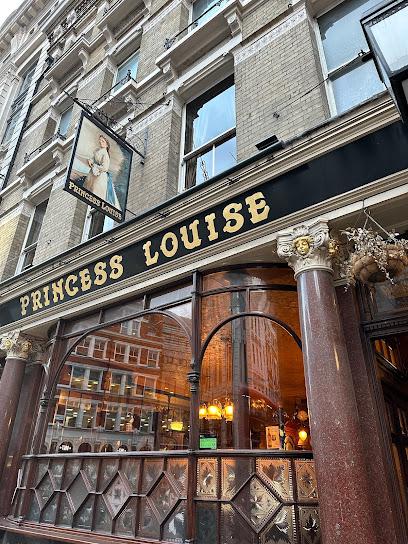
Princess Louise
0.7 km
Experience the rich history and vibrant atmosphere of Princess Louise, a must-visit gastropub in London's Holborn district.
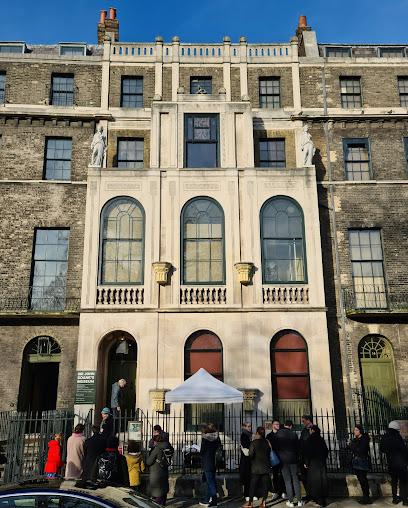
Sir John Soane's Museum
0.7 km
Explore the extraordinary preserved home and collection of Sir John Soane, a masterpiece of architecture and eclectic art in central London.
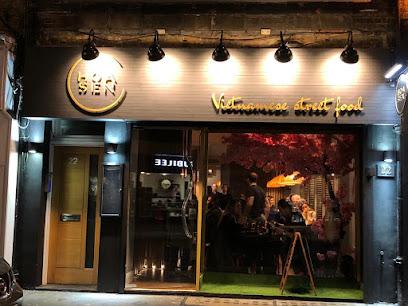
Essential places to dine

Hoa Sen Vietnamese Street Food Restaurant
0.9 km
Authentic Vietnamese street food in the heart of Covent Garden, blending vibrant flavors with a lively, cozy atmosphere.
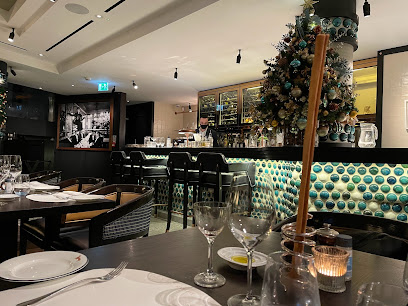
Margot
1.0 km
Sophisticated Italian dining with classic charm and an extensive wine list in the heart of Covent Garden, London.
Circus
1.0 km
Experience Covent Garden’s vibrant Asian fusion dinner theatre where culinary artistry meets captivating live performances.
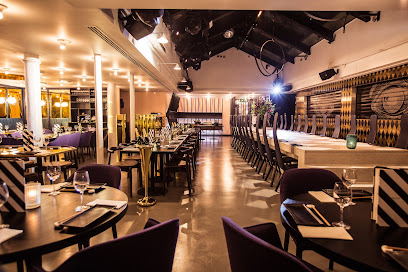
Sarastro
1.0 km
Experience vibrant Mediterranean flavors and live musical theatre in the heart of Covent Garden’s most theatrical restaurant.
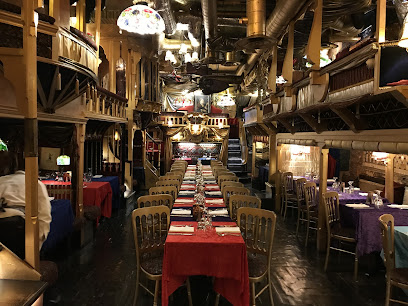
The Parcel Yard, King's Cross
1.1 km
A stylish, light‑filled pub in a historic King’s Cross goods depot, serving seasonal British classics and craft drinks just steps from Platform 9¾.
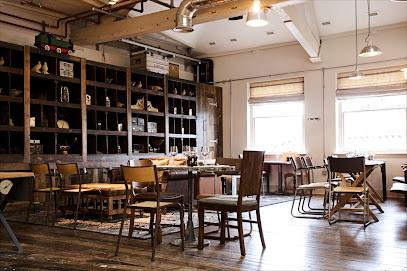
Inamo Covent Garden
1.1 km
A futuristic Pan-Asian restaurant in Covent Garden where interactive tables meet bold Asian flavours in a sleek, tech-forward space.
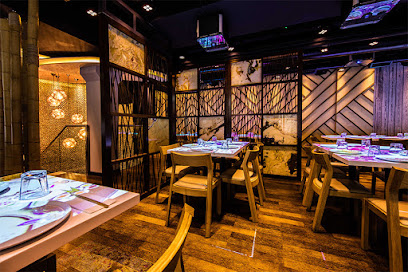
Flesh & Buns Covent Garden
1.1 km
Lively Japanese izakaya in Covent Garden famed for its signature bao buns, vibrant atmosphere, and innovative pan-Asian small plates.
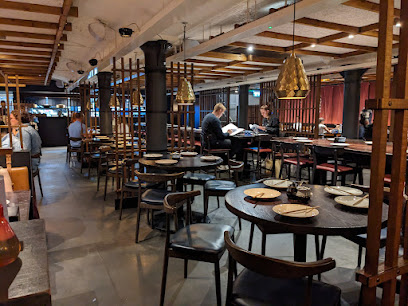
Hawksmoor Seven Dials
1.2 km
Savor expertly grilled British steaks and vibrant seafood in a historic Covent Garden brewery setting with atmospheric charm and refined cocktails.
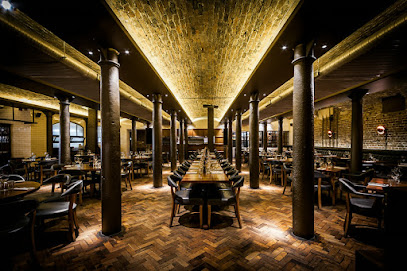
Dans le Noir ? London Restaurant
1.2 km
Experience dining like never before in total darkness, guided by visually impaired waitstaff in a sensory adventure at Dans le Noir ? London.
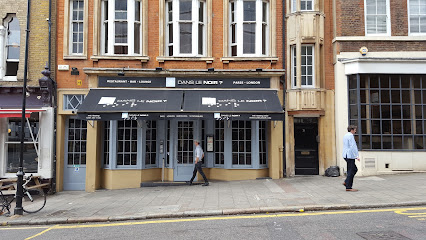
The Ninth
1.2 km
Michelin-starred modern French cuisine with Mediterranean flair in Fitzrovia’s chic and relaxed dining hotspot.
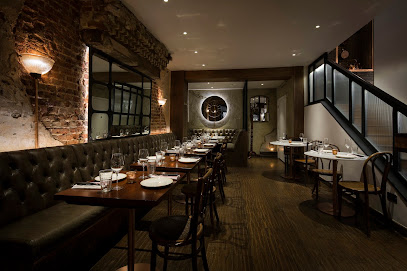
Balthazar
1.2 km
Experience the lively charm of a Parisian brasserie with classic French cuisine in the heart of Covent Garden, London.
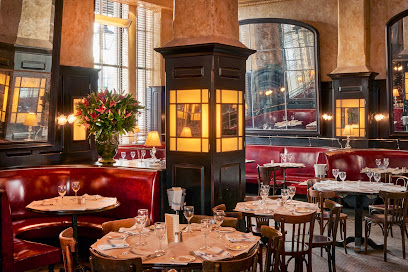
Cicchetti by San Carlo - London Covent Garden
1.2 km
Experience authentic Venetian small plates and seasonal Italian flavors in a stylish, lively Covent Garden setting.
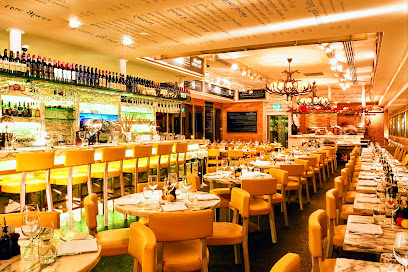
Ikoyi Restaurant
1.2 km
Discover Ikoyi, London’s two-Michelin-starred restaurant blending bold West African spices with British ingredients in an elegant, sensory tasting journey.
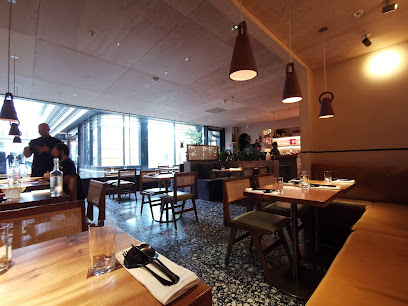
Noble Rot Soho
1.2 km
A Soho gem blending historic charm with modern European cuisine and an exceptional, accessible wine list in a cozy, clubby setting.
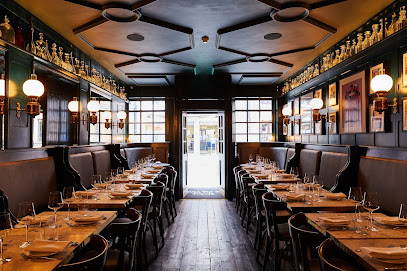
St. John
1.3 km
Experience authentic British nose-to-tail dining in the heart of London’s Barbican at St. John, where tradition meets modern culinary artistry.
Markets, malls and hidden boutiques

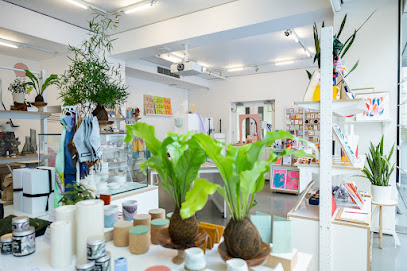
not just a shop
0.6 km
Discover unique, handcrafted art and design by UAL’s students and alumni at this creative retail hub in central London.
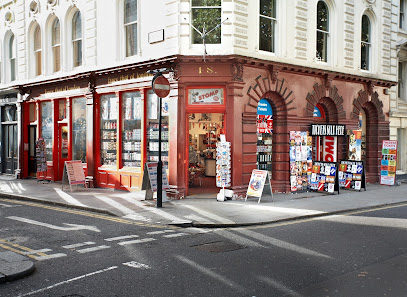
Fancy That of London
0.7 km
Discover unique London souvenirs and charming keepsakes in a warm, inviting shop just opposite the British Museum on Great Russell Street.
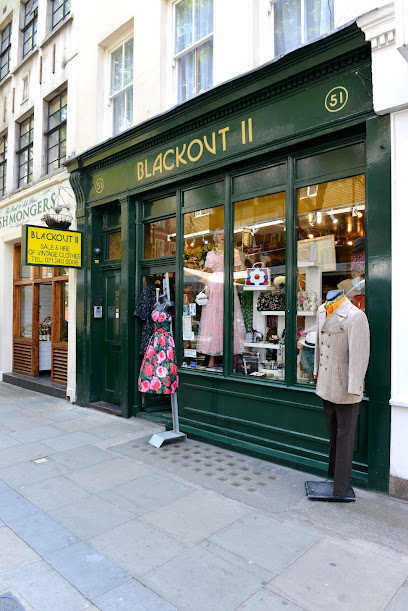
Blackout II - Vintage Clothing London
1.0 km
Discover timeless vintage fashion treasures from the 1920s to the 1980s in Covent Garden’s iconic Blackout II boutique.
Pop Boutique
1.1 km
Discover authentic vintage fashion treasures from the 50s to 90s in a colorful, retro boutique at London’s vibrant Seven Dials.
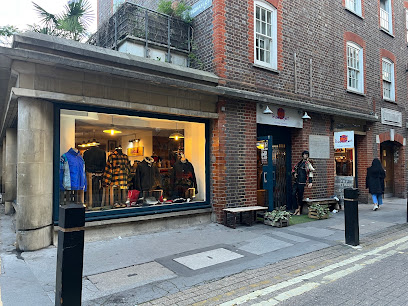
Forbidden Planet London Megastore
1.1 km
London’s ultimate destination for comics, collectibles, and cult pop culture treasures in the heart of the West End.
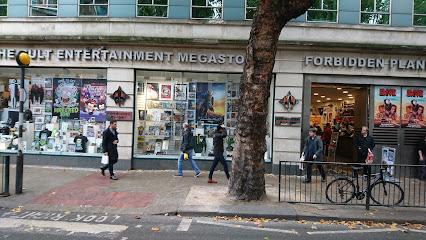
Rokit Covent Garden
1.1 km
Dive into retro treasures at Rokit Covent Garden, where sustainable vintage fashion meets London's vibrant street style heritage on Shelton Street.
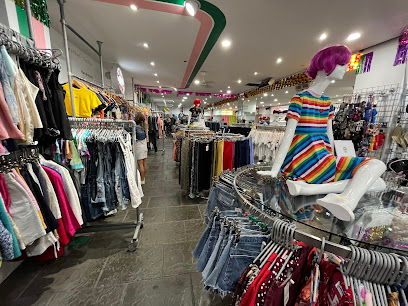
The Harry Potter Shop at Platform 9 ¾
1.1 km
Experience the magic of Harry Potter at The Harry Potter Shop at Platform 9 ¾ in London, a must-visit destination for fans and tourists alike.
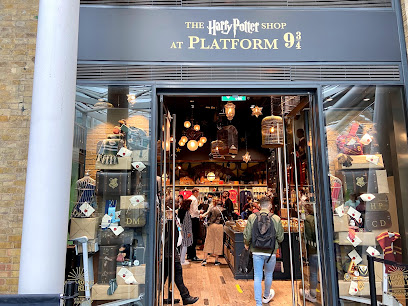
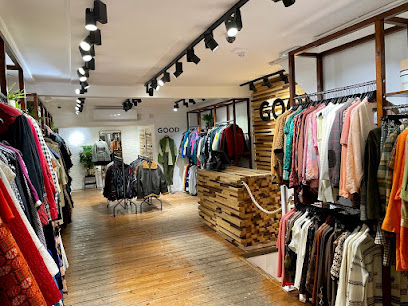
Good
1.1 km
Discover sustainable style with curated preloved vintage and designer fashion at Good London’s Seven Dials shop.
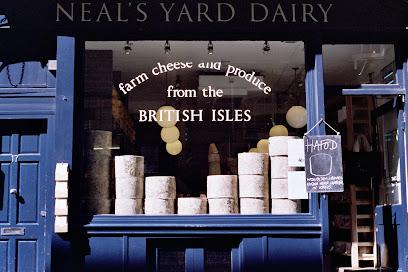
Neal's Yard Dairy (Covent Garden Shop)
1.1 km
Discover the finest British and Irish farmhouse cheeses matured to perfection in the heart of Covent Garden’s vibrant Neal’s Yard.
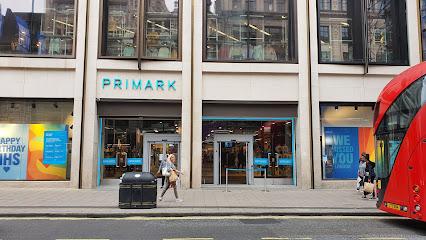
Primark
1.1 km
Discover unbeatable fashion and homeware bargains across multiple floors at Primark Oxford Street, London’s premier budget shopping destination.
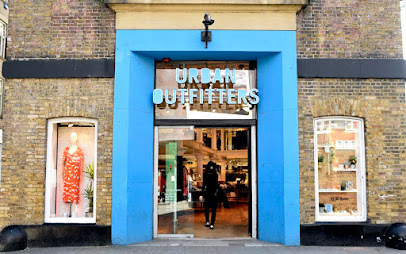
Urban Outfitters
1.1 km
Dive into Urban Outfitters' warehouse wonderland in Seven Dials, where eclectic fashion, cult beauty, and quirky homewares fuel London's youth culture vibe.
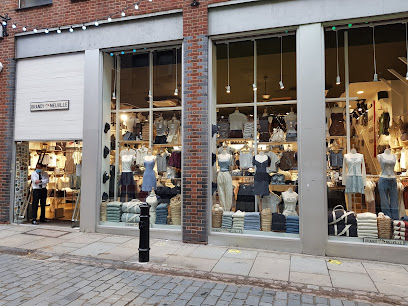
Brandy Melville - Covent Garden
1.1 km
Trendy Italian-LA fusion on Neal Street: one-size-fits-most chic for the effortless Covent Garden style seeker.
Oxford Street Gift Shop
1.2 km
A lively and colorful gift shop on Oxford Street offering quintessential London souvenirs with a vibrant atmosphere and a hint of retail adventure.
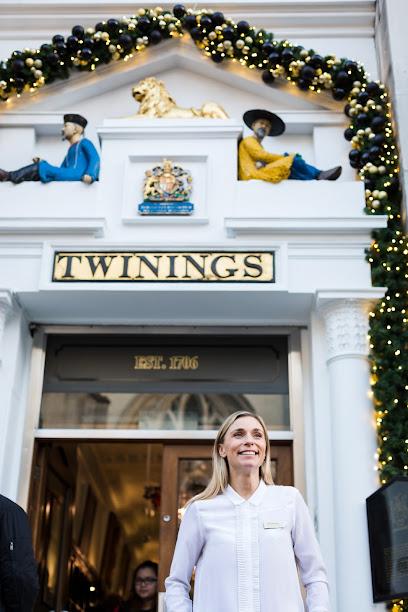
Twinings - The Strand
1.2 km
Discover over 300 years of tea heritage at London’s oldest tea shop, featuring historic charm, premium tastings, and a unique museum experience.
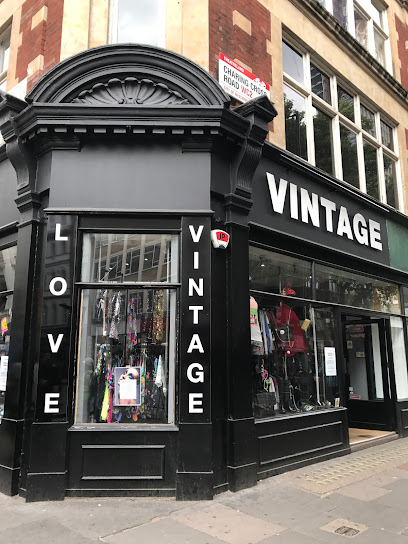
Goldsmith Vintage
1.2 km
Iconic Soho vintage shop since 1990: two floors of handpicked retro dresses, blazers, bags & accessories from decades past, with sales from £10.95.
Essential bars & hidden hideouts

The Duke
0.2 km
A classic Bloomsbury pub offering warm hospitality, traditional drinks, and hearty British fare in a cozy setting.
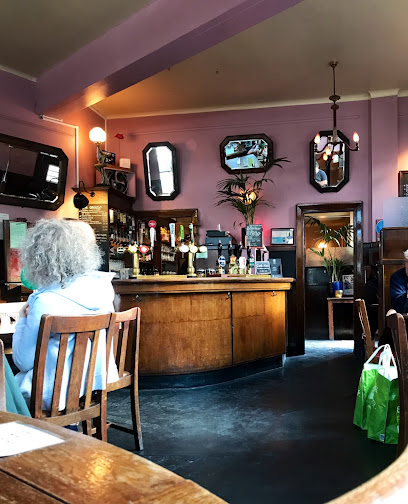
Fitz's Russell Sq.
0.4 km
Discover Fitz's Russell Square, a glamorous cocktail bar blending Victorian elegance with modern British cuisine in the heart of Bloomsbury.
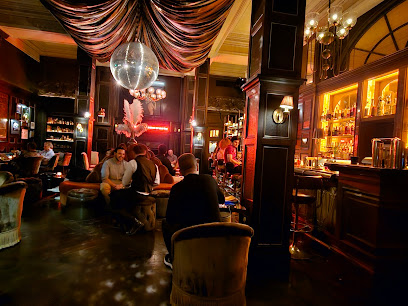
The Coral Room
0.9 km
Experience 1920s-inspired glamour and expertly crafted cocktails in the vibrant coral-hued heart of Bloomsbury Hotel.
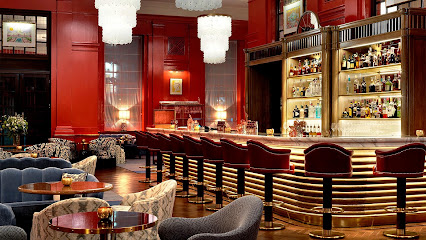
Ye Olde Mitre, Holborn
1.0 km
Discover Ye Olde Mitre, a hidden Tudor-era pub in Holborn where history, legend, and cozy charm converge in a secret London alley.
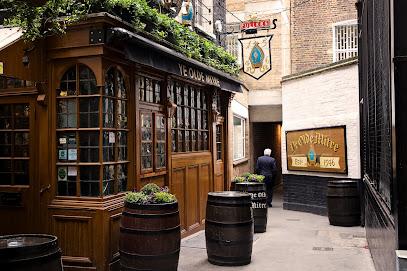
Simmons Bar | Kings Cross
1.0 km
A quirky, retro-inspired cocktail bar in Kings Cross with lively music, creative drinks, and unbeatable happy hour deals.
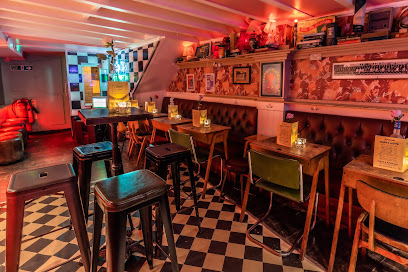
Cosy Cocktail Bar
1.1 km
A stylish speakeasy in King's Cross offering expertly crafted cocktails in a warm, intimate setting perfect for evenings and private events.
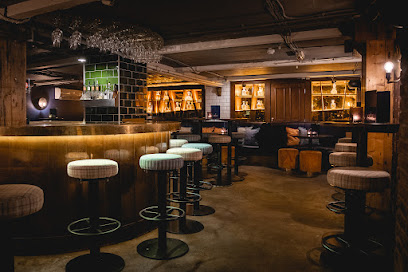
Be At One - Russell Street
1.1 km
Covent Garden’s vibrant cocktail bar with 100+ drinks, late-night parties, and unbeatable 2-for-1 happy hours in a stylish basement setting.
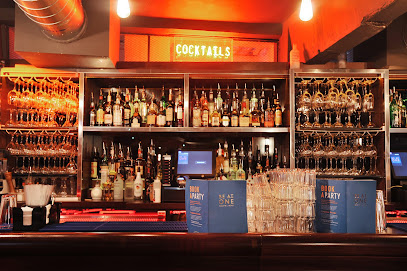
The Old Bank of England
1.1 km
Historic Victorian pub on Fleet Street housed in a former Bank of England branch with grand interiors and legendary London tales.
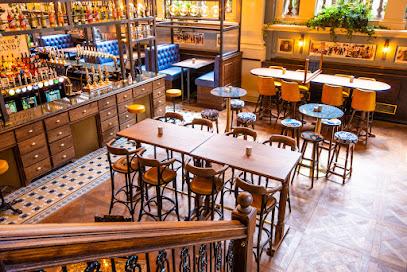
The Escapologist Bar
1.1 km
Step into a Victorian-inspired underground bar in Covent Garden where theatrical cocktails and lively entertainment create unforgettable nights.
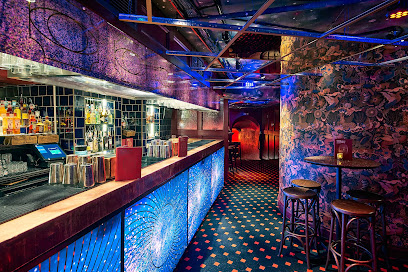
The Black Horse - Pub & Cocktail Bar
1.2 km
Experience the perfect blend of traditional pub charm and stylish cocktails in the heart of Soho’s vibrant nightlife.
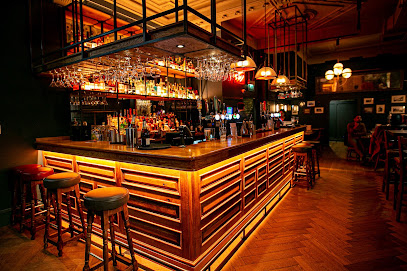
The Chocolate Cocktail Club
1.2 km
London’s intimate chocolate cocktail bar blending rich flavors, stylish ambiance, and over 20 unique chocolate-infused drinks.
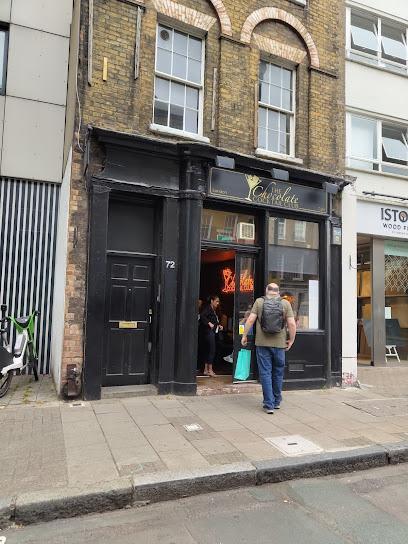
Plume Wine Bar
1.2 km
Covent Garden speakeasy in Dickens' old offices: sparkling wines from afar, cheesy sharing plates, and note-passing to strangers in candlelit luxury.
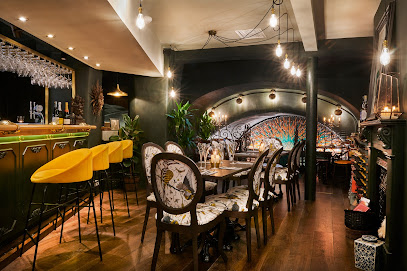
Dirty Martini - Covent Garden
1.2 km
Glamorous Covent Garden cocktail haven pulsing with martini magic, bottomless brunches, and late-night DJ vibes under sparkling chandeliers.
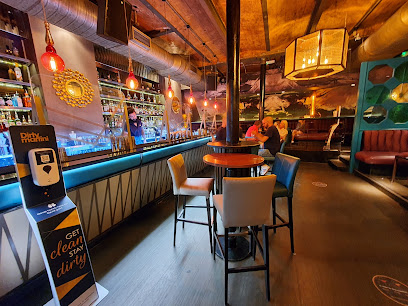
Prelude by Oriole
1.2 km
A refined Covent Garden cocktail bar blending innovative drinks, Latin American fusion cuisine, and live music in a stylish Asian-inspired setting.
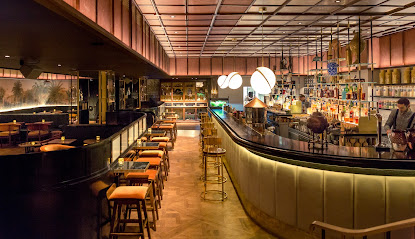
Crusting Pipe
1.3 km
Covent Garden wine bar pouring Davy’s finest ports amid live music, British classics and cosy nooks—perfect for pre-theatre indulgence or market rendezvous.
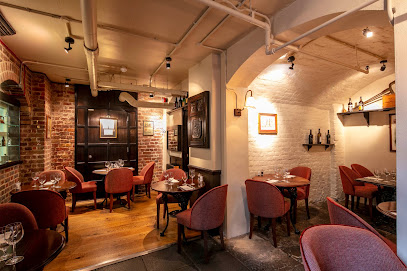
Nightclubs & after hour spots

Carwash Nightclub
0.8 km
Experience Europe’s longest-running disco club in London’s West End, where retro beats, vibrant crowds, and themed parties create unforgettable nights.
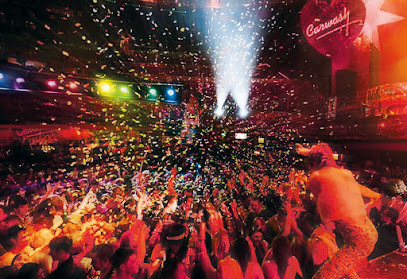
Bunga Bunga Covent Garden
0.9 km
A neon-soaked, pizza-and-karaoke supper club under Drury Lane — 90s nostalgia, stage shows and shareable Italian feasts.
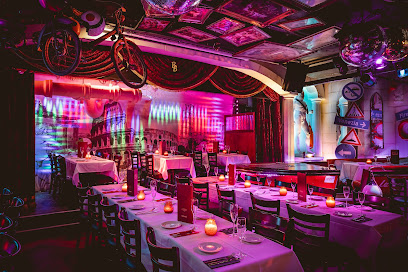
The Roxy
1.1 km
Soho's unbeatable happy hour cocktail bar by day, pulsing nightclub with live music and DJ nights till 3am—affordable vibes in London's nightlife heart.
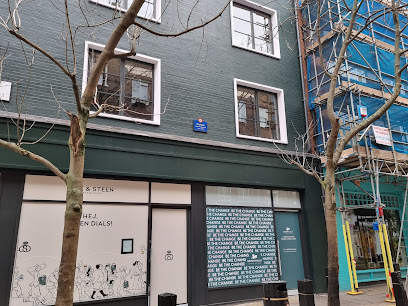
Comedy Carnival Covent Garden
1.1 km
London's premier stand-up comedy venue showcasing bold, award-winning international comedians in vibrant Covent Garden.

London Best Night Clubs
1.1 km
Experience London’s legendary Ministry of Sound, where cutting-edge sound meets dynamic club culture in a multi-room dance haven.
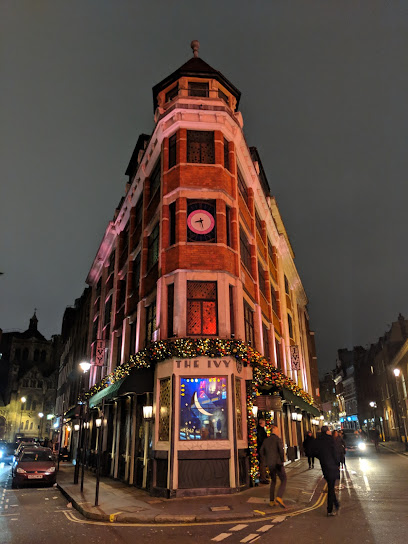
The Ivy Club
1.3 km
Art-Deco‑tinged members’ club above The Ivy — piano bars, discreet private dining and polished West End glamour.
Club49Soho
1.3 km
Soho's stylish cocktail haven with DJ-fueled dancefloor energy, blending upscale drinks and classy nightlife vibes until 3am.
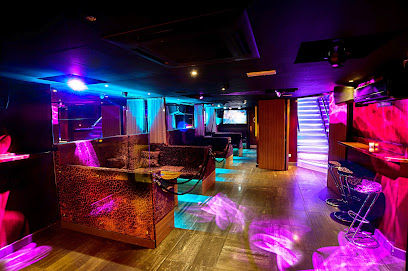
La Capannina Club
1.3 km
Discover Soho's discreet gentlemen's club: seductive stage shows, cosy vibes, and late-night allure in London's nightlife heart.
Whatdafunk Presents West End Urban Disco
1.4 km
Dive into London's grooviest urban disco beats at Whatdafunk, where Covent Garden's streets pulse with funk, soul, and non-stop dance energy in the heart of the West End.
101 Nightclub London
1.4 km
Soho's raw Saturday night pulse: intimate beats, crowded floors, and unfiltered London club energy on Wardour Street.
Bordello London
1.4 km
Dive into Soho's seductive basement beats at Bordello London, where Wardour Street's nightlife legacy ignites late-night frenzy on weekends.
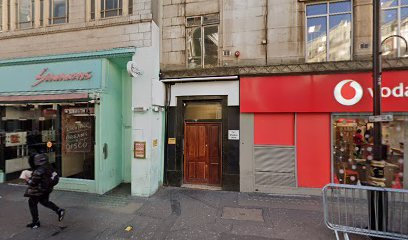
St Moritz Club
1.5 km
Soho's retro basement nightclub: 1960s vibes meet modern beats in an intimate, wood-paneled haven beneath a Swiss chalet restaurant.
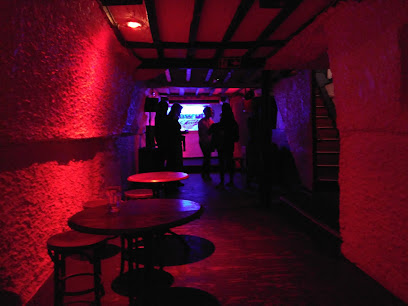
Proud Late
1.5 km
Dive into two-storey glamour under Waterloo Bridge: cabaret acrobatics, burlesque dazzle, supper feasts, and non-stop clubbing till 5am in London's West End nightlife epicenter.
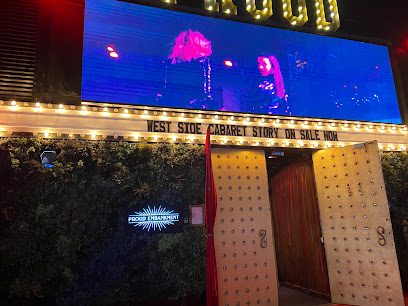
Zoo Bar & Club
1.5 km
Dive into Leicester Square's edgy nightlife hub: two floors of R&B beats, sports screens, and wild energy until 3am at Zoo Bar & Club.
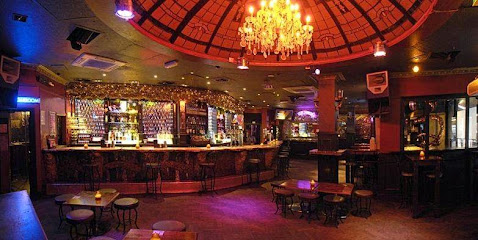
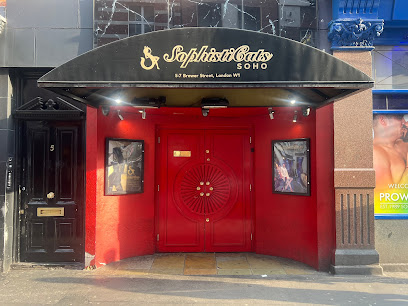
Sophisticats Soho
1.6 km
An intimate, late‑night Soho gentlemen’s club on Brewer Street offering staged performances, VIP seating and an upmarket, discreet atmosphere.
For the vibe & atmosphere seeker
- Relaxing
- Tranquil
- Scenic
- Unique
- Casual
For the design and aesthetic lover
- Vintage Styles
- Art Deco Styles
For the architecture buff
- Historic
- Landmarks
For the view chaser and sunset hunter
- Iconic Views
For the social media creator & influencer
- Instagrammable
- Photo Spots
- Selfie Spots
- Architectural Shots
For the eco-conscious traveler
- Public-Transport Accessible
For the kind of experience you’re after
- Cultural Heritage
- Photowalk
- Weekend Getaway
For how adventurous you want the journey to be
- Easy Access
Location Audience
- Family Friendly
- LGBT Friendly
- Senior Friendly
- Child Friendly
- Teen Friendly
- Wheelchair Access
- Pet Friendly
- Solo Friendly
- Couple Friendly
- Solo Female Friendly
- Vegetarian Friendly
- Vegan Friendly


