

Queen Square, Bloomsbury
A Georgian sanctuary in Bloomsbury where history, medicine, and tranquility converge beneath ancient plane trees.
Queen Square is a historic Georgian garden square in London's Bloomsbury district, built between 1706 and 1725 and named after Queen Anne. Originally a prestigious residential address, it has evolved into a peaceful public space surrounded by significant medical institutions, particularly the National Hospital for Neurology and Neurosurgery. The square features mature plane trees, manicured lawns, and a statue of Queen Charlotte at its centre, offering a tranquil retreat in central London with deep historical roots and architectural heritage.
A brief summary to 1 Queen Square
- 1 Queen Square, London, WC1N 3AR, GB
- Duration: 0.5 to 2 hours
- Free
-
 Outdoor
- Mobile reception: 5 out of 5
Local tips
- Visit early morning or late afternoon to experience the square at its most peaceful, when medical staff and students are less active and the light filters beautifully through the mature plane trees.
- Look for the small plaque marking the 1915 Zeppelin bombing site and the Victorian water pump at the southern end—these easily-missed details reveal fascinating layers of the square's history.
- The statue at the centre depicts Queen Charlotte, not Queen Anne as once believed; the plaque on its pedestal explains this historical correction and the square's royal connections.
- Explore the surrounding streets including Thunderbolt Square and Bell Lane, which offer additional Georgian architecture and quieter corners for photography and reflection.
- Visit St George the Martyr church on the square's edge to see one of London's earliest Georgian ecclesiastical buildings, built as a chapel of ease for the new residential development.

For the on-the-go comforts that matter to you
- Seating Areas
- Information Boards
Getting There
-
London Underground
Russell Square station on the Piccadilly Line is approximately 250 metres south of Queen Square. Journey time from central London varies by origin; from Leicester Square (2 stops) takes about 5 minutes. From King's Cross St Pancras (1 stop) takes about 3 minutes. Service runs every 2–5 minutes during peak hours, every 5–10 minutes off-peak. Single fare within London zones 1–2 costs £1.75 with contactless payment.
-
Bus
Multiple bus routes serve the Bloomsbury area near Queen Square, including routes 7, 17, 19, 38, 45, 46, 55, 59, 68, and 91. Buses stop on nearby streets including Guilford Street and Great Ormond Street, within 100–200 metres of the square. Frequency varies from every 5–15 minutes depending on route and time of day. A single bus journey within London zones 1–2 costs £1.75 with contactless payment.
-
Walking
Queen Square is accessible on foot from multiple directions. From King's Cross St Pancras station (approximately 600 metres north-west), allow 8–10 minutes via Guilford Street. From the British Museum (approximately 400 metres south-west), allow 5–7 minutes via Museum Street and Montague Street. The surrounding streets are relatively flat and well-paved, suitable for most mobility levels.
-
Taxi or Ride-Share
Licensed black cabs and ride-share services operate throughout central London. Journey time to Queen Square from central locations (Leicester Square, Covent Garden, King's Cross) typically ranges from 10–20 minutes depending on traffic. Fares vary; expect £8–15 from nearby central locations. The square itself has limited vehicle access due to its pedestrian-focused design, but drop-off points exist on surrounding streets.
1 Queen Square location weather suitability
-
 Any Weather
-
 Mild Temperatures
Discover more about 1 Queen Square
A Georgian Square Born from Ambition
Queen Square emerged in the early 18th century as London expanded northward from the City. Construction began around 1706 on land inherited by the Curzon family, transforming what had been countryside into a fashionable residential development. Originally named Devonshire Square, it was quickly renamed to honour Queen Anne, the reigning monarch. Unlike the unified architectural schemes that would characterise later London squares, Queen Square was built as a speculative venture of individual townhouses and small terraces. The square was substantially completed by 1725, though initially only three sides were developed—the northern edge was deliberately left open so residents could enjoy unobstructed views across Lamb's Conduit Fields toward the verdant hills of Hampstead and Highgate. This prospect was celebrated by residents including the novelist Fanny Burney, who lived here in 1771 and wrote of the "beautiful prospect of the hills ever verdant of Hampstead and Highgate."From Residence to Institution
For over a century, Queen Square remained a prestigious address inhabited by merchants, professionals, and the wealthy merchant classes who valued its position on the edge of the city with access to clean air and countryside views. However, the 19th century brought dramatic transformation. As the Bedford Estate to the south refused non-residential use of its properties, institutions and businesses seeking space turned to Queen Square and its surroundings. The first to arrive was a residential school for the blind in the early 1840s, followed by the College of Preceptors in 1846 and Dr Joseph Amesbury's private Hospital for Spinal Deformities before 1850. By the 1870s, hardly a house remained in single residential occupation. Medical institutions proliferated—hospitals, homes for the indigent, colleges, and schools fundamentally altered the square's character. The turning point came in 1881 when the National Hospital for the Paralysed and Epileptic (now the National Hospital for Neurology and Neurosurgery) launched a major expansion, demolishing large sections of the western side to construct purpose-built facilities. This institution remains the square's dominant presence today.Architectural Heritage and Notable Structures
The earliest building on the square is the Church of St George the Martyr, constructed around 1706 as a chapel of ease serving the new residential development. Built at a cost of £3,500 along with two houses, it was designed to recoup expenses through pew sales. By 1733, the density of building had grown so substantially that a new parish was created, and the church was purchased from the trustees and renamed St George's in honour of the governor of Fort St George in Madras. The square's most iconic feature is the statue at its centre, long believed to depict Queen Anne but now identified as Queen Charlotte, consort of King George III. The statue was erected around 1775. The surrounding buildings represent various periods of Georgian and Victorian architecture, with many Grade II* listed structures preserving the square's historical integrity. Mature plane trees encircle the perimeter, their substantial canopies creating a sense of enclosure and providing seasonal beauty throughout the year.Wartime Drama and Hidden History
Queen Square holds a remarkable chapter from the First World War. On the night of 8 September 1915, a Zeppelin bomb fell directly on the square, dropped by the L13 commanded by Heinrich Mathy. The explosion occurred amid the dense concentration of hospitals and medical institutions, with over a thousand people sleeping in nearby buildings. Miraculously, not a single person was injured—a testament either to fortune or the resilience of those sheltering below. A plaque set into the paved area at the southern end of the square marks this extraordinary event. The square also contains a Victorian-era water pump, a late replacement for an original mechanism that tapped into ancient waterways originally part of Lamb's Conduit, which had supplied water to the Greyfriars monastery in medieval times.Royal Connections and Medical Prominence
The square's association with royalty extends beyond its naming. King George III stayed briefly in Queen Square in 1788 while under the care of Dr Willis during his first bout of illness, before being transferred to the White House at Kew. The king's apparent recovery made Willis famous and wealthy. Today, Queen Square is virtually synonymous with neurology and neuroscience in Britain. The National Hospital for Neurology and Neurosurgery occupies multiple buildings around the square and maintains its Institute of Neurology here, making the location a centre of medical excellence and research. The concentration of medical expertise, institutions, and professionals that began in the 19th century has evolved into a world-class hub for neurological care and study.A Quiet Refuge in Modern London
In contemporary London, Queen Square has been restored to its role as a peaceful public garden and gathering space. The central gardens, enclosed and maintained under a private act of Parliament granted in 1832, offer a tranquil retreat from the bustle of central London. Inscribed benches, statues, and memorials dot the landscape, creating spaces for contemplation and rest. The square's transformation from exclusive residential address to medical institution to public sanctuary reflects broader patterns of urban change. Today it serves Londoners and visitors seeking a moment of calm, while its architecture and history continue to tell the story of London's expansion, the evolution of medicine, and the resilience of communities through centuries of change.Iconic landmarks you can’t miss

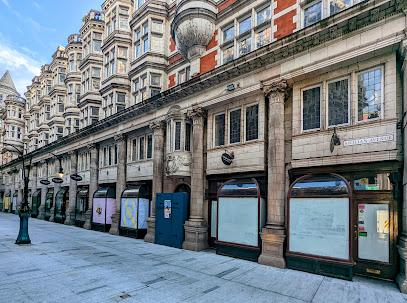
Sicilian Avenue
0.3 km
Discover Sicilian Avenue, a serene Edwardian pedestrian street in London blending Italianate architecture with charming shops and tranquil ambiance.
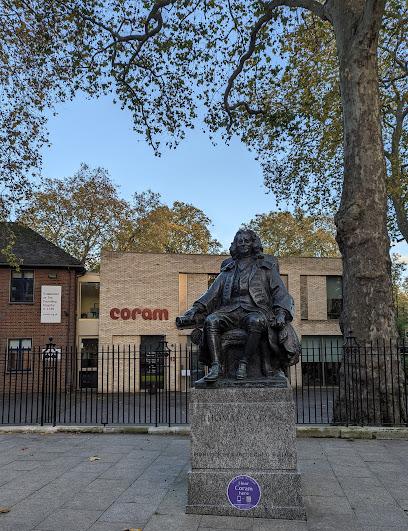
Statue of Thomas Coram
0.4 km
A seated bronze tribute to the philanthropist who saved thousands of abandoned children from London's streets.
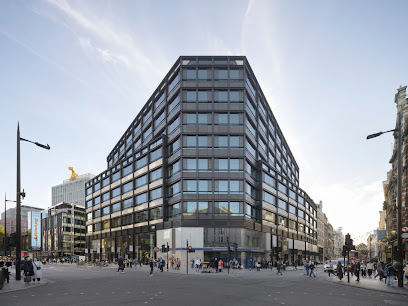
190 High Holborn
0.5 km
A modern office landmark in central London, blending contemporary design with strategic connectivity near historic Holborn.
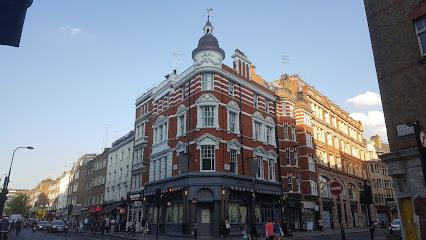
Denmark St
0.8 km
Britain's legendary Tin Pan Alley where rock and roll history was written in every studio, café, and guitar shop.
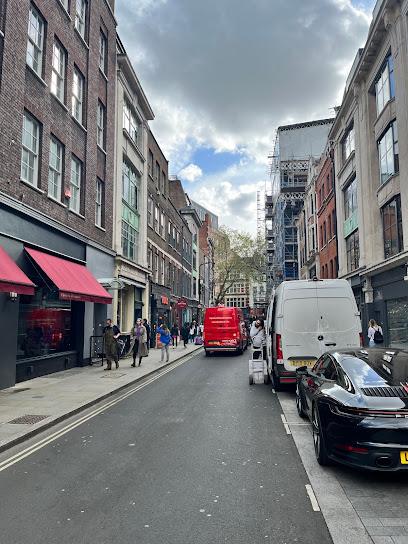
1 Soho Place
0.8 km
Explore 1 Soho Place: A vibrant business park in London's Soho, surrounded by eclectic eateries, shops, and cultural landmarks.
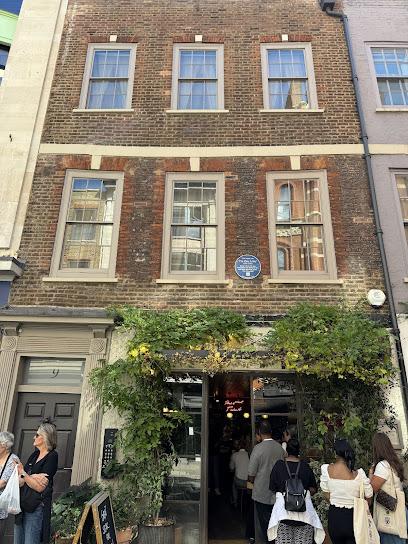
Plaque: Tin Pan Alley & La Giaconda cafe
0.8 km
Discover the legendary Tin Pan Alley and La Giaconda Cafe at 9 Denmark Street, the historic heart of London’s music scene and creative spirit.
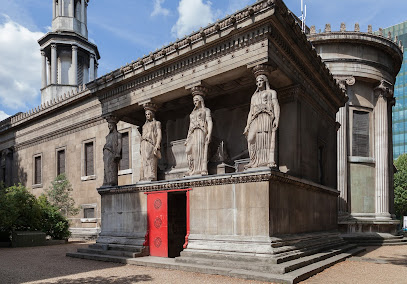
St Pancras New Church
0.8 km
A majestic Greek Revival church in London, blending ancient Athenian design with rich history and vibrant community life.
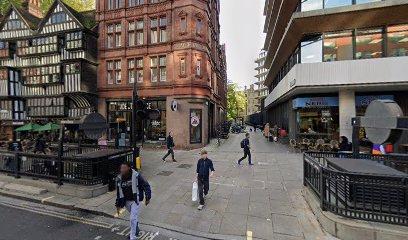
Staple Inn
0.8 km
Explore Staple Inn, a historic Tudor building in London, showcasing stunning architecture and a serene courtyard amidst the city's vibrant life.
The Honourable Society of Lincoln's Inn
0.9 km
Explore the rich history and serene beauty of The Honourable Society of Lincoln's Inn, a cornerstone of London's legal heritage.
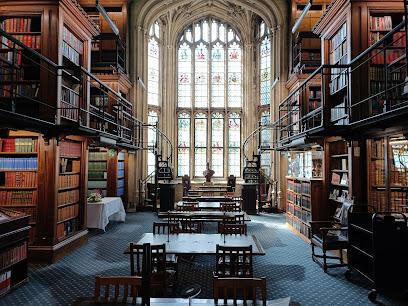
Seven Dials
0.9 km
A star-shaped Georgian quarter blending historic charm with contemporary culture, boutiques, and dining.
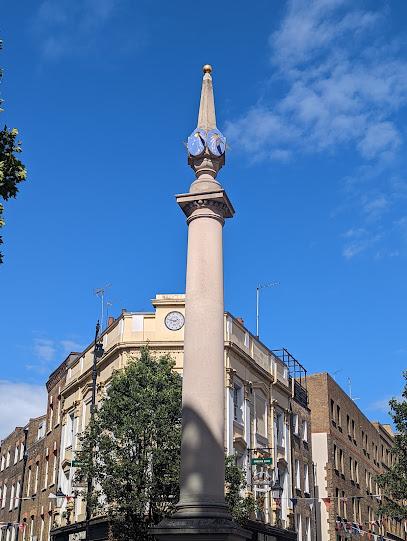
Bow St
0.9 km
Bow Street, a historic London street famed for pioneering policing, vibrant theatre, and rich cultural heritage in Covent Garden.
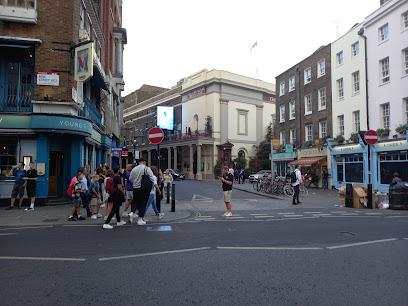
Historic Seven Dials
0.9 km
Discover Seven Dials, a historic London quarter where seven streets meet at a unique sundial pillar, blending rich heritage with vibrant culture.
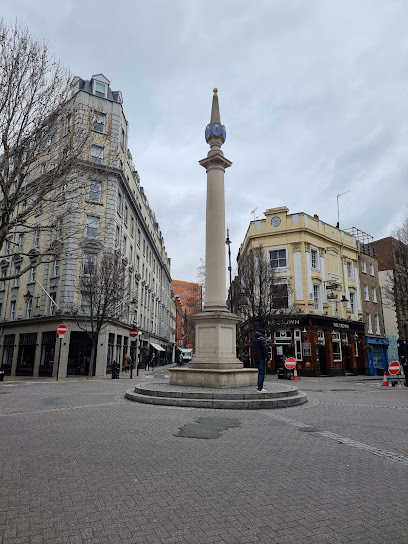
Goodge St
0.9 km
Discover the charm of Goodge Street in London, where history meets vibrant culture, shopping, and diverse dining options.
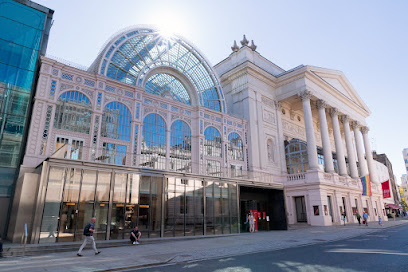
Royal Opera House
0.9 km
Experience the breathtaking performances and rich history of the Royal Opera House, a premier destination for opera and ballet enthusiasts in London.
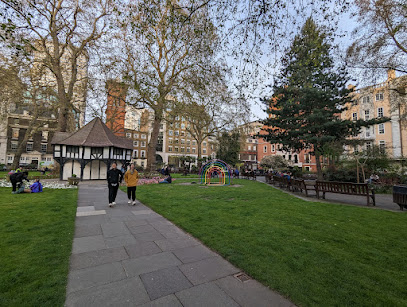
Soho Square Gardens
0.9 km
Explore the calming beauty of Soho Square Gardens, a lush park in the heart of London, perfect for relaxation and socializing.
Unmissable attractions to see

Queen Square
0.0 km
A historic Bloomsbury square blending Georgian charm, royal ties, and a world-renowned medical heritage in tranquil garden surroundings.
Russell Sq
0.2 km
A peaceful Georgian garden square in Bloomsbury, blending historic charm with serene green spaces in central London.
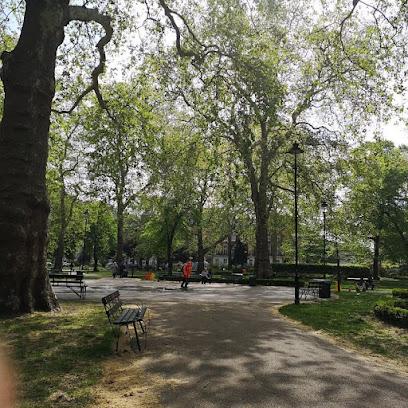
Bloomsbury Square Garden
0.3 km
Discover Bloomsbury Square Garden, London's serene historic square blending 17th-century heritage with tranquil green space in the heart of Bloomsbury.
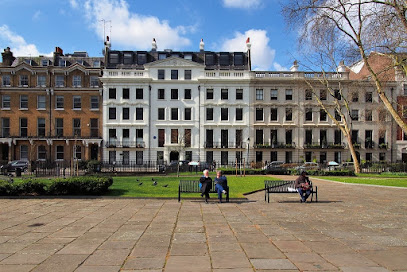
Persephone books
0.3 km
Explore the unique literary treasures of Persephone Books, a London bookshop dedicated to uncovering forgotten works by women authors.
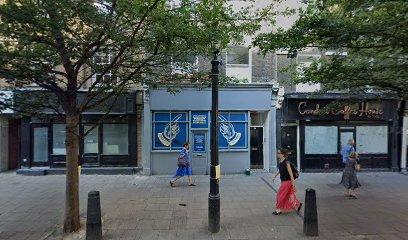
The Lamb
0.3 km
Step into The Lamb on Lamb's Conduit Street, a Georgian gem with Victorian charm, famed for its snob screens, real ales, and literary heritage.
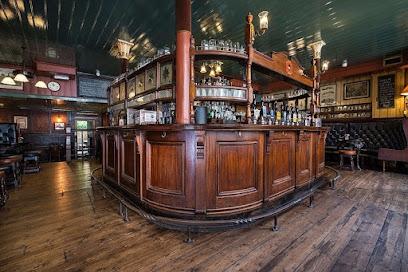
Curzon Bloomsbury
0.3 km
Discover world-class arthouse cinema and documentary premieres at Curzon Bloomsbury, nestled in the iconic Brunswick Centre.
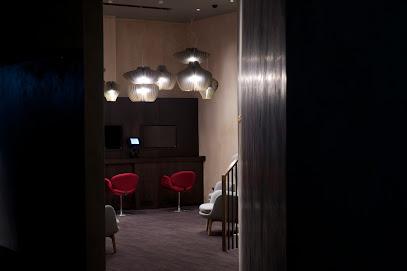
Smallest Street in London
0.3 km
Discover Emerald Court, London’s famously narrow alley, a hidden passage steeped in history and architectural contrasts in Bloomsbury.
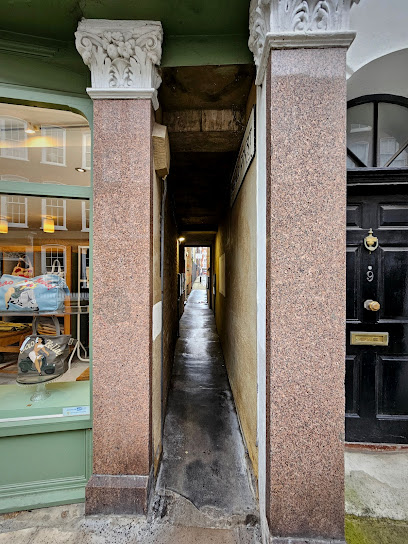
Brunswick Square Gardens
0.4 km
Historic Bloomsbury garden where literary giants walked beneath ancient plane trees and bohemian dreams took root.
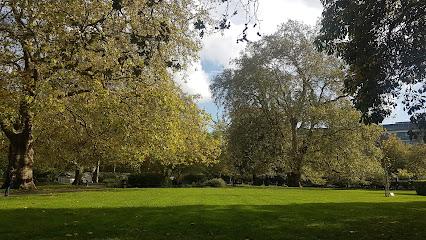
Coram's Fields
0.4 km
A historic seven-acre playground and community hub in London dedicated exclusively to children and young people.
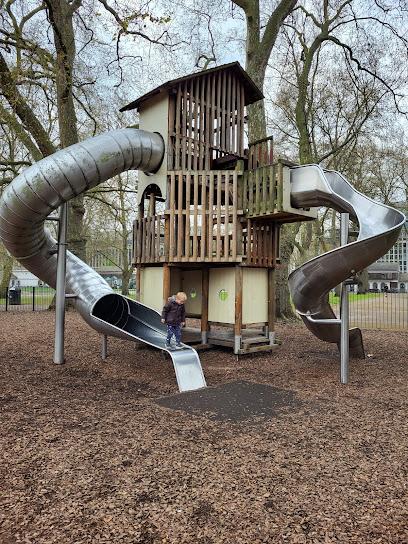
The British Museum
0.4 km
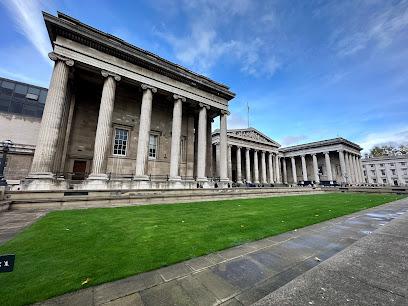
Explore over two million years of human history and culture beneath the iconic Greek Revival façade and stunning Great Court of the British Museum.
The Brunswick Centre
0.4 km
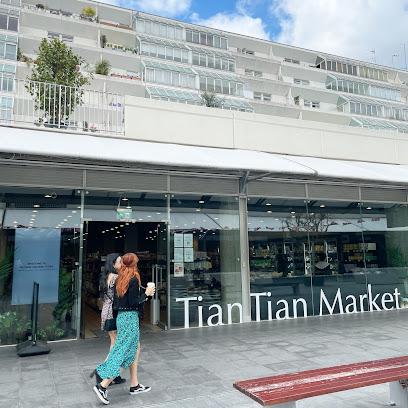
A Grade II listed modernist residential and shopping complex blending architecture, community, and culture in Bloomsbury, London.
St George's Church, Bloomsbury.
0.4 km
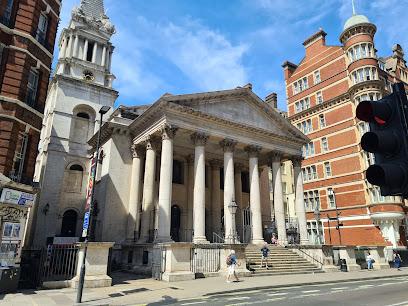
Discover St George’s Church, Bloomsbury, Hawksmoor’s last English Baroque masterpiece crowned by its iconic stepped spire and rich historical legacy.
Princess Louise
0.4 km
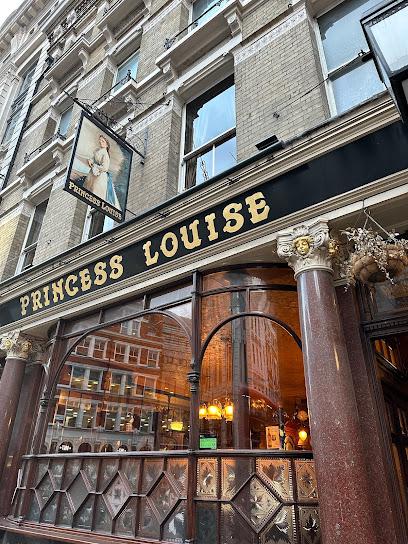
Experience the rich history and vibrant atmosphere of Princess Louise, a must-visit gastropub in London's Holborn district.
Foundling Museum
0.5 km
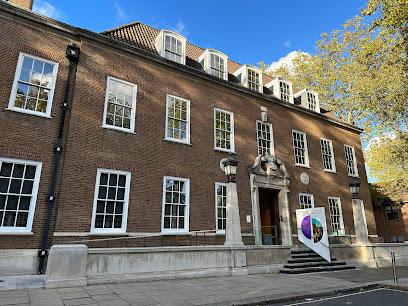
Explore the Foundling Museum, where art, music, and history unite to tell the story of Britain’s first children’s charity and its enduring legacy.
Charles Dickens Museum
0.5 km
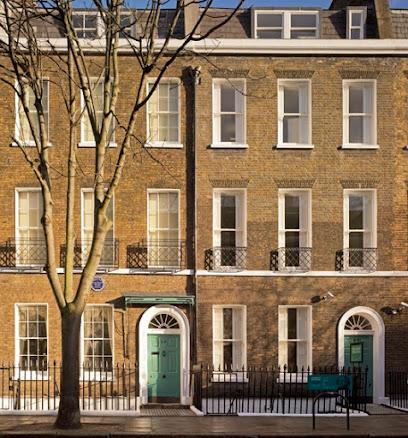
Step into the Victorian world of Charles Dickens at his only surviving London home, where literary history and personal stories come alive.
Essential places to dine

Hoa Sen Vietnamese Street Food Restaurant
0.7 km
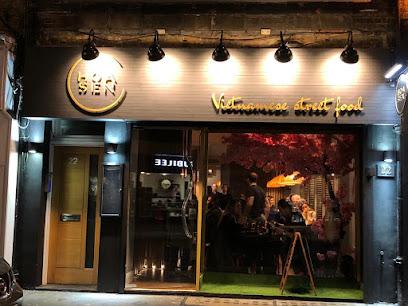
Authentic Vietnamese street food in the heart of Covent Garden, blending vibrant flavors with a lively, cozy atmosphere.
Margot
0.7 km
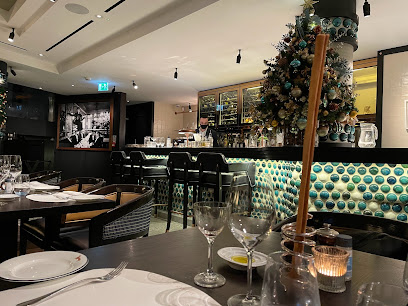
Sophisticated Italian dining with classic charm and an extensive wine list in the heart of Covent Garden, London.
Circus
0.8 km
Experience Covent Garden’s vibrant Asian fusion dinner theatre where culinary artistry meets captivating live performances.
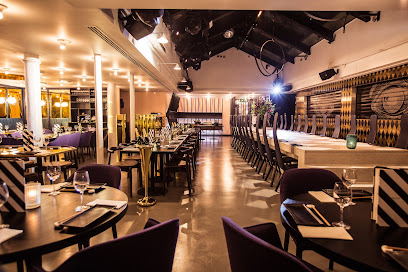
Flesh & Buns Covent Garden
0.8 km
Lively Japanese izakaya in Covent Garden famed for its signature bao buns, vibrant atmosphere, and innovative pan-Asian small plates.
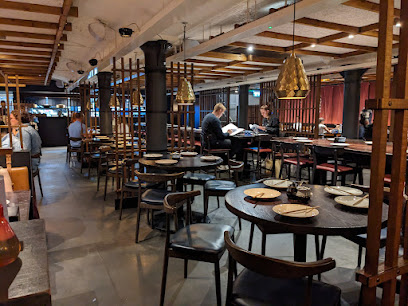
Sarastro
0.9 km
Experience vibrant Mediterranean flavors and live musical theatre in the heart of Covent Garden’s most theatrical restaurant.
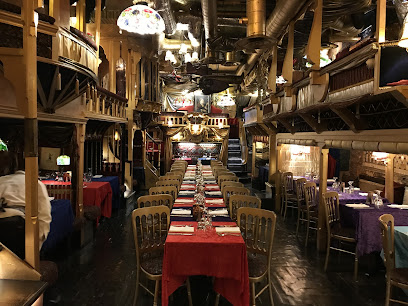
Inamo Covent Garden
0.9 km
A futuristic Pan-Asian restaurant in Covent Garden where interactive tables meet bold Asian flavours in a sleek, tech-forward space.
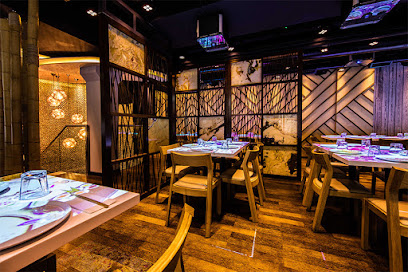
Hawksmoor Seven Dials
0.9 km
Savor expertly grilled British steaks and vibrant seafood in a historic Covent Garden brewery setting with atmospheric charm and refined cocktails.
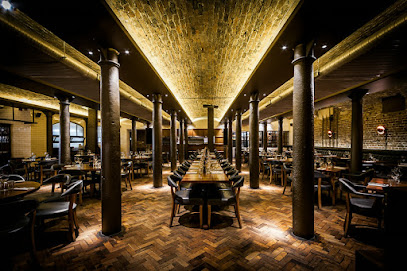
The Ninth
0.9 km
Michelin-starred modern French cuisine with Mediterranean flair in Fitzrovia’s chic and relaxed dining hotspot.
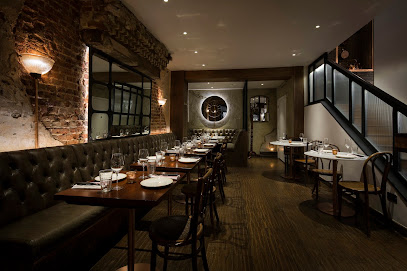
Noble Rot Soho
0.9 km
A Soho gem blending historic charm with modern European cuisine and an exceptional, accessible wine list in a cozy, clubby setting.
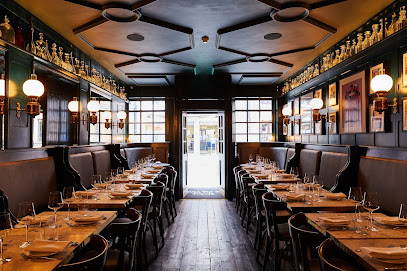
La Bodega Negra Restaurant
1.0 km
Experience daring Mexican cuisine and vibrant nightlife in Soho’s provocative La Bodega Negra, where edgy ambiance meets inventive flavors.
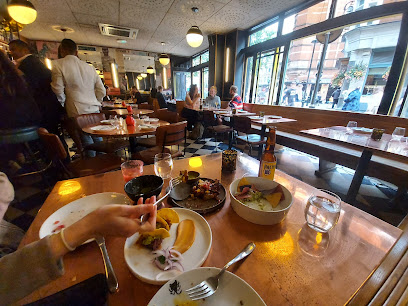
Balthazar
1.0 km
Experience the lively charm of a Parisian brasserie with classic French cuisine in the heart of Covent Garden, London.
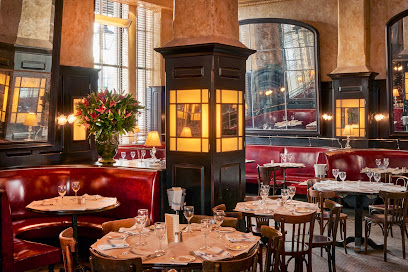
Cicchetti by San Carlo - London Covent Garden
1.0 km
Experience authentic Venetian small plates and seasonal Italian flavors in a stylish, lively Covent Garden setting.
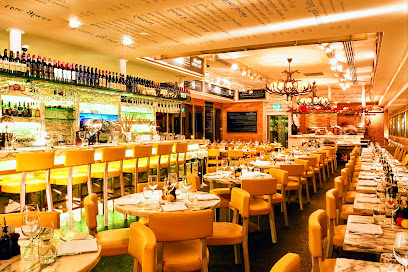
Sussex Bar & Restaurant
1.0 km
A vibrant Soho bistro blending Sussex countryside flavors with London’s energy, featuring seasonal British dishes and curated wines.
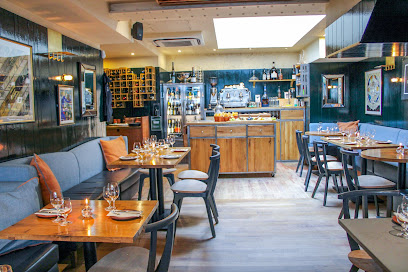
Palm Court Brasserie
1.0 km
Experience authentic Parisian charm and classic French cuisine in the vibrant heart of Covent Garden at Palm Court Brasserie.
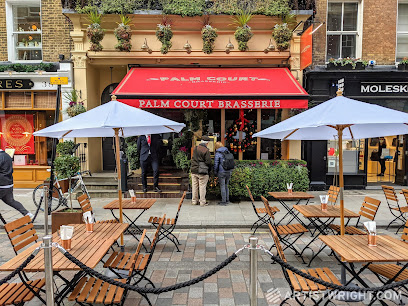
Punch & Judy
1.0 km
Historic Covent Garden pub blending classic British fare, lively balcony views, and family-friendly charm in the heart of London.
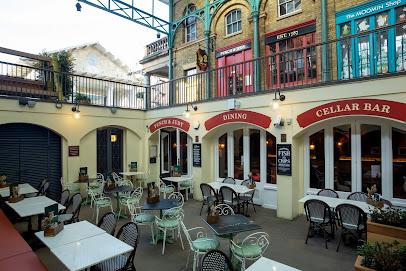
Markets, malls and hidden boutiques

Fancy That of London
0.4 km
Discover unique London souvenirs and charming keepsakes in a warm, inviting shop just opposite the British Museum on Great Russell Street.
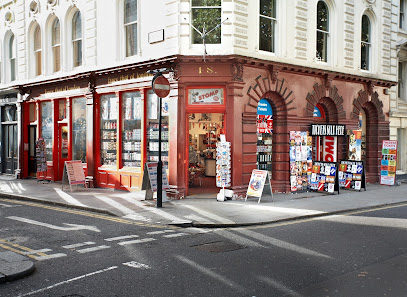
not just a shop
0.6 km
Discover unique, handcrafted art and design by UAL’s students and alumni at this creative retail hub in central London.
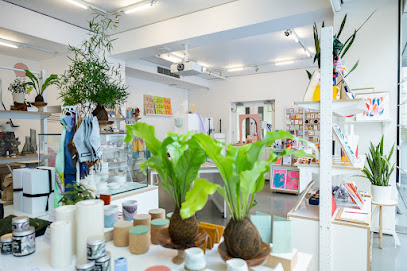
Blackout II - Vintage Clothing London
0.7 km
Discover timeless vintage fashion treasures from the 1920s to the 1980s in Covent Garden’s iconic Blackout II boutique.
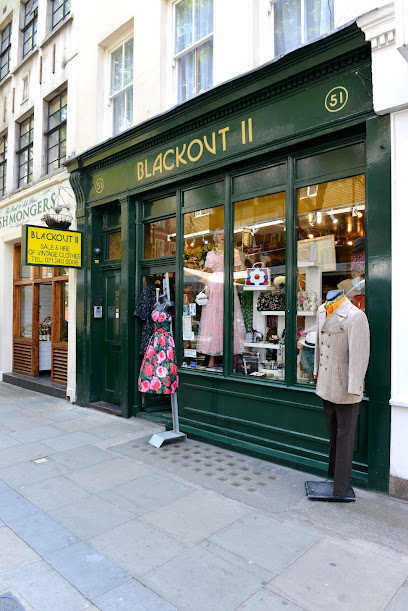
Pop Boutique
0.8 km
Discover authentic vintage fashion treasures from the 50s to 90s in a colorful, retro boutique at London’s vibrant Seven Dials.
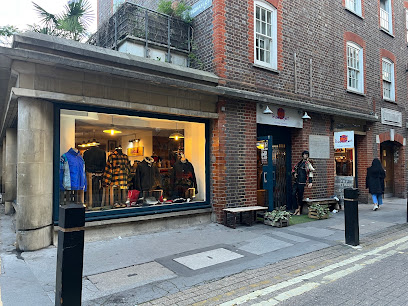
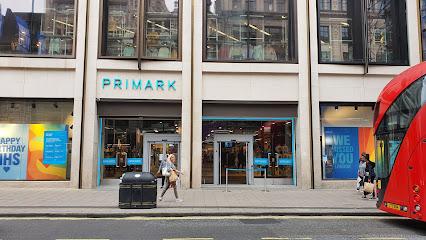
Primark
0.8 km
Discover unbeatable fashion and homeware bargains across multiple floors at Primark Oxford Street, London’s premier budget shopping destination.
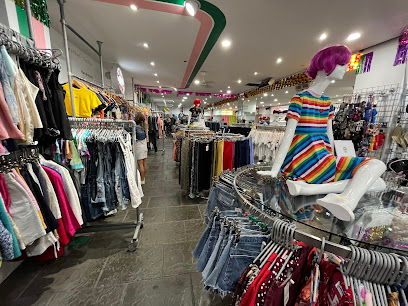
Rokit Covent Garden
0.8 km
Dive into retro treasures at Rokit Covent Garden, where sustainable vintage fashion meets London's vibrant street style heritage on Shelton Street.
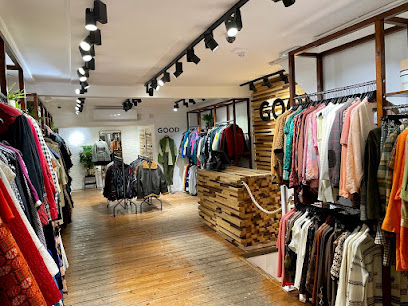
Good
0.8 km
Discover sustainable style with curated preloved vintage and designer fashion at Good London’s Seven Dials shop.
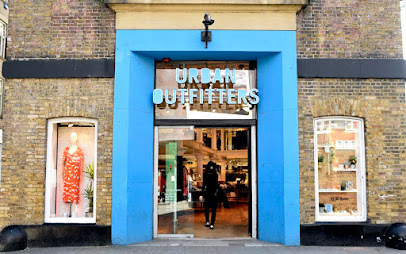
Urban Outfitters
0.8 km
Dive into Urban Outfitters' warehouse wonderland in Seven Dials, where eclectic fashion, cult beauty, and quirky homewares fuel London's youth culture vibe.
Oxford Street Gift Shop
0.9 km
A lively and colorful gift shop on Oxford Street offering quintessential London souvenirs with a vibrant atmosphere and a hint of retail adventure.
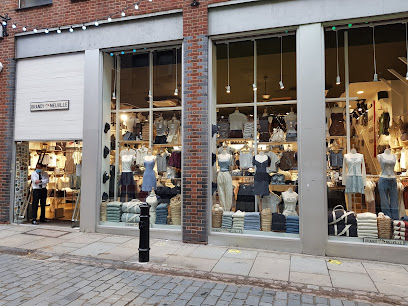
Brandy Melville - Covent Garden
0.9 km
Trendy Italian-LA fusion on Neal Street: one-size-fits-most chic for the effortless Covent Garden style seeker.
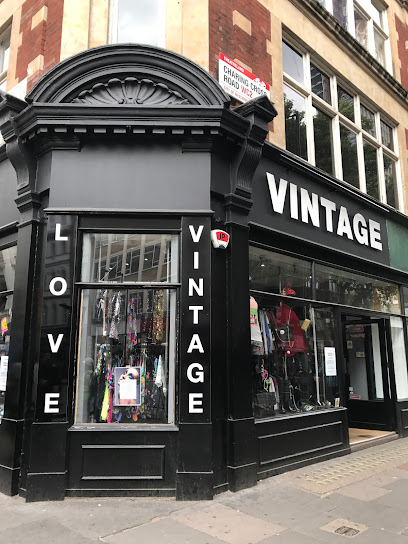
Goldsmith Vintage
0.9 km
Iconic Soho vintage shop since 1990: two floors of handpicked retro dresses, blazers, bags & accessories from decades past, with sales from £10.95.
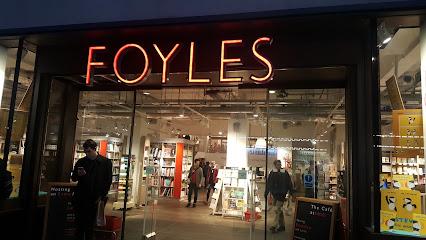
Foyles
0.9 km
London's legendary independent bookshop where literary heritage meets contemporary retail excellence.
Radha's Boutique
0.9 km
A small, curated Soho boutique offering tactile womenswear and accessories with friendly, personalised service in the heart of central London.

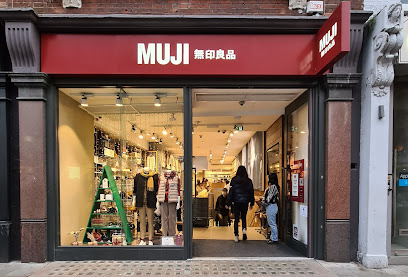
MUJI Covent Garden Store
0.9 km
Discover Japanese minimalism in Covent Garden: timeless clothing, sustainable homewares, and functional stationery for clutter-free, mindful living.
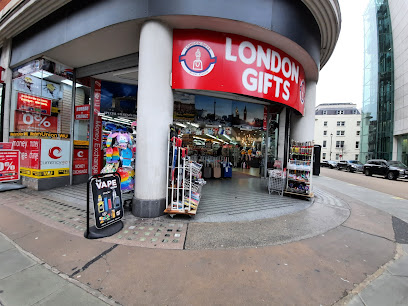
Souvenir Shop
1.0 km
Discover authentic British souvenirs in the heart of London’s iconic Oxford Street.
Essential bars & hidden hideouts

Fitz's Russell Sq.
0.2 km
Discover Fitz's Russell Square, a glamorous cocktail bar blending Victorian elegance with modern British cuisine in the heart of Bloomsbury.
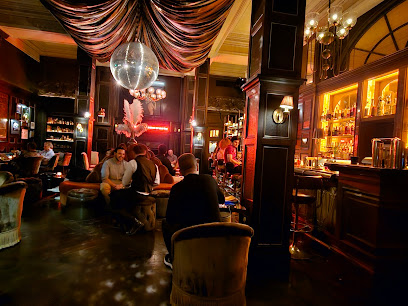
The Duke
0.5 km
A classic Bloomsbury pub offering warm hospitality, traditional drinks, and hearty British fare in a cozy setting.
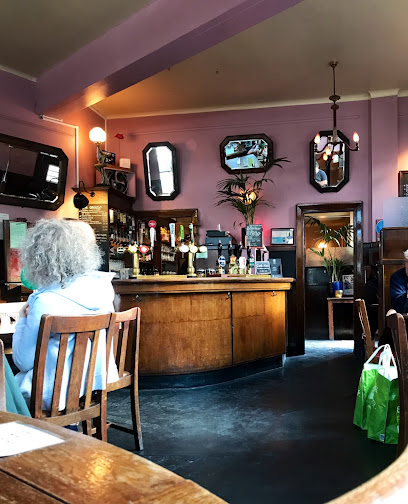
The Coral Room
0.6 km
Experience 1920s-inspired glamour and expertly crafted cocktails in the vibrant coral-hued heart of Bloomsbury Hotel.
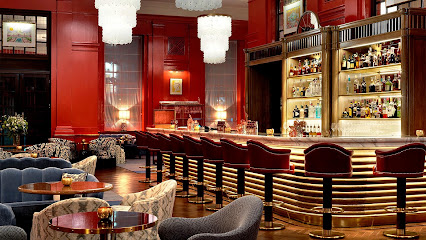
The Escapologist Bar
0.9 km
Step into a Victorian-inspired underground bar in Covent Garden where theatrical cocktails and lively entertainment create unforgettable nights.
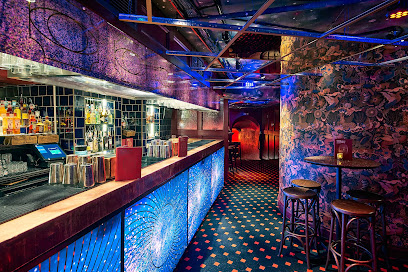
The Black Horse - Pub & Cocktail Bar
0.9 km
Experience the perfect blend of traditional pub charm and stylish cocktails in the heart of Soho’s vibrant nightlife.
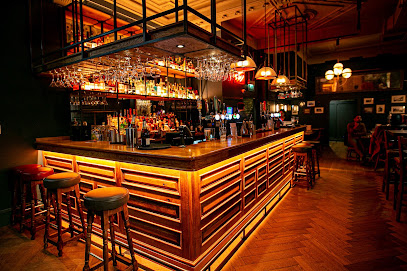
Be At One - Russell Street
0.9 km
Covent Garden’s vibrant cocktail bar with 100+ drinks, late-night parties, and unbeatable 2-for-1 happy hours in a stylish basement setting.
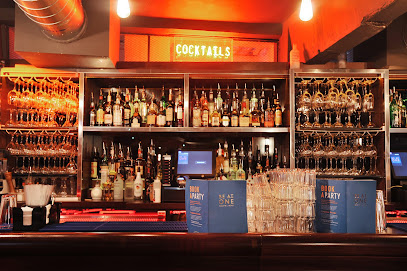
The Little Scarlet Door
1.0 km
Step through the scarlet door to a playful Soho loft bar alive with inventive cocktails, secret rooms, and a lively house party vibe.
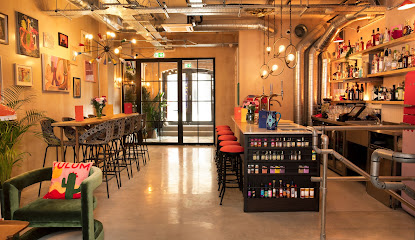
Prelude by Oriole
1.0 km
A refined Covent Garden cocktail bar blending innovative drinks, Latin American fusion cuisine, and live music in a stylish Asian-inspired setting.
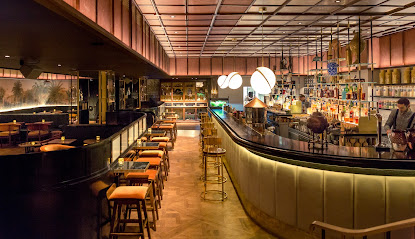
Thirst Bar Soho
1.0 km
Compact Soho cocktail bar by day, pulsing DJ‑led club by night—cheap cocktails, leather booths and a lively basement scene.
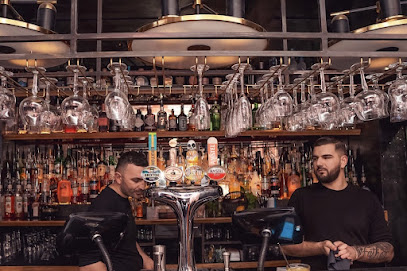
Swift Soho
1.0 km
Soho's split-level cocktail gem: aperitivo elegance upstairs, whisky-laced intimacy below, with live jazz and legendary mixes drawing night owls to Old Compton Street.
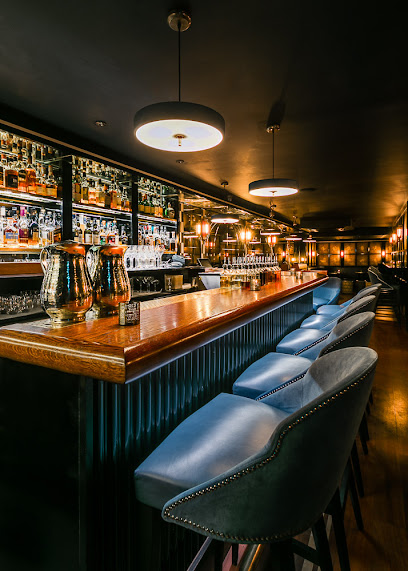
Bar Termini
1.0 km
An intimate Soho gem blending Italian cocktail artistry with a cozy, elegant atmosphere in London’s vibrant West End.
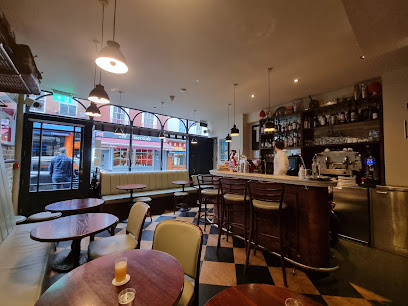
Simmons Bar | Soho
1.0 km
Soho's kitsch cocktail den with epic happy hours, retro karaoke vibes, and two floors of nostalgic nightlife fun.
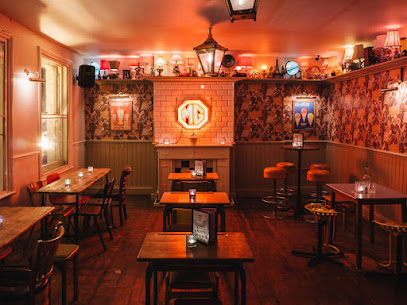
The Cocktail Club - Cocktail Bar in Fitzrovia
1.0 km
A vibrant, punk-inspired basement bar in Fitzrovia serving inventive cocktails and lively nights with flair and fun.
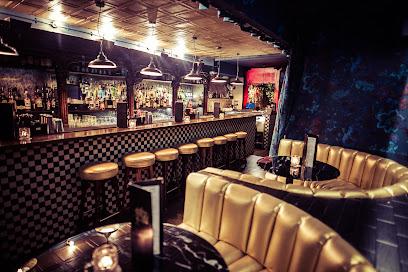
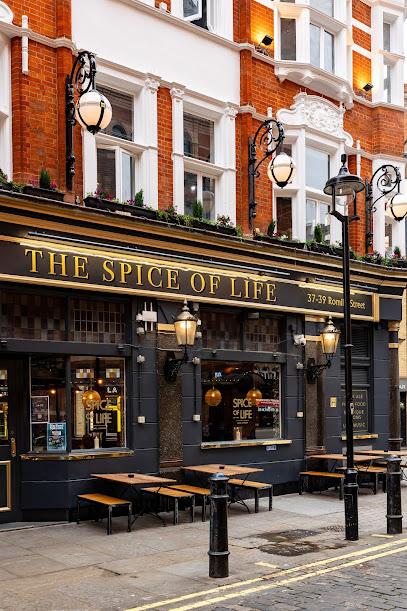
The Spice Of Life
1.0 km
Historic Soho pub and live music venue blending traditional charm with vibrant nightlife and boutique hotel comforts.
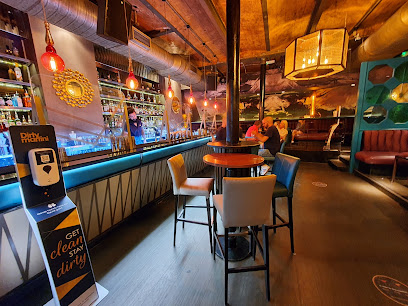
Dirty Martini - Covent Garden
1.0 km
Glamorous Covent Garden cocktail haven pulsing with martini magic, bottomless brunches, and late-night DJ vibes under sparkling chandeliers.
Nightclubs & after hour spots

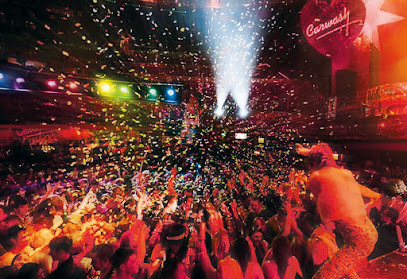
Carwash Nightclub
0.6 km
Experience Europe’s longest-running disco club in London’s West End, where retro beats, vibrant crowds, and themed parties create unforgettable nights.
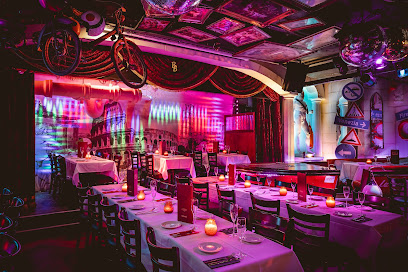
Bunga Bunga Covent Garden
0.7 km
A neon-soaked, pizza-and-karaoke supper club under Drury Lane — 90s nostalgia, stage shows and shareable Italian feasts.
The Roxy
0.8 km
Soho's unbeatable happy hour cocktail bar by day, pulsing nightclub with live music and DJ nights till 3am—affordable vibes in London's nightlife heart.
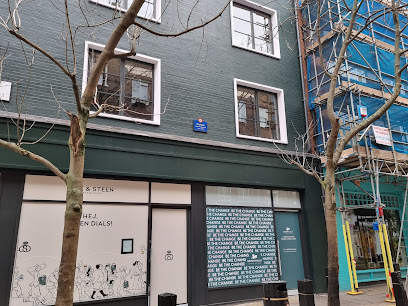
Comedy Carnival Covent Garden
0.9 km
London's premier stand-up comedy venue showcasing bold, award-winning international comedians in vibrant Covent Garden.

Club49Soho
1.0 km
Soho's stylish cocktail haven with DJ-fueled dancefloor energy, blending upscale drinks and classy nightlife vibes until 3am.
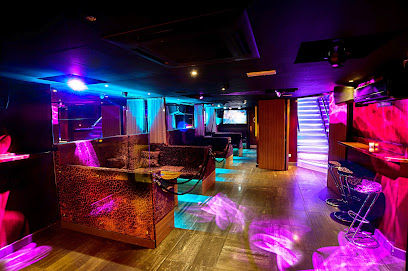
La Capannina Club
1.0 km
Discover Soho's discreet gentlemen's club: seductive stage shows, cosy vibes, and late-night allure in London's nightlife heart.
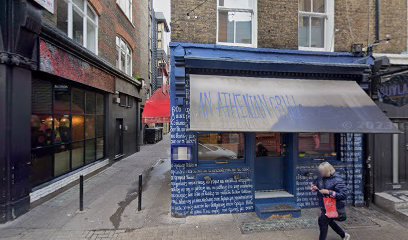
The Ivy Club
1.0 km
Art-Deco‑tinged members’ club above The Ivy — piano bars, discreet private dining and polished West End glamour.
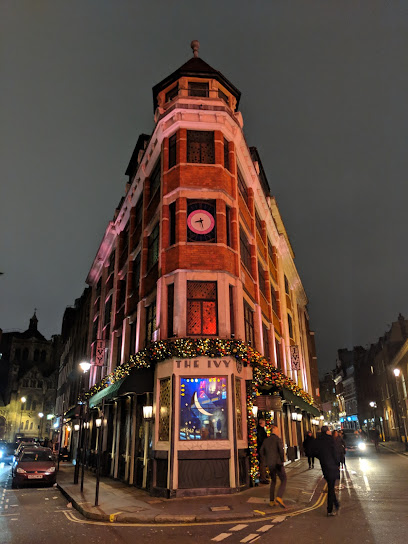
Whatdafunk Presents West End Urban Disco
1.1 km
Dive into London's grooviest urban disco beats at Whatdafunk, where Covent Garden's streets pulse with funk, soul, and non-stop dance energy in the heart of the West End.
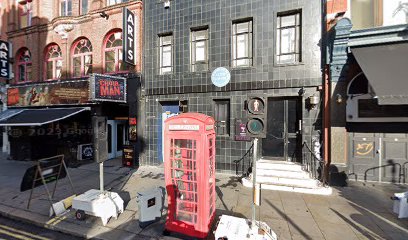
101 Nightclub London
1.1 km
Soho's raw Saturday night pulse: intimate beats, crowded floors, and unfiltered London club energy on Wardour Street.
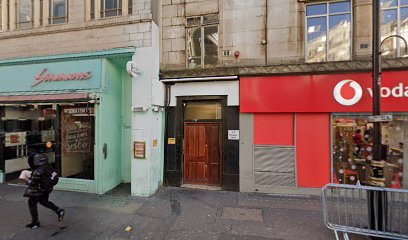
Bordello London
1.1 km
Dive into Soho's seductive basement beats at Bordello London, where Wardour Street's nightlife legacy ignites late-night frenzy on weekends.
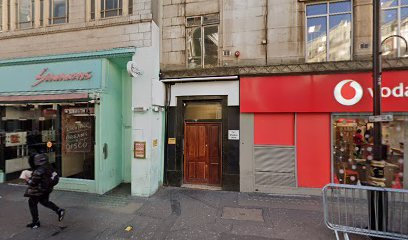
St Moritz Club
1.1 km
Soho's retro basement nightclub: 1960s vibes meet modern beats in an intimate, wood-paneled haven beneath a Swiss chalet restaurant.
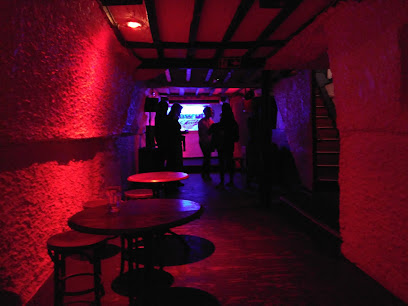
Zoo Bar & Club
1.2 km
Dive into Leicester Square's edgy nightlife hub: two floors of R&B beats, sports screens, and wild energy until 3am at Zoo Bar & Club.
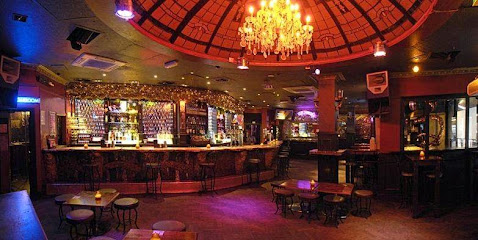
Sophisticats Soho
1.2 km
An intimate, late‑night Soho gentlemen’s club on Brewer Street offering staged performances, VIP seating and an upmarket, discreet atmosphere.
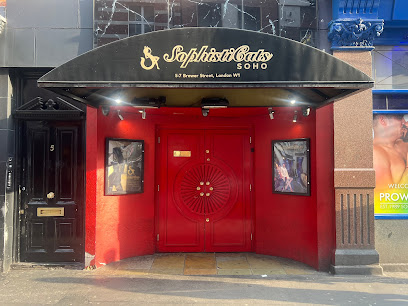
Versity Camp Nightclub
1.2 km
Dive into Soho's beating heart at Versity Camp Nightclub, where thumping bass, inventive cocktails, and an electric crowd fuel unforgettable nights until dawn.
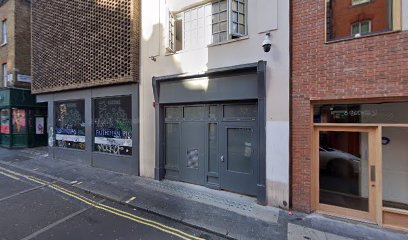
The Box Soho
1.2 km
A clandestine Soho cabaret where decadent staging, provocative shows and high‑end cocktails collide in an intense late‑night theatre.
For the vibe & atmosphere seeker
- Tranquil
- Scenic
- Unique
- Relaxing
For the design and aesthetic lover
- Historic
- Vintage Styles
For the architecture buff
- Historic
- Landmarks
- Heritage Neighborhoods
For the view chaser and sunset hunter
- Iconic Views
- Panoramas
For the social media creator & influencer
- Instagrammable
- Photo Spots
- Architectural Shots
For the eco-conscious traveler
- Public-Transport Accessible
- Car-Free Access
For the kind of experience you’re after
- Cultural Heritage
- Myth & Legends
- Photowalk
- Day Trip
For how adventurous you want the journey to be
- Easy Access
Location Audience
- Family Friendly
- Senior Friendly
- Solo Friendly
- Couple Friendly
- Wheelchair Access


