
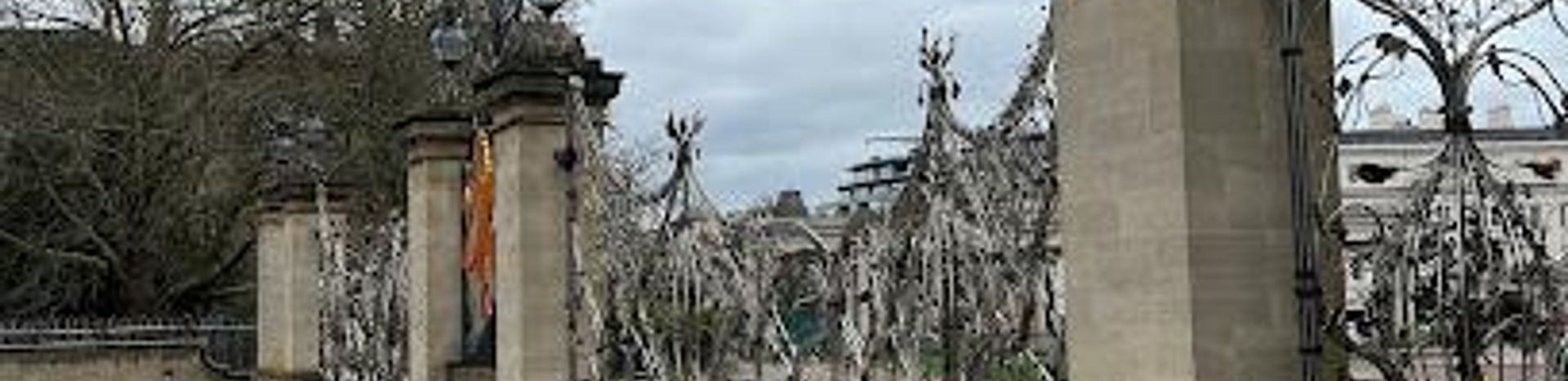
Queen Elizabeth Gate
Whimsical royal gates marking Hyde Park's threshold, blending modern artistry with ceremonial tradition.
Commonly known as the Queen Mother Gates, this distinctive ornamental entrance to Hyde Park was erected in 1993 to commemorate the 90th birthday of Queen Elizabeth, the Queen Mother. Designed by artist David Wynne and metalworker Giuseppe Lund, the gates feature a striking central panel depicting a flowering tree, peacock, and birds, flanked by elegant forged stainless steel and bronze panels. Located at Hyde Park Corner in London's West End, these free-to-visit gates serve as a symbolic threshold between the bustling city and one of London's most celebrated green spaces.
A brief summary to Queen Elizabeth Gate
- London, GB
- +442074955902
- Visit website
- Duration: 0.25 to 1.5 hours
- Free
-
 Outdoor
- Mobile reception: 5 out of 5
Local tips
- Visit early morning between 5–7 AM to photograph the gates with minimal crowds and soft natural light illuminating the metalwork and central panel details.
- Examine both the central panel and the flanking stainless steel and bronze sections closely; the different artistic styles and craftsmanship reveal distinct design philosophies.
- Use the gates as a starting point for exploring Hyde Park's attractions, including the Serpentine Lake and Diana Memorial Fountain, both within easy walking distance.
- Combine your visit with nearby landmarks such as the Wellington Arch and Apsley Gates to appreciate the architectural diversity of Hyde Park Corner.
- Spring and summer offer the best photographic opportunities, with blooming park flowers providing natural color contrast to the ornamental metalwork.

For the on-the-go comforts that matter to you
- Seating Areas
- Information Boards
- Food Options
- Drink Options
- Restrooms
Getting There
-
London Underground (Tube)
From central London, take the Piccadilly Line directly to Hyde Park Corner station. Journey time from Leicester Square is approximately 5 minutes; from King's Cross St Pancras approximately 12 minutes. The station exit places you directly at the gates. Single fare within Zones 1–2 costs approximately £1.75–£2.80 depending on time of day. Service runs every 2–5 minutes during peak hours, every 5–10 minutes off-peak.
-
Bus
Multiple bus routes serve Hyde Park Corner, including routes 2, 4, 8, 9, 14, 19, 22, 25, 38, 52, 74, 82, and 200. Journey times vary by origin; from Trafalgar Square approximately 8–12 minutes; from King's Cross approximately 20–25 minutes. Single fare is £1.75 (contactless or Oyster card). Buses run frequently throughout the day, typically every 5–15 minutes depending on route and time.
-
Taxi or Rideshare
Black cabs and rideshare services (Uber, Bolt) are readily available throughout London. Journey time from central London locations (Covent Garden, Leicester Square) is typically 10–15 minutes depending on traffic. Costs range from £8–£20 for short journeys within central London. Traffic congestion around Hyde Park Corner is common during peak hours (8–10 AM, 5–7 PM weekdays), so allow extra time.
-
Walking
From Knightsbridge station, walk approximately 8 minutes (600 meters) southwestward via Brompton Road and Knightsbridge. From Green Park station, walk approximately 12 minutes (900 meters) via The Ritz Hotel and Green Park. From Piccadilly Circus, walk approximately 15 minutes (1.1 kilometers) via Piccadilly and Apsley House. All routes involve urban pavements with moderate gradients; terrain is accessible for most fitness levels.
Queen Elizabeth Gate location weather suitability
-
 Any Weather
Discover more about Queen Elizabeth Gate
A Modern Tribute to Royal Heritage
The Queen Elizabeth Gate stands as a contemporary monument within London's historic landscape, unveiled on 6 July 1993 by Queen Elizabeth II herself. Erected to celebrate her mother's 90th birthday, these ornamental gates mark a significant moment in the park's ongoing evolution. The installation represents a blend of artistic vision and royal commemoration, creating a distinctive landmark that bridges the ceremonial grandeur of London's West End with the natural beauty of Hyde Park. The gates occupy a prominent position at Hyde Park Corner, one of London's most recognizable intersections, making them an inevitable encounter for visitors exploring the area.Artistic Design and Contrasting Aesthetics
The gates showcase a fascinating interplay of artistic styles and craftsmanship. The central panel, created by sculptor David Wynne, features a whimsical composition with a flowering tree, a vibrant blue peacock, and various birds rendered in a stylized, almost cartoonish manner. This central motif incorporates the heraldic lion and unicorn, representing England and Scotland respectively, inscribed with the dedication "Queen Elizabeth Gate 1993." Flanking this central feature are six gates and extensive railings crafted by metalworker Giuseppe Lund, who employed forged stainless steel and bronze to create panels with organic, foliage-inspired designs. The ornamental lamps integrated into the structure add to the overall elegance of the installation. The contrasting artistic approaches—Wynne's playful symbolism and Lund's refined metalwork—create a visually complex composition that invites closer examination and varied interpretations.Reception and Architectural Context
Since their installation, the Queen Elizabeth Gates have generated considerable discussion within architectural and design circles. While some observers appreciate their unique character and artistic ambition, others have found the design unconventional or whimsical compared to more traditional monumental gates. The gates exist in proximity to other significant Hyde Park Corner landmarks, including the imposing Wellington Arch and the grand Apsley Gates, which frame the Queen Elizabeth Gate within a broader architectural narrative. Despite mixed critical reception, the gates have become an established feature of London's landscape, recognized by locals and visitors alike as a distinctive and memorable entrance to the park.Gateway to London's Premier Park
Beyond their commemorative function, the Queen Elizabeth Gates serve as a practical and symbolic entrance to Hyde Park, one of London's most significant public spaces. The park itself spans 350 acres and offers visitors access to numerous attractions including the Serpentine Lake, the Diana Memorial Fountain, and the famous Speakers' Corner. The gates mark the threshold between the urban environment of Knightsbridge and Mayfair and the verdant landscape of the park, creating a psychological and physical transition for visitors. The location at Hyde Park Corner places the gates at the intersection of major thoroughfares, making them highly visible and accessible to the millions of people who pass through this area annually.Seasonal Variations and Visitor Experience
The gates remain accessible year-round, allowing visitors to experience them across different seasons and weather conditions. Spring brings vibrant blooms to the surrounding parkland, which complement the flowering tree depicted in the central panel. Summer months attract peak visitor numbers, with the gates serving as a popular photography location and meeting point. Autumn transforms the park's foliage, creating rich color contrasts with the metalwork, while winter offers a more subdued atmosphere with clearer sightlines through the bare trees. The gates' ornamental design ensures they remain visually interesting regardless of season, though the surrounding park environment continuously reshapes the visitor's perception of the installation.Practical Access and Integration with Hyde Park
The Queen Elizabeth Gates function as one of several entrances to Hyde Park, positioned at a major intersection that connects multiple neighborhoods and transport routes. The gates are entirely free to view and photograph, requiring no admission or reservation. Their location at ground level and along a major pedestrian thoroughfare ensures accessibility for visitors of all mobility levels. The gates mark the beginning of numerous walking routes through the park, from leisurely strolls to more ambitious explorations of the entire 350-acre expanse. The proximity to public transport, shops, and restaurants in the surrounding area makes the gates an easily incorporated stop within a broader London itinerary.Iconic landmarks you can’t miss

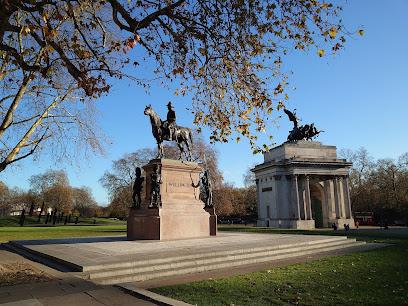
Equestrian Statue of the Duke of Wellington
0.1 km
Historic bronze statue honoring the Duke of Wellington’s military triumphs and contributions to London’s cityscape, unveiled in 1844.
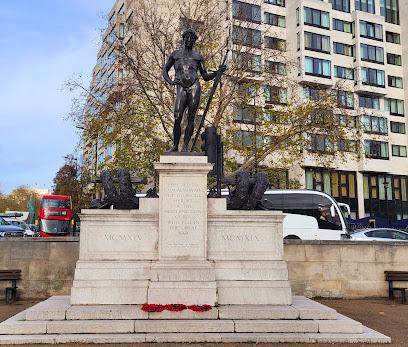
Machine Gun Corps Memorial
0.2 km
A striking WWI memorial at Hyde Park Corner, blending classical art and the harsh realities of mechanized warfare to honor the Machine Gun Corps’ sacrifice.
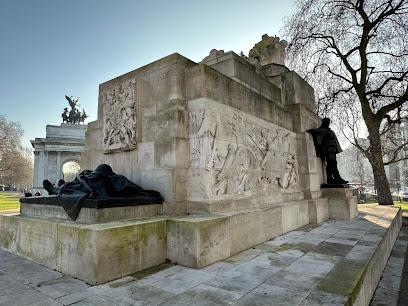
Royal Artillery Memorial
0.2 km
A powerful and realistic tribute to the Royal Artillery’s sacrifice, featuring a monumental stone howitzer and evocative bronze figures at Hyde Park Corner.
Wellington Arch
0.2 km
Discover Wellington Arch, London's majestic neoclassical triumphal arch with rich history, stunning views, and iconic Quadriga sculpture.
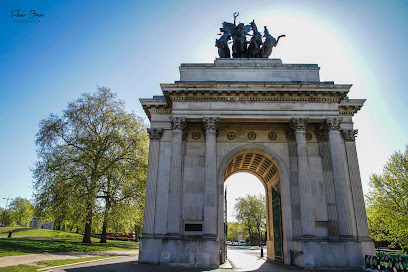
38 Grosvenor Sq
0.7 km
Historic mid-19th-century Italianate residence in London’s prestigious Grosvenor Square, a symbol of aristocratic and diplomatic heritage.
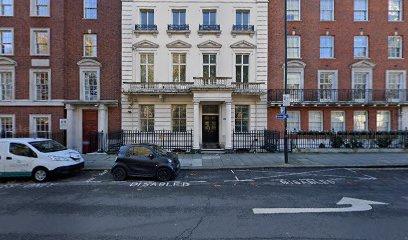
Roosevelt Memorial
0.9 km
A dignified tribute to Franklin D. Roosevelt in the historic heart of London’s Grosvenor Square, symbolizing enduring Anglo-American friendship.
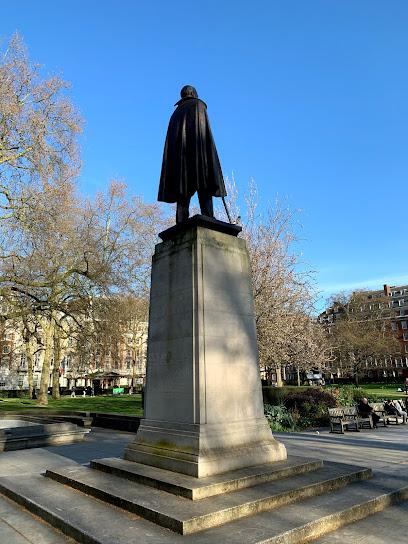
Historic Houses
0.9 km
Explore the heart of Britain's heritage through Historic Houses, a gateway to centuries-old castles, gardens, and stately homes across the UK.
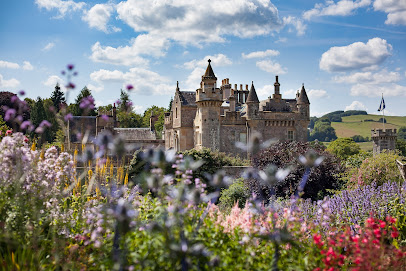
Speakers' Corner
0.9 km
Historic Speakers' Corner in Hyde Park: London's iconic open-air forum for free speech and public debate since the 19th century.
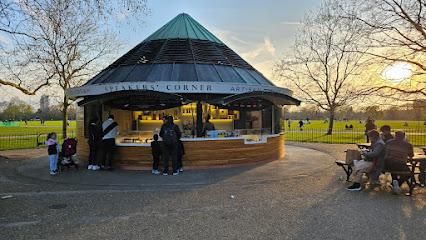
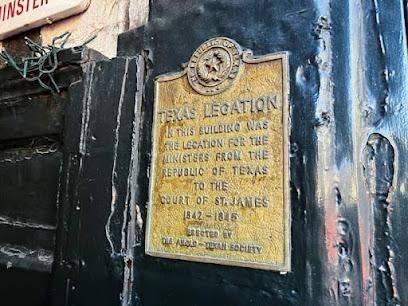
Republic of Texas Plaque
1.0 km
A hidden brass plaque marking where the Republic of Texas once sought recognition from the British Crown.
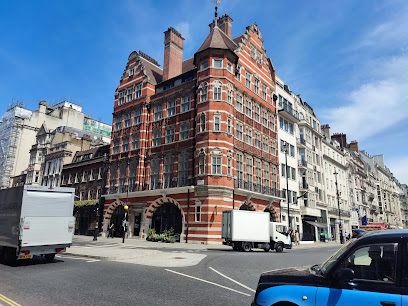
St. James's Palace
1.0 km
Discover the Tudor grandeur and royal ceremonies at London’s oldest palace, the enduring heart of British monarchy.
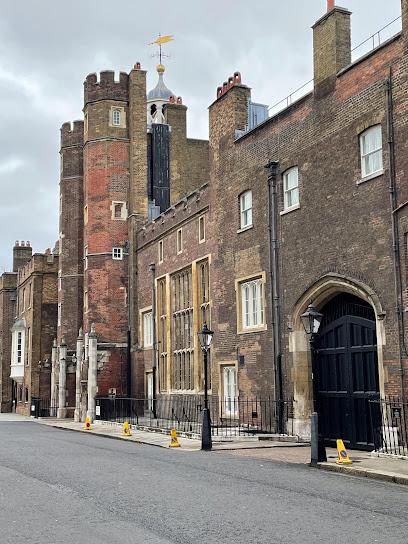
The Old Police House
1.0 km
Historic police station and visitor hub nestled in the heart of Hyde Park, blending heritage with the tranquility of London’s iconic green space.
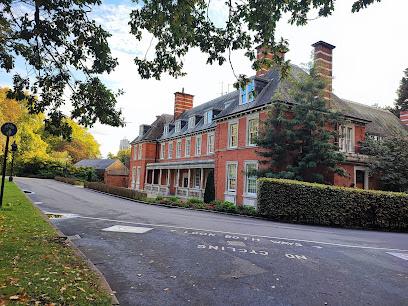
Pickering Pl
1.0 km
Discover Pickering Place, London's smallest square, a hidden Georgian courtyard steeped in duels, diplomacy, and timeless charm.
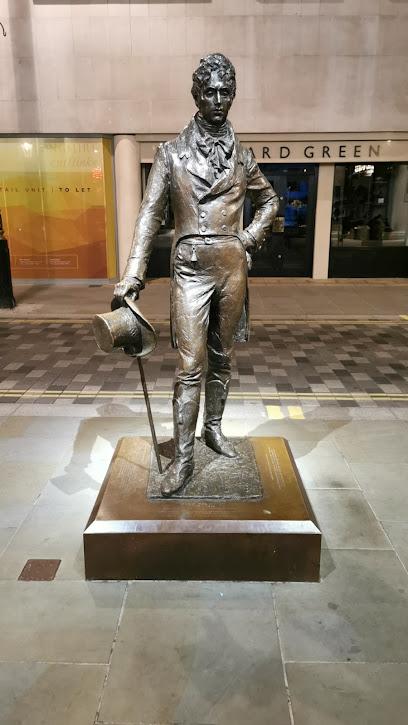
Beau Brummell Statue
1.0 km
The dandy who revolutionised menswear and defined Regency elegance in bronze.
Norwegian War Memorial
1.0 km
A solemn granite tribute in Hyde Park honoring British-Norwegian friendship and support during World War II.

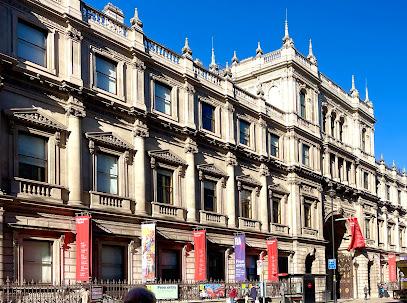
Burlington House
1.0 km
A grand 17th-century mansion on Piccadilly, now home to the Royal Academy of Arts and Britain’s leading learned societies, blending Palladian elegance with centuries of art and science.
Unmissable attractions to see

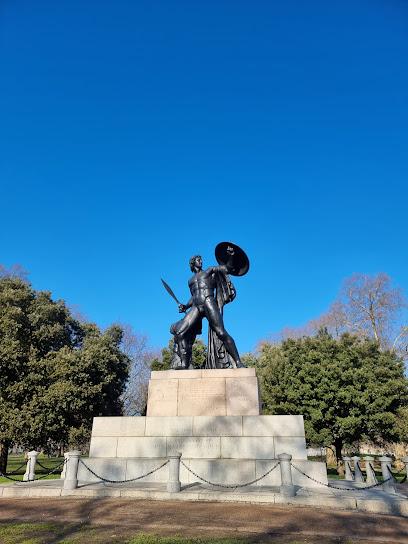
Statue of Achilles
0.1 km
A towering bronze tribute to the Duke of Wellington’s victories, blending classical myth and British history near his famed London home.
Apsley House
0.1 km
Discover Apsley House, London’s ‘Number 1’ historic townhouse, home to the Duke of Wellington’s art, military treasures, and Regency grandeur.
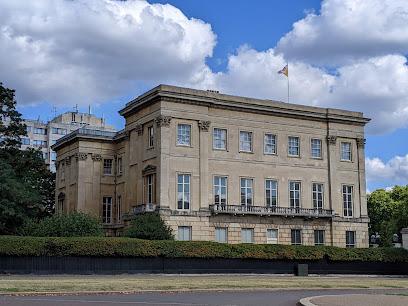
Hyde Park Corner
0.2 km
Historic crossroads and green sanctuary where London's grand Wellington Arch and war memorials meet serene parkland.
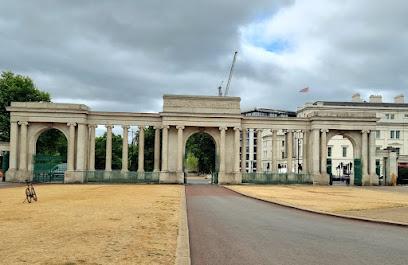
New Zealand War Memorial
0.2 km
Discover the New Zealand War Memorial at Hyde Park Corner, a poignant tribute to bravery and sacrifice amidst London's historic landscape.
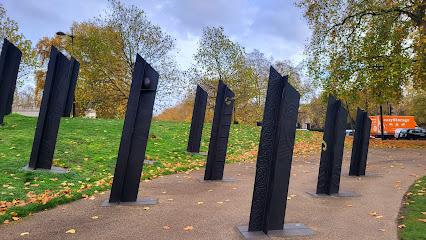
Bomber Command Memorial
0.2 km
Discover the Bomber Command Memorial in London's Green Park, a poignant homage to the brave souls of the Royal Air Force during World War II.
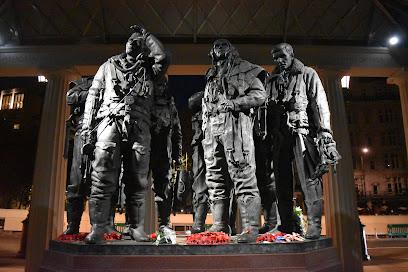
Commonwealth Memorial Gates
0.3 km
Explore the Commonwealth Memorial Gates in London, a stunning tribute to the bravery of soldiers from various nations during World Wars I and II.
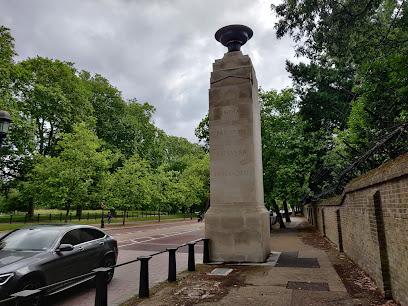
Curzon Mayfair
0.4 km
Experience London’s premier art-house cinema in a stunning Grade II listed 1960s building, blending cinematic heritage with modern luxury.
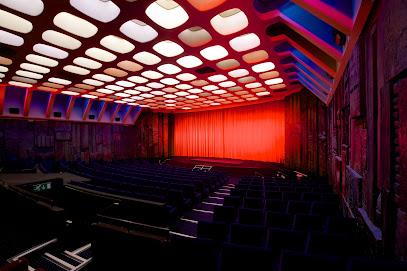
Shepherd Market
0.5 km
Discover Shepherd Market, a charming historic village in Mayfair blending boutique shops, cozy pubs, and rich London heritage.
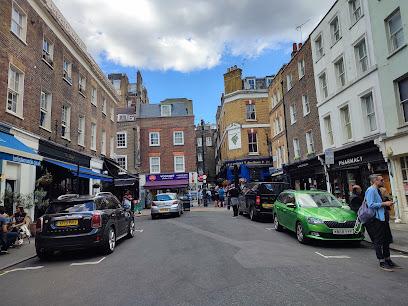
Park Ln
0.5 km
Prestigious Park Lane in London blends historic grandeur with luxury hotels, upscale shops, and serene Hyde Park views along its iconic 1.1 km stretch.
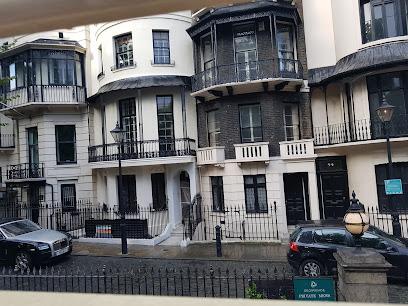
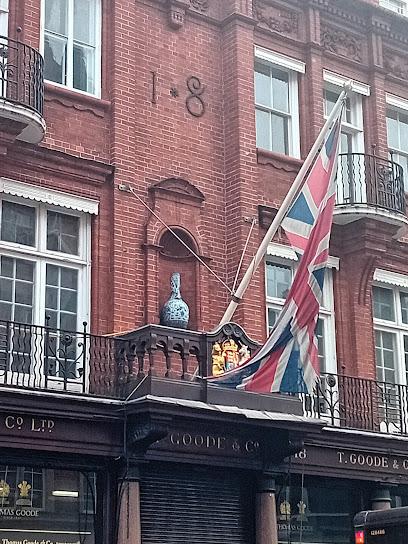
Thomas Goode & Co
0.5 km
Discover nearly two centuries of exquisite craftsmanship and royal heritage at Thomas Goode & Co, London's premier luxury tableware emporium in Mayfair.
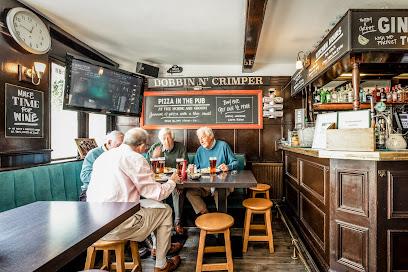
Horse & Groom
0.5 km
A charming historic pub tucked away in Belgravia’s cobbled mews, blending traditional hospitality with rich celebrity and cultural heritage.
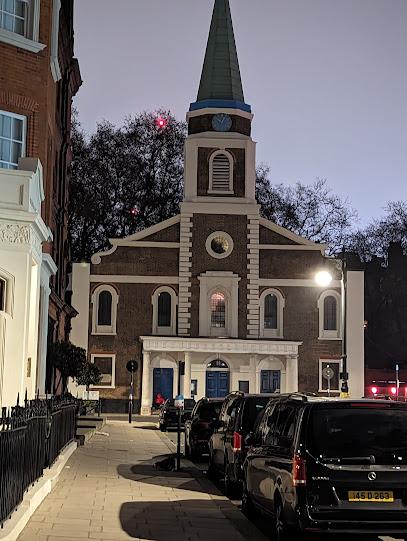
Grosvenor Chapel
0.5 km
Historic 18th-century Mayfair chapel blending Georgian elegance with Anglo-Catholic tradition and wartime American ties.
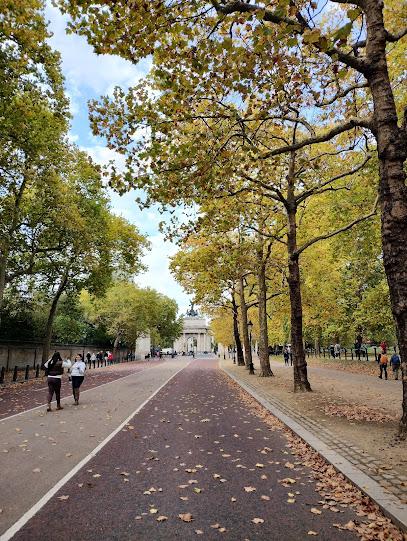
Constitution Hill
0.6 km
A historic royal route in London linking Hyde Park Corner with Buckingham Palace, rich in heritage and scenic charm.
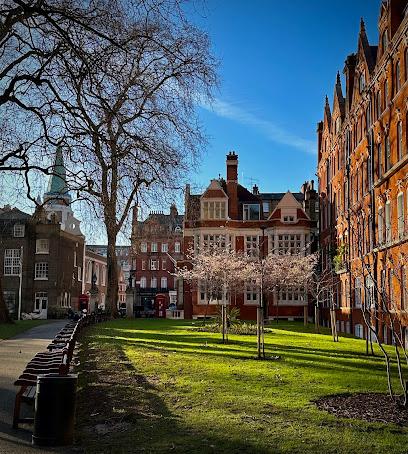
Mount Street Gardens
0.6 km
A historic and tranquil garden oasis in Mayfair, blending Victorian charm with seasonal beauty and rich London heritage.
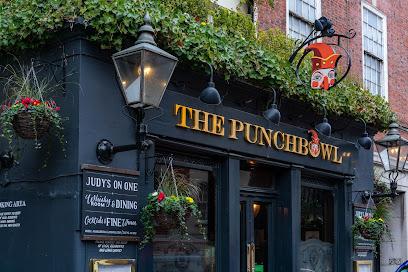
The Punch Bowl
0.6 km
Experience the warmth and charm of The Punch Bowl, a quintessential British pub in Mayfair, London, offering delectable cuisine and a vibrant atmosphere.
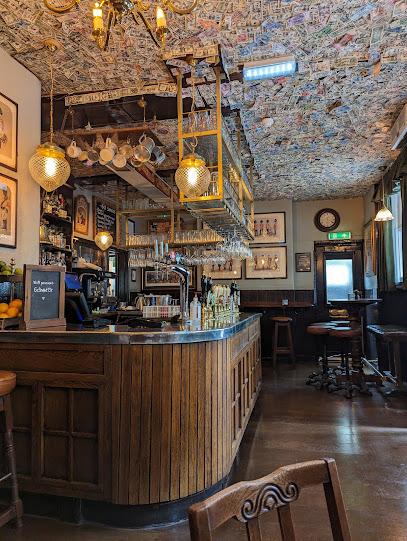
Essential places to dine

The Grenadier
0.3 km
Discover The Grenadier, a historic and haunted London pub steeped in military legacy and timeless charm in the heart of Belgravia.
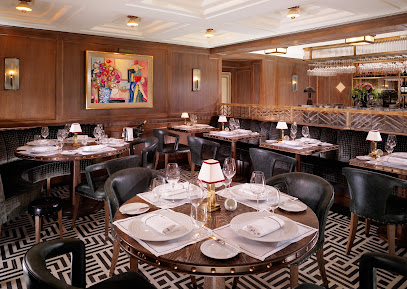
Ormer Mayfair Restaurant
0.6 km
Michelin-starred modern British dining in an elegant 1930s-style Mayfair setting, offering inventive tasting menus and impeccable service.
Dinner by Heston Blumenthal
0.6 km
Experience two Michelin-starred historic British cuisine reimagined with modern artistry at Dinner by Heston Blumenthal in the heart of Knightsbridge.
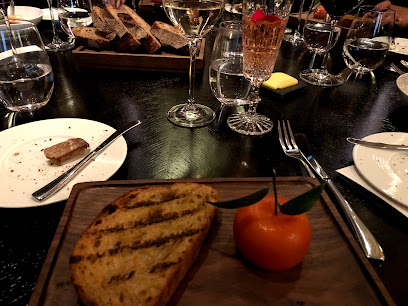
HIDE
0.6 km
Discover refined Modern European cuisine with panoramic Green Park views at HIDE, a Michelin-starred gem blending innovation and elegance in Mayfair.
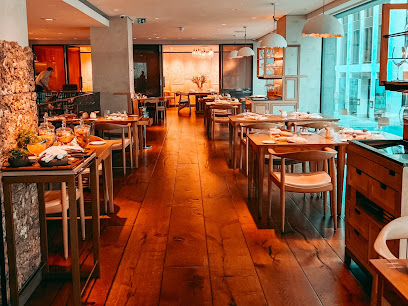
Seven Park Place by William Drabble
0.9 km
An intimate Michelin-starred restaurant in Mayfair offering refined British-French cuisine by Chef William Drabble in an elegant Art Deco setting.
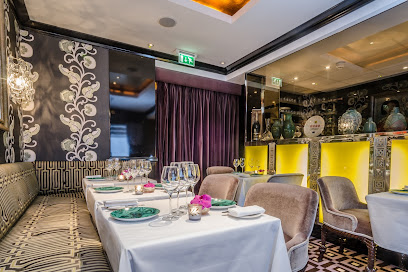
The English Grill
0.9 km
Classic British dining perfected with expertly grilled steaks and seasonal delights in a refined, elegant setting near London’s iconic theatres.

Great British Restaurant
0.9 km
Elegant British dining in the heart of St James’s, blending traditional flavors with modern sophistication in a tranquil hotel setting.
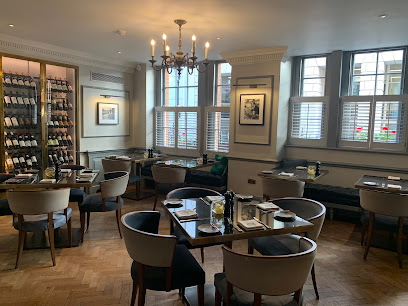
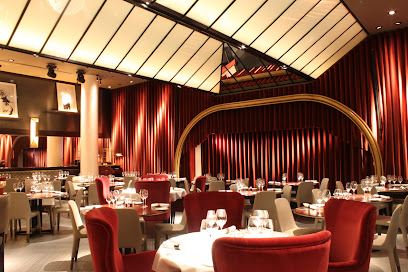
Quaglino's
1.0 km
Glamorous basement brasserie with live music, cocktails, and theatrical dining in St. James's.
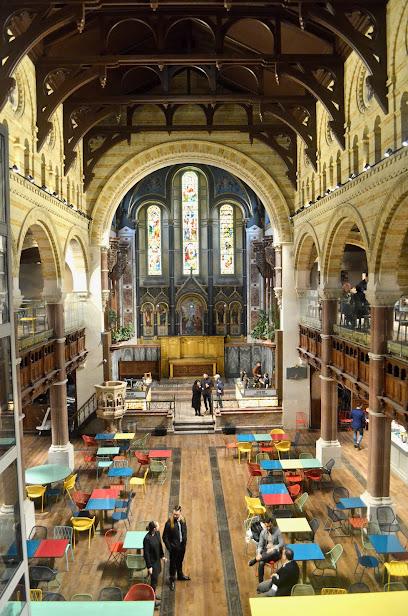
Mercato Mayfair
1.0 km
Experience diverse global street food in a stunning restored church at the heart of London’s Mayfair district.
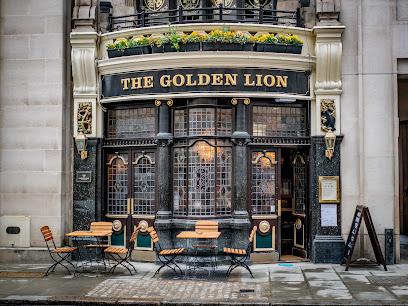
Golden Lion
1.0 km
Historic 1690s pub in St James's offering classic British fare, rich heritage, and a warm, family-friendly atmosphere near Buckingham Palace.
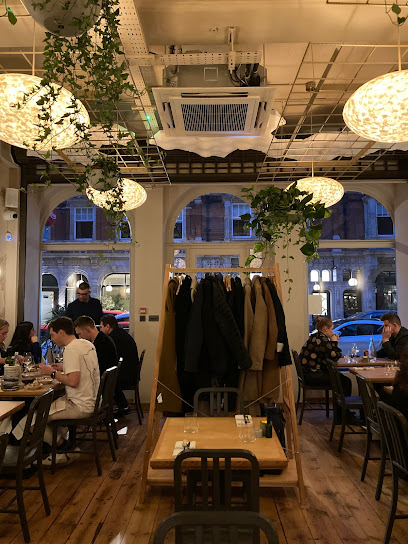
Apricity Restaurant
1.1 km
Sustainable fine dining in Mayfair blending seasonal British produce with innovative, low-waste culinary artistry.
Bill's Victoria Restaurant
1.1 km
A vibrant British eatery near Victoria Station offering hearty classics, sharing plates, and plant-based dishes in a cozy, casual setting.
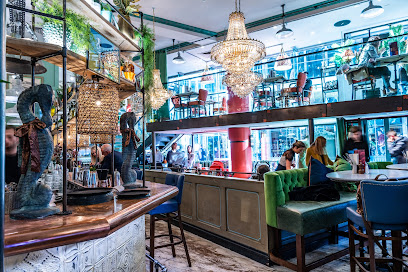
sketch
1.2 km
An iconic Mayfair venue blending avant-garde art, Michelin-starred dining, and whimsical design for an unforgettable London experience.
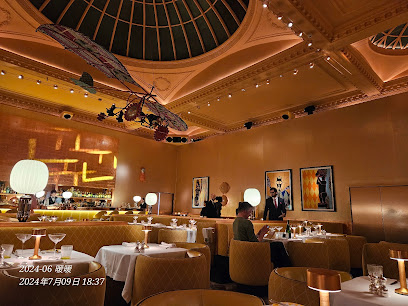
Little Social
1.3 km
Stylish Mayfair bistro offering refined modern British small plates with an intimate atmosphere and excellent wine selection.
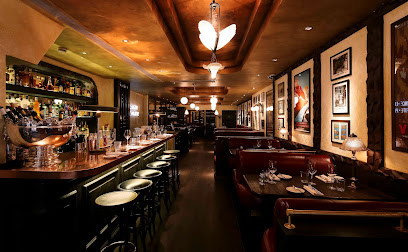
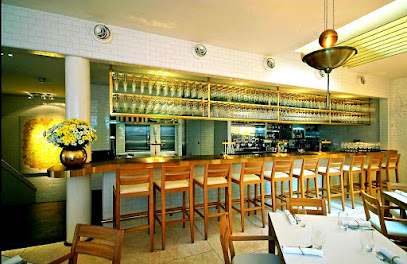
NOPI
1.3 km
Experience vibrant Mediterranean and Middle Eastern flavors in Soho at NOPI, Ottolenghi’s innovative restaurant known for shareable, seasonal dishes.
Markets, malls and hidden boutiques

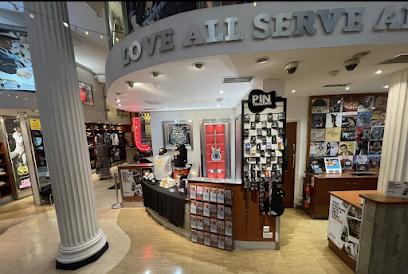
Hard Rock London Rock Shop
0.2 km
Discover exclusive rock ’n’ roll merchandise and iconic memorabilia at London’s legendary Hard Rock Rock Shop on Old Park Lane.
The Queen's Shop
0.8 km
Exclusive royal gifts and British heritage souvenirs steps from Buckingham Palace, blending luxury, tradition, and timeless elegance in a charming London boutique.
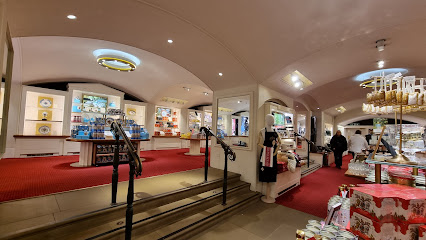
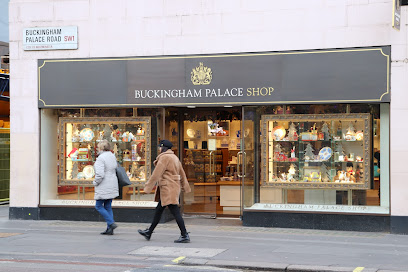
Buckingham Palace Shop
0.9 km
Official royal souvenirs at the palace gates: chinaware, gifts, and memorabilia that bring Buckingham Palace's grandeur home with you. (162 characters)
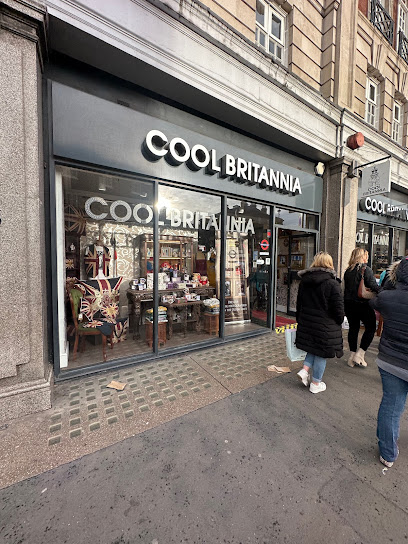
Cool Britannia
0.9 km
Discover authentic British souvenirs and vintage photography moments just steps from Buckingham Palace in a lively and welcoming shop.
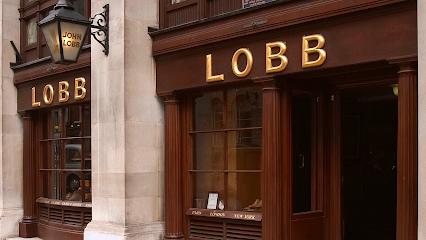
John Lobb St. James
1.0 km
Where 170 years of royal patronage meets handcrafted perfection in every stitch.
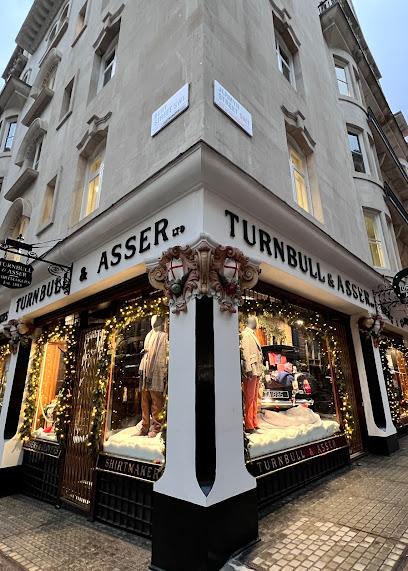
Turnbull & Asser Jermyn Street
1.0 km
Discover Turnbull & Asser on Jermyn Street, the quintessential British shirtmaker blending heritage craftsmanship with timeless elegance since 1885.
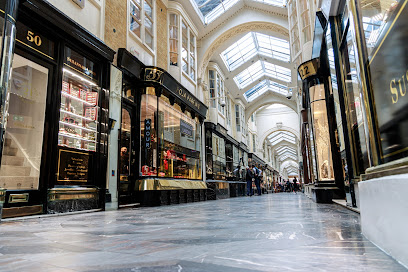
Burlington Arcade
1.0 km
Discover a luxurious shopping experience at Burlington Arcade, where timeless elegance meets exquisite craftsmanship in the heart of London.
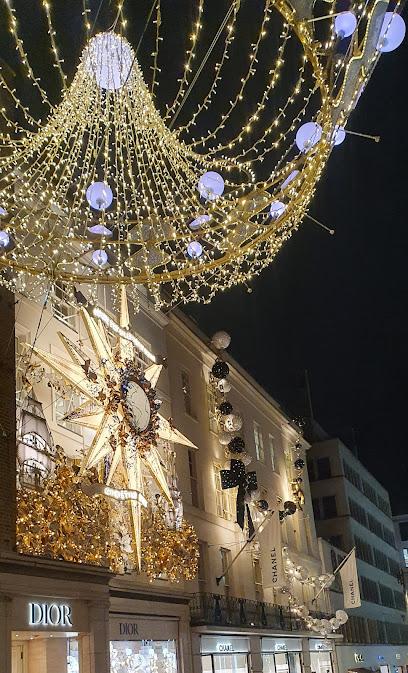
Knightsbridge
1.0 km
Experience the epitome of London luxury in Knightsbridge, where world-class shopping, elegant architecture, and cultural attractions blend seamlessly.
Bond St
1.0 km
London's most exclusive luxury shopping street, where three centuries of elegance meet contemporary high fashion.
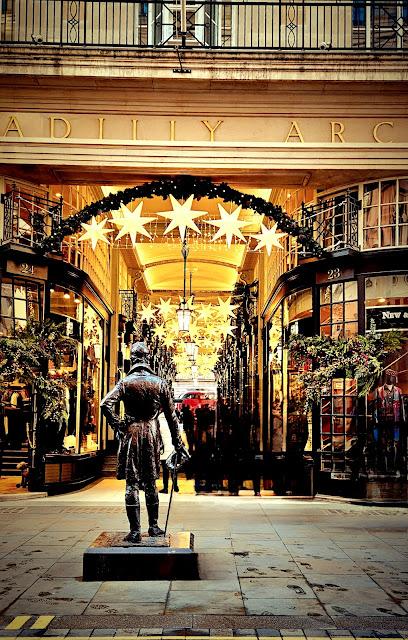
Piccadilly Arcade
1.0 km
Discover Edwardian elegance and bespoke luxury in Piccadilly Arcade, a historic shopping gem linking Piccadilly and Jermyn Street in London.
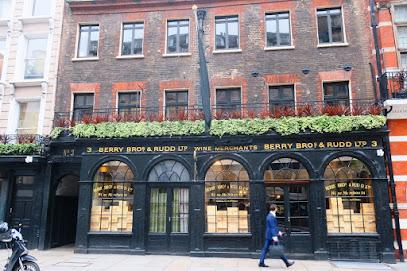
Berry Bros. & Rudd Wine Shop
1.0 km
London’s oldest family-run wine merchant since 1698, blending royal tradition with expert wine and spirits in a historic Pall Mall setting.
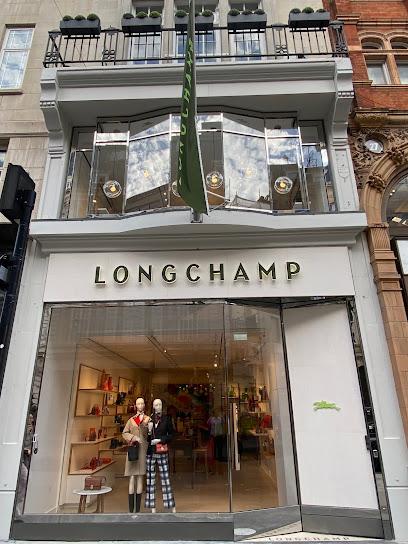
LONGCHAMP
1.0 km
Discover French luxury and craftsmanship at Longchamp’s elegant Bond Street boutique in London’s exclusive Mayfair district.
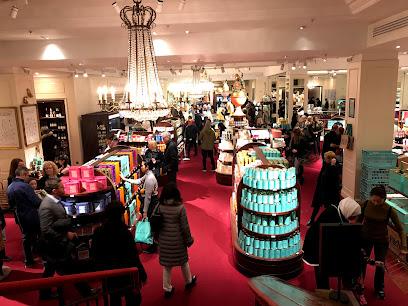
Fortnum & Mason
1.1 km
Historic luxury food hall and iconic London emporium offering gourmet delights, royal hampers, and timeless British tradition since 1707.
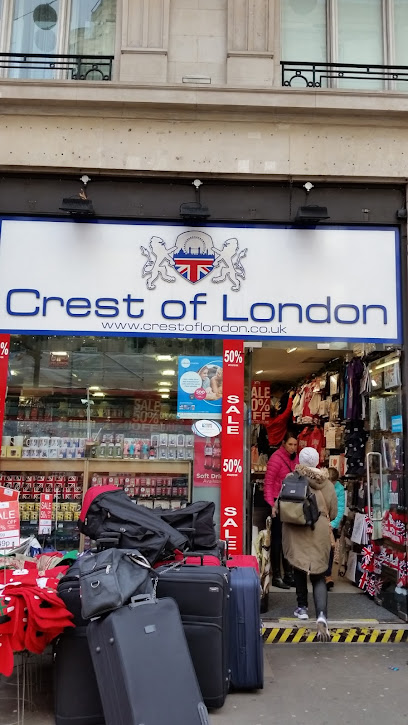
Crest Of London
1.1 km
Discover unique London-themed gifts and souvenirs in the vibrant heart of Oxford Street’s shopping district.
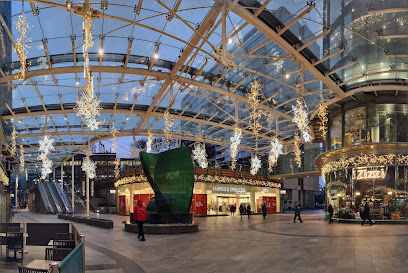
Cardinal Place
1.1 km
Experience the ultimate shopping and dining destination at Cardinal Place, London’s vibrant commercial hub near Victoria Station.
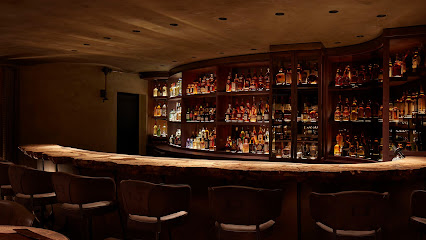
Essential bars & hidden hideouts

Below
0.6 km
Discover Below at HIDE, a hidden Mayfair cocktail bar offering expertly crafted seasonal drinks and rare spirits beneath a Michelin-starred restaurant.
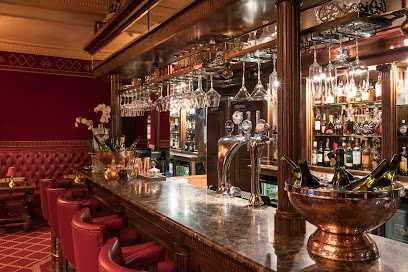
The New York Bar
0.9 km
A polished hotel lounge opposite Buckingham Palace — handcrafted cocktails, tasting events and piano-accompanied afternoons in plush, traditional surroundings.
Bbar
0.9 km
Chic Victoria cocktail bar beneath a living wall, blending South African zest with inventive drinks, hearty bites, and unforgettable afternoon teas near Buckingham Palace.
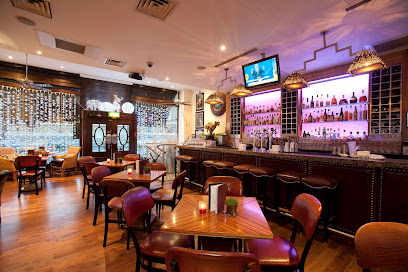
The Red Lion, Mayfair
1.2 km
Historic Victorian pub in Mayfair famed for its political heritage and classic London charm, steps from Downing Street.
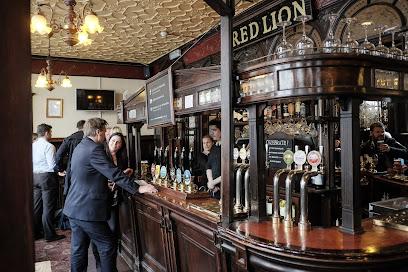
The Blind Pig at Mary's est. 2024
1.2 km
Discover a stylish Mayfair speakeasy blending inventive cocktails, retro charm, and attentive service in London's vibrant Pollen Street scene.
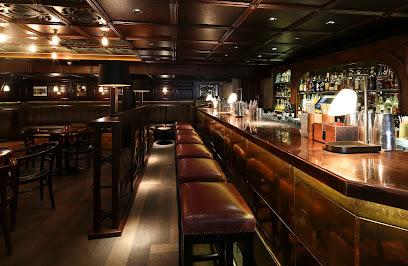
Adam & Eve
1.3 km
Classic Westminster pub pouring real ales and hearty grub amid historic streets—a cozy haven near Parliament and the Abbey for authentic London pints.
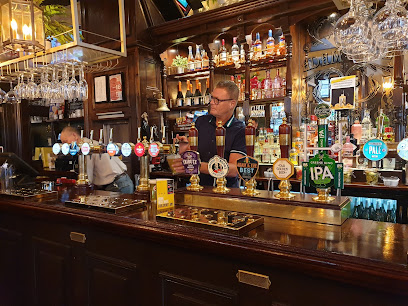
The Churchill Bar & Terrace
1.3 km
Sophisticated cocktail bar and terrace in central London, blending classic British charm with modern elegance and a vibrant social scene.
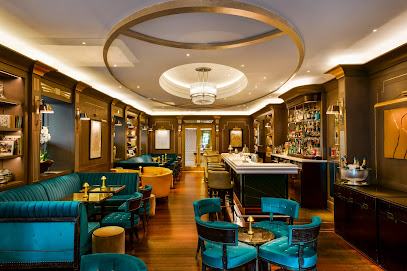
All Bar One Victoria
1.3 km
Sophisticated wines, global bites, and lively vibes on Victoria Street – London's go-to for stylish drinks and casual feasts near Westminster's heart.
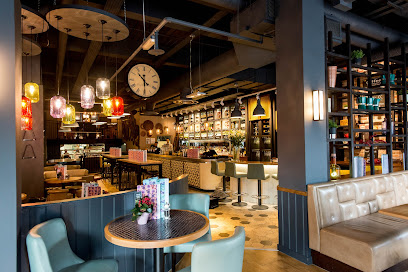
Disrepute - Soho
1.3 km
Descend into Soho's glamorous underworld at Disrepute, where 1960s scandal meets masterful cocktails in velvet-clad vaults—Soho's seductive late-night escape.
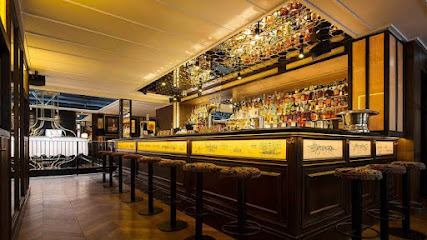
Cahoots London
1.3 km
Step into a 1940s London underground tube station and enjoy creative cocktails in a vibrant, theatrical vintage setting.
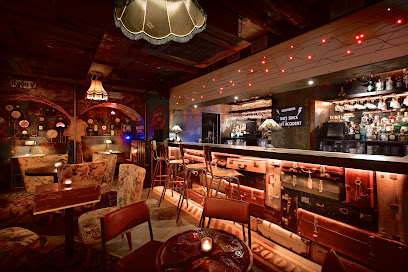
The Argyll Arms
1.4 km
Step into The Argyll Arms, a Victorian-era pub gem in Soho blending historic charm, real ales, and hearty British fare near Oxford Circus.
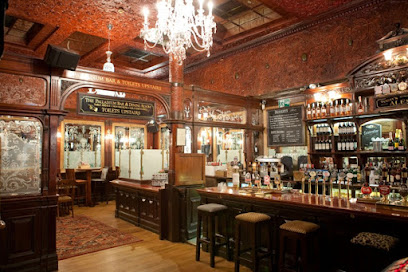
Two Chairmen
1.5 km
Traditional Westminster pub serving hearty pies, fresh ales, and classic British cheer just steps from St. James's Park and Parliament.
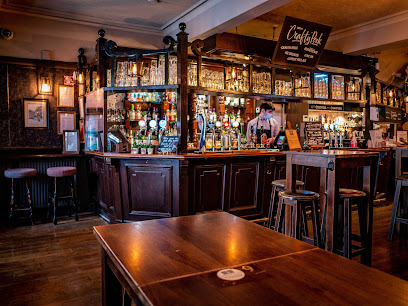
Blue Boar Pub
1.5 km
Traditional Westminster pub serving hearty British classics in a cozy, historic setting near Abbey and Parliament—perfect for ales, roasts, and relaxed evenings.
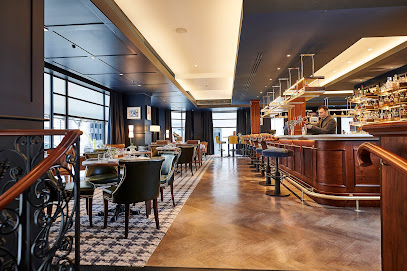
The Thin White Duke
1.5 km
Discover Soho’s intimate cocktail bar inspired by David Bowie, blending bespoke drinks, award-winning dim sum, and creative recording studios.
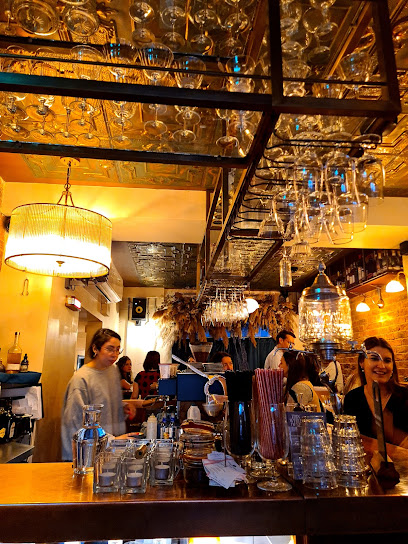
Duke of Argyll
1.5 km
Step into the Duke of Argyll for authentic Victorian pub charm, affordable ales, and a warm Soho atmosphere in central London.
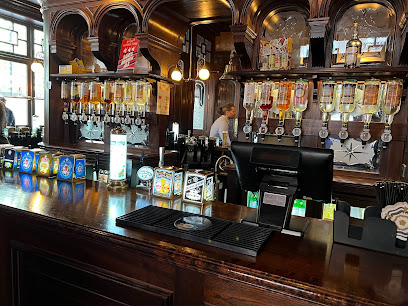
Nightclubs & after hour spots

LUXX CLUB LONDON
0.8 km
Experience Mayfair’s premier luxury nightclub with dazzling lights, top DJs, and exclusive VIP vibes at LUXX CLUB LONDON.
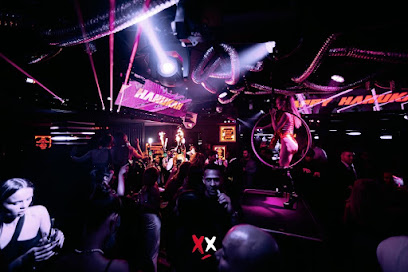
Tabu London
0.9 km
Escape Mayfair's polish for Tokyo's neon-lit Shinjuku alleys at Tabu London—retro gaming vibes, caged dancers, hip-hop beats, and upscale bites fuel epic nights.
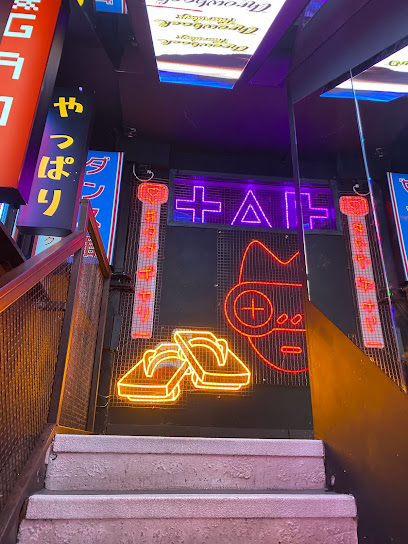
The Scotch of St James
1.1 km
Legendary Mayfair speakeasy where 60s rock stars jammed and today's elite dance till dawn in velvet-clad intimacy.
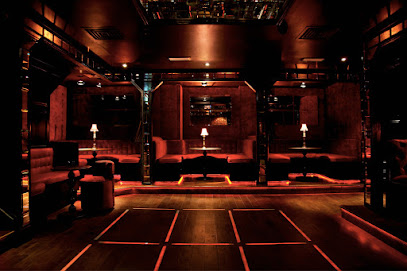
The Cuckoo Club
1.2 km
Exclusive Mayfair nightclub and restaurant blending glamorous design, contemporary cuisine, and vibrant nightlife in London’s upscale scene.
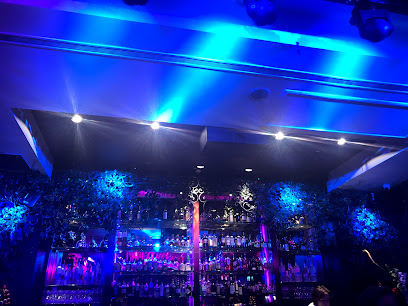
Carwash Nightclub
1.2 km
Europe's longest-running disco since 1989: sequins, funk beats, and joyful dancing in Mayfair's retro heart. Join the glitter-fueled party!
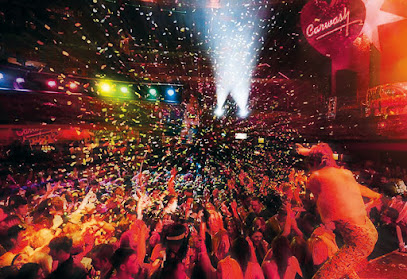
The Windmill Soho | Restaurant, Cabaret & Nightclub in Soho, London
1.5 km
Soho's legendary cabaret den revived: burlesque bites, theatrical feasts, and all-night beats in a historic hotspot of hedonism.
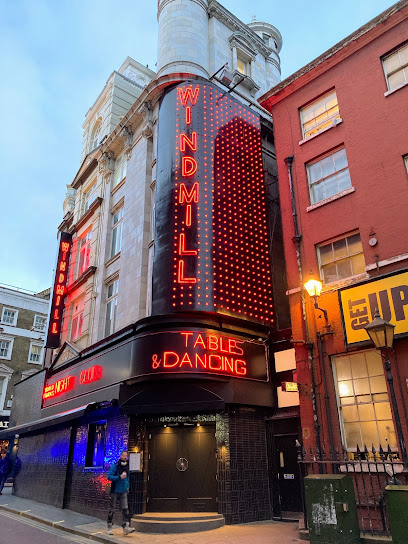
Tiger Tiger London
1.5 km
Experience London’s iconic Haymarket nightclub with six vibrant rooms, lively DJs, and a dynamic party atmosphere just moments from Piccadilly Circus.
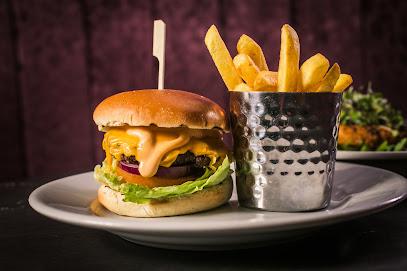
Sunset night club
1.5 km
Dive into Soho's electric nightlife at Sunset Night Club, where thumping beats, craft cocktails, and dawn-chasing energy define unforgettable nights in London's vibrant core.
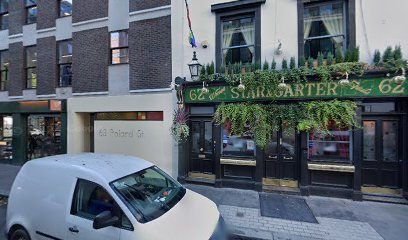
Luxe Club
1.5 km
Experience London's vibrant nightlife at Luxe Club, a central hotspot for music, dancing, and late-night entertainment.
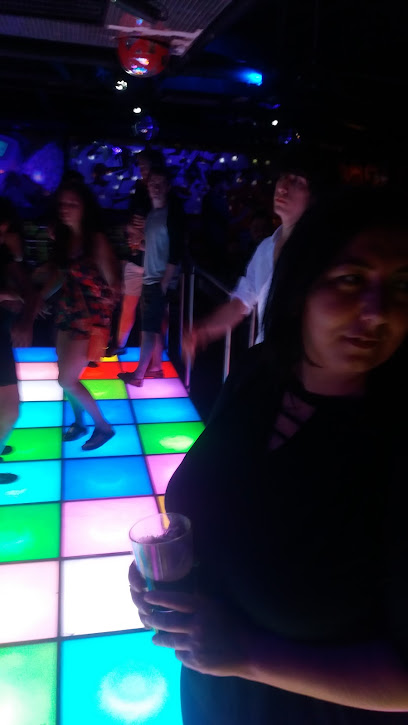
The Box Soho
1.6 km
A clandestine Soho cabaret where decadent staging, provocative shows and high‑end cocktails collide in an intense late‑night theatre.
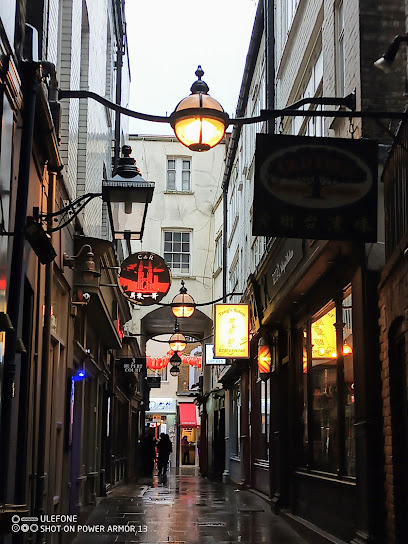
Café de Paris
1.6 km
Step into London’s iconic West End nightclub where history, glamour, and electrifying cabaret create unforgettable nights.
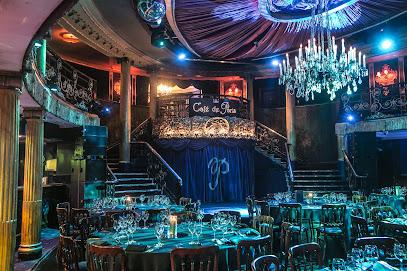
Versity Camp Nightclub
1.6 km
Dive into Soho's beating heart at Versity Camp Nightclub, where thumping bass, inventive cocktails, and an electric crowd fuel unforgettable nights until dawn.
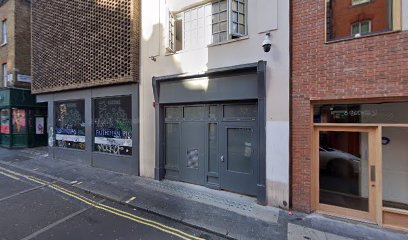
TSQ Club
1.6 km
Dive into Trafalgar Square's nightlife pulse at TSQ Club, where eclectic beats, dazzling lights, and craft cocktails fuel unforgettable weekend nights in London's heart.
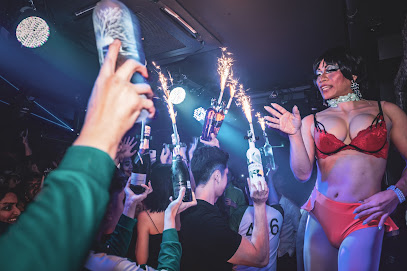
Sophisticats Soho
1.6 km
An intimate, late‑night Soho gentlemen’s club on Brewer Street offering staged performances, VIP seating and an upmarket, discreet atmosphere.
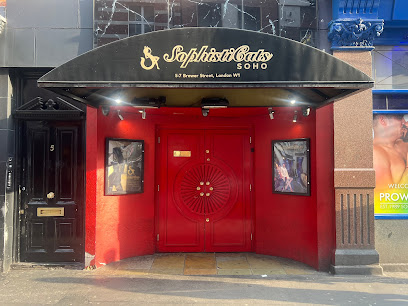
The Penthouse London
1.7 km
A compact, rooftop nightclub above Leicester Square — reached by a side lift, built for late‑night private parties and skyline glimpses.
For the vibe & atmosphere seeker
- Scenic
- Unique
- Quirky
- Lively
For the design and aesthetic lover
- Modern Designs
- Art Deco Styles
- Bohemian Styles
For the architecture buff
- Modern
- Art & Design
- Landmarks
- Viewpoints
For the view chaser and sunset hunter
- Iconic Views
- Panoramas
For the social media creator & influencer
- Instagrammable
- Photo Spots
- Architectural Shots
- Aesthetic Corners
For the eco-conscious traveler
- Public-Transport Accessible
- Car-Free Access
For the kind of experience you’re after
- Photowalk
- Cultural Heritage
- Day Trip
For how adventurous you want the journey to be
- Easy Access
Location Audience
- Family Friendly
- Solo Friendly
- Couple Friendly
- Senior Friendly
- Wheelchair Access


