
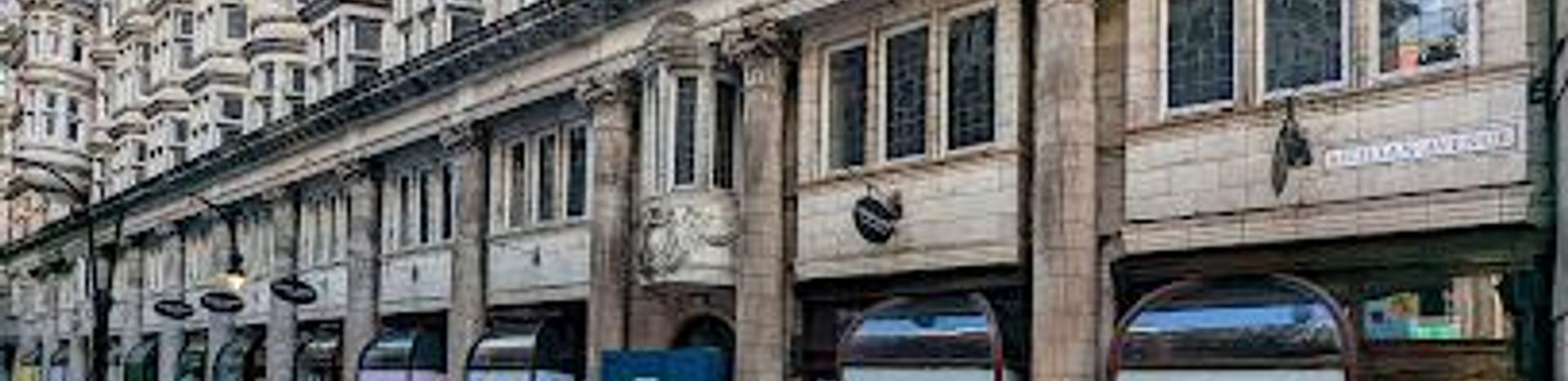
Sicilian Avenue: London's Edwardian Pedestrian Oasis
Discover Sicilian Avenue, a serene Edwardian pedestrian street in London blending historic Italian-inspired architecture with modern shops and calm charm.
Sicilian Avenue is a charming, Grade II listed Edwardian pedestrianised avenue located in Holborn, London. Designed by architect Robert Worley and completed in 1910, it features neo-classical architecture with Italian marble, ornate Ionic colonnades, and terracotta details. This serene shopping arcade offers a unique blend of historic elegance and contemporary shops and eateries, providing visitors with a tranquil urban escape near the British Museum.
A brief summary to Sicilian Avenue
- 7 Sicilian Ave, London, WC1A 2QR, GB
- Visit website
- Duration: 0.5 to 2 hours
- Mid ranged
-
 Outdoor
- Mobile reception: 5 out of 5
Local tips
- Look up to admire the intricate Ionic colonnades and terracotta details that define Sicilian Avenue’s unique Edwardian architecture.
- Visit in summer to enjoy the flower-lined walkway and the avenue’s charming Mediterranean ambiance.
- Combine your visit with a trip to the nearby British Museum, just a short walk away.
- Explore the variety of shops and eateries, including second-hand bookshops and Italian-inspired restaurants.

For the on-the-go comforts that matter to you
- Restrooms
- Drink Options
- Food Options
- Seating Areas
- Information Boards
Getting There
-
Underground
Take the London Underground to Holborn Station, served by the Central and Piccadilly lines. From there, it is a 5 to 7-minute walk to Sicilian Avenue. The station is well connected with frequent service and step-free access available at Holborn.
-
Bus
Several London bus routes stop near Holborn and Bloomsbury Way, including routes 8, 25, and 242. Buses run frequently throughout the day, with a journey time of 15 to 25 minutes from central London areas. Note that traffic can affect timings during peak hours.
-
Taxi or Rideshare
Taxis and rideshare services can drop you off near Sicilian Avenue on Southampton Row or Bloomsbury Way. Travel times vary from 10 to 30 minutes depending on traffic. Parking is limited and mostly restricted in this busy central London area.
Sicilian Avenue location weather suitability
-
 Any Weather
-
 Clear Skies
-
 Mild Temperatures
-
 Rain / Wet Weather
Discover more about Sicilian Avenue
An Architectural Gem in the Heart of London
Sicilian Avenue stands as a distinctive Edwardian pedestrianised street nestled between Southampton Row and Bloomsbury Way in Holborn. Designed by Robert Worley and completed in 1910, the avenue showcases a Baroque Revival style infused with neo-classical elements rather than Sicilian Baroque. Its most striking features are the two grand colonnades of Ionic columns at each end, supporting balustrades and ornate urns, with the avenue’s name inscribed in gold serif capitals. The buildings lining the avenue share a cohesive design language, with engaged composite order columns and terracotta bands adding texture and elegance to the red brick facades.A Mediterranean-Inspired Urban Retreat
Conceived as one of London’s earliest pedestrianised shopping streets, Sicilian Avenue was intended to offer a Mediterranean-style escape from the bustle of the city. Originally paved with Italian marble—which was mostly replaced in the 1920s—a small section remains as a nod to its luxurious past. The avenue’s layout, with its narrow, flower-lined walkway and the Edwardian mansions above, evokes an old-world Italian atmosphere, especially in summer when the greenery and sunlight enhance its charm. This oasis of calm contrasts with the surrounding busy urban environment, making it a favored spot for leisurely strolls and quiet enjoyment.Historic Evolution and Contemporary Use
Before its redevelopment, the site contained 17th-century shops and houses, cleared to widen the A40 road. The Bedford Estate commissioned the avenue’s construction, which transformed the area into a pedestrian-friendly shopping parade. While originally the upper floors served as residential apartments, they have since been converted into office spaces. Today, Sicilian Avenue hosts a variety of businesses including second-hand bookshops, restaurants, and cafes, though none have direct Sicilian ties. The avenue remains a peaceful yet vibrant destination for locals and visitors alike, blending heritage with modern urban life.Cultural Significance and Media Presence
Sicilian Avenue’s unique architecture and atmosphere have made it a sought-after filming location, featuring in productions such as the 2018 film "The Guernsey Literary and Potato Peel Pie Society," the 2017 "Wonder Woman" movie, and the Apple TV series "Slow Horses." Its preservation as a Grade II listed site underscores its importance in London’s architectural and cultural heritage. Recent redevelopment efforts aim to maintain its historic character while enhancing its role as a pedestrian-friendly urban space, reflecting 21st-century values of walkability and heritage conservation.Experience and Atmosphere
Walking through Sicilian Avenue, visitors encounter a harmonious blend of historic grandeur and everyday urban life. The avenue’s ornate stone facades, intricate carvings, and classical motifs invite admiration upward, while the ground floor’s shops and eateries offer a welcoming, relaxed environment. The avenue’s pedestrian-only status ensures a tranquil ambience, making it a perfect spot for a quiet lunch break or a leisurely browse. Its proximity to landmarks like the British Museum adds to its appeal as a serene yet accessible London gem.Preservation and Future Outlook
In 2020, the Holborn Links Estate, including Sicilian Avenue, was acquired by an investment fund committed to its careful redevelopment. The ongoing refurbishment aims to preserve the avenue’s Edwardian elegance and architectural details, ensuring that Sicilian Avenue remains a cherished historic and cultural landmark. As urban spaces increasingly prioritize walkability and heritage, Sicilian Avenue stands as a testament to early 20th-century urban design that continues to inspire and delight.Iconic landmarks you can’t miss

Sicilian Avenue
0.0 km
Discover Sicilian Avenue, a serene Edwardian pedestrian street in London blending Italianate architecture with charming shops and tranquil ambiance.
190 High Holborn
0.2 km
A modern office landmark in central London, blending contemporary design with strategic connectivity near historic Holborn.
Bow St
0.6 km
Bow Street, a historic London street famed for pioneering policing, vibrant theatre, and rich cultural heritage in Covent Garden.
Seven Dials
0.6 km
A star-shaped Georgian quarter blending historic charm with contemporary culture, boutiques, and dining.
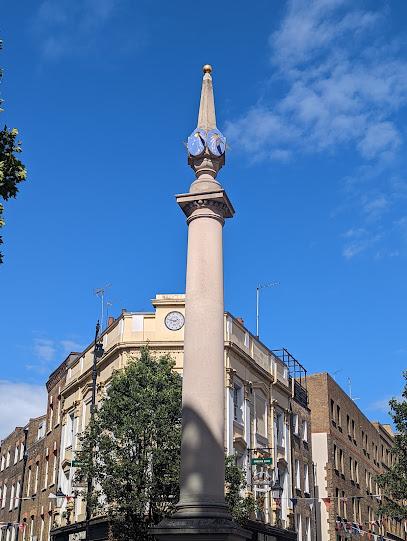
Historic Seven Dials
0.6 km
Discover Seven Dials, a historic London quarter where seven streets meet at a unique sundial pillar, blending rich heritage with vibrant culture.
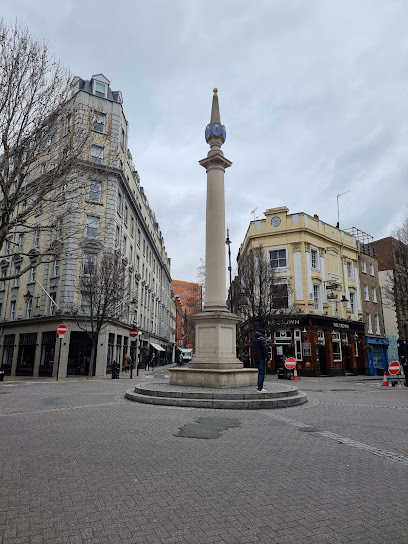
Hasdan
0.6 km
Discover the vibrant heart of London at Hasdan, where shopping, culture, and history meet on Tottenham Court Road.
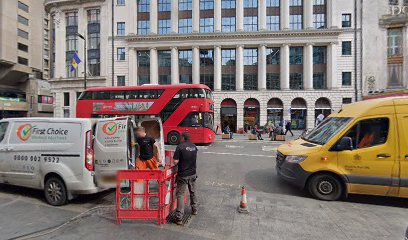
Denmark St
0.7 km
Britain's legendary Tin Pan Alley where rock and roll history was written in every studio, café, and guitar shop.
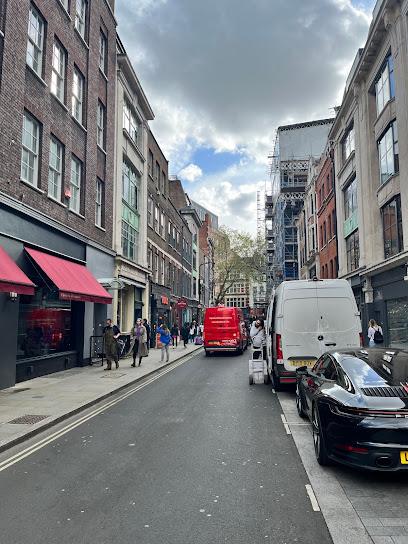
Plaque: Tin Pan Alley & La Giaconda cafe
0.7 km
Discover the legendary Tin Pan Alley and La Giaconda Cafe at 9 Denmark Street, the historic heart of London’s music scene and creative spirit.
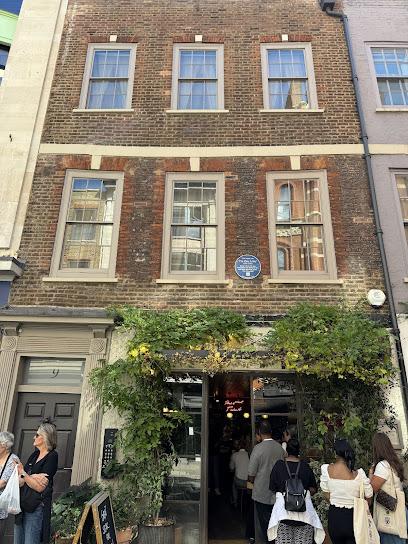
Mercer Walk
0.7 km
Experience the enchanting Mercer Walk in London, a charming alley brimming with boutique shops, cozy cafes, and artistic flair that captures the city's spirit.
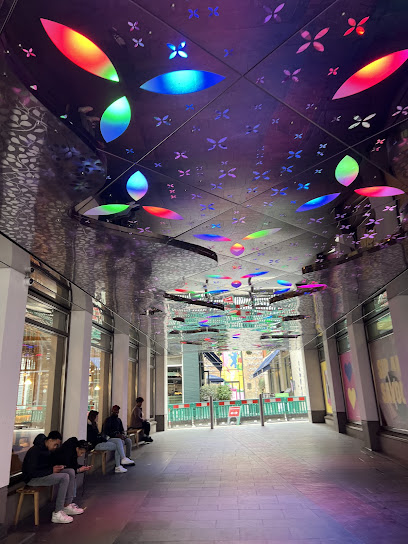
Staple Inn
0.7 km
Explore Staple Inn, a historic Tudor building in London, showcasing stunning architecture and a serene courtyard amidst the city's vibrant life.
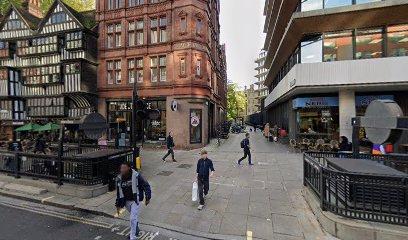
1 Soho Place
0.7 km
Explore 1 Soho Place: A vibrant business park in London's Soho, surrounded by eclectic eateries, shops, and cultural landmarks.
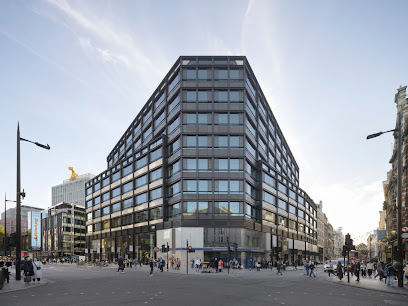
Slingsby Place
0.7 km
Explore Slingsby Place, a serene scenic point in London, offering lush greenery and stunning architecture perfect for relaxation and memorable photographs.
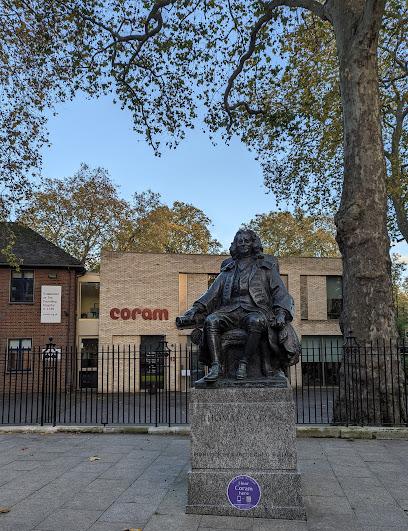
Statue of Thomas Coram
0.7 km
A seated bronze tribute to the philanthropist who saved thousands of abandoned children from London's streets.
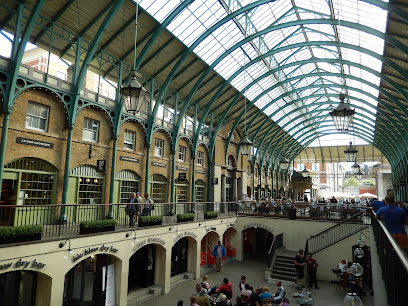
Covent Garden, street shows
0.8 km
Experience the vibrant energy of Covent Garden, where street performances, shopping, and history come together in the heart of London.
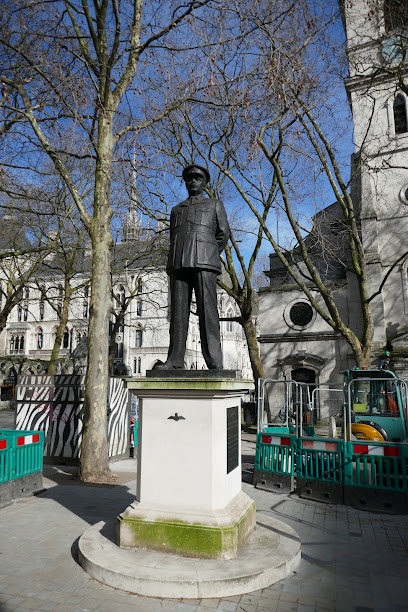
Bomber Harris Memorial
0.8 km
A solemn tribute to RAF Bomber Command’s leader and airmen, set within the historic St Clement Danes Church in London’s Temple district.
Unmissable attractions to see

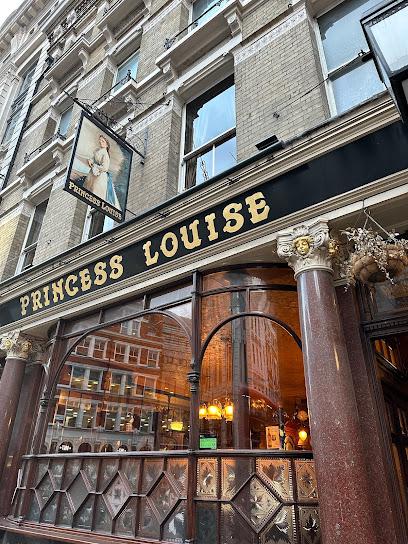
Princess Louise
0.1 km
Experience the rich history and vibrant atmosphere of Princess Louise, a must-visit gastropub in London's Holborn district.
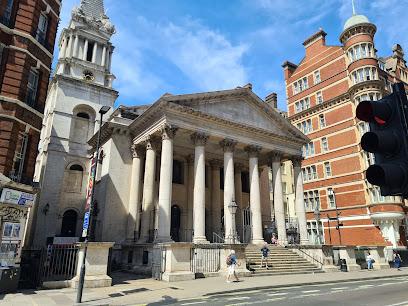
St George's Church, Bloomsbury.
0.2 km
Discover St George’s Church, Bloomsbury, Hawksmoor’s last English Baroque masterpiece crowned by its iconic stepped spire and rich historical legacy.
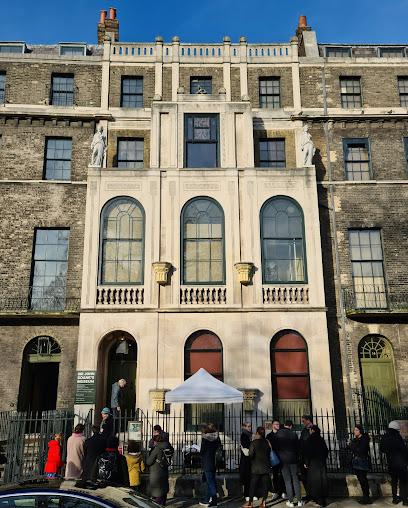
Sir John Soane's Museum
0.3 km
Explore the extraordinary preserved home and collection of Sir John Soane, a masterpiece of architecture and eclectic art in central London.
1 Queen Square
0.3 km
Historic Bloomsbury garden square renowned for medical heritage, tranquil gardens, and Georgian architecture.
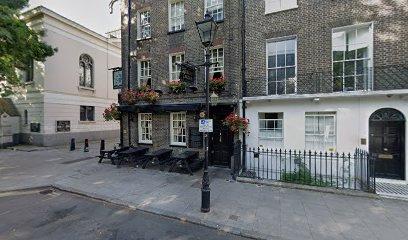
Lincoln's Inn Fields
0.3 km
London’s largest historic square blending centuries of legal heritage, dramatic history, and tranquil green space in the heart of Holborn.
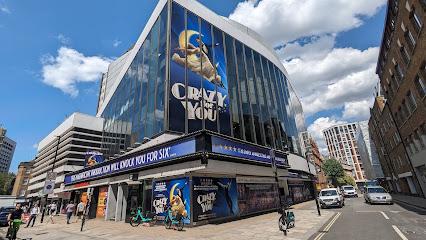
Gillian Lynne Theatre
0.4 km
Experience world-class musicals and iconic performances in the heart of London’s West End at the historic Gillian Lynne Theatre.
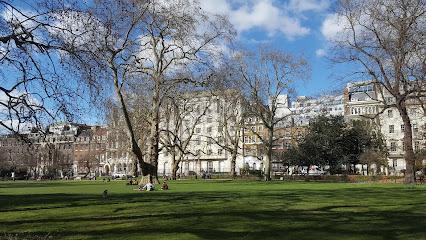
Queen Square
0.4 km
A historic Bloomsbury square blending Georgian charm, royal ties, and a world-renowned medical heritage in tranquil garden surroundings.
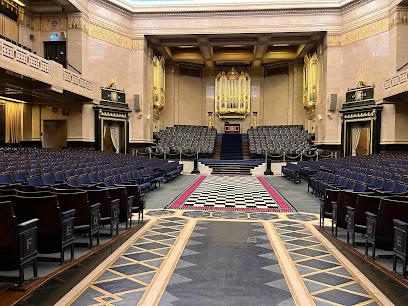
Freemasons Hall, London
0.4 km
Discover London's iconic Art Deco Freemasons' Hall, a grand memorial and Masonic headquarters rich in history, symbolism, and stunning architecture.
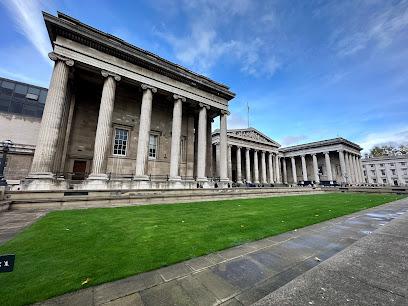
The British Museum
0.4 km
Explore over two million years of human history and culture beneath the iconic Greek Revival façade and stunning Great Court of the British Museum.
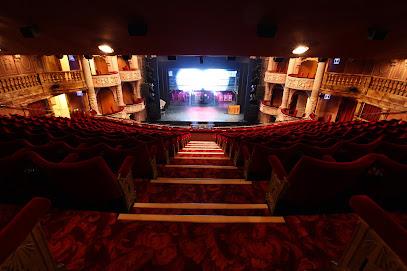
The Shaftesbury Theatre
0.4 km
Experience iconic West End theatre in a historic, steel-framed London venue renowned for its rich heritage and outstanding performances.
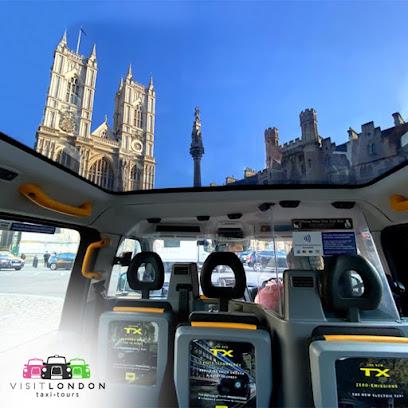
Visit London Taxi Tours
0.4 km
Discover London’s rich history and iconic landmarks in a traditional black taxi with Visit London Taxi Tours, where every ride is a unique adventure.
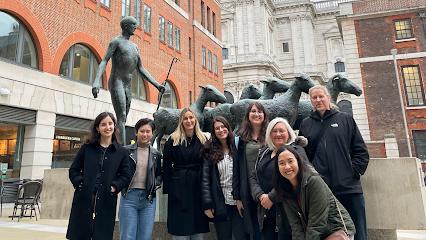
London Guided Walks
0.4 km
Experience the heart of London with guided walks that unveil its rich cultural heritage and captivating stories—perfect for curious travelers.
Persephone books
0.4 km
Explore the unique literary treasures of Persephone Books, a London bookshop dedicated to uncovering forgotten works by women authors.
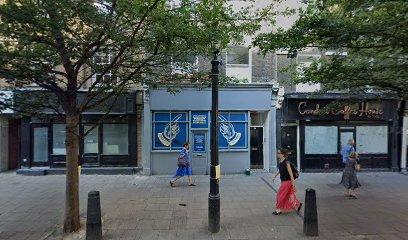
Smallest Street in London
0.5 km
Discover Emerald Court, London’s famously narrow alley, a hidden passage steeped in history and architectural contrasts in Bloomsbury.
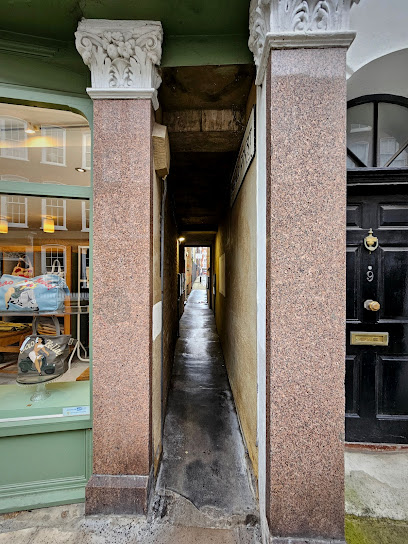
covent Garden ,
0.5 km
Historic piazza and vibrant cultural hub blending London’s heritage with luxury shopping, theatre, and lively street performances.
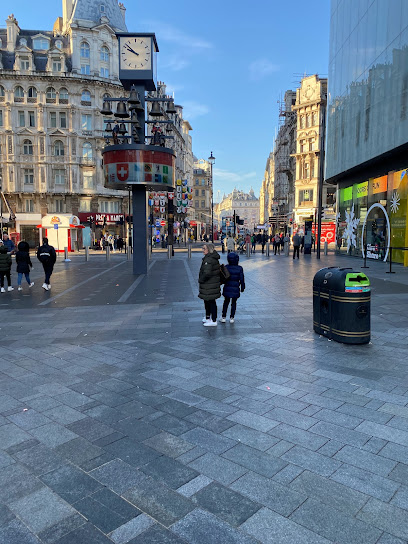
Essential places to dine

Hoa Sen Vietnamese Street Food Restaurant
0.4 km
Authentic Vietnamese street food in the heart of Covent Garden, blending vibrant flavors with a lively, cozy atmosphere.
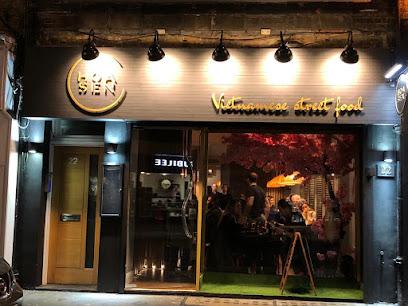
Margot
0.4 km
Sophisticated Italian dining with classic charm and an extensive wine list in the heart of Covent Garden, London.
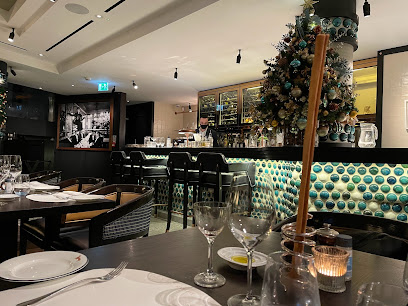
Circus
0.5 km
Experience Covent Garden’s vibrant Asian fusion dinner theatre where culinary artistry meets captivating live performances.
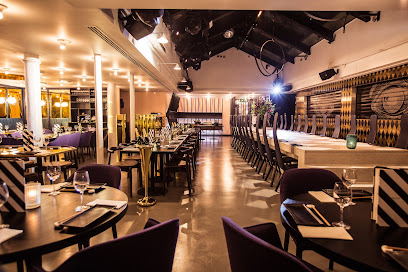
Sarastro
0.5 km
Experience vibrant Mediterranean flavors and live musical theatre in the heart of Covent Garden’s most theatrical restaurant.
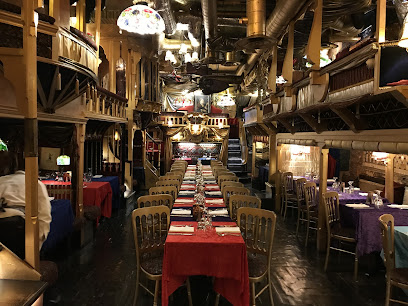
Inamo Covent Garden
0.6 km
A futuristic Pan-Asian restaurant in Covent Garden where interactive tables meet bold Asian flavours in a sleek, tech-forward space.
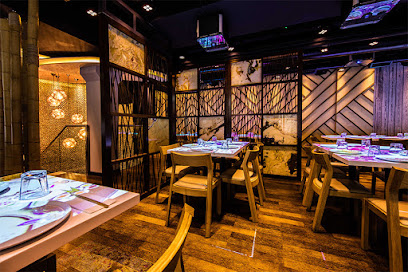
Flesh & Buns Covent Garden
0.6 km
Lively Japanese izakaya in Covent Garden famed for its signature bao buns, vibrant atmosphere, and innovative pan-Asian small plates.
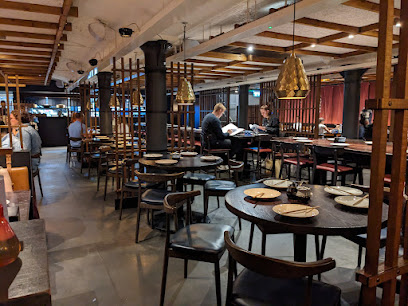
Hawksmoor Seven Dials
0.6 km
Savor expertly grilled British steaks and vibrant seafood in a historic Covent Garden brewery setting with atmospheric charm and refined cocktails.
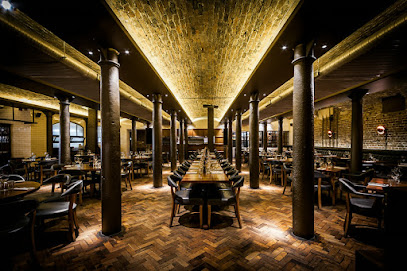
Balthazar
0.7 km
Experience the lively charm of a Parisian brasserie with classic French cuisine in the heart of Covent Garden, London.
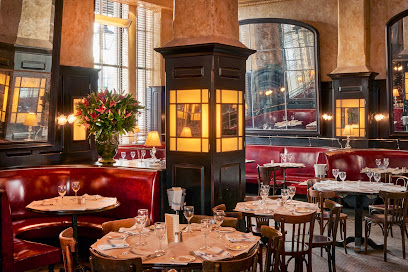
Cicchetti by San Carlo - London Covent Garden
0.7 km
Experience authentic Venetian small plates and seasonal Italian flavors in a stylish, lively Covent Garden setting.
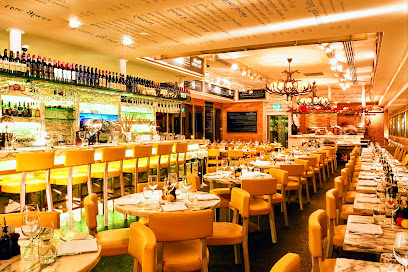
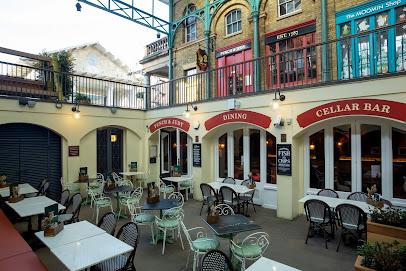
Punch & Judy
0.7 km
Historic Covent Garden pub blending classic British fare, lively balcony views, and family-friendly charm in the heart of London.
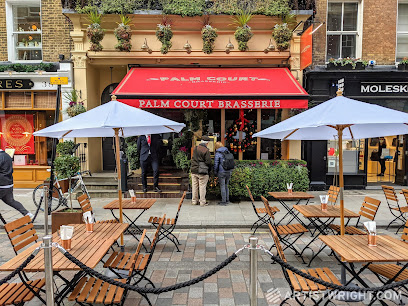
Palm Court Brasserie
0.7 km
Experience authentic Parisian charm and classic French cuisine in the vibrant heart of Covent Garden at Palm Court Brasserie.
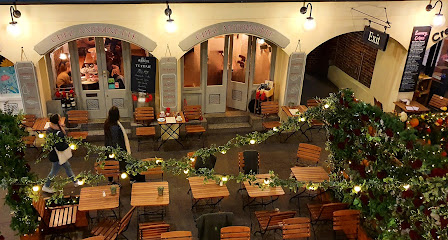
Chez Antoinette
0.7 km
Authentic Lyon-inspired French bistro serving classic tartines and cozy café fare in the heart of Covent Garden, London.
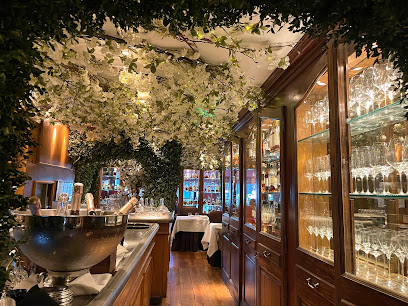
Clos Maggiore
0.8 km
Experience London’s most romantic French restaurant with enchanting blossom-filled conservatory and an award-winning wine cellar in Covent Garden.
Noble Rot Soho
0.8 km
A Soho gem blending historic charm with modern European cuisine and an exceptional, accessible wine list in a cozy, clubby setting.
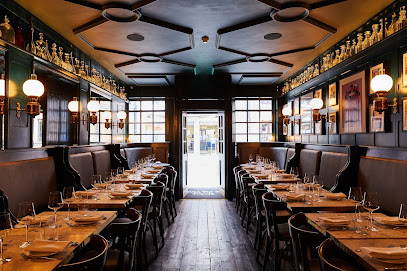
La Bodega Negra Restaurant
0.8 km
Experience daring Mexican cuisine and vibrant nightlife in Soho’s provocative La Bodega Negra, where edgy ambiance meets inventive flavors.
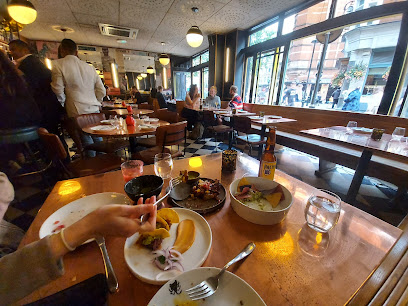
Markets, malls and hidden boutiques

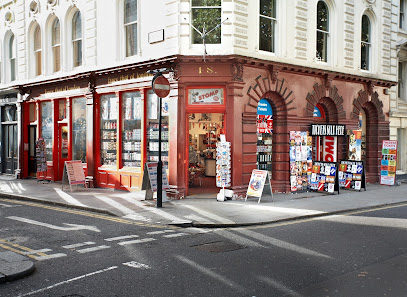
Fancy That of London
0.3 km
Discover unique London souvenirs and charming keepsakes in a warm, inviting shop just opposite the British Museum on Great Russell Street.
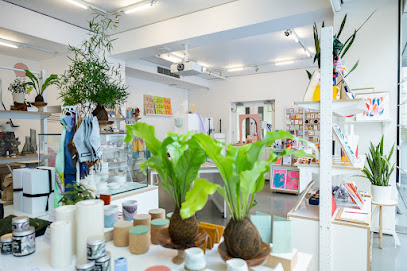
not just a shop
0.3 km
Discover unique, handcrafted art and design by UAL’s students and alumni at this creative retail hub in central London.
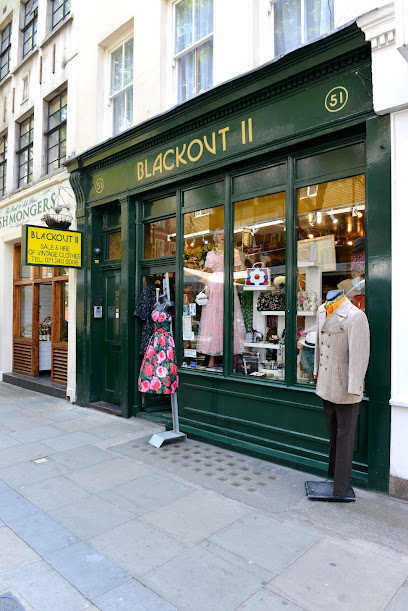
Blackout II - Vintage Clothing London
0.5 km
Discover timeless vintage fashion treasures from the 1920s to the 1980s in Covent Garden’s iconic Blackout II boutique.
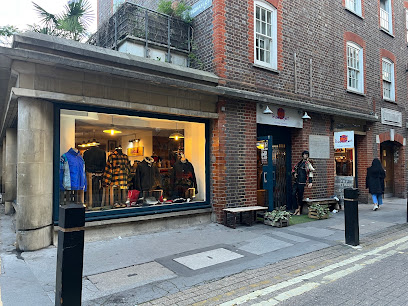
Pop Boutique
0.5 km
Discover authentic vintage fashion treasures from the 50s to 90s in a colorful, retro boutique at London’s vibrant Seven Dials.
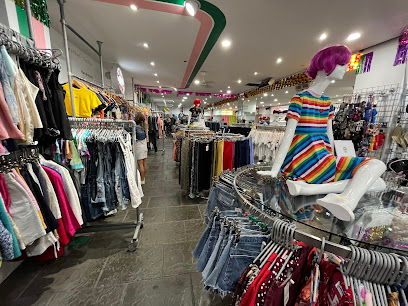
Rokit Covent Garden
0.5 km
Dive into retro treasures at Rokit Covent Garden, where sustainable vintage fashion meets London's vibrant street style heritage on Shelton Street.
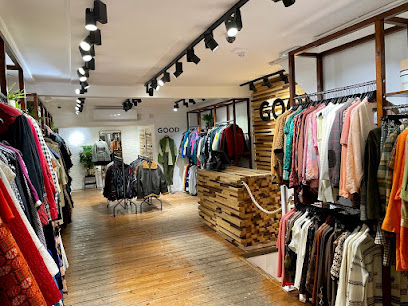
Good
0.6 km
Discover sustainable style with curated preloved vintage and designer fashion at Good London’s Seven Dials shop.
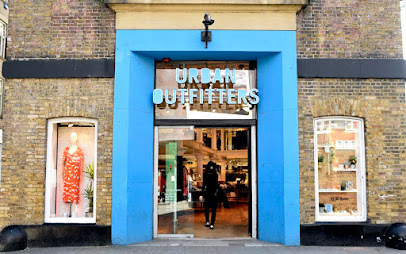
Urban Outfitters
0.6 km
Dive into Urban Outfitters' warehouse wonderland in Seven Dials, where eclectic fashion, cult beauty, and quirky homewares fuel London's youth culture vibe.
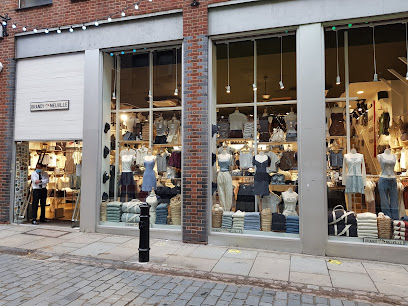
Brandy Melville - Covent Garden
0.6 km
Trendy Italian-LA fusion on Neal Street: one-size-fits-most chic for the effortless Covent Garden style seeker.
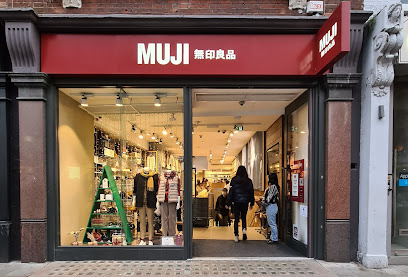
MUJI Covent Garden Store
0.7 km
Discover Japanese minimalism in Covent Garden: timeless clothing, sustainable homewares, and functional stationery for clutter-free, mindful living.
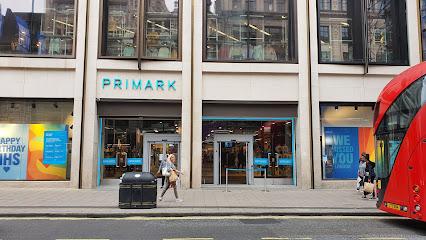
Primark
0.7 km
Discover unbeatable fashion and homeware bargains across multiple floors at Primark Oxford Street, London’s premier budget shopping destination.
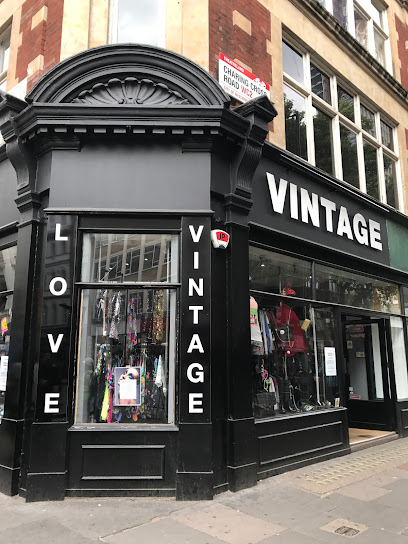
Goldsmith Vintage
0.7 km
Iconic Soho vintage shop since 1990: two floors of handpicked retro dresses, blazers, bags & accessories from decades past, with sales from £10.95.
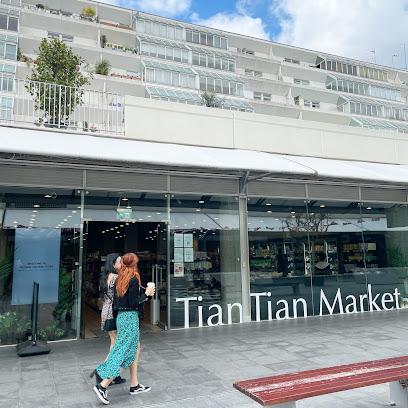
The Brunswick Centre
0.7 km
Iconic brutalist shopping and cultural hub where modernist architecture meets vibrant urban life in Bloomsbury.
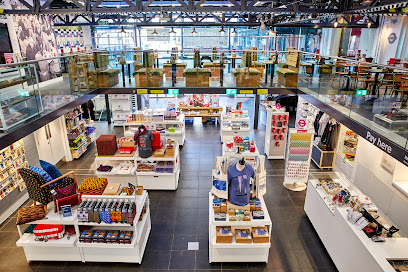
London Transport Museum - Shop
0.7 km
Discover unique transport-themed gifts and iconic London memorabilia at the London Transport Museum Shop in Covent Garden.
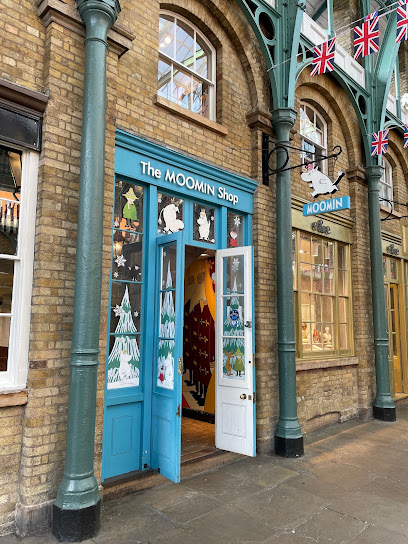
The Moomin Shop London
0.7 km
Step into the enchanting world of Moominvalley at The Moomin Shop in Covent Garden, London’s magical haven for fans of Tove Jansson’s beloved characters.
Sass & Belle Covent Garden Market
0.7 km
Quirky gifts and whimsical homeware in Covent Garden's lively market—permanently closed in-store, thriving online with cute finds for every home.
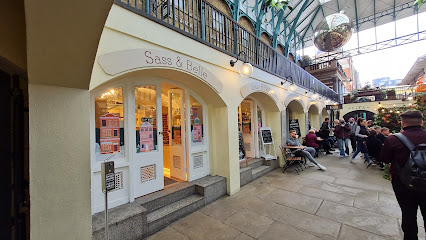
Essential bars & hidden hideouts

Fitz's Russell Sq.
0.5 km
Discover Fitz's Russell Square, a glamorous cocktail bar blending Victorian elegance with modern British cuisine in the heart of Bloomsbury.
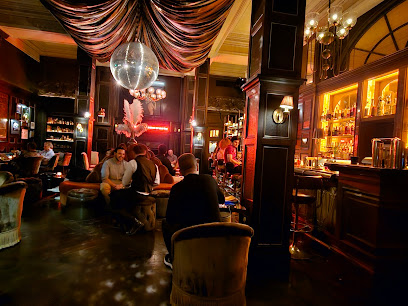
The Coral Room
0.5 km
Experience 1920s-inspired glamour and expertly crafted cocktails in the vibrant coral-hued heart of Bloomsbury Hotel.
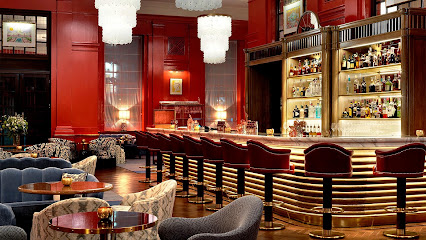
The Duke
0.6 km
A classic Bloomsbury pub offering warm hospitality, traditional drinks, and hearty British fare in a cozy setting.
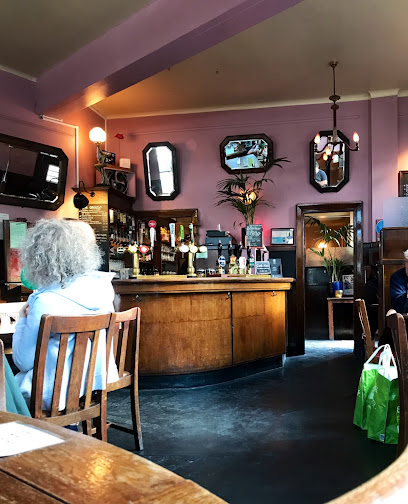
Be At One - Russell Street
0.6 km
Covent Garden’s vibrant cocktail bar with 100+ drinks, late-night parties, and unbeatable 2-for-1 happy hours in a stylish basement setting.
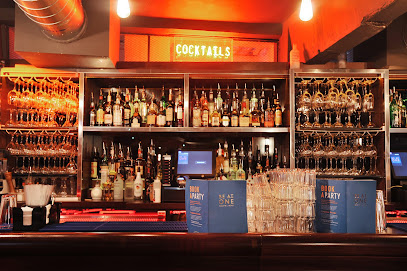
The Escapologist Bar
0.6 km
Step into a Victorian-inspired underground bar in Covent Garden where theatrical cocktails and lively entertainment create unforgettable nights.
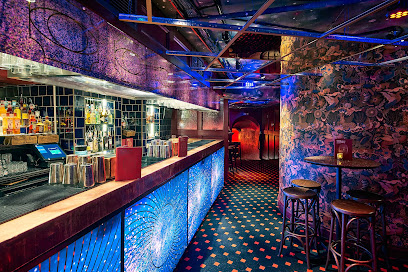
Dirty Martini - Covent Garden
0.7 km
Glamorous Covent Garden cocktail haven pulsing with martini magic, bottomless brunches, and late-night DJ vibes under sparkling chandeliers.
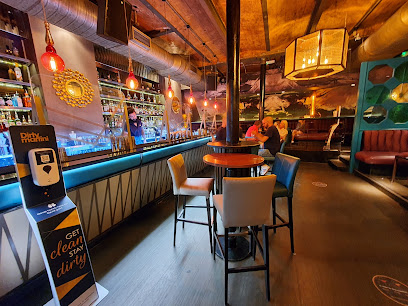
Plume Wine Bar
0.7 km
Covent Garden speakeasy in Dickens' old offices: sparkling wines from afar, cheesy sharing plates, and note-passing to strangers in candlelit luxury.
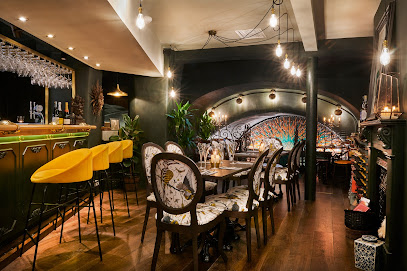
Prelude by Oriole
0.7 km
A refined Covent Garden cocktail bar blending innovative drinks, Latin American fusion cuisine, and live music in a stylish Asian-inspired setting.
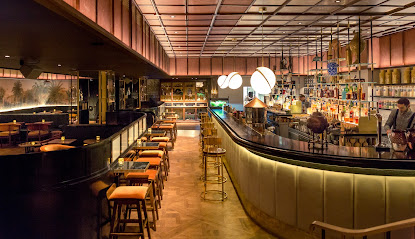
Crusting Pipe
0.7 km
Covent Garden wine bar pouring Davy’s finest ports amid live music, British classics and cosy nooks—perfect for pre-theatre indulgence or market rendezvous.
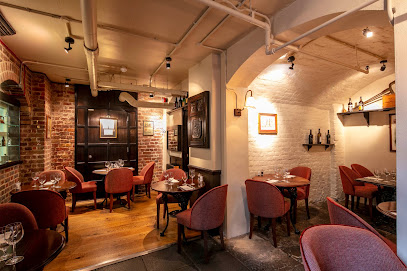
Be At One - Covent Garden Lyceum
0.7 km
Shake up your night in Covent Garden with 100+ cocktails, 2-for-1 happy hours, and masterclasses in a historic spot pulsing with theater-district energy.
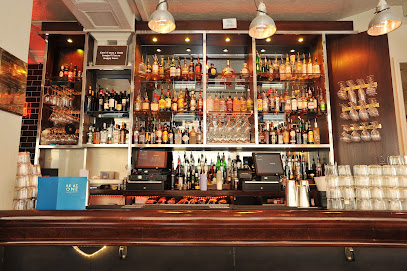
Bar Termini
0.8 km
An intimate Soho gem blending Italian cocktail artistry with a cozy, elegant atmosphere in London’s vibrant West End.
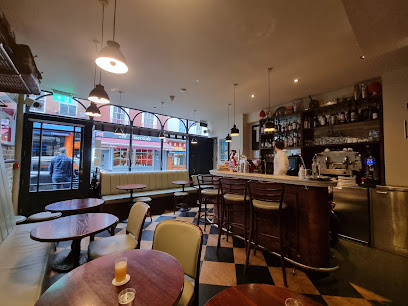
Swift Soho
0.8 km
Soho's split-level cocktail gem: aperitivo elegance upstairs, whisky-laced intimacy below, with live jazz and legendary mixes drawing night owls to Old Compton Street.
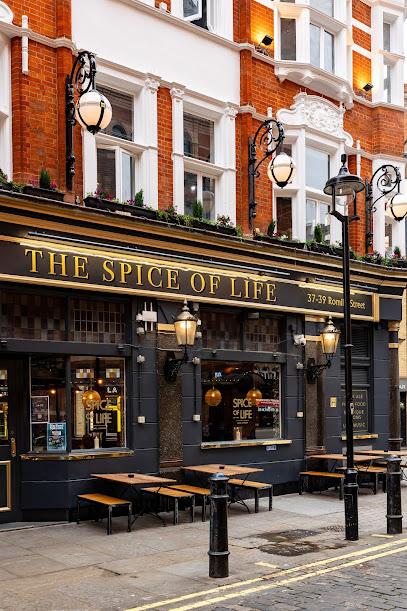
The Spice Of Life
0.8 km
Historic Soho pub and live music venue blending traditional charm with vibrant nightlife and boutique hotel comforts.
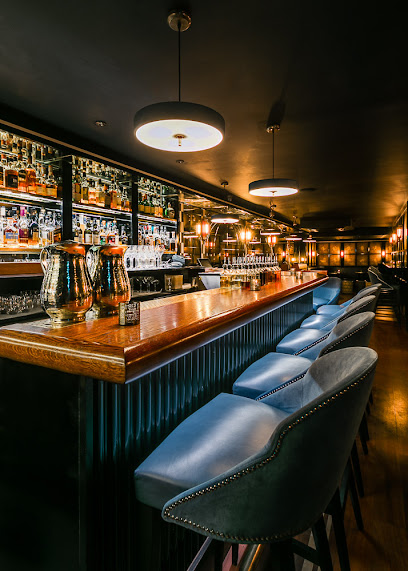
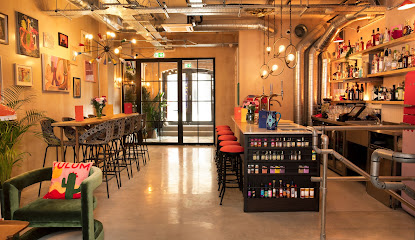
The Little Scarlet Door
0.8 km
Step through the scarlet door to a playful Soho loft bar alive with inventive cocktails, secret rooms, and a lively house party vibe.
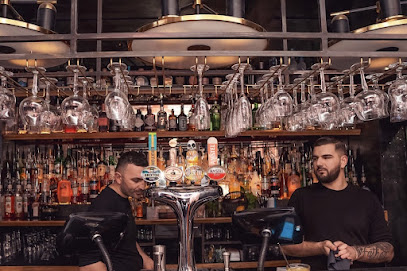
Thirst Bar Soho
0.8 km
Compact Soho cocktail bar by day, pulsing DJ‑led club by night—cheap cocktails, leather booths and a lively basement scene.
Nightclubs & after hour spots

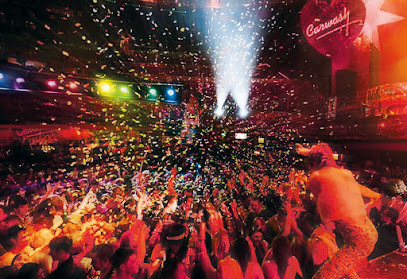
Carwash Nightclub
0.3 km
Experience Europe’s longest-running disco club in London’s West End, where retro beats, vibrant crowds, and themed parties create unforgettable nights.
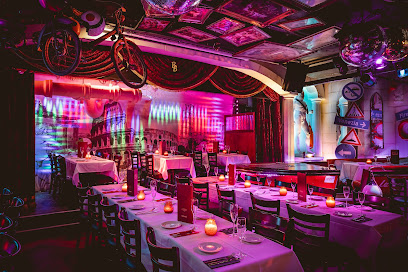
Bunga Bunga Covent Garden
0.4 km
A neon-soaked, pizza-and-karaoke supper club under Drury Lane — 90s nostalgia, stage shows and shareable Italian feasts.
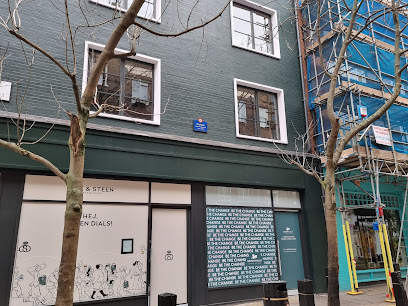
The Roxy
0.5 km
Soho's unbeatable happy hour cocktail bar by day, pulsing nightclub with live music and DJ nights till 3am—affordable vibes in London's nightlife heart.
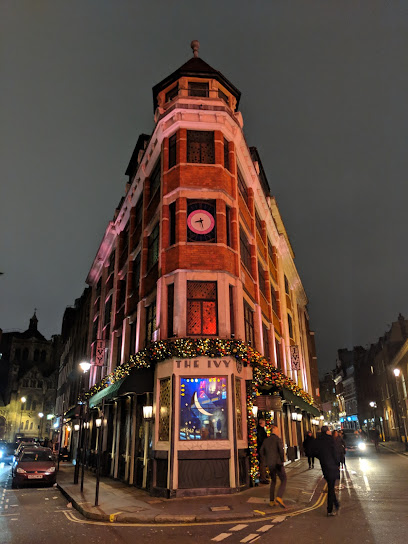
The Ivy Club
0.8 km
Art-Deco‑tinged members’ club above The Ivy — piano bars, discreet private dining and polished West End glamour.
Club49Soho
0.8 km
Soho's stylish cocktail haven with DJ-fueled dancefloor energy, blending upscale drinks and classy nightlife vibes until 3am.
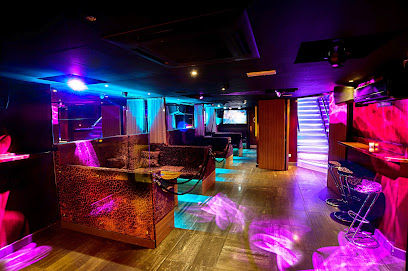
Whatdafunk Presents West End Urban Disco
0.8 km
Dive into London's grooviest urban disco beats at Whatdafunk, where Covent Garden's streets pulse with funk, soul, and non-stop dance energy in the heart of the West End.
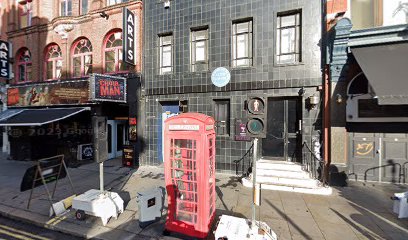
La Capannina Club
0.8 km
Discover Soho's discreet gentlemen's club: seductive stage shows, cosy vibes, and late-night allure in London's nightlife heart.
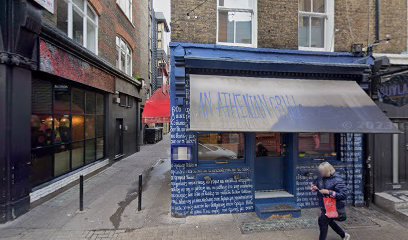
Proud Late
1.0 km
Dive into two-storey glamour under Waterloo Bridge: cabaret acrobatics, burlesque dazzle, supper feasts, and non-stop clubbing till 5am in London's West End nightlife epicenter.
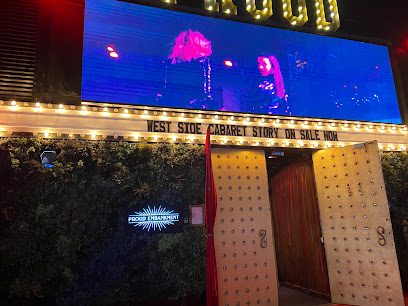
Zoo Bar & Club
1.0 km
Dive into Leicester Square's edgy nightlife hub: two floors of R&B beats, sports screens, and wild energy until 3am at Zoo Bar & Club.
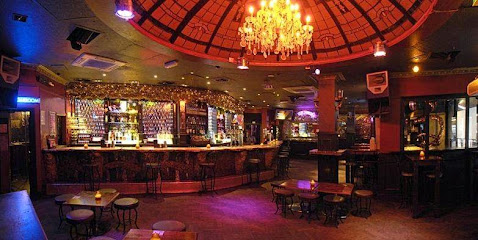
St Moritz Club
1.0 km
Soho's retro basement nightclub: 1960s vibes meet modern beats in an intimate, wood-paneled haven beneath a Swiss chalet restaurant.
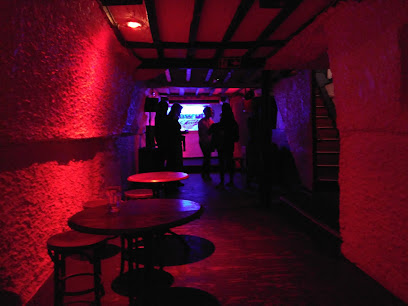
101 Nightclub London
1.1 km
Soho's raw Saturday night pulse: intimate beats, crowded floors, and unfiltered London club energy on Wardour Street.
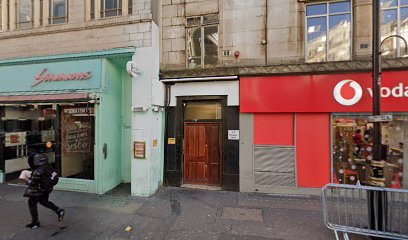
Bordello London
1.1 km
Dive into Soho's seductive basement beats at Bordello London, where Wardour Street's nightlife legacy ignites late-night frenzy on weekends.
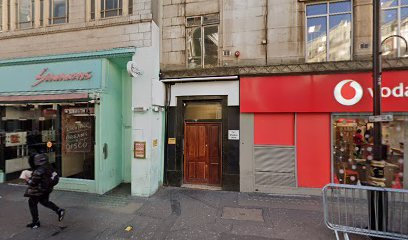
The Penthouse London
1.1 km
A compact, rooftop nightclub above Leicester Square — reached by a side lift, built for late‑night private parties and skyline glimpses.
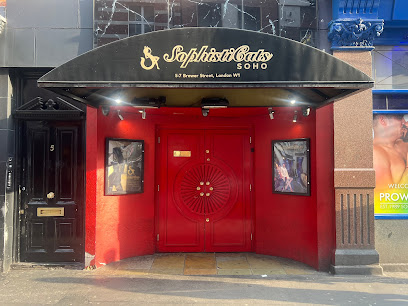
Sophisticats Soho
1.1 km
An intimate, late‑night Soho gentlemen’s club on Brewer Street offering staged performances, VIP seating and an upmarket, discreet atmosphere.
Versity Camp Nightclub
1.1 km
Dive into Soho's beating heart at Versity Camp Nightclub, where thumping bass, inventive cocktails, and an electric crowd fuel unforgettable nights until dawn.
For the vibe & atmosphere seeker
- Tranquil
- Scenic
- Unique
- Casual
For the design and aesthetic lover
- Vintage Styles
- Rustic Designs
For the architecture buff
- Historic
- Landmarks
- Art & Design
For the view chaser and sunset hunter
- Iconic Views
For the social media creator & influencer
- Instagrammable
- Photo Spots
- Architectural Shots
For the eco-conscious traveler
- Public-Transport Accessible
- Car-Free Access
For the kind of experience you’re after
- Cultural Heritage
- Photowalk
- Day Trip
- Weekend Getaway
For how adventurous you want the journey to be
- Easy Access
Location Audience
- Family Friendly
- Senior Friendly
- Child Friendly
- Teen Friendly
- Wheelchair Access
- Solo Friendly
- Couple Friendly
- Solo Female Friendly
- Vegetarian Friendly
- Vegan Friendly


