

Währing (Vienna) Travel Guide - Free
Explore Währing in Vienna with Evendo's free guide. Find the best shops, historic streets, restaurants, and gems on web or mobile.


Währing in Vienna pairs leafy villa streets, Türkenschanzpark, local cafés and Heuriger traditions with a calm residential rhythm and easy city access.
A Residential District with Rural Roots
Währing occupies Vienna’s north-western side, where the city’s continuous urban fabric begins to loosen into tree-lined streets, villa gardens and remnants of a wine-growing landscape. As Vienna’s 18th district, it encompasses several historically distinct areas, including Währing, Weinhaus, Gersthof and Pötzleinsdorf. Their former village identities remain visible in the varied scale of the streets: grand late nineteenth-century apartment buildings stand alongside detached houses, garden walls and quieter lanes climbing towards the Vienna Woods.Read more about Währing
Parks, Markets and Everyday Vienna
Cafés, Heuriger and Local Character
Best attractions in Währing
Währing’s attractions are primarily its parks, markets and streetscapes rather than large museums. Türkenschanzpark is the district’s signature public space, laid out with winding paths, water features, mature trees and planted gardens across a gently elevated site associated with the former Türkenschanze. Pötzleinsdorfer Schlosspark provides a broader, more informal landscape around the former estate, with lawns, wooded areas and space for a relaxed walk. In the more urban south, Kutschkermarkt offers a close-up view of everyday Viennese food culture through its stalls, cafés and local meeting places. Schubertpark adds a quieter historical dimension, combining lawns and mature trees with memorial references to the former Währinger cemetery. The route along Währinger Straße, Gersthofer Straße and the neighbouring side streets is also an attraction in itself, revealing the transition from nineteenth-century apartment blocks to villas and older village-scale buildings.
-
Park
Türkenschanzpark
Discover Vienna's Türkenschanzpark: A historic green oasis with ponds, rare plants, and panoramic views, perfect for recreation and relaxation.
8 min walk · 0.6 km from neighbourhood centre
-
Tourist attraction
Währinger Schubertpark
Discover Währinger Schubertpark in Vienna: a historic park with playgrounds, sports, and a tranquil memorial grove.
5 min walk · 0.4 km from neighbourhood centre
-
Tourist attraction
Aussichtsturm Paulinenwarte im Türkenschanzpark
Ascend the historic Paulinenwarte in Türkenschanzpark for charming views of Vienna and a glimpse into the city's 19th-century heritage.
8 min walk · 0.6 km from neighbourhood centre


Best landmarks in Währing
Währing’s landmarks express the district’s layered development from village outskirts to prosperous suburb. Türkenschanzpark is both a landscaped park and a historical marker, its name recalling the defensive earthworks associated with the 1683 Ottoman siege of Vienna. Schubertpark occupies the former Währinger cemetery, where Beethoven and Schubert were originally buried before their remains were moved to Zentralfriedhof; memorial elements preserve that musical connection. Kutschkermarkt is a social and commercial landmark rather than a monumental building, representing the continuity of local market life. Along Währinger Straße and in Gersthof, late nineteenth-century apartment houses stand beside older village-scale structures, while the villas and garden walls around Pötzleinsdorf embody the district’s suburban expansion. Together these places show how Währing’s identity was shaped by former villages, transport-led growth, public parks and the survival of a wine-country edge.
-
Park
Türkenschanzpark
Discover a historic Viennese park with diverse landscapes, botanical collections, recreational activities, and panoramic city views from Paulinenwarte.
8 min walk · 0.6 km from neighbourhood centre
-
Park
Währinger Park
Discover Währinger Park in Vienna: a historic green space offering recreation, memorials, and a peaceful escape in the heart of the 18th district.
11 min walk · 0.9 km from neighbourhood centre
-
Park
Währinger Schubertpark
Discover a tranquil park in Vienna's 18th district, once the burial site of Beethoven and Schubert, offering a blend of history and recreation.
5 min walk · 0.4 km from neighbourhood centre
-
Historical landmark
Aussichtsturm Paulinenwarte im Türkenschanzpark
Ascend the historic Paulinenwarte in Türkenschanzpark for panoramic Vienna views and a glimpse into the city's 19th-century charm.
8 min walk · 0.6 km from neighbourhood centre


Explore Währing on the map
A handpicked selection of must-see spots in Währing, mapped for you.
Best hotels in Währing
Best restaurants in Währing
Eating in Währing is closely tied to neighbourhood routines rather than a concentrated fine-dining scene. Around Kutschkermarkt and Kutschkergasse, visitors find cafés, bakeries, small food businesses and restaurants serving the local community, making the market area a practical place to observe Viennese eating habits alongside shopping. Traditional Austrian cooking appears in established inns and wine taverns, while the district’s international residents and students contribute a broader range of casual restaurants along Währinger Straße and its side streets. Heuriger culture is most evident towards the outer and hillier parts of the district, where seasonal food, local wine and informal seating evoke Währing’s former vineyard landscape. Restaurant offerings change, so the most reliable approach is to explore the market streets and tram corridor rather than expect a single dining quarter. Reservations and current opening information are sensible for more formal meals.
-
Restaurant
Centimeter VII Restaurant bei den Stadtbahnbögen
Experience authentic Austrian cuisine at Centimeter VII in Vienna - where every dish is served by the centimeter!
18 min walk · 1.4 km from neighbourhood centre
-
Restaurant
Ariston Hellenic
Discover Ariston Hellenic in Vienna: where authentic Greek cuisine meets Austrian charm for an unforgettable dining experience.
6 min walk · 0.5 km from neighbourhood centre
-
Ethiopian
Ethiopian Restaurant - Cafe Lalibela
Discover authentic Ethiopian cuisine at Cafe Lalibela in Vienna – where rich flavors meet warm hospitality.
12 min walk · 1.0 km from neighbourhood centre
-
Restaurant
HOLLERKOCH
Discover authentic Austrian flavors at Hollerkock, where tradition meets modern dining in the heart of Vienna's Währing district.
9 min walk · 0.8 km from neighbourhood centre


Best bars in Währing
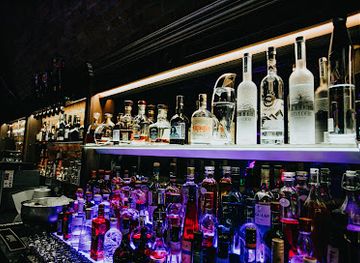
Währing’s evening life is sociable but comparatively restrained, reflecting its predominantly residential character. The streets around Währinger Straße and Kutschkermarkt contain cafés, modest bars and places for an unhurried drink, while traditional wine taverns provide the district’s most distinctive local form of nightlife. Towards Pötzleinsdorf and the surrounding slopes, Heuriger offer a setting associated with Vienna’s wine-growing culture, although the atmosphere is generally conversational rather than club-oriented. There is no major concentration of nightclubs within Währing, and visitors seeking late-night venues will find a wider choice in the inner districts, reachable by tram or underground. In the neighbourhood itself, evenings are better suited to a meal, a glass of wine or a café stop than to a late-night entertainment itinerary. Residential streets become quiet quickly, so noise should be kept low when leaving venues.
-
Irish pub
Charlie P's
Experience the lively spirit of Ireland in Vienna at Charlie P's, where great food, drinks, and entertainment await every visitor.
7 min drive · 2.2 km from neighbourhood centre
-
Cocktail bar
The Sign | Cocktail Bar | Bar
Discover The Sign, Vienna's premier cocktail bar offering exquisite drinks and a chic lounge atmosphere, perfect for relaxing and socializing.
18 min walk · 1.4 km from neighbourhood centre
-
Bar
D.E.R. location
Experience Vienna's vibrant nightlife at D.E.R. Location, a cozy bar in Währing offering exceptional drinks and a welcoming atmosphere.
6 min walk · 0.5 km from neighbourhood centre
-
Irish pub
Irish Pub Na Nog
Discover the heart of Irish culture in Vienna at Na Nog, where delicious food, live music, and a welcoming atmosphere await you.
11 min walk · 0.9 km from neighbourhood centre


Best nightclubs in Währing
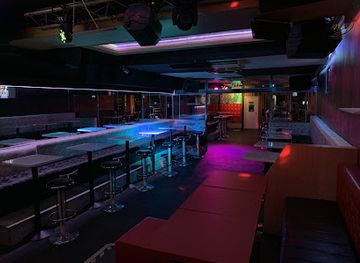
Währing’s evening life is sociable but comparatively restrained, reflecting its predominantly residential character. The streets around Währinger Straße and Kutschkermarkt contain cafés, modest bars and places for an unhurried drink, while traditional wine taverns provide the district’s most distinctive local form of nightlife. Towards Pötzleinsdorf and the surrounding slopes, Heuriger offer a setting associated with Vienna’s wine-growing culture, although the atmosphere is generally conversational rather than club-oriented. There is no major concentration of nightclubs within Währing, and visitors seeking late-night venues will find a wider choice in the inner districts, reachable by tram or underground. In the neighbourhood itself, evenings are better suited to a meal, a glass of wine or a café stop than to a late-night entertainment itinerary. Residential streets become quiet quickly, so noise should be kept low when leaving venues.
-
Night club
Grelle Forelle
Experience the vibrant nightlife of Vienna at Grelle Forelle, a premier night club known for its electrifying atmosphere and top DJ performances.
6 min drive · 1.8 km from neighbourhood centre
-
Night club
The Loft
Experience the vibrant nightlife of Vienna at The Loft, where music, dance, and delicious cocktails create unforgettable memories in a stylish setting.
7 min drive · 2.3 km from neighbourhood centre
-
Night club
D19 the Club
Dive into Vienna's vibrant nightlife at D19 the Club, a premier night club offering electrifying music and unforgettable experiences.
5 min drive · 1.6 km from neighbourhood centre
-
Disco club
Premium Club Vienna
Unleash your energy at Premium Club Vienna, an electrifying disco club in the heart of Ottakring, where unforgettable nights await.
5 min drive · 1.8 km from neighbourhood centre


Best shops in Währing
Shopping in Währing is centred on local usefulness and specialist independent businesses rather than large department stores. Kutschkermarkt is the principal focus, with food stalls and small retailers offering produce, prepared foods and everyday ingredients in a setting that remains closely connected to the surrounding residential streets. The cafés and shops around Kutschkergasse make the market area suitable for browsing as well as eating. Währinger Straße provides a longer commercial corridor with bakeries, pharmacies, bookshops, small fashion and household businesses, and other services used by residents. Independent retailers also appear along side streets around Gersthof, although the character becomes quieter towards the parks and villas. Visitors should approach the district for its neighbourhood market culture and everyday Viennese shopping rather than luxury labels or a specialised souvenir scene; stock and individual businesses naturally vary.
-
Herb shop
SONNENTOR Wien Währinger Straße
Explore a world of flavors at SONNENTOR Wien Währinger Straße, your go-to herb shop in Vienna for natural goods, spices, and aromatic teas.
7 min walk · 0.6 km from neighbourhood centre
-
Gift shop
Freesia - Geschenke für die Sinne
Explore Freesia in Vienna for a unique blend of exquisite cosmetics and thoughtful gifts that delight the senses.
6 min walk · 0.4 km from neighbourhood centre
-
Gift shop
HANNIBALs
Discover unique gifts, stylish furniture, and local delicacies at HANNIBALs in Vienna, a true shopping gem for tourists and locals alike.
5 min walk · 0.4 km from neighbourhood centre
-
Clothing store
Neubauer Mode Währing
Explore Neubauer Mode Währing for stylish men’s and women’s clothing in the vibrant heart of Vienna, combining elegance with contemporary fashion.
12 min walk · 0.9 km from neighbourhood centre


Währing essentials
Getting There
Getting Around
Safety
Emergency Situations
Do's and Don'ts
Local Tips

From Eve
Local phrases worth knowing
You don't need to get them perfect. A few words go a long way, and locals appreciate the effort.
Basics
| English | Local | Say it |
|---|---|---|
| Hello | Grüß Gott | [grewss got] |
| Goodbye | Auf Wiedersehen | [ouf vee-der-zay-en] |
| Yes | Ja | [yah] |
| No | Nein | [nine] |
| Please/You're welcome | Bitte | [bit-teh] |
| Thank you | Danke | [dahn-keh] |
| Excuse me/Sorry | Entschuldigung | [ent-shool-dih-goong] |
| How are you? | Wie geht es Ihnen? | [vee gayt es eenehn] |
| Fine. And you? | Gut. Und dir? | [goot oont deer] |
| Do you speak English? | Sprechen Sie Englisch? | [shpre-khen zee eng-leesh] |
| I don't understand | Ich verstehe nicht | [ikh fer-shteh-eh nikht] |
Eating & Drinking
| English | Local | Say it |
|---|---|---|
| I'd like to see the menu, please | Ich hätte gerne die Speisekarte, bitte | [ikh hah-teh gehr-neh dee shpy-zeh-kahr-teh, bit-teh] |
| I don't eat meat | Ich esse kein Fleisch | [ikh es-seh kine flysh] |
| Cheers! | Prost! | [prohst] |
| I would like to pay, please | Ich möchte bitte zahlen | [ikh merkhteh bit-teh tsah-len] |
Emergencies
| English | Local | Say it |
|---|---|---|
| Help! | Hilfe! | [hil-feh] |
| Go away! | Gehen Sie weg! | [ge-hen zee vehk] |
| Call the Police! | Rufen Sie die Polizei! | [roo-fen zee dee poh-lee-tsay] |
| Call a doctor! | Rufen Sie einen Arzt! | [roo-fen zee i-nen ahrts] |
| I'm lost | Ich habe mich verirrt | [ikh hah-beh mikh feh-rirt] |
| I'm ill | Ich bin krank | [ikh been krank] |
Shopping
| English | Local | Say it |
|---|---|---|
| I'd like to buy... | Ich würde gerne kaufen... | [ikh vur-deh gehr-neh kou-fen] |
| I'm just looking | Ich schaue nur | [ikh shou-eh noor] |
| How much is it? | Wie viel kostet es? | [vee feel kohs-tet es] |
| That's too expensive | Das ist zu teuer | [dahs ist tsoo toy-er] |
| Can you lower the price? | Können Sie den Preis senken? | [kern-en zee den prees zehn-ken] |
Time & Numbers
| English | Local | Say it |
|---|---|---|
| What time is it? | Wie spät ist es? | [vee shpeht ist es] |
| It's one o'clock | Es ist ein Uhr | [es ist iyn oor] |
| Half past (10) | halb elf | [halb elf] |
| Morning | Morgen | [mor-gen] |
| Afternoon | Nachmittag | [nahkh-mit-tahg] |
| Evening | Abend | [ah-bent] |
| Yesterday | Gestern | [gehs-tern] |
| Today | Heute | [hoi-teh] |
| Tomorrow | Morgen | [mor-gen] |
| 1 | eins | [iyns] |
| 2 | zwei | [tsvai] |
| 3 | drei | [dry] |
| 4 | vier | [feer] |
| 5 | fünf | [fuenf] |
| 6 | sechs | [zeks] |
| 7 | sieben | [zee-ben] |
| 8 | acht | [ahkt] |
| 9 | neun | [noyn] |
| 10 | zehn | [tsayn] |
Transport & Directions
| English | Local | Say it |
|---|---|---|
| Where's a/the...? | Wo ist ein/der...? | [vo ist iyn/dehr] |
| What's the address? | Was ist die Adresse? | [vas ist dee ah-dreh-say] |
| Can you show me (on the map)? | Können Sie mir zeigen (auf der Karte)? | [kern-en zee meer tsee-gen (ouf dehr kar-teh)] |
| When's the next (bus)? | Wann kommt der nächste (Bus)? | [vahn komt dehr nekhs-teh (boos)] |
| A ticket (to ....) | Eine Fahrkarte (nach ....) | [iyn-eh fahr-kahr-teh (nahkh)] |
History of Währing
Village Fields and Vineyards
Währing developed from several villages and agricultural settlements beyond Vienna’s historic core. Vineyards, orchards and field paths shaped the slopes north-west of the city, while the separate settlements of Währing, Weinhaus, Gersthof and Pötzleinsdorf retained their own local centres and parish identities. The name Währing is medieval in origin, although its precise linguistic derivation remains debated. For centuries, the area was connected to Vienna while remaining visibly rural, with wine-growing and small-scale farming influencing its landscape and social life.
Urban Expansion in the Nineteenth Century
Vienna’s rapid nineteenth-century growth transformed Währing from an outer village zone into a suburban district. New roads, tram connections and rising demand for housing encouraged apartment construction, particularly around Währinger Straße, while villas and more spacious residences appeared on the higher ground. The former rural settlements were absorbed into the expanding metropolitan area in 1892, when Währing and neighbouring communities were incorporated into Vienna as the 18th district. Their irregular older streets survived beside a more systematic urban grid.
Parks and the Cottage District
The late nineteenth century also brought landscaped public spaces and an affluent suburban building culture. Türkenschanzpark was created on land associated with the historic Türkenschanze, a defensive earthwork linked to the Ottoman siege of Vienna in 1683, and opened to the public in 1888. Around Pötzleinsdorf and the higher parts of Währing, villas, gardens and country-like residences reflected the period’s enthusiasm for healthier living beyond the dense inner city. These parks and detached houses still distinguish the district from central Vienna.
From Cemetery to Schubertpark
Währing’s former parish cemetery became one of the district’s most important historical sites. Ludwig van Beethoven and Franz Schubert were initially buried there, although both were later transferred to Vienna’s Zentralfriedhof in 1888. The cemetery was eventually cleared and transformed into Schubertpark, opened in 1923, while surviving memorial traces preserve the connection with Vienna’s musical heritage. During the twentieth century, Währing consolidated its character as a largely residential district, combining established apartment streets, market life, schools and generous green spaces.
Währing in Photos
Browse through our photo collection highlighting the charm and character of the destination.
Neighbourhoods near Währing
The closest neighbourhoods to Währing, if you have time for more than one stop.
-
-

-

-
-


Swipe for more neighbourhoods
Explore more

Explore more of Vienna
Vienna blends imperial palaces, classical music, grand coffeehouses and contemporary culture in Austria’s elegant capital, rich in history, art and architecture.
Explore Vienna