

Downtown Oakland (Oakland) Travel Guide - Free
Explore Downtown Oakland in Oakland with Evendo's free guide. Find the best shops, historic streets, restaurants, and gems on web or mobile.


Downtown Oakland blends historic City Hall, Chinatown flavours, public art, BART access and nearby theatres into a lively urban base in the Bay Area.
Civic Core and Urban Character
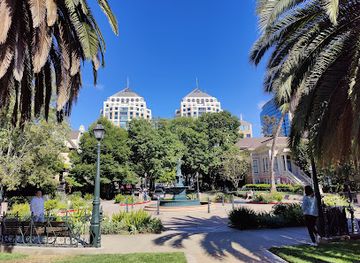
Downtown Oakland is the city's compact civic and commercial centre, arranged around Broadway, 14th Street, Telegraph Avenue and the broad lawns of Frank H. Ogawa Plaza. Its streets bring together Oakland City Hall, office buildings, historic theatres, independent restaurants, public art and the everyday movement of commuters using the BART stations at 12th Street and 19th Street. The district is urban rather than picturesque in a conventional sense: grand Beaux-Arts and Art Deco buildings stand beside modern towers, converted warehouses and active construction sites, while street life changes markedly between working hours, event evenings and quieter weekends.Read more about Downtown Oakland
Neighbourhoods Within the Neighbourhood
Culture, Commerce and Public Space
Best attractions in Downtown Oakland
Downtown Oakland's principal attractions are its civic spaces, historic commercial streets and easy links to neighbouring cultural districts. Frank H. Ogawa Plaza forms the public centre beside Oakland City Hall, while Broadway provides a north-south walk past office towers, restored façades, public art and the approaches to Uptown. Oakland Chinatown, at the south-western edge of the downtown area, offers bakeries, grocers, restaurants and busy street scenes that reward unhurried exploration. Old Oakland, immediately west, adds nineteenth-century commercial architecture and small businesses in a compact heritage setting. The Oakland Museum of California and Lake Merritt are nearby rather than unambiguously within Downtown, but their galleries, gardens and waterfront paths make natural extensions to a central-city visit. BART access also makes Downtown a practical starting point for exploring Oakland without treating it as a substitute for the surrounding neighbourhoods.
-
Live Music
Fox Theater
Experience the grandeur of Oakland's Fox Theater, a beautifully restored movie palace turned premier concert hall, showcasing world-class performances in a historic and opulent setting.
6 min walk · 0.5 km from neighbourhood centre
-
Historical landmark
Cathedral Building
Discover Oakland's iconic Cathedral Building: a historic Gothic Revival skyscraper with stunning architecture and a vibrant downtown location.
4 min walk · 0.3 km from neighbourhood centre


Best landmarks in Downtown Oakland
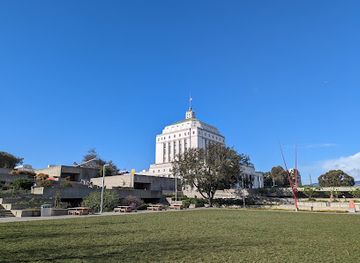
Oakland City Hall is Downtown's defining civic landmark, an early twentieth-century government complex whose formal architecture and prominent tower express Oakland's historic municipal ambitions. Frank H. Ogawa Plaza, named for the Japanese American civic leader and former council member, provides the adjoining public space and a significant setting for gatherings and demonstrations. The Tribune Tower on Broadway, with its distinctive clock tower and illuminated sign, remains one of the city's most recognisable commercial-era buildings, although its precise setting sits at the transition between Downtown and nearby Uptown. Chinatown's streetscape, community institutions and commercial façades form another important local landmark landscape, while the historic blocks of Old Oakland preserve the physical texture of the nineteenth-century business district just west of the central grid. Together these places show how civic power, commerce and community have shaped Downtown.
-
Marina
Jack London Square
Discover the charm of Jack London Square, Oakland's lively waterfront, where dining, shopping, and scenic views come together for an unforgettable experience.
15 min walk · 1.2 km from neighbourhood centre
-
Museum
Oakland Museum of California
Explore California's rich history, art, and science at the Oakland Museum of California, a unique cultural hub in the heart of Oakland.
11 min walk · 0.9 km from neighbourhood centre
-
Memorial park
Preservation Park
Explore the tranquil beauty and rich history of Preservation Park, a serene memorial park in Downtown Oakland filled with restored Victorian architecture and lush greenery.
7 min walk · 0.5 km from neighbourhood centre
-
Museum
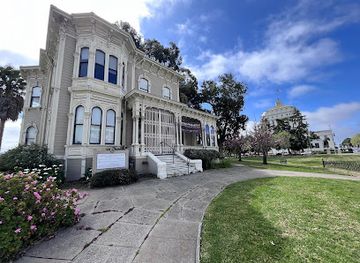
Camron-Stanford House
Discover the elegance of the Camron-Stanford House, a historical gem on Lake Merritt offering a glimpse into Oakland's Victorian past.
10 min walk · 0.8 km from neighbourhood centre

Explore Downtown Oakland on the map
A handpicked selection of must-see spots in Downtown Oakland, mapped for you.
Best hotels in Downtown Oakland
Best restaurants in Downtown Oakland
Downtown Oakland's dining scene reflects the city's broad East Bay food culture rather than one single culinary tradition. The blocks around Oakland Chinatown are known for Chinese restaurants, bakeries, tea shops, produce stores and casual places where menus and businesses change over time, while Swan's Market brings prepared food and small-scale vendors into a revitalised historic market setting. Broadway, 14th Street and the approaches to Old Oakland offer cafés, lunch counters, bars with kitchens and independent restaurants serving a range of Asian, Californian and international dishes. The character is especially useful for visitors who prefer to combine several small stops: a bakery or tea shop, a market browse and a sit-down meal can all fit within a few blocks. Check current listings before travelling, since downtown dining hours and tenants are subject to change.
-
Japanese
Yoshi's
Discover Yoshi's in Oakland: where exquisite Japanese cuisine meets vibrant jazz entertainment in a stunning waterfront setting.
13 min walk · 1.1 km from neighbourhood centre
-
American
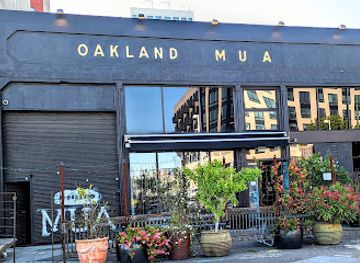
Mua
Discover Mua in Oakland: A unique blend of American cuisine, vibrant bar scene, and artistic ambiance perfect for any occasion.
16 min walk · 1.3 km from neighbourhood centre
-
American
The Fat Lady Bar & Restaurant
Discover the vibrant flavors of American cuisine at The Fat Lady Bar & Restaurant in Oakland - where great food meets lively atmosphere.
12 min walk · 1.0 km from neighbourhood centre
-
American
Chop Bar
Discover the flavors of Oakland at Chop Bar – where American cuisine meets local charm in a welcoming atmosphere.
12 min walk · 1.0 km from neighbourhood centre

Best bars in Downtown Oakland
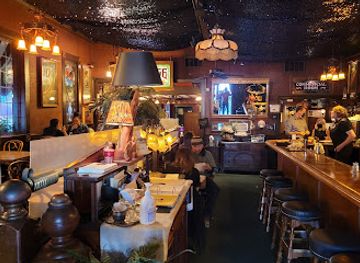
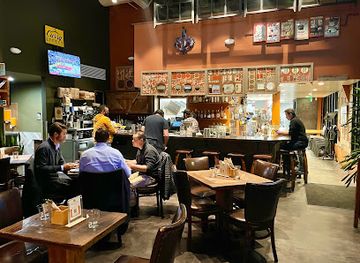
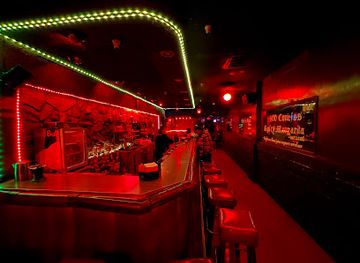
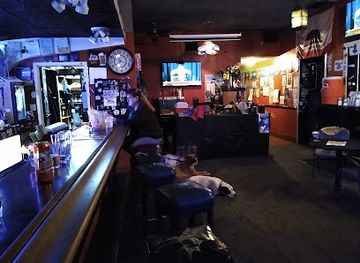
Evenings in Downtown Oakland vary considerably by block. The core has hotel bars, restaurant bars, casual drinking spots and occasional cultural programming, while the strongest concentration of large-scale nightlife lies immediately north in Uptown, around Broadway and Telegraph Avenue. The Fox Theater and Paramount Theatre are in Uptown rather than Downtown, but their concerts and performances often shape the evening traffic and make the central district a convenient base. Around Chinatown and Old Oakland, nightlife tends to be more food-led and intimate than club-focused, with activity influenced by restaurant hours and events. Visitors attending a show should confirm the venue's exact address, arrange the journey back in advance and avoid assuming that every downtown street remains equally active after offices close.
-
Cocktail bar
Cafe Van Kleef
Discover the vibrant atmosphere and innovative cocktails at Cafe Van Kleef, a must-visit cocktail bar in Downtown Oakland.
4 min walk · 0.3 km from neighbourhood centre
-
Restaurant
District Oakland
Discover the culinary delights of District Oakland, where tapas, cocktails, and a vibrant atmosphere create an unforgettable dining experience.
5 min walk · 0.4 km from neighbourhood centre
-
Bar
Merchants' Saloon
Experience the vibrant nightlife of Oakland at Merchants' Saloon, a cocktail bar that serves up creativity and local flavor in a cozy atmosphere.
13 min walk · 1.0 km from neighbourhood centre
-
Cocktail bar
Bar 355
Experience the vibrant nightlife at Bar 355, Oakland's premier cocktail bar, offering innovative drinks and a lively atmosphere.
6 min walk · 0.5 km from neighbourhood centre


Best nightclubs in Downtown Oakland
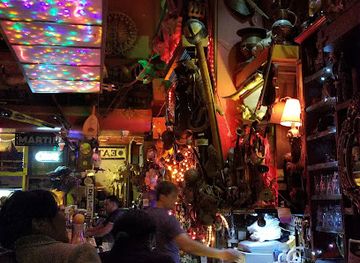
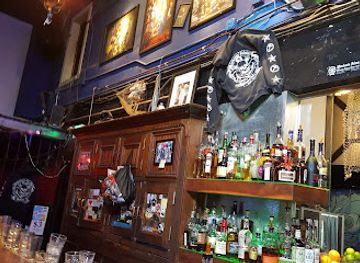
Evenings in Downtown Oakland vary considerably by block. The core has hotel bars, restaurant bars, casual drinking spots and occasional cultural programming, while the strongest concentration of large-scale nightlife lies immediately north in Uptown, around Broadway and Telegraph Avenue. The Fox Theater and Paramount Theatre are in Uptown rather than Downtown, but their concerts and performances often shape the evening traffic and make the central district a convenient base. Around Chinatown and Old Oakland, nightlife tends to be more food-led and intimate than club-focused, with activity influenced by restaurant hours and events. Visitors attending a show should confirm the venue's exact address, arrange the journey back in advance and avoid assuming that every downtown street remains equally active after offices close.
-
Bar
Ruby Room
Experience the vibrant nightlife at The Ruby Room in Oakland, where strong drinks, pool tables, and a lively atmosphere await.
9 min walk · 0.7 km from neighbourhood centre
-
Lounge
Level 13 Ultra Lounge
Discover the lively ambiance and signature cocktails at Level 13 Ultra Lounge, the perfect spot for a night out in Downtown Oakland.
3 min walk · 0.2 km from neighbourhood centre
-
Night club
Parliament Event Venue
Discover the lively nightlife at Parliament Event Venue in Downtown Oakland, where great music and vibrant energy create unforgettable experiences.
6 min walk · 0.5 km from neighbourhood centre
-
Night club
Thee Stork Club
Experience the vibrant nightlife of Oakland at Thee Stork Club, where eclectic music and creative cocktails create an unforgettable atmosphere.
13 min walk · 1.1 km from neighbourhood centre


Best shops in Downtown Oakland
Shopping in Downtown Oakland is concentrated in practical, independent and culturally specific businesses rather than a single enclosed retail quarter. Oakland Chinatown's grocery shops, bakeries, tea businesses, restaurants and specialist stores provide the most distinctive browsing, with goods reflecting the neighbourhood's Chinese and wider Asian American commercial traditions. Swan's Market combines food vendors with a small-scale marketplace atmosphere, while Old Oakland's renovated historic blocks contain independent retailers, design-led businesses and occasional event-based stalls. Broadway and the blocks around City Center have a changing mixture of services, cafés and retail, with the exact line-up best checked locally. Downtown is not the city's main destination for luxury shopping; its appeal lies in finding everyday provisions, specialist food products, locally oriented gifts and small businesses within a walkable central grid.
-
Gift shop
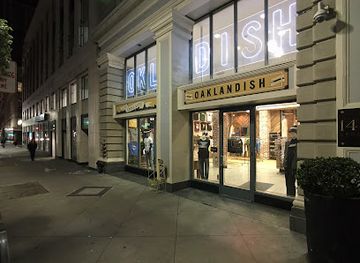
Oaklandish
Experience the vibrant culture of Oakland through unique gifts and local artistry at Oaklandish, the city's beloved boutique gift shop.
2 min walk · 0.1 km from neighbourhood centre
-
Metaphysical supply store
Queen Hippie Gypsy
Explore spiritual supplies and holistic wellness at Queen Hippie Gypsy, a mystical gem in Downtown Oakland offering crystals, incense, and more.
3 min walk · 0.2 km from neighbourhood centre
-
Clothing store
McMullen
Experience contemporary women's fashion at McMullen, Oakland's premier boutique, showcasing unique designer collections in a stylish setting.
12 min walk · 1.0 km from neighbourhood centre
-
Convenience store
Oakland Market
Explore the vibrant Oakland Market, a local gem in West Oakland offering unique products, artisan goods, and a taste of local culture.
16 min walk · 1.3 km from neighbourhood centre


Downtown Oakland essentials
Getting There
Getting Around
Safety
Emergency Situations
Do's and Don'ts
Local Tips

From Eve
Local phrases worth knowing
You don't need to get them perfect. A few words go a long way, and locals appreciate the effort.
Basics
| English | Local | Say it |
|---|---|---|
| Hello | What's up | [wats uh-up] |
| Goodbye | Later | [lay-ter] |
| Yes | Yeah | [yah] |
| No | Nah | [nah] |
| Please/You're welcome | Please/No worries | [pleez/no wur-eez] |
| Thank you | Thanks | [thanks] |
| Excuse me/Sorry | My bad | [my bad] |
| How are you? | What's good? | [wats good] |
| Fine. And you? | Chillin'. You? | [chil-in. yoo] |
| Do you speak English? | You speak English? | [yoo speak ing-lish] |
| I don't understand | I don't get it | [i don't get it] |
Eating & Drinking
| English | Local | Say it |
|---|---|---|
| I'd like to see the menu, please | Lemme check out the menu, please | [lem-ee check out the menu pleez] |
| I don't eat meat | I'm vegetarian | [im ve-juh-tair-ee-an] |
| Cheers! | Cheers! | [cheers] |
| I would like to pay, please | I'm ready to pay | [im reh-dee to pay] |
Emergencies
| English | Local | Say it |
|---|---|---|
| Help! | SOS! | [ess-oh-ess] |
| Go away! | Beat it! | [beet it] |
| Call the Police! | Call 5-0! | [call fih-oh] |
| Call a doctor! | Get me a doc! | [get mee uh doc] |
| I'm lost | I'm hella lost | [im hel-uh lost] |
| I'm ill | I'm sick | [im sik] |
Shopping
| English | Local | Say it |
|---|---|---|
| I'd like to buy... | I wanna cop... | [i wanna cop] |
| I'm just looking | Just browsing | [just brows-ing] |
| How much is it? | How much does it cost? | [how much duz it cost] |
| That's too expensive | That's mad pricey | [thats mad prahy-see] |
| Can you lower the price? | Can you do me a deal? | [can yoo doo mee a deal] |
Time & Numbers
| English | Local | Say it |
|---|---|---|
| What time is it? | What's the time? | [wats the time] |
| It's one o'clock | It's one | [its one] |
| Half past (10) | 10:30 | [ten-thur-tee] |
| Morning | AM | [ay-em] |
| Afternoon | PM | [pee-em] |
| Evening | Evening | [ee-ven-ing] |
| Yesterday | Yesterday | [yess-ter-day] |
| Today | Today | [to-day] |
| Tomorrow | Tomorrow | [toh-mor-row] |
| 1 | One | [wun] |
| 2 | Two | [too] |
| 3 | Three | [three] |
| 4 | Four | [for] |
| 5 | Five | [fiv] |
| 6 | Six | [siks] |
| 7 | Seven | [sev-en] |
| 8 | Eight | [ayt] |
| 9 | Nine | [nine] |
| 10 | Ten | [ten] |
Transport & Directions
| English | Local | Say it |
|---|---|---|
| Where's a/the...? | Where's the...? | [wheres the] |
| What's the address? | What's the addy? | [whats the add-ee] |
| Can you show me (on the map)? | Can you show me (on the map)? | [can yoo show mee on the map] |
| When's the next (bus)? | When's the next (bus)? | [whens the next bus] |
| A ticket (to ....) | A ticket (to ....) | [uh ticket to] |
History of Downtown Oakland
Ohlone Homeland and Estuary Shore
The land now occupied by Downtown Oakland lies within the traditional homeland of the Ohlone peoples, whose communities used the East Bay's oak-studded landscape, creeks and estuarine shore long before the creation of the modern city. The downtown grid itself is a later urban landscape, but its position near the eastern shore of San Francisco Bay influenced settlement, transport and commerce. Spanish and Mexican-era landholding shaped the wider East Bay, while the Rancho San Antonio grant encompassed territory that later fed Oakland's nineteenth-century development. Visitors will see little of this earlier landscape in the built-up civic centre, making the city's surviving natural features and Ohlone cultural interpretation elsewhere especially important to understanding the area's beginnings.
The Founding of Oakland
Oakland developed rapidly after the American acquisition of California, with the settlement formally incorporated in 1854. Downtown emerged on a surveyed street grid near the waterfront and the navigable estuary, as merchants, houses, civic buildings and transport links gathered around the growing town. Broadway became the principal north-south commercial corridor, while streets running towards the waterfront connected the central business district with shipping and ferry activity. The later separation of railway, industrial and port functions from the civic core helped give Downtown its enduring role as an administrative and commercial centre rather than simply a waterfront settlement.
Railways, Commerce and Civic Growth
Rail transport was decisive in Oakland's rise during the late nineteenth and early twentieth centuries. The Central Pacific and Southern Pacific systems connected the city to inland California and to ferry routes across the Bay, concentrating offices, hotels, shops and financial activity around the downtown grid. Oakland City Hall, completed in 1914, expressed the city's growing municipal confidence, while commercial buildings along Broadway and adjacent streets housed banks, department stores, newspapers and professional firms. The period also established the architectural layers still visible today: civic Beaux-Arts, early skyscraper and commercial façades sit alongside later modernist offices.
A Multicultural Commercial Centre
Downtown's social history has been shaped by Oakland's diverse communities and by the movement of commercial districts over time. Oakland Chinatown, established in the nineteenth century and repeatedly reshaped by migration, redevelopment and changing business patterns, became an important centre for Chinese and other Asian communities near the downtown core. Black migration to the Bay Area during the twentieth century also transformed Oakland's politics, churches, businesses, cultural life and labour movement, with Downtown serving as a setting for civic organising and public protest. These histories are not confined to one heritage building; they remain legible through businesses, institutions, public art and the city's continuing debates over representation and access.
Renewal, Preservation and Change
The second half of the twentieth century brought suburban competition, altered retail habits, freeways and periods of disinvestment to central Oakland, even as City Hall, theatres and office buildings retained their civic importance. Downtown renewal later introduced projects such as City Center and encouraged the rehabilitation of historic commercial blocks in Old Oakland and elsewhere nearby. The arrival of BART in the 1970s strengthened regional access, while the Uptown area north of the core gained renewed cultural and residential attention in the twenty-first century. Current Downtown Oakland reflects continuing pressures around housing, office use, public space, public safety and preservation rather than a completed transformation.
Downtown Oakland in Photos
Browse through our photo collection highlighting the charm and character of the destination.
Neighbourhoods near Downtown Oakland
The closest neighbourhoods to Downtown Oakland, if you have time for more than one stop.
-

-

-

-
-


Swipe for more neighbourhoods
Explore more

Explore more of Oakland
Oakland, California blends Bay views, Ohlone heritage, historic districts, acclaimed arts, diverse food and lively waterfront culture across the East Bay.
Explore Oakland