The City's Bridge, Funen Travel Guide
A striking steel landmark bridging city, station, and waterfront through innovative design and community connection.
Byens Bro is a striking 135-metre pedestrian and cycle bridge that spans 15 railway tracks at Odense Railway Station, connecting the city centre with the harbour area. Opened in May 2015 and designed by Gottlieb Paludan Architects, this architectural landmark features a distinctive 40-metre mirror-finished steel pylon and integrated bicycle parking for 1,400 bikes. The bridge provides direct access to three station platforms via lift and stairs, and creates two vibrant urban squares that serve as meeting points for commuters and visitors.
A brief summary to The City's Bridge
- Østre Stationsvej 39, Odense Municipality, Odense C, 5000, DK
- Duration: 0.25 to 1.5 hours
- Free
-
 Outdoor
- Mobile reception: 5 out of 5

Know before you go
Hi, I'm Eve. Here are a few practical things to know before exploring The City's Bridge.
- Visit at dusk or after dark to experience the bridge's dramatic lighting design, which beautifully illuminates the 40-metre pylon and reflects off its mirror-finished steel surface.
- The two urban squares at either end of the bridge are ideal rest points; check if any events are happening in King's Garden park across the street for added atmosphere.
- Cyclists can take advantage of the 1,400 bicycle parking spaces integrated into the bridge's design, making it a convenient hub for exploring Odense by bike.
- If using the bridge to access the railway station, note that lifts and stairs provide direct access to three platforms, eliminating the need to navigate the station's main concourse.
- The bridge's curved design and open pathways offer excellent photo opportunities from multiple angles; the pylon and surrounding urban squares provide particularly striking compositions.
Do you manage this location?
Take control to get all the benefits, like improved information, better appearance, and stronger visibility across AI-powered discovery. Learn more about listing your business on Evendo
Activate your presenceOther nearby places you may find interesting
The closest places of the same kind, if this one is not quite what you had in mind.

Explore The City's Bridge on the Map
A handpicked selection of must-see spots near The City's Bridge, mapped for you.
Getting There
-
Walking from Odense City Centre
From the heart of Odense city centre, walk south toward Odense Railway Station. The bridge entrance is clearly signposted at Østre Stationsvej. The walk from the main shopping district takes approximately 10–15 minutes and is entirely flat and easy to navigate. Follow pedestrian pathways through the city, and you'll arrive at one of the two urban squares that mark the bridge's northern entrance.
-
Cycling from Harbour District
If approaching from the harbour area or new waterfront developments south of the railway, follow cycling routes toward the railway zone. The bridge's southern entrance is accessible via dedicated cycle paths. Journey time from the harbour is approximately 5–10 minutes depending on starting point. The bridge has 1,400 integrated bicycle parking spaces at both ends.
-
Train Access via Odense Railway Station
If arriving by train at Odense Central Station, the bridge provides direct access to three station platforms via integrated lifts and stairs. Exit your train, follow signage for Byens Bro, and use the lift or stairs to reach the bridge level. This route takes 2–3 minutes from the platforms and provides a scenic alternative to navigating the main station concourse.
-
Bus from Central Odense
Several local bus routes serve stops near Odense Railway Station. Alight at stops on Østre Stationsvej or near the station entrance, then walk to the bridge's northern entrance at the urban square. Journey time from central bus stops is approximately 5–10 minutes on foot from the nearest stop.
For the on-the-go comforts that matter to you
-
 Seating Areas
-
 Information Boards
-
 Restrooms
-
 Drinking Water
Discover more about The City's Bridge
A Modern Icon Spanning the Rails
Byens Bro, meaning "The City's Bridge," opened in May 2015 as a transformative piece of urban infrastructure for Odense, Denmark's third-largest city. The bridge stretches 135 metres across the railway yard at Odense Central Station, crossing 15 railway tracks to connect the northern and southern districts of the city. Designed by the award-winning Gottlieb Paludan Architects, the bridge was selected through a 2012 design competition and immediately became a beloved landmark upon opening. The name itself was chosen through a public competition that attracted more than 1,300 local participants, reflecting the community's investment in the project.Architectural Brilliance and Engineering Innovation
The bridge's most striking feature is its 40-metre-high pylon finished in mirror-polished steel, which serves as both a structural support for the longest span and a visual beacon for the city. The pylon's reflective surface dynamically captures and reflects light, celebrating the motion of cyclists and pedestrians crossing the bridge—particularly stunning when illuminated at night. The bridge's curved forms are not merely aesthetic; they follow the natural traffic patterns of the city, optimising both functionality and visual harmony. The structure cleverly segregates cycling and pedestrian traffic for safety while maintaining visual and architectural unity, creating what amounts to two bridges in one. This thoughtful design earned Byens Bro the European Steel Design Award of Merit in 2015 and a prize for beautiful buildings and structures from the city of Odense.Connecting City, Station, and Waterfront
The primary purpose of Byens Bro is to improve connectivity between Odense's city centre and the emerging harbour district, while simultaneously enhancing access to Odense Railway Station's platforms. The bridge provides direct access to three station platforms via integrated lifts and stairs, making it an essential link for the thousands of commuters and travellers who pass through daily. By creating a safe, direct route for cyclists and pedestrians across the previously fragmented railway zone, the bridge has become a natural and efficient part of Odense's green urban mobility landscape. It serves as a gateway to waterfront activities and developments that were previously difficult to access on foot or by bike.Urban Spaces and Community Gathering Points
Beyond its function as a crossing, Byens Bro enriches Odense's urban fabric by creating two new public squares—one in the city centre and another near a vocational education centre (VUC). These squares serve as arrival and meeting points for train passengers, commuters, and visitors, transforming what might have been purely functional spaces into vibrant social hubs. The bridge's stairs double as informal seating during events held in the adjacent King's Garden park, demonstrating how thoughtful design can serve multiple purposes. The bridge also incorporates 1,400 bicycle parking spaces, reflecting Odense's commitment to cycling as a primary mode of urban transport and acknowledging the bridge's role in the city's cycling culture.Integration and Accessibility
Byens Bro was conceived as an extension of Odense's existing urban infrastructure grid rather than an isolated monument. This philosophy ensures the bridge feels like a natural continuation of the city's streets and pathways. The design prioritises accessibility for all users—cyclists, pedestrians, elderly visitors, and those with mobility challenges—through gentle gradients, wide pathways, and integrated lift access. The bridge's simple yet spectacular architecture translates functional requirements into an inspirational traffic solution that demonstrates how infrastructure can be both practical and beautiful. Since opening, the bridge has been embraced by the community and has become a well-functioning, organic part of Odense's daily urban landscape.












Your all‑in‑one travel companion app
Explore expert travel guides, compare and book tours, experiences, hotels, and more—all from the palm of your hand. Download now for seamless trip planning wherever your wanderlust takes you.


Explore More of Funen
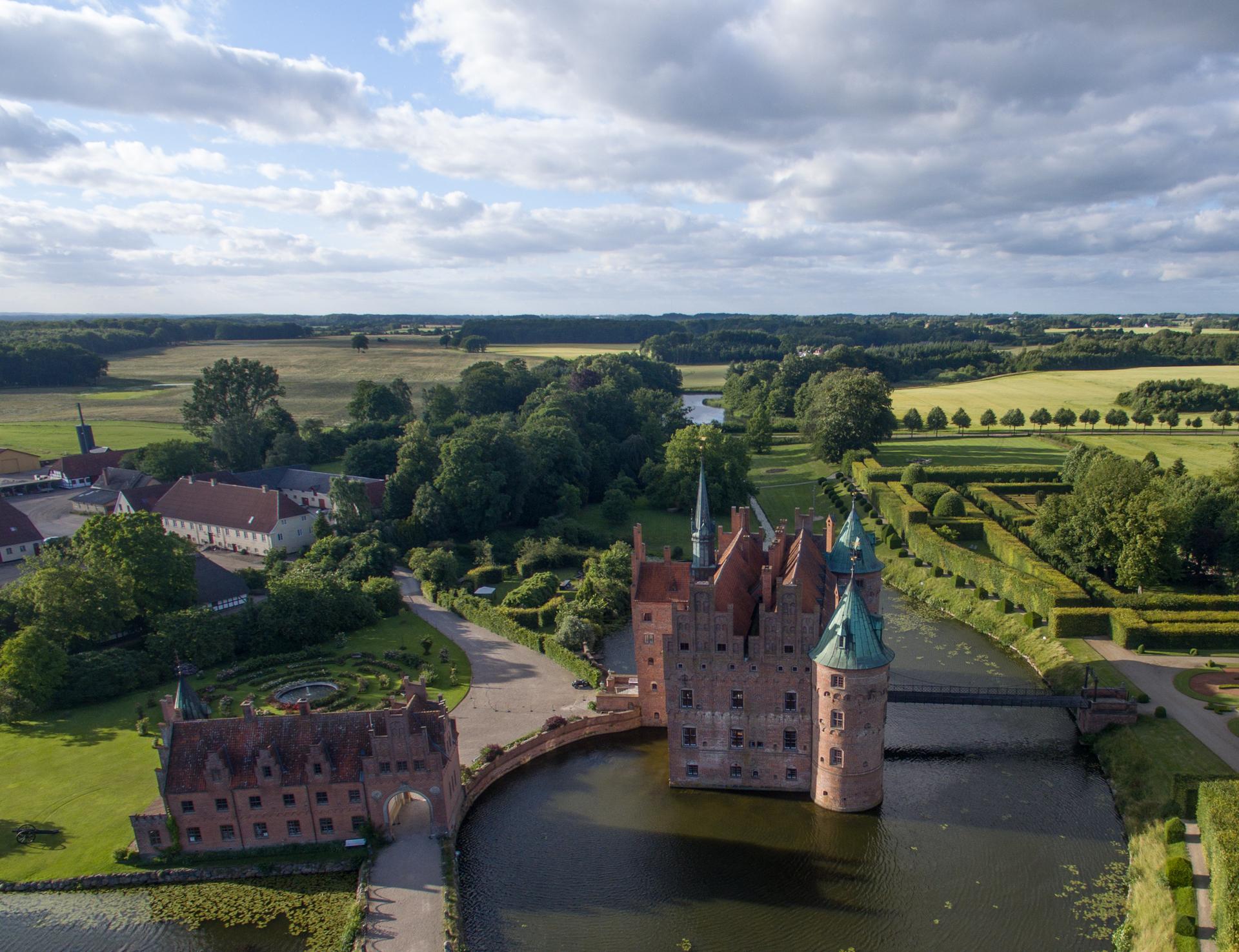
Looking beyond The City's Bridge? Discover Funen for broader travel guides, local hot-spots, and regional highlights.
Explore Funen
Stroll the grassy ramparts and mirror-still moats that once guarded Denmark’s medieval power center, now a peaceful green belt wrapping historic Nyborg.
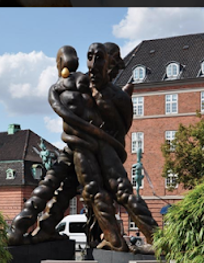
A towering, threefold portrait of Hans Christian Andersen that greets you outside Odense Station with colour, symbolism and quietly dramatic storytelling.