
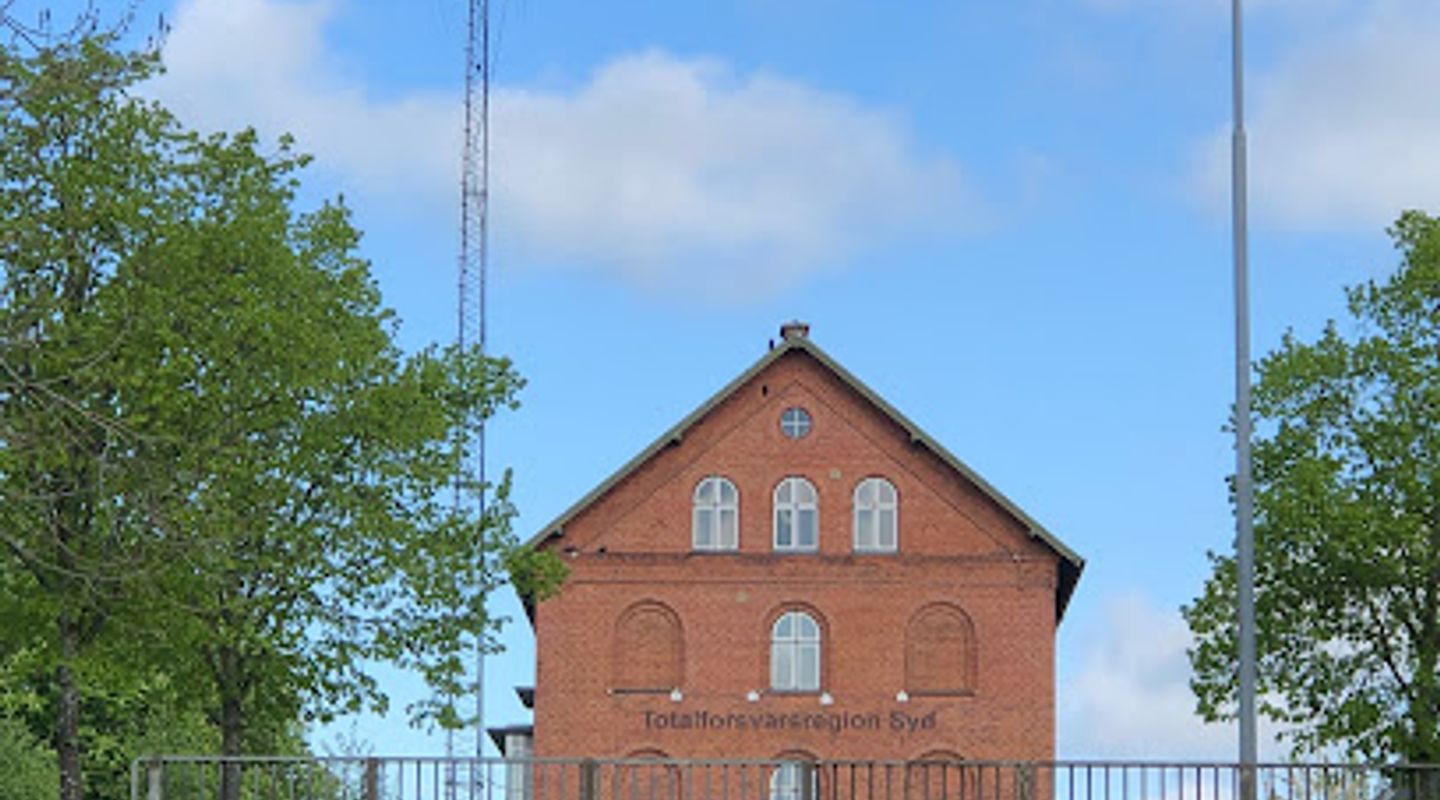
Fyns Militærhistoriske Museum, Odense Travel Guide
Compact military museum in Odense’s former barracks, tracing 400 years of Funen’s soldiers, resistance and overseas missions through objects, stories and uniforms.
Fyns Militærhistoriske Museum in Odense brings Funen’s military past to life inside the former Odense barracks. Focused on local soldiers, resistance fighters and deployments abroad, the compact museum weaves together 400 years of regional defence history, from early fortifications and the 9 April 1940 invasion to Cold War service and modern UN and NATO missions. Uniforms, weapons, vehicles, dioramas and personal stories create an intimate, hands-on introduction to Denmark’s military heritage, ideal for history-minded visitors and curious families.
A brief summary to Fyns Militærhistoriske Museum
- Odense Kaserne, Søndre Blvd. 21, Odense C, Odense C, 5000, DK
- Click to display
- Duration: 1 to 2 hours
- Budget
-
 Indoor
- Mobile reception: 5 out of 5
- Monday 10 am-2 pm
- Thursday 10 am-2 pm

Know before you go
Hi, I'm Eve. Here are a few practical things to know before exploring Fyns Militærhistoriske Museum.
- Check current opening hours in advance, as the museum usually opens only on selected weekdays and during specific periods.
- Allow at least an hour to explore the exhibitions slowly, longer if you have a strong interest in military history or like to read all text panels.
- Bring a light layer; former barracks buildings can feel cool indoors outside midsummer, even when the sun is out.
- Combine your visit with a walk through the surrounding part of Odense to appreciate how the barracks relates to the modern city.
Do you manage this location?
Take control to get all the benefits, like improved information, better appearance, and stronger visibility across AI-powered discovery. Learn more about listing your business on Evendo
Activate your presenceOther nearby places you may find interesting
The closest places of the same kind, if this one is not quite what you had in mind.
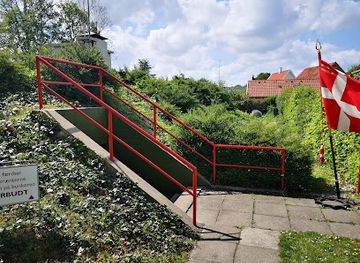
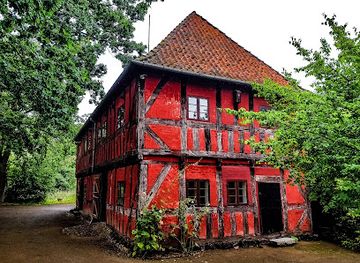
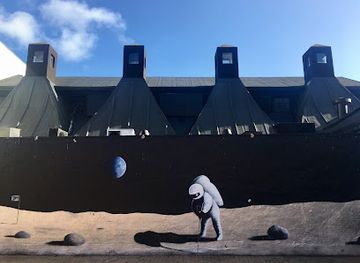
Explore Fyns Militærhistoriske Museum on the Map
A handpicked selection of must-see spots near Fyns Militærhistoriske Museum, mapped for you.
Getting There
-
Bus from central Odense
From Odense city centre, use a local city bus serving Søndre Boulevard; typical journey times range from 10 to 20 minutes depending on traffic and the exact stop. Single tickets within Odense usually cost around 20–30 DKK when bought via app or ticket machine, and buses run at regular intervals during the day on weekdays. Expect less frequent service in evenings and on weekends, and be prepared for a short, level walk from the nearest stop to the museum entrance.
-
Bicycle within Odense
Odense is one of Denmark’s most cycle-friendly cities, and reaching the former barracks area by bike from the central districts typically takes 10 to 20 minutes. Dedicated cycle lanes cover much of the route, and the terrain is flat, making it suitable for most riders. You can use a rental or hotel bike; prices for short-term rentals often start around 100–150 DKK per day, with helmets commonly available on request. Remember to bring lights if you return after dusk, as Danish traffic rules require them.
-
Taxi from Odense Station
A taxi from Odense railway station to the museum area normally takes about 5 to 10 minutes, depending on traffic. Daytime fares within the city commonly fall in the range of 80–140 DKK for such a short trip, with higher prices in evenings and on weekends. Taxis wait outside the station, and most accept both cards and mobile payments. This option suits visitors with limited time or mobility who prefer a direct, door-to-door transfer.
For the on-the-go comforts that matter to you
-
 Restrooms
-
 Seating Areas
-
 Trash Bins
-
 Information Boards
Discover more about Fyns Militærhistoriske Museum
From Local Barracks to Living History
Fyns Militærhistoriske Museum sits inside the old Odense Kaserne complex on Søndre Boulevard, a fitting setting for a museum dedicated to the island’s soldiers. Step through the gates and you enter a red-brick barracks world of parade grounds, flagpoles and practical military architecture, reimagined today as exhibition space. The scale is modest, but the focus is sharp: this is about Funen, its regiments and the people who wore the uniform here.The museum is run with a strong sense of continuity between the site’s past and present. Simple corridors and former drill rooms now hold display cases, reconstructed scenes and larger pieces of equipment, giving you the feeling of walking through a barracks that has slowly filled with memories rather than a purpose-built gallery.Four Centuries of Funen in Uniform
Inside, the storyline stretches across roughly 400 years of regional defence history. Early sections trace Funen’s role in Denmark’s shifting fortification system, from local militias and coastal watch to the more formalised army structures of the 18th and 19th centuries. You see uniforms evolve from stiff tunics and shakos to practical field gear, alongside rifles, bayonets and personal kit that show how technology and tactics changed.Maps, models and photographs connect Funen’s units to wider conflicts: wars with neighbouring states, changes in borders and the gradual professionalisation of the Danish armed forces. Rather than overwhelming you with national grand strategy, the emphasis stays close to home, showing how global events rippled through local garrisons and families.Occupation, Resistance and Everyday Courage
One of the museum’s most atmospheric areas is devoted to the German invasion on 9 April 1940 and the subsequent occupation. Here, exhibits explore how the sudden collapse of Danish defences played out on Funen, from mobilised but outgunned troops to the uneasy routines that followed. Weapons caches, clandestine printing material and improvised equipment illustrate the growth of the resistance movement on the island.Personal photographs, documents and small objects add a human layer: coded messages slipped into ordinary letters, armbands worn during liberation days, and items that once belonged to local resistance fighters. The displays invite you to consider the choices people faced under occupation, from collaboration and quiet accommodation to active resistance and its consequences.From Cold War Watch to International Missions
Later sections move into the Cold War years and beyond, when Danish soldiers from Funen stood guard in a divided Europe and, increasingly, on distant frontlines. Exhibits highlight service in UN and NATO operations, including deployments to the Balkans and Afghanistan. Field uniforms dusted with foreign sand, mission patches, communication gear and personal diary excerpts all underline how far from home these assignments could feel.Special exhibitions and events sometimes zoom in on particular campaigns or units, using veterans’ testimonies, photographs and original equipment to create an immersive snapshot of specific missions. For visitors, this offers a bridge between the abstract idea of peacekeeping and the lived reality experienced by local soldiers.Exploring the Barracks and Beyond
Because of its manageable size, Fyns Militærhistoriske Museum rewards a slow, curious visit rather than a rushed checklist approach. There is usually time to examine details on uniforms, compare insignia or study maps without feeling hurried. Children and military enthusiasts tend to gravitate toward the heavier kit and vehicles, while others focus on letters, medals and the quieter personal traces.Outside the exhibition rooms, the wider barracks setting adds context. You can look out onto the parade ground, imagine morning assemblies and hear echoes of drill commands in your mind. Occasional talks, thematic evenings and guided tours deepen the experience for those who want more background or specific narratives.Planning a Visit to This Niche Museum
The museum keeps limited weekly opening hours and sometimes opens only on selected weekdays or school holiday periods, so checking times before you go is essential. Once inside, the compact layout makes it easy to see the main exhibits in an hour, with extra time useful if you like to read captions thoroughly or discuss particular themes.There are basic visitor facilities in and around the former barracks, and the museum is close to Odense’s central districts, making it easy to combine with other cultural stops. For travellers interested in Danish history, military technology or the human side of conflict, Fyns Militærhistoriske Museum offers a focused, locally grounded counterpoint to larger national collections.More to explore near Fyns Militærhistoriske Museum













Your all‑in‑one travel companion app
Explore expert travel guides, compare and book tours, experiences, hotels, and more—all from the palm of your hand. Download now for seamless trip planning wherever your wanderlust takes you.


Explore More of Odense
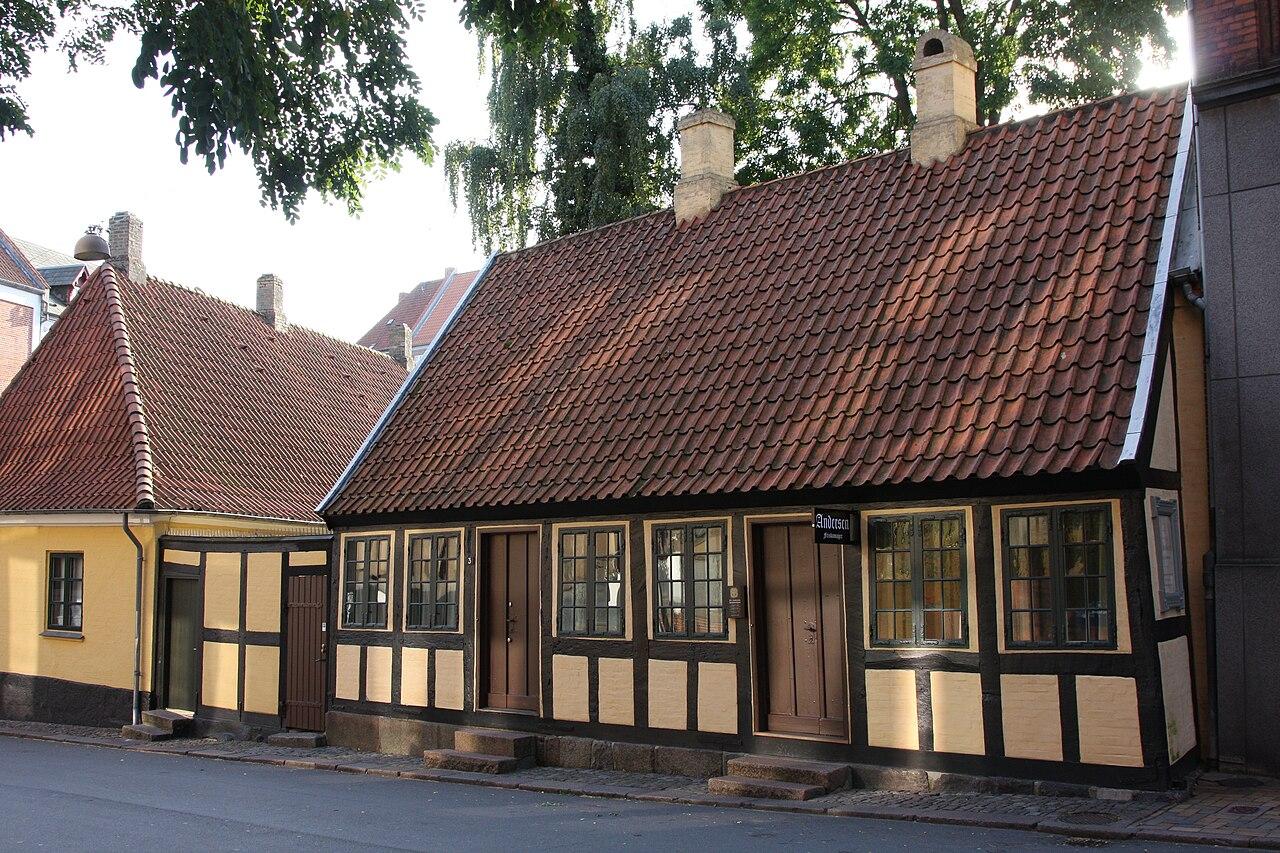
Looking beyond Fyns Militærhistoriske Museum? Discover Odense for broader travel guides, local hot-spots, and regional highlights.
Explore Odense