

Odense Noble Virgin Convent Travel Guide
Free Guide: A 500-year-old Renaissance palace revealing Denmark's architectural evolution through layered interiors and shifting social roles.


A brief summary of Odense Noble Virgin Convent
A 500-year-old Renaissance palace revealing Denmark's architectural evolution through layered interiors and shifting social roles.
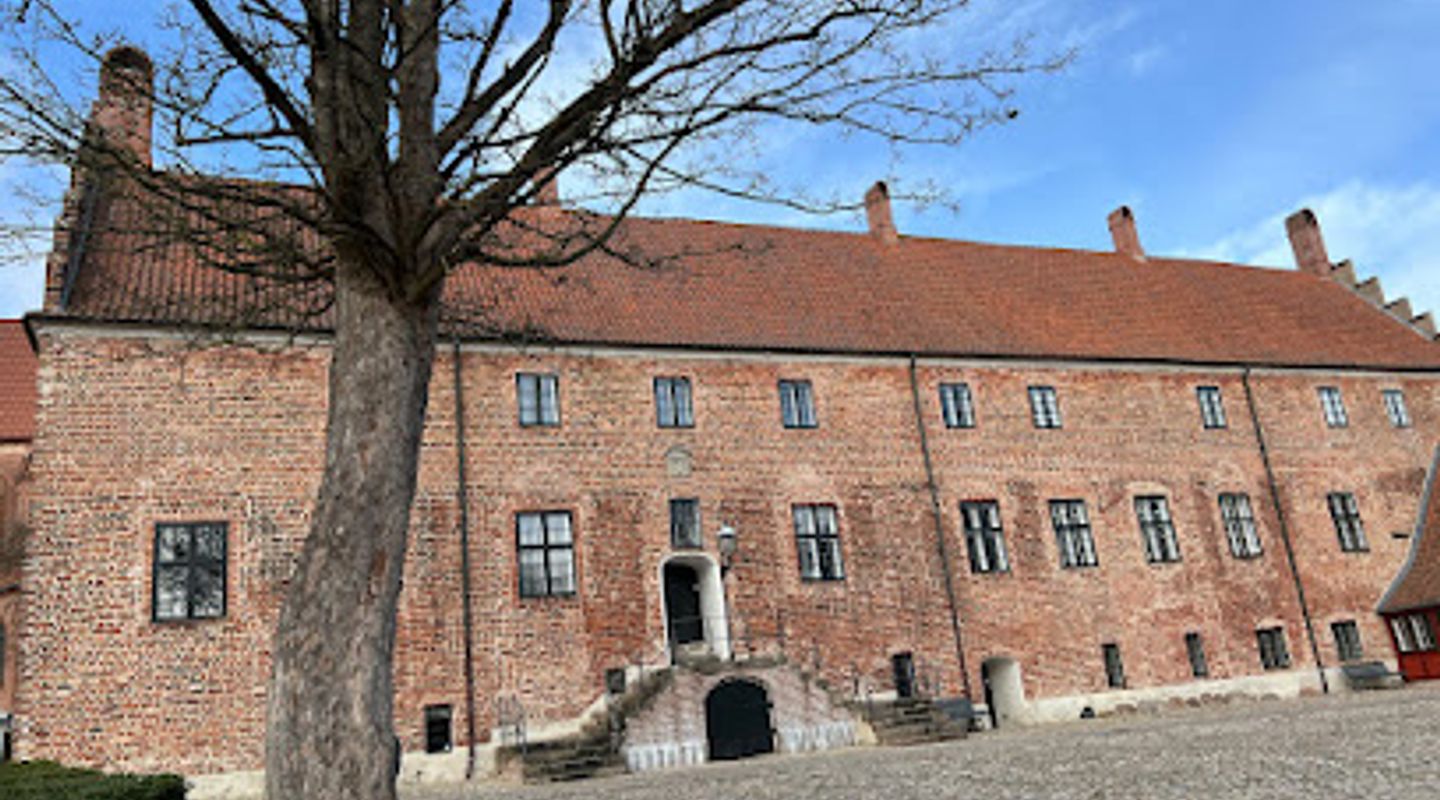
A meticulously preserved Renaissance building from 1504 in Odense's historic centre, the Odense Noble Virgin Convent stands as one of Denmark's oldest architectural treasures. Originally constructed as a bishop's palace, it later served as a royal residence and from 1716 functioned as a sanctuary for unmarried noblewomen until 1972. Today, extensively restored and integrated with the University of Southern Denmark, the convent reveals five centuries of Danish history through its layered interiors—Renaissance doors, Baroque staircases, and countless wallpaper layers documenting shifting tastes across generations.
On-site amenities
 Information boards
- Address
- Albani Torv 6, 5000 Odense
Getting there
Public Transport from Odense Central Station
Walking from Odense City Centre
Bicycle from Central Odense
Taxi or Ride-Share from Odense Station
Discover more about Odense Noble Virgin Convent
Five Centuries of Architectural Heritage
Built in 1504, the Odense Noble Virgin Convent stands as one of Denmark's oldest preservation-worthy buildings, situated in the heart of Odense's historic centre. This exceptional structure bears witness to five centuries of Danish history, having served multiple roles across generations. Originally constructed as a bishop's palace during the Renaissance, it later became royal property before transforming into a convent for unmarried noblewomen in 1716—a function it maintained until 1972. The building's architectural significance lies not in a single unified style, but in its remarkable ability to preserve the distinct layers of every era it has inhabited.
Layers of History Embedded in Stone and Interior
What makes the Odense Noble Virgin Convent extraordinary is the visible evidence of changing times embedded throughout its structure. The Late Middle Ages left their mark through cross-vaulted cellar ceilings, while the seventeenth century brought expansion and new proportions. Subsequent centuries introduced partial demolitions, extensions, bricked-up windows, and crooked walls—each alteration a testament to shifting priorities and evolving needs. Walking through the convent is like leafing through the pages of a history book, where each room and corridor reveals a different chapter of Denmark's past.
A Museum of Interior Design Evolution
The interior spaces represent an unparalleled collection of design heritage spanning centuries. Renaissance doors frame passages that lead to Baroque staircases, while eighteenth-century banded paintwork adorns walls beneath nineteenth-century silk wallpaper. In some rooms, archaeologists have documented as many as 25 layers of wallpaper and paint, each representing the tastes and resources of the building's successive inhabitants—from bishops and kings to noblemen and finally the unmarried noble ladies who called it home. The convent also preserves what may be Denmark's oldest oak floor, adding to its exceptional architectural inventory. This exceptional preservation of multiple interior design periods in a single location is virtually unparalleled in Danish heritage architecture.
The Comprehensive Restoration Project
Between 2008 and 2013, Realdania By & Byg undertook one of the most comprehensive restoration projects of recent times, assembling teams of architects, conservators, builders, and specialists to carefully document and safeguard the building's historic layers. Rather than imposing a single aesthetic or period, the restoration respected the convent's palimpsest nature, preserving evidence of each transformation while ensuring structural integrity and contemporary functionality. This meticulous approach allowed the building to retain its authentic character—a living record of architectural and social evolution rather than a frozen moment in time.
Karen Brahe's Legacy and the Convent's Purpose
In 1716, Karen Brahe, a Funen noblewoman and accomplished book collector, founded the convent as a refuge for unmarried women of Danish nobility. The institution provided these women with a dignified, independent existence within a structured community—a significant social role in an era when unmarried noblewomen had limited options. Brahe's intellectual legacy extended beyond the convent's walls; she donated her valuable book collection to the institution, enriching its cultural significance. The convent functioned in this capacity for 256 years, until 1972, when it transitioned to its current role as part of the University of Southern Denmark.
Contemporary Purpose and Scholarly Engagement
Today, the Odense Noble Virgin Convent serves as both a historical landmark and an active research site. Researchers from the University of Southern Denmark continue to study the building's architectural and social history, using it as a living laboratory for understanding medieval and early modern Danish society. The convent's integration with the university ensures that its historical significance remains actively engaged with contemporary scholarship, allowing new generations to extract insights from its layered walls and carefully preserved interiors.
Evendo Review Centre
 Google
Guest reviews
Best time to go
Quietest: Jan, Feb & Dec · before 7am or from 7pm
Busy times are Evendo estimates for a typical year, to help you plan. Actual crowds vary with events, school holidays and the weather.
Explore Odense Noble Virgin Convent on the map
A handpicked selection of must-see spots near Odense Noble Virgin Convent, mapped for you.
Get your free copy of our complete guide to Odense Noble Virgin Convent, delivered straight to you.
Everything on this page, from opening hours and how to get there to Eve’s tips and the best time to go, in one PDF you can read offline, print or share.
Already have an account? Sign in
Your Odense Noble Virgin Convent guide is ready.
We'll send it to · Not you? Sign out

Getting your guide ready…
We are putting together a fresh copy of the Odense Noble Virgin Convent guide. This can take up to a minute.
This can take a few moments. If your browser asks, choose Allow so the download can start. You'll find the guide in your Downloads folder.
Nothing happened? Download it again
Sorry, the guide is taking longer than usual. Please try again in a minute, or get it by email instead.
Other nearby places you may find interesting
The closest places of the same kind, if this one is not quite what you had in mind.
-
-
-
-
-


Swipe for more places
More to explore near Odense Noble Virgin Convent
-
 Best experiences near Odense Noble Virgin Convent
-
 Best hotels near Odense Noble Virgin Convent
-
 Best landmarks near Odense Noble Virgin Convent
-
 Best attractions near Odense Noble Virgin Convent
-
 Best shops near Odense Noble Virgin Convent
-
 Best restaurants near Odense Noble Virgin Convent
-
 Best bars near Odense Noble Virgin Convent


Do you manage this location?
Take control to get all the benefits, like improved information, better appearance, and stronger visibility across AI-powered discovery.
Explore more
Explore more of Funen
Discover Funen, Denmark's lush island treasure, where fairy tales come to life amidst scenic landscapes, historic castles, and vibrant cultural heritage.
Explore Funen
Explore more of Denmark
Discover Denmark: A perfect blend of history, modern design, and the cozy concept of hygge. Explore vibrant cities, serene landscapes, and world-class cuisine.
Explore Denmark
