Background

Den Blå Planet – National Aquarium Denmark

Northern Europe’s largest aquarium, where bold whirlpool architecture, sharks, sea otters and rainforest habitats create an immersive underwater universe by the Øresund.

4.4

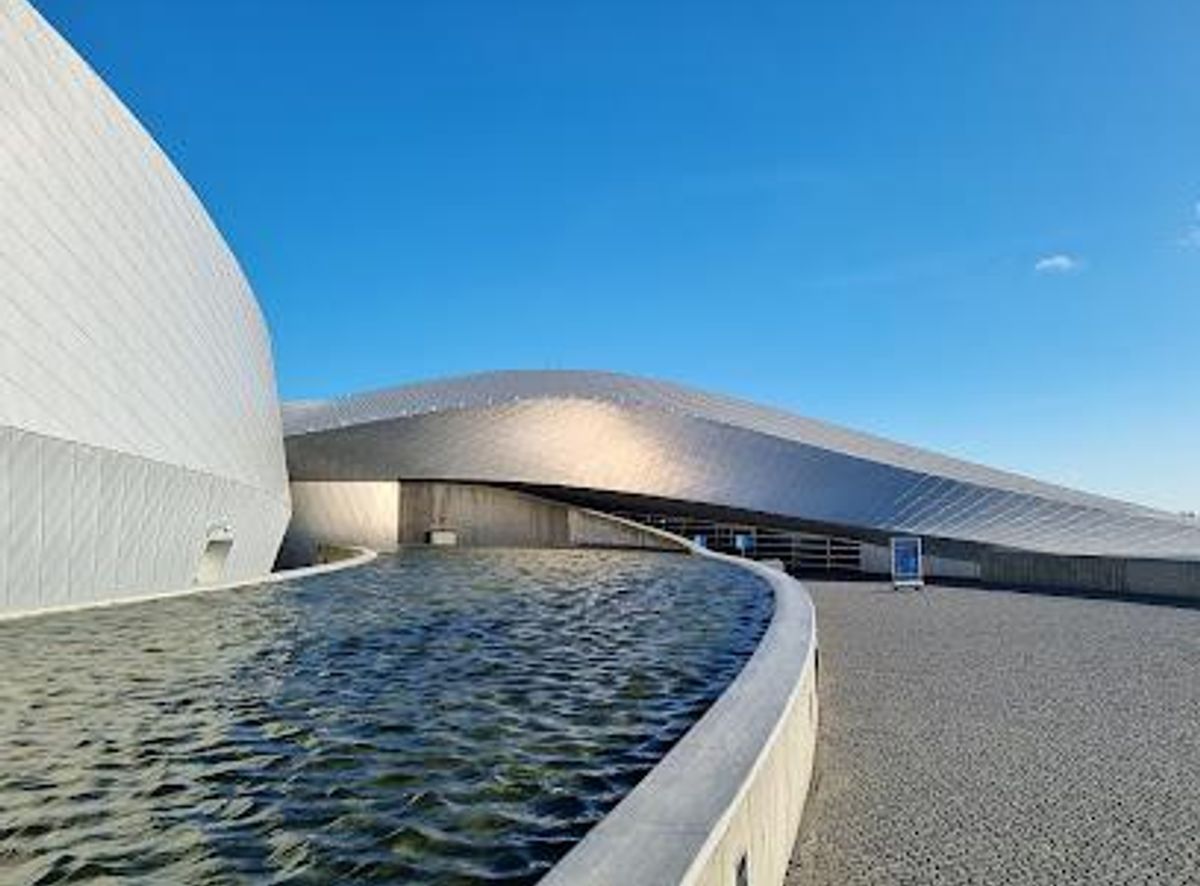
Den Blå Planet, National Aquarium Denmark, ripples out beside the Øresund in Kastrup as Northern Europe’s largest and most modern aquarium. Its striking whirlpool-shaped building draws you into an immersive underwater universe of sharks, rays, sea otters, and rainforest creatures spread across themed zones. Interactive touch pools, dramatic tunnels and daily feeding sessions make it a standout, family-friendly highlight just outside central Copenhagen.

A brief summary to Den Blå Planet

  • Jacob Fortlingsvej 1, Kastrup, 2770, DK
  • +4544222244
  • Visit website
  • Duration: 2 to 4 hours
  • Mid ranged
  • Environment icon Mixed
  • Mobile reception: 4 out of 5
  • Monday 10 am-9 pm
  • Tuesday 10 am-5 pm
  • Wednesday 10 am-5 pm
  • Thursday 10 am-5 pm
  • Friday 10 am-5 pm
  • Saturday 10 am-5 pm
  • Sunday 10 am-5 pm

Local tips

  • Buy tickets online in advance, especially for weekends and Danish school holidays, as entry is managed in timed slots and popular days often sell out.
  • Plan around the feeding schedule for sharks, rays, piranhas and sea otters; arriving 10–15 minutes early secures a good view at the most dramatic tanks.
  • Allow at least 2–3 hours to explore all wings at a relaxed pace, adding extra time if you want a café break or to linger in the Ocean Tank and rainforest zones.
  • Bring a light layer: some areas are cool and dim while the rainforest zone is warm and humid, and stepping between them can feel surprisingly abrupt.
widget icon

Getting There

  • Metro from central Copenhagen

    From central Copenhagen, take the M2 metro line towards the airport and get off at Kastrup Station; from most inner-city stations the ride takes about 12–15 minutes. Trains run every few minutes throughout the day. A standard 3-zone ticket costs roughly 24–30 DKK one way. From Kastrup Station it is an easy, mostly level walk of around 8–10 minutes to the aquarium, suitable for strollers and wheelchairs in most weather.

  • Regional train and metro from wider Zealand

    If you are arriving on a regional train to Copenhagen Central or Ørestad, transfer to the M2 metro line towards the airport and ride to Kastrup Station, allowing a total of 25–40 minutes travel depending on your starting point. A combined train and metro ticket usually falls in the 36–60 DKK range, depending on distance and zones. All stations are step-free with lifts, though trains and platforms can be busy at rush hours and during holidays.

  • Car or taxi from Copenhagen city

    Driving from the city centre to Den Blå Planet typically takes 15–25 minutes, depending on traffic and time of day. There is paid parking near the aquarium; expect to pay in the region of 12–18 DKK per hour, with time limits during peak periods. Taxis from central areas usually cost around 150–250 DKK one way. The drop-off areas are close to the entrance, but during busy weekends you may need a short walk from more distant parking spaces.

Den Blå Planet location weather suitability

  • Weather icon Any Weather
  • Weather icon Rain / Wet Weather
  • Weather icon Cold Weather
  • Weather icon Mild Temperatures
  • Weather icon Hot Weather

Unlock the Best of Den Blå Planet

Buy tickets

    No tickets available

Book tours with entry

    No tours available

Book tours without entry

    No tours available

Discover more about Den Blå Planet

An underwater world on the edge of Copenhagen

Den Blå Planet rises on the Kastrup shoreline like a swirling seashell, its flowing metal cladding hinting at the currents and tides inside. Designed to resemble a vortex in the sea, the building pulls you naturally towards a central hub from which all the exhibition wings radiate. Just beyond the glass, the Øresund stretches towards Sweden, reinforcing the sense that sea and aquarium are directly connected. Inside, soft blue light, gently curving walls and the quiet hum of filtration systems replace the bustle of the city. From the first steps down into the exhibition halls, you are surrounded by water on multiple levels, with tanks wrapping around corners and stretching above your head. It feels more like entering a self-contained marine world than a conventional museum.

Ocean tank drama and northern seas

The heart of the aquarium is the vast Ocean Tank, holding millions of litres of seawater and home to hammerhead sharks, rays and schooling fish that glide past a panoramic window several metres high. A transparent tunnel runs through part of this realm, giving the classic thrill of watching large animals sweep silently overhead while smaller species weave around in dense, glittering shoals. Nearby, exhibits inspired by the cold northern seas showcase life from the Danish coasts and the broader North Atlantic. Here you encounter cod, flatfish and jellyfish, but also rocky habitats and kelp forests recreated in careful detail. Touch pools allow you to feel the rough carapace of a crab or the smooth skin of local species, tying the dramatic displays back to the everyday waters that surround Denmark.

Rainforest heat and global habitats

One wing of Den Blå Planet swaps Nordic chill for tropical humidity. This rainforest zone wraps you in warm, moist air, the sound of dripping water and birdsong, with lush planting around tanks of brilliantly coloured freshwater fish. Here you might see archerfish spitting jets of water at insects, cichlids defending territories, or reptiles basking under dappled light. Interpretive panels and models link each habitat to a wider geography, turning the aquarium into a journey between continents. From Alaskan seas to Indian mangroves and African lakes, the galleries highlight how different ecosystems are connected by currents, climate and human impact, positioning the aquarium as both an attraction and an informal classroom.

Sea otters, rays and close-up encounters

Outside, the focus turns to some of Den Blå Planet’s most charismatic residents: sea otters. These energetic marine mammals twist and tumble through the water, playing with enrichment toys and pausing to groom their dense fur on the rocks. Feeding demonstrations reveal how much food such small animals consume each day and explain how rescued otters have found a permanent home here. Back indoors, cownose rays glide in a shallow display where supervised feeding sessions allow children and adults to watch them using finely tuned senses to locate food. Piranhas, giant arapaimas, and other crowd-pleasing species are introduced through scheduled talks and feedings, punctuating a visit with moments of drama and expert commentary.

Architecture, learning and day-out comfort

Beyond the tanks, the building itself remains a highlight. Seen from above, its spiral plan radiates like a whirlpool; at ground level, long curving corridors frame sudden, carefully staged views into enormous aquaria. Natural light is controlled so that the fish remain in focus, while subtle seating niches offer places to pause and take in the spectacle. Practical touches make it easy to spend several hours here. Level access and lifts serve all areas, wide walkways accommodate strollers and wheelchairs, and there is a café overlooking the sea along with an outdoor water play area in warmer months. Educational signage, children’s activity points and temporary exhibitions on themes such as underwater photography or climate issues deepen the experience for curious visitors of all ages.

A full-day highlight on the Øresund shore

Located close to Copenhagen Airport yet feeling a world away, Den Blå Planet works as both a quick escape and a lingering outing. Many visitors move slowly between zones, returning to favourite windows to watch animal behaviour evolve over time. Others focus on specific themes, from conservation stories to the engineering that keeps such large systems running. Whether you are travelling with children, exploring solo or combining the aquarium with a walk along the water, the combination of bold architecture, diverse species and hands-on learning makes this one of Greater Copenhagen’s most distinctive indoor attractions, especially welcome on blustery or rainy days by the Øresund.

Busiest months of the year

Busiest hours of the day

Popular Experiences near Den Blå Planet

Popular Hotels near Den Blå Planet

Select Currency