

Equestrian Statue of Christian IX
A poised bronze king on horseback, this pioneering 1927 monument behind Christiansborg Palace unites royal ceremony, political power and artistic innovation.
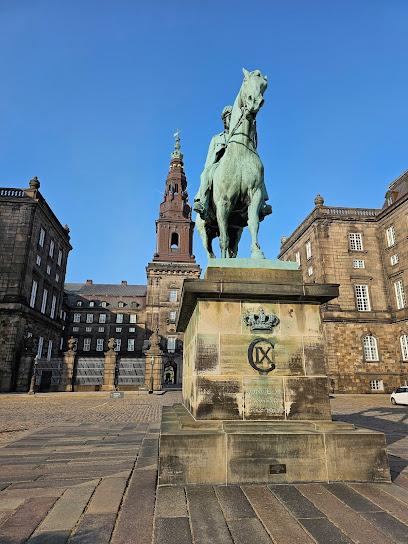
Set on the riding ground behind Christiansborg Palace in central Copenhagen, the equestrian statue of Christian IX honours the Danish king who reigned from 1863 to 1906. Unveiled in 1927, this bronze monument by sculptor Anne Marie Carl-Nielsen was the first equestrian statue of a monarch created by a woman. Framed by the historic palace complex and its stables, it is a compact yet characterful stop for visitors exploring Slotsholmen and Denmark’s political heart.
A brief summary to Equestrian statue of Christian IX
- Christiansborg Ridebane 25, Copenhagen, Indre By, 1218, DK
- Duration: 0.5 to 1 hours
- Free
-
 Outdoor
- Mobile reception: 5 out of 5
Local tips
- Combine a visit to the statue with a walk around the wider Christiansborg Palace complex to appreciate how the monument relates to Denmark’s political buildings.
- Visit in daylight for the best chance to study the sculptural details of the horse and rider; soft overcast light is especially good for photography.
- Take a slow circuit around the plinth to read the royal motto and see how the statue’s silhouette changes against the palace backdrop.

For the on-the-go comforts that matter to you
- Restrooms
- Seating Areas
- Trash Bins
- Information Boards
Getting There
-
Metro
From central Copenhagen, use the M1 or M2 line to Gammel Strand or Kongens Nytorv and walk about 10–15 minutes to Christiansborg’s riding ground. Metro trains run every few minutes throughout the day, and a standard city ticket or travel card covers the journey within zone 1; expect to pay roughly 20–30 DKK each way depending on ticket type.
-
City Bus
Several city bus routes stop within a 10–15 minute walk of Christiansborg Palace, including services along Stormgade and H. C. Andersens Boulevard. Buses typically run every 5–15 minutes in daytime. Use a zone 1 ticket or travel card; single trips are usually in the 20–30 DKK range per adult, with reduced fares for children.
-
Bicycle
Cycling is a convenient way to reach Slotsholmen from most inner-city districts in 10–20 minutes using Copenhagen’s dedicated bike lanes. Public bike-share schemes and rentals are widely available, with typical prices from about 75–150 DKK per day depending on provider and bicycle type. Bike parking is generally easy to find near the palace complex, though bring a sturdy lock.
-
On Foot from City Centre
If you are staying in the historic core around Rådhuspladsen or Strøget, allow 10–20 minutes to walk to Christiansborg’s riding ground. The route is flat and fully paved, suitable for most visitors, though surfaces in some older streets can be uneven. Weather can change quickly, so bring a waterproof layer or warm clothing in cooler months.
Equestrian statue of Christian IX location weather suitability
-
 Clear Skies
-
 Mild Temperatures
-
 Any Weather
-
 Cold Weather
Discover more about Equestrian statue of Christian IX
A royal figure on Christiansborg’s riding ground
The equestrian statue of Christian IX stands prominently on the riding ground of Christiansborg Palace, in Copenhagen’s historic Slotsholmen district. Elevated on a sturdy pedestal, the bronze king sits upright in the saddle, gaze set ahead, as if about to review a parade. Around him stretches the formal expanse of the equestrian courtyard, backed by the imposing façades of the palace that today houses Denmark’s Parliament, Supreme Court and the Royal Reception Rooms. Although modest in footprint, the statue occupies a symbolically powerful position. It marks the link between Denmark’s constitutional monarchy and the country’s political centre, bridging royal pageantry and everyday governance. When you cross the gravel and hear it crunch underfoot, you are walking on ground long used for ceremonial rides and military displays.The life and legacy of King Christian IX
Christian IX, born in 1818 and king from 1863 until his death in 1906, presided over a period of profound change. His reign saw Denmark lose territories in the Second Schleswig War, adjust to a reduced role in Europe, and evolve into a modern constitutional state. Through careful dynastic marriages, his descendants married into several European royal houses, earning him the nickname “the father-in-law of Europe”. The statue does not portray battlefield drama but rather steady authority. Christian IX is shown calm and composed, reins held lightly, the horse collected beneath him. This controlled, almost introspective pose reflects how he is remembered: a conservative yet stabilising figure who guided the kingdom through political turbulence and territorial loss while the parliamentary system gained strength.Anne Marie Carl-Nielsen’s groundbreaking commission
In 1908, sculptor Anne Marie Carl-Nielsen received the prestigious commission to create this monument, becoming the first woman entrusted with designing an equestrian statue of a monarch. It would take nearly two decades to complete the project, with the statue finally unveiled in 1927, more than twenty years after the king’s death. Carl-Nielsen was renowned for her keen observation of animals, and she brought that expertise to the horse beneath the king. Determined to find the perfect model, she looked beyond Denmark and selected a horse from Hanover in Germany, a choice that famously displeased local breeders. The result, however, is a mount with convincing musculature, alert ears and a subtle sense of movement in the legs and tail, giving life to the otherwise formal composition.Reading the details on the plinth
The statue’s stone plinth carries Christian IX’s royal motto: “With God for Honour and Justice”. Those few words encapsulate the values he wanted associated with his reign—duty, faith and moral order. Standing close, you can study the inscription and the crisp bronze detailing, from the folds of the king’s cloak to the horse’s bridle and saddle. Walk slowly around the base to see how the silhouette shifts against its architectural backdrop. From one angle, the king is framed by the palace roofs and towers; from another, by the open sky above the riding ground. The interplay between statue, stone base and surrounding façades underlines how public monuments here are integrated into the broader narrative of state power and royal symbolism.A quiet pause within Copenhagen’s political island
Despite being minutes from busy streets, the riding ground has a surprisingly measured, almost theatrical atmosphere. The rectangular space, bordered by stables and palace wings, acts like a stage for the lone mounted figure at its centre. On clear days, sunlight picks out highlights on the bronze; in overcast weather, the statue’s dark profile becomes more stark and solemn. Visitors often combine a look at the statue with time in the palace complex, but it also rewards a brief, contemplative stop. You can sit on the edge of the courtyard or linger by the railings, watching the occasional horse exercise session while the statue keeps its silent watch. It is an easily overlooked piece that, once noticed, adds depth to an understanding of how Denmark portrays its monarchs in public space.Connecting past ceremony with present-day life
Today, Christiansborg functions simultaneously as a workplace for politicians, a venue for royal events and a heritage site. The statue of Christian IX quietly ties these roles together. It recalls the days when royal power was more personal and ceremonial, yet it now stands beside institutions defined by constitutions and debate. As you leave the riding ground and glance back, the image of the mounted king against the palace walls serves as a compact visual summary of Danish statehood: tradition in bronze, framed by buildings devoted to contemporary decision-making. In a city rich with statues, this one stands out for the story behind its creation and for the subtle way it links art, monarchy and democratic life.Iconic landmarks you can’t miss

Equestrian statue of Christian IX
0.0 km
A quiet yet powerful royal monument in Christiansborg’s riding ground, uniting a pivotal Danish king with the groundbreaking sculptor who cast him in bronze.
The Danish Parliament
0.1 km
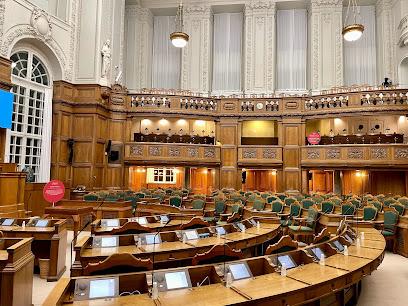
Where copper spires, royal salons and granite façades frame the working heart of Danish democracy on Copenhagen’s historic Island of Power.
Frederik VII
0.2 km
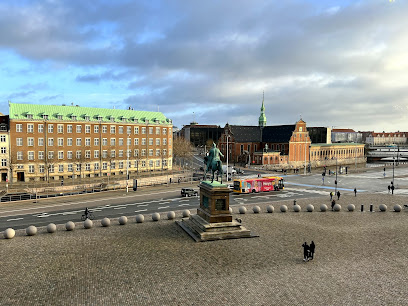
Bronze monument in central Copenhagen commemorating King Frederik VII and Denmark’s 19th-century transition to constitutional monarchy, steps from political landmarks.
Højbro
0.2 km
A historic iron arch bridging Copenhagen’s lively city centre and stately Slotsholmen, with hidden folklore sculptures stirring beneath its calm canal waters.
Holmens Bro
0.2 km
A modest granite arch in central Copenhagen that quietly connects Slotsholmen’s palaces with the city’s streets, offering classic harbour views and everyday urban life.

The Stable Boy's House
0.3 km
A modest former service house on Frederiksholms Kanal, quietly recalling the working lives behind Copenhagen’s royal stables and the grandeur of nearby Christiansborg.
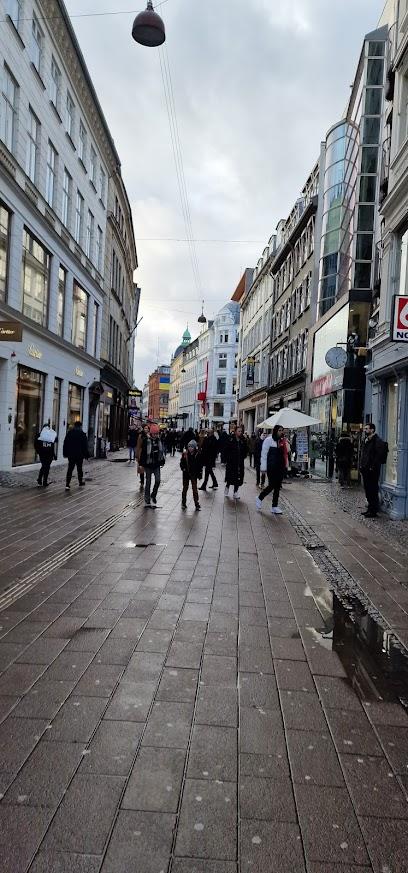
Strøget
0.3 km
Europe's pioneering pedestrian street where luxury shopping meets vibrant street culture and Danish heritage.
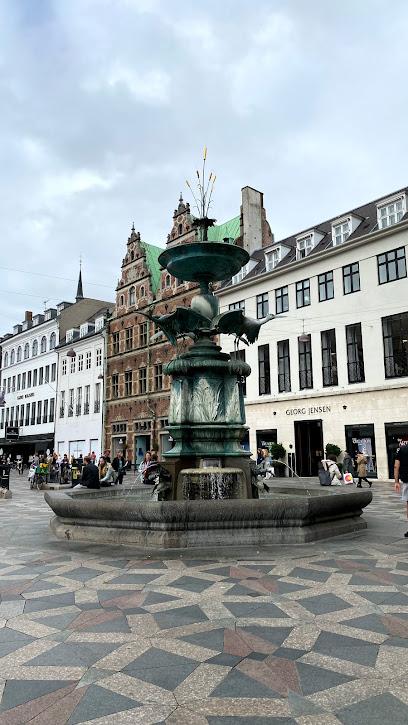
Stork Fountain
0.4 km
A trio of bronze storks, royal history and everyday city life meet at this elegant fountain in Copenhagen’s Amagertorv square on the Strøget pedestrian street.
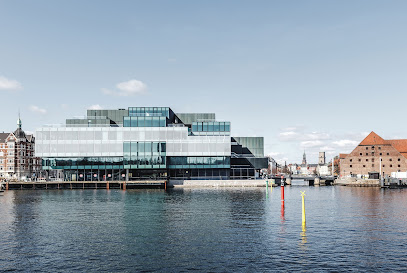
Danish Architecture Centre
0.4 km
Explore Danish and international architecture, urban development, and design at Copenhagen's premier cultural center, the Danish Architecture Centre, located in the iconic BLOX building.
Nytorv
0.4 km
Historic domed observatory in Aarhus offering inspiring stargazing nights, public tours, and a glimpse into Denmark’s astronomical history atop a leafy city hill.
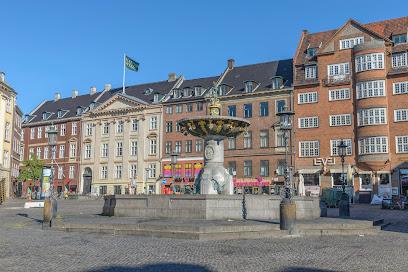
Museum of Copenhagen
0.4 km
Explore Copenhagen's captivating history at the Museum of Copenhagen, from Viking settlements to modern marvels, through interactive exhibits and historical artifacts.
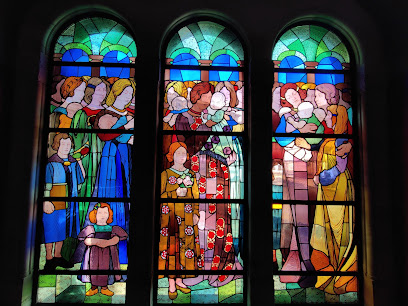
Nytorv 2
0.5 km
Where Copenhagen’s Neoclassical courthouse meets a centuries-old market square, blending solemn civic history with the everyday buzz of the old city.
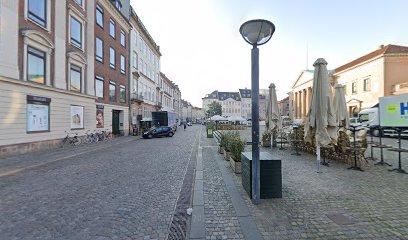
Jorcks Passage
0.5 km
Historic 1890s covered arcade where telephone wires once connected a nation, now a charming shopping passage in Copenhagen's heart.
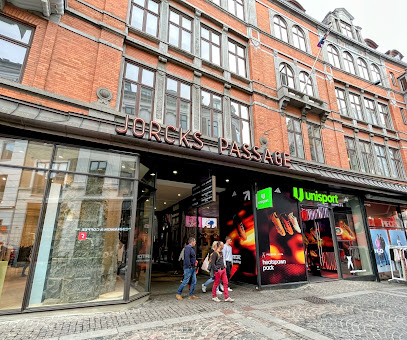
C.F. Tietgens Hus
0.5 km
A Neoclassical monument to Danish banking heritage and industrial vision, built for one of history's most influential entrepreneurs.
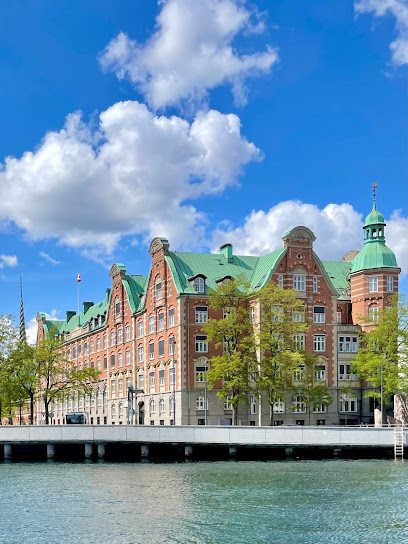
Circle Bridge
0.5 km
A five-masted circle of light and steel where art, everyday crossings and Copenhagen’s maritime history meet above the waters of Christianshavn Canal.
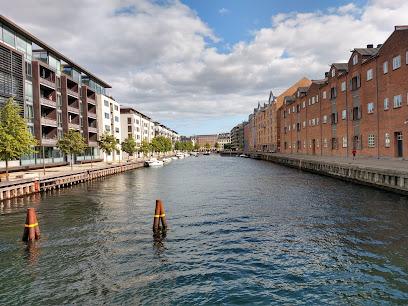
Unmissable attractions to see

Christiansborg Palace
0.1 km
Stroll along Frederiksholms Kanal, the elegant Copenhagen waterway flanked by historic palaces and vibrant cultural landmarks at the heart of Indre By.
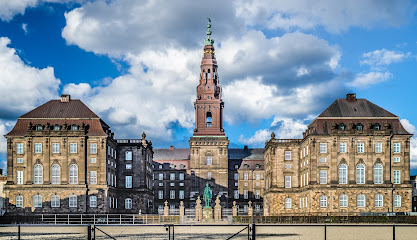
Slotsholmen
0.1 km
A compact canal island where medieval fortresses, royal palaces and modern democracy meet at the very heart of Copenhagen’s harbour.
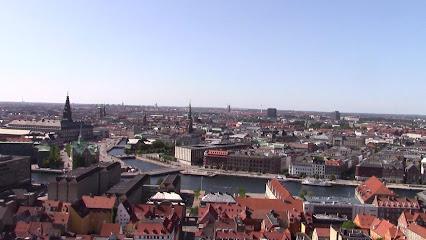
Marmorbroen
0.2 km
An 18th‑century Rococo bridge that once formed the grand entrance to Christiansborg Palace, Marmorbroen quietly unites royal history, canal views and everyday city life.
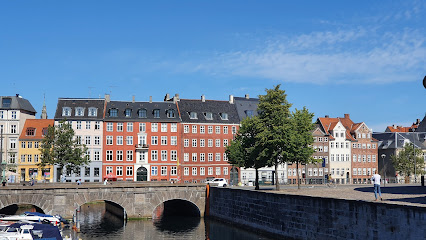
Frederiksholms Kanal
0.2 km
Frederiksholms Kanal—a historic waterway offering tranquil walks, classic canal views, and a journey through the heart of Copenhagen’s regal past.
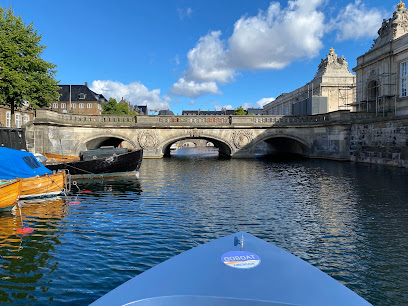
Søren Aabye Kierkegaard by Louis Hasselriis
0.2 km
A quiet bronze of Denmark’s great existential thinker, seated with manuscripts in a hidden garden behind the Royal Library in the heart of Copenhagen.
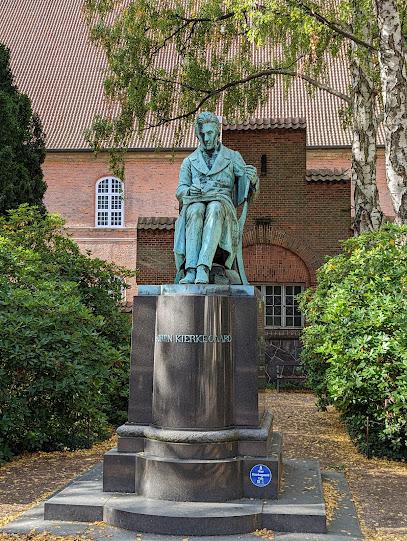
Garden of the Royal Library
0.2 km
A serene 1920s garden on a former naval harbor, where maritime heritage and artistic beauty create Copenhagen's most peaceful urban retreat.
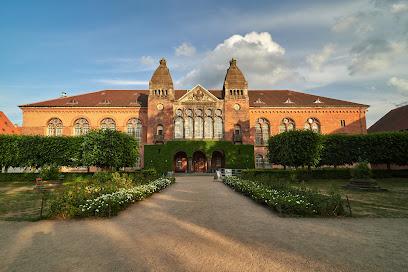
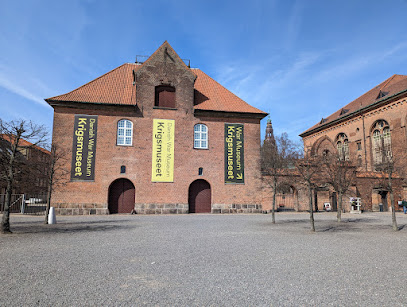
The War Museum
0.2 km
Five centuries of Danish warfare and resilience housed in King Christian IV's historic arsenal.
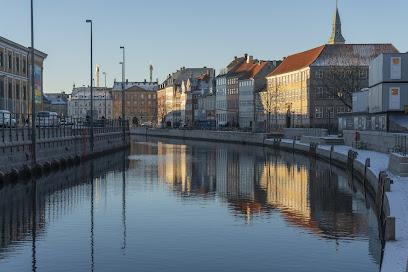
Gammel Strand
0.2 km
A historic Copenhagen harbourfront where Viking-age roots, colourful 18th‑century facades and a contemporary art centre meet beside the city’s central canal.
Magstræde
0.2 km
One of Copenhagen’s oldest cobbled lanes, Magstræde is a colorful, time‑worn shortcut through the city’s medieval heart and everyday modern life.
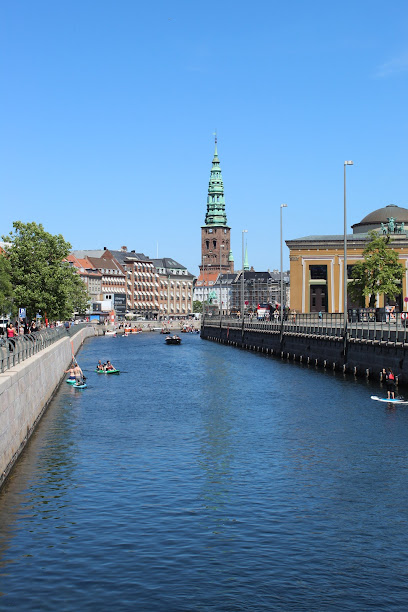
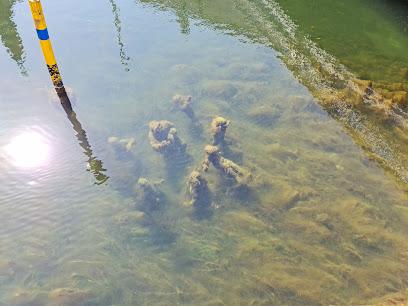
Agnete and the Merman Statue
0.2 km
A submerged family of bronze beneath Højbro Bridge brings an old Danish ballad of love, faith and abandonment to life in the heart of historic Copenhagen.
Stromma Canal Tours
0.2 km
Discover the world of 'Nordic gold' at the Copenhagen Amber Museum, where history, science, and stunning amber artifacts meet in Nyhavn’s oldest house.
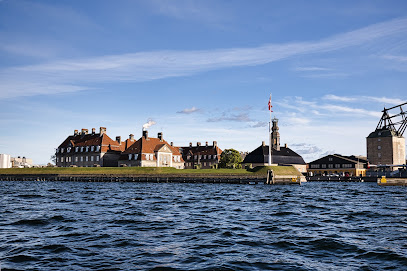
Ved Stranden
0.3 km
Copenhagen’s famous waterfront promenade blending royal history, iconic monuments, and scenic strolls along the city’s vibrant harborside.
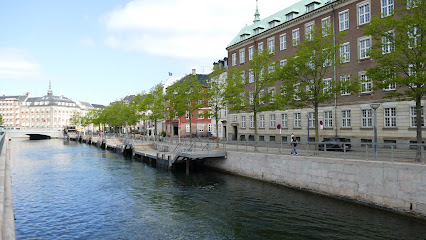
Danish Jewish Museum
0.3 km
An intimate museum in a 17th‑century boathouse where Daniel Libeskind’s Mitzvah‑shaped architecture tells 400 years of Danish Jewish history and rescue.
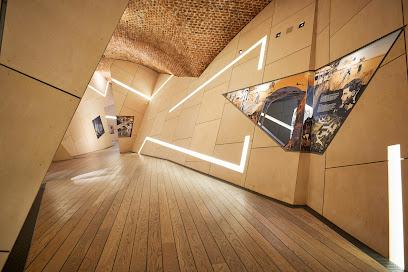
Bishop Absalon
0.3 km
Denmark’s national gallery showcases Nordic and international masterpieces in stunning, light-filled halls—SMK is a must-visit for art lovers in Copenhagen.
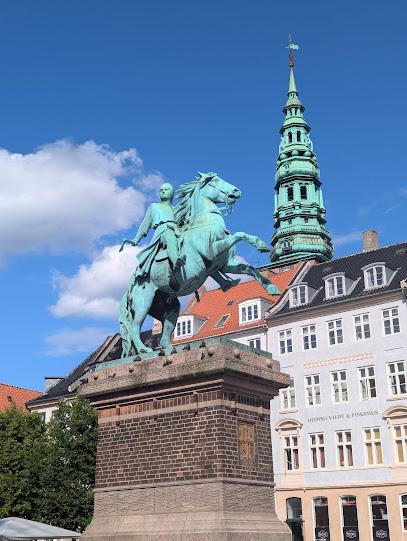
Christian IV's Brewhouse
0.3 km
A fortress-turned-brewery on Slotsholmen where royal stone giants gather beneath a vast timber roof, blending military history, sculpture and Copenhagen charm.
Essential places to dine

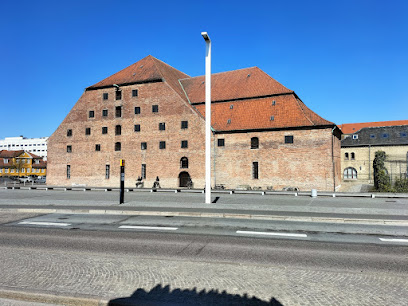
Restaurant 1733
0.2 km
Traditional Danish smørrebrød and hearty classics served in a cosy 18th‑century townhouse on Nybrogade, with canal views and warm, informal hospitality.
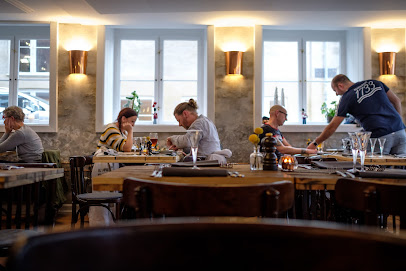
Kanal-Caféen
0.2 km
Historic canal-side lunch restaurant from 1852, serving classic Danish smørrebrød and platters in cosy wood-panelled rooms beside Frederiksholms Kanal.
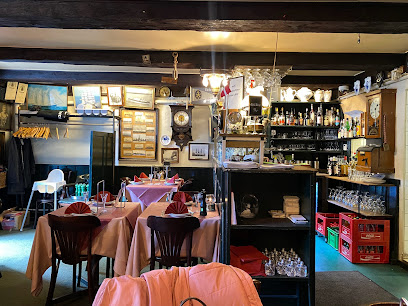
Marv & Ben
0.2 km
Inventive New Nordic tasting menus and Danish culinary artistry await in an atmospheric 18th-century townhouse in Copenhagen’s historic Indre By.
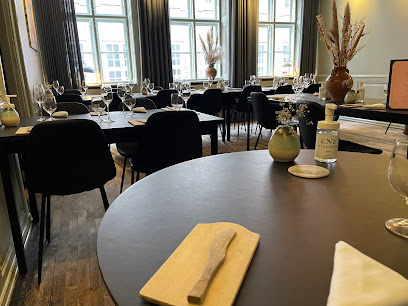
Restaurant Puk
0.3 km
Historic Danish restaurant in Indre By, Copenhagen, serving classic smørrebrød and comfort dishes in a centuries-old setting with authentic local atmosphere.
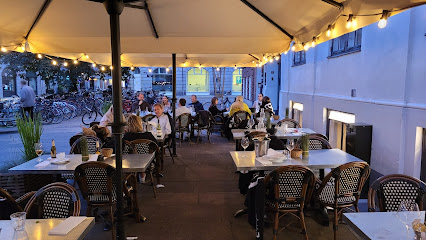
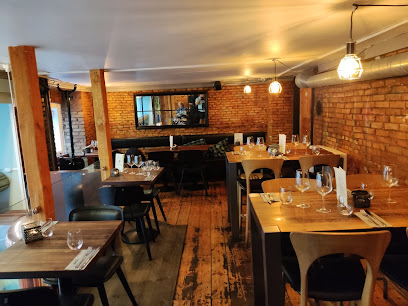
Restaurant Tight
0.3 km
Cozy multi-level townhouse restaurant in Copenhagen’s Old Town serving Nordic cuisine with a sunny southern twist, generous portions and a warm, brick-and-beam atmosphere.
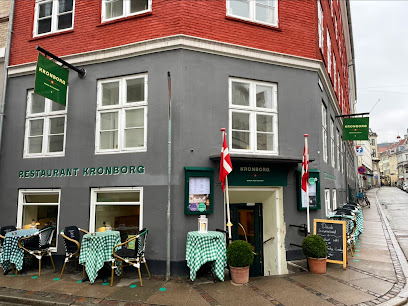
Restaurant Kronborg
0.3 km
Warm, candlelit hygge in Copenhagen’s old town, where classic Danish smørrebrød, hearty lunches and aquavit bring traditional flavors to a cosy side-street dining room.
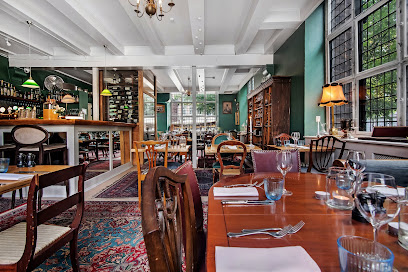
Restaurant Maven
0.4 km
Distinctive Scandinavian dining in the soaring nave of a former church, Restaurant Maven offers inventive cuisine and fine wine in Copenhagen's historic Indre By.
Restaurant Karla
0.4 km
Century-old Danish restaurant serving beloved classics and authentic smørrebrød in the heart of Copenhagen, steps from major museums and city attractions.
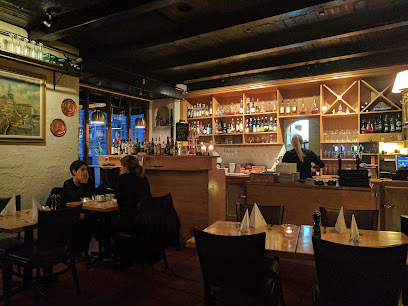
Københavner Cafeen
0.4 km
Traditional Danish comfort food and smørrebrød served in a cozy, low-lit cellar restaurant on a historic Copenhagen side street steeped in hygge.
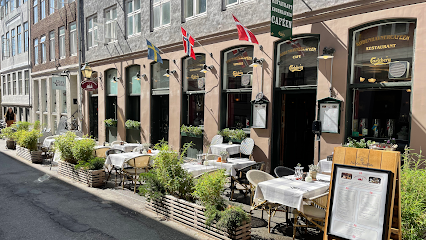
Rio Bravo
0.4 km
Western‑themed Copenhagen stalwart serving hearty Danish classics and steaks late into the night in a nostalgic saloon setting off City Hall Square.
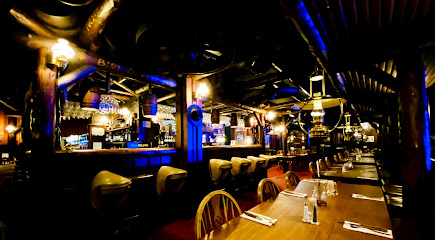
Restaurant Noi
0.5 km
Experience modern Nordic cuisine in a stylish, contemporary setting at Restaurant Noi, a favorite for seasonal dining in the heart of central Copenhagen.
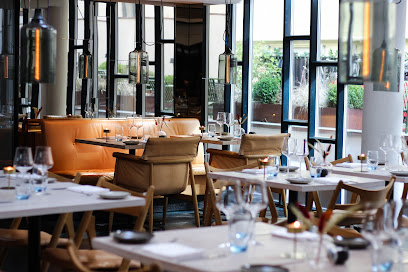
King Hans Cellar
0.5 km
Historic vaulted cellars, cutting-edge Nordic cuisine, and centuries-old royal ambiance converge at Copenhagen’s legendary King Hans Cellar fine dining restaurant.
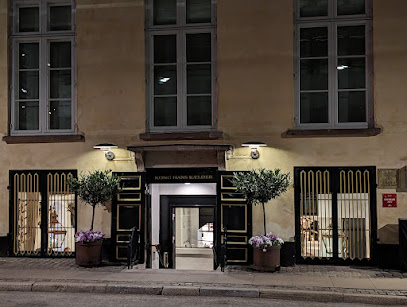
No. 2
0.5 km
Relaxed Nordic brasserie by the Copenhagen waterfront, pairing Michelin‑level know‑how with harbour views, seasonal Danish produce and polished yet informal service.
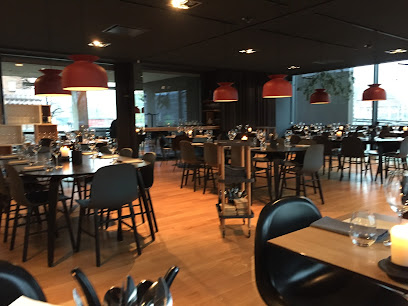
Restaurant Sole D’Italia - København
0.5 km
Classic stone-oven pizzas and familiar Italian favourites served on one of Copenhagen’s most atmospheric squares in the heart of the old town.
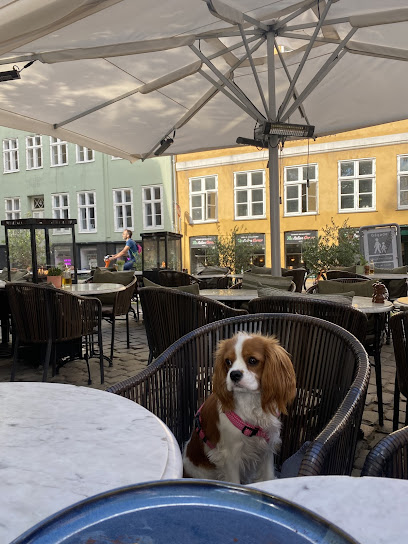
Wining and Dining
0.5 km
French-inspired fine dining with exceptional wines in Copenhagen's historic heart
Markets, malls and hidden boutiques

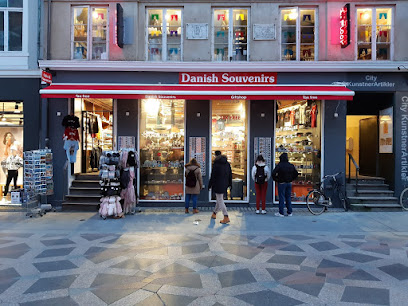
Danish Souvenirs
0.3 km
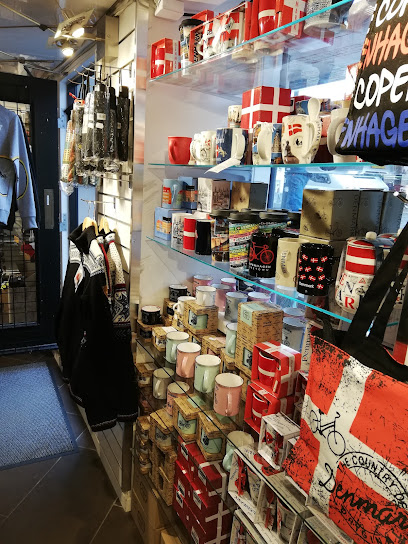
Central Copenhagen souvenir hub on Højbro Plads, packed with Danish icons, practical travel extras and long opening hours just steps from Strøget.
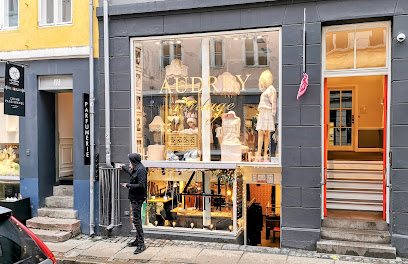
Audrey Vintage
0.3 km
Curated vintage fashion in Copenhagen's heart, where timeless style meets sustainable shopping.
Akimbo
0.3 km
A cosy basement gift shop in Copenhagen’s old town, packed with colourful design, quirky treasures and hygge-infused souvenirs on charming Hyskenstræde.
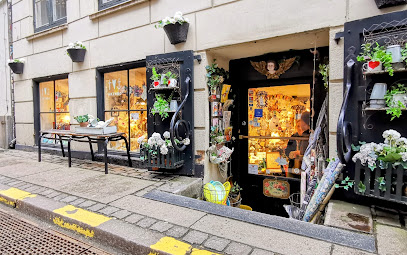
Hygge Original
0.3 km
A cozy Danish design shop on Amagertorv, offering hygge-inspired clothing, textiles and gifts in a calm, Scandinavian setting amid Copenhagen’s busiest streets.
Danish Souvenirs & Luggages
0.3 km
Central Strøget gift shop combining classic Danish souvenirs with practical luggage and bags, perfectly placed for a quick browse between Old Town sights.
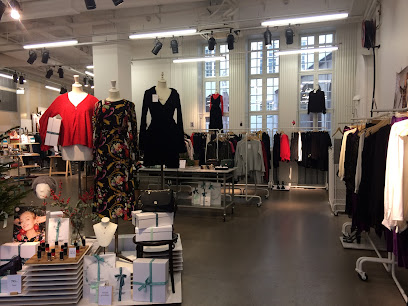
& Other Stories
0.3 km
Contemporary Scandinavian fashion, shoes, accessories and beauty in a bright, minimalist space on Copenhagen’s iconic Strøget shopping street.
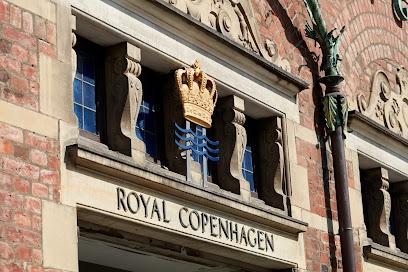
Royal Copenhagen Flagship Store
0.4 km
Historic Renaissance townhouse on Strøget where hand‑painted Royal Copenhagen porcelain, royal history and Danish design culture meet across three atmospheric floors.
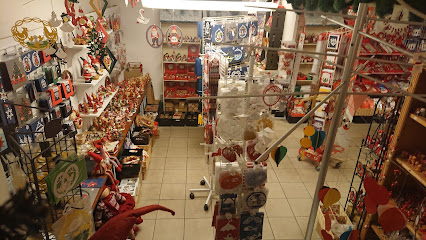
Danish Art & Christmas Shop
0.4 km
A cosy, year‑round Christmas haven in a historic Copenhagen townhouse, filled with Danish‑designed ornaments, paper art and festive hygge moments.
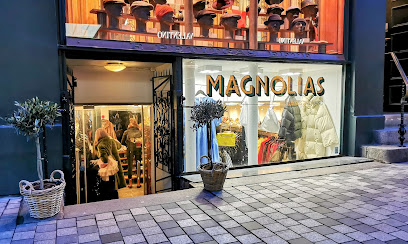
Magnolias
0.4 km
A compact, upscale secondhand boutique on Købmagergade, Magnolias blends Copenhagen chic with curated pre-loved designer fashion in the city’s historic shopping heart.
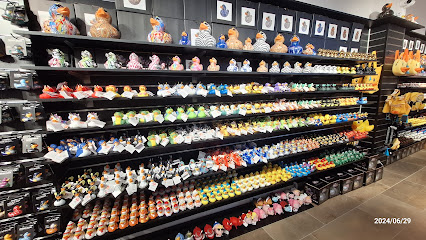
Duck Haven
0.4 km
A tiny, colourful shop in Copenhagen’s old town where hundreds of themed rubber ducks turn souvenir hunting into a playful, photo‑worthy detour.
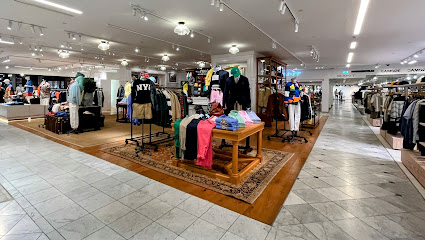
ILLUM
0.4 km
ILLUM is Copenhagen’s iconic department store, combining world-class fashion, Danish design, gourmet food, and rooftop views in historic Indre By.
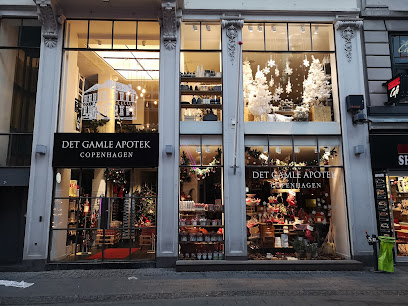
Det Gamle Apotek Copenhagen
0.4 km
Step off bustling Vimmelskaftet into a nostalgic world of Danish Christmas sparkle, romantic décor and gift-worthy treasures at Det Gamle Apotek Copenhagen.
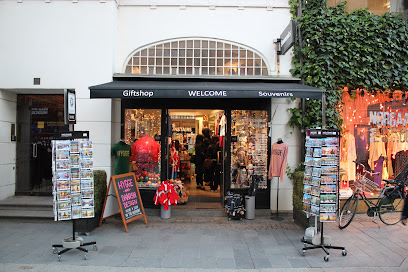
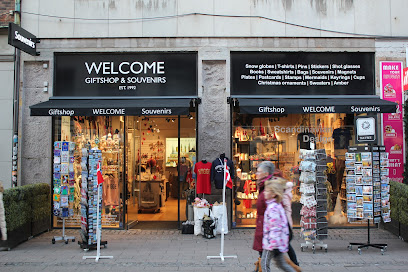
Welcome Giftshop & Souvenirs
0.5 km
Central Copenhagen’s hygge-filled stop for Scandinavian design and classic Danish souvenirs, perfectly placed on Nygade just off Strøget’s busy pedestrian flow.
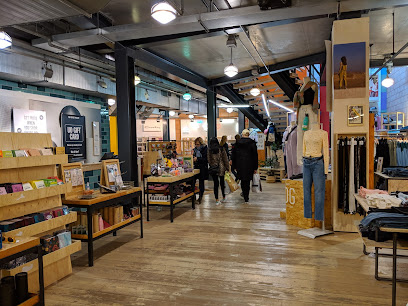
Urban Outfitters
0.5 km
Trendy multi-level fashion and lifestyle store bringing Urban Outfitters’ eclectic clothing, homeware and vinyl mix to the heart of Copenhagen’s Østergade.
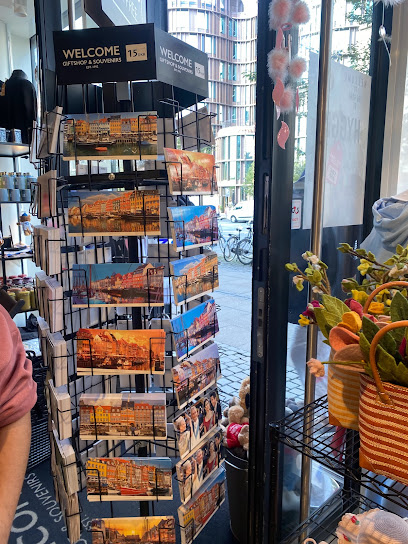
Souvenir Shop
0.5 km
Compact, convenient and central, this Frederiksberggade souvenir shop on Strøget is a quick one‑stop for classic Copenhagen gifts and mementos.
Essential bars & hidden hideouts

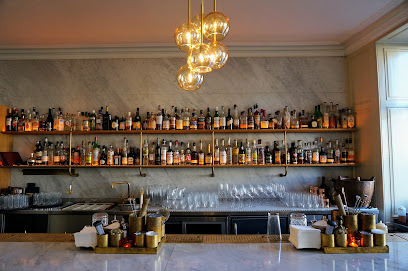
Ruby
0.2 km
An unmarked 18th‑century townhouse on Nybrogade hides Ruby, a quietly glamorous cocktail institution where inventive drinks meet candlelit canal-side charm.
Godt Øl
0.2 km
Cosy basement craft beer bar in Copenhagen’s old town, pouring 12 rotating taps in a low-key, conversation-friendly setting from mid-afternoon until late night.
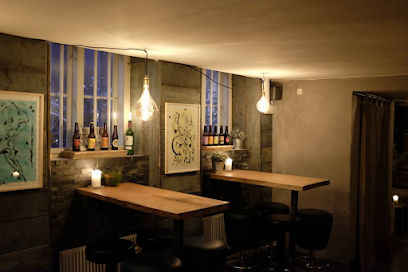
The Bird and The Churchkey
0.2 km
Discover the vibrant atmosphere of The Bird and The Churchkey, a must-visit bar in Copenhagen for craft beer and creative cocktails.
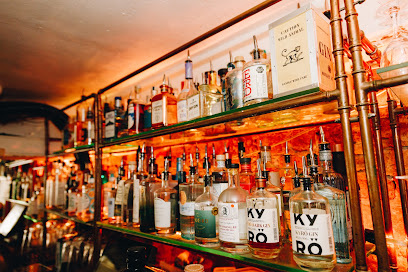
Zefside
0.2 km
Underground cocktail bar by night, pulsing nightclub by dawn—Copenhagen's shape-shifting social hub.
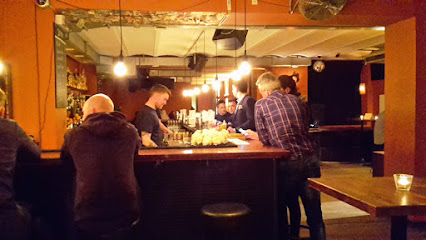
K-Bar
0.3 km
Intimate harbourfront cocktail den in central Copenhagen, known for monochrome style, inventive infusions and quietly confident classics poured with real care.
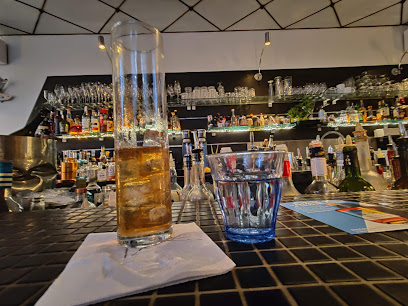
Lord Nelson Bar
0.3 km
Experience the vibrant nightlife and craft cocktails at Lord Nelson Bar, a historic gem in the heart of Copenhagen's bustling streets.
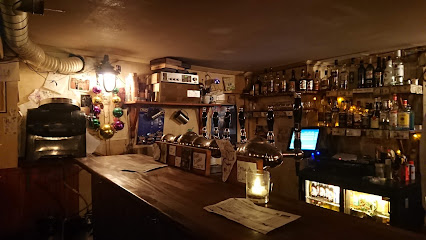
The Dubliner
0.3 km
Lively Irish pub energy on Copenhagen’s Amagertorv, serving hearty pub classics, well-poured pints, live music and big-screen sport in a cosy, wood-lined setting.
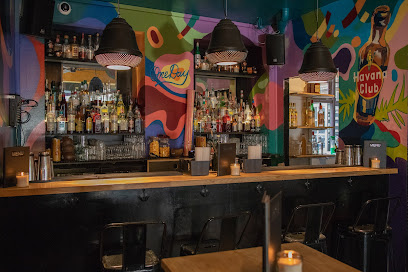
Aloë Cocktail Bar
0.4 km
Award-winning Cuban cocktails and street art vibes in Copenhagen's vibrant Inner City.
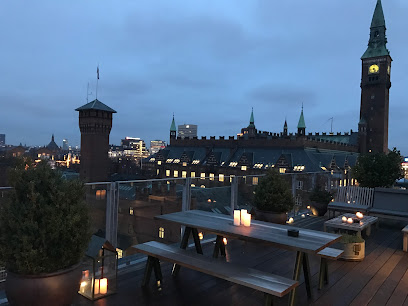
The Rooftop Bar
0.4 km
Compact rooftop oasis atop Hotel Danmark, pairing 360-degree Copenhagen views with cocktails, bubbles and golden-hour sunsets above the city’s historic heart.
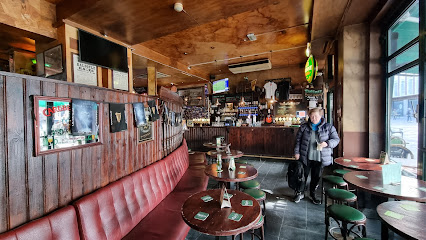
Southern Cross Pub
0.4 km
Two-floor Copenhagen sports pub pouring affordable pints, wall-to-wall live games, and late-night energy in the heart of the inner city.
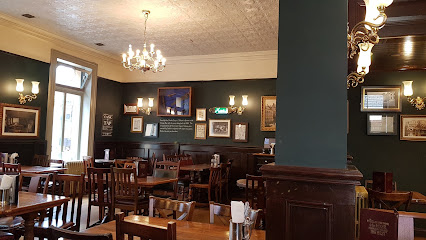
The Storm Inn Copenhagen
0.4 km
Experience the warmth of The Storm Inn in Copenhagen, a cozy pub offering a wide selection of drinks in a welcoming atmosphere.
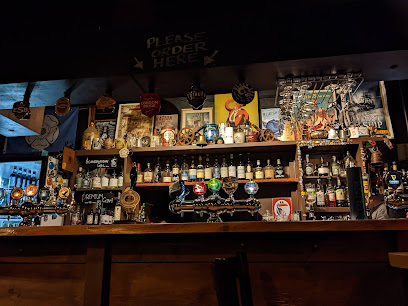
Centralhjørnet
0.4 km
One of Copenhagen’s oldest gay bars, Centralhjørnet is a cosy, festive corner pub where historic LGBTQ+ heritage meets camp décor and easy-going charm.
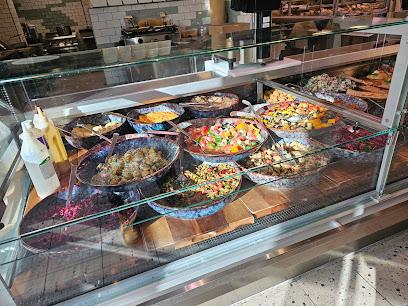
not your USUAL wine bar
0.5 km
Discover wines from the world's forgotten regions in Copenhagen's most unconventional wine bar.
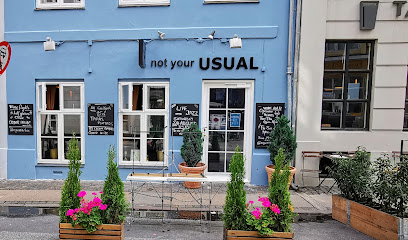
Taphouse
0.5 km
Copenhagen’s modern beer hall, pouring 61 ever‑changing craft taps in a relaxed, Scandinavian setting just steps from the historic city center.
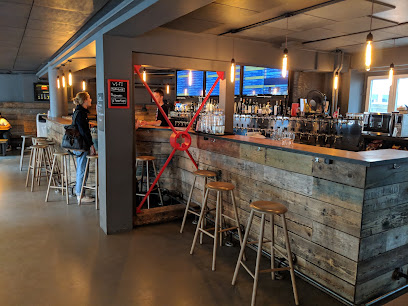
Balderdash
0.5 km
Copenhagen’s candlelit cocktail laboratory in a 1732 townhouse, where hygge, art and daring seasonal drinks turn a quiet side street into an unforgettable night out.
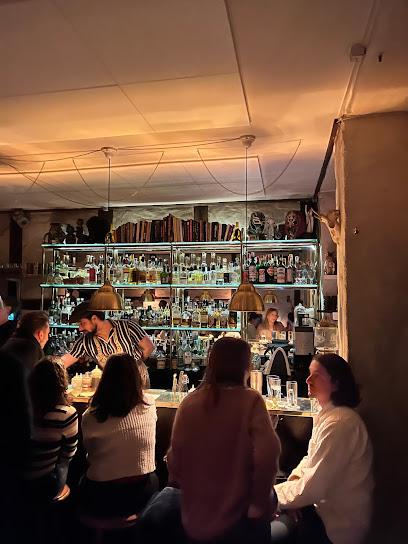
Nightclubs & after hour spots

Chateau Motel
0.4 km
Discover the lively nightlife of Copenhagen at Chateau Motel, a top destination for cocktails and dancing in a vibrant atmosphere.
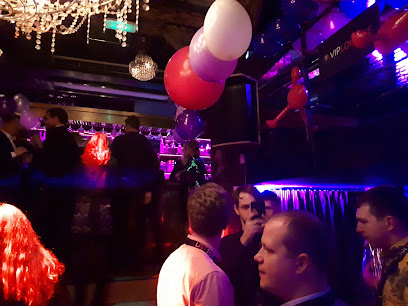
Club Mambo
0.4 km
Experience the energetic nightlife of Copenhagen at Club Mambo, a vibrant night club offering salsa dancing, cocktails, and delicious dining.
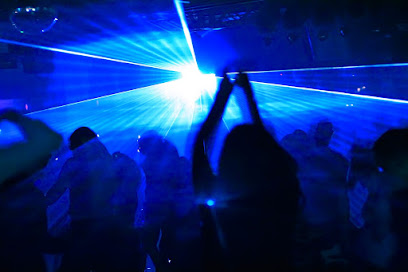
Hive
0.5 km
Copenhagen's premier high-end nightclub with cutting-edge design, VIP service, and immersive themed experiences.
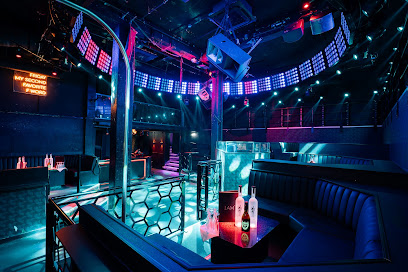
Miami Bar
0.5 km
Discover Copenhagen's nightlife at Miami Bar, where cocktails and dancing create unforgettable nights in a vibrant atmosphere.
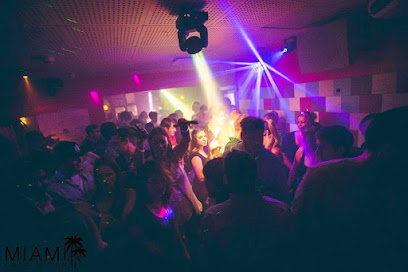
Mirror
0.5 km
Dive into the heart of Copenhagen's nightlife at Mirror, where the rhythm never stops and unforgettable memories are made.
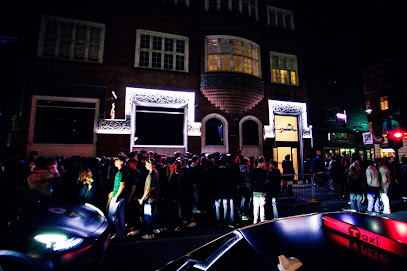
Rumors
0.5 km
Discover the heart of Copenhagen's nightlife at Rumors, where energetic vibes and unforgettable nights await you.
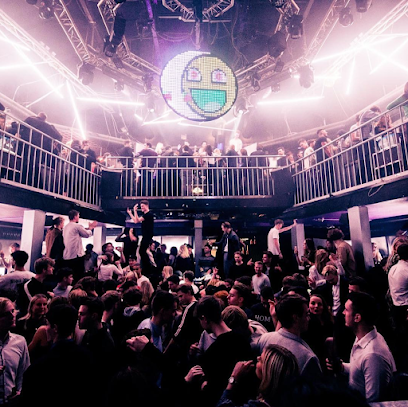
Dorsia
0.6 km
Central Copenhagen nightclub with late‑night DJs, cocktails and an image‑conscious crowd packed into a dark, modern interior off busy Kattesundet.
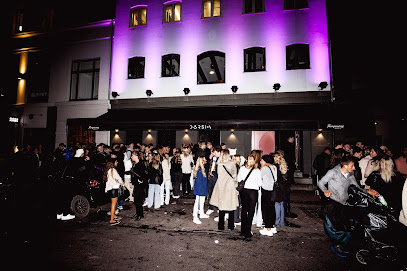
The Zoo
0.6 km
Intimate late-night nightclub on Sværtegade in Copenhagen’s historic center, blending a compact dance floor, DJ-driven beats and a casual, social bar atmosphere.
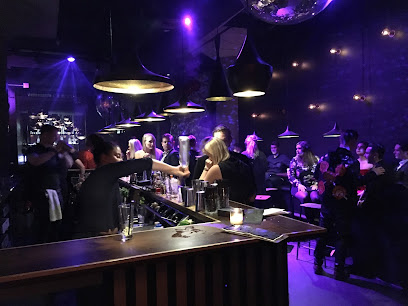
La Terraza
0.6 km
Compact nightclub on Studiestræde in Copenhagen’s old town, offering loud beats, straightforward drinks and an unpretentious late-night dance floor.
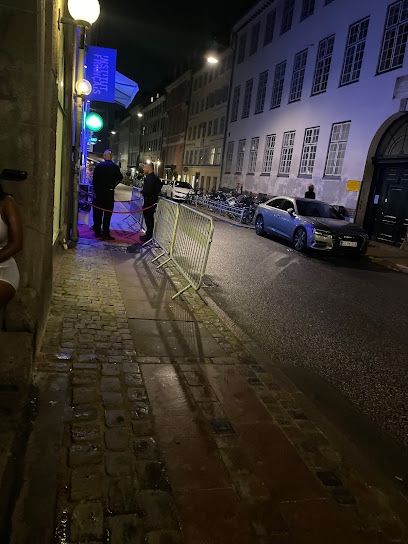
Lusso
0.6 km
A compact, high-end Copenhagen nightclub with champagne-forward table service, dim lighting and a stylish late-night crowd just steps from Kongens Nytorv.
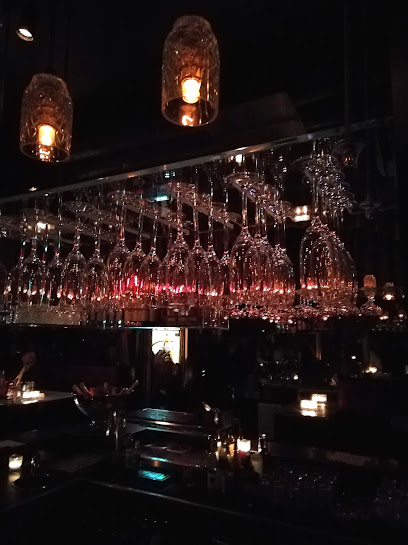
Cosy Bar
0.7 km
Discover the lively atmosphere of Cosy Bar, a top gay nightclub in Copenhagen offering fantastic music, vibrant crowds, and unforgettable nights.
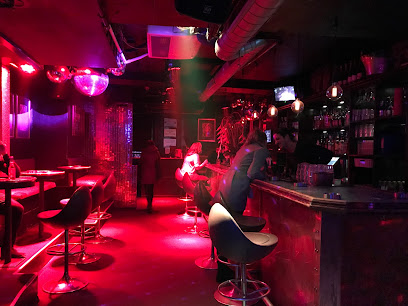
G*A*Y Copenhagen Nightclub
0.7 km
Experience the heart of LGBTQ+ nightlife at G*A*Y Copenhagen Nightclub, where vibrant energy and inclusive atmosphere await every visitor.
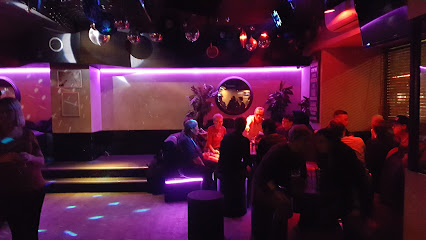
Mini Bar
0.8 km
Discover the vibrant nightlife of Copenhagen at Mini Bar, a premier night club offering eclectic tunes and a lively atmosphere for unforgettable nights.
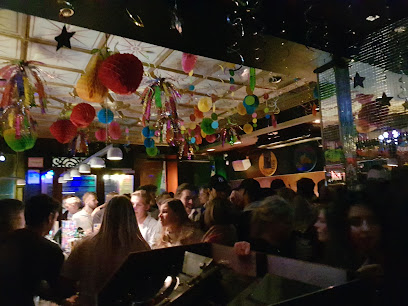
Module
0.8 km
Discover the ultimate nightlife experience at Module Night Club in Copenhagen, where world-class DJs and an electrifying atmosphere await.
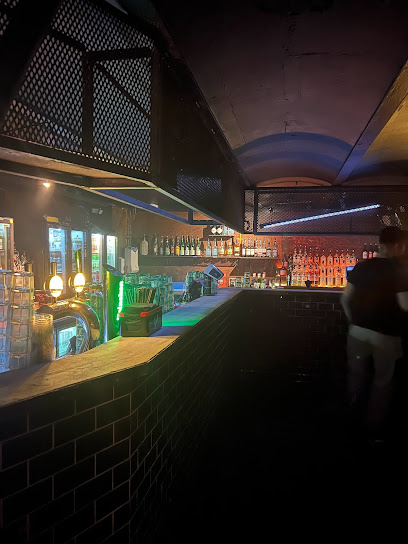
Arch
0.8 km
Discover the vibrant nightlife of Copenhagen at Arch, a premier night club offering electrifying music and an unforgettable atmosphere.
For the vibe & atmosphere seeker
- Scenic
- Unique
- Casual
For the design and aesthetic lover
- Vintage Styles
- Modern Designs
For the architecture buff
- Historic
- Landmarks
- Art & Design
- Viewpoints
For the view chaser and sunset hunter
- Iconic Views
For the social media creator & influencer
- Instagrammable
- Photo Spots
- Architectural Shots
For the eco-conscious traveler
- Public-Transport Accessible
- Low Impact
For the kind of experience you’re after
- Cultural Heritage
- Photowalk
- Adventure Photo Shoot
- Day Trip
- Roadtrip Stop
For how adventurous you want the journey to be
- Easy Access
Location Audience
- Family Friendly
- Senior Friendly
- Child Friendly
- Teen Friendly
- Solo Friendly
- Couple Friendly
- Solo Female Friendly
- LGBT Friendly
- Business Friendly


