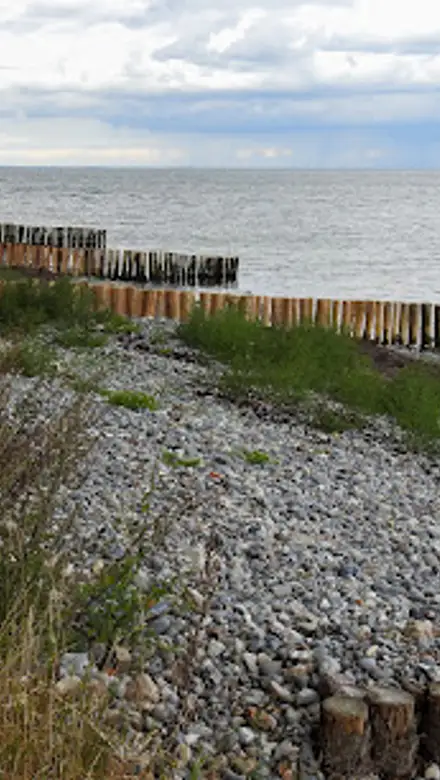
Køge Sønakke, Køge Travel Guide
Free Guide: Quiet coastal reef on Køge Bay with wide horizons, leopard-bottom shallows and renowned sea trout fishing, offering a low-key slice of Denmark’s Baltic shoreline.


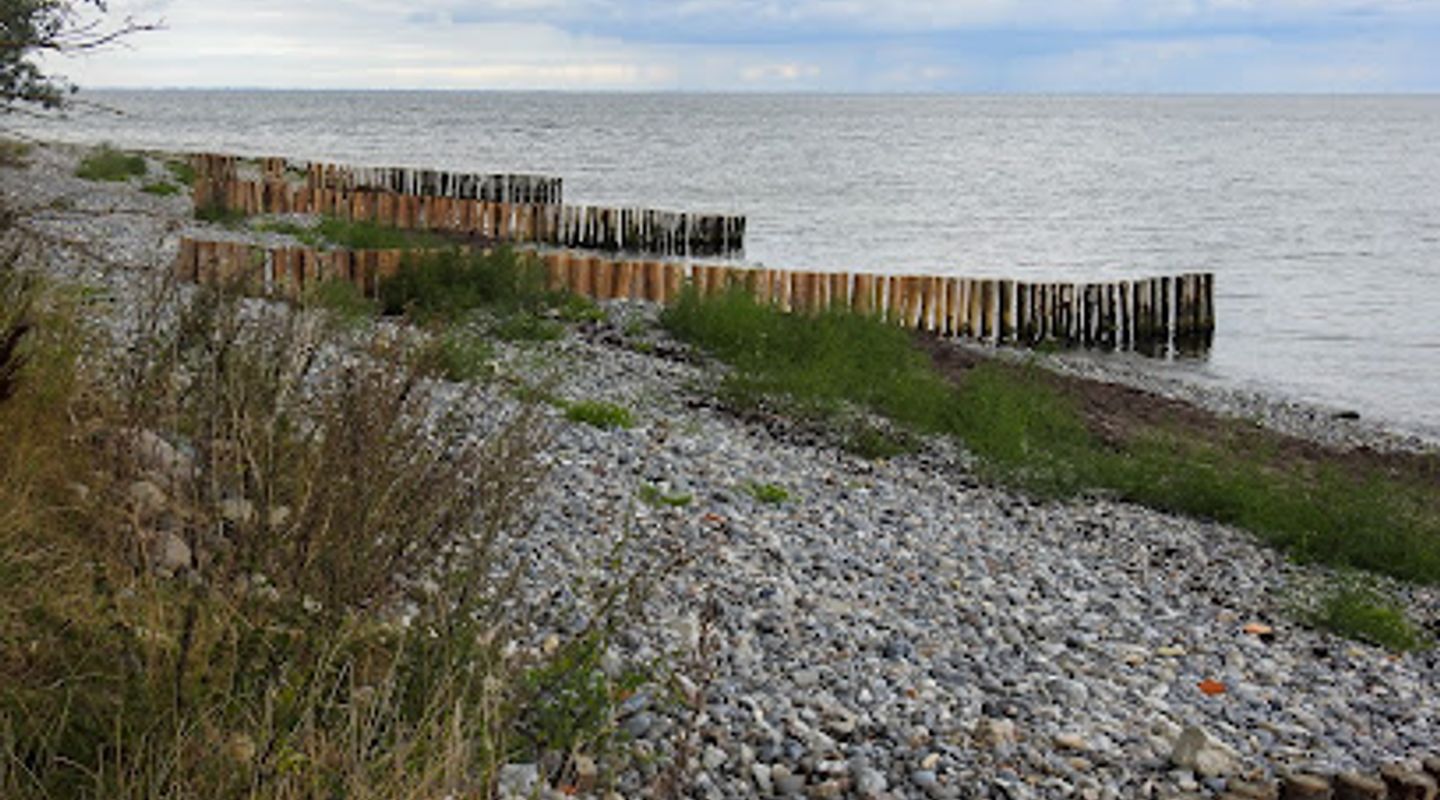
A brief summary of Køge Sønakke
Quiet coastal reef on Køge Bay with wide horizons, leopard-bottom shallows and renowned sea trout fishing, offering a low-key slice of Denmark’s Baltic shoreline.
Køge Sønakke is a low-lying coastal reef and shoreline on the Bay of Køge near Klippinge in Stevns, known among local anglers and walkers for its open sea views, shallow clear water and productive sea trout fishing. A sandy, stone‑strewn seabed with bladderwrack creates a classic “leopard bottom” that attracts fish and birds, while the gently curving coast, nearby forest and big skies give this small stretch of shoreline a quietly scenic, slightly wild character within easy reach of towns on eastern Zealand.
On-site amenities
 Trash bins
- Address
- 4672 Klippinge
Getting there
Train + walking from Copenhagen region
Car from Køge and nearby towns
Bicycle from Stevns area villages
Discover more about Køge Sønakke
Sea-Trout Coast on the Bay of Køge
Køge Sønakke is a modest but characterful stretch of coast on the southern side of Køge Bay, a short distance from Klippinge on the Stevns Peninsula. Here the land eases into the Baltic in a series of shallow bars and a distinct reef that pushes gently out into the bay, creating a mix of calm, wadeable water and shifting channels. It is an unbuilt, unmanicured shoreline; the horizon is often broken only by the line of the sea and the silhouette of distant ships.The name links it to the town of Køge across the bay, but the setting feels more rural than urban. Fields and patches of woodland frame the approach, and once you step onto the beach the soundscape switches to wind, waves and seabirds. On clear days the light can be remarkably sharp, with the low Danish sun glittering across the surface of the water and throwing long reflections off the wet stones at your feet.
Leopard Bottom and Coastal Ecology
Beneath the surface, Køge Sønakke is defined by what local anglers call “leopard bottom”: a pale sandy seabed dotted with darker stones and tufts of bladderwrack seaweed. This patchwork creates an ideal hunting ground for sea trout, which patrol the edges where sand meets weed in search of small fish, shrimps and other prey. The same structure helps shelter countless invertebrates, making the nearshore zone surprisingly rich in life for such a simple-looking coastline.The shallow gradient means the character of the place changes with the weather. In calm conditions the water can be strikingly clear, with patches of seaweed and stones visible several metres out. When wind and waves pick up, sand and silt are stirred into suspension, and the colour of the bay shifts from light turquoise to steely grey. Gulls, waders and occasionally diving ducks all make use of the area, especially outside the height of summer when human activity along the coast is quieter.
A Favourite Shore for Anglers
Among Denmark’s many coastal fishing spots, Køge Sønakke has earned a quiet reputation for productive sea trout fishing. The reef structure allows anglers to reach deeper lanes without a boat, and the wadeable shallows provide long drifts parallel to the shore. Spinning rods and fly rods are both common sights along the waterline, particularly in the cooler months and during spring and autumn migrations when sea trout move along the coastline.Fishing here is very much a shore-based, low-key experience. You gear up at the edge of the fields or by a simple parking area, then follow a short path out to the coast. Once you step into the water, the pattern of casting, stripping line and slowly moving along the reef quickly becomes meditative. Even visitors who are not focussed on catching fish often appreciate the rhythm of the activity and the feeling of standing out in the bay with water lapping around their waders.
Walking, Weather and Wide Horizons
While anglers may know Køge Sønakke best, it also works well as a short coastal walk or a contemplative pause in a wider day on Stevns. The shoreline invites you to stroll along the water’s edge, watching how the wave patterns change over the reef and how the colours of the bay shift with cloud and light. With very little built development directly on the coast, the sense of space is considerable, and the flat horizon makes even modest changes in weather feel dramatic.Wind is a constant companion here. On still summer evenings the bay can be glassy, with insects buzzing above the seaweed beds and fish occasionally breaking the surface. In stronger onshore winds, waves crash over the outer reef and spray hangs in the air, adding a raw, salty edge to the experience. Because there is little shelter right on the shore, clothing and footwear suited to exposed coastal conditions are essential for enjoying the location in comfort through the seasons.
Part of a Larger Stevns Landscape
Køge Sønakke sits within a broader mosaic of coastal landscapes in Stevns that includes forests such as Magleby Skov, agricultural land and the famous cliffs further south. The coast here lacks the dramatic vertical drop of Stevns Klint, but it offers its own quiet appeal: a horizontal landscape of bars, shoals and shallows that subtly sculpt the bay. For travellers exploring eastern Zealand, it can serve as a peaceful counterpoint to busier towns and headline sights, adding a more intimate, close-to-the-water perspective on the region’s relationship with the sea.This modest reef and beach are unlikely to dominate any itinerary, yet they encapsulate many of the qualities that make Denmark’s coastline special: accessibility, understated beauty, strong light and a constant interplay between land, weather and water. Whether you arrive with a fishing rod or just a curiosity about the shore, Køge Sønakke offers space to slow down and watch a working Baltic coastline at its own tempo.
Evendo Review Centre
 Google
Guest reviews
Best time to go
Quietest: Jan, Feb & Dec · before 6am or from 9pm
Busy times are Evendo estimates for a typical year, to help you plan. Actual crowds vary with events, school holidays and the weather.
Explore Køge Sønakke on the map
A handpicked selection of must-see spots near Køge Sønakke, mapped for you.
Get your free copy of our complete guide to Køge Sønakke, delivered straight to you.
Everything on this page, from opening hours and how to get there to Eve’s tips and the best time to go, in one PDF you can read offline, print or share.
Already have an account? Sign in
Your Køge Sønakke guide is ready.
We'll send it to · Not you? Sign out

Getting your guide ready…
We are putting together a fresh copy of the Køge Sønakke guide. This can take up to a minute.
This can take a few moments. If your browser asks, choose Allow so the download can start. You'll find the guide in your Downloads folder.
Nothing happened? Download it again
Sorry, the guide is taking longer than usual. Please try again in a minute, or get it by email instead.
Other nearby places you may find interesting
The closest places of the same kind, if this one is not quite what you had in mind.
-
-
-
-
-


Swipe for more places
More to explore near Køge Sønakke

 Best experiences near Køge Sønakke
 Best hotels near Køge Sønakke
 Best landmarks near Køge Sønakke
 Best attractions near Køge Sønakke
 Best shops near Køge Sønakke
 Best restaurants near Køge Sønakke
 Best bars near Køge Sønakke
Do you manage this location?
Take control to get all the benefits, like improved information, better appearance, and stronger visibility across AI-powered discovery.
Explore more
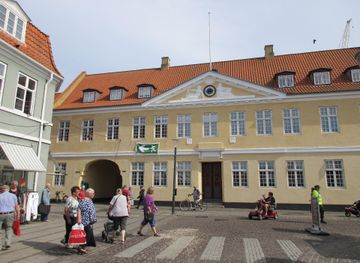
Explore more of Køge
Explore Køge, Denmark's coastal gem, with its medieval charm, beautiful marina, and close proximity to the stunning Stevns Klint UNESCO World Heritage site.
Explore Køge
Explore more of Denmark
Discover Denmark: A perfect blend of history, modern design, and the cozy concept of hygge. Explore vibrant cities, serene landscapes, and world-class cuisine.
Explore Denmark