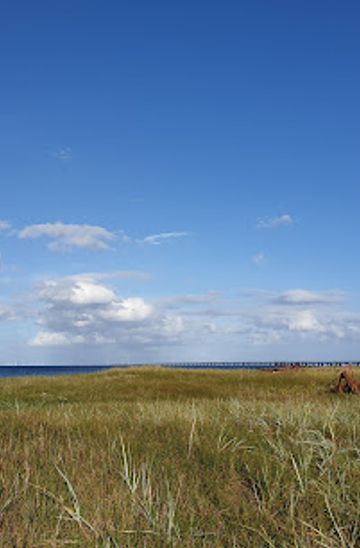
Nyborg Badestrand (Fyns Badestrand)
Broad sandy shore, Blue Flag waters and sweeping views of the Great Belt Bridge make Nyborg Badestrand a quietly spectacular slice of Danish coastline.
Stretching along the Great Belt on the eastern edge of Funen, Nyborg Badestrand – also known as Fyns Badestrand – is a broad, sandy beach with wide views of the Storebælt Bridge. Backed by low dunes and grassy banks, the gently shelving shoreline and typically calm, clear water make it inviting for swimmers, paddlers and families. Simple facilities, a long coastal path and easy access from Nyborg town turn this into a classic Danish seaside escape.
A brief summary to Nyborg Badestrand
- Hjejlevej 101, Nyborg, 5800, DK
- Click to display
- Click to display
- Duration: 1 to 4 hours
- Free
-
 Outdoor
- Mobile reception: 4 out of 5
- Monday 5 am-12 am
- Tuesday 5 am-12 am
- Wednesday 5 am-12 am
- Thursday 5 am-12 am
- Friday 5 am-12 am
- Saturday 5 am-12 am
- Sunday 5 am-12 am

Know before you go
Hi, I'm Eve. Here are a few practical things to know before exploring Nyborg Badestrand.
- Bring layers and a windproof jacket, even in summer; breezes off the Great Belt can feel noticeably cooler than in Nyborg town.
- If you plan to swim, consider water shoes for extra comfort on cooler days and to handle the occasional small stones near the shoreline.
- Combine your beach time with a walk or cycle to Nyborg’s centre to see the castle and old streets before returning for a sunset by the bridge.
- Arrive early on warm, clear days in July and August to find a quieter spot and enjoy the calmest conditions.
Do you manage this location?
Take control to get all the benefits, like improved information, better appearance, and stronger visibility across AI-powered discovery. Learn more
Activate your presenceOther nearby places you may find interesting
Getting There
-
Train and walk
From Nyborg Station in the town centre, it typically takes 20–30 minutes to walk about 2 kilometres to Nyborg Badestrand along pavements and a shared path that follows Hjejlevej. The route is almost entirely flat and suitable for most visitors, including those pushing strollers. There is no additional cost beyond your train ticket to Nyborg, and trains from larger Danish cities usually run at least once an hour during the day.
-
Local bus and short walk
At Nyborg Station, you can connect to local regional buses heading towards the coastal hotel area east of town. The ride to a stop near Hjejlevej generally takes around 10–15 minutes, with services running roughly every 30–60 minutes during daytime on weekdays and less frequently in the evening and at weekends. A single ticket within the local zone often costs in the range of 20–30 DKK, and from the nearest stop you should expect a flat walk of about 5–10 minutes to reach the sand.
-
Car or rental car
Driving from central Nyborg to Nyborg Badestrand usually takes 5–10 minutes via local roads. The beach area offers free parking in designated car parks close to the water, but spaces can fill up on hot summer days and public holidays. There is no entrance fee to the beach itself. Keep in mind that traffic to and from the nearby Great Belt Bridge may cause brief delays at peak travel times, especially on Friday afternoons and Sunday evenings.
For the on-the-go comforts that matter to you
-
 Restrooms
-
 Drink Options
-
 Drinking Water
-
 Food Options
-
 Seating Areas
-
 Trash Bins
-
 Information Boards
Discover more about Nyborg Badestrand
Sea, sand and the Great Belt horizon
Nyborg Badestrand unfolds as a long ribbon of pale sand on the eastern tip of Funen, where the island meets the Great Belt. The beach was shaped and expanded in connection with the construction of the western section of the Great Belt Bridge, so there is an almost engineered generosity to the width of the shore and the even, sandy seabed. Looking out, the eye is drawn to the sweeping line of the Storebælt Bridge, its pylons rising on the horizon while ferries and cargo ships pass silently between them.Despite this monumental backdrop, the atmosphere on the beach itself feels intimate and relaxed. The sand is fine enough for bare feet and sandcastle building, while the water usually deepens gradually, making wading and casual swimming straightforward. On calm days, the Great Belt feels almost like a lake, with small ripples rather than surf rolling in.A modern Blue Flag bathing beach
For years, Nyborg Badestrand has held Blue Flag status, reflecting the municipality’s focus on clean water, safety and facilities. The bathing water is typically clear and inviting in the summer season, and the beach is laid out with broad access points and paths that suit families with prams as well as visitors using wheelchairs. Seasonal toilets are available close to the main access, and there are waste bins and simple changing facilities so you can comfortably spend several hours by the water.Close to the central section of the beach you will usually find a small kiosk or shop offering ice creams, soft drinks and basic snacks, especially on warm days. The area behind the sand is mostly open grass and low vegetation rather than dense dunes, which means you can easily spread out a blanket a little away from the waterline or retreat to a slightly higher vantage point to watch life on the beach.Life between bridge, hotels and beech woods
Nyborg Badestrand forms part of a broader coastal stretch that also hosts two large seaside hotels and a small beech wood. The buildings sit a little back from the actual bathing area, leaving the beach itself free for public use while still creating a quietly cultivated shoreline. Sculptures, lawns and clipped hedges around the nearby hotels contrast with the open, wind-shaped sand and grasses of the water’s edge.To the west, Nyborg’s marina and historic town centre lie within an easy walk or cycle ride, and many visitors combine a swim with a stroll into town for a meal or a look at Nyborg Castle. To the east, the coast becomes slightly wilder as the beach narrows and the view opens even more towards the open sea. Throughout, there is a constant interplay between infrastructure and nature: the distant hum of traffic on the bridge, the rhythmic flash of passing trains and the soft hiss of waves folding onto the sand.Seasonal rhythms and Danish coastal weather
From late spring to early autumn, the beach is a classic Danish summer scene. On warm days, swimmers, picnickers and casual ball games share the sand, while early mornings and late evenings belong to joggers, dog walkers and cold-water bathers. Outside the peak summer weeks, the coastline takes on a more contemplative mood. The same wide views of the bridge and sea become a backdrop for brisk walks in sharp, clear air, with seabirds skimming low over the water.Weather here can change quickly. Even a light onshore breeze can bring a hint of salt spray and small waves that make swimming more playful. Stronger winds from the east or northeast whip up whitecaps and transform the shore into a dramatic vantage point, better suited to watching the elements than bathing. On still days, especially around sunrise and sunset, the Great Belt can appear almost glassy, reflecting pastel skies and the lights of the bridge in the water.Slow moments on the shore
A visit to Nyborg Badestrand is as much about unhurried time by the sea as it is about swimming. The open foreshore lends itself to simple pleasures: beachcombing for shells and sea-worn stones, reading in the lee of a small dune, or just watching the patterns of ships, kites and seabirds against the horizon. Cyclists often arrive via the coastal path, pausing for a dip before continuing along Funen’s quiet roads.There is no built-up promenade or amusement strip here; the character is understated and local, defined by light, wind and water more than by attractions. That restraint is part of the beach’s charm. You can stay for an hour or for a languid afternoon, always with the sense of being on the edge of both an historic town and a major seaway, yet with your feet firmly in the sand.Explore the best of what Nyborg Badestrand has to offer













More about Funen
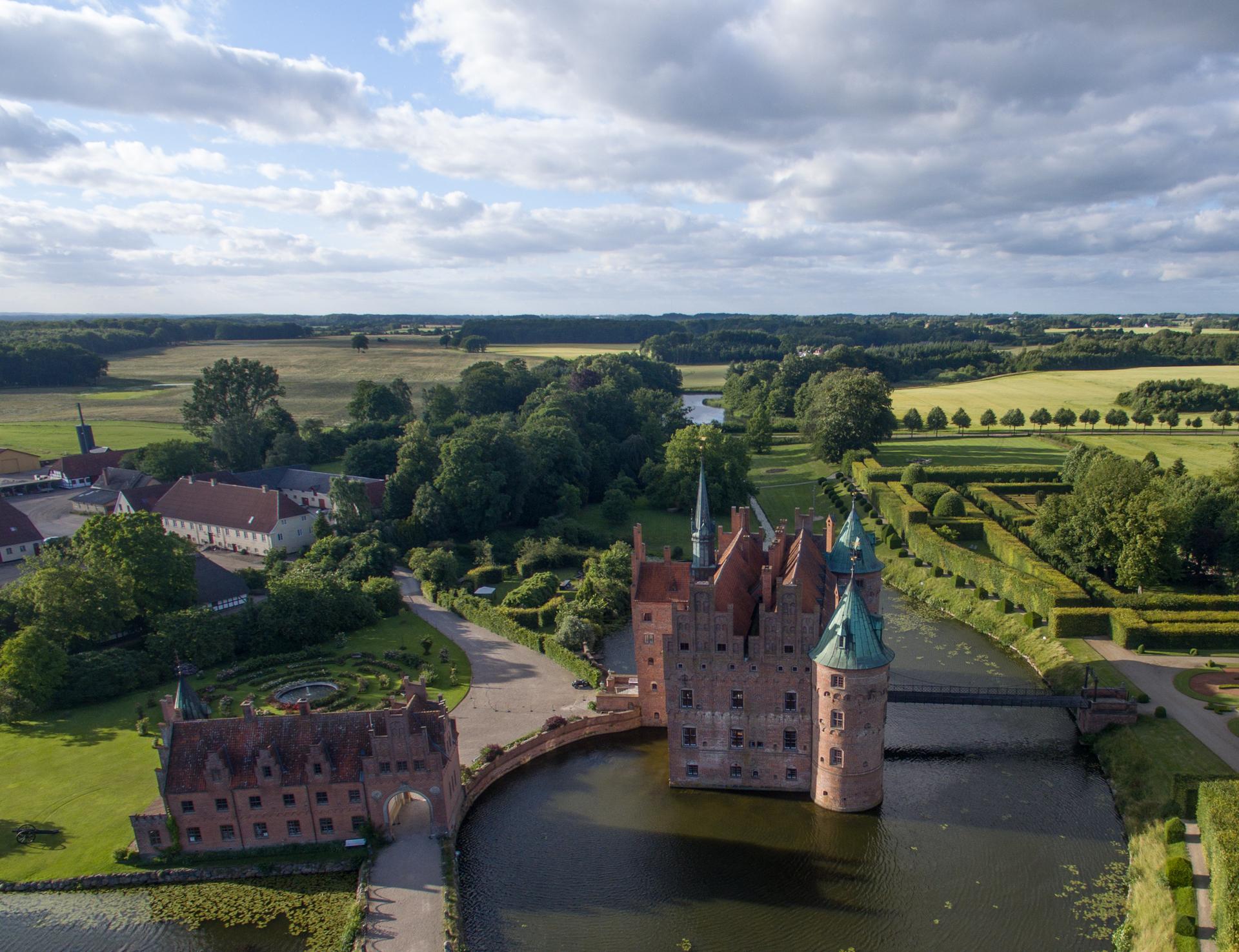
Discover Funen, Denmark's lush island treasure, where fairy tales come to life amidst scenic landscapes, historic castles, and vibrant cultural heritage.
Tell me more about Funen
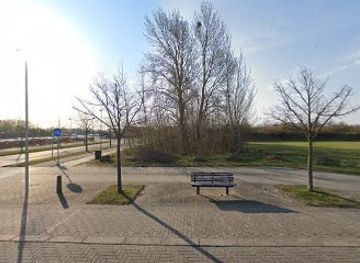
A modest liberation memorial stone in a small green enclave by Juelsbergvej, offering a quiet moment of reflection on Denmark’s freedom in May 1945.

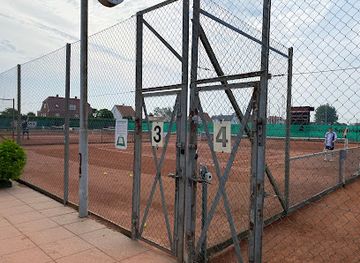
Local seaside tennis club with clay courts, an all-year court and a friendly community feel in the coastal town of Nyborg.