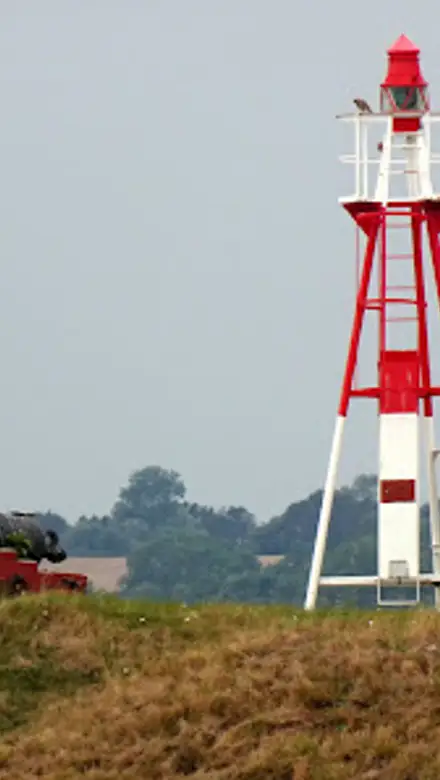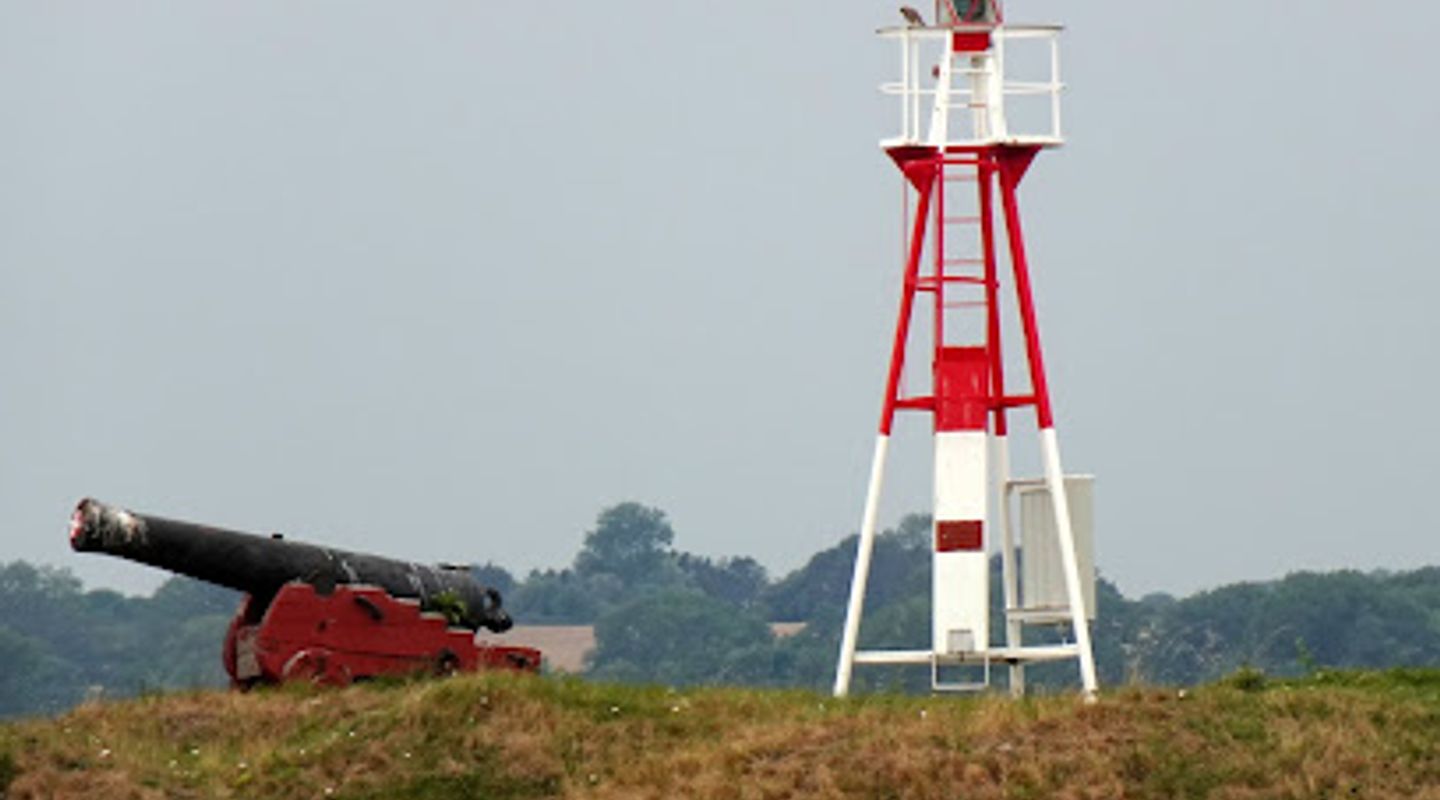
Slipshavn light, Funen Travel Guide
A modest working lighthouse on Nyborg Fjord, Slipshavn Light weaves quiet coastal scenery with centuries of naval, customs and harbour history on Funen’s east coast.
Slipshavn Light is a modest but atmospheric lighthouse marking the natural harbour at Nyborg Fjord on the east coast of Funen. Set beside the historic Slipshavn naval area and old fortifications, it combines maritime heritage, low-key coastal scenery and views towards the Great Belt. Visitors come for quiet shoreline walks, glimpses of naval activity, birdlife and the sense of centuries of seafaring history concentrated in this compact corner of Denmark.
A brief summary to Slipshavn light
- Nyborg, 5800, DK
- Duration: 0.5 to 2 hours
- Free
-
 Outdoor
- Mobile reception: 4 out of 5

Know before you go
Hi, I'm Eve. Here are a few practical things to know before exploring Slipshavn light.
- Aim for early morning or late afternoon when light is softer, colours over Nyborg Fjord are richer and the beacon, boats and shoreline photograph particularly well.
- Combine a stop at Slipshavn Light with a walk along the Black Clover Path to see the old fortifications, naval buildings and broader coastal landscape.
- Bring an extra layer even in summer; the exposed peninsula catches breeze from the Great Belt and can feel cooler than Nyborg town.
- Watch for signage and respect any restricted military areas linked to the Marine Home Guard base, especially if you are photographing near buildings or vessels.
Do you manage this location?
Take control to get all the benefits, like improved information, better appearance, and stronger visibility across AI-powered discovery. Learn more about listing your business on Evendo
Activate your presenceOther nearby places you may find interesting
The closest places of the same kind, if this one is not quite what you had in mind.
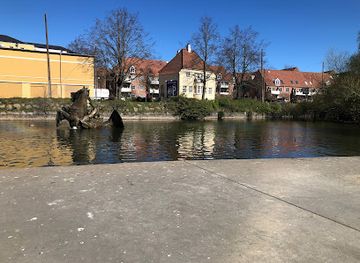

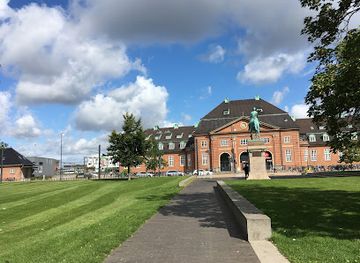
Explore Slipshavn light on the Map
A handpicked selection of must-see spots near Slipshavn light, mapped for you.
Getting There
-
Car from Nyborg town centre
Driving from central Nyborg to Slipshavn Light typically takes 10–15 minutes, following local roads east towards the Slipshavn peninsula. The final approach is on narrow harbour and military access roads, so speeds are low and care is needed around cyclists and pedestrians. Parking is usually informal and limited near the historic harbour buildings; there is no dedicated paid car park, and you should observe any signs indicating restricted military areas. Access is generally free; no entrance fee is charged for visiting the shoreline or viewing the lighthouse.
-
Bicycle from Nyborg
Cycling from Nyborg to Slipshavn Light is a practical option, taking around 20–30 minutes each way depending on your pace. The route uses a mix of local roads and coastal approaches that are mostly flat but exposed to wind off the Great Belt. There is no dedicated bike parking, so bring a sturdy lock and secure your bicycle away from military buildings and vehicle gates. This option is free and suits visitors comfortable riding alongside light local traffic.
-
Taxi within Nyborg area
Local taxis in Nyborg can take you directly to the Slipshavn area in about 10–15 minutes, depending on starting point and traffic. Fares within the town and out to the peninsula typically range from about 120–200 DKK one way for up to four passengers, with surcharges possible in evenings or on weekends. Taxis can usually drive close to the accessible harbour zone, but they must respect any signs restricting access to Marine Home Guard facilities, so the final short walk to the shoreline and views of the lighthouse is done on foot.
For the on-the-go comforts that matter to you
-
 Trash Bins
-
 Information Boards
Discover more about Slipshavn light
A quiet beacon on Nyborg Fjord
Slipshavn Light stands near the tip of the Slipshavn peninsula, a functional little beacon guiding vessels through the sheltered waters of Nyborg Fjord. The structure itself is unpretentious – more working aid to navigation than grand showpiece – but its setting tells a deeper story. You look out over low, wind-brushed shores, moored boats and the broader sweep of the Great Belt, with the distant bridge sometimes visible on clear days.Here, the light is part of a living harbour landscape. Fishing craft, leisure boats and occasional navy vessels share the fairway, and the compact lantern becomes a visual anchor among masts, piers and low military buildings. It is a place where the rhythm of the water, gull calls and the flash of the beacon define the atmosphere more than any crowds or commercial activity.Centuries of port and naval history
Slipshavn is Nyborg’s earliest harbour, mentioned in the mid‑15th century, long before modern ferry routes reshaped traffic across the Great Belt. For centuries, this peninsula handled customs duties, defensive works and naval logistics. During the Swedish wars and later conflicts with Britain, fortifications were raised here and the area hosted one of Denmark’s largest gunboat bases outside Copenhagen.Later, customs officers checked merchant ships for contraband, and rail links briefly connected Slipshavn with inland routes before ice winters made the alignment impractical. In the 20th century, the harbour gained new roles as a base for seaplanes, mine reconnaissance and naval command posts, illustrating how this small headland repeatedly adapted to strategic needs.From inn and bowling alley to marine home guard
Everyday life around Slipshavn once had a more convivial side. The local inn, known as "The Gilded Cat", served sailors paying customs and became a favoured excursion spot for citizens from Nyborg, complete with bowling alley and waterside relaxation. The shoreline here has long mixed hard work with leisure, uniforms with holiday clothes.During the Second World War, German forces built barracks on the peninsula, later used to hold prisoners of war under British guard. Since the mid‑1950s, Slipshavn has served as a base for the Danish Marine Home Guard, and many of the modest buildings you see today are tied to training, administration and accommodation for course participants.Experiencing the coastline today
For visitors, Slipshavn Light is less about dramatic architecture and more about atmosphere and context. Paths and shoreline tracks allow you to stroll close to the water, watching changing light on the fjord and the play of reflections around the lighthouse. Birdlife patrols the shallows, and in the right conditions the soundscape is almost hushed, broken only by wind and rigging.Simple viewpoints along the water’s edge frame the beacon against sea and sky, making it quietly rewarding for photographers and those who enjoy understated maritime scenery. The presence of naval activity adds a note of contemporary purpose: patrol boats, training exercises and flags remind you that this has never been merely a picturesque corner.A reflective stop on the Black Clover Path
Slipshavn is also a waymarker on local walking routes such as the Black Clover Path, which links coastal nature, old fort remains and harbour history into a half‑day outing. Seen as one stop on a wider circuit, Slipshavn Light provides a moment of pause: a chance to look back towards Nyborg’s skyline, imagine the gunboats and seaplanes of earlier eras, and appreciate the continuity of seamarks that have guided mariners for generations.It is a place best savoured slowly – perhaps on a clear evening when the beacon’s pulse begins to stand out, or on a soft, cloudy day when colours flatten and the historical layers of this unobtrusive but storied peninsula feel particularly close.












Your all‑in‑one travel companion app
Explore expert travel guides, compare and book tours, experiences, hotels, and more—all from the palm of your hand. Download now for seamless trip planning wherever your wanderlust takes you.


Explore More of Funen
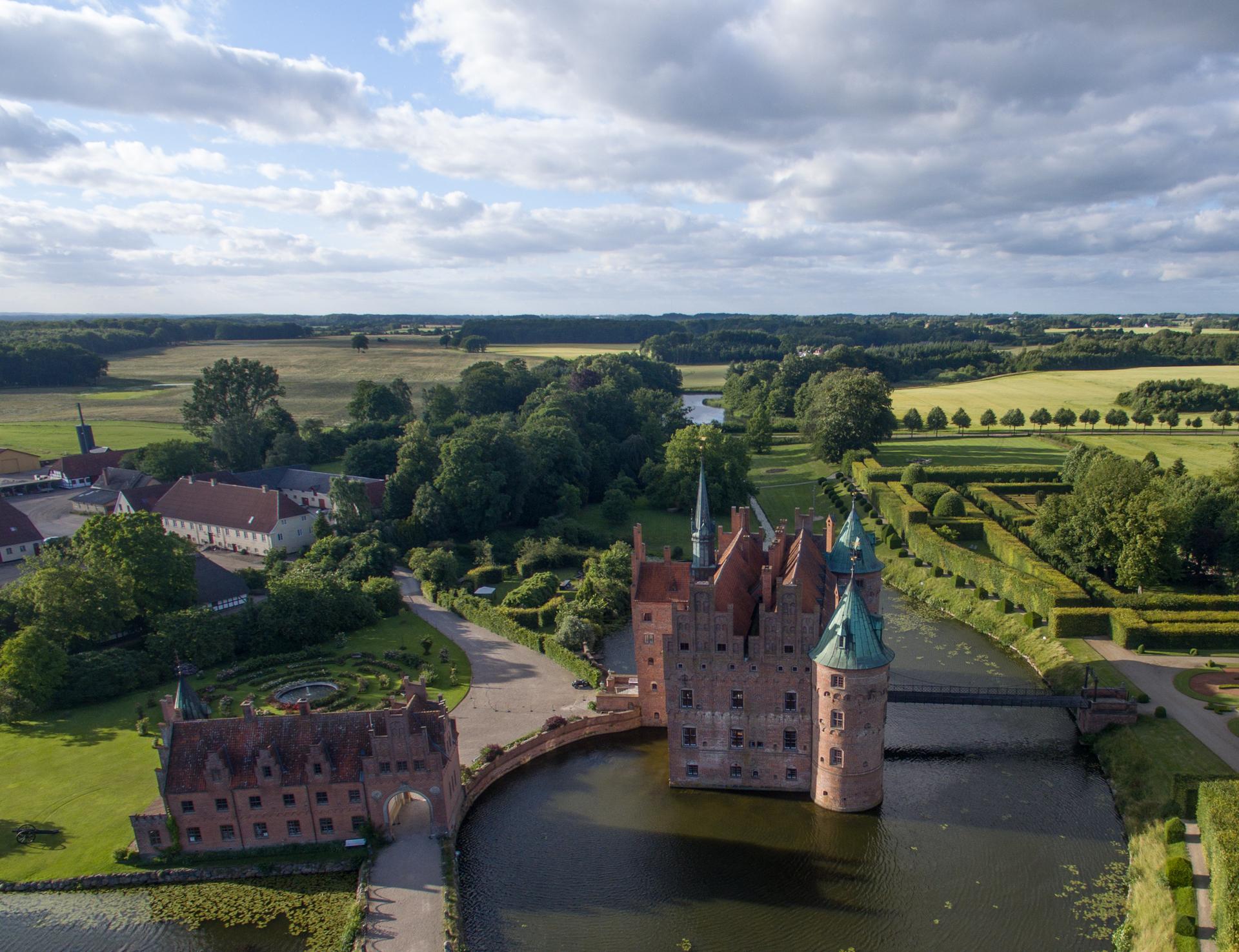
Looking beyond Slipshavn light? Discover Funen for broader travel guides, local hot-spots, and regional highlights.
Explore Funen
Medieval red-brick landmark founded by Queen Margrete I, Nyborg’s Church of Our Lady blends royal history, Gothic architecture and living Lutheran tradition.

A sheltered coastal lake on the Knudshoved peninsula, where salt meadows, open skies and rich birdlife create a quietly beautiful nature escape just outside Nyborg.