Funen Opera, Odense Travel Guide
An intimate Danish chamber opera beside Odense’s parkland, where classic works and bold new productions unfold just a few metres from your seat.
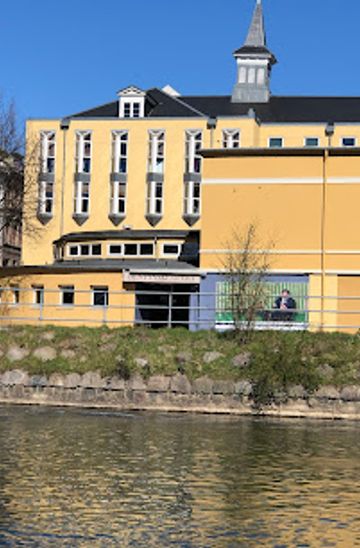
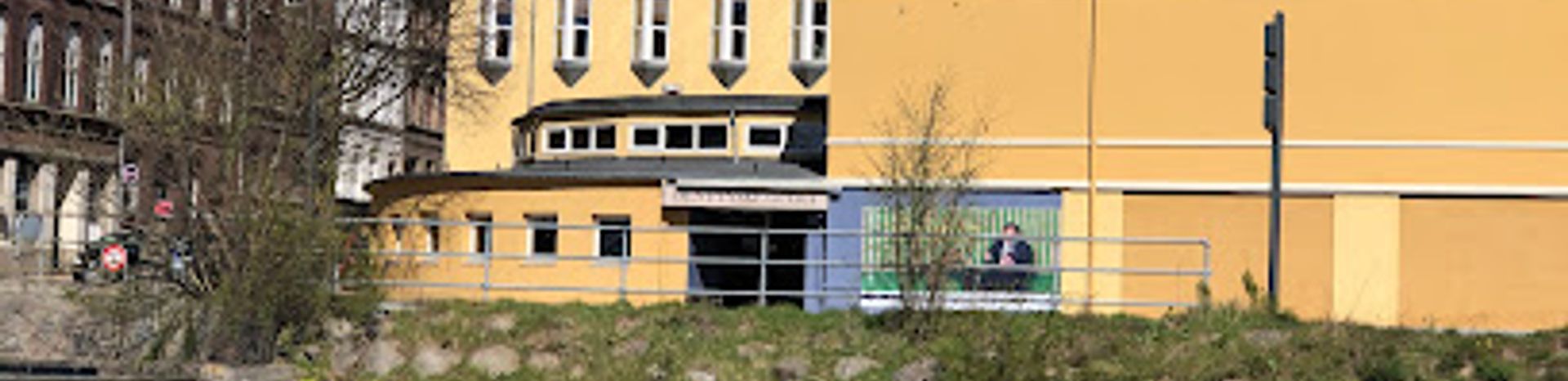
Funen Opera (Den Fynske Opera) is an intimate chamber opera house in central Odense, housed in Odense Teater on Filosofgangen beside the green expanse of Munke Mose park. Founded in 1948 with a landmark production of La Bohème, it has evolved into a creative hub for classic operas, contemporary Danish works and inventive collaborations, all staged in a compact hall where audiences sit close to the performers and the music takes on an immediate, powerful presence.
A brief summary to Funen Opera
- Filosofgangen 19, Odense C, Odense C, 5000, DK
- Click to display
- Click to display
- Duration: 1.5 to 3 hours
- Mid ranged
-
 Indoor
- Mobile reception: 5 out of 5

Know before you go
Hi, I'm Eve. Here are a few practical things to know before exploring Funen Opera.
- Check the season programme in advance; performances cluster on specific days rather than every night, and many titles are limited runs.
- Arrive 20–30 minutes early to pick up tickets, leave coats and settle in the foyer bar before the auditorium opens.
- Most works are sung in Danish or original languages; look for performances with surtitles if you prefer following the text closely.
- Combine your visit with a stroll through Munke Mose park before or after the performance for a relaxed, scenic break.
- Dress is smart‑casual rather than formal; a neat outfit is fine and you will see a mix of styles in the audience.
Do you manage this location?
Take control to get all the benefits, like improved information, better appearance, and stronger visibility across AI-powered discovery. Learn more
Activate your presenceOther nearby places you may find interesting
The closest places of the same kind, if this one is not quite what you had in mind.
Explore Funen Opera on the Map
A handpicked selection of must-see spots near Funen Opera, mapped for you.
Getting There
-
City bus within Odense
From central Odense, use the local city bus network toward stops near Filosofgangen or Munke Mose; typical journeys from the railway station area take around 10–20 minutes depending on route and traffic. Single tickets usually cost in the range of 20–30 DKK for an adult and can be bought via ticket machines, apps or on board on many lines. Buses generally run throughout the day and into the evening, but late‑night services are less frequent, so check return times if you plan to stay for a performance.
-
On foot from Odense city centre
If you are already in Odense’s compact centre, walking to Funen Opera is straightforward and takes roughly 10–20 minutes from most central hotels and sights. The route is almost entirely flat and follows paved city streets, with pedestrian crossings and pavements making it suitable for most visitors with normal mobility. In wet or wintry weather the pavements can be slippery, so allow extra time and wear appropriate footwear, especially if you are heading to an evening performance.
-
Bicycle within Odense
Odense is a well‑known cycling city, and reaching Funen Opera by bike from central neighbourhoods usually takes 5–15 minutes along marked cycle lanes. Standard city bikes can be rented from various outlets or sharing schemes in the centre, with typical rental prices from about 100–150 DKK per day. Cycle lanes are generally well lit and maintained, but remember local rules: use lights after dark, signal turns clearly and park only in designated racks near the theatre to avoid fines.
-
Taxi from Odense Banegård
From Odense’s main railway station, a taxi ride to Funen Opera is a short urban trip of around 5–10 minutes, depending on traffic and time of day. Daytime fares for this distance typically fall in the 80–130 DKK range, with higher rates in the evening and on weekends. Taxis are metered and usually accept major cards as well as cash. This option is convenient if you are arriving with luggage or prefer a door‑to‑door journey before a performance, but at peak commuting times travel can take a little longer.
For the on-the-go comforts that matter to you
-
 Restrooms
-
 Drink Options
-
 Food Options
-
 Seating Areas
-
 Trash Bins
-
 Information Boards
Discover more about Funen Opera
Opera beside the park in Odense’s cultural heart
Funen Opera sits just off the leafy paths of Munke Mose, in the Odense Teater complex on Filosofgangen. From the outside it blends into a low-key cultural block, but step through the doors and you enter a compact foyer that feels more like a salon than a grand palace of opera. Coats and chatter, clinking glasses and soft lighting set the tone for an evening that is less about red‑carpet spectacle and more about getting close to the music.This is one of Denmark’s key regional opera companies, yet its scale is distinctly human. Rather than towering tiers and a vast auditorium, you find a smaller, carefully designed space where every seat has a direct line to the stage. It is here that Odense’s residents and visitors come for concentrated musical theatre, swapping pomp for presence.From La Bohème origins to a modern chamber stage
The story of Funen Opera begins in 1948, when a homegrown production of Puccini’s La Bohème lit the spark for a dedicated opera initiative on Funen. Over time the company professionalised, and in the 1990s it took on its current form as a fully fledged chamber opera ensemble with a permanent base in Odense. That blend of history and reinvention still shapes its repertoire today.On any given season, the programme might pair well‑loved classics with fresh Danish compositions, experimental chamber pieces or themed concerts. Collaborations with Odense’s wider cultural scene – from orchestras to smaller theatre groups – help keep the house connected to the city’s artistic life. For international visitors, performances offer a glimpse of Denmark’s contemporary opera landscape, often with new works sung in Danish alongside familiar titles.What it feels like to attend a performance
Inside the auditorium, the first impression is intimacy. The orchestra or ensemble sits close to the singers, and you are never far from the stage edge. When voices rise, you hear not only the music but the breath behind it; when the lights dim, the room sinks into a shared concentration that is hard to find in larger venues. Visual staging tends to be thoughtful rather than lavish, with lighting, projections and simple sets used to reimagine the space from one production to the next.This proximity also makes it a welcoming place for those new to opera. You can follow facial expressions and small gestures, and it is easy to stay engaged even if you do not know the language. In the foyer intervals are unhurried, with time to wander to the bar, glance at production photos or simply look out toward the trees of the nearby park before the bell calls you back in.Architecture, atmosphere and practical comforts
Architecturally, Funen Opera shares the character of Odense Teater: modernised interiors wrapped around an older structure, with clean lines, unobtrusive signage and a focus on functionality. Seating is raked so that sightlines are generally good, and the modest capacity helps keep ambient noise low once the house lights go down. Sound carries warmly through the room, especially in chamber ensembles and solo recitals.Practicalities are straightforward. Restrooms sit close to the foyer, and a small bar area offers drinks and light refreshments before performances and during intervals when events are scheduled. The location in the city centre places cafés and restaurants within a short stroll for pre‑ or post‑show dining. For many locals, combining a walk along the river in Munke Mose with an evening at the opera has become a natural rhythm.Who will enjoy Funen Opera
Funen Opera appeals to a broad mix of audiences: seasoned opera lovers seeking a more direct connection to performers, culture‑curious travellers exploring Odense beyond its Hans Christian Andersen landmarks, and residents drawn by themed concerts or special collaborations. The smaller size and clear sightlines make it suitable for adults of all ages, while the occasional family‑oriented productions open the doors to younger listeners.Experiencing a performance here is less about ticking off a grand European opera house and more about discovering how opera lives in a regional Danish city. The setting by the park, the chamber scale and the blend of tradition and experiment create a distinct identity – one that rewards anyone who enjoys live music performed close enough to touch.












Your all‑in‑one travel companion app
Explore expert travel guides, compare and book tours, experiences, hotels, and more—all from the palm of your hand. Download now for seamless trip planning wherever your wanderlust takes you.


Explore More of Odense
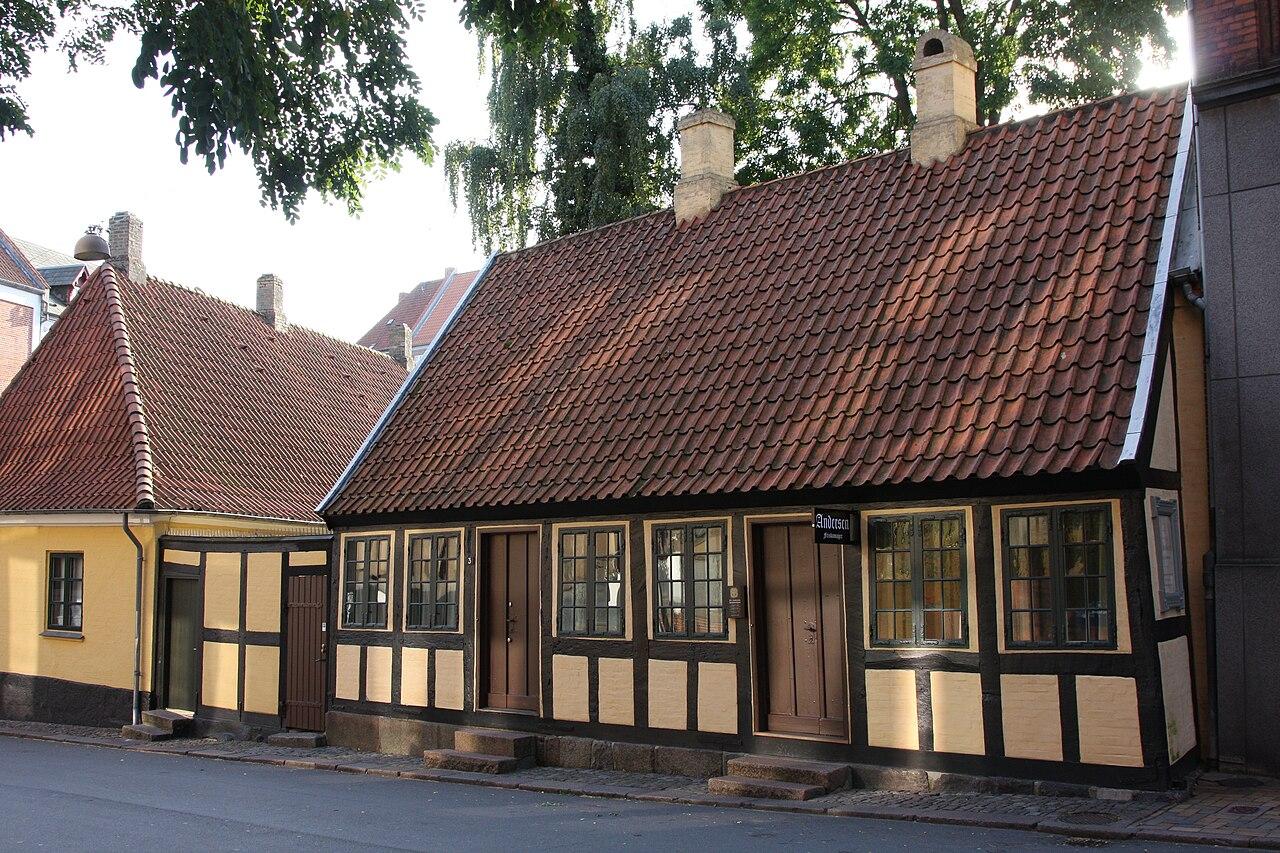
Looking beyond Funen Opera? Discover Odense for broader travel guides, local hot-spots, and regional highlights.
Explore Odense