
Marsk Camp A/S, Romo Travel Guide
Architect-designed marshland camp with Marsk Tower views, glamping comfort, family-friendly fun and easy access to the dramatic Wadden Sea landscape.
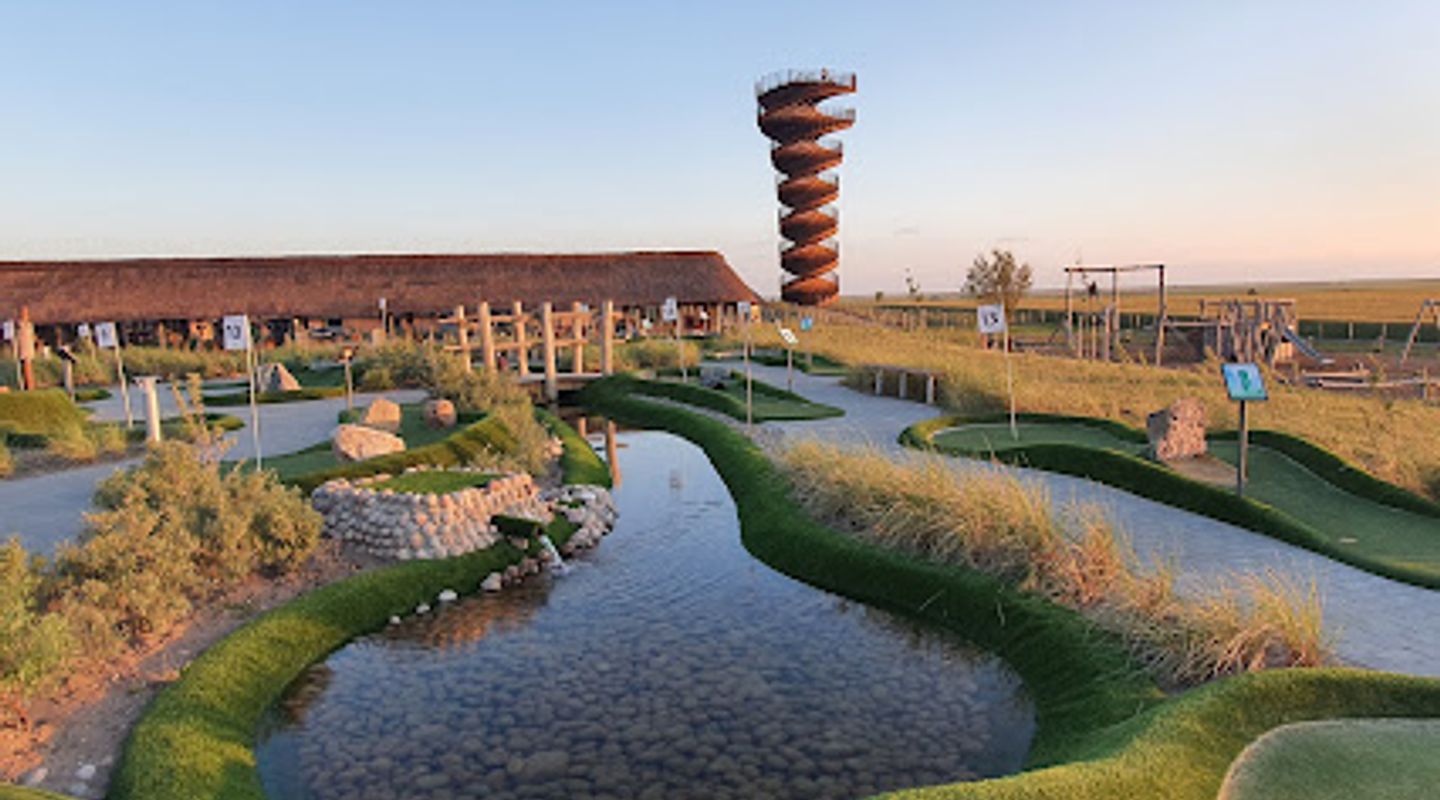
Set on the edge of the Wadden Sea National Park near Skærbæk, Marsk Camp is a contemporary holiday park built around the striking Marsk Tower viewpoint. The site blends Nordic comfort with raw marshland scenery, offering motorhome pitches, stylish glamping tents, a restaurant, ice cream parlour and mini‑golf within walking distance of Hjemsted Oldtidspark. It’s a relaxed base for birdwatching, tidal landscapes and sweeping sunsets over the flat Danish marshes.
A brief summary to Marsk Camp A/S
- Hjemstedvej 60, Skærbæk, 6780, DK
- Click to display
- Click to display
- Duration: 2 to 24 hours
- Mid ranged
-
 Mixed
Mixed
- Mobile reception: 4 out of 5

Know before you go
Hi, I'm Eve. Here are a few practical things to know before exploring Marsk Camp A/S.
- Time your climb of Marsk Tower for late afternoon to catch the long shadows and colourful sunsets that spread over the marshland on clear days.
- Pack windproof layers even in summer; the flat marsh and tower viewing platform can feel noticeably cooler and breezier than sheltered inland spots.
- Book glamping or motorhome pitches in advance for peak school holiday periods, especially if you want a specific view or to stay close to the main facilities.
- Bring binoculars for spotting migratory birds from the tower and the surrounding marsh paths, particularly in spring and autumn.
- Allow time to visit nearby Hjemsted Oldtidspark to pair the modern design of Marsk Camp with insights into the region’s Iron Age history.
Do you manage this location?
Take control to get all the benefits, like improved information, better appearance, and stronger visibility across AI-powered discovery. Learn more about listing your business on Evendo
Activate your presenceOther nearby places you may find interesting
The closest places of the same kind, if this one is not quite what you had in mind.

Explore Marsk Camp A/S on the Map
A handpicked selection of must-see spots near Marsk Camp A/S, mapped for you.
Getting There
-
Regional train and taxi from Ribe
From Ribe, take the regional train toward Skærbæk, a ride of around 25–35 minutes with departures typically once an hour during the day. From Skærbæk station, a pre-booked taxi to Marsk Camp usually takes 10–15 minutes, depending on traffic, and costs roughly 140–220 DKK for a standard car. Trains and taxis run year-round, but evening and weekend services are less frequent, so check timings in advance if you plan to arrive late.
-
Car from Esbjerg
Driving from Esbjerg to Marsk Camp generally takes about 50–70 minutes, following main regional roads through flat, open countryside. There is on-site parking suitable for cars and motorhomes; no special vehicle clearance is required. Fuel and services are available in nearby towns, but in busy summer weeks some motorhome pitches and electric hook-ups book out, so reserving your spot ahead of arrival is recommended.
-
Cycling from Skærbæk town
From central Skærbæk, the ride to Marsk Camp usually takes 20–30 minutes by bicycle, depending on your pace. The route follows relatively flat roads typical of the marsh region, but strong coastal winds can make the journey feel more demanding. Surfaces are paved for most of the way, making it feasible for leisure cyclists and older children in fair weather. There is no dedicated bike rental at the camp itself, so arrange bicycles in town before setting out.
For the on-the-go comforts that matter to you
-
 Restrooms
-
 Drinking Water
-
 Seating Areas
-
 Sheltered Areas
-
 Picnic Areas
-
 Trash Bins
-
 Information Boards
-
 Visitor Center
-
 Food Options
-
 Drink Options
Discover more about Marsk Camp A/S
Modern marshland escape on the Wadden Sea edge
Marsk Camp sits just outside the town of Skærbæk, where dry land blurs into the protected marshes of the Wadden Sea. Purpose built as a contemporary holiday park, it feels more like a designed village than a traditional campsite, with orderly motorhome pitches, neat paths and a central square anchoring the experience. Around you, the landscape stays resolutely flat and open, a reminder that this is one of Europe’s great tidal wetlands.The setting makes Marsk Camp an easy introduction to the marsh: close to services and comforts, yet within minutes you are looking out across reed beds, dikes and big skies. The low horizon means weather and light put on a constant show, from silver mornings to fiery sunsets that seem to stretch from Germany to the North Sea.Glamping comforts and camper-friendly design
Accommodation at Marsk Camp ranges from simple motorhome and caravan pitches to fully equipped luxury tents. Glamping units typically come with private bathrooms, compact kitchenettes and small terraces, giving you a cabin-like feel while keeping canvas walls between you and the elements. Inside, Nordic-style furnishings, soft lighting and neatly arranged dining areas create a cocoon when the coastal wind picks up.The site is designed with road trippers in mind. Many pitches are level and serviced with power and modern facilities, while shared amenities provide hot showers and practical conveniences. Automated systems streamline check-in and access, so late arrivals and off-season stays are straightforward. Even when the marsh outside feels wild, the infrastructure here stays reassuringly polished.Marsk Tower and wide-open panoramas
The visual centrepiece of Marsk Camp is Marsk Tower, a looping, modern observation tower that has rapidly become an architectural landmark in southern Jutland. Its sculptural form rises gently from the flat camp like a ribbon of steel, offering a striking contrast to the horizontal marshland. From the top, you are rewarded with unbroken 360-degree views over fields, dikes, villages and the distant Wadden Sea.On clear days you can trace the subtle lines of channels and tidal flats, and watch clouds casting shadows that race across the landscape. Migratory birds pass overhead in vast formations during spring and autumn, turning a simple climb into an impromptu natural spectacle. The tower helps you grasp how low and exposed this coast is, and why dikes and drainage channels are so essential to life here.Playful details: mini-golf, playgrounds and ice cream
Despite the dramatic scenery, Marsk Camp never feels solemn. A mini-golf course curls beside the main buildings, landscaped with small mounds and quirky obstacles. Children gravitate to the playground areas, where they can burn off energy after a long drive. The on-site ice cream parlour is a magnet on sunny days, with outdoor seating that doubles as a vantage point for people-watching around the camp’s heart.Closer to evening, the atmosphere shifts as the restaurant fills with the clink of cutlery and low conversation. Menus lean into regional and seasonal influences, making it easy to taste a bit of southern Jutland without leaving the site. For many guests, days blend between small pleasures: a round of mini-golf, a leisurely meal and a last stroll as the marsh fades into dusk.Gateway to Wadden Sea nature and quiet nights
Beyond the camp, the surrounding area invites slow exploration rather than adrenaline. The Wadden Sea’s rhythms shape daily life, with high and low tides exposing mudflats and shifting channels. Birdwatchers and nature lovers use Marsk Camp as a base for excursions into the national park, seal safaris and seasonal events tied to migration and dark skies.Even when you stay close, nights at Marsk Camp are part of the appeal. With little light pollution, stars emerge clearly on cloudless evenings, and the openness of the marsh lets you feel the full sweep of the sky. Whether you are tucked into a warm glamping tent or parked up in a campervan, the combination of design, comfort and elemental landscape makes this an unusually atmospheric stop in rural Denmark.












Your all‑in‑one travel companion app
Explore expert travel guides, compare and book tours, experiences, hotels, and more—all from the palm of your hand. Download now for seamless trip planning wherever your wanderlust takes you.


Explore More of Romo
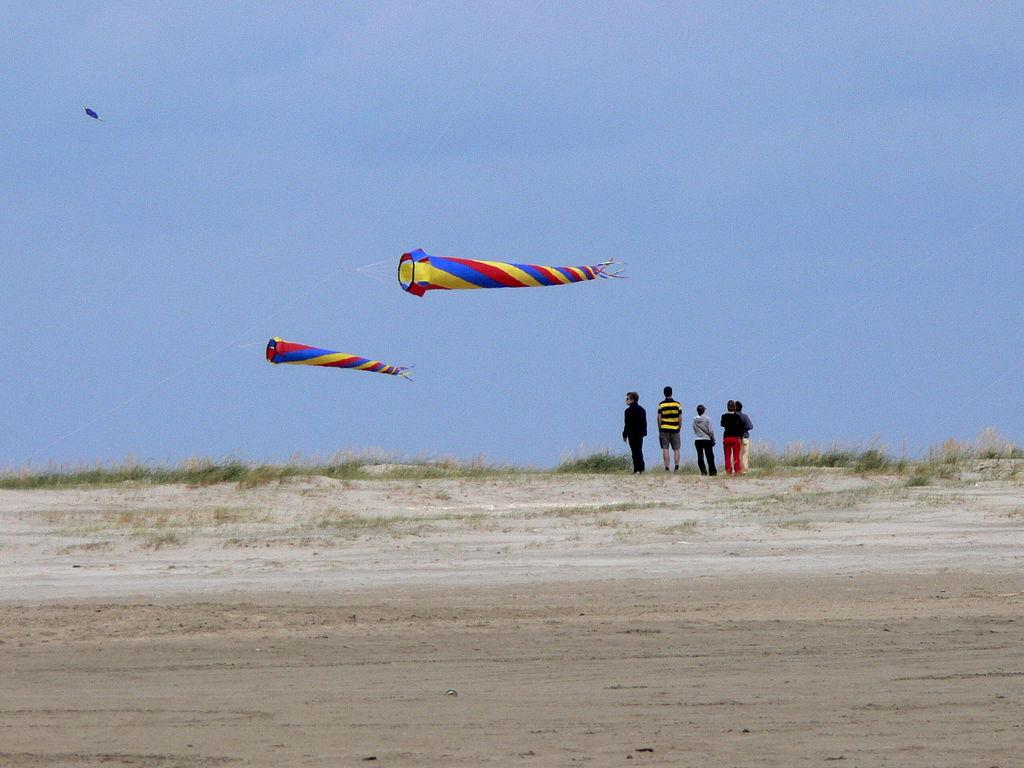
Looking beyond Marsk Camp A/S? Discover Romo for broader travel guides, local hot-spots, and regional highlights.
Explore Romo
Coastal links golf on Rømø’s windswept southern edge, pairing a championship 18‑hole layout and relaxed pay‑and‑play course with full resort comforts beside the Wadden Sea.
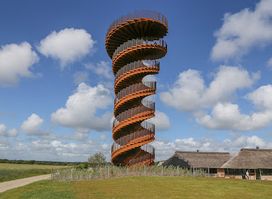
A rust-red spiral rising from the Wadden Sea marsh, Marsk Tower pairs bold Danish design with sweeping horizons over one of Europe’s great coastal landscapes.
