Gasse Høje, Romo Travel Guide
South Jutland’s modest but mighty hilltop, where 27 prehistoric burial mounds overlook marshland, farmland and shifting Wadden Sea light in tranquil countryside silence.
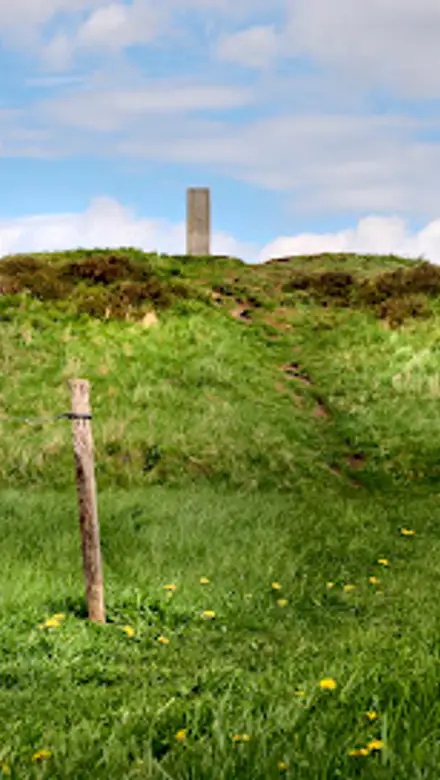
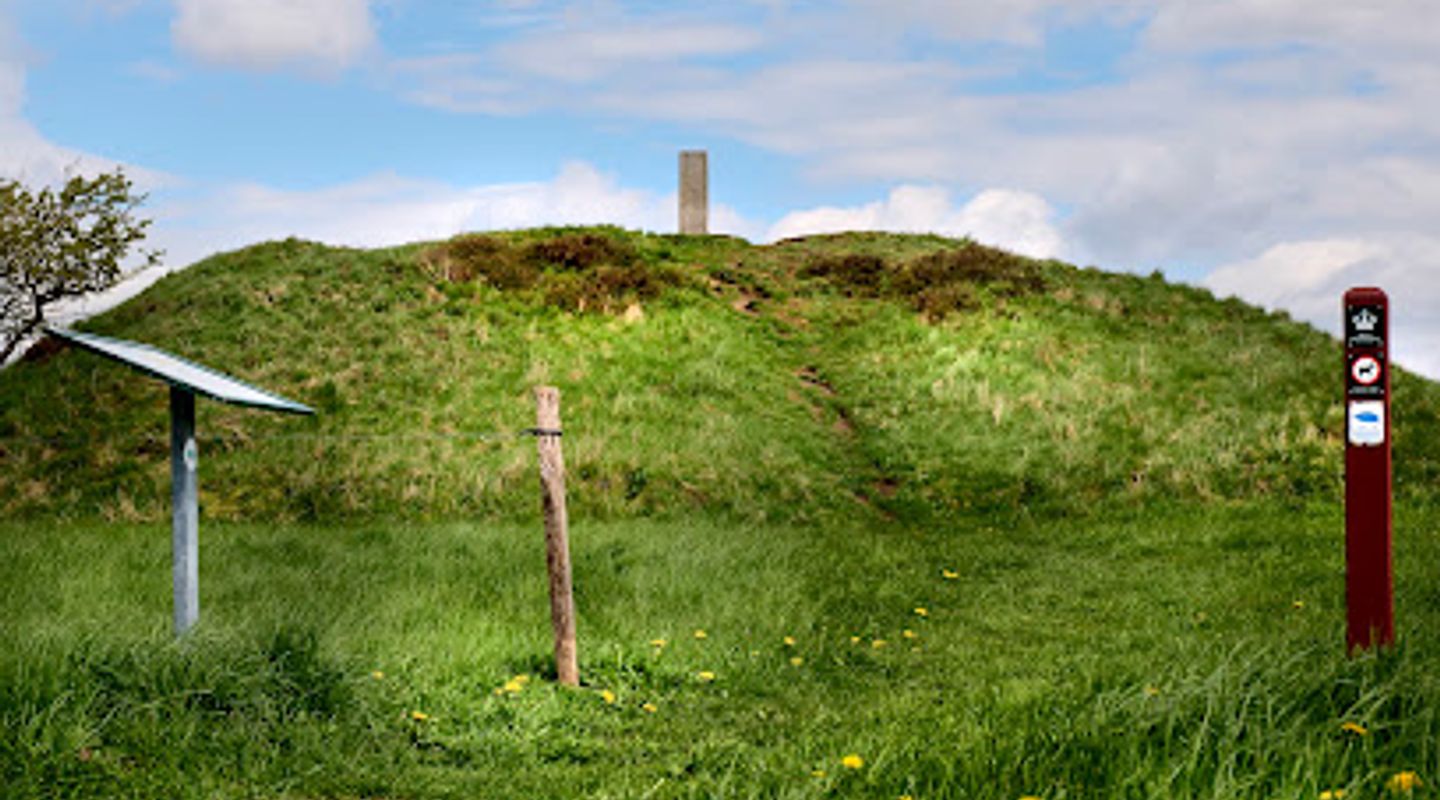
Rising to 51 meters above the flat marshlands east of Skærbæk, Gasse Høje is the highest point in the area and home to 27 prominent prehistoric burial mounds. Scattered along the ridge and visible from afar, these grassy tumuli overlook the Ballum marshes and Wadden Sea landscape, blending archaeology, quiet countryside walking routes and far‑reaching views in one atmospheric South Jutland hilltop.
A brief summary to Gasse Høje
- Skærbæk, 6780, DK
- Click to display
- Duration: 1 to 3 hours
- Free
-
 Outdoor
- Mobile reception: 4 out of 5

Know before you go
Hi, I'm Eve. Here are a few practical things to know before exploring Gasse Høje.
- Wear waterproof or sturdy shoes; paths around the hill and across nearby fields can be muddy and slippery after rain due to the surrounding marshland.
- Bring water and snacks, as there are no cafés or shops directly at the site and facilities in the surrounding countryside are limited.
- Check the weather forecast and dress in layers; the exposed hilltop can feel significantly windier and cooler than in sheltered parts of Skærbæk.
- Stay on marked paths and avoid climbing directly on vulnerable mound edges to help protect the ancient structures from erosion.
Do you manage this location?
Take control to get all the benefits, like improved information, better appearance, and stronger visibility across AI-powered discovery. Learn more about listing your business on Evendo
Activate your presenceOther nearby places you may find interesting
The closest places of the same kind, if this one is not quite what you had in mind.

Explore Gasse Høje on the Map
A handpicked selection of must-see spots near Gasse Høje, mapped for you.
Getting There
-
Car from Skærbæk town centre
From central Skærbæk, Gasse Høje can be reached by local roads in about 5–10 minutes by car. The distance is only a few kilometres, but speeds are low on narrow country lanes. Parking is typically informal along the roadside or at small lay-bys near the trail access, with no parking fee. There is no dedicated car park, so larger vehicles may need to choose a spot carefully without blocking farm access.
-
Bicycle from Skærbæk and nearby villages
Cycling from Skærbæk to Gasse Høje takes around 15–25 minutes each way, depending on your pace. The terrain is mostly flat with a gentle climb towards the hill, and you ride on a mix of minor roads and rural lanes with light traffic. There is no bike parking infrastructure at the site, but you can lock your bicycle to a fence or lay it in the grass near the start of the walking paths. This is a free option and well suited to moderately confident cyclists.
-
Regional bus plus walk
Regional buses serving Skærbæk connect the town with other parts of South Jutland, including Ribe and Tønder, typically with services at least a few times per day. Standard single tickets on these routes usually cost in the range of 25–60 DKK depending on distance. From Skærbæk, you should allow around 30–40 minutes to continue on foot to Gasse Høje, following minor roads and tracks through farmland. The walk is across exposed countryside and may be less suitable in very wet or windy weather.
For the on-the-go comforts that matter to you
-
 Information Boards
Discover more about Gasse Høje
A hilltop above the marshes
Gasse Høje crowns the otherwise flat landscape a few kilometres east of Skærbæk, reaching about 51 metres and forming the region’s natural lookout point. From the crest the land falls away into wide meadows and reclaimed Ballum marsh, with the Wadden Sea horizon often shimmering in the distance. On clear days the sky feels enormous, and the wind rolling over the grasses reinforces just how exposed this hilltop has always been.Despite its modest height by mountain standards, Gasse Høje stands out strikingly in South Jutland’s low-lying terrain. Approaching across farmland, you see the ridge gradually take shape, a gentle rise whose silhouette is dotted with rounded mounds. The contrast between the elevated dry ground and the surrounding marshes helps explain why people chose this site as a special place thousands of years ago.Prehistoric mounds on a natural ridge
The most distinctive feature of Gasse Høje is the cluster of 27 ancient burial mounds arranged along the hill’s spine. These rounded, grass-covered tumuli were raised in prehistoric times, likely during the Bronze Age, when burying the dead on visible high points was a way of honouring important individuals and marking the landscape. Their grouping around the summit makes the ridge look almost like a procession of green domes.Walking between the mounds, you can trace how they follow the natural contours, with some set right on the highest spots, others slightly below, forming loose alignments. Over centuries they have softened, blending seamlessly with the pasture and heath-like vegetation. The mounds are protected archaeological monuments, so they are left largely undisturbed; there are no reconstructed elements here, just the quiet presence of earthworks that have survived weather, farming and shifting borders.Traces of more recent conflict
Layered into this prehistoric landscape are traces of a much newer story. On and around the ridge lie remnants of German defensive works from the early 20th century, a reminder that the hill once had strategic value as well as ceremonial significance. Earth banks, concrete fragments and other subtle structures reveal that the vantage point was reused for observation and defence in more turbulent times.This overlap of eras gives Gasse Høje an intriguing dual character. You stand among monuments that predate written history, yet you can also pick out features tied to the border conflicts and fortifications of modern Europe. The hill quietly holds both narratives, without signage overload or heavy interpretation, inviting you to look closely and read the landscape for yourself.Walking routes and open countryside
Today Gasse Høje is best experienced on foot via marked countryside trails that loop through fields, small copses and the ridge itself. Waymarked routes of a few kilometres make it easy to combine time on the hill with stretches through agricultural land, where you pass grazing cattle, drainage ditches and old hedgerows. Underfoot, paths are generally easy but can be muddy after rain, reflecting the marshy surroundings.Because the site sits in open farmland, there is little in the way of built infrastructure. Instead, the experience is about wide views, shifting skies and the feeling of moving through working rural Denmark. Birdsong, wind in the grass and distant farm machinery provide the soundtrack, while the mounds themselves punctuate the walk as natural stopping points to pause, look out and imagine the area long before dykes and drainage channels reshaped the coast.Atmosphere, light and sense of time
The atmosphere at Gasse Høje changes with the light. In the soft glow of a late afternoon, the mounds cast long shadows and the marshland below turns a patchwork of greens and browns. On overcast days the hill can feel stark and almost austere, with the tumuli merging into a single undulating ridge. Breezy conditions are common, but that only heightens the sense of exposure that must have appealed to the people who first built here.For many visitors the real appeal lies in the site’s understated character. There are no reconstructed buildings or grand monuments, just grassy humps and subtle traces waiting to be noticed. Together they create a strong feeling of continuity, from Bronze Age communities honouring their dead, via military engineers using the height for defence, to today’s walkers tracing old routes for pleasure and reflection.A quiet corner of South Jutland heritage
Gasse Høje forms part of the broader cultural landscape of South Jutland, where burial mounds, dykes and old farmsteads dot the countryside. Its position above the Ballum marshes links it visually to the Wadden Sea coast, an area shaped by tides, storm surges and land reclamation. Standing on the ridge, you sense both the vulnerability and resilience of this environment.Although it is relatively easy to reach from nearby towns, the site still feels like a quiet corner, away from main roads and modern development. That seclusion lets you focus on the textures of the place: the rough grass on the mounds, the pattern of drainage channels below, the flight of birds crossing between inland fields and coastal flats. Gasse Høje rewards unhurried exploration, inviting you to slow down, look closely and place yourself within a landscape shaped over millennia.












Your all‑in‑one travel companion app
Explore expert travel guides, compare and book tours, experiences, hotels, and more—all from the palm of your hand. Download now for seamless trip planning wherever your wanderlust takes you.


Explore More of Romo
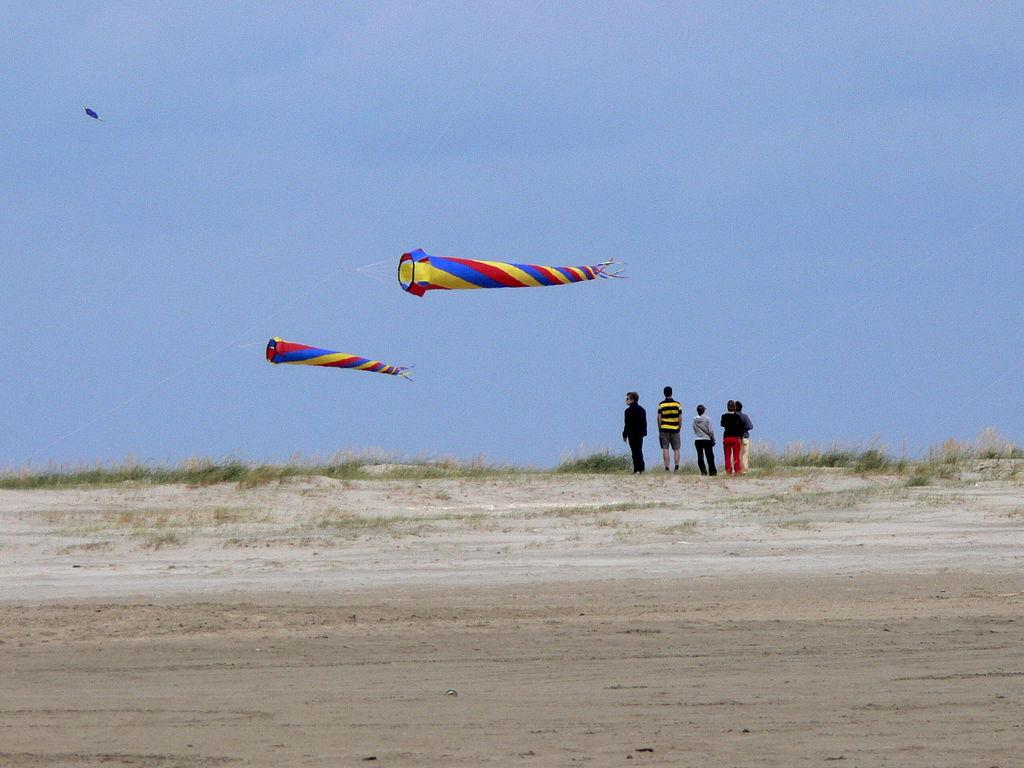
Looking beyond Gasse Høje? Discover Romo for broader travel guides, local hot-spots, and regional highlights.
Explore Romo
Step into an authentic 8th-century Viking longhouse and discover how permanent settlements transformed Scandinavia's oldest town.
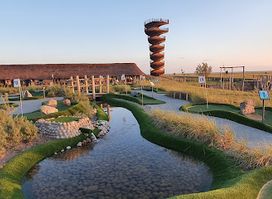
Architect-designed marshland camp with Marsk Tower views, glamping comfort, family-friendly fun and easy access to the dramatic Wadden Sea landscape.