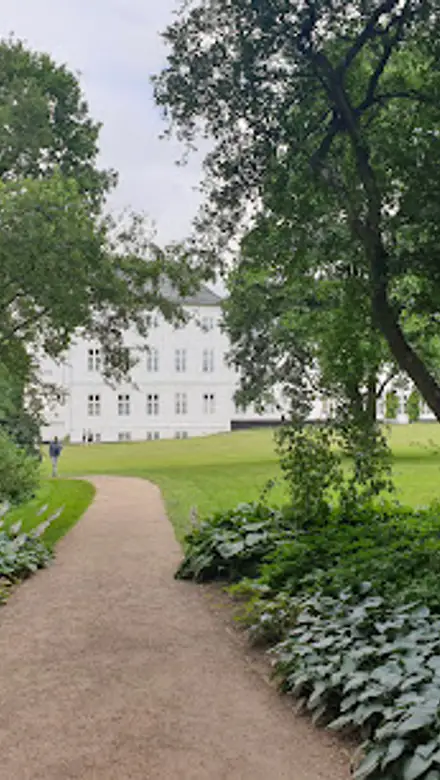
Gråstenskovene Travel Guide
Free Guide: A sweeping belt of lakes, beech woods and gentle hills wrapped around Gråsten, blending royal parkland with quietly scenic Southern Jutland forest.


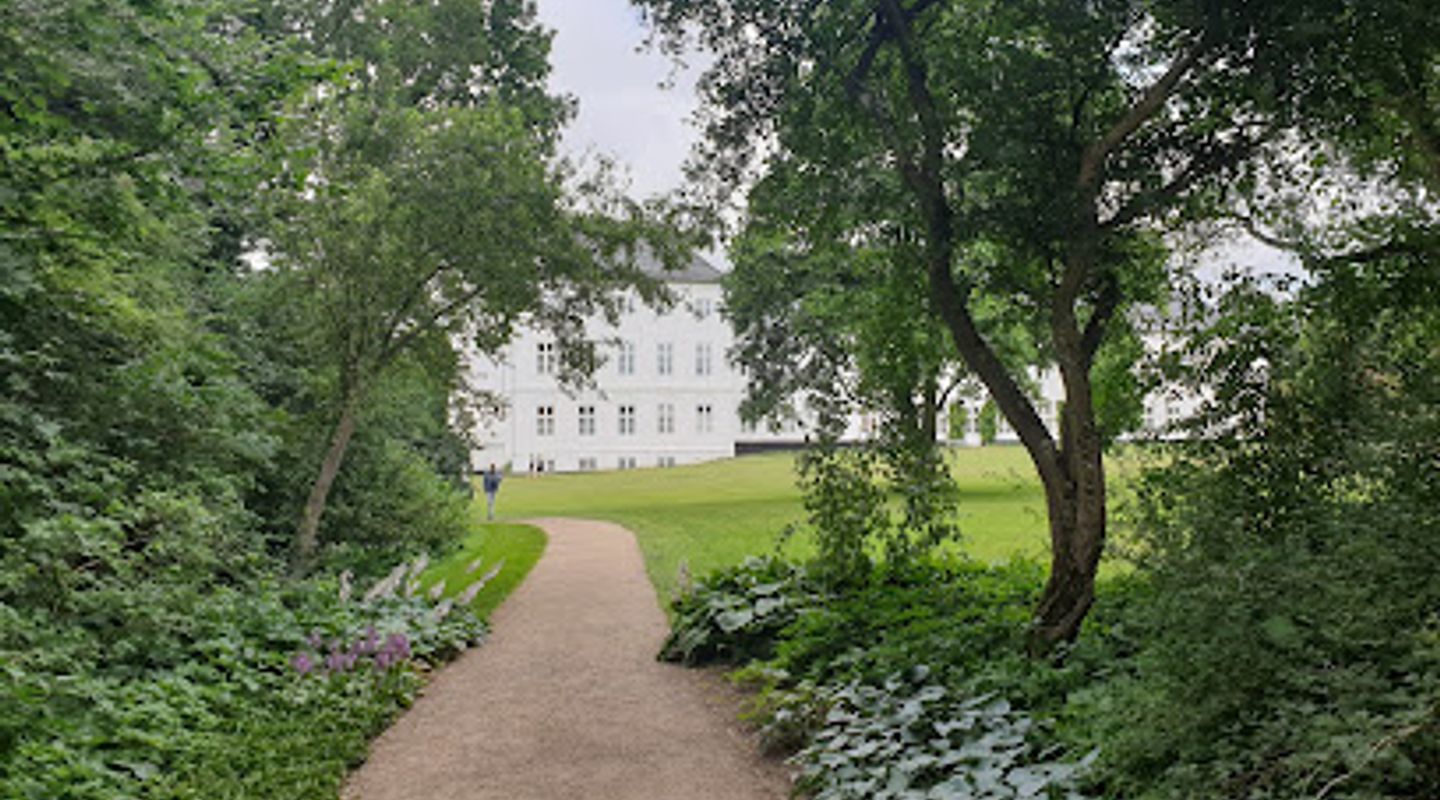
A brief summary of Gråstenskovene
A sweeping belt of lakes, beech woods and gentle hills wrapped around Gråsten, blending royal parkland with quietly scenic Southern Jutland forest.
Wrapping around the small town of Gråsten in Southern Jutland, Gråstenskovene is a sweeping band of beech and mixed deciduous forest, lakes and gentle hills spread over roughly 700 hectares. Crisscrossed by marked trails, the woods link Gråsten Castle’s parkland with tranquil clearings, open grazing meadows and bird-rich forest lakes such as Margrethe Sø and Slotssøen. It is a classic Danish woodland escape: easily accessible, quietly scenic and ideal for unhurried walks, family outings and nature watching in every season.
On-site amenities
 Restrooms
 Trash bins
 Information boards
 Picnic areas
 Seating areas
- Address
- Felstedvej 14, 6300 Gråsten
Getting there
Regional train and local walk
Car from Sønderborg and surrounding towns
Local bus within Southern Jutland
Discover more about Gråstenskovene
Forest tapestry around a royal town
Gråstenskovene is the collective name for the forests that arch around the town of Gråsten in Southern Jutland, just inland from the Flensburg Fjord. The woodland forms a broad green belt, with tall beech stands, pockets of oak and conifer, and low, marshy sections where the ground stays damp and mossy. It feels like a single, continuous forest, yet it is in fact a patchwork of smaller named woods that have gradually grown together around the town.The forest is closely tied to Gråsten Castle, the summer residence of the Danish royal family. Formal gardens and manicured lawns melt into semi‑wild parkland and then into the denser woodland of Gråstenskovene. Walking here, you sense that blend of cultivated and natural landscape that characterizes much of Denmark’s old estate countryside.
Lakes, clearings and gently rolling hills
One of the most distinctive features of Gråstenskovene is its string of lakes and ponds, including Margrethe Sø, Slotssøen, Kujborg Dam and Storedam. These mirror‑smooth waters slice through the forest, attracting ducks, grebes and waders, as well as dragonflies that skim the surface on warmer days. Reeds fringe some shorelines, while elsewhere the trees run right down to the water’s edge.The terrain is gently hilly by Danish standards, with short rises and dips that give walks a pleasant rhythm. Trails emerge into open grazing meadows where livestock helps maintain a varied landscape, then plunge back into woodland rich with spring flowers or autumn fungi, depending on the season. Small wooden bridges, old drainage ditches and occasional viewpoints over the lakes add quiet points of interest along the way.
Wildlife refuge in Southern Jutland
Despite being so close to town, Gråstenskovene functions as an important refuge for wildlife. Roe deer are commonly seen at the edges of clearings, and squirrels leap through the canopy in older sections of beech forest. The undergrowth and deadwood support insects and smaller mammals, while the lakes and wet areas host amphibians and aquatic life.Birdlife is a particular highlight. The mix of forest, open glades and water attracts everything from woodland songbirds to ducks, grebes and snipe around the lakes and marshy margins. In quieter corners you may hear woodpeckers drumming or owls calling at dusk. The richness of habitats within a relatively compact area makes the forest especially rewarding for leisurely birdwatching.
Marked paths and easy-going exploration
Gråstenskovene is laced with waymarked tracks and paths that make navigation straightforward. Broad forest roads suit cyclists, prams and wheelchairs on drier days, while narrower footpaths invite more immersive rambles among tree roots and ferns. Information boards in and around the forest outline trail options and highlight natural and historical features.Benches and simple picnic spots appear at intervals, encouraging unhurried breaks with a view of water or woodland. Because the forest wraps around Gråsten, it is easy to tailor outings to the time you have, from a short loop from the castle grounds to half‑day hikes linking several lakes and forest sections.
Seasons, atmosphere and local character
Each season brings its own character to Gråstenskovene. Spring unfurls bright green beech leaves and carpets of wildflowers, summer is all dappled shade and birdsong, autumn sets the canopy ablaze in golds and russets, and winter opens up long sightlines through bare trunks, with a quiet, muted stillness. Light and weather transform familiar paths, making the forest inviting for repeat visits.Despite its royal connections, the forest feels informal and local: a place where people come to walk dogs, jog, cycle, or simply sit and watch the light move across a lake. That blend of everyday use and scenic charm gives Gråstenskovene a relaxed, lived‑in atmosphere, more like a beloved local park writ large than a remote wilderness.
Evendo Review Centre
 Google
Guest reviews
Best time to go
Quietest: Jan, Feb & Mar · before 8am or at 9pm
Busy times are Evendo estimates for a typical year, to help you plan. Actual crowds vary with events, school holidays and the weather.
Explore Gråstenskovene on the map
A handpicked selection of must-see spots near Gråstenskovene, mapped for you.
Get your free copy of our complete guide to Gråstenskovene, delivered straight to you.
Everything on this page, from opening hours and how to get there to Eve’s tips and the best time to go, in one PDF you can read offline, print or share.
Already have an account? Sign in
Your Gråstenskovene guide is ready.
We'll send it to · Not you? Sign out

Getting your guide ready…
We are putting together a fresh copy of the Gråstenskovene guide. This can take up to a minute.
This can take a few moments. If your browser asks, choose Allow so the download can start. You'll find the guide in your Downloads folder.
Nothing happened? Download it again
Sorry, the guide is taking longer than usual. Please try again in a minute, or get it by email instead.
Other nearby places you may find interesting
The closest places of the same kind, if this one is not quite what you had in mind.
-
Sønderborg Castle An almost 800-year-old waterfront fortress turned museum, Sønderborg Castle explores Southern Jutland’s borderland history amid Renaissance halls, dungeons and a tranquil park.
-
Deutsches Museum Nordschleswig A modern borderland museum in Sønderborg exploring the history, culture and identity of the German minority in Northern Schleswig.
-
Dybbøl Mill A battle-scarred windmill on Dybbøl Banke, Dybbøl Mill combines working machinery, battlefield history and national symbolism above the fjord at Sønderborg.
-
Historiecenter Dybbøl Banke Experience the dramatic 1864 war through immersive reconstructions and sensory storytelling on Denmark's most significant battlefield.
-
Hønekilden A tiny harbourfront oasis where a royal water source, bronze hens and centuries of Sønderborg legends gather around a once-famous spring.
Swipe for more places
More to explore near Gråstenskovene

 Best experiences near Gråstenskovene
 Best hotels near Gråstenskovene
 Best landmarks near Gråstenskovene
 Best attractions near Gråstenskovene
 Best shops near Gråstenskovene
 Best restaurants near Gråstenskovene
 Best bars near Gråstenskovene
Do you manage this location?
Take control to get all the benefits, like improved information, better appearance, and stronger visibility across AI-powered discovery.
Explore more
Explore more of Sønderjylland
Sønderjylland: A Journey Through Denmark's Scenic Landscapes, Rich History, and Vibrant Traditions.
Explore Sønderjylland
Explore more of Denmark
Discover Denmark: A perfect blend of history, modern design, and the cozy concept of hygge. Explore vibrant cities, serene landscapes, and world-class cuisine.
Explore Denmark