

Gråsten Palace Travel Guide
Free Guide: Royal Denmark at its most relaxed: a white rococo summer palace, flower‑rich gardens and lakeside paths where centuries of history meet everyday tranquility.


A brief summary of Gråsten Palace
Royal Denmark at its most relaxed: a white rococo summer palace, flower‑rich gardens and lakeside paths where centuries of history meet everyday tranquility.
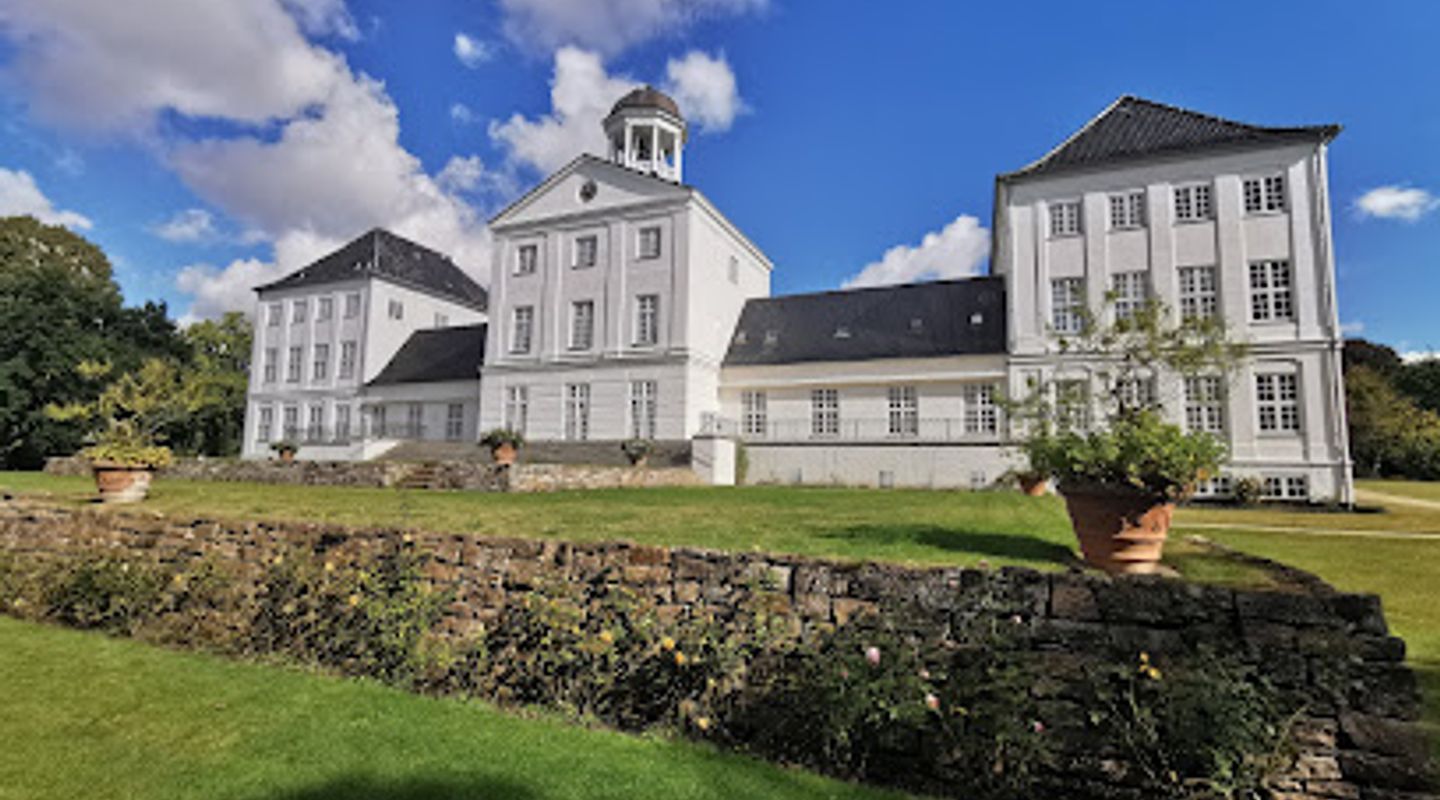
Gråsten Palace in southern Jutland is the beloved summer residence of the Danish royal family, framed by a romantic landscape of lakes, forest and meticulously kept gardens. While the white rococo palace itself is closed to visitors, you can wander the palace gardens when the royals are away, admire the elegant façades and lakeside vistas, and sense centuries of history shaped by noble families, wars and royal summers amid roses and old trees.
On-site amenities
 Restrooms
 Drink options
 Drinking water
 Food options
 Seating areas
 Sheltered areas
 Trash bins
 Information boards
 Visitor centre
- Address
- Slotsbakken, 6300 Gråsten
- Phone
- Website
Getting there
Regional train and short walk from Sønderborg
Car from Sønderborg and wider Jutland
Local bus from nearby towns
Leisure cycling from Sønderborg area
Discover more about Gråsten Palace
Royal summers in southern Jutland
Gråsten Palace sits on the edge of the small town of Gråsten, surrounded by water, woodland and sweeping lawns that underline its role as a royal retreat rather than a showpiece city palace. Best known today as the official summer residence of the Danish royal family, it comes to life each year when the split royal flag rises above the bell tower and the Royal Life Guard takes up duty in the courtyard. In those weeks, the palace becomes the backdrop for formal ceremonies and family photo calls, even as most of the activity remains discreetly behind the white façades.Outside the royal stays, the atmosphere feels markedly calmer. The palace buildings remain off-limits, but the grounds open to visitors, turning the estate into a generous green space where locals and travellers stroll, picnic and pause by the lakeshore. From nearly every angle, the low, elongated main wing and flanking ranges create a harmonious ensemble, reflected in the still water and sheltered from the surrounding town by tall trees.
Layers of fire, rebuilding and royal favour
The story of Gråsten is one of repeated loss and reinvention. The first residence here was a modest hunting lodge built in the mid‑1500s, part of a wider culture of noble country retreats in Schleswig. That building perished in a fire, prompting the construction of a more substantial palace around 1603 on roughly the same footprint as the current south wing. Over the next decades, powerful owners reshaped the estate, culminating in an imposing baroque complex commissioned by Chancellor Count Frederik Ahlefeldt near the turn of the 18th century.Disaster struck again in 1757 when a major blaze destroyed much of the baroque palace, sparing only the chapel and a few pavilions. From these remnants, a smaller rococo palace was raised in 1759, with the present south wing dating from that year. The central block that visually anchors the complex was only added in 1842, giving Gråsten its familiar T‑shaped plan. Ownership moved between the Augustenborg ducal family, the Danish state and later the crown, reflecting the turbulent politics of the Schleswig region and shifting borders between Denmark and the German states.
Gardens shaped by queens
If the architecture tells a tale of fire and reconstruction, the gardens narrate continuity and personal passion. Laid out in a romantic style from the late 18th century, the park combines open lawns, clipped hedges and winding paths under old deciduous trees. After the palace was placed at the disposal of Crown Prince Frederik and Crown Princess Ingrid in 1935, the future queen took a keen interest in horticulture and gradually reshaped parts of the grounds in the spirit of an English landscape garden.Rose beds, carefully composed flower borders and intimate clearings reflect this long, detailed attention. Views open unexpectedly towards the lake, where reeds and waterfowl soften the transition from manicured palace park to wilder fringe. In certain corners, you find more secluded benches or simple gravel paths ideal for quiet reflection. The rhythm of formal parterres near the palace easing into more natural planting further out makes a walk here feel varied without ever being strenuous.
The palace church and quiet rituals
Among the few survivors of the 1757 fire is the palace church, incorporated into the north wing. Its interior, when open, is richly decorated with a towering baroque altarpiece that fills the end wall from floor to ceiling, packed with sculpted figures, painted scenes and red‑and‑white marbled columns. A pale stucco ceiling dotted with angels and putti against a light blue sky creates a surprisingly intimate yet ornate space for worship.For generations, the church has served both as palace chapel and as parish church for the surrounding community. Its connection to daily life in the town is part of what makes Gråsten feel less remote than many royal estates. At present the church is undergoing a major renovation, but even when closed, its presence completes the ensemble of lake, gardens and palace wings and hints at the long devotional life that has unfolded here.
Experiencing Gråsten today
A visit to Gråsten Palace is less about grand interiors and more about atmosphere. You wander along gravel avenues, watch the play of light on white walls and slate roofs, and listen to the wind moving in high tree canopies. On days when the Royal Life Guard performs the ceremonial changing of the guard during the royal stay, the sound of drums and boots crossing the cobbles adds a moment of pageantry to the otherwise tranquil setting.Paths near the lakeshore offer soft, photogenic views of the palace framed by willows and reeds, while open lawns invite unhurried pauses. Benches scattered through the park make it easy to linger with a book or simply observe the gentle rhythms of the place. Even with no access to the palace rooms, the combination of royal association, crafted landscape and quiet water gives Gråsten a distinctive, contemplative character that rewards an unhurried visit.
Evendo Review Centre
 Google
Guest reviews
Best time to go
Quietest: Jan, Feb & Mar · before 7am or from 9pm
Busy times are Evendo estimates for a typical year, to help you plan. Actual crowds vary with events, school holidays and the weather.
Explore Gråsten Palace on the map
A handpicked selection of must-see spots near Gråsten Palace, mapped for you.
Get your free copy of our complete guide to Gråsten Palace, delivered straight to you.
Everything on this page, from opening hours and how to get there to Eve’s tips and the best time to go, in one PDF you can read offline, print or share.
Already have an account? Sign in
Your Gråsten Palace guide is ready.
We'll send it to · Not you? Sign out

Getting your guide ready…
We are putting together a fresh copy of the Gråsten Palace guide. This can take up to a minute.
This can take a few moments. If your browser asks, choose Allow so the download can start. You'll find the guide in your Downloads folder.
Nothing happened? Download it again
Sorry, the guide is taking longer than usual. Please try again in a minute, or get it by email instead.
Other nearby places you may find interesting
The closest places of the same kind, if this one is not quite what you had in mind.
-
-
-

-
-


Swipe for more places
More to explore near Gråsten Palace

 Best experiences near Gråsten Palace
 Best hotels near Gråsten Palace
 Best landmarks near Gråsten Palace
 Best attractions near Gråsten Palace
 Best shops near Gråsten Palace
 Best restaurants near Gråsten Palace
 Best bars near Gråsten Palace
Do you manage this location?
Take control to get all the benefits, like improved information, better appearance, and stronger visibility across AI-powered discovery.
Explore more
Explore more of Sønderjylland
Sønderjylland: A Journey Through Denmark's Scenic Landscapes, Rich History, and Vibrant Traditions.
Explore Sønderjylland
Explore more of Denmark
Discover Denmark: A perfect blend of history, modern design, and the cozy concept of hygge. Explore vibrant cities, serene landscapes, and world-class cuisine.
Explore Denmark
