
Marsk Tower (Marsk Tårnet)
A rust-red spiral rising from the Wadden Sea marshes, Marsk Tower pairs bold Danish architecture with sweeping 360° views over sea, sky and salt flats.
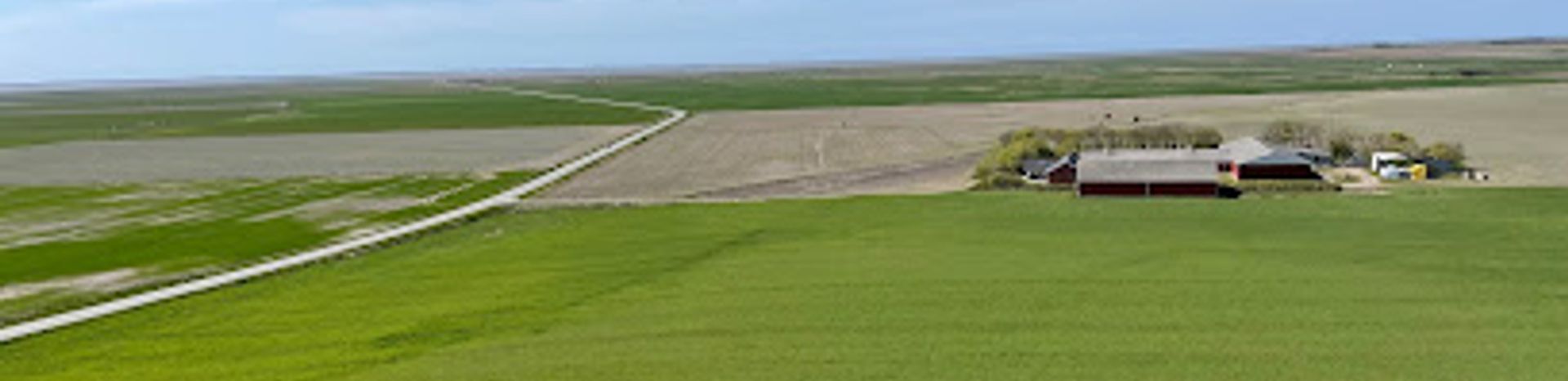
Rising 25 metres above the flat marshes of southern Jutland, Marsk Tower is a sculptural corten-steel observation tower in Wadden Sea National Park near Skærbæk. Designed by Bjarke Ingels Group as a striking double-helix staircase, it offers wide-open 360° views over the UNESCO-listed marshlands, the Wadden Sea and towards the islands of Rømø and Sylt. Part of the wider Marsk Camp, it combines bold contemporary architecture with raw North Sea nature.
A brief summary to Marsk Tower - Marsk tårnet
- Hjemstedvej 60, Skærbæk, 6780, DK
- +4572186780
- Visit website
- Duration: 1 to 2 hours
- Mid ranged
-
 Outdoor
- Mobile reception: 4 out of 5
- Monday 9 am-7 pm
- Tuesday 9 am-7 pm
- Wednesday 9 am-7 pm
- Thursday 9 am-7 pm
- Friday 9 am-7 pm
- Saturday 9 am-7 pm
- Sunday 9 am-7 pm
Local tips
- Aim for clear weather or late-afternoon light to make the most of the long views across the marshes and towards Rømø and Sylt.
- If you struggle with stairs or heights, use the lift to reach the top; the double-helix design can feel airy and exposed on windy days.
- Bring a windproof layer, even in summer; the exposed platform catches strong breezes from the North Sea.
- Combine your visit with a walk on the surrounding dykes or a side trip to Rømø to better understand the Wadden Sea landscape you see from above.
- Allow time at the base for a drink or meal at Marsk Camp to watch how the tower’s corten steel shifts colour as the light changes.

For the on-the-go comforts that matter to you
- Restrooms
- Drink Options
- Drinking Water
- Food Options
- Seating Areas
- Sheltered Areas
- Trash Bins
- Information Boards
- Visitor Center
Getting There
-
Car from Skærbæk town centre
Driving from central Skærbæk to Marsk Tower typically takes 5–10 minutes along local roads through open farmland. Parking is available at Marsk Camp next to the tower, with fees usually included in or linked to your tower visit ticket. This is the most flexible option for families and those arriving with camping vehicles, and it runs year-round in most weather conditions, though strong winds and heavy rain can occasionally make driving slower.
-
Regional train and taxi from Ribe
From the historic town of Ribe, regional trains to Skærbæk generally take around 25–35 minutes and run several times a day. From Skærbæk station, a local taxi ride to Marsk Tower usually takes 10–15 minutes. Combined, the journey often totals 40–60 minutes. Expect to pay a moderate train fare plus a taxi fare in Danish kroner, with costs varying by time of day and number of passengers. This option is practical for visitors exploring the Wadden Sea area without a car.
-
Bus and walk from Skærbæk area
In the wider Skærbæk region, local buses serve stops within a few kilometres of Marsk Camp, with journey times from nearby villages often in the 15–30 minute range. Services are less frequent in the evenings and on weekends. From the nearest stop, you complete the approach on foot along flat roads or paths through open countryside, which can be exposed in strong wind or rain. Check current timetables locally to match bus times with the tower’s opening hours.
Marsk Tower - Marsk tårnet location weather suitability
-
 Clear Skies
-
 Windy Conditions
-
 Mild Temperatures
-
 Cold Weather
-
 Hot Weather
Discover more about Marsk Tower - Marsk tårnet
A sculptural spiral above the Danish marshes
Marsk Tower rises like a rust-red ribbon from the flat marshes of southern Jutland, a 25‑metre corten-steel observation tower set on the edge of Wadden Sea National Park. Its weathered steel skin echoes the earthy tones of the surrounding landscape, so the structure feels both boldly contemporary and surprisingly at home among reeds, dykes and big skies. From a distance, it appears almost abstract; up close, the geometry of the spiralling form reveals itself as a carefully engineered landmark. The tower stands at Marsk Camp near the town of Skærbæk, in a region long shaped by tides, storm surges and land reclamation. Here, the North Sea’s energy is filtered through vast mudflats and salt marshes, part of a UNESCO World Heritage coastal ecosystem shared by Denmark, Germany and the Netherlands. Marsk Tower was conceived to give visitors a new vantage point on this horizontal world, lifting you just high enough to understand its scale.Double-helix design and thoughtful engineering
Architects Bjarke Ingels Group designed Marsk Tower as a double helix: two intertwining staircases wrapped around a single vertical core. One spiral carries you up, the other leads you down, so the flow of people naturally separates while you still feel connected to those moving in the opposite direction. In total there are around 270 steps split between ascent and descent, each formed from robust steel treads stacked and rotated to create the sweeping form. As you climb, the tower subtly widens; the diameter grows from a narrow base to a much broader top platform of about 110 square metres. This flaring profile creates a generous lookout deck with plenty of room to move around the edge, lean on the railings and let your gaze travel across the marshes. An integrated lift, accessed via a gently sloped approach, makes the tower accessible to visitors who prefer not to use the stairs.Panoramic horizons and shifting weather
From ground level, the open landscape already feels expansive, but the tower transforms the experience. Lower down, you see drainage channels, grazing land and the nearby camp buildings laid out like a plan. Halfway up, the horizon begins to stretch, and the line of the Rømø causeway and distant dunes starts to appear. At the top, on a clear day, the view can extend many kilometres over the Wadden Sea towards the islands of Rømø and Sylt and, in the other direction, towards Esbjerg. The tower is particularly atmospheric when the North Sea weather is on the move. Banks of cloud roll in from the west, shafts of light break through to pick out silver channels in the mudflats, and wind ripples through the grasses below. Sunsets can paint the steel in warm gold and copper tones, while on crisp winter days the air feels almost crystalline. Because the region is so flat, the sense of height at just 25 metres is more dramatic than you might expect.Life at Marsk Camp around the base
Although the tower itself is the star, it is framed by the broader facilities of Marsk Camp. Around the foot of the structure you find a reception and café-restaurant space where visitors can pause over coffee or a meal after their climb. The camp includes accommodation for motorhomes and glamping tents, small leisure activities such as mini-golf, and open lawns that create a relaxed holiday atmosphere in high season. Interpretive displays and information boards help explain the local environment and the design story of the tower. You can learn about the Wadden Sea’s birdlife and tidal rhythms, as well as the engineering required to build a 300‑ton steel structure on soft marshland. This mix of leisure, architecture and nature makes the tower equally appealing as a quick viewpoint stop or the centrepiece of a longer stay in the area.Architecture, ecology and dark skies
Marsk Tower also serves as an introduction to the wider Wadden Sea National Park, Denmark’s largest national park and one of Europe’s most important coastal wetlands. Many visitors combine their climb with walks on the nearby embankments, birdwatching on the marshes or a trip out to the island of Rømø. The elevated view can help you orient yourself within this intricate landscape of dykes, polders and tidal flats. After dark, the relative lack of light pollution can make the tower surroundings an appealing place to experience the night sky. While the platform itself may not always be open late, the open horizon and big sky remain a feature of the camp. In this way, Marsk Tower is more than a single object: it is a gateway to the marshland’s changing moods, from windy daylight vistas to quiet, starlit evenings on the edge of the North Sea.Iconic landmarks you can’t miss

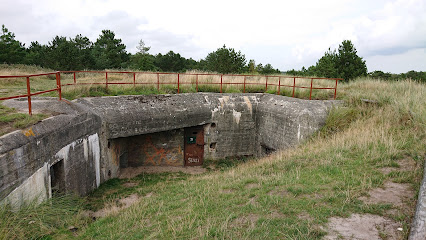
Bunker
13.3 km
A concrete relic of World War II occupation, standing silent in Denmark's westernmost forest.
Gamle Redningsstation
13.5 km
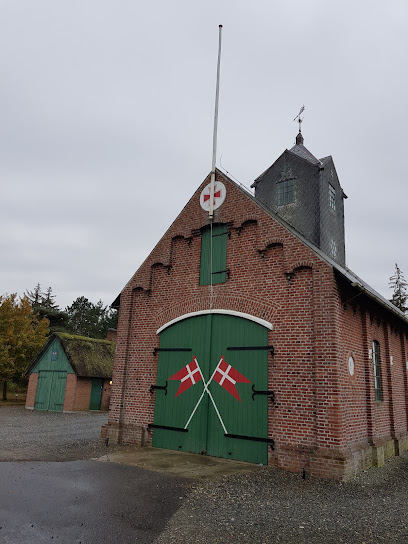
Compact red-brick lifeboat station turned firehouse, telling Rømø’s quietly dramatic story of storms, shipwrecks and island resilience along the Wadden Sea.
Kanonenhügel
13.5 km
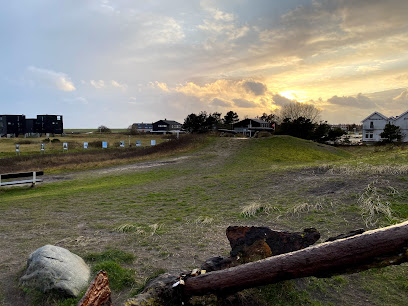
A modest grassy mound above Havneby harbour where two 17th‑century cannons, wide Wadden Sea views and Rømø’s maritime past quietly meet.
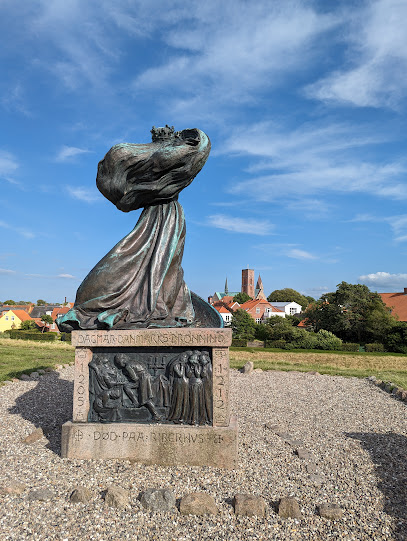
Queen Dagmar of Bohemia
19.8 km
A contemplative statue on Ribe’s former castle hill, honouring the gentle 13th‑century Queen Dagmar where her life and legend became entwined with Denmark’s history.
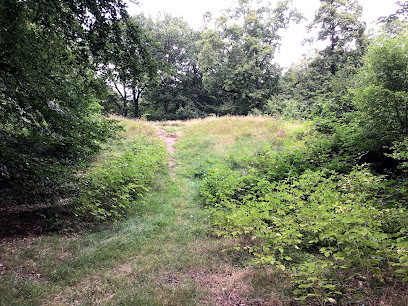
Galgebakken
20.9 km
Denmark's haunting reminder of the witch hunts that claimed eleven lives in Ribe between 1572 and 1652.
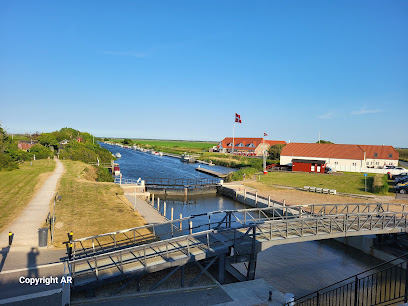
Kammerslusen Ribe
21.0 km
Discover Copenhagen's Black Diamond: A fusion of modern architecture and cultural heritage on the waterfront.
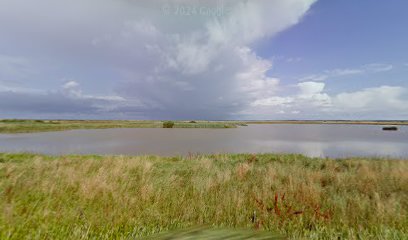
Kammerslusen Clay Excavations
21.5 km
Historic tidal lock and birdwatching haven where Danish engineering meets the wild Wadden Sea.
Vidåslusen
21.8 km
Discover Vidåslusen in Højer, Denmark: A historic sluice offering stunning Wadden Sea views, local cuisine, and a gateway to the Tøndermarsken marshlands.
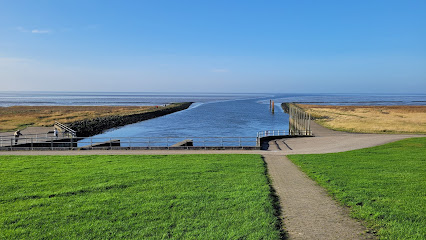
Højer Sluse
22.1 km
Discover the historic Højer Sluse, a gateway to the Wadden Sea National Park, offering insights into coastal defense and the region's unique natural beauty.
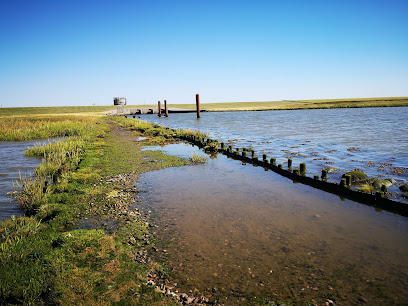
Northernmost point of Germany
23.0 km
Explore the Northernmost Point of Germany, a breathtaking coastal landmark where the North Sea meets stunning landscapes, rich history, and adventure.
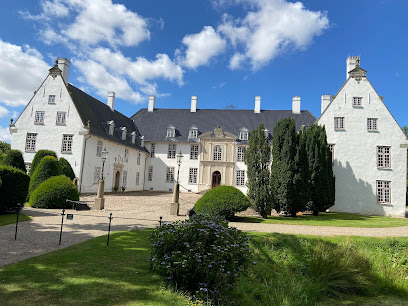
Schackenborg Castle
23.8 km
Explore Schackenborg Castle in Southern Jutland: A historic baroque castle with royal connections, offering guided tours, events, and a glimpse into Danish history and architecture.
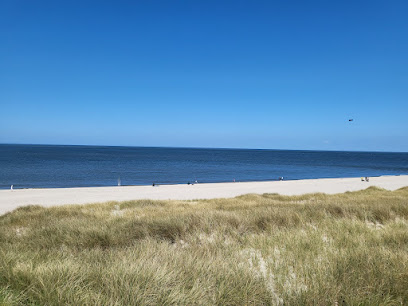
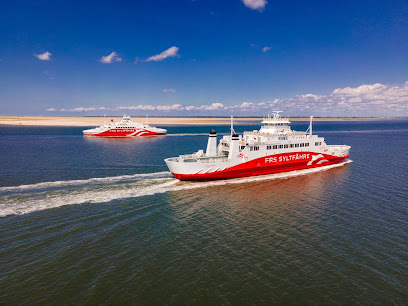
Rømø-Sylt Linie GmbH & Co. KG
24.5 km
Experience the stunning Rømø-Sylt Ferry journey, connecting two beautiful islands with breathtaking views of the North Sea.
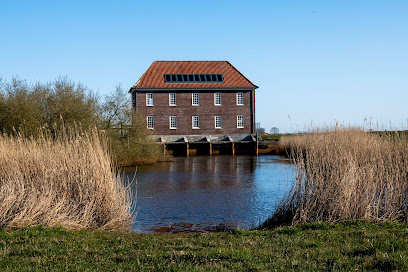
Tøndermarsken
25.5 km
Experience Denmark’s largest marshland in Tøndermarsken—world-class birdwatching, rich dike culture, and tranquil trails near the Wadden Sea UNESCO site.
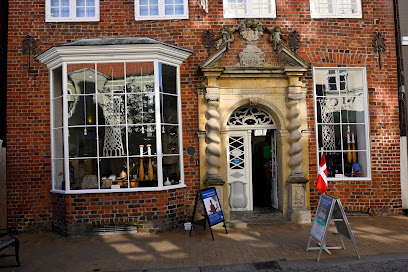
Museum Sønderjylland - Drøhses Hus
25.5 km
Experience Tønder's historic merchant tradition and the delicate world of Danish lace at Drøhses Hus, nestled in the heart of southern Jutland's oldest town.
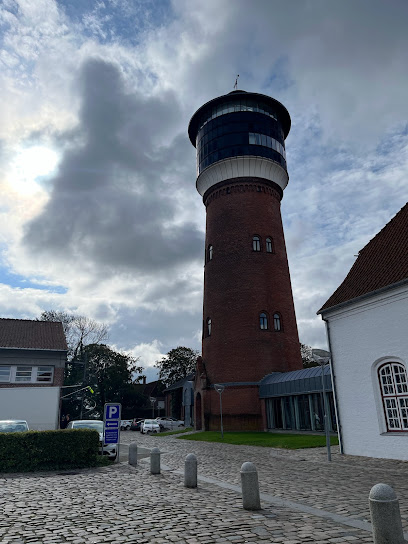
Museum of Southern Jutland - Cultural History of Tønder
25.8 km
Explore Southern Jutland's cultural heritage through exquisite silverware, delicate lace, and iconic Wegner chairs at Tønder's captivating museum, offering a journey through time and craftsmanship.
Unmissable attractions to see

Marsk Camp A/S
0.0 km
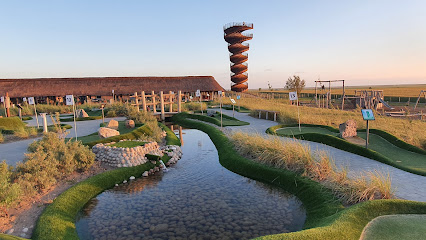
Architect-designed marshland camp with Marsk Tower views, glamping comfort, family-friendly fun and easy access to the dramatic Wadden Sea landscape.
Udsigtspunkt
2.5 km
A simple marshland viewpoint beside Marsk Tower, opening up enormous skies, Wadden Sea horizons and the quiet drama of the flat Sønderjylland landscape.
Misthusum
2.7 km
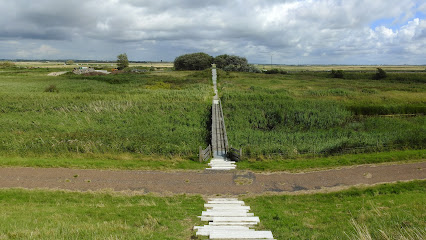
Historic marsh mounds in the Wadden Sea landscape, where abandoned Frisian dwelling platforms and wide horizons tell a quiet story of living with the sea.
Sneglemøllerne Ballum Enge
3.6 km
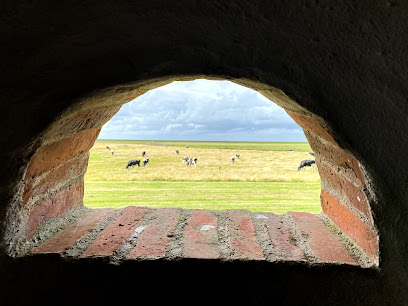
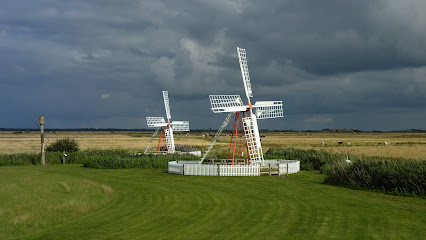
Historic drainage mills in the open marshes of Ballum Enge, where quiet dikes, wide skies and bird-filled meadows reveal Denmark’s long battle with the sea.
Gasse Høje
4.0 km
South Jutland’s modest but mighty hilltop, where 27 prehistoric burial mounds overlook marshland, farmland and shifting Wadden Sea light in tranquil countryside silence.
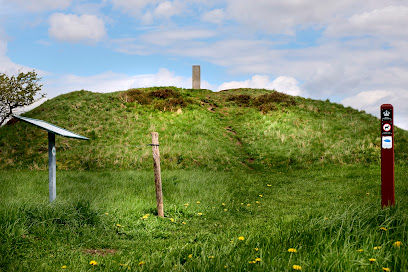
Under Åben Himmel - Søndernæsgård v/Lea Neuberg
4.1 km
Farm-to-table foraging experiences and wild plant education in Denmark's Wadden Sea region.
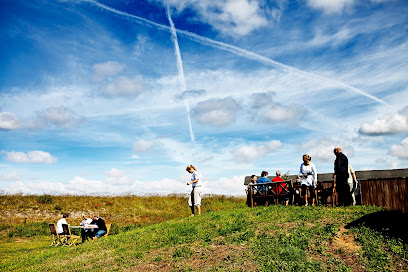
Ballum Sluse
4.3 km
Historic sea lock on the Wadden Sea edge, where red-brick engineering, wide marsh views and rich birdlife meet in a quietly dramatic South Jutland landscape.
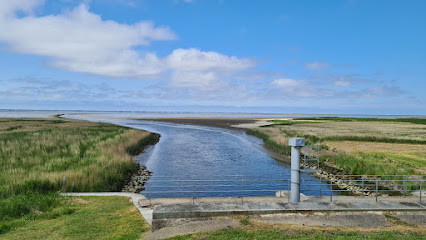
Langdysserne
7.4 km
Neolithic long dolmens on a quiet Jutland marsh, where weathered stones, big skies and the Brede Å valley reveal 5,000 years of landscape and ritual.
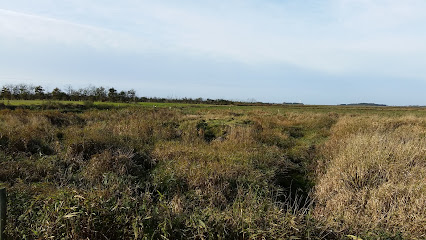
Rømødæmningen
8.2 km
A 9.2 km ribbon of road across the Wadden Sea, Rømødæmningen links Jutland and Rømø with sweeping horizons, rich birdlife and a powerful sense of open sky.
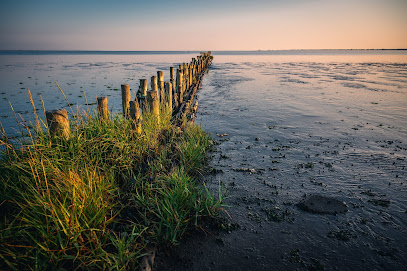
North Sea Cycle Route
8.4 km
A quiet, wind-swept slice of the world’s longest signed coastal cycle route, where dikes, marshland and big North Sea skies frame gentle riding by the Wadden Sea.
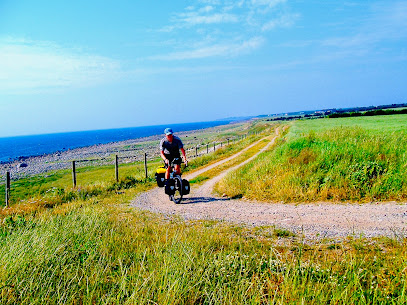
Turbåden Mandøpigen
11.0 km
Intimate Wadden Sea crossings by Turbåden Mandøpigen, gliding between Rømø, Mandø and the mainland past seals, oysters and vast tidal landscapes.
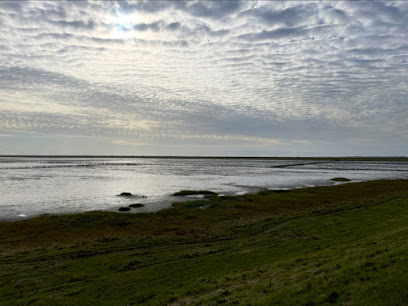
Nationalmuseets Kommandørgård
11.9 km
Step inside an 18th‑century sea captain’s farm on Rømø, where Dutch tiles, whaling history and wide Wadden Sea views bring Denmark’s maritime past to life.
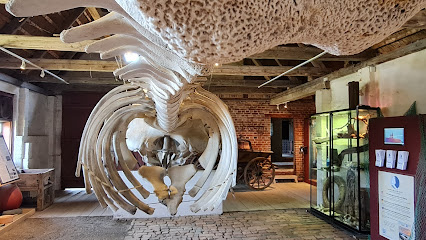
Havegærde Af Hvalunderkæber
11.9 km
A surreal village fence of towering whale jawbones, Havegærde Af Hvalunderkæber turns a Juvre farmhouse garden into a powerful reminder of Rømø’s whaling past.
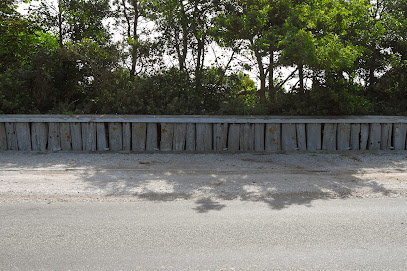
Hvalkæbehegn ved Hvalfangergården
11.9 km
A modest Rømø farmhouse fence built from towering whale jawbones, preserving the island’s dramatic whaling past in a single, striking roadside stop.
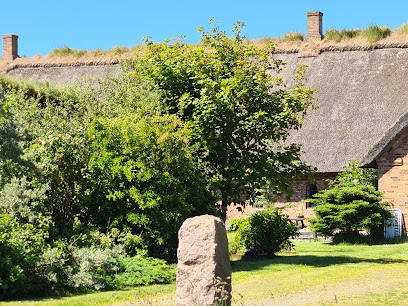
Rømø shooting area
12.0 km
Vast dunes and heathland at Rømø’s wild northern tip, where military training grounds and protected nature meet under the wide Wadden Sea sky.
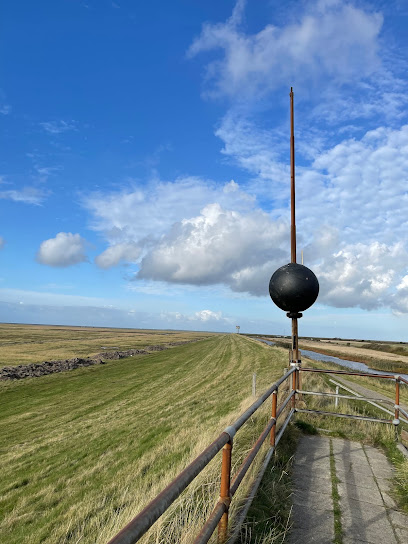
Essential places to dine

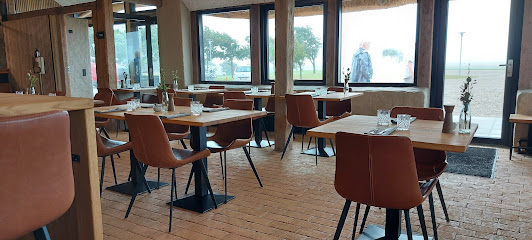
Restaurant Marsk
0.0 km
Relaxed Nordic dining at the heart of Marsk Camp, where local South Jutland flavors meet wide marshland skies and a breezy terrace overlooking the Wadden Sea landscape.
Café Retro Brøns Kro
4.7 km
Retro-themed Danish inn and café celebrating 1970s nostalgia with fresh local cuisine and vintage charm.
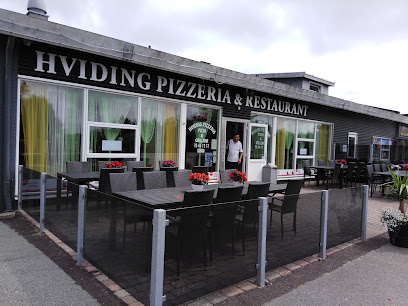
Hviding Pizzeria og Restaurant
13.3 km
Roadside pizzeria and grill in Hviding serving generous pizzas and simple comfort food to locals and travellers between Ribe, Esbjerg and the southern border.
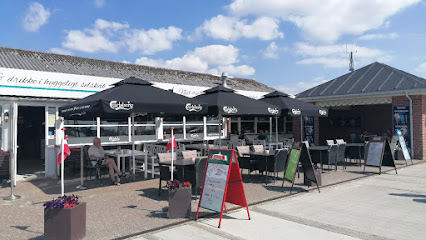
Havnekiosken Rømø
13.4 km
Authentic harbour kiosk serving grilled burgers and fresh fish with Wadden Sea views.
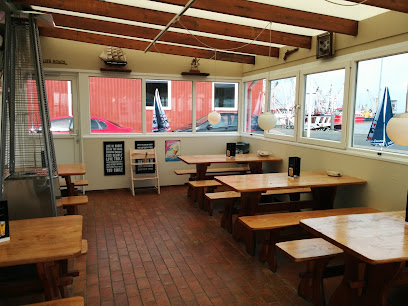
Otto & Ani's Fisk
13.4 km
Fresh-caught seafood by the harbor where fishing boats unload their daily catch.
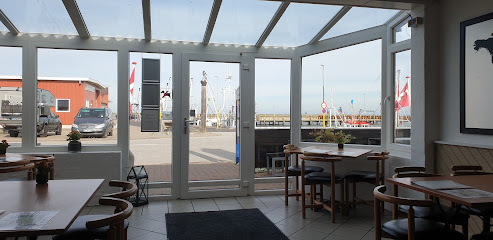
HAVNEBY KRO RESTAURANT
13.6 km
Hearty Danish inn fare and island hospitality at a traditional kro by the harbor in Havneby, gateway to Rømø’s wide beaches and the Wadden Sea.
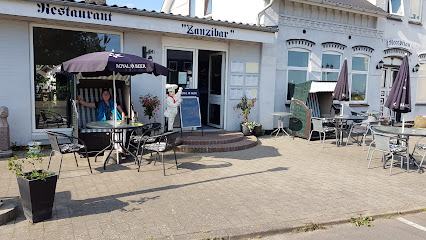
Frankel 5
13.6 km
Cosy seaside café-restaurant on Rømø serving fresh fish and Danish comfort dishes with wide Wadden Sea views and a relaxed, coastal atmosphere.
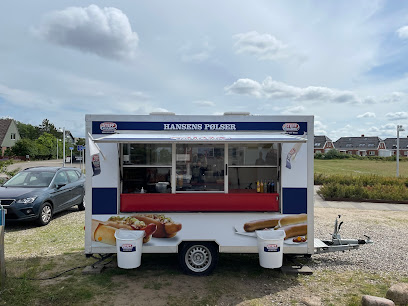
Hansens pølser
13.6 km
Casual harbor-side hot dog stand on Rømø serving classic Danish sausages and ice cream to beach-goers, cyclists and locals in laid-back Havneby.
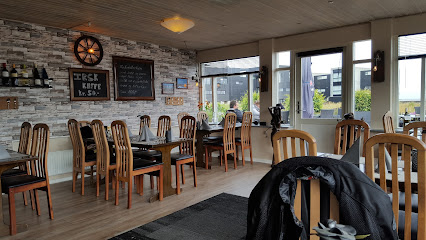
Ristorante Europa Rømø
13.7 km
Casual Italian pizzas and hearty plates in the harbour town of Havneby, a relaxed refuelling stop between Rømø’s wild beaches and the Wadden Sea.
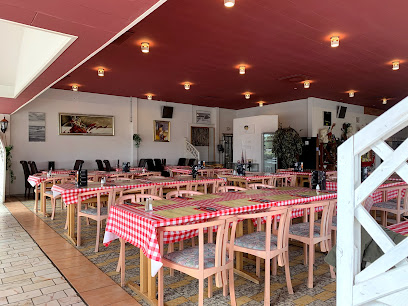
Rømø Pandekagehus
13.7 km
Casual island café in Havneby serving generous sweet and savoury pancakes, ideal for a relaxed break between Rømø’s vast beaches and harbour walks.
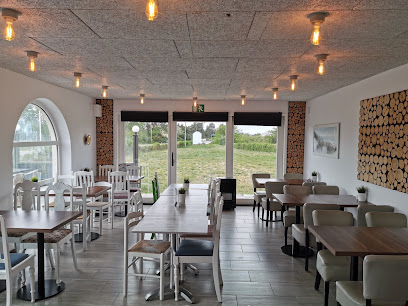
Restaurant Diget
14.2 km
Panoramic golf-course views, generous brunches and flexible gourmet dining inside Enjoy Resorts Rømø, with terrace seating and on-site leisure activities next door.
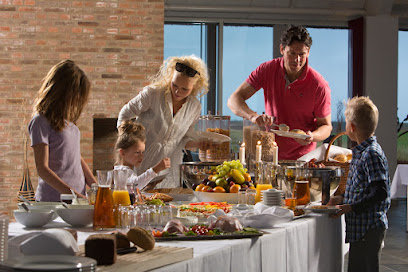
MEGA GRILL
14.3 km
Straightforward Danish grill bar in Havneby, serving hearty fast food and takeaway for hungry beachgoers exploring the windswept island of Rømø.
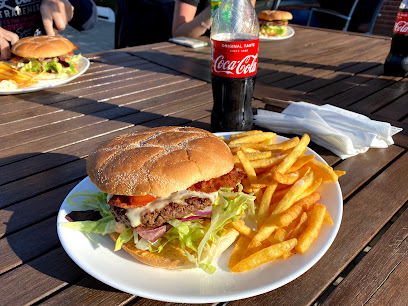
Asia kitchen(Sushi , Wok, Buffet)
15.5 km
Casual sushi, wok and buffet dining at Lakolk Butikscenter, pairing Asian comfort food with the windswept dunes and wide beaches of Rømø’s North Sea coast.
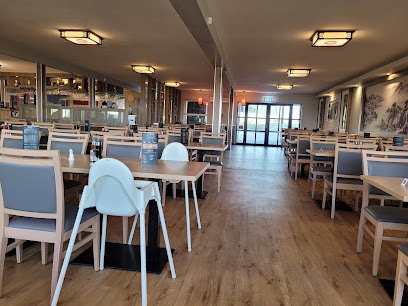
Café Fru Dax
15.6 km
Lively beachside café at Lakolk on Rømø, famed for towering soft ice, generous café dishes and an easygoing seaside atmosphere steps from the wide sandy shore.
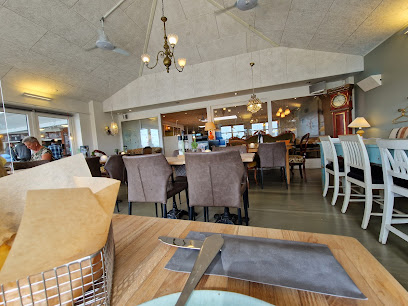
Café Hr. Dax
15.6 km
Casual seaside café-restaurant in Lakolk Butikscenter, serving hearty comfort food and sweet treats just behind Rømø’s vast, windswept Lakolk Beach.
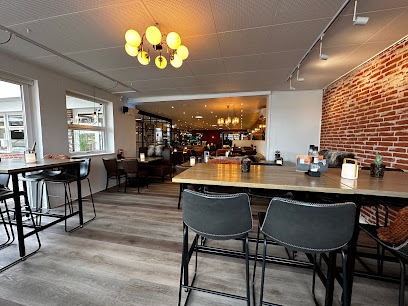
Markets, malls and hidden boutiques

Skærbæk Antik & Design
1.7 km
A cozy blend of antiques and everyday design on Skærbæk’s main street, offering vintage finds, homeware and small gifts with a distinctly Danish small-town charm.
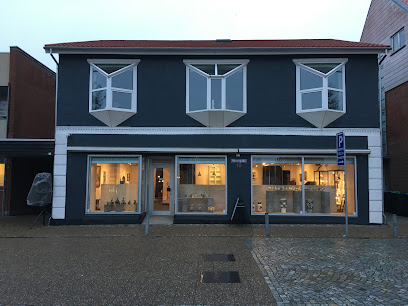
Tutti Market
4.6 km
Compact neighborhood grocery in Skærbæk, ideal for stocking up on everyday staples, picnic supplies, and holiday-home essentials along the Wadden Sea coast.
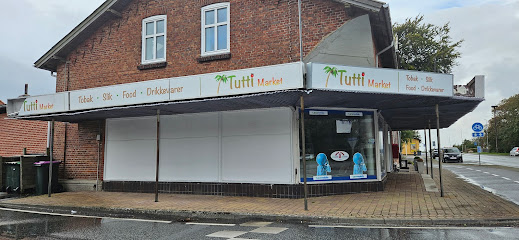
Den-Gamle-Gaard
6.3 km
A characterful farmhouse antique store near Skærbæk, brimming with Danish teak, vintage furniture and curios that turn browsing into a relaxed rural treasure hunt.
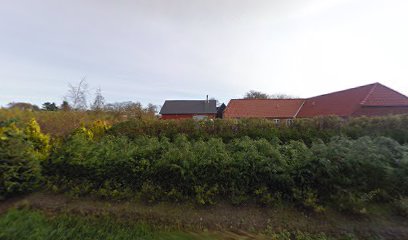
Rejsby Antique & Furniture
9.5 km
Medieval to modern treasures in a rural Danish village antique haven.
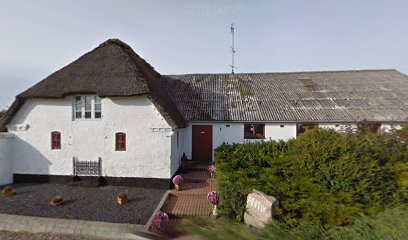
Elisabeth
10.3 km
A cozy Fanø clothing boutique offering understated Scandinavian style, curated island-ready outfits, and a calm coastal atmosphere in an intimate setting.

Cafe Hattesgaard
12.4 km
Atmospheric café-meets-antique emporium set in a historic farmhouse on Rømø, known for legendary cakes, local hospitality, and one-of-a-kind vintage finds.
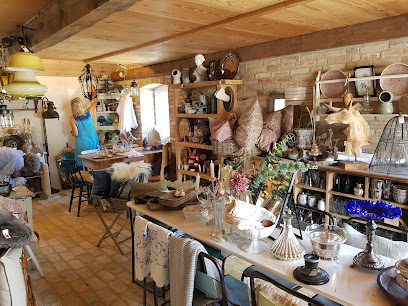
Ny Form Havneby
13.5 km
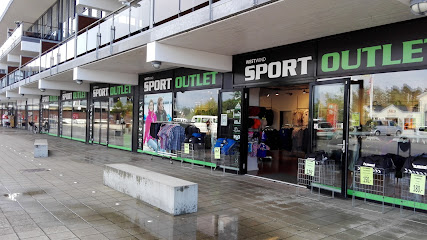
Harbour‑side sports and outdoor store on Rømø, perfect for last‑minute layers, beachwear and practical gear tailored to the island’s wind, sand and sea.
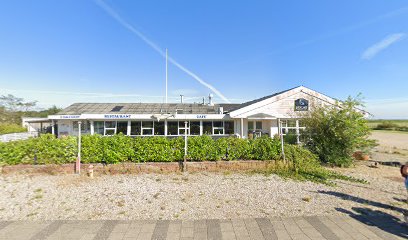
Skansen - Café & Kaffebar
13.5 km
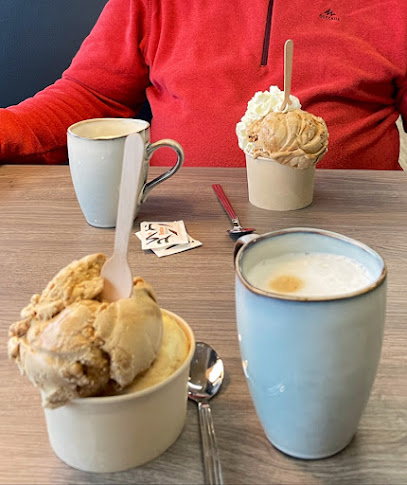
Charming waterfront café and ice cream bar in Havneby, Rømø, offering artisanal ice cream, quality coffee, and a relaxed seaside setting steps from the ferry port.
Stenhuset Rømø
13.6 km
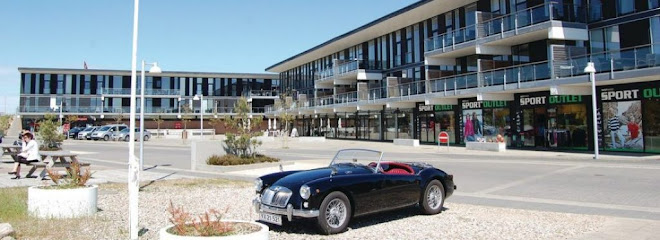
Cosy island shop in Havneby blending Nordic wool, handmade Danish soaps and coastal home décor into a warm, hygge‑filled stop on windswept Rømø.
Havneby Shopping
13.6 km
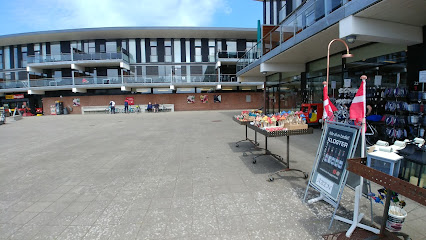
Compact island shopping hub in Havneby, combining groceries, gear and casual browsing between beach days and Wadden Sea adventures on Rømø.
Coop Dagli'Brugsen Rømø
13.6 km
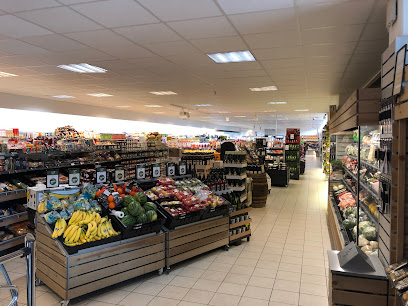
Rømø’s central supermarket hub in Havneby, supplying islanders and visitors with fresh food, daily essentials, and holiday necessities from early morning to evening.
Dagmar Garbe
13.6 km
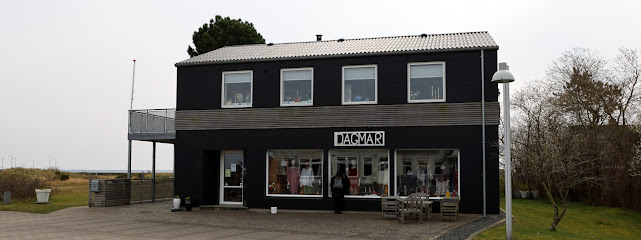
Small, harbour-side clothing boutique on Rømø offering practical Nordic-inspired garments and friendly, personal service in the heart of Havneby.
WestWind Outlet
13.6 km
Practical harbor-side outlet on Rømø, stocking discounted surf, outdoor and family clothing built for the windswept Danish west coast.
Rømø Cykler & Legetøj
13.6 km
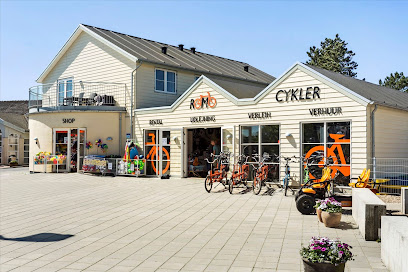
Bikes, toys, and kites for exploring Rømø's windswept island landscape.
WESTWIND Rømø
13.6 km
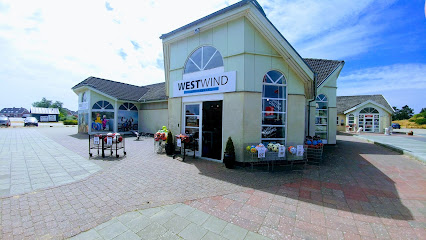
Surf, wind and coastal style under one roof on breezy Rømø, your practical hub for wetsuits, boardsport gear and laid-back North Sea clothing.
Essential bars & hidden hideouts

Mødestedet
1.8 km
Cozy wine bar on Skærbæk’s main street, where locals and visitors share unhurried glasses of wine, simple snacks and relaxed conversation from day to evening.
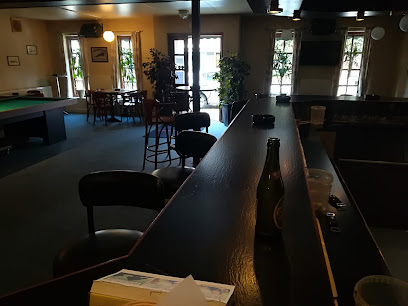
Bodega Pubs v/ Kim
1.9 km
Cozy local bodega in Skærbæk serving cold beer, simple drinks, and laid-back Danish bar culture in a friendly, down-to-earth neighborhood setting.
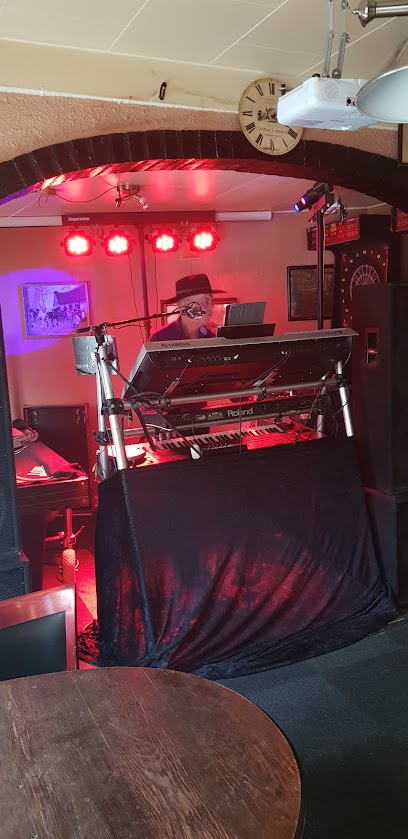
Termansens
19.4 km
Intimate jazz and live music in a centuries-old townhouse, where Ribe’s historic charm meets cozy, small-scale culture house vibes after dark.
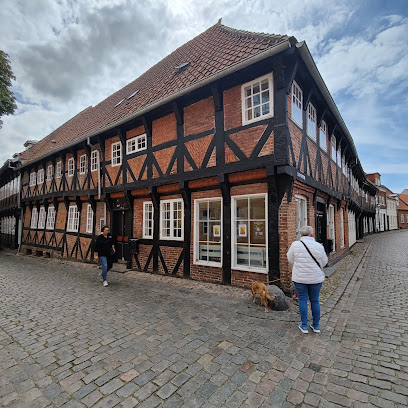
Klubben 1811
19.4 km
Casual, spacious bar in Ribe’s old town, mixing sports, pool and cold beer in a bright, easygoing setting just steps from the city’s medieval streets.
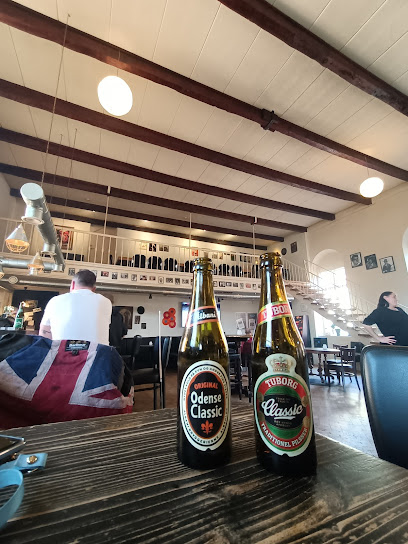
Strygejernet
19.5 km
Intimate corner pub in Ribe’s old town, pairing rustic coziness, smoke-free comfort and friendly bar life with simple drinks, games and unhurried evenings.
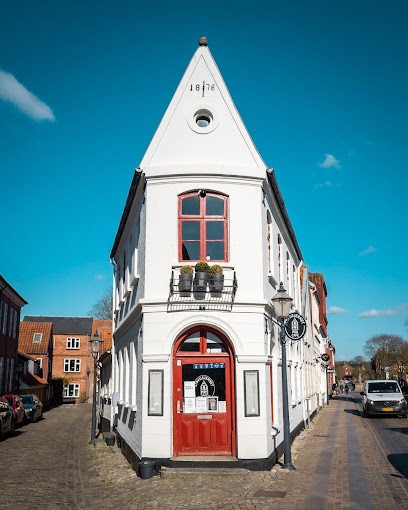
Stenbohus
19.5 km
Cosy, timeworn bar in the heart of Ribe, blending historic surroundings with easygoing drinks, local character and relaxed late‑night atmosphere.
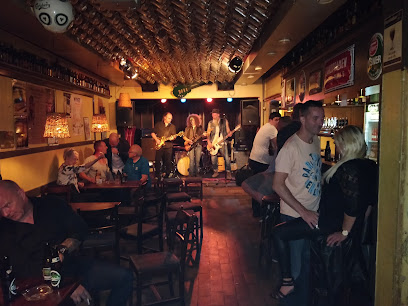
Café Valdemar
19.7 km
A compact late‑night bar and disco in the heart of historic Ribe, blending casual drinks, chart‑driven beats and a friendly weekend crowd on Sct Nicolaj Gade.
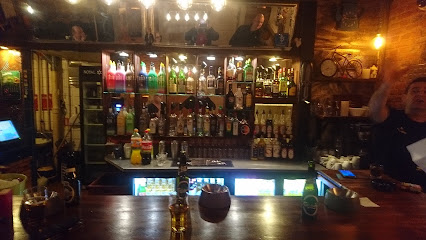
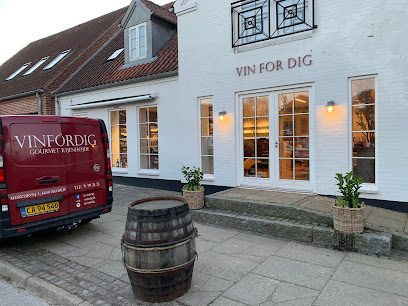
Vin For Dig Ribe
19.8 km
Cosy neighbourhood wine shop and intimate vinbar in Ribe, pairing curated bottles with generous takeaway tapas and relaxed Danish hygge.
Teddy’s Corner
22.1 km
Unpretentious local bar in Toftlund offering simple drinks, small‑town hygge and an easygoing glimpse into everyday South Jutland nightlife.
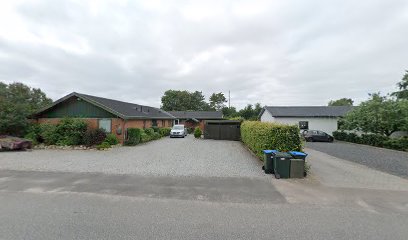
TimeOut Bar
25.5 km
Unpretentious bodega-style beer hall in central Tønder, pouring simple drinks and late-night conversation for locals and curious travelers alike.
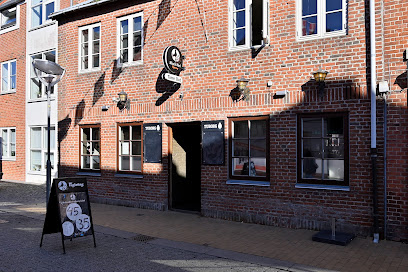
Grosmann's
27.2 km
Small-town Danish hygge in a tiny cocktail bar on Kirkegade, where classic drinks, warm lighting and everyday village life meet in laid-back South Jutland style.
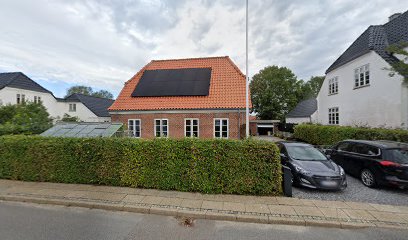
Kabyssen
37.6 km
Fanø's cherished community bar serving authentic Danish island hospitality with live music and genuine warmth.
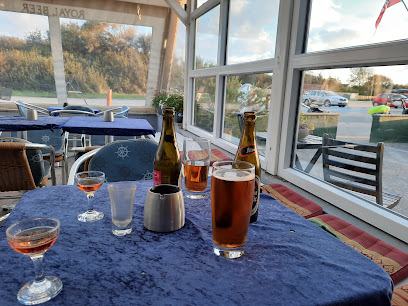
Hjørnekroen
39.1 km
Cosy corner bar in Nordby where Fanø’s island life, live music nights and classic Danish bodega charm come together over draught beer and easy conversation.
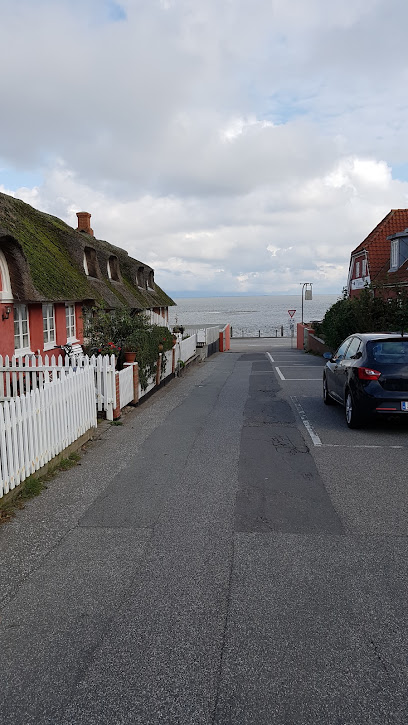
Dokken City Beach
39.1 km
A pocket of sand, deckchairs and drinks on Esbjerg Harbour, Dokken City Beach turns the working waterfront into a relaxed urban seaside escape.
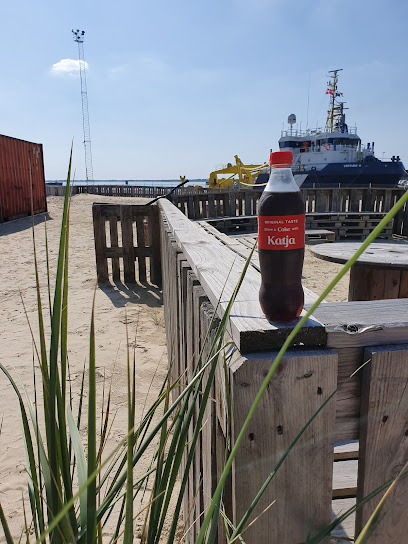
Dowdi Pub Bar
39.2 km
Old-school brown pub in central Esbjerg with inexpensive beers, wood‑panelled charm and a relaxed, local crowd from daytime regulars to late‑night lingerers.
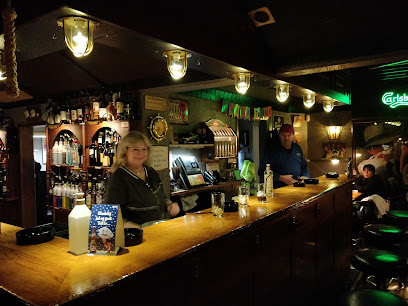
Nightclubs & after hour spots

Al Capone
25.5 km
Tønder’s sole nightclub, Al Capone blends a rustic 1920s‑inspired mood, late‑night beats and strong drinks into an intimate speakeasy‑style party den.
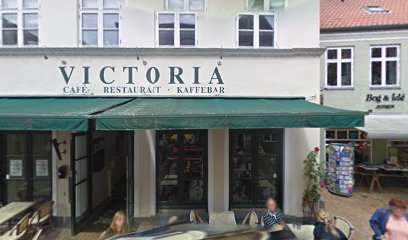
P2 Champagne & Cocktail Tønder
25.5 km
Intimate champagne and cocktail lounge bringing late-night sparkle and city-style glamour to the historic heart of Tønder.
Rotes Kliff
33.7 km
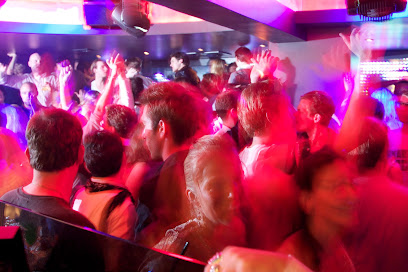
Experience the vibrant nightlife of Rotes Kliff in Sylt, a premier disco club and cocktail bar perfect for unforgettable evenings.
Fanø Blokart
35.2 km
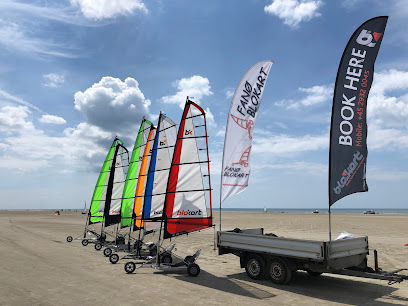
Experience high-speed land sailing on the scenic sands of Fanø, where wind, adventure, and stunning North Sea landscapes converge at Fanø Blokart.
Club Fanø Rindby
37.6 km
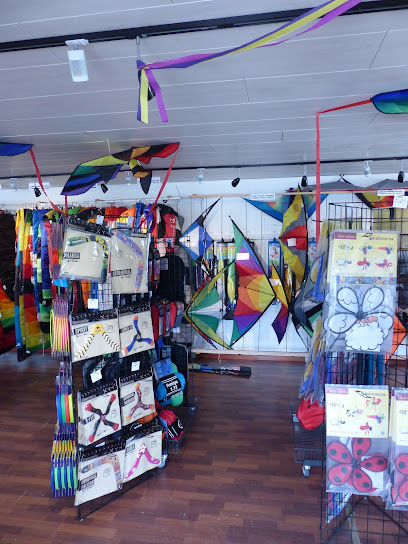
Vital hub for kite sports, fatbiking, and Nordic coastal adventure on Fanø, pairing local expertise with welcoming spirit in the island’s scenic Rindby beach area.
No.31 - Bar & Natklub
39.4 km
Compact, high-energy nightclub on Esbjerg’s Skolegade, blending late-night bar vibes, loud DJ sets and a youthful dance floor in the heart of the city.
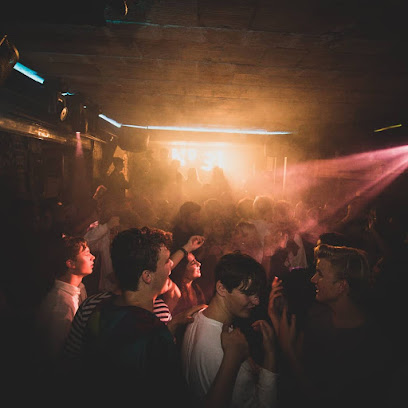
Crazy Daisy Vejen
43.7 km
High-energy disco club in central Vejen, bringing late-night music, dancing and big-city nightclub vibes to a compact South Jutland town.
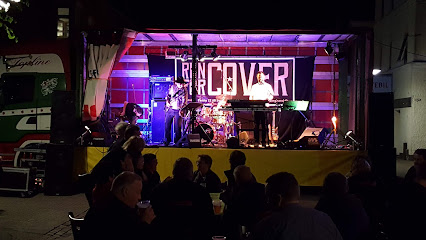
Bilka-søen
43.7 km
Esbjerg's energetic nightclub delivering vibrant music, dancing, and social entertainment in a lively atmosphere.
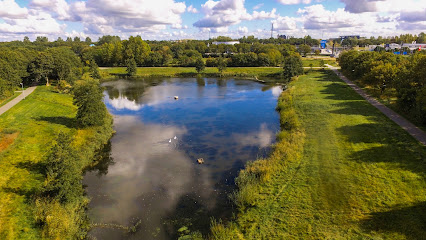
Fishi
49.3 km
Compact, no-frills nightclub in Vejen with loud beats, simple drinks and a friendly small-town crowd that keeps the dance floor moving late into the night.
Koldingtivet Engen
59.2 km
Compact Kolding disco where locals pack the dance floor, mainstream hits fill the speakers and late-night energy turns a modest venue into a full-bodied club night.
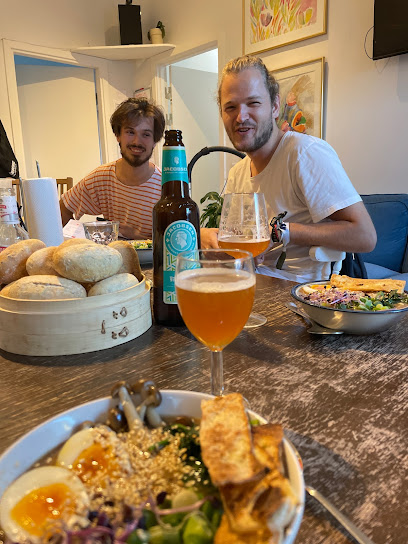
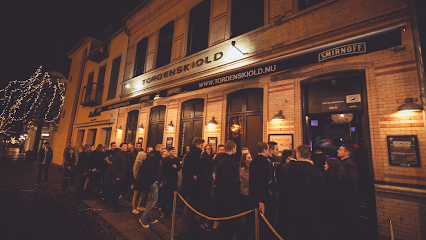
Discoteque Tordenskiold
59.6 km
Kolding's legendary two-floor discotheque and cultural institution since 1973.
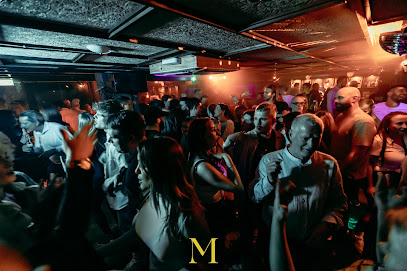
Mørks Kælder
59.7 km
Modern basement nightclub in central Kolding, pouring drinks and classic dance tunes for a grown-up crowd late into the weekend night.
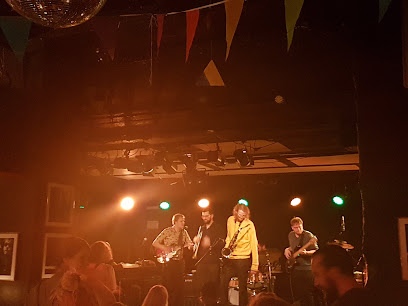
Pitstop
60.0 km
Small, central and loud, Pitstop is Kolding’s alternative live music stronghold, blending intimate gigs, late-night dancing and laid-back bar vibes in a historic building.
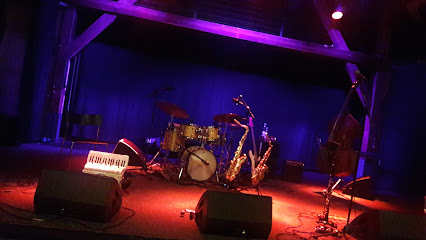
Jazz 6000
60.2 km
An essential stop in Kolding for jazz lovers, Jazz 6000 brings world-class live music, community spirit, and a cozy club atmosphere to southern Denmark.
Dance All Over
65.5 km
Sønderborg’s sociable dance hub, where fitness, swing and party-ready moves come together in energetic, community-driven classes across the city.
For the vibe & atmosphere seeker
- Scenic
- Unique
- Relaxing
- Tranquil
- Fun-filled
For the design and aesthetic lover
- Modern Designs
- Industrial Designs
- Minimalist Designs
For the architecture buff
- Modern
- Landmarks
- Viewpoints
- Parks & Gardens
For the view chaser and sunset hunter
- Iconic Views
- Panoramas
- Sunset Spots
- Skyline
For the social media creator & influencer
- Instagrammable
- Photo Spots
- Selfie Spots
- Architectural Shots
- Reel-Friendly
For the eco-conscious traveler
- Public-Transport Accessible
- Low Impact
- Wildlife Habitat
- Leave-No-Trace Critical
For the kind of experience you’re after
- Photowalk
- Adventure Photo Shoot
- Nature Escape
- Day Trip
- Mindfulness
For how adventurous you want the journey to be
- Easy Access
Location Audience
- Family Friendly
- Senior Friendly
- Child Friendly
- Teen Friendly
- Solo Friendly
- Couple Friendly
- Solo Female Friendly
- Vegetarian Friendly
- Vegan Friendly
- Business Friendly
- Wheelchair Access


