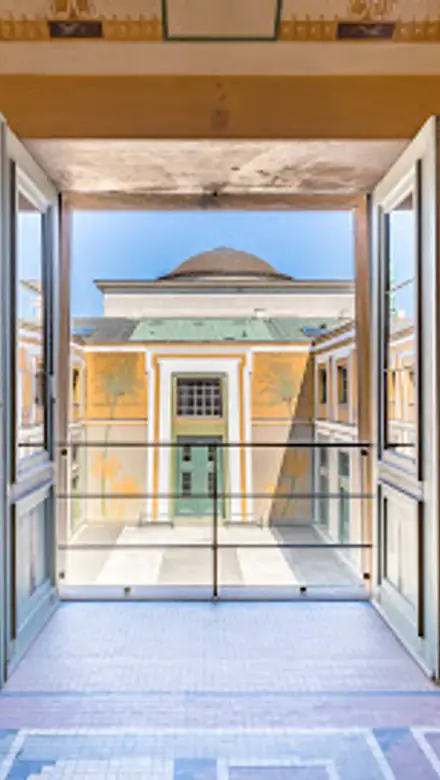
Thorvaldsens Museum Travel Guide
Free Guide: A vividly coloured neoclassical gem on Slotsholmen, preserving Bertel Thorvaldsen’s sculptures, collections and architectural legacy in Denmark’s first public museum.


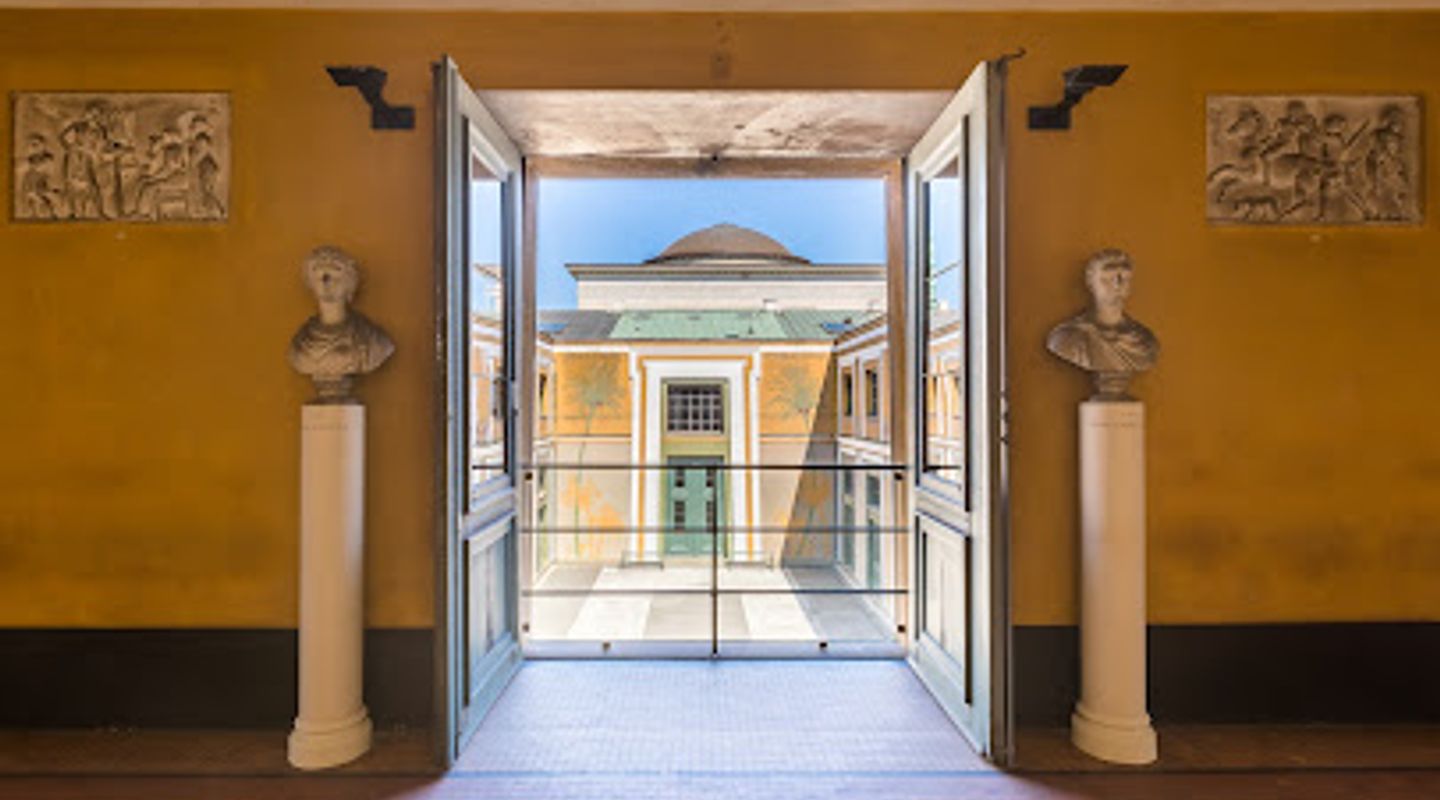
A brief summary of Thorvaldsens Museum
A vividly coloured neoclassical gem on Slotsholmen, preserving Bertel Thorvaldsen’s sculptures, collections and architectural legacy in Denmark’s first public museum.
Thorvaldsens Museum is Denmark’s first purpose-built public museum, a richly coloured neoclassical jewel on Slotsholmen dedicated to sculptor Bertel Thorvaldsen. Inside, serene marble figures of gods, heroes and historic personalities fill vaulted halls painted in vivid patterns, while side galleries reveal the artist’s sketches, plaster models and personal collections of antiquities and paintings. It’s an atmospheric deep dive into the Danish Golden Age right in the heart of Copenhagen.
On-site amenities
 Restrooms
 Drink options
 Food options
 Seating areas
 Trash bins
 Information boards
 Visitor centre
Opening hours
- MonClosed
- Tue10 am–5 pm
- Wed10 am–5 pm
- Thu10 am–5 pm
- Fri10 am–5 pm
- Sat10 am–5 pm
- Sun10 am–5 pm
Opening hours as listed on the venue’s Google Business Profile. Hours can change for services and special events, so check with the venue before you go.
- Address
- Bertel Thorvaldsens Plads 2, 1213 København K
- Phone
- Website
Getting there
Public transport from central Copenhagen
Walking from inner-city districts
Cycling through the city
Taxi or rideshare within Copenhagen
Discover more about Thorvaldsens Museum
A sculptor’s legacy in the heart of Copenhagen
Thorvaldsens Museum is devoted to the life and work of Bertel Thorvaldsen, the Danish-Icelandic sculptor who became a star of European Neoclassicism after a long career in Rome. Here, his world opens up in three dimensions: marble and plaster figures of mythological gods, biblical characters and statesmen stand in calm ranks, many based on commissions that once adorned European palaces and churches.The museum stands on Slotsholmen, close to the Danish parliament and royal palaces, yet it feels like a self-contained universe dedicated to one artist’s imagination. Thorvaldsen’s tomb lies quietly in the central courtyard, a reminder that this is both a museum and a monument to his life.
An architectural time capsule of vivid colour
Completed in 1848, the museum was Denmark’s first purpose-built public museum, and it still looks remarkably similar to its original state. From the outside, the building is low, monumental and almost fortress-like, decorated with friezes of processions inspired by classical antiquity.Inside, the surprise is the colour. Far from clinical white, the rooms are painted in deep blues, ochres and reds, patterned with stars, wreaths and borders. Light filters in from above, falling softly on white sculptures and casting shadows that change as you move. The result is a carefully choreographed encounter between architecture and art, designed to make the statues feel almost alive.
From sketches to finished marble
One of the museum’s most compelling aspects is the journey it offers from idea to finished work. Plaster casts, maquettes and drawings show how Thorvaldsen developed his compositions, adjusted proportions and worked with assistants. You can stand in front of a small clay model, then turn to see its full-scale counterpart, imagining the technical ambition involved in carving enormous blocks of marble.Alongside the sculptures, you’ll find personal objects that humanise the famous artist: tools, letters, and everyday belongings that anchor his larger-than-life reputation in the details of daily work.
Collecting the ancient world
Thorvaldsen was more than a sculptor; he was an avid collector. The museum houses his assemblage of Greek, Roman and Egyptian antiquities, from painted vases and small bronzes to reliefs and coins. These objects reveal the visual vocabulary that fed his neoclassical style, with motifs and poses echoed in his own creations.The painting collection adds another layer, bringing together works by his contemporaries from the European Golden Age. Landscape scenes from Italy, portraits and historical subjects evoke the cosmopolitan network of artists, patrons and friends that shaped his career.
Experiencing the museum today
Today, Thorvaldsens Museum blends its historic core with changing special exhibitions that place his work in dialogue with contemporary art or focus on particular themes such as travel, mythology or contemplation. Quiet side rooms and the open courtyard offer spaces to pause and absorb the visual richness.Most visitors spend a couple of hours here, wandering slowly through the enfilade of rooms, returning to favourite statues as the light shifts. Whether you are drawn by sculpture, architecture or the atmosphere of a preserved 19th-century museum, this is a place that rewards unhurried exploration.
Evendo Review Centre
 Google
Guest reviews
Best time to go
Quietest: Jan, Feb & Mar · before 8am or at 7pm or at 8pm
Busy times are Evendo estimates for a typical year, to help you plan. Actual crowds vary with events, school holidays and the weather.
Explore Thorvaldsens Museum on the map
A handpicked selection of must-see spots near Thorvaldsens Museum, mapped for you.
Get your free copy of our complete guide to Thorvaldsens Museum, delivered straight to you.
Everything on this page, from opening hours and how to get there to Eve’s tips and the best time to go, in one PDF you can read offline, print or share.
Already have an account? Sign in
Your Thorvaldsens Museum guide is ready.
We'll send it to · Not you? Sign out

Getting your guide ready…
We are putting together a fresh copy of the Thorvaldsens Museum guide. This can take up to a minute.
This can take a few moments. If your browser asks, choose Allow so the download can start. You'll find the guide in your Downloads folder.
Nothing happened? Download it again
Sorry, the guide is taking longer than usual. Please try again in a minute, or get it by email instead.
Unlock the best of Thorvaldsens Museum
Skip-the-line tickets, guided tours with entry, and walking tours of the area, booked in a few clicks.


Other nearby places you may find interesting
The closest places of the same kind, if this one is not quite what you had in mind.
-
-
-
-
-


Swipe for more places
More to explore near Thorvaldsens Museum

 Best experiences near Thorvaldsens Museum
 Best hotels near Thorvaldsens Museum
 Best landmarks near Thorvaldsens Museum
 Best attractions near Thorvaldsens Museum
 Best shops near Thorvaldsens Museum
 Best restaurants near Thorvaldsens Museum
 Best bars near Thorvaldsens Museum
Do you manage this location?
Take control to get all the benefits, like improved information, better appearance, and stronger visibility across AI-powered discovery.
Explore more
Explore more of Zealand
Discover the charm of Zealand, Denmark's largest island, blending vibrant city life in Copenhagen with serene coastal beauty and rich cultural heritage.
Explore Zealand
Explore more of Denmark
Discover Denmark: A perfect blend of history, modern design, and the cozy concept of hygge. Explore vibrant cities, serene landscapes, and world-class cuisine.
Explore Denmark