

Best Landmarks Near Nixstein (Saxony)
Planning a trip to Nixstein? Discover the best landmarks nearby with history, expert tips, and routes. Free on web or the Evendo app.


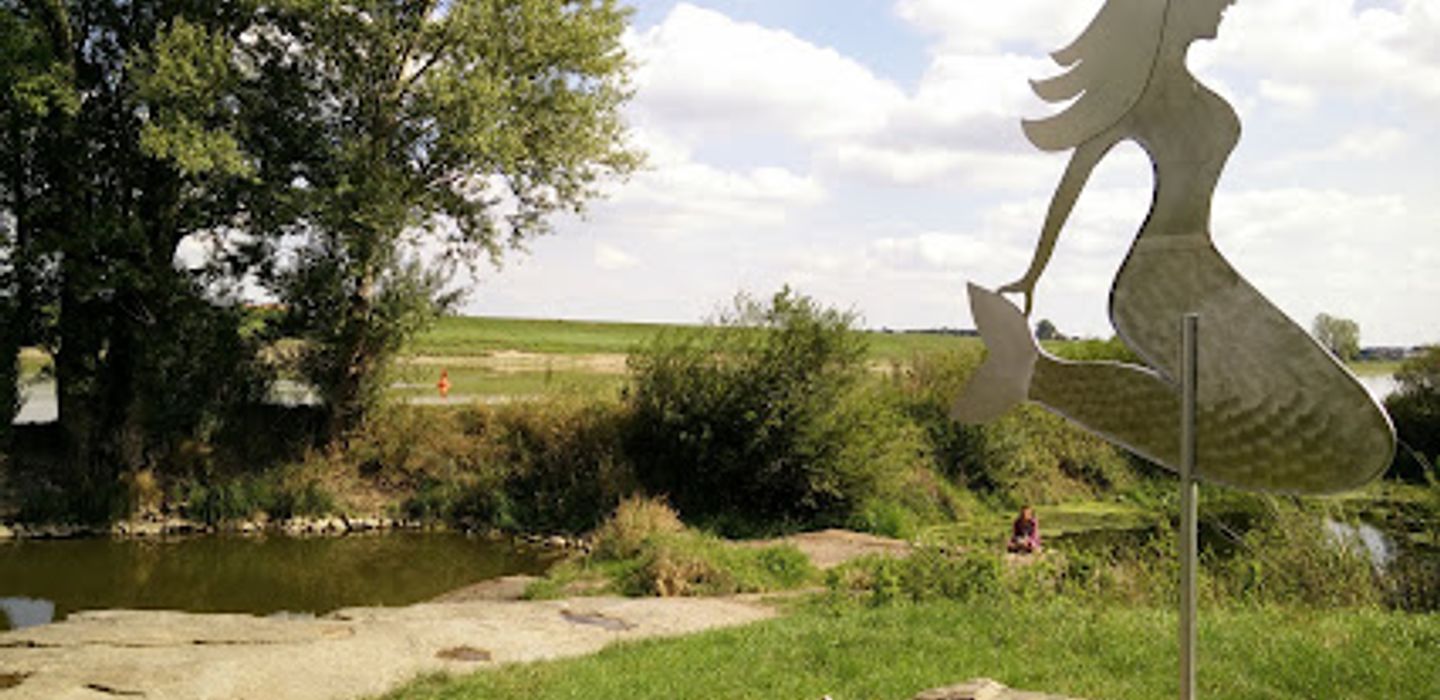
The best landmarks near Nixstein
- Top rated
- Closest to Nixstein
- A–Z
83 landmarks
-
Historical landmark4.7★49,399 reviews
Zwinger
The Dresden Zwinger is a stunning Baroque palace in the heart of Dresden, Germany. Built in the 18th century during the reign of Augustus the Strong, it originally served as an orangery and festival ground. Today, it houses world-renowned museums, including the Old Masters Picture Gallery, the Dresden Porcelain Collection, and the Royal Cabinet of Mathematical and Physical Instruments. The Zwinger's architecture, a synthesis of sculpture and painting, exemplifies the opulence of the Baroque period. Its serene courtyards and intricate details offer a captivating glimpse into Saxony's rich history and artistic heritage, making it a must-see destination for any visitor to Dresden. Admission to the Zwinger complex is free, but its museums and exhibitions cost extra.
Mon–Fri 6:00–20:00 · Sat–Sun 8:00–20:00
-
Church4.8★30,205 reviews
Frauenkirche Dresden
The Frauenkirche Dresden, or Church of Our Lady, is a magnificent Baroque Lutheran church that stands as a powerful symbol of resilience and reconciliation. Originally built in the 18th century, it was tragically destroyed during World War II. For nearly half a century, its ruins served as a poignant war memorial. Following German reunification, a meticulous reconstruction, largely funded by global donations, restored the church to its former glory. Today, visitors can marvel at its stunning architecture, ascend to the dome for panoramic city views, and reflect on its profound history, making it a must-see landmark in Dresden.
-
Castle4.7★24,585 reviews
Moritzburg Castle
Nestled in the beautiful landscape of Moritzburg, Moritzburg Castle is a magnificent baroque palace that captivates visitors with its stunning architecture and rich history. Surrounded by serene lakes and lush forests, it offers a perfect escape for tourists looking to immerse themselves in culture and nature.
Daily 10:00–18:00
-
Monument4.7★23,937 reviews
Monument to the Battle of the Nations
The Monument to the Battle of the Nations, or Völkerschlachtdenkmal, is an imposing monument in Leipzig, Germany, commemorating the Battle of Leipzig in 1813, where Napoleon's forces were defeated by the allied armies of Russia, Prussia, Austria, and Sweden. Completed in 1913, it stands as one of the largest monuments in Europe, soaring 91 meters high. Visitors can explore the monument's intricate interior, ascend to the observation platform for panoramic views of Leipzig, and delve into the historical context of the battle at the FORUM 1813 museum located at its base. The monument serves as a powerful reminder of a pivotal moment in European history and offers a unique blend of architectural grandeur and historical significance, making it a must-see attraction for history enthusiasts and sightseers alike. With its stunning architecture, historical importance, and breathtaking views, the Monument to the Battle of the Nations offers an unforgettable experience.
Daily 10:00–18:00
-
Park4.7★14,810 reviews
The Grand Garden of Dresden
The Grand Garden of Dresden, or Großer Garten, is a sprawling 17th-century Baroque park offering a serene escape in the heart of Dresden. Originally established as a hunting ground for Saxon electors, it has evolved into a beloved public space with meticulously designed gardens, tranquil lakes, and historical monuments. Visitors can explore the iconic Palais, a stunning Baroque palace hosting cultural events, or wander through the Botanical Garden's diverse plant collections. A ride on the Dresden Park Railway, a miniature train, provides a charming way to discover the park's vast grounds, connecting to attractions like the Dresden Zoo. With open-air stages, recreational areas, and picturesque scenery, the Grand Garden provides a rich blend of nature, culture, and recreation for all ages, making it a must-visit destination in Dresden.
Open 24 hours
-
Opera house4.8★13,706 reviews
Semperoper Dresden
The Semperoper Dresden, a world-renowned opera house, stands as a symbol of the city's rich cultural heritage. Its stunning Neo-Renaissance architecture, meticulously restored after near-total destruction in World War II, draws visitors from across the globe. Home to the Saxon State Orchestra, one of the world's oldest, the Semperoper has hosted premieres of works by Wagner and Strauss, solidifying its place in music history. Beyond performances, guided tours reveal the opera house's fascinating past, intricate design, and the stories of the artists who graced its stage. A visit promises an immersive experience, blending architectural grandeur with artistic excellence, making it a must-see destination in Dresden.
-
Historical landmark4.7★13,060 reviews
Brühl's Terrace
Brühl's Terrace, a stunning historical landmark in Dresden, offers breathtaking views of the Elbe River and the city's architectural marvels. Its lush gardens and rich history make it a must-visit for tourists seeking beauty and culture in one spot.
Open 24 hours
-
Museum4.7★11,206 reviews
Dresden Castle
Dresden Castle is a stunning blend of history and art, situated in the heart of Dresden. As a prominent landmark, it offers visitors a glimpse into the region's rich heritage through its impressive architecture and remarkable collections. A must-visit for any traveler!
Mon 10:00–18:00 · Wed–Sun 10:00–18:00
-
Historical landmark4.6★11,100 reviews
Golden Rider
The Golden Rider (Goldener Reiter) is a dazzling equestrian statue of Augustus the Strong, Elector of Saxony and King of Poland, prominently situated on the Neustädter Markt in Dresden. Erected in 1736, this gilded monument has become a beloved symbol of the city, representing its rich history and artistic heritage. Augustus is depicted in Roman armor, riding towards Poland, a nod to his kingship. The statue survived the bombings of World War II hidden away and returned to its original position in 1956. Today, it stands as a testament to Dresden's resilience and a reminder of the opulent Baroque era. The Golden Rider is more than just a statue; it's a focal point of Neustadt, surrounded by vibrant cafes, shops, and galleries, making it a must-see for any visitor exploring Dresden. Its golden shimmer catches the eye, drawing visitors to explore the Neustädter Markt and delve into the stories of Augustus the Strong and his impact on Dresden's cultural landscape. The statue also appears on local products, such as beer bottles and Dresden Christmas cake, further solidifying its status as a city icon.
Open 24 hours
-
Museum4.5★8,387 reviews
German Hygiene Museum
The German Hygiene Museum in Dresden is more than just a museum; it's an interactive journey into the human body, health, and hygiene. Founded in 1912, it presents a fascinating blend of science, culture, and society, making complex topics accessible to all ages. The museum's iconic Transparent Man, a see-through anatomical model, is a highlight, alongside exhibits on the senses, nutrition, and the history of hygiene. With its engaging displays and thought-provoking installations, the museum encourages visitors to reflect on their own health and well-being, offering a unique perspective on the human experience. Located near the Großer Garten, it's easily accessible and a must-see for anyone seeking an educational and captivating experience in Dresden.
Daily 10:00–18:00


Old Masters Picture Gallery
The Old Masters Picture Gallery (Gemäldegalerie Alte Meister) in Dresden is a world-renowned art museum housing an exceptional collection of paintings from the 15th to 18th centuries. Located in the Semper Building of the Zwinger Palace, this gallery showcases masterpieces by Italian Renaissance artists like Raphael (Sistine Madonna), Baroque masters such as Rembrandt and Vermeer, and Flemish masters including Rubens. Visitors can immerse themselves in European art history, exploring thematic displays and admiring works from various countries and artistic movements. Beyond the paintings, the gallery's Sculpture Collection highlights the interplay between sculpture and painting during the Renaissance and Baroque periods. A visit promises a captivating journey through centuries of artistic brilliance.
Tue–Sun 10:00–18:00

Green Vault
The Green Vault (Grünes Gewölbe) in Dresden's Residenzschloss is a dazzling museum housing one of Europe's most magnificent collections of royal treasures. Divided into the Historic Green Vault, showcasing the treasury as a baroque work of art, and the New Green Vault, focusing on individual masterpieces, the museum displays an astounding array of jewels, gold, silver, ivory, and amber artifacts. Founded by Augustus the Strong in 1723, the Green Vault is one of the oldest museums in the world, presenting around 3,000 objects. A visit offers a glimpse into the opulence and power of Saxony's rulers, with highlights including the Green Diamond and intricate gemstone vessels. Due to its popularity, especially for the Historic Green Vault, booking tickets in advance is highly recommended.

Loschwitz Bridge
Loschwitz Bridge, also known as the Blue Wonder, is a stunning suspension bridge in Dresden, Germany. This architectural gem offers breathtaking views of the Elbe River and surrounding landscapes, making it a must-visit for tourists seeking both beauty and history.
Open 24 hours

Dresden Transport Museum
The Dresden Transport Museum, nestled in the heart of Dresden's Old Town, offers a captivating exploration of transportation history. Housed in the Johanneum, a Renaissance building near the Frauenkirche and Residenzschloss, the museum showcases an impressive collection of vehicles and exhibits spanning railways, road transport, aviation, and maritime history. Visitors can marvel at historic locomotives, classic cars, aircraft, and ships, while interactive displays and exhibits provide engaging experiences for all ages. From riding a penny-farthing bicycle to climbing into a steam locomotive cab, the museum offers a hands-on journey through the evolution of mobility, making it a must-see attraction for families and transportation enthusiasts alike. The museum also hosts a variety of events and activities throughout the year, ensuring there's always something new to discover. Don't miss the chance to explore this fascinating museum and delve into the world of transport.
Daily 10:00–18:00

Dresden Panometer
The Panometer Dresden offers a unique and immersive way to experience history and art. Housed in a former gasometer, it features massive 360° panoramas created by artist Yadegar Asisi. These aren't just static images; they're brought to life with lighting, sound effects, and detailed perspectives, creating a truly captivating environment. Visitors can explore meticulously crafted scenes, often depicting Dresden's past, such as the Baroque era or the city's destruction in 1945, or even venture into natural environments like the Amazon rainforest. The sheer scale and attention to detail make the Panometer a memorable and thought-provoking attraction, offering a blend of art, history, and technology that appeals to a wide range of interests. It's an unforgettable way to engage with different perspectives and historical moments, making it a must-see for anyone visiting Dresden.

Kriebstein Castle
Nestled in the heart of Saxony, Kriebstein Castle is a stunning example of medieval architecture that enchants visitors with its picturesque views and rich history. Surrounded by lush hiking trails and a serene lake, this castle offers a unique blend of culture and nature, making it a must-visit destination for tourists seeking both adventure and relaxation.
Tue–Fri 10:00–17:00 · Sat–Sun 10:00–18:00

Fürstenzug
The Fürstenzug, or Procession of Princes, is a monumental porcelain mural in Dresden, Germany, adorning the outer wall of the Stallhof (Stables Courtyard) of Dresden Castle. This remarkable work of art depicts a mounted procession of the rulers of Saxony from the 12th century to the early 20th century. Originally painted between 1871 and 1876 to celebrate the 800th anniversary of the Wettin Dynasty, the mural was later recreated using approximately 23,000 Meissen porcelain tiles between 1904 and 1907 to ensure its longevity. Spanning 102 meters (335 feet), it is considered the largest porcelain artwork in the world and offers a captivating glimpse into Saxon history and artistry. A visit to the Fürstenzug provides a unique opportunity to witness a stunning display of craftsmanship and learn about the region's rich royal heritage, making it a must-see attraction for any visitor to Dresden.
Open 24 hours

Kathedrale Sanctissimae Trinitatis
The Kathedrale Sanctissimae Trinitatis, also known as Dresden Cathedral or Hofkirche (Court Church), is a stunning example of Baroque architecture in the heart of Dresden's Altstadt. Built between 1739 and 1755, it stands as the city's youngest Baroque edifice and the largest church in Saxony. Designed by Italian architect Gaetano Chiaveri, the cathedral boasts an impressive facade adorned with 78 statues of saints and church dignitaries. Inside, visitors can marvel at the intricate details of the high altar by Balthasar Permoser, the altarpiece by Anton Raphael Mengs, and the Silbermann organ. The cathedral also serves as the burial site for Saxon royalty, including the heart of Augustus the Strong, making it a significant historical and cultural landmark. Despite suffering damage during World War II, meticulous restoration efforts have returned the Kathedrale Sanctissimae Trinitatis to its former glory, offering a serene and awe-inspiring experience for all who visit.

Terra mineralia
Nestled in the historic Schloss Freudenstein in Freiberg, Terra Mineralia is a captivating museum showcasing an extensive collection of minerals and gemstones from around the world. Visitors can immerse themselves in the beauty and diversity of Earth's natural treasures, making it a must-visit destination for tourists of all ages.
Tue–Fri 10:00–17:00 · Sat–Sun 10:00–18:00

Botanical Garden Leipzig
Escape the urban bustle at the Botanical Garden Leipzig, Germany's oldest botanical garden. Established in 1542, this verdant sanctuary showcases over 7,000 plant species from diverse biomes across the globe. Wander through meticulously organized collections, from the steppes of Eastern Europe and Asia to the prairies of North America, and explore the unique alpine garden. Don't miss the interconnected glasshouses, where you can journey from tropical forests to a captivating butterfly world. With its rich history and commitment to education, the Botanical Garden offers a refreshing and enlightening experience for nature enthusiasts of all ages.

Festung Xperience (Festung Dresden)
Delve into Dresden's captivating past at the Festung Xperience, a history museum nestled within the city's ancient fortress walls on Brühl's Terrace. This immersive attraction uses state-of-the-art multimedia to bring 450 years of Dresden's history to life. Explore the depths of the fortress through breathtaking 360-degree projections and atmospheric 3D sound, guided by Duke Moritz on an adventurous journey through time. Discover the secrets of the fortress, from its origins as a 16th-century bastion to its role in the creation of European porcelain. With its blend of historical significance and modern technology, the Festung Xperience offers a unique and engaging experience for visitors of all ages, providing a fascinating glimpse into Dresden's rich heritage. The Festung Xperience is more than just a museum; it's a portal to the past, offering an unforgettable adventure beneath the city streets.
Daily 10:00–16:30

Augustus Bridge
The Augustus Bridge in Dresden is a stunning architectural masterpiece that connects the historic parts of the city with breathtaking views of the Elbe River. This iconic bridge, with its impressive Baroque style, is not just a means of crossing but a true symbol of Dresden’s rich history and culture. Visitors can enjoy picturesque walks across the bridge, taking in the vibrant surroundings and the impressive skyline of the city.
Open 24 hours

Düben Heath
Nestled in Germany, Düben Heath is a spectacular nature preserve perfect for hiking enthusiasts and nature lovers. This vast landscape offers serene trails, diverse wildlife, and stunning views that promise an unforgettable outdoor experience.
Open 24 hours

Albrechtsberg Palace
Nestled in the picturesque landscape of Dresden, Albrechtsberg Palace stands as a testament to opulent architecture and rich history. This stunning castle, overlooking the banks of the Elbe River, invites tourists to explore its beautifully landscaped gardens and admire the intricate details of its facade. With its grand ballrooms and elegant event spaces, this historical landmark is not just a feast for the eyes, but also a venue for unforgettable experiences, making it a must-visit for anyone traveling to the region.

Hubertusburg
Nestled in the picturesque landscape of Wermsdorf, Hubertusburg Castle stands as a testament to Saxony's rich history and architectural grandeur. This beautifully restored castle invites tourists to explore its stunning surroundings, immerse themselves in history, and enjoy leisurely strolls through its expansive grounds.
Thu–Sun 10:00–17:00

Memorial Bautzner Street Dresden
The Memorial Bautzner Street in Dresden stands as a chilling reminder of the city's tumultuous 20th-century history. Housed in a former Stasi prison, the memorial offers a sobering glimpse into the realities of life under both Nazi and Communist regimes. Visitors can explore the original prison cells, interrogation rooms, and Soviet detention cellars, each echoing with the stories of political persecution and human suffering. The memorial serves as an important educational hub, encouraging reflection on the importance of human rights and democracy. Located in the Loschwitz district, the memorial is easily accessible and provides a powerful and thought-provoking experience for those seeking to understand the depths of Germany's past. The surrounding area offers a chance to contemplate the lessons learned, making it a crucial stop for any visitor to Dresden.
Daily 10:00–18:00

Russische Gedächtniskirche
The Russian Memorial Church in Leipzig, also known as the Russian Church of St. Alexis, stands as a poignant reminder of the Battle of Leipzig in 1813 and the shared sacrifice of Russian and Prussian soldiers. Consecrated in 1913 to mark the centenary of the battle, this impressive structure, designed in the Old Russian style, offers a unique architectural contrast to the surrounding cityscape. Its gilded domes and intricate mosaics evoke the grandeur of Tsarist Russia, while its serene interior provides a space for reflection and remembrance. More than just a religious site, the church serves as a symbol of reconciliation and a testament to the enduring bonds between nations. Visitors are captivated by the church's historical significance, its artistic beauty, and the peaceful atmosphere that permeates its grounds, making it a compelling destination for history buffs, architecture enthusiasts, and those seeking a moment of tranquility.
Daily 10:00–16:00

Schlossplatz
Schlossplatz, or Castle Square, is the vibrant heart of Dresden's historic Altstadt (Old Town). This expansive square, meticulously restored after World War II, is framed by architectural masterpieces including the Dresden Castle, the Catholic Church of the Royal Court (Katholische Hofkirche), and the Saxon House of Estates. The square serves as a focal point, linking the city's past and present. Visitors can admire the Frederick Augustus Monument, explore the nearby Augustus Bridge, and discover the paving stone marking where Napoleon rallied his troops. With its blend of history, art, and culture, Schlossplatz is a must-see destination, offering a picturesque setting to relax and soak in Dresden's captivating atmosphere. Whether you're interested in architecture, history, or simply enjoying the ambiance, Schlossplatz provides a memorable experience.
Open 24 hours

Martin Luther Statue
The Martin Luther Statue, prominently situated in Dresden's Neumarkt, is a powerful symbol of the Protestant Reformation and the city's enduring spirit. Erected in 1885, the bronze statue portrays Luther with a Bible, capturing his resolute character. It stands as a testament to his profound impact on religious and social change. The statue's location in Neumarkt, surrounded by meticulously restored baroque architecture, including the iconic Frauenkirche, enhances its historical significance and provides a picturesque backdrop. The statue is a focal point for visitors exploring Dresden's rich cultural heritage, offering a place for reflection on the Reformation's legacy and the city's resilience following World War II. The statue is easily accessible and serves as a starting point for exploring other nearby attractions, making it an essential stop for anyone interested in history, religion, and the arts.
Open 24 hours

Kronentor
The Kronentor, or Crown Gate, is the iconic main entrance to Dresden's Zwinger Palace, a stunning example of Baroque architecture. Built in the early 18th century under Augustus the Strong, it showcases intricate sculptures, mythological figures, and a prominent Polish royal crown, symbolizing Augustus's ambition. More than just an entrance, the Kronentor embodies Dresden's rich history and artistic heritage, offering visitors a glimpse into the opulence of the Baroque era. The gate leads to the Zwinger Palace courtyard, surrounded by pavilions and galleries housing world-renowned museums. Open year-round, the Kronentor provides free access to the courtyard, making it a must-see landmark for anyone exploring Dresden's Old Town. Its architectural splendor and historical significance make it a captivating destination for history buffs and casual tourists alike.
Daily 6:00–22:00

Stallhof
The Stallhof in Dresden is a captivating historical landmark that transports visitors back to the Renaissance. As part of the Dresden Royal Palace complex, this courtyard once hosted lavish tournaments and equestrian displays. Today, it stands as one of the world's oldest preserved tournament grounds, offering a unique blend of culture and history. Wander through the Stallhof to admire its stunning architecture, including the Procession of Princes, a large mural crafted from Meissen porcelain tiles depicting Saxony's rulers. The Stallhof provides a picturesque setting for events, festivals, and quiet reflection, making it a must-see destination in Dresden's Altstadt. Whether you're drawn to its historical significance or simply seeking a beautiful atmosphere, the Stallhof promises an unforgettable experience.
Daily 8:00–20:00

Statue of King Johann
The Statue of King Johann, an equestrian bronze sculpture, graces Dresden's Theaterplatz, a historical and cultural focal point. Erected in 1889, it honors King Johann of Saxony, who reigned from 1854 to 1873, and was known for his contributions to the arts and sciences. Flanked by the Semper Opera House, the Zwinger Palace, and the Dresden Cathedral, the statue stands as a testament to Dresden's royal past and artistic heritage. The statue itself is an impressive work of art, showcasing intricate details that highlight the craftsmanship of the period. Visitors are often drawn to its grandeur, taking time to appreciate the historical context and the artistic mastery involved in its creation. The surrounding Theaterplatz is a hub of activity, featuring stunning baroque architecture, charming cafes, and the nearby Semper Opera House, making it an ideal spot for a leisurely stroll or a break to enjoy the local ambiance.
Open 24 hours

Dresden Armory
The Dresden Armory, or Rüstkammer, nestled within the magnificent Dresden Castle, showcases one of the world's most impressive collections of ceremonial arms, armor, and textiles. Dating back to the 15th century, this historical museum offers a captivating journey through the opulent world of Saxon electors and kings. Explore the resplendent Giants' Hall, marvel at intricately crafted weaponry, and discover the Turkish Chamber's exotic collection of Ottoman art. A visit to the Dresden Armory is a must for history buffs and anyone seeking a glimpse into the lavish displays of power and artistry from centuries past. The armory not only displays weapons, but also tells a story of evolving craftsmanship and the changing roles of these objects, from tools of war to symbols of status and ceremony.
Daily 10:00–18:00

Südfriedhof
Leipzig's Südfriedhof, or South Cemetery, is more than just a final resting place; it's an expansive parkland offering tranquility and historical insights. Covering 82 hectares, it ranks among Germany's largest and most beautiful cemeteries, near the Völkerschlachtdenkmal (Monument to the Battle of the Nations). Designed in the late 19th century as a Gesamtkunstwerk (a total work of art) in the Art Nouveau style, its winding paths, diverse flora, and impressive funerary art create a unique atmosphere. Visitors can explore the graves of notable Leipzig figures, admire the architecture of the chapel complex, and enjoy the peaceful ambiance, making it a worthwhile destination for history buffs, nature lovers, and those seeking a quiet escape.
Daily 7:00–21:00

Hausmannsturm, Dresden
Hausmannsturm, a striking historical landmark in Dresden, offers breathtaking views and rich history, making it a must-visit for tourists exploring this beautiful city.
Mon 10:00–18:00 · Wed–Sun 10:00–18:00

Dome ascent Frauenkirche Dresden
Ascend the iconic dome of the Frauenkirche for panoramic views of Dresden. This Baroque masterpiece, painstakingly rebuilt after its destruction in World War II, stands as a symbol of peace and reconciliation. The dome ascent offers a unique perspective on the city's blend of historic and modern architecture. The climb itself is an experience, with an elevator taking you partway before you tackle a spiral ramp and stairs. The reward is a breathtaking vista encompassing the Altstadt (Old Town), the Elbe River, and the surrounding landscape. A must-do for any visitor seeking to understand Dresden's spirit and beauty, the Frauenkirche dome provides an unforgettable vantage point.
Mon–Sat 10:00–18:00 · Sun 13:00–18:00

Nymphenbad Dresden
Nestled within the Zwinger Palace complex in Dresden, the Nymphenbad is a captivating Baroque fountain renowned for its intricate sculptures and serene atmosphere. Designed by Matthäus Daniel Pöppelmann and featuring sculptures by Balthasar Permoser, this enchanting courtyard offers a tranquil escape from the bustling city. The fountain's design showcases mythological sea creatures and nymphs, creating a visually stunning spectacle. As one of the most beautiful historical fountains in Dresden, the Nymphenbad provides a glimpse into the opulent artistry of the Baroque era. Its location near other iconic landmarks like the Semper Opera House and Dresden Castle makes it a must-see destination for any visitor exploring the city's rich cultural heritage. Whether you're an art enthusiast or simply seeking a moment of peace, the Nymphenbad promises an unforgettable experience.
Open 24 hours

Sachsenburg Concentration Camp Memorial Site
The Sachsenburg Concentration Camp Memorial Site offers a poignant glimpse into a critical chapter of history. Nestled amidst tranquil nature, this memorial stands as a testament to resilience and remembrance. Visitors can explore the remnants of the camp and engage with informative exhibits that reflect on the lives affected by this dark era. A visit here is not just a journey through history, but a deep reflection on humanity.
Open 24 hours

Postplatz
Postplatz, a central square in Dresden, Germany, holds a rich history as a vital transportation hub and urban space. Originally the site of the Wilsdruffer Tor gate, it transformed into a bustling square in the 19th century with the construction of a post office, lending it the name Postplatz. Severely damaged during World War II, the square has been redeveloped, blending historical elements with modern architecture. Today, Postplatz serves as a major public transport interchange, surrounded by significant landmarks like the Zwinger Palace and the Schauspielhaus, making it a key point for exploring Dresden's cultural attractions. Despite its modern redesign, Postplatz retains echoes of its past, offering visitors a glimpse into Dresden's evolving urban landscape and its enduring importance as a central meeting point.

Denkmal "Friedrich August dem Gerechten"
Located in the enchanting city of Dresden, the Friedrich August Monument stands as a majestic tribute to history and culture. This impressive monument is not only a focal point in the Old Town but also a symbol of the city’s rich heritage. Surrounded by picturesque architecture and vibrant public spaces, it offers visitors a glimpse into the past while serving as a perfect backdrop for memorable photographs.
Open 24 hours

Alter Johannisfriedhof
The Alter Johannisfriedhof, Leipzig's oldest cemetery, offers a serene escape into the city's past. Established in 1278 as part of a leper hospital, it later became the main burial ground in 1536. Transformed into a memorial park in the early 20th century, it features historic gravestones, monuments relocated from the Neuer Johannisfriedhof, and lush greenery. Notable figures such as Franz Dominic Grassi and family members of Richard Wagner are buried here. Visitors can explore Leipzig's history, from music and science to politics, within this peaceful, protected monument. Open daily, it provides a tranquil space for reflection and appreciation of Leipzig's rich cultural heritage. The cemetery's layout and monuments reflect various periods, offering a unique glimpse into the city's evolution.
Daily 10:00–18:00

Königsufer Terrassen
The Königsufer Terrassen, gracing the Elbe River's bank in Dresden, offers a captivating blend of history and scenic beauty. This promenade provides stunning views of the city's iconic skyline, including the Frauenkirche and the Augustus Bridge. Once a vital part of Dresden's fortifications, the terraces have transformed into a vibrant public space, hosting festivals and events throughout the year. Stroll along the Königsufer to soak in the atmosphere, admire the baroque architecture, and enjoy the picturesque Elbe River. The terraces serve as a perfect starting point for exploring Dresden's rich cultural heritage, with easy access to Neustadt's attractions and a direct view of the historic Altstadt across the river. Whether you're seeking a peaceful retreat or a lively cultural experience, the Königsufer Terrassen promises an unforgettable visit.
Open 24 hours

Friedrich August II Koenig Von Sachsen
The statue of Friedrich August II, King of Saxony, stands proudly on Dresden's Neumarkt, a meticulously reconstructed square that serves as the city's vibrant heart. The statue commemorates a monarch who, despite facing revolutionary pressures, left a lasting impact on Saxony. His reign saw advancements in infrastructure and legal reforms, and he was known for his passion for natural history. The statue itself is a testament to Dresden's dedication to preserving its history, offering visitors a chance to reflect on the city's rich past and the figures who shaped it. The statue is surrounded by the stunning architecture of the Neumarkt, including the iconic Frauenkirche, making it a focal point for tourists exploring Dresden's historic center. A visit to the statue provides a tangible connection to Saxony's royal heritage and the city's resilience.
Open 24 hours

Synagoge
The New Synagogue in Dresden stands as a testament to the resilience and rebirth of the Jewish community after the horrors of the Holocaust. Completed in 2001, it replaces the Semper Synagogue, which was destroyed during Kristallnacht in 1938. Designed by architects Rena Wandel-Hoefer and Wolfgang Lorch, the modern structure incorporates fragments of the original building, creating a poignant link to the past. Its unique architecture, characterized by a twisting concrete structure and a golden metal mesh interior, offers a contemplative space for worship and reflection. Located in the heart of Dresden's Altstadt, near other major landmarks, the Synagogue serves as a reminder of Dresden's complex history and the enduring spirit of its Jewish community, making it a significant cultural and historical site for visitors.

Napoleonstein
The Napoleonstein, a historical landmark nestled within Leipzig's Wilhelm Külz Park, marks the spot where Napoleon Bonaparte observed the Battle of Leipzig in 1813. This monument, erected in 1857, stands as a memorial to one of the most pivotal battles in European history. Surrounded by the tranquil greenery of the park, it offers visitors a serene space for reflection amidst nature. The stone itself, adorned with inscriptions and symbols, provides a tangible link to the past, inviting contemplation on the events that unfolded here. While overshadowed by the nearby Völkerschlachtdenkmal, the Napoleonstein offers a quieter, more intimate historical experience, attracting history enthusiasts and casual visitors alike. It's a place where the echoes of the past resonate, inviting visitors to connect with a significant moment in European history within a peaceful setting.
Open 24 hours

Artesischer Brunnen (1832-36; Paul Siemen)
Discover the Artesian Fountain in Dresden, a stunning 19th-century masterpiece that combines art and nature in a serene setting. Perfect for a leisurely stroll or a peaceful retreat amidst the city's hustle and bustle.
Open 24 hours

Museum Göschenhaus
Museum Göschenhaus in Grimma offers a delightful glimpse into the region's cultural heritage. Explore historical exhibits, art, and engage in captivating events that bring the past to life, making it a must-visit for any tourist.
Wed–Sun 11:00–16:00

Schloss Sachsenburg
Nestled in the picturesque town of Frankenberg, Schloss Sachsenburg stands as a stunning testament to medieval architecture. This castle offers visitors an immersive experience into the rich history of the region, complemented by enchanting landscapes and captivating stories that echo through its ancient walls. Its charm and allure make it a must-visit destination for any tourist exploring Germany.
Open 24 hours

Rubble Woman Monument Dresden
The Rubble Woman Monument in Dresden stands as a poignant reminder of the women who cleared and rebuilt Germany's bombed cities after World War II. Known as Trümmerfrauen, these women faced immense hardship, clearing debris and salvaging materials amidst devastation. The monument, located in Rathausplatz, honors their strength, resilience, and essential contribution to Germany's reconstruction. It serves as a powerful symbol of hope, recovery, and the vital role women played in reshaping post-war society, sparking discussions on gender roles, historical recognition, and the empowerment of women in the aftermath of conflict. A visit to this memorial offers a moment of reflection on Dresden's past and the enduring spirit of its people.
Open 24 hours

Dickster Efeu von Sachsen
Nestled in the vibrant district of Plauen, Dickster Efeu von Sachsen is a captivating tourist attraction that offers visitors a glimpse into the stunning flora and unique botanical experiences of Dresden. A perfect spot for nature lovers and those seeking a peaceful retreat.

Martin-Luther-Platz
Martin-Luther-Platz, nestled in Dresden's vibrant Neustadt district, is more than just a square; it's a focal point of community life and historical significance. Named after the influential Protestant reformer, Martin Luther, the square is home to the impressive Martin Luther Church, a stunning example of late 19th-century architecture blending Neo-Romanesque and Neo-Gothic styles. The square itself hosts a weekly market, offering local produce and goods, fostering a lively atmosphere. Surrounded by charming Wilhelminian-era buildings, the square provides a glimpse into Dresden's rich architectural heritage. Its central location makes it an ideal starting point for exploring the trendy Neustadt, known for its alternative shops, art galleries, and vibrant nightlife. Whether you're admiring the church's intricate details, browsing the market stalls, or simply soaking in the atmosphere, Martin-Luther-Platz offers a delightful experience in the heart of Dresden.
Open 24 hours

Altstadt Dresden
Dresden's Altstadt (Old Town) is a captivating district brimming with history and architectural grandeur. Rising phoenix-like from the ashes of World War II, it showcases a meticulous reconstruction of Baroque and Renaissance landmarks. Wander through its elegant squares, marvel at iconic structures like the Frauenkirche and Zwinger Palace, and immerse yourself in the rich cultural heritage of Saxony. The Altstadt offers a blend of historical significance, artistic treasures, and vibrant modern life, making it a must-see destination for any traveler seeking to experience the heart of Dresden. Explore world-class museums, enjoy the atmosphere of traditional German restaurants, and discover the stories etched into every cobblestone of this remarkable city center. Its compact layout makes it ideal for exploration on foot, revealing hidden gems at every turn.

Dinglinger-Haus
The Dinglinger House, a meticulously reconstructed Baroque building on Dresden's Jüdenhof, stands as a testament to the city's rich history and architectural prowess. Originally designed by Matthäus Daniel Pöppelmann in the early 18th century for the esteemed jeweler Georg Christoph Dinglinger, brother of the famous Johann Melchior Dinglinger, it exemplifies the Zwinger style in residential architecture. Destroyed during World War II, the house was rebuilt in 2015-2016, incorporating original cellar elements. Its prime location near the Frauenkirche and Johanneum makes it a captivating landmark, embodying Dresden's commitment to preserving its cultural heritage. Today, the Dinglinger House invites visitors to admire its exquisite facade and immerse themselves in the stories of Dresden's golden age, offering a glimpse into the lives of the city's most celebrated artisans and the architectural brilliance of the Baroque era.
Open 24 hours

Memorial for Ludwig Richter (1898; Victor Eugen Kircheisen)
Discover the Memorial for Ludwig Richter in Dresden, a serene homage to the renowned German painter. Nestled in the picturesque Brühlscher Garten, this memorial invites visitors to reflect on the artistic contributions of Richter amidst stunning surroundings, making it a must-visit for art lovers and history enthusiasts alike.
Open 24 hours

Caspar David Friedrich monument
Nestled in the heart of Dresden, the Caspar David Friedrich Monument pays tribute to one of Germany's most revered Romantic painters. This striking memorial invites tourists to explore the artistic legacy of Friedrich while enjoying the scenic beauty of the surrounding area.
Open 24 hours

Narrenhaus-Denkmal
The Narrenhaus-Denkmal, located in Dresden, is a captivating sculpture that serves as a cultural landmark. Tourists can immerse themselves in the artistry and history of this unique monument, which celebrates the spirit of humor and satire in the city's heritage. Its intricate design and vibrant surroundings make it a perfect spot for photography and reflection.
Open 24 hours

Rundbrunnen goldene Reiter Blick
The Rundbrunnen Goldene Reiter Blick offers an iconic view of the Goldener Reiter (Golden Rider), a gilded equestrian statue of Augustus the Strong, Elector of Saxony and King of Poland. Located on the Neustädter Markt, this Baroque monument serves as a striking symbol of Dresden's rich history and artistic heritage. The statue marks the starting point of Hauptstraße, a boulevard lined with shops and cultural attractions, making it a perfect spot to begin exploring the Innere Neustadt (Inner New City). Visitors can admire the statue's intricate details, soak in the vibrant atmosphere of the surrounding square, and delve into the stories of Dresden's past. Whether you're a history enthusiast, a photography lover, or simply seeking a picturesque spot, the Goldener Reiter provides a captivating experience.
Open 24 hours

Großer trauernder Mann
The Großer Trauernder Mann (Large Mourning Man) is a poignant bronze sculpture by Wieland Förster, a Dresden native who personally experienced the city's destruction during World War II. This expressive artwork serves as a powerful memorial to the victims of the bombing raids of February 1945. Located near the Zwinger Palace, the sculpture depicts a man huddled in grief, his face hidden, embodying the immense suffering and loss endured by the city and its people. Its presence offers a space for reflection on the ravages of war and the enduring human cost of conflict, inviting contemplation amidst the beauty of Dresden's rebuilt historic center. The statue's powerful imagery and historical context make it a compelling and thought-provoking landmark for visitors.
Open 24 hours

Urbane Kunst
Urbane Kunst, nestled in Dresden's vibrant Neustadt district, serves as a captivating window into the city's thriving street art culture. More than just a collection of murals, it represents the district's rebellious spirit and artistic energy. Wandering through the area, visitors encounter a diverse range of styles, from intricate stencils and bold graffiti to large-scale murals that transform entire building facades. The art reflects the socio-political landscape, offering commentary and sparking dialogue. Exploring Urbane Kunst provides an authentic glimpse into Dresden's contemporary identity, a counterpoint to the city's meticulously restored Baroque architecture. It's a dynamic, ever-changing canvas where local and international artists leave their mark, inviting exploration and discovery beyond the traditional tourist trail. The Neustadt's unique atmosphere, with its blend of alternative culture, independent shops, and lively nightlife, further enhances the experience, making it a must-see for those seeking a more unconventional side of Dresden.

Statue of Tomyris
The Statue of Tomyris in Dresden is a remarkable historical landmark that pays homage to the legendary queen of the Massagetae. Set against the backdrop of the beautiful Altstadt, this statue is not only a tribute to a powerful figure in history but also an invitation for tourists to explore the rich cultural tapestry of Dresden. As you visit, you’ll discover the significance of Tomyris's story and its relevance to the themes of strength and resilience.
Open 24 hours

Monster Mural
The Monster Mural, a vibrant and playful piece of street art, graces a building on Louisenstraße in Dresden's Neustadt district. This eye-catching artwork, depicting a friendly, colorful monster, has become a beloved local landmark and a popular spot for tourists seeking unique photo opportunities. Nestled in the heart of Neustadt's bohemian atmosphere, the mural perfectly embodies the area's creative and unconventional spirit. The surrounding streets are filled with independent shops, cafes, and bars, making it an ideal location to explore Dresden's alternative side. Whether you're an art enthusiast or simply looking for a fun and quirky attraction, the Monster Mural is a must-see destination that captures the essence of Dresden-Neustadt.

Skulptur Aktion
Skulptur Aktion is a unique open-air gallery nestled in Leipzig's vibrant Süd district, offering a refreshing blend of art and nature. This evolving exhibition space showcases a diverse collection of contemporary sculptures and installations, providing a stimulating visual experience for art enthusiasts and casual visitors alike. The sculptures, often thought-provoking and engaging, are set against the backdrop of the city, creating a dynamic interplay between art and urban environment. Open daily and free to explore, Skulptur Aktion invites you to wander, discover, and contemplate art in an accessible and informal setting. It's a perfect spot for a leisurely stroll, a quick art fix, or simply a moment of reflection amidst the city's hustle and bustle. The ever-changing collection ensures a fresh experience with each visit, making it a worthwhile destination for both locals and tourists seeking a unique cultural encounter.
Daily 10:00–17:00

Altes Schienendenkmal
Nestled in the heart of Wilsdruff, Altes Schienendenkmal is a captivating tourist attraction that offers visitors a glimpse into the region's rich railway history. This unique monument pays homage to the railway's pivotal role in shaping the community and serves as a reminder of the past, making it a must-visit for history enthusiasts and curious travelers alike.
Open 24 hours

Rosa-Luxemburg-Denkmal
The Rosa-Luxemburg-Denkmal in Dresden stands as a poignant reminder of Rosa Luxemburg's impactful legacy. Located on Rosa-Luxemburg-Platz, near the Albert Bridge, this historical landmark commemorates the influential Marxist theorist, socialist philosopher, and revolutionary. Luxemburg, a key figure in the European workers' movement, fiercely opposed nationalism and militarism. The memorial serves as a focal point for reflection on her contributions to political thought and her tragic assassination in 1919. The square itself has a rich history, having been known by various names, including Kurfürstenplatz and Skagerrakplatz, before being dedicated to Luxemburg in 1991. Today, the Denkmal and the surrounding square offer a space for contemplation and remembrance, inviting visitors to delve into the life and ideas of this remarkable woman and her impact on Dresden and beyond. The location is easily accessible and provides a connection to the city's complex past, making it a compelling stop for those interested in history and political thought.
Open 24 hours

Schloßpl.
Schloßplatz, or Palace Square, is the central square in Dresden's historic Altstadt, a captivating blend of history, art, and architecture. Surrounded by iconic landmarks like the Dresden Castle, the Catholic Church of the Royal Court (Hofkirche), and the Zwinger Palace, the square offers a glimpse into the city's opulent past. Severely damaged during World War II, Schloßplatz has been meticulously restored, a testament to Dresden's commitment to preserving its cultural heritage. Today, it's a vibrant hub where visitors and locals alike gather to soak in the atmosphere, admire the architecture, and attend various events and festivals. Whether you're an art enthusiast, a history buff, or simply seeking a picturesque spot, Schloßplatz is a must-visit destination in Dresden.

Statue des Hl. Dominikus
The Statue of St. Dominic, nestled within Dresden's Stallhof, offers a glimpse into the city's rich religious and artistic heritage. This monument, dedicated to the founder of the Dominican Order, stands as a testament to faith and history amidst the architectural splendor of the Stallhof. The statue provides a serene focal point within the courtyard, inviting contemplation and appreciation of its craftsmanship. Surrounded by the Renaissance ambiance of the Stallhof, visitors can reflect on the historical significance of St. Dominic and his enduring influence. The statue is easily accessible and provides a peaceful interlude for those exploring Dresden's Old Town. Its presence enhances the cultural tapestry of the Stallhof, making it a worthwhile stop for those interested in art, history, and religious iconography. The Stallhof itself provides a stunning backdrop, adding to the statue's allure and creating a memorable experience for visitors.

Das Doppel-M
Das Doppel-M, located at the Alte Messe (Old Trade Fair) in Leipzig, is a towering landmark that represents the city's rich history as a global trade hub. Standing for "Muster Messe" (Sample Fair), the logo was created in 1917 and quickly became an internationally recognized symbol of Leipzig's innovative approach to trade. While the main trade fair has moved to a new location, the Doppel-M remains a significant historical monument and a reminder of Leipzig's pioneering role in establishing the modern trade fair system. Today, the Alte Messe is a vibrant district with businesses, research institutes, and leisure facilities, making the Doppel-M a compelling stop for those interested in Leipzig's industrial past and present.

Sachsenstein-Säule
The Sachsenstein-Säule is a striking monument located in Grimma, Germany, that offers a glimpse into the region's rich history and stunning natural beauty. Nestled amidst scenic landscapes, this tourist attraction is perfect for history enthusiasts and nature lovers alike, providing a serene escape with panoramic views that capture the essence of the German countryside.

Luv Monument
The Luv Monument, nestled in the vibrant Neustadt district of Dresden, is a modern symbol of love and connection. This artistic structure, located on Louisenstraße, invites visitors to reflect on the importance of love in everyday life. Surrounded by the lively atmosphere of Neustadt, with its eclectic shops, cafes, and street art, the monument offers a unique blend of romance and urban culture. Whether you're a couple seeking a special spot or a traveler exploring Dresden's artistic side, the Luv Monument provides a memorable experience. Its central location makes it easily accessible and a perfect starting point for discovering the neighborhood's many attractions, from traditional German cuisine to contemporary art galleries. The monument's intricate design and the area's dynamic vibe create a captivating destination for tourists.
Open 24 hours

Memorial for fallen Rider Guards of World War I
The Memorial for Fallen Rider Guards of World War I in Dresden stands as a poignant tribute to the bravery of soldiers. This historical landmark is not only a place for remembrance but also a testament to the rich history of the city, providing visitors with a serene environment to reflect and honor the past. Surrounded by lush greenery, the memorial offers stunning views, making it a must-visit for anyone exploring Dresden.
Open 24 hours

objekt
Prießnitzstraße, nestled in the heart of Dresden's Äußere Neustadt (Outer New Town), is more than just a street; it's a vibrant reflection of the district's bohemian spirit and artistic flair. Named after the Prießnitz River, which gently flows nearby, this street is a captivating blend of historic architecture, quirky shops, diverse eateries, and a thriving cultural scene. Prießnitzstraße offers an authentic taste of Dresden's alternative side, far from the formal grandeur of the Altstadt. It's a place where street art adorns building facades, independent boutiques showcase local craftsmanship, and the aroma of international cuisine fills the air. Whether you're seeking a unique souvenir, a delicious meal, or simply a taste of Dresden's counter-culture, Prießnitzstraße promises an unforgettable experience.

Denkmal „Anna Churfürstin von Sachsen“
Discover the historical significance of the Anna Churfürstin von Sachsen monument in Dresden, a tribute to one of the region's most notable figures. This stunning landmark offers insight into the rich heritage of Saxony and showcases exquisite craftsmanship, making it a must-visit for history enthusiasts and travelers alike.
Open 24 hours

Künstliche Ruine, Denkmal
Nestled within the Bürgerwiese park in Dresden, the Künstliche Ruine (Artificial Ruin) offers a glimpse into the romantic sensibilities of the 19th century. This carefully constructed folly, designed to resemble a crumbling ancient structure, provides a picturesque focal point within the green space. While not a historically significant ruin, its presence adds a layer of intrigue and charm to the park, inviting visitors to imagine a bygone era. The ruin is located near a pond with a fountain, making it a scenic spot for a leisurely stroll or a moment of quiet contemplation. The Bürgerwiese itself, with its expansive lawns and mature trees, provides a tranquil escape from the bustle of the city, and the Künstliche Ruine serves as a delightful accent within this urban oasis. It's a reminder of the enduring human fascination with history and the beauty of decay.

Rudolph-Denkmal
The Rudolph-Denkmal, nestled in Dresden's vibrant Neustadt district, stands as a tribute to a significant historical figure, though the exact Rudolph commemorated remains somewhat debated. Adorned with intricate details and surrounded by greenery, it offers a serene escape. The monument serves as a gathering place and a backdrop for cultural events. Nearby, explore the cafes, shops, and art galleries that define Neustadt's unique atmosphere. Whether you're an art lover, a history enthusiast, or simply seeking a picturesque location, the Rudolph-Denkmal encapsulates the spirit of Dresden's Neustadt, inviting reflection and exploration. Its location near Königstraße and Stübelallee makes it easily accessible, and a perfect spot to relax after a day of sightseeing.

Relikte des Trompeterschlosses
The Relikte des Trompeterschlosses, or remains of the Trumpeter's Castle, offer a glimpse into Dresden's rich history. Located on Trompeterstraße in the heart of the Altstadt (Old Town), these remnants evoke stories of centuries past. While not a fully standing structure, the site provides a tangible connection to the city's architectural evolution. The area around the Relikte is steeped in history, surrounded by other notable landmarks and cultural attractions. Visitors can explore the nearby Frauenkirche, Zwinger Palace, and Semper Opera House, making it a worthwhile stop for those interested in Dresden's historical narrative. The Relikte des Trompeterschlosses serves as a reminder of the city's resilience and enduring spirit, inviting contemplation and appreciation for its cultural heritage.

Meissen
Meissen, a captivating town on the Elbe River, beckons with its rich history and world-renowned porcelain. As the 'Cradle of Saxony,' Meissen boasts a skyline dominated by the majestic Albrechtsburg Castle and Meissen Cathedral, testaments to its medieval importance. The town's fame extends to its exquisite porcelain, the first of its kind in Europe, crafted here since 1710. Explore the charming Old Town with its cobblestone streets, discover hidden courtyards, and immerse yourself in the artistry of Meissen porcelain. Indulge in local wines from the Saxon Wine Route, offering a taste of the region's terroir. Whether you're drawn to history, art, or scenic beauty, Meissen promises an unforgettable experience, blending cultural heritage with Saxon charm. Don't miss the opportunity to witness the creation of 'white gold' and explore the legacy of this enchanting town.

Grab von Johann Georg von Sachsen (Chevalier de Saxe)
Discover the serene resting place of Johann Georg von Sachsen, a significant historical figure, located in the heart of Dresden. This captivating attraction offers a glimpse into the region’s royal past, surrounded by lush greenery and tranquility.
Tue–Sun 10:00–16:00
Große Meißner Str. 15
The Bilderberg Bellevue Hotel Dresden, nestled on the banks of the Elbe River in Dresden's Neustadt (New City), offers a blend of baroque history and modern luxury. Its prime location provides stunning, unobstructed views of Dresden's iconic Altstadt (Old City) skyline, famously captured by Canaletto. The hotel uniquely incorporates a meticulously restored baroque building, once the Royal Chancellery, into its contemporary design. Guests can enjoy easy access to major attractions like the Semperoper, Frauenkirche, and Zwinger Palace, all within walking distance. With a rich history as a prominent 'Devisenhotel' during the GDR era, the Bellevue has hosted countless dignitaries and celebrities. Today, it boasts a wellness area, extensive gardens, and diverse dining options, making it a perfect base for exploring Dresden's cultural treasures and scenic surroundings. Whether you're drawn to the historical significance, the architectural blend, or the unparalleled views, the Bilderberg Bellevue promises an unforgettable Dresden experience.

Theaterplatz
Theaterplatz, located in the historic Altstadt of Dresden, is a vibrant cultural hub where history, art, and architecture converge. This stunning square is surrounded by iconic landmarks such as the Semper Opera House, the Royal Palace, and the Dresden Cathedral, making it an essential stop for any tourist. Visitors can enjoy the lively atmosphere, attend performances, or simply soak in the breathtaking views of the beautifully restored baroque architecture that defines this remarkable city.

Saxony Tourism
Saxony Tourism in Dresden is your gateway to exploring the region's rich culture, stunning landscapes, and vibrant history. From art galleries to scenic parks, every corner offers a unique experience.

Altmarkt 1
The Altmarkt, Dresden's oldest square, has been the city's heart since its founding. First documented in 1370, it has served as a marketplace, a stage for festivals and tournaments, and a site for significant historical events. Completely destroyed during the bombing raids of February 1945, it was rebuilt in the 1950s in the style of Socialist Classicism, incorporating historical elements of Dresden's Baroque architecture. Today, the Altmarkt hosts seasonal markets and events, most notably the Striezelmarkt, one of Germany's oldest and most beloved Christmas markets, drawing millions of visitors each year. The square is surrounded by notable buildings like the Kulturpalast and is a central hub for public transportation, making it easily accessible for visitors exploring Dresden's rich cultural heritage. It is a must-see destination that encapsulates the city's vibrant history and modern-day appeal.

Hasenberg 1
The New Synagogue in Dresden stands as a testament to the enduring spirit of the Jewish community and a poignant reminder of the city's layered history. Located on Hasenberg 1, it occupies the same ground where the Semper Synagogue, designed by Gottfried Semper, once stood before its destruction during Kristallnacht in 1938. Completed in 2001, the New Synagogue, designed by architects Rena Wandel-Hoefer and Wolfgang Lorch, is more than just a place of worship; it's a symbol of reconciliation and rebirth. Its modern architecture subtly incorporates fragments of the original structure, creating a powerful dialogue between past and present. A visit offers a chance to reflect on history, appreciate architectural innovation, and experience the vibrant cultural life of Dresden's Jewish community.

Cannon Ball Memorial (Kugeldenkmal)
The Cannon Ball Memorial, or Kugeldenkmal, in Leipzig, stands as a poignant reminder of the city's tumultuous history. Located on Chopinstraße, this unassuming yet powerful landmark marks the spot where a cannonball struck during the Napoleonic Wars, specifically the Battle of Leipzig in 1813. More than just a historical marker, it embodies the resilience and enduring spirit of Leipzig and its people. The memorial offers a moment for reflection amidst the bustling city, inviting visitors to contemplate the impact of war and the importance of peace. Its central location makes it easily accessible, encouraging a brief but meaningful pause during exploration of Leipzig's cultural district. The Kugeldenkmal serves as a tangible link to the past, fostering a deeper understanding of Leipzig's identity and its place in European history.
Open 24 hours
Explore Nixstein on the map
A handpicked selection of must-see spots near Nixstein, mapped for you.
More about Nixstein
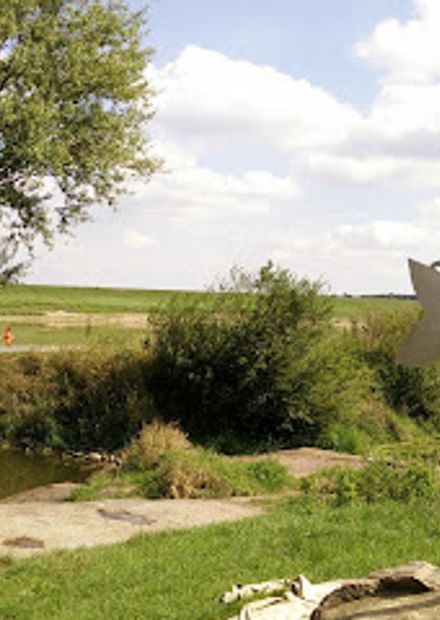
Nixstein travel guide
Discover Nixstein in Strehla: A riverside haven steeped in mermaid legends, offering tranquil paths, scenic views, and a touch of local folklore along the Elbe.
Tell me more about NixsteinMore to explore near Nixstein

 Best experiences near Nixstein

 Best hotels near Nixstein

 Best attractions near Nixstein

 Best shops near Nixstein

 Best bars near Nixstein

 Best restaurants near Nixstein
Explore more

Explore more of Saxony
Discover Saxony: A blend of baroque beauty, musical heritage, and natural splendor in Germany's historic heartland.
Explore Saxony
Getting your guide ready…
We are putting together a fresh copy of the Nixstein guide. This can take up to a minute.
This can take a few moments. If your browser asks, choose Allow so the download can start. You'll find the guide in your Downloads folder.
Nothing happened? Download it again
Sorry, the guide is taking longer than usual. Please try again in a minute, or get it by email instead.

