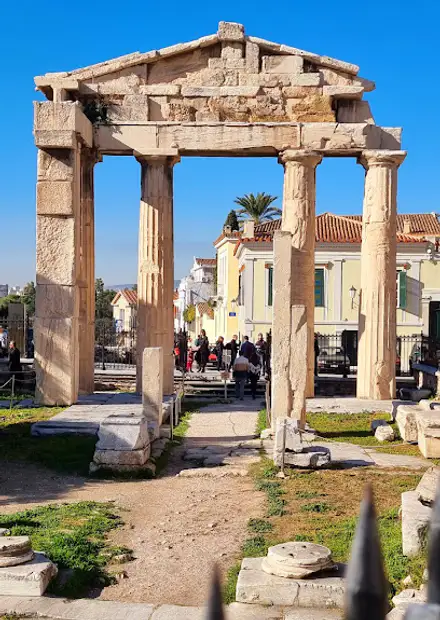
Best Landmarks Near Late Roman tower wall foundations (Athens)
Planning a trip to Late Roman tower wall foundations? Discover the best landmarks nearby with history, expert tips, and routes. Free on web or the Evendo app.


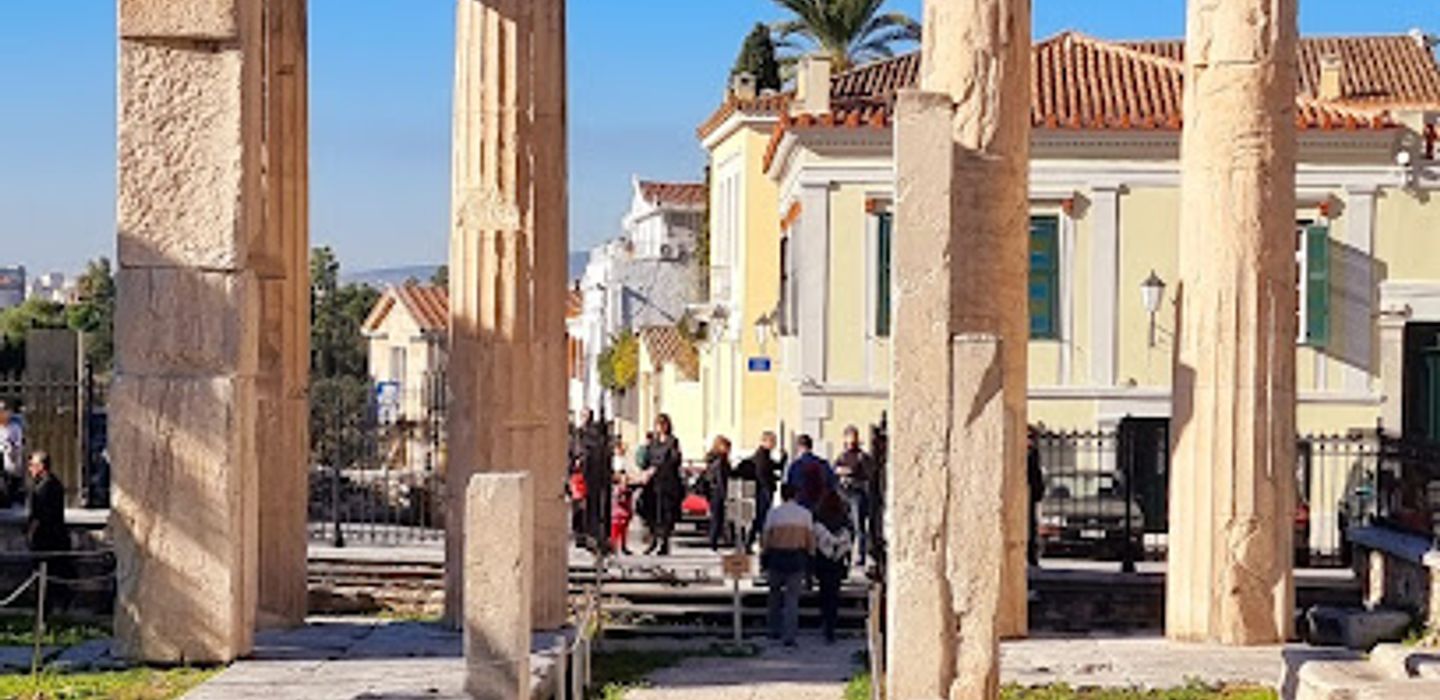
The best landmarks near Late Roman tower wall foundations
- Top rated
- Closest to Late Roman tower wall foundations
- A–Z
52 landmarks
-
Historical landmark4.8★121,948 reviews
Acropolis of Athens
The Acropolis of Athens, an ancient citadel perched above the city, is a symbol of classical Greece and Athenian democracy. Home to iconic structures like the Parthenon, Erechtheion, and Temple of Athena Nike, it showcases remarkable architectural and artistic achievements of the 5th century BCE.
Daily 8:00–20:00
-
Historical landmark4.8★74,966 reviews
Parthenon
The Parthenon, an enduring symbol of ancient Greece, stands proudly atop the Acropolis in Athens. Built in the 5th century BC, it was dedicated to the goddess Athena and remains a testament to classical Greek architecture and Athenian power. Visitors can marvel at its impressive Doric columns, sculptures, and historical significance.
Open 24 hours
-
Archaeological museum4.7★32,511 reviews
Ancient Agora of Athens
Explore the Ancient Agora of Athens, the vibrant center of ancient Athenian democracy, commerce, and social life. Wander through the ruins of temples, public buildings, and markets, and imagine the bustling atmosphere where philosophers like Socrates once debated and citizens gathered to shape the course of history.
Daily 8:00–20:00
-
Tourist attraction4.5★16,659 reviews
Monastiraki Square
Monastiraki Square, located in the heart of Athens, is a bustling hub where ancient history meets modern Athenian life. Named after a small monastery that once stood there, the square is a melting pot of cultures, offering a vibrant mix of historical sites, shops, and eateries.
Open 24 hours
-
Historical landmark4.5★12,948 reviews
Roman Forum of Athens (Roman Agora)
Explore the ruins of the Roman Agora, the heart of Roman Athens, built by Julius Caesar and Emperor Augustus. Discover the Gate of Athena Archegetis, the Tower of the Winds, and remnants of ancient shops, offering a glimpse into daily life during the Roman era.
Daily 8:00–15:00
-
Flea market4.4★12,607 reviews
Monastiraki Flea Market
The Monastiraki Flea Market, nestled in the heart of Athens, is a vibrant bazaar offering a mix of antiques, souvenirs, clothing, and local crafts. Open daily, it transforms into a bustling flea market every Sunday, drawing locals and tourists alike.
Daily 10:00–22:00
-
Historical place4.8★8,046 reviews
Temple of Hephaestus
The Temple of Hephaestus, located in the Ancient Agora of Athens, is one of the best-preserved ancient Greek temples in the world. Dedicated to Hephaestus, the god of metalworking, and Athena Ergane, the goddess of pottery and crafts, it stands as a testament to the artistry and skill valued by the ancient Greeks. Its well-maintained Doric architecture and rich history make it a must-see for visitors to Athens.
Daily 8:00–20:00
-
Art museum4.4★6,517 reviews
Museum of Illusions Athens
The Museum of Illusions Athens offers a captivating and interactive experience where perception is challenged and creativity is inspired. With over 50 visual and interactive illusions, including immersive rooms, holograms, and optical tricks, visitors of all ages can explore the fascinating world of illusions.
Mon–Fri 10:00–21:00 · Sat–Sun 10:00–22:00
-
Historical landmark4.4★6,470 reviews
Hadrian's Library
Explore the ruins of Hadrian's Library, a grand structure built in 132 AD by Roman Emperor Hadrian as a cultural center for Athens. Once the city's largest library, it housed thousands of scrolls and served as a meeting place for intellectuals.
Daily 8:00–20:00
-
Historical landmark4.8★4,107 reviews
Areopagus Hill
Areopagus Hill in Athens offers a captivating blend of history, stunning views, and a profound sense of spirituality, making it a must-visit for any traveler. As you climb this ancient rock, you will not only walk in the footsteps of philosophers and politicians but also be rewarded with breathtaking panoramic views of the Acropolis and the sprawling city below. Whether you're an avid history buff or just seeking a picturesque spot to unwind, Areopagus Hill promises an unforgettable experience.
Open 24 hours


Acropolis
The Acropolis of Athens, a UNESCO World Heritage site, is an ancient citadel located on a rocky hill high above the city of Athens. This iconic landmark is home to several temples and monuments, most notably the Parthenon, and stands as a symbol of classical Greek civilization and its enduring legacy.

Stoa of Attalos - Museum of the Ancient Agora
The Stoa of Attalos, a reconstructed ancient marketplace in Athens' Agora, houses a museum showcasing artifacts of Athenian democracy and daily life. Built by King Attalos II of Pergamon, it offers a glimpse into the heart of ancient Athenian society and culture.
Daily 8:00–19:00

Erechtheion
The Erechtheion, an ancient Greek Ionic temple on the Acropolis in Athens, is a unique and sacred structure dedicated primarily to Athena Polias and Poseidon-Erechtheus. Constructed between 421 and 406 BC, it stands as a testament to the artistic and architectural prowess of classical Greece, distinguished by its asymmetrical design and the iconic Porch of the Caryatids.

Horologion of Andronikos Cyrrhestes
The Horologion of Andronikos Cyrrhestes, also known as the Tower of the Winds, is an ancient Greek clock tower and meteorological station in the Roman Agora of Athens. Built in the 1st century BC, it showcases the advanced scientific knowledge of the time.
Mon–Fri 8:00–15:00 · Sat–Sun 8:00–17:00

Benizelos Mansion
The Benizelos Mansion, also known as the Arhontiko of Agia Filothei, stands as the oldest surviving house in Athens, dating back to the Ottoman period. Built in the 16th century and renovated in the 18th, this unique museum offers a glimpse into the lives of Athenian nobles before the Greek Revolution.

Temple of Athena Nike
Perched on the Acropolis's southwestern edge, the Temple of Athena Nike is a small but significant Ionic temple dedicated to Athena and Nike, the goddesses of wisdom and victory. Built around 420 BC, it stands as a testament to Athens's power and artistic prowess during the Classical period.
Daily 8:00–18:30

Athens Hall Of Horrors
Delve into the darkness at Athens Hall of Horrors, a unique haunted house and escape room center located in a neoclassical building in the heart of Athens. Experience mythological horrors reborn through live actors, special effects, and immersive environments.
Fri 17:00–24:00 · Sat–Sun 12:00–24:00

NEW ATHENS FREE TOUR
The New Athens Free Tour offers an engaging and informative exploration of Athens' classical sites. Led by passionate local guides, this walking tour provides a unique perspective on the city's rich history and mythology, making it an ideal introduction to the cradle of Western civilization.
Daily 8:00–21:00

Museum of Greek Folk Musical Instruments "Fivos Anoyanakis" - Centre for Ethnomusicology
Nestled in the heart of Athens, the Museum of Greek Folk Musical Instruments invites tourists to explore the rich tapestry of Greece's musical heritage. Visitors can admire a vast collection of instruments that tell the story of Greek culture and tradition. The museum, dedicated to ethnomusicology, offers a unique perspective on the sounds that have shaped the nation's identity. With engaging exhibits and informative displays, it’s a must-visit for music lovers and cultural enthusiasts alike.
Mon 8:30–18:00 · Wed–Sun 8:30–18:00

Holy Church of the All-Great Taxiarchs and the Virgin Mary Gregorousa
The Holy Church of the All-Great Taxiarchs and the Virgin Mary Gregorousa, nestled in the heart of Athens, offers a serene escape from the city's hustle. This Greek Orthodox church captivates with its stunning interior, adorned with intricate frescoes and hagiographies, reflecting centuries of artistic dedication. Its location near the ancient Roman market adds to its historical significance, making it a must-see landmark.
Daily 7:00–19:00

Holy Church of Saint Irene
The Holy Church of Saint Irene, nestled in the heart of Athens, is a historic Greek Orthodox church dating back to the 7th century. Rebuilt in the 19th century, it served as Athens' first cathedral and showcases a unique blend of Byzantine and Neoclassical architectural styles.

Gate of Athena Archegetis
The Gate of Athena Archegetis, located at the Roman Agora's western entrance in Athens, stands as a symbol of Roman influence and Athenian heritage. Built in 11 BCE with funding from Julius Caesar and Augustus, the Doric-style gate was dedicated to Athena Archegetis, the city's patron goddess, blending Roman imperial power with Greek tradition.
Daily 8:00–15:00

Museum of Modern Greek Culture
The Museum of Modern Greek Culture in Athens offers a captivating exploration of Greek life from the 18th century to the present. Housed in a complex of historic buildings in the heart of Monastiraki, the museum showcases a rich collection of artifacts, folk art, and interactive exhibits.

Panagía Kapnikaréa Church
Nestled in the heart of Athens, Panagía Kapnikaréa Church is a stunning example of Byzantine architecture that invites tourists to explore its rich history and serene ambiance. This Greek Orthodox church, located just a stone's throw from bustling city life, offers a peaceful retreat with its intricate frescoes and tranquil courtyard, making it a must-visit for anyone looking to immerse themselves in Athens' spiritual heritage and artistic beauty.
Mon–Sat 11:00–17:00 · Sun 7:00–17:00

The Porch of the Caryatids
The Porch of the Caryatids, located on the southern side of the Erechtheion temple on the Acropolis in Athens, features six sculpted female figures serving as columns. These iconic figures, now replaced with replicas, embody the grace and skill of ancient Greek artistry and architecture.

Greek Flag of Athens Acropolis
The Greek Flag atop the Acropolis is more than a national symbol; it represents Athenian history and culture. Offering panoramic views of Athens, it stands near the Parthenon, evoking patriotism and admiration for Greece's legacy.
Daily 8:00–20:00

Holy Church of the Nativity of Christ (Christokopidou)
The Holy Church of the Nativity of Christ, also known as Christokopidou, is a historic Greek Orthodox church in the Psyrri neighborhood of Athens. It stands as a testament to both historical significance and architectural beauty. The church features a three-aisled basilica design with a dome and two belfries.

Beulé Gate
The Beulé Gate, located at the foot of the Acropolis in Athens, is a historical landmark built in the 3rd century AD during Roman rule. Named after the French archaeologist Ernest Beulé, who discovered it in 1852, it once served as a fortified entrance to the Acropolis. Today, it stands as a reminder of the Roman influence on this iconic Greek site.
Daily 8:00–20:00

Old Madrasa Gate
The Old Madrasa Gate is the last vestige of an 18th-century Ottoman-era Islamic school, offering a glimpse into Athens' multicultural past. The gate's intricate stonework and historical significance make it a compelling stop for history enthusiasts exploring the city center.

Base of the Statue of Athena Promachos
Located in Zeus' Triangle, the Base of the Statue of Athena Promachos marks the spot where a colossal bronze statue of the goddess Athena once stood. Created by the renowned sculptor Pheidias, the statue symbolized Athens' power and gratitude for victories in the Persian Wars. Though the statue is long gone, the base offers a tangible connection to Athens' rich history.

Thissio Park
Escape the Athenian bustle in Thissio Park, a green haven offering stunning Acropolis views. Popular with locals and tourists alike, it's perfect for leisurely strolls, picnics, and soaking in the city's charm amidst lush greenery and historical monuments.

Odeon of Agrippa
The Odeon of Agrippa, built in 15 BC by Roman statesman Marcus Vipsanius Agrippa, was a grand roofed theater in the heart of Athens' Ancient Agora. Once a vibrant venue for musical performances and cultural events, its ruins offer a glimpse into the artistic spirit of ancient Greece.

Άγαλμα του Θησέα
The Statue of Theseus, sculpted by Georgios Vitalis in 1868, stands in the heart of Athens, honoring the mythical king Theseus. The bronze statue depicts Theseus seated, wearing a helmet and sandals, with a shield and cloth nearby, set upon a marble column. Relocated to its present location in 2002, it's a prominent landmark in the Thiseio district.
Open 24 hours

Monument of Agrippa
The Monument of Agrippa, located on the Acropolis in Athens, is an ancient pedestal with a rich history. Originally built in 178 BC to honor King Eumenes II of Pergamon, it was later dedicated to Marcus Agrippa, a Roman general. The monument offers a glimpse into the blend of Greek and Roman influences in Athens.
Daily 8:00–20:00

Stoa of Eumenes ΙΙ
The Stoa of Eumenes was a 163-meter-long, two-story colonnade built around 160 BC on the south slope of the Acropolis in Athens. King Eumenes II of Pergamon gifted it to the city, and it served as a covered walkway for theatergoers attending performances at the Theatre of Dionysus and the Odeon of Herodes Atticus.

Anafiotika
Discover Anafiotika, a hidden gem in Athens that feels like a Cycladic island village. Built in the 19th century by settlers from Anafi, its whitewashed houses and narrow, winding streets offer a tranquil escape beneath the Acropolis.

Psirri Square
Psirri Square, nestled in the historic district of Psirri, is a vibrant hub where Athens' gritty past meets its trendy present. Once known for its artisan workshops and, later, a somewhat rough reputation, it has transformed into a lively center for nightlife, street art, and authentic Greek experiences.
Open 24 hours

Early Christian Quatrefoil Building - Basilica of Megale Panagia
The Basilica of Megale Panagia, nestled in the heart of Athens, is a remarkable early Christian quatrefoil building showcasing ancient architecture and religious history. This historical landmark is a testament to Athens' evolution from its classical roots to its Christian heritage, featuring a unique four-lobed design.

Monument of the Heroes
The Monument of the Eponymous Heroes, located in the Ancient Agora of Athens, was a significant structure that honored the heroes who gave their names to the ten tribes of Attica. More than just a monument, it served as a public notice board and a symbol of Athenian democracy. Today, visitors can see the remains of the monument's base, offering a tangible connection to ancient Athenian civic life.
Daily 8:00–20:00

Plate with Apostle Paul's Sermon
The Plate with Apostle Paul's Sermon is a captivating sculpture in the heart of Athens, symbolizing the rich historical tapestry of the city. This remarkable artwork captures a pivotal moment in Christian history, making it a must-visit for tourists seeking cultural depth in their travels. Surrounded by the vibrant atmosphere of Athens, it offers a reflective space for visitors to ponder the legacy of Apostle Paul while enjoying the beauty of Greek artistry.
Open 24 hours

Temple of Themis
Explore the ruins of the Temple of Themis, dedicated to the Greek goddess of divine law and order, nestled on the south slope of the Acropolis in Athens. Though partially in ruins, the site offers a serene atmosphere and a connection to ancient Athenian values of justice and morality.

Eridanus Stream
The Eridanus Stream, a hidden gem in Athens, offers a tranquil escape into history and nature. Once a vital water source and revered in Greek mythology, this ancient waterway now provides a serene walking path, showcasing remnants of the city's past and lush greenery.
Open 24 hours

Las escaleras de Mnisikleous
Las Escaleras de Mnisikleous, or the Mnisikleous Street Stairs, is a charming staircase in Athens' Plaka district known for its vibrant atmosphere, colorful murals, and quaint cafes. It's a popular spot for tourists seeking an authentic Athenian experience.

Area of Stenopos Kollytos
Explore the Area of Stenopos Kollytos, an ancient Athenian neighborhood offering a glimpse into the daily life of its residents between the 5th century BCE and the 2nd century CE. Located along the pedestrianized Apostolou Pavlou, this historical landmark allows visitors to walk through the remnants of houses, workshops, and shrines, providing a tangible connection to Athens' classical past.
Open 24 hours

Remains Athens State Prison
Explore the haunting remains of Athens State Prison, a historical landmark in Athens that offers a glimpse into the city's complex past. Constructed in the early 20th century, it once housed notorious criminals and now stands as a place for reflection on justice and societal values.

Monopteros
The Monopteros, a small circular structure in the Ancient Agora of Athens, offers a peek into the city's Roman past. This roofed colonnade, likely built in the mid-2nd century AD, may have served as a spring house or a decorative fountain, adding to the Agora's vibrant public space.

Temple of Apollo Patroos
The Temple of Apollo Patroos, a small ruined temple on the west side of the Ancient Agora of Athens, is dedicated to Apollo as the protector of fathers and the founder of the Ionian race. Built around 306-300 BC, it stands as a testament to Athens' rich history and connection to its Ionian roots.

Late Roman tower wall foundations
Explore the remnants of a Late Roman tower wall in Athens, offering a tangible connection to the city's ancient past and defensive strategies. Located near the Ancient Agora, these foundations provide insight into the architectural ingenuity of the era.

Paved Court of Klepsydra
The Paved Court of Klepsydra is the site of a natural spring on the northwest slope of the Acropolis in Athens. Used since prehistoric times, it was developed in the 5th century BCE and features a paved court, well, and fountain house. The spring played a vital role in ancient Athenian life and is referenced in ancient literature.

Late Roman Building
The Late Roman Building in Athens offers a glimpse into the city's transformation during the Roman era. These remnants of a fortified structure provide insight into the architectural and strategic adaptations made to protect Athens in late antiquity.

Stoa Attalou
The Stoa of Attalos, a reconstructed ancient covered walkway in Athens' Ancient Agora, was originally built in the 2nd century BC by King Attalos II of Pergamon as a gift to the city. Today, it houses the Museum of the Ancient Agora, displaying artifacts of daily Athenian life.

Iraklidon 2
Iraklidon 2 is an address in the Thissio neighborhood of Athens, a location that serves as a nexus for various activities, from dining to cultural experiences, set against the backdrop of ancient history and modern Athenian life.
Explore Late Roman tower wall foundations on the map
A handpicked selection of must-see spots near Late Roman tower wall foundations, mapped for you.
More about Late Roman tower wall foundations
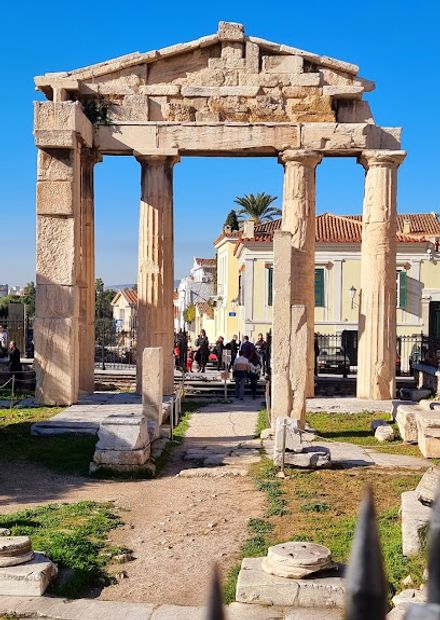
Late Roman tower wall foundations travel guide
Discover Athens' ancient Roman defenses: Explore the Late Roman tower wall foundations, a window into the city's strategic past.
Tell me more about Late Roman tower wall foundationsMore to explore near Late Roman tower wall foundations
-
 Best experiences near Late Roman tower wall foundations
-
 Best hotels near Late Roman tower wall foundations
-
 Best attractions near Late Roman tower wall foundations
-
 Best shops near Late Roman tower wall foundations
-
 Best bars near Late Roman tower wall foundations
-
 Best restaurants near Late Roman tower wall foundations


Explore more

Explore more of Athens
Discover Athens: A journey through time in the cradle of Western civilization, where ancient wonders and modern vibrancy create an unforgettable experience.
Explore Athens
Getting your guide ready…
We are putting together a fresh copy of the Late Roman tower wall foundations guide. This can take up to a minute.
This can take a few moments. If your browser asks, choose Allow so the download can start. You'll find the guide in your Downloads folder.
Nothing happened? Download it again
Sorry, the guide is taking longer than usual. Please try again in a minute, or get it by email instead.