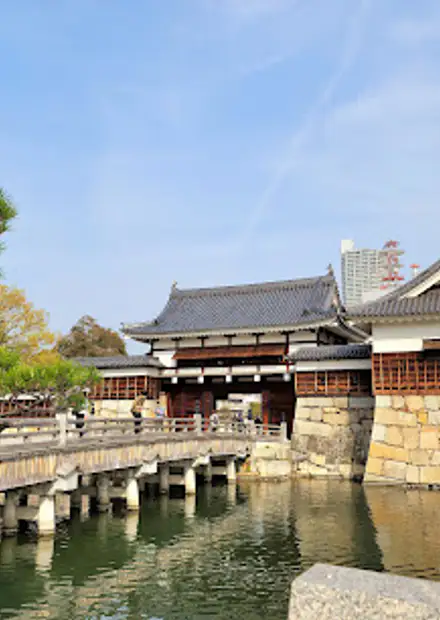
Best Landmarks Near Hiroshima Castle (Hiroshima Castle)
Planning a trip to Hiroshima Castle? Discover the best landmarks nearby with history, expert tips, and routes. Free on web or the Evendo app.


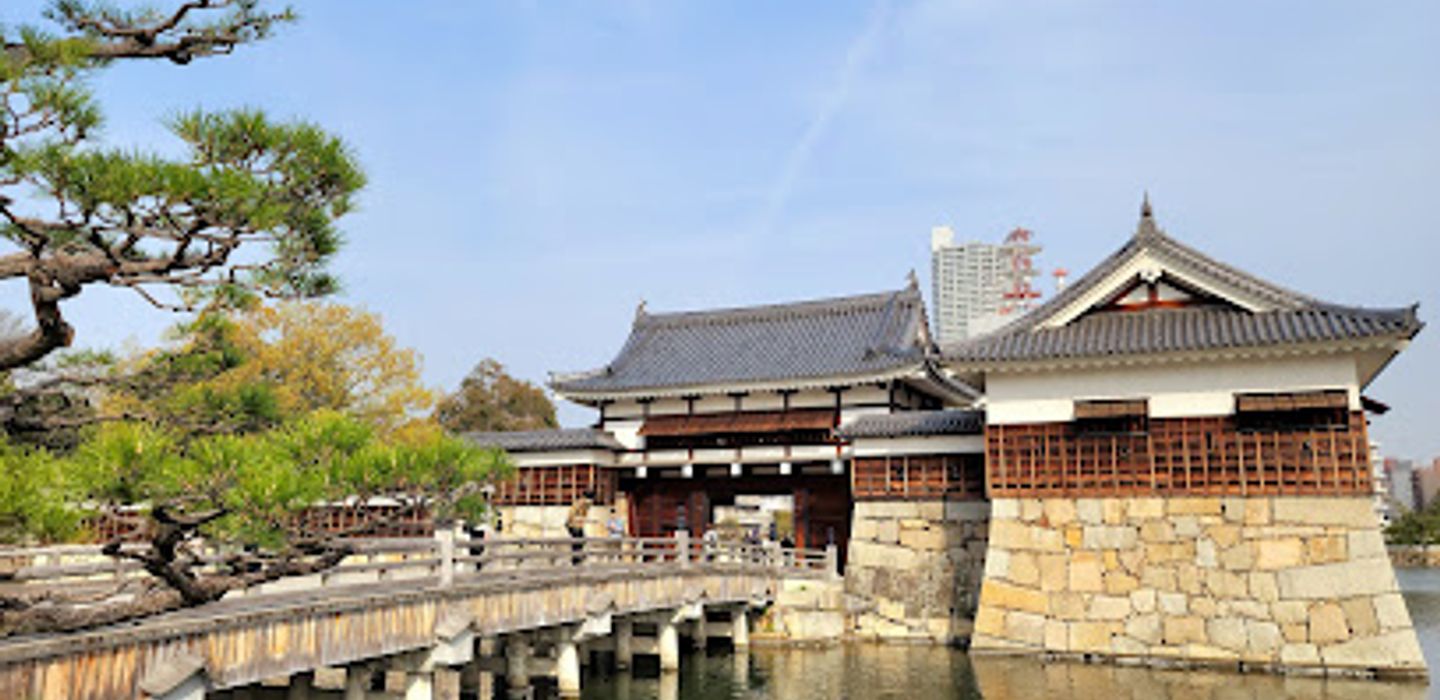
The best landmarks near Hiroshima Castle
- Top rated
- Closest to Hiroshima Castle
- A–Z
48 landmarks
-
War memorial4.7★28,399 reviews
Atomic Bomb Dome
The Atomic Bomb Dome in Hiroshima stands as a haunting reminder of the atomic bombing in 1945 and a symbol of peace. Preserved as it was after the blast, this UNESCO World Heritage Site serves as a powerful memorial and a call for the abolition of nuclear weapons.
Open 24 hours
-
Memorial park4.6★24,455 reviews
Peace Memorial Park - Hiroshima
The Hiroshima Peace Memorial Park is a poignant and sprawling space dedicated to the victims of the atomic bombing in 1945 and a symbol of enduring hope for world peace. Located in the heart of Hiroshima, the park features numerous memorials, monuments, and museums, offering a place for reflection and education.
Open 24 hours
-
History museum4.7★20,096 reviews
Hiroshima Peace Memorial Museum
The Hiroshima Peace Memorial Museum, located in Hiroshima Peace Memorial Park, stands as a solemn reminder of the atomic bombing of Hiroshima during World War II. The museum is dedicated to documenting the events, conveying the realities of the bombing, and promoting peace. Through exhibits of personal belongings, photographs, and historical materials, visitors can learn about the devastating impact of the atomic bomb and reflect on the importance of lasting world peace.
Daily 7:30–19:00
-
Castle4.1★13,187 reviews
Hiroshima Castle
Hiroshima Castle, also known as Carp Castle, is a reconstructed landmark in Hiroshima, Japan. Originally built in the 1590s, it was destroyed by the atomic bomb in 1945 but rebuilt in 1958. Today, it serves as a museum showcasing Hiroshima's history and samurai culture.
Daily 9:00–18:00
-
Garden4.5★6,313 reviews
Shukkeien Garden
Shukkei-en Garden, meaning 'shrunken scenery garden,' is a historic Japanese garden in Hiroshima that recreates famous landscapes in miniature. Built in 1620, it offers a tranquil escape with its meticulously crafted hills, valleys, ponds, and bridges, all designed to be explored along a circular path. Despite suffering damage from the atomic bomb, it has been lovingly restored as a symbol of peace and resilience.
Daily 9:00–18:00
-
Tourist attraction3.9★3,334 reviews
Hiroshima Orizuru Tower
Hiroshima Orizuru Tower stands as a symbol of resilience and transformation, inviting travelers to experience breathtaking views of the city while reflecting on its poignant history. This iconic tower is a must-visit for anyone exploring Hiroshima.
Daily 10:00–18:00
-
War museum4.6★1,126 reviews
Hiroshima National Peace Memorial Hall
The Hiroshima National Peace Memorial Hall is a place to mourn the atomic bomb victims and for future generations to learn about what happened in this tragic event. The Hall was founded by the Japanese national government to mourn the atomic bomb victims in 2002.
Daily 8:30–18:00
-
Sculpture4.6★909 reviews
Children's Peace Monument
The Children's Peace Monument in Hiroshima's Peace Memorial Park is a poignant tribute to Sadako Sasaki and all child victims of the atomic bombing. Erected in 1958, it stands as a symbol of peace and a reminder of the devastating consequences of war.
Open 24 hours
-
Historical landmark4.4★634 reviews
Hypocenter
Marking the spot directly beneath the atomic bomb's detonation on August 6, 1945, the Hiroshima Hypocenter serves as a stark reminder of the devastation and loss of life. Located on a quiet street near the Shima Hospital, a simple plaque commemorates this pivotal point in history.
Open 24 hours
-
War memorial4.7★580 reviews
Hiroshima Victims Memorial Cenotaph
The Hiroshima Victims Memorial Cenotaph, located in Hiroshima Peace Memorial Park, is a monument dedicated to the victims of the atomic bombing in 1945. Built in 1952, it houses a registry of the names of all known victims, regardless of nationality, and serves as a symbol of peace and a reminder of the devastating impact of nuclear war.
Open 24 hours


Hiroshima World Heritage River Cruise
Embark on a serene river cruise that unveils Hiroshima's poignant history and revitalized beauty. Glide past iconic landmarks like the Atomic Bomb Dome and Peace Memorial Park, experiencing the city from a unique, tranquil perspective. Knowledgeable guides share historical insights, connecting you to Hiroshima's cultural tapestry and resilient spirit.

Shirakami-sha Shrine
Shirakami-sha Shrine, nestled in the heart of Hiroshima, began as a simple marker for ships navigating the coast. Today, it stands as a testament to the city's resilience, having been rebuilt after the atomic bombing and continuing to serve as a place of worship and cultural significance.
Daily 9:00–16:00

Former Hiroshima Branch of the Bank of Japan
The Former Hiroshima Branch of the Bank of Japan stands as a poignant reminder of the atomic bombing and Hiroshima's resilience. Built in 1936, it miraculously survived the blast just 380 meters from the hypocenter and served as a vital financial center and refuge in the aftermath. Today, it's a free museum and gallery, a symbol of hope and recovery.
Daily 10:00–17:00

Ebisu Shrine
Ebisu Shrine in Hiroshima, dedicated to Ebisu, the god of commerce and good fortune, has been a vital part of the city's fabric since 1603. Despite being destroyed in the atomic bombing, it was quickly rebuilt, symbolizing the city's resilience. Today, it remains a popular spot for locals and tourists seeking blessings for business success and family well-being.
Daily 7:00–21:00

Aioi Bridge
The Aioi Bridge is a distinctive T-shaped bridge in Hiroshima, Japan, that has become a symbol of the city's history and resilience. Originally built in 1932, it gained notoriety as the aiming point for the atomic bomb in 1945 due to its unique shape. Today, it stands as a testament to Hiroshima's recovery and a reminder of the importance of peace.
Open 24 hours

Korean Atomic Bomb Victims Cenotaph
The Korean Atomic Bomb Victims Cenotaph in Hiroshima is a poignant memorial honoring the lives lost during the atomic bombing. This serene site is a must-visit for those seeking to understand the tragic history of Hiroshima and its resilience.
Open 24 hours

Flame of Peace
The Flame of Peace in Hiroshima's Peace Memorial Park is a poignant symbol of the city's commitment to nuclear disarmament and lasting world peace. Lit on August 1, 1964, the flame has burned continuously ever since, fueled by the hope that nuclear weapons will one day be abolished.
Open 24 hours

Ruins of Ninomaru of Hiroshima Castle
Explore the reconstructed Ninomaru, the secondary defense compound of Hiroshima Castle, featuring turrets, gates, and a museum that offer a window into the castle's history and samurai culture. Wander through the grounds and imagine the echoes of feudal lords and warriors.
Daily 9:00–16:30

Hiroshima Peace Park Rest House
Located in Hiroshima's Peace Memorial Park, the Rest House stands as a poignant reminder of the atomic bombing. Originally built in 1929 as a kimono shop, it now serves as a tourist information center, souvenir shop, and a place for reflection, preserving its pre-bombing appearance.
Daily 8:30–18:00

Gates of Peace
The Gates of Peace in Hiroshima stands as a poignant reminder of resilience and hope, inviting tourists to reflect on history while enjoying its serene surroundings. This iconic monument is a must-visit for anyone touring Hiroshima, offering a deep connection to the city's past and a tranquil space for contemplation.
Open 24 hours

Atomic Bomb Memorial Burial Mound
The Atomic Bomb Memorial Burial Mound in Hiroshima stands as a poignant tribute to the victims of the atomic bombing. A serene landscape of remembrance, it invites tourists to reflect on peace and resilience amidst a historically significant backdrop.
Open 24 hours

Motoyasu Bridge
The Motoyasu Bridge in Hiroshima stands as a symbol of the city's recovery and resilience following the atomic bombing. Spanning the Motoyasu River, it offers picturesque views of the Hiroshima Peace Memorial Park and the A-Bomb Dome. The bridge is a place for reflection and remembrance.
Open 24 hours

Memorial Tower Dedicated to Mobilized Students
The Memorial Tower Dedicated to Mobilized Students in Hiroshima stands as a poignant reminder of the young lives lost during World War II. Erected in 1967, the five-tiered tower commemorates the students who were mobilized for labor and subsequently perished in the atomic bombing. It serves as a place for reflection and remembrance.
Open 24 hours

Prayer Fountain
The Prayer Fountain, located in Hiroshima's Peace Memorial Park, serves as a serene symbol of reflection and hope. Built in 1964, it honors the atomic bomb victims who died crying out for water, offering a space for quiet contemplation amidst the park's historical significance.
Open 24 hours

Ruins of Hiroshima Imperial Army Headquarters
The Ruins of Hiroshima Imperial Army Headquarters stand as a historical landmark in Hiroshima, Japan, offering a glimpse into the city's military past. The site, once a hub for military operations during World War II, serves as a reminder of Hiroshima's resilience following the atomic bombing in 1945.
Open 24 hours

ひろしまドリミネーション
Hiroshima Dreamination is a dazzling winter illumination event held annually in Hiroshima, Japan, transforming the city center into a fairytale wonderland with vibrant light displays and enchanting motifs. Running from mid-November to early January, this free event is a highlight of the winter season.

Clock Tower of Peace
The Clock Tower of Peace, located in Hiroshima Peace Memorial Park, stands as a symbol of hope and enduring peace. Completed in 1967, the tower chimes daily at 8:15 a.m., the moment the atomic bomb was dropped, serving as a plea for nuclear disarmament. Its unique design features a spherical clock representing the people of the world, supported by three pillars symbolizing praying hands.
Open 24 hours

Prayer For Peace Memorial Statue
The Prayer For Peace Memorial Statue in Hiroshima stands as a poignant tribute to the resilience of humanity. This striking sculpture captures the essence of peace and hope, drawing visitors from all over the globe. Located in the heart of Hiroshima, it invites reflection and serenity amidst a bustling city. As you approach, the intricate details of the statue and its serene surroundings will inspire a deep appreciation for life and remembrance of history.
Open 24 hours

Main Gate
The Main Gate (Omote-gomon) is the primary entrance to Hiroshima Castle's Ninomaru (second circle of defense), reconstructed to reflect its historical appearance. It offers visitors a tangible connection to the castle's past and is a key architectural feature within the grounds.
Open 24 hours

Hondori Shopping Street
Hondori Shopping Street is a bustling hub in Hiroshima, where tourists can immerse themselves in local culture, shop for unique souvenirs, and savor delicious street food. This lively pedestrian street offers a diverse array of shops and eateries, making it an essential stop for every visitor.
Daily 10:00–20:00

Monument of Prayer
The Monument of Prayer in Hiroshima stands as a solemn memorial dedicated to those who perished in war, embodying both mourning and a message of hope. Its tranquil setting offers visitors a space for reflection on Hiroshima's history and the enduring human spirit.
Open 24 hours

Hiroshima Castle Eastern Small Tower Ruins
The Hiroshima Castle Eastern Small Tower Ruins are remnants of the original Hiroshima Castle, which was largely destroyed by the atomic bomb in 1945. Today, the ruins serve as a reminder of the castle's history and Hiroshima's resilience.
Open 24 hours

A-Bomb victim-The monument of Hiroshima
The A-Bomb Victim Monument in Hiroshima stands as a solemn tribute to the victims of the atomic bombing. It serves as a place for reflection and remembrance, urging visitors to contemplate the devastating consequences of nuclear war and to strive for a peaceful future.
Open 24 hours

Former place of Kokutaiji Temple and Atago Pond
A serene historical site in Hiroshima, the Former Kokutaiji Temple and Atago Pond offer a tranquil escape. Once part of the influential Kokutaiji Temple during the Edo period, the pond and surrounding trees stand as a reminder of the city's resilience after the atomic bombing.
Open 24 hours

The Atom bomb struck Jizōson
The Atom Bomb Struck Jizōson is a stone carving in Hiroshima, serving as a memorial to those who perished in the 1945 atomic bombing. It stands as a symbol of the city's enduring spirit, hope, and reconciliation.
Open 24 hours

Hiroshima Prefectural Industrial Promotion Hall (Atomic Bomb Dome) Atomic bomb damage information board
The Atomic Bomb Dome in Hiroshima stands as a haunting reminder of the atomic bombing on August 6, 1945. Preserved as a ruin, it symbolizes the devastation and serves as a beacon of hope for world peace and the elimination of nuclear weapons.

Hiroshima Prefectural Industrial Promotion Hall (Atomic Bomb Dome) Fountain Ruins
The Hiroshima Prefectural Industrial Promotion Hall, now known as the Atomic Bomb Dome, stands as a haunting reminder of the atomic bombing during World War II. The Fountain Ruins are located nearby, offering a place for reflection on the tragic events and a symbol of Hiroshima's commitment to peace.

Pond of Peace
The Pond of Peace in Hiroshima Memorial Peace Park serves as a poignant reflecting pool for the Memorial Cenotaph, honoring atomic bomb victims. Designed to make the monument appear to float, it embodies tranquility and remembrance.
Open 24 hours

Mahatma Gandhi Statue
The Mahatma Gandhi Statue in Hiroshima stands as a symbol of peace and non-violence, gifted by India to Japan in 2023. Located near the A-Bomb Dome in Hiroshima Peace Memorial Park, it embodies the city's message of harmony and resilience.
Open 24 hours

Peace Bridge
The Peace Bridge in Hiroshima, Japan, is more than just a river crossing; it's a poignant symbol of the city's recovery from the atomic bombing. Designed by Japanese-American sculptor Isamu Noguchi, its unique railings embody hope and remembrance, connecting the past with a vision for the future.
Open 24 hours

Gate Bridge
Hiroshima Castle, also known as Carp Castle, is a reconstructed landmark in Hiroshima, Japan. Originally built in the late 16th century, it was destroyed by the atomic bomb in 1945 but rebuilt in 1958. Today, it serves as a museum showcasing the city's history and samurai culture.
Open 24 hours

Peace Kannon Statue
The Peace Kannon Statue in Hiroshima stands as a powerful symbol of peace and compassion. This serene sculpture of the Buddhist goddess Kannon offers visitors a space for reflection on Hiroshima's history and the universal hope for peace. Located in Hiroshima Peace Memorial Park, it serves as a reminder of resilience and the importance of harmony.
Open 24 hours

Hiroshima Municipal High School Atomic Bomb Cenotaph
This monument commemorates the students and teachers of Hiroshima Municipal Girls' High School who perished in the atomic bombing. Located near Peace Memorial Park, it serves as a poignant reminder of the tragedy and a symbol of hope for peace.
Open 24 hours

一般社団法人広島県観光連盟
The Hiroshima Tourism Association (HIT) is dedicated to promoting tourism in Hiroshima Prefecture and its surrounding areas. Located in the heart of Hiroshima City, HIT aims to showcase the region's diverse attractions to both domestic and international visitors.
Mon–Fri 8:30–17:15

Hiroshima Castle Back Gate Ruins
The Hiroshima Castle Back Gate Ruins offer a poignant reminder of the castle's history and the atomic bombing that devastated the city. While the main keep has been reconstructed, the ruins provide a tangible link to the past, allowing visitors to reflect on the resilience of Hiroshima and its people.

Nishiheiwao Bridge
Nishiheiwao Bridge, located in Hiroshima, Japan, is more than just a river crossing; it's a symbol of peace and resilience. Offering scenic views and a tranquil atmosphere, it connects visitors to the poignant Hiroshima Peace Memorial Park.
Open 24 hours

(公財)広島観光コンベンションビューロー 企画総務部・MICE推進部
The Hiroshima Convention & Visitors Bureau supports tourism and MICE (Meetings, Incentives, Conferences, and Exhibitions) activities in Hiroshima. Located in Naka Ward, it serves as a resource for planning visits and events in the city.
Mon–Fri 9:00–17:45

1-chōme-5-3 Ōtemachi
Ōtemachi in Hiroshima's Naka Ward is a vibrant district where contemporary architecture blends with historical significance. Known for its accessibility and proximity to key landmarks, it offers a unique glimpse into Hiroshima's modern urban landscape.
Explore Hiroshima Castle on the map
A handpicked selection of must-see spots near Hiroshima Castle, mapped for you.
More about Hiroshima Castle
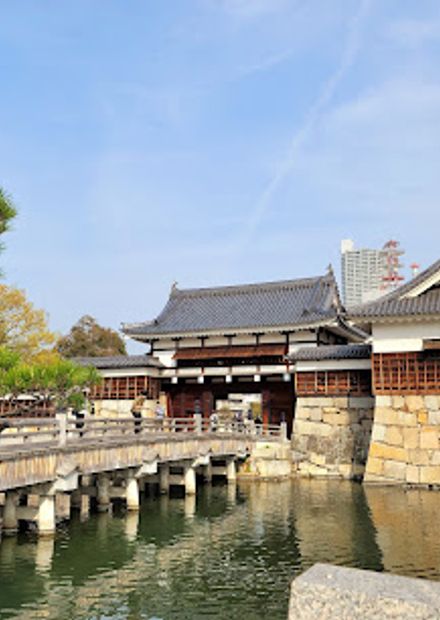
Hiroshima Castle travel guide
Explore Hiroshima Castle: A symbol of resilience, offering history, culture, and panoramic views in the heart of Hiroshima. #HiroshimaCastle #JapanTravel
Tell me more about Hiroshima CastleMore to explore near Hiroshima Castle

 Best experiences near Hiroshima Castle
 Best hotels near Hiroshima Castle
 Best attractions near Hiroshima Castle
 Best shops near Hiroshima Castle
 Best bars near Hiroshima Castle
 Best restaurants near Hiroshima Castle
Explore more

Explore more of Hiroshima Castle
Discover the Resilient Beauty and Rich History of Hiroshima Castle - A Symbol of Strength and Heritage in the Heart of Hiroshima, Japan.
Explore Hiroshima Castle
Getting your guide ready…
We are putting together a fresh copy of the Hiroshima Castle guide. This can take up to a minute.
This can take a few moments. If your browser asks, choose Allow so the download can start. You'll find the guide in your Downloads folder.
Nothing happened? Download it again
Sorry, the guide is taking longer than usual. Please try again in a minute, or get it by email instead.