

Museumplein (Amsterdam) Travel Guide - Free
Explore Museumplein in Amsterdam with Evendo's free guide. Find the best shops, historic streets, restaurants, and gems on web or mobile.


Museumplein in Amsterdam brings together the Rijksmuseum, Van Gogh Museum, Concertgebouw, green lawns, modern art and elegant Museum Quarter streets.
Art at the Heart of Amsterdam-Zuid
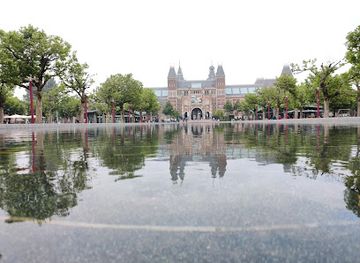
Museumplein is Amsterdam’s cultural forecourt: a broad, open square bordered by the Rijksmuseum, Van Gogh Museum and Stedelijk Museum, with the Concertgebouw just beyond its western edge. Located in the Museum Quarter of Amsterdam-Zuid, it feels more spacious and formally planned than the canal belt, combining monumental architecture with lawns, paved promenades and a large pond. The square is both a destination for serious cultural visits and an everyday gathering place where residents picnic, exercise and meet beneath the changing Amsterdam sky.Read more about Museumplein
Museums, Architecture and Public Space
Street Life in the Museum Quarter
Best attractions in Museumplein
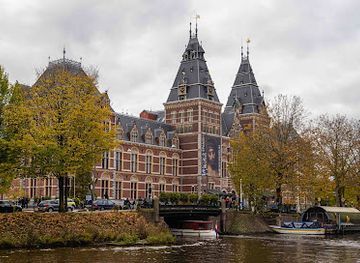
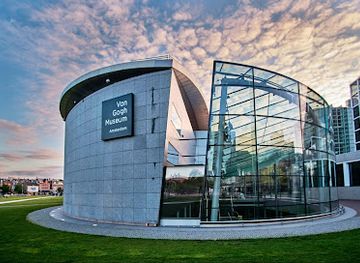
Museumplein’s principal attractions form an unusually concentrated cultural landscape. The Rijksmuseum presents Dutch art and history in Pierre Cuypers’s monumental building, while the Van Gogh Museum traces the artist’s life and work through the world’s largest collection devoted to him. The Stedelijk Museum adds modern and contemporary art, design and visual culture in a building that combines the original nineteenth-century institution with a striking modern extension. Between visits, the square itself offers generous lawns, paved paths, a pond and open views towards the surrounding museums. The Concertgebouw, standing beside the western edge, provides a major classical-music experience rather than a conventional museum visit. At the neighbourhood’s margins, the P.C. Hooftstraat and Vondelpark extend the day into fashion retail and landscaped parkland, although both are best regarded as nearby complements to Museumplein rather than attractions contained within the square.
-
Art museum
Rijksmuseum
Explore the masterpieces of the Dutch Golden Age at the Rijksmuseum, Amsterdam's premier art and history museum, where culture comes alive.
4 min walk · 0.3 km from neighbourhood centre
-
Art museum
Van Gogh Museum
Explore the world’s largest collection of Vincent van Gogh's art at the Van Gogh Museum in Amsterdam, a must-see for culture enthusiasts and art lovers alike.
1 min walk · 0.1 km from neighbourhood centre
-
Park
Vondelpark
Discover Vondelpark, Amsterdam's iconic urban park, where lush greenery meets vibrant culture and serene relaxation in the heart of the city.
11 min walk · 0.8 km from neighbourhood centre
-
Tourist attraction
Dam Square
Discover the vibrant heart of Amsterdam at Dam Square, where history meets culture in a lively urban setting.
5 min drive · 1.7 km from neighbourhood centre


Best landmarks in Museumplein
The Rijksmuseum is Museumplein’s most commanding landmark, its red-brick, richly ornamented façade and central passageway marking the nineteenth-century ambition to create a national cultural institution. The Concertgebouw, completed in 1888, is equally important to the neighbourhood’s identity for its architectural presence and celebrated concert tradition. The Van Gogh Museum and Stedelijk Museum represent later phases of the Museum Quarter, pairing internationally significant collections with contrasting modern extensions and façades. Museumplein itself is also a landmark of urban design: its broad lawns and open sightlines create a civic foreground for the surrounding institutions rather than a conventional enclosed square. The nearby P.C. Hooftstraat is notable for its elegant streetscape and luxury retail, but it belongs to the wider Museum Quarter context; the principal historic and symbolic landmarks remain concentrated around the square and Van Baerlestraat.
-
Art museum
Rijksmuseum
Discover the masterpieces of Dutch art and immerse yourself in the rich history at the Rijksmuseum, Amsterdam's premier cultural institution.
4 min walk · 0.3 km from neighbourhood centre
-
Art museum
Van Gogh Museum
Discover the legacy of Vincent van Gogh at the largest collection of his artworks, located in the heart of Amsterdam's Museumplein.
1 min walk · 0.1 km from neighbourhood centre
-
Museum
Moco Museum
Explore the vibrant world of contemporary art at Moco Museum in Amsterdam, showcasing innovative exhibitions by iconic and emerging artists.
1 min walk · 0.1 km from neighbourhood centre
-
Memorial park
Monument voor Vrouwen van Ravensbrück
Explore the Monument for Women of Ravensbrück, a poignant memorial in Amsterdam honoring the courage of women from the Ravensbrück concentration camp.
3 min walk · 0.2 km from neighbourhood centre

Explore Museumplein on the map
A handpicked selection of must-see spots in Museumplein, mapped for you.
Best hotels in Museumplein
Best restaurants in Museumplein
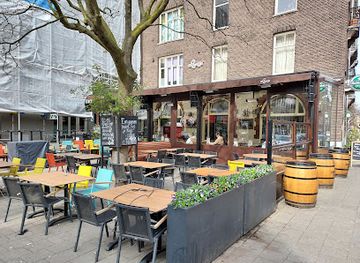
Dining around Museumplein is shaped by the museums and the refined residential character of Amsterdam-Zuid. Van Baerlestraat, Paulus Potterstraat and Hobbemastraat contain cafés, brasseries and restaurants suited to a coffee before an exhibition, a quick lunch between galleries or a more leisurely evening meal. Museum cafés and restaurants provide convenient options inside or beside the cultural institutions, while the surrounding streets offer a broader mix of international cooking and contemporary European menus. The area is more polished and daytime-oriented than the market streets of De Pijp, with visitor demand concentrated around exhibition hours and concerts. Food shops and cafés around the wider Museum Quarter make it possible to assemble a picnic for Museumplein or Vondelpark, though visitors should respect the square as a shared public space. Exact menus, opening arrangements and reservations vary, so checking individual establishments remains sensible.
-
Restaurant
Café Loetje
Experience authentic Dutch cuisine at Café Loetje in Amsterdam – famous for its tender steak and vibrant café atmosphere.
7 min walk · 0.6 km from neighbourhood centre
-
Restaurant
Pompa
Experience modern brasserie dining at Pompa in Amsterdam-Zuid—where delightful flavors meet a cozy atmosphere.
3 min walk · 0.2 km from neighbourhood centre
-
Asian Fusion
MOMO
Discover MOMO in Amsterdam: A sophisticated Asian fusion restaurant offering unique flavors and an unforgettable dining experience.
4 min walk · 0.3 km from neighbourhood centre
-
Restaurant
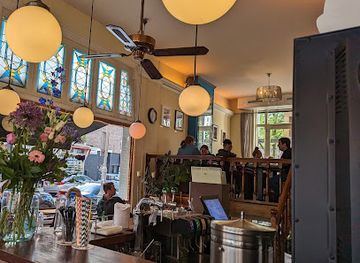
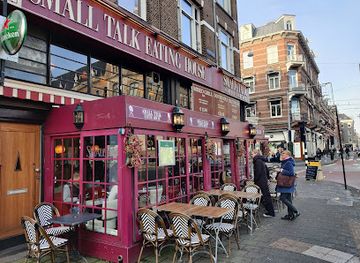
Small Talk
Discover Small Talk in Amsterdam-Zuid: where cozy ambiance meets delicious cuisine and unforgettable desserts.
3 min walk · 0.2 km from neighbourhood centre

Best bars in Museumplein
Museumplein is not one of Amsterdam’s principal clubbing districts, and its evenings are more closely associated with concerts, restaurants and quiet drinks than with late-night venues. The Concertgebouw anchors the area’s after-dark cultural life, drawing audiences for classical concerts and other performances; the surrounding cafés and hotel bars provide places to meet before or after a programme. Van Baerlestraat and Paulus Potterstraat have several places for an informal drink, while the livelier nightlife around Leidseplein lies nearby rather than within Museumplein itself. Evening visitors should remember that the neighbourhood includes substantial residential streets, so leaving concerts quietly and using established pedestrian routes is considerate. Event nights can make the square feel animated, but on ordinary evenings its atmosphere becomes noticeably calmer once the museums have closed.
-
Tourist attraction
House of Bols Cocktail Experience
Explore the vibrant world of cocktails at the House of Bols in Amsterdam, where history meets mixology in a unique museum experience.
1 min walk · 0.1 km from neighbourhood centre
-
Pub
Café Brecht
Discover Café Brecht, an artistic café and bar in Amsterdam, perfect for refreshments and relaxation amidst the city's vibrant culture.
8 min walk · 0.6 km from neighbourhood centre
-
Bar
MOMO
Experience the best of Asian fusion dining at MOMO, Amsterdam's vibrant bar and restaurant known for its unique cocktails and delicious cuisine.
4 min walk · 0.3 km from neighbourhood centre
-
Cocktail bar
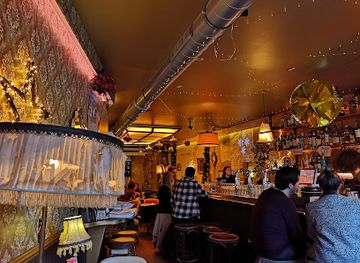
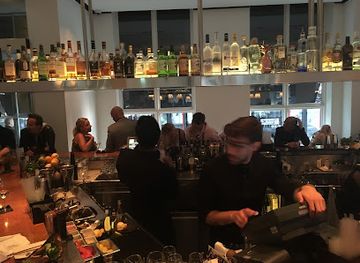
Bar Mokum
Discover the vibrant atmosphere and exquisite cocktails at Bar Mokum, a top cocktail bar in the heart of Amsterdam-Zuid.
9 min walk · 0.7 km from neighbourhood centre


Best nightclubs in Museumplein
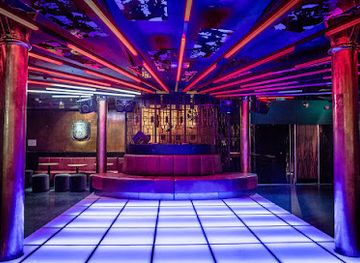
Museumplein is not one of Amsterdam’s principal clubbing districts, and its evenings are more closely associated with concerts, restaurants and quiet drinks than with late-night venues. The Concertgebouw anchors the area’s after-dark cultural life, drawing audiences for classical concerts and other performances; the surrounding cafés and hotel bars provide places to meet before or after a programme. Van Baerlestraat and Paulus Potterstraat have several places for an informal drink, while the livelier nightlife around Leidseplein lies nearby rather than within Museumplein itself. Evening visitors should remember that the neighbourhood includes substantial residential streets, so leaving concerts quietly and using established pedestrian routes is considerate. Event nights can make the square feel animated, but on ordinary evenings its atmosphere becomes noticeably calmer once the museums have closed.
-
Disco club
Club Candela
Dive into the heart of Amsterdam's nightlife at Club Candela, the ultimate disco club experience with electrifying music and vibrant atmosphere.
7 min walk · 0.6 km from neighbourhood centre
-
Night club
Jimmy Woo
Discover the vibrant nightlife of Amsterdam at Jimmy Woo, an iconic nightclub offering electrifying music and an unforgettable atmosphere.
8 min walk · 0.6 km from neighbourhood centre
-
Night club
Club Up
Discover the energetic ambiance and eclectic music at Club Up, Amsterdam's cozy night club for house, hip-hop, and techno lovers.
7 min walk · 0.6 km from neighbourhood centre
-
Night club
Back Door
Experience the electrifying nightlife at Back Door, Amsterdam's premier night club featuring top DJs, vibrant atmosphere, and unforgettable dance parties.
8 min walk · 0.7 km from neighbourhood centre



Best shops in Museumplein
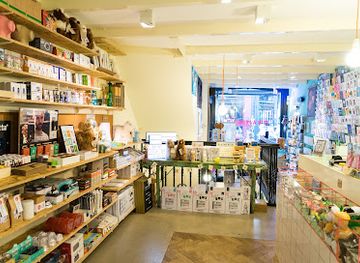
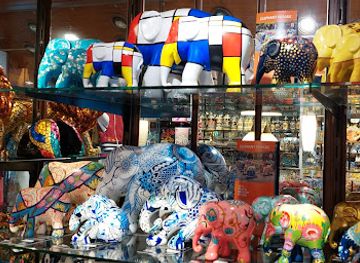
Shopping in Museumplein centres on museum shops, design-led retail and the polished streets of the surrounding Museum Quarter rather than on a traditional market. The Rijksmuseum, Van Gogh Museum and Stedelijk Museum shops sell books, prints, design objects and exhibition-related gifts, making them useful for visitors seeking culturally specific souvenirs. At the eastern edge of the area, P.C. Hooftstraat is Amsterdam’s best-known luxury shopping street, with international fashion and jewellery brands in elegant buildings. Van Baerlestraat and nearby Cornelis Schuytstraat provide a more mixed local setting of specialist shops, cafés and everyday services, while independent retailers appear among the residential streets. The commercial character changes quickly beyond the square: this is a place for art publications, design, fashion and considered purchases rather than a large general market or bargain-shopping district.
-
Gift shop
It's a Present!
Discover unique souvenirs and local treasures at It's a Present! - Amsterdam's charming gift shop in the heart of the city.
5 min drive · 1.5 km from neighbourhood centre
-
Vintage clothing store
Penny Lane Vintage Boutique
Explore unique vintage fashion at Penny Lane Vintage Boutique in Amsterdam, where timeless style meets modern sustainability.
11 min walk · 0.8 km from neighbourhood centre
-
Gift shop
Spiegel Amsterdam 100% Dutch
Explore Spiegel Amsterdam for unique Dutch gifts, fashion accessories, and home goods that capture the essence of the Netherlands.
11 min walk · 0.9 km from neighbourhood centre
-
Gift shop
souvenirs 33
Discover unique souvenirs and quality gifts at Souvenirs 33, a charming shop in Amsterdam-Zuid, perfect for capturing your travel memories.
3 min walk · 0.2 km from neighbourhood centre


Museumplein essentials
Getting There
Getting Around
Safety
Emergency Situations
Do's and Don'ts
Local Tips

From Eve
Local phrases worth knowing
You don't need to get them perfect. A few words go a long way, and locals appreciate the effort.
Basics
| English | Local | Say it |
|---|---|---|
| Hello | Hallo | [HAH-loh] |
| Goodbye | Tot ziens | [tot zeens] |
| Yes | Ja | [yah] |
| No | Nee | [nay] |
| Please/You're welcome | Alsjeblieft | [ALS-yuh-bleeft] |
| Thank you | Dank je wel | [dahnk yuh vel] |
| Excuse me/Sorry | Sorry | [SOR-ree] |
| How are you? | Hoe gaat het met je? | [hoo gahht het met yuh] |
| Fine. And you? | Goed. En met jou? | [khoot. en met yow] |
| Do you speak English? | Spreek je Engels? | [sprayk yuh ENG-uhls] |
| I don't understand | Ik begrijp het niet | [ik buh-GRAYP het neet] |
Eating & Drinking
| English | Local | Say it |
|---|---|---|
| I'd like to see the menu, please | Ik wil graag de menukaart zien, alstublieft | [ik vil khrahkh duh muh-NOO-kahrt seen, AHL-stoo-bleeft] |
| I don't eat meat | Ik eet geen vlees | [ik ayt khayn vlays] |
| Cheers! | Proost! | [prohst] |
| I would like to pay, please | Ik wil graag betalen, alstublieft | [ik vil khrahkh buh-TAH-luhn, AHL-stoo-bleeft] |
Emergencies
| English | Local | Say it |
|---|---|---|
| Help! | Help! | [help] |
| Go away! | Ga weg! | [gah vehkh] |
| Call the Police! | Bel de politie! | [bel duh poh-lee-see] |
| Call a doctor! | Bel een dokter! | [bel ayn DAHK-tuhr] |
| I'm lost | Ik ben verdwaald | [ik ben vuhr-DWAAHLD] |
| I'm ill | Ik ben ziek | [ik ben zik] |
Shopping
| English | Local | Say it |
|---|---|---|
| I'd like to buy... | Ik wil graag kopen... | [ik vil khrahkh KOH-puhn] |
| I'm just looking | Ik kijk alleen maar | [ik kayk AHL-uhn mahr] |
| How much is it? | Hoeveel kost het? | [HOO-vale kost het] |
| That's too expensive | Dat is te duur | [dat is tuh dyoor] |
| Can you lower the price? | Kunt u de prijs verlagen? | [kunt uu duh priys vuh-RAH-huhn] |
Time & Numbers
| English | Local | Say it |
|---|---|---|
| What time is it? | Hoe laat is het? | [hoo laht is het] |
| It's one o'clock | Het is een uur | [het is ayn uhr] |
| Half past (10) | Half elf | [hahlf elf] |
| Morning | Ochtend | [OHK-tuhnt] |
| Afternoon | Middag | [MID-dahkh] |
| Evening | Avond | [AH-vohnt] |
| Yesterday | Gisteren | [GIHS-tuh-ruhn] |
| Today | Vandaag | [vahn-DAHKH] |
| Tomorrow | Morgen | [MOR-ghuhn] |
| 1 | Een | [ayn] |
| 2 | Twee | [tway] |
| 3 | Drie | [dree] |
| 4 | Vier | [veer] |
| 5 | Vijf | [fayf] |
| 6 | Zes | [zehs] |
| 7 | Zeven | [zay-vuhn] |
| 8 | Acht | [ahkht] |
| 9 | Negen | [NAY-khun] |
| 10 | Tien | [teen] |
Transport & Directions
| English | Local | Say it |
|---|---|---|
| Where's a/the...? | Waar is een/de...? | [vahr is ayn/de] |
| What's the address? | Wat is het adres? | [vaht is het AH-druhs] |
| Can you show me (on the map)? | Kunt u me laten zien (op de kaart)? | [kunt uu muh LAH-tuhn seen (op duh kaart)] |
| When's the next (bus)? | Wanneer is de volgende (bus)? | [vahn-EHR is duh vohl-HUHN-duh (bus)] |
| A ticket (to ....) | Een kaartje (naar ....) | [ayn kahrt-yuh (nar)] |
History of Museumplein
From Outlying Land to Museum Quarter
Before the present cultural district developed, the area south of Amsterdam’s historic centre was largely open land beyond the older city. Urban expansion in the late nineteenth century transformed it into a prestigious southern quarter, with broad streets, villas and public institutions. The name Museumplein reflects the concentration of cultural buildings that gradually gave the open space its defining purpose. Rather than evolving from a medieval street network, the neighbourhood was planned as part of Amsterdam’s outward growth, giving it a spacious scale and a more formal relationship between architecture, roads and public space.
The Rijksmuseum and a National Cultural Focus
The Rijksmuseum opened beside Museumplein in 1885, establishing the area as a national centre for art and history. Designed by Pierre Cuypers, the building combined museum functions with a monumental urban presence and helped draw further cultural development south of the old centre. The museum’s collections and architecture made the square a significant destination for visitors, while the surrounding Museum Quarter acquired an increasingly prestigious residential character. Its position on the route between the city centre and the southern districts also helped connect the new cultural institutions with Amsterdam’s expanding tram and street network.
Concertgebouw, Stedelijk and Cultural Expansion
The Concertgebouw opened in 1888 on the western side of the square, giving Museumplein an important musical institution alongside the Rijksmuseum. The Stedelijk Museum followed in 1895, strengthening the area’s role in modern and contemporary culture. The Van Gogh Museum, which opened in 1973, added the world’s largest collection devoted to Vincent van Gogh and brought a new generation of visitors to the neighbourhood. These institutions were built at different moments and in different architectural languages, but together they created the distinctive cultural constellation that defines Museumplein today.
A Reworked Square for Contemporary Amsterdam
Museumplein has repeatedly changed as Amsterdam reconsidered how a major public space should function. Its present open, gently contoured layout dates from a late-twentieth-century redesign associated with landscape architect Sven-Ingvar Andersson, replacing earlier arrangements with a more flexible setting for everyday recreation and public events. The square has also hosted large gatherings and civic occasions, while redevelopment around the museums has improved pedestrian access and visitor facilities. Today, the area balances the monumental ambitions of nineteenth-century Amsterdam with the practical demands of a heavily visited cultural quarter and a lived-in southern neighbourhood.
Museumplein in Photos
Browse through our photo collection highlighting the charm and character of the destination.
Neighbourhoods near Museumplein
The closest neighbourhoods to Museumplein, if you have time for more than one stop.
-

-

-

-

-


Swipe for more neighbourhoods
Explore more

Explore more of Amsterdam
Amsterdam blends canal-side architecture, world-class museums, historic neighbourhoods and cycling culture with thoughtful food, design and lively local life.
Explore Amsterdam