Floral Clock, Edinburgh Travel Guide
Free Guide: Discover Edinburgh’s iconic Floral Clock, the world’s oldest living timepiece, blooming with vibrant seasonal designs in historic Princes Street Gardens.


A brief summary of Floral Clock
Discover Edinburgh’s iconic Floral Clock, the world’s oldest living timepiece, blooming with vibrant seasonal designs in historic Princes Street Gardens.
The Floral Clock in Edinburgh’s West Princes Street Gardens is the world’s oldest floral clock, first created in 1903. This vibrant and meticulously crafted timepiece combines horticultural artistry with clockmaking ingenuity, featuring thousands of colorful plants arranged in intricate designs that change annually. Located halfway down the stairs into the gardens, it operates with real clockwork and blooms from July to October, offering a unique blend of botanical beauty and functional timekeeping in the heart of the city.
On-site amenities
 Seating areas
 Information boards
 Trash bins
Opening hours
- Every dayOpen 24 hours
Opening hours as listed on the venue’s Google Business Profile. Hours can change for services and special events, so check with the venue before you go.
- Address
- Princes St, Edinburgh EH2 4BA
- Website
Getting there
Bus
Walking
Taxi
Discover more about Floral Clock
A Botanical Marvel Rooted in History
The Floral Clock in West Princes Street Gardens is a pioneering horticultural landmark, established in 1903 as the first floral clock in the world. Conceived by Parks Superintendent John McHattie and crafted with the mechanical expertise of clockmakers Ritchie & Son, it originally featured only an hour hand, with a minute hand added in 1904. This innovative creation merges the precision of clockmaking with the living artistry of garden design, set on a challenging forty-degree incline that underscores its engineering feat.
Design and Seasonal Transformation
Each year, the clock’s face is replanted with tens of thousands of small, vibrant plants, including varieties such as Lobelia, Pyrethrum, Golden Moss, and succulents like Echeveria and Sedum. The planting process takes two gardeners approximately five weeks, followed by continuous maintenance throughout the blooming season from July to October. The clock’s design changes annually, often reflecting topical themes or commemorations, such as royal jubilees or historic anniversaries, making each visit a fresh experience.
Mechanical and Artistic Details
The clock measures 3.6 meters in diameter with a circumference of 11 meters. Its minute hand is about 2.4 meters long and weighs around 36 kilograms, while the hour hand measures 1.5 meters and weighs approximately 23 kilograms. Originally powered by a mechanical mechanism that required daily winding, it was converted to electric operation in 1973, ensuring precise timekeeping. A charming feature added in 1953 is the cuckoo house, where a life-size cuckoo replica emerges every quarter hour.
Setting Within Princes Street Gardens
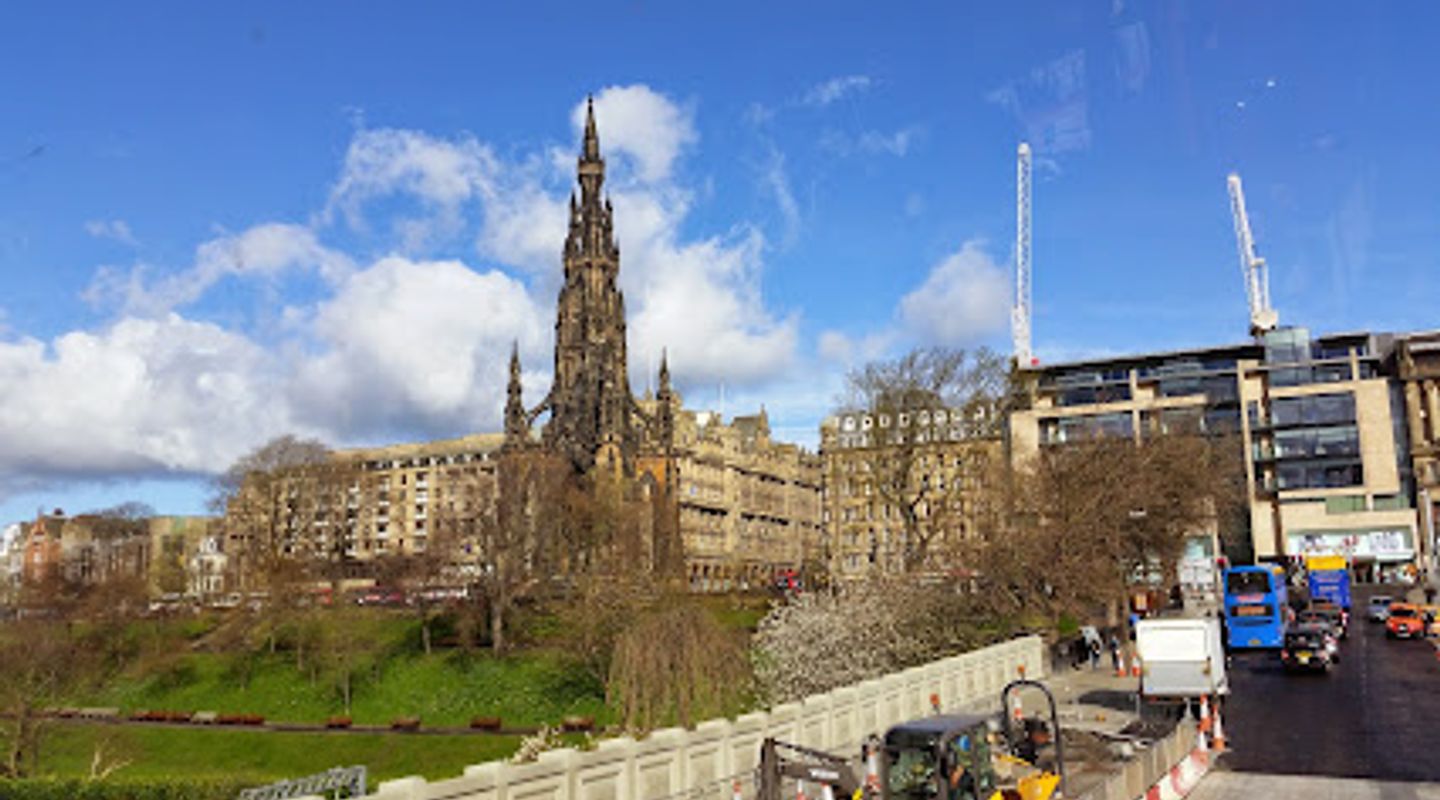
Situated halfway down the stairs into West Princes Street Gardens, opposite the National Galleries and at the foot of the Mound, the Floral Clock is nestled in one of Edinburgh’s most beloved green spaces. Visitors lean over a stone wall to admire the clock, which is surrounded by the historic and cultural ambiance of the gardens. The location offers a tranquil urban oasis with views of the city’s iconic skyline nearby.
Commemorations and Cultural Significance
Beyond its horticultural charm, the Floral Clock serves as a living memorial and cultural symbol. It has celebrated significant events such as wartime victories during WWII and royal milestones like the Queen’s Golden and Platinum Jubilees. In 2023, it marked the centenary of the Flying Scotsman, and in 2022, it honored 200 years of Braille, highlighting its role in community engagement and historical remembrance.
Visitor Experience and Seasonal Highlights
The Floral Clock is best viewed during the growing season, from late spring through early autumn, when the floral displays are at their peak vibrancy. While the clock is visible year-round, the floral artistry is most impressive from July to October. The site is free to visit and open all day, offering a unique opportunity to witness a harmonious blend of nature, art, and engineering in an accessible city setting.
Evendo Review Centre
 Google
Guest reviews
Best time to go
Quietest: Jan, Feb & Dec · before 7am or at 10pm
Busy times are Evendo estimates for a typical year, to help you plan. Actual crowds vary with events, school holidays and the weather.
Explore Floral Clock on the map
A handpicked selection of must-see spots near Floral Clock, mapped for you.
Get your free copy of our complete guide to Floral Clock, delivered straight to you.
Everything on this page, from opening hours and how to get there to Eve’s tips and the best time to go, in one PDF you can read offline, print or share.
Already have an account? Sign in
Your Floral Clock guide is ready.
We'll send it to · Not you? Sign out

Getting your guide ready…
We are putting together a fresh copy of the Floral Clock guide. This can take up to a minute.
This can take a few moments. If your browser asks, choose Allow so the download can start. You'll find the guide in your Downloads folder.
Nothing happened? Download it again
Sorry, the guide is taking longer than usual. Please try again in a minute, or get it by email instead.
Unlock the best of Floral Clock
Skip-the-line tickets, guided tours with entry, and walking tours of the area, booked in a few clicks.


Other nearby places you may find interesting
The closest places of the same kind, if this one is not quite what you had in mind.
-
Scott Monument Climb 287 steps to Scotland's greatest literary tribute and Edinburgh's most iconic skyline views.
-
Edinburgh Castle Explore Scotland’s iconic fortress atop Castle Rock, where history, tradition, and panoramic city views converge in Edinburgh’s heart.
-
National Monument of Scotland Edinburgh's iconic unfinished Parthenon—a monument to ambition, sacrifice, and Scottish identity perched atop Calton Hill.
-
Flodden Wall Explore Edinburgh’s historic Flodden Wall, a 16th-century fortress that shaped the city’s medieval heart and stands as a testament to resilience and history.
-
Dugald Stewart Monument A neoclassical tribute to philosopher Dugald Stewart, offering iconic views over Edinburgh from historic Calton Hill.
Swipe for more places
More to explore near Floral Clock

 Best experiences near Floral Clock
 Best hotels near Floral Clock
 Best landmarks near Floral Clock
 Best attractions near Floral Clock
 Best shops near Floral Clock
 Best restaurants near Floral Clock
 Best bars near Floral Clock
Do you manage this location?
Take control to get all the benefits, like improved information, better appearance, and stronger visibility across AI-powered discovery.
Explore more

Explore more of Edinburgh
Discover the enchanting blend of history, culture, and natural beauty in Edinburgh, Scotland's captivating capital city.
Explore Edinburgh
Explore more of United Kingdom
Discover the United Kingdom: A blend of rich history, stunning landscapes, and vibrant cities, offering a unique travel experience for every visitor.
Explore United Kingdom