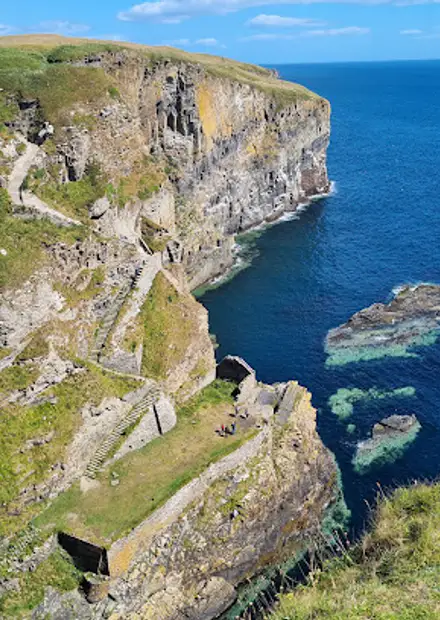
Best Landmarks Near Whaligoe Steps (Sutherland)
Planning a trip to Whaligoe Steps? Discover the best landmarks nearby with history, expert tips, and routes. Free on web or the Evendo app.


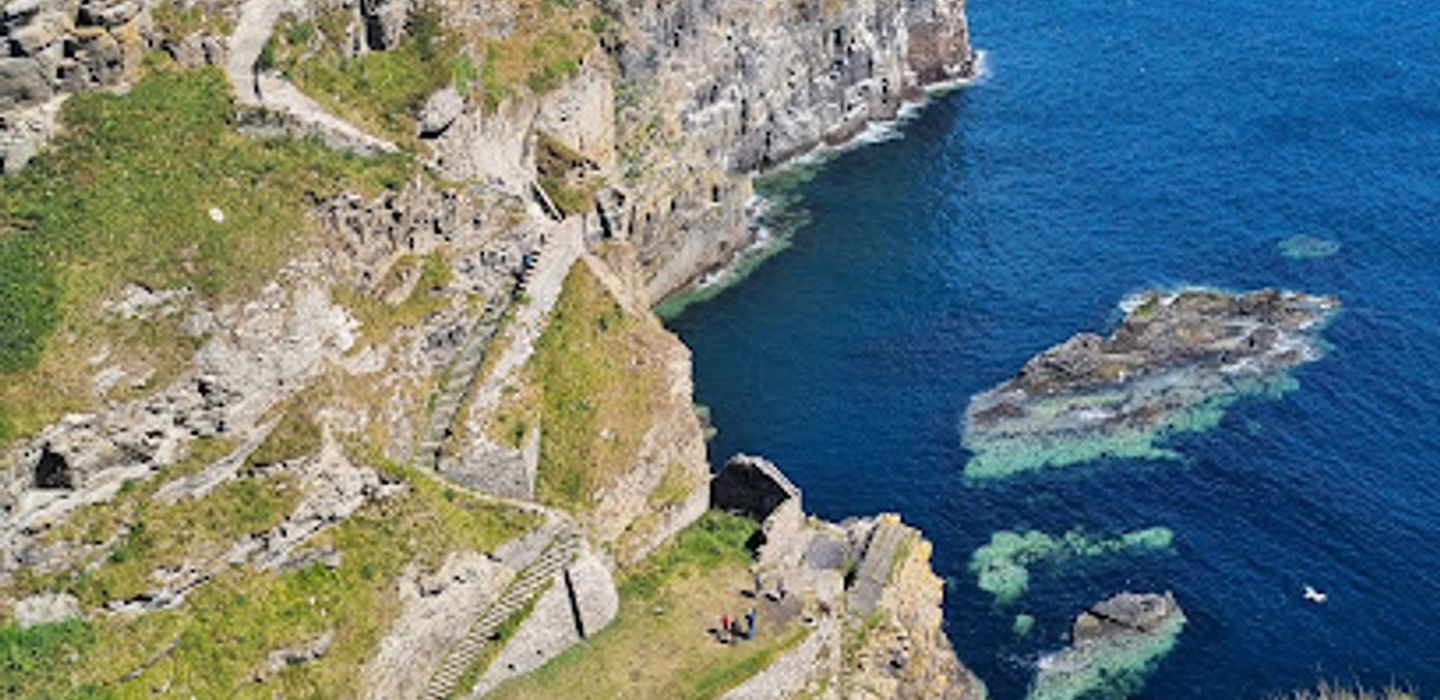
The best landmarks near Whaligoe Steps
- Top rated
- Closest to Whaligoe Steps
- Price level: low to high
- Time to spend: shortest first
- A–Z
46 landmarks
-
Tourist attraction4.4★6,338 reviews
John O'Groats Signpost
Scotland's most iconic landmark, the John O'Groats Signpost marks the northeastern terminus of the legendary Land's End to John o' Groats route—Britain's longest overland journey spanning 874 miles. Installed in 1964 on a dramatic clifftop overlooking the Pentland Firth, this freely accessible monument has become one of the most photographed signs in the UK, attracting cyclists, walkers, and travelers completing epic personal challenges. The windswept location offers sweeping coastal views, opportunities to spot seals and seabirds, and serves as the perfect endpoint for adventurers traversing the length of Great Britain.
Mon–Fri 8:00–20:00 · Sun 13:00–16:00Time to spend 0.5–2 hrs
-
Cathedral4.7★1,698 reviews
St Magnus Cathedral
St Magnus Cathedral, known as the 'Light in the North,' is a striking Romanesque cathedral in Kirkwall, Orkney. Founded in 1137 and built over 300 years, it is Scotland’s only complete medieval cathedral and holds the bones of its namesake saint, Magnus Erlendsson. Made of distinctive red and yellow sandstone, it serves as a place of worship, cultural events, and a major historic landmark, welcoming visitors year-round with free entry and guided tours available.
Mon–Sat 9:00–17:00 · Sun 13:00–17:00Time to spend 0.5–2 hrs
-
Hotel4.3★493 reviews
Mackays Hotel
Mackays Hotel is a charming, family-run 3-star hotel located in the heart of Wick, Scotland. Known for its warm hospitality, comfortable rooms, and excellent locally sourced cuisine, it offers a welcoming atmosphere ideal for travelers seeking authentic Scottish charm. The hotel features a bar, restaurant, conference facilities, and pet-friendly accommodations, making it suitable for families, business travelers, and visitors exploring Caithness.
Price level $$Time to spend 1–3 hrs
-
Tourist attraction4.4★425 reviews
Sueno's Stone
Standing 6.5 metres tall on the edge of Forres, Sueno's Stone is Scotland's tallest surviving Pictish cross-slab, carved between the 9th and 10th centuries. This remarkable monument features intricate carvings on both faces: a magnificent Christian cross with a unique royal inauguration scene on one side, and an elaborate battle narrative with horsemen, combat, and beheadings on the other. Now protected within a glass chamber, this enigmatic stone continues to captivate historians and visitors with its mysterious origins and symbolic power.
Open 24 hoursTime to spend 0.5–2 hrs
-
Historical landmark4.6★239 reviews
Lybster Harbour
Lybster Harbour is a charming historical landmark located in the village of Lybster, Caithness, Scotland. Once a bustling herring fishing port, it now offers visitors a peaceful seaside atmosphere with scenic views, rich maritime heritage, and access to local coastal walks. The harbour's quaint character and surrounding natural beauty make it a delightful spot for history enthusiasts and nature lovers alike.
Open 24 hoursPrice level $Time to spend 0.5–2 hrs
-
Historical landmark4.8★192 reviews
Findlater Castle
Perched atop a sheer 50-foot cliff overlooking the Moray Firth in Aberdeenshire, Findlater Castle is a striking medieval ruin with a history dating back to 1246. Once a formidable fortress involved in Norse invasions and 16th-century Scottish power struggles, the castle’s crumbling remains evoke centuries of turbulent history amid breathtaking coastal scenery.
Open 24 hoursTime to spend 1–3 hrs
-
Historical place4.6★195 reviews
Castle Varrich
Castle Varrich is a historic ruined tower house perched on a rocky promontory near Tongue in the far north Scottish Highlands. Believed to be over 500 years old and possibly built atop an older Norse fort, it was the ancient seat of Clan Mackay chiefs. The castle offers commanding views over the Kyle of Tongue, Ben Loyal, and Ben Hope mountains, with a recently added spiral staircase and viewing platform enhancing visitor access.
Open 24 hoursTime to spend 1–2 hrs
-
Historical landmark4.8★145 reviews
Gardenstown Harbour Office
Gardenstown Harbour Office sits at the heart of the quaint fishing village of Gardenstown, Banff, Scotland. Founded in 1720, this historic harbour blends traditional fishing heritage with modern leisure boating. The tightly packed village, built on tiered layers facing the sea, offers stunning coastal views and a unique atmosphere where fishing boats and pleasure craft share the waters. The harbour remains a focal point for community life and maritime activity.
Open 24 hoursTime to spend 0.5–2 hrs
-
Historical landmark4.7★148 reviews
Cuween Hill Chambered Cairn
A 5,000-year-old Neolithic burial chamber nestled on the slopes of Cuween Hill in Orkney, Scotland. This miniature version of the famous Maeshowe features a central chamber with four smaller cells and a narrow, atmospheric passage carved into bedrock. Excavations revealed the remains of at least eight humans and 24 dog skulls, offering tantalizing clues about ancient burial practices and beliefs in the afterlife. The site commands sweeping views over the Bay of Firth and sits near the remains of the Stonehall Neolithic settlement, making it an essential destination for those seeking to understand Scotland's earliest agricultural communities.
Open 24 hoursTime to spend 0.8–1.5 hrs
-
Cathedral4.5★127 reviews
Dornoch Cathedral
Scotland's most northerly mainland cathedral, Dornoch Cathedral is a 13th-century architectural gem set in the heart of the Highland town of Dornoch. Founded in 1224 by Bishop Gilbert de Moravia and first used in 1239, this cruciform stone structure showcases remarkable resilience through centuries of conflict, destruction, and restoration. Today, it serves as an active Church of Scotland parish church, welcoming visitors to admire its 27 stunning stained-glass windows, intricate woodwork, and peaceful interior. The cathedral's honey-coloured sandstone exterior and serene ambiance make it a compelling stop for history enthusiasts and those seeking spiritual reflection.
Daily 10:00–20:00Time to spend 0.5–1.5 hrs


Old Keiss Castle
Old Keiss Castle is a dramatic 16th-century ruin perched on cliffs overlooking Sinclair's Bay near Wick in Caithness, Scotland. Once a stronghold of the Sinclair family, it features a distinctive Z-plan tower house design with round towers and bartizans. Though unsafe to enter due to its crumbling condition and cliff erosion, the castle remains a striking historical landmark embodying centuries of Scottish noble history and coastal ruggedness.
Open 24 hoursTime to spend 0.5–2 hrs

Duke Of Sutherland Monument
The Duke of Sutherland Monument, locally known as 'The Mannie', is a towering 30-meter statue atop Ben Bhraggie hill near Golspie in the Scottish Highlands. Erected in 1837 to commemorate the first Duke of Sutherland, it stands as a prominent landmark visible for miles around, offering panoramic views of the surrounding landscape. The monument is entwined with the complex history of the Highland Clearances, reflecting both grandeur and controversy.
Open 24 hoursPrice level $Time to spend 1–2 hrs

Lady Hill
Lady Hill in Elgin is a historic site featuring the striking Duke of Gordon Monument, a tall Tuscan column topped with a statue of George Gordon, the 5th Duke of Gordon. The hill also holds the remains of a 12th-century royal castle, offering panoramic views over Elgin and its surrounding countryside. This site blends rich history with scenic landscapes, making it a notable landmark in Moray, Scotland.
Open 24 hoursTime to spend 0.5–2 hrs

Rait Castle
Rait Castle is a rare 13th-century hall-house ruin situated south of Nairn near Inverness, Scotland. This exceptional example of medieval masonry architecture features a distinctive round tower, thick granite walls, and gothic windows with red sandstone mullions. The castle carries a haunting legend of a handless ghost said to haunt its grounds, connected to a tragic 15th-century tale of feuding families and betrayal. Now a scheduled monument, the castle offers visitors a glimpse into Scotland's feudal past and architectural heritage.
Daily 10:00–17:00Time to spend 0.8–2 hrs

Broch Dun Dornaigil
Dun Dornaigil Broch is a striking Iron Age drystone roundhouse located in the remote Scottish Highlands near Lairg. Standing up to 7 meters high, this well-preserved broch features a distinctive triangular lintel entrance and overlooks the Strathmore River, offering dramatic views. Built over 2,300 years ago, it reflects the complex social and defensive needs of its time, though its interior is now filled with rubble and inaccessible.
Open 24 hoursTime to spend 0.5–1.5 hrs

Banff Castle
Banff Castle, located in Banff, Scotland, is a historic site with origins dating back to the late 12th century as a motte-and-bailey fortress guarding against Viking invasions. It later evolved into a Georgian manor house in the 18th century, blending medieval roots with classical elegance. Today, it serves as a vibrant community center, event venue, and café, preserving centuries of local heritage and stories.
Price level $$Time to spend 1–3 hrs

Cairn of Get
A 5,000-year-old Neolithic chambered burial cairn set within an exceptionally rich prehistoric landscape near Lybster in the Scottish Highlands. Originally standing over 3 metres high with massive stone lintels, this well-preserved monument allows visitors to step inside the burial chamber and view the original portal stones and antechamber. First excavated in 1866, the cairn remains one of the finest examples of Orkney-Cromarty type architecture in northern Scotland, surrounded by hut circles, hill forts, and other ancient monuments.
Open 24 hoursTime to spend 1–2.5 hrs

Churchill Barriers
The Churchill Barriers are four historic causeways in Orkney, Scotland, built during World War II to protect the naval anchorage at Scapa Flow. Constructed between 1940 and 1944 on Winston Churchill’s orders, they blocked eastern approaches to prevent enemy submarines from entering. Today, they serve as vital road links connecting Orkney Mainland to South Ronaldsay via several islands, with two barriers listed as Category A for their national importance.
Open 24 hoursTime to spend 0.5–2 hrs

The Cannon
Situated on a grassy verge along Ness Road in Stromness, The Cannon is a historic landmark originating from the American privateer Liberty, captured in 1813. It offers visitors a scenic spot overlooking Stromness harbour, where the cannon was traditionally fired to welcome Hudson’s Bay Company ships, embodying the town’s rich maritime heritage.
Time to spend 0.2–1 hr

Caithness Inn
Caithness Inn is a welcoming 4-star hotel located on High Street in the heart of Wick, Scotland. Known for its clean, spacious rooms and attentive service, the inn offers free WiFi, room service, and nearby parking. Just a short distance from Wick John O’Groats Airport and local attractions like Sinclair's Bay, it provides a convenient base for exploring the rugged beauty of Caithness and the wider Highlands region.
Price level $$Time to spend 1–3 hrs

Rennibister Earth House
Rennibister Earth House is a remarkable underground archaeological site near Kirkwall, Orkney, dating back to around 400 BC. This stone-lined souterrain features a narrow passage leading to a small chamber, notable for the discovery of human remains of about 18 individuals. Its mysterious origins and later use as a burial vault make it a unique glimpse into Iron Age life and death in Scotland.
Open 24 hoursPrice level $Time to spend 0.5–1.5 hrs

Grain Earth House
Nestled incongruously within Kirkwall’s Hatston Industrial Estate, Grain Earth House is a remarkable Iron Age subterranean structure dating back to the first millennium BC. This ancient earth house, likely used for food storage, features a five-metre-long curving passage leading to a tall, oval chamber supported by massive stone pillars. Visitors experience a rare glimpse into Orkney’s prehistoric past through its exquisite stonework and atmospheric underground setting.
Time to spend 0.5–1.5 hrs

The Wee Hoose
The Wee Hoose is a quaint miniature cottage perched on a tiny islet in Little Loch Shin near Lairg, Scotland. Known for its whitewashed walls, red door, and rustic slate roof, this whimsical structure is a beloved cultural landmark and local curiosity. Though too small for habitation, it offers a picturesque and unique glimpse into Highland folklore and craftsmanship, set against the stunning backdrop of Loch Shin and surrounding hills.
Time to spend 0.5–1.5 hrs

Boath Doocot
A perfectly preserved circular dovecote standing 7.5 metres tall on the edge of Auldearn village in the Scottish Highlands. Built in the late 17th century as part of the Boath Estate, this harled stone structure features six flight holes for pigeons and commands views over the plains where the Battle of Auldearn was fought in 1645. Maintained by the National Trust for Scotland, it offers a glimpse into rural agricultural heritage and 17th-century estate management.
Open 24 hoursTime to spend 0.5–1.5 hrs

Tinker's Cave
Tinker's Cave, located on the southern shore of Wick Bay in Caithness, Scotland, is a historically significant site once inhabited by the 'tinkers'—itinerant tinsmiths and craftspeople who lived in coastal caves. This landmark offers a poignant glimpse into a marginalized community's lifestyle, crafts, and struggles during the 19th and early 20th centuries, reflecting a unique chapter of Scottish social and cultural history.
Open 24 hoursTime to spend 0.5–1.5 hrs

HMS TERN (RNAS Twatt)
HMS Tern, also known as Royal Naval Air Station Twatt, is a historic WWII naval airfield near Twatt, Orkney. Established in 1941, it served as a key training and operational base for the Royal Navy’s Fleet Air Arm, supporting squadrons from the Home Fleet. Many original buildings remain, including a distinctive bomb-defended control tower, offering a poignant glimpse into wartime aviation history amid Orkney’s rugged landscape.
Open 24 hoursPrice level $Time to spend 1–2.5 hrs

Burroughston Broch
Burroughston Broch is one of Scotland's finest preserved Iron Age defensive towers, standing sentinel on the rugged northeastern cliffs of Shapinsay in Orkney. Built around 2,000 years ago, this remarkable drystone structure features walls up to four metres thick and offers commanding views across the North Sea. Located four miles from the ferry pier, the broch rewards visitors with dramatic coastal scenery, opportunities to spot seals on nearby rocks, and a tangible connection to Iron Age life in the far north.
Open 24 hoursTime to spend 1.5–3 hrs

Inchdrewer Castle
Perched on a rise overlooking Banff Bay in northeast Scotland, Inchdrewer Castle is a 16th-century tower house with a turbulent past. Once the seat of the Ogilvy Lords of Banff, it endured attacks by Covenanters and government troops, witnessed murder and fire, and later fell into romantic ruin. Though partially restored in the 1970s, it remains a haunting, atmospheric shell, now a Category A listed building standing amid golden fields with sweeping coastal views.
Time to spend 0.5–2 hrs

First Nations And Orcadian Totem Pole
The First Nations and Orcadian Totem Pole, erected in 2007 on Mainland Orkney, symbolizes the cultural connection between the indigenous peoples of Canada’s Pacific Northwest and the people of Orkney. This striking wooden monument blends traditional First Nations artistry with Orcadian heritage, standing as a testament to shared histories and artistic collaboration.
Time to spend 0.5–1.5 hrs

Knock of Alves
The Knock of Alves is a small conical hill covered in woodland, located near Newton outside Elgin in Moray, Scotland. This historic landmark is notable for its ancient stone circle and connections to local heritage and legend, including traditional links to Macbeth and witches. Visitors can explore the tranquil natural setting and appreciate the cultural significance of this evocative site.
Open 24 hoursTime to spend 1–3 hrs

Nairn Fisherwife Statue
The Nairn Fisherwife Statue in Nairn, Scotland, honors the vital role of fisherwomen in the town’s historic fishing community. Unveiled in 2017, the statue depicts a local fisherwife carrying a basket of butter, eggs, and gutted fish, symbolizing the resilience and hard work of these women who supported the fishing industry during its peak in the late 19th century. Situated on 140 Harbour Street, it stands as a poignant tribute to Nairn’s maritime heritage.
Open 24 hoursTime to spend 0.5–1.5 hrs

Whitegate broch
Perched on a dramatic coastal headland near Keiss in Caithness, Whitegate Broch is a well-preserved Iron Age tower that offers a rare glimpse into ancient Scottish life. Built between the 2nd and 3rd century BC, its massive stone walls rise above the sea, surrounded by sweeping views and a sense of deep history. The broch’s circular chamber, thick walls, and stone features hint at a complex past of habitation, defense, and ritual. Accessible via a coastal path, it’s a quiet, atmospheric site perfect for history lovers and those seeking a connection with Scotland’s prehistoric past.
Open 24 hoursTime to spend 0.5–2 hrs

Hoy High Lighthouse
Hoy High Lighthouse, built in 1851 by Alan Stevenson, stands on the northeast point of Graemsay in Orkney. This historic lighthouse, alongside its companion Hoy Sound Low Lighthouse, served as a vital maritime navigational aid guiding ships safely through the treacherous Hoy Sound towards Stromness. Its 108-foot white tower is a prominent landmark reflecting Orkney’s rich maritime heritage and the importance of safe passage in these northern waters.
Open 24 hoursTime to spend 0.5–2 hrs

St. Peter's Kirk & Parish Cross
An atmospheric medieval church and graveyard in rural Moray, Scotland, anchored by one of the country's finest surviving medieval mercat crosses. Dating to at least 1190, St Peter's Kirk blends original medieval stonework with 18th-century Presbyterian modifications, offering visitors a tangible connection to eight centuries of Scottish ecclesiastical history and the turbulent Wars of Independence.
Daily 10:00–16:00Time to spend 0.8–2 hrs

Eden Castle
Eden Castle is a ruined 16th-century Z-plan tower house near Banff in Aberdeenshire, Scotland. Built by the Meldrum family around 1577 and later extended by the Leslies in the 1600s, this fortified residence overlooks a river confluence and represents a significant example of Scottish Renaissance architecture. Though partially demolished in 1712 and now in ruins, the castle remains a scheduled ancient monument and a striking reminder of the region's feudal heritage. Visible from the road and fenced for safety, it offers a glimpse into the defensive architecture and domestic life of the Scottish gentry.
Open 24 hoursTime to spend 0.5–2 hrs

Museum of Banff
The Museum of Banff, located on High Street in Banff, Scotland, offers a fascinating glimpse into the town’s rich history. Housed in a charming setting, the museum features local artifacts including the renowned Banff silver collection and displays on regional archaeology such as the Deskford carnyx. Free to enter, it is run by knowledgeable volunteers and provides an intimate, engaging experience for visitors interested in Scottish heritage.
Sat 10:30–13:00Time to spend 0.5–1 hr

Rothes Castle
Rothes Castle, dating from around 1200, stands as a ruined but evocative fortress overlooking the village of Rothes in Moray, Scotland. Built by Peter de Pollok to control traffic along the Spey Valley, it witnessed sieges by Norwegian kings and royal visits, including Edward I in 1296. Though largely ruined, its massive outer wall remains a striking reminder of medieval power and local heritage.
Open 24 hoursTime to spend 0.5–1.5 hrs

Medieval Kirkyard of Banff
A haunting medieval burial ground in the heart of Banff, North-East Scotland, St Mary's Kirkyard preserves centuries of Scottish heritage through its remarkable collection of ornate tombstones and memorial art. Enclosed by low rubble walls and railings, this scheduled ancient monument features approximately 220 table-top and recumbent stones, many intricately carved with symbols of mortality and Renaissance artistry. The partially reconstructed 16th-century Banff Aisle—all that remains of the original 1471 kirk—stands as a poignant reminder of the town's spiritual past.
Time to spend 0.8–2 hrs

Mackay Country Landmark
The Mackay Country Landmark in Thurso, Scotland, is a historical site honoring the legacy of Clan Mackay, one of the ancient Scottish Highland clans. Situated along the A836, this landmark offers visitors a glimpse into the rich cultural heritage and turbulent history of the region, including the Highland Clearances. Surrounded by stunning northern landscapes, it serves as a tribute to the resilience and enduring spirit of the Mackay people.
Open 24 hoursTime to spend 0.5–2 hrs

Monument to Harriet, Duchess of Sutherland
The Monument to Harriet, Duchess of Sutherland, located in Golspie, Scotland, commemorates the influential 19th-century political hostess and social reformer. Laid by Queen Victoria in 1872, this historic landmark honors Harriet's legacy in championing liberal causes and her lasting impact on the region’s social progress. The monument stands as a dignified tribute amidst the scenic Highland surroundings, reflecting both her prominence and the complex history of the Sutherland estate.
Open 24 hoursTime to spend 0.5–1.5 hrs

Durn Hill - Iron Age Fort
Durn Hill is an Iron Age fort perched atop a prominent rounded hill near Banff, Scotland. This historical landmark features a large enclosure with three roughly concentric defensive ramparts, offering visitors panoramic views of the surrounding landscape. The site reveals evidence of ancient occupation dating back to the Iron Age, making it a captivating destination for history enthusiasts and nature lovers alike.
Time to spend 1–2.5 hrs

Duff House Fishing Temple
Nestled on an island in the River Deveron near Duff House in Aberdeenshire, the Duff House Fishing Temple is an elegant 18th-century neoclassical structure. Originally commissioned by Lord Braco in 1741 and designed by William Adam, this two-story fishing temple offers a tranquil historic setting surrounded by water and lush greenery. Though once dilapidated, it has been preserved as a unique landmark reflecting Scotland’s aristocratic leisure culture and estate landscaping traditions.
Time to spend 0.5–1.5 hrs

Braal Castle
Braal Castle is a 14th-century ruined tower set on the banks of the River Thurso near Halkirk in Caithness, northern Scotland. Once the principal seat of the Earls of Caithness, this historic fortress has been granted royal patronage and stands as a testament to medieval Scottish architecture. Today, the castle remains a striking landmark in the Highland landscape, offering visitors a glimpse into Scotland's feudal past.
Time to spend 0.8–2 hrs

Dunnet Links: St. Coomb Chapel (6th century, former site))
St. Coomb Chapel, located near Castletown in Thurso, is a historic site dating back to the 6th century. Though only ruins remain, it marks an early Christian presence in northern Scotland and is linked to St Coomb (or Colum), reflecting the region's rich ecclesiastical history and early medieval Christian heritage.
Open 24 hoursTime to spend 0.5–1.5 hrs
Asliesk Castle (remains)
Asliesk Castle, a late 16th-century stone L-plan tower house located near Elgin in Moray, Scotland, offers visitors a glimpse into Scotland's turbulent past. Though largely in ruins and covered in ivy, the remains of its west wing reveal historic stonework and heraldic carvings once belonging to the Innes or Brodie families. Set amidst scenic woods and rolling landscapes, the site evokes stories of noble lineages, shifting ownership, and nearby legendary lore.
Time to spend 0.5–1.5 hrs

The Plainstones (Center of Banff, UK)
The Plainstones in Banff, UK, is a historic cultural landmark featuring centuries-old carvings, heraldic symbols, and remnants of Banff’s rich past. Located in the town centre, it includes the notable Stuart Royal Arms and the carving of Our Lady of Banff, reflecting the town’s deep connections to Scottish monarchy, religion, and local heritage. The site evokes Banff’s evolution from a medieval stronghold to a vibrant coastal community.
Time to spend 0.5–1.5 hrs
Explore Whaligoe Steps on the map
A handpicked selection of must-see spots near Whaligoe Steps, mapped for you.
More about Whaligoe Steps
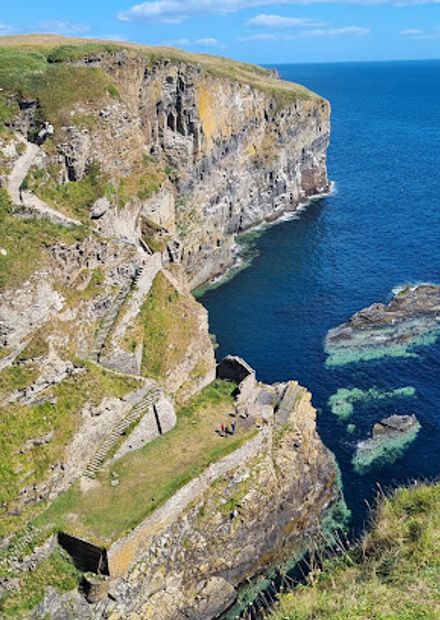
Whaligoe Steps travel guide
A historic cliffside stairway leading to a secluded natural harbour, echoing with the legacy of Scotland’s fishing heritage and rugged coastal beauty.
Tell me more about Whaligoe StepsMore to explore near Whaligoe Steps

 Best experiences near Whaligoe Steps

 Best hotels near Whaligoe Steps

 Best attractions near Whaligoe Steps

 Best shops near Whaligoe Steps

 Best bars near Whaligoe Steps

 Best restaurants near Whaligoe Steps
Explore more
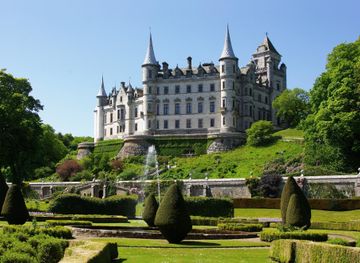
Explore more of Sutherland
Discover Sutherland, the untamed beauty of the Scottish Highlands, where rugged landscapes, serene lochs, and dramatic coastlines await the adventurous traveler.
Explore Sutherland
Getting your guide ready…
We are putting together a fresh copy of the Whaligoe Steps guide. This can take up to a minute.
This can take a few moments. If your browser asks, choose Allow so the download can start. You'll find the guide in your Downloads folder.
Nothing happened? Download it again
Sorry, the guide is taking longer than usual. Please try again in a minute, or get it by email instead.