

Flaming Gorge National Recreation Area Travel Guide - Free Web & App
Your ultimate guide to Flaming Gorge National Recreation Area. Discover top landmarks, proposed trips, and local tips. Free on the web or via the Evendo companion app.


Flaming Gorge National Recreation Area in Utah offers red-rock canyons, a vast reservoir, trout fishing, scenic drives, hiking and wildlife watching.
Red Rock, Water and High Desert
Flaming Gorge National Recreation Area occupies a long, high-country corridor along the Green River and Flaming Gorge Reservoir, extending from northeastern Utah across the state line into southwestern Wyoming. The Utah portion is centred on the communities of Dutch John and Manila, where sagebrush plateaux, pine-covered slopes and vividly coloured canyon walls meet a broad mountain reservoir. At the southern end, the Green River cuts through the gorge below Flaming Gorge Dam, creating a landscape of deep red cliffs, cold water and abrupt changes in elevation.Read more about Flaming Gorge National Recreation Area
Exploring the Recreation Area
Gateway Communities and Natural Character
When is the best time to visit Flaming Gorge National Recreation Area?
Best: June, August–September · 24–28°C| Month | High (°C) | Rainfall (mm) |
|---|---|---|
| January | 3 | 20 |
| February | 5 | 18 |
| March | 10 | 26 |
| April | 14 | 30 |
| May | 20 | 36 |
| June (best) | 25 | 25 |
| July | 29 | 20 |
| August (best) | 28 | 25 |
| September (best) | 24 | 28 |
| October | 17 | 25 |
| November | 9 | 20 |
| December | 3 | 23 |
Getting to and around Flaming Gorge National Recreation Area
How to get there
Transportation
Best attractions in Flaming Gorge National Recreation Area
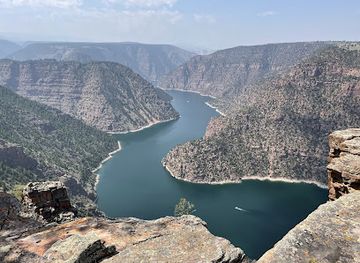
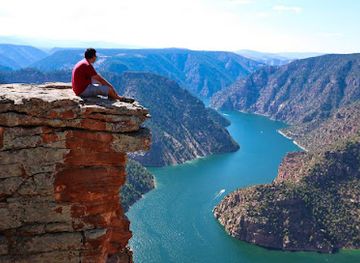
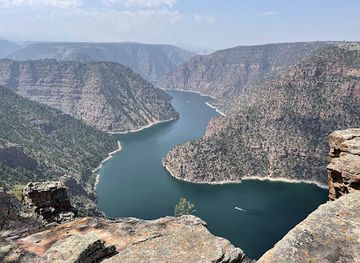
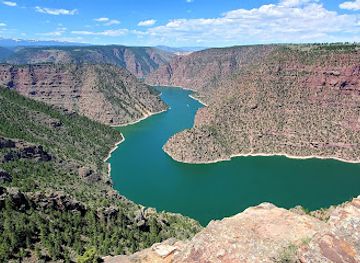
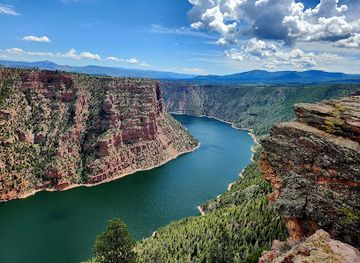
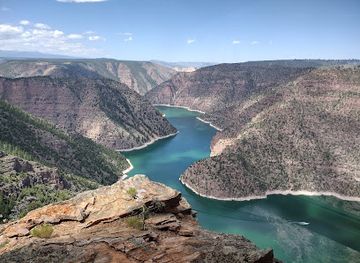
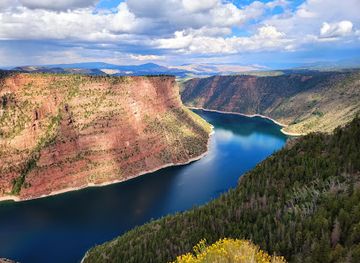
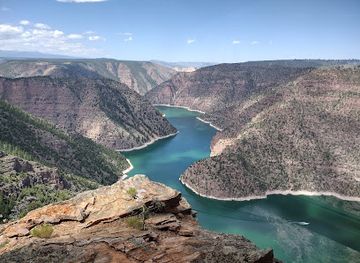
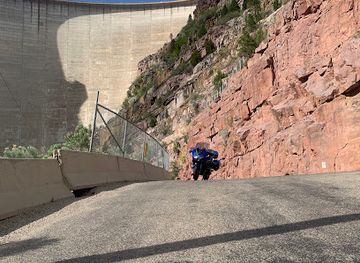
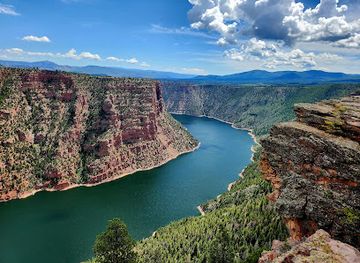
Flaming Gorge Dam is the central built attraction, spanning the Green River and providing access to viewpoints and the reservoir above, while the river below the dam is a major setting for fishing and guided float experiences. Red Canyon Rim offers broad views over the red-rock gorge and blue water, with nearby roads leading to further overlooks and walking routes. On the eastern Utah side, the Sheep Creek Geological Loop presents folded rock layers, coloured cliffs and changing views across the high desert. Flaming Gorge Reservoir is the focus for boating, fishing and shoreline recreation where facilities and conditions permit, and the surrounding Ashley National Forest adds conifer woodland, open plateaux and wildlife habitat. The recreation area’s dispersed character is part of its appeal: rather than a sequence of urban attractions, it offers connected scenic drives, river landscapes, overlooks, campgrounds and access points spread between Dutch John, Manila and the wider reservoir corridor.
-
Visitor center
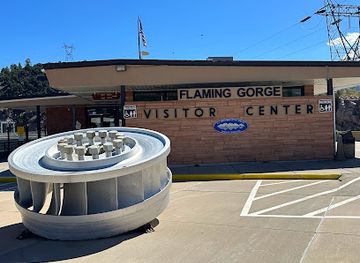
Flaming Gorge Dam Visitor Center
Explore the Flaming Gorge Dam Visitor Center for breathtaking views, educational exhibits, and a glimpse into the natural wonders of Utah.
-
Resort hotel
Dutch John Resort At Flaming Gorge
Discover the beauty of Flaming Gorge at Dutch John Resort, your adventure base for fishing, rafting, and unforgettable outdoor experiences in Utah.
-
Fishing charter
Spinner Fall Guide Service
Discover the pristine waters of Dutch John, Utah with Spinner Fall Guide Service, where unforgettable fishing adventures await in stunning natural surroundings.
-
Lake
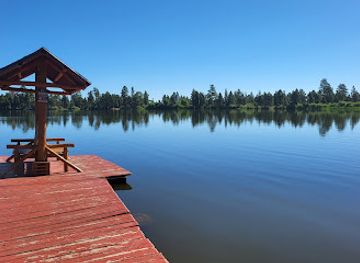
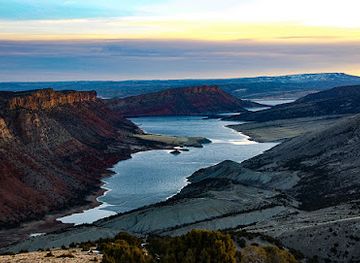
Flaming Gorge Reservoir
Explore Flaming Gorge Reservoir: A stunning lake surrounded by breathtaking landscapes, perfect for outdoor adventures and relaxation in nature.
Best landmarks in Flaming Gorge National Recreation Area
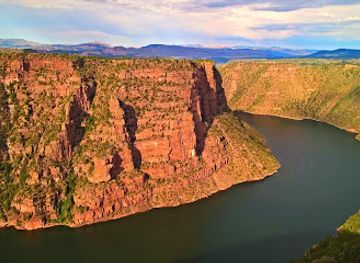
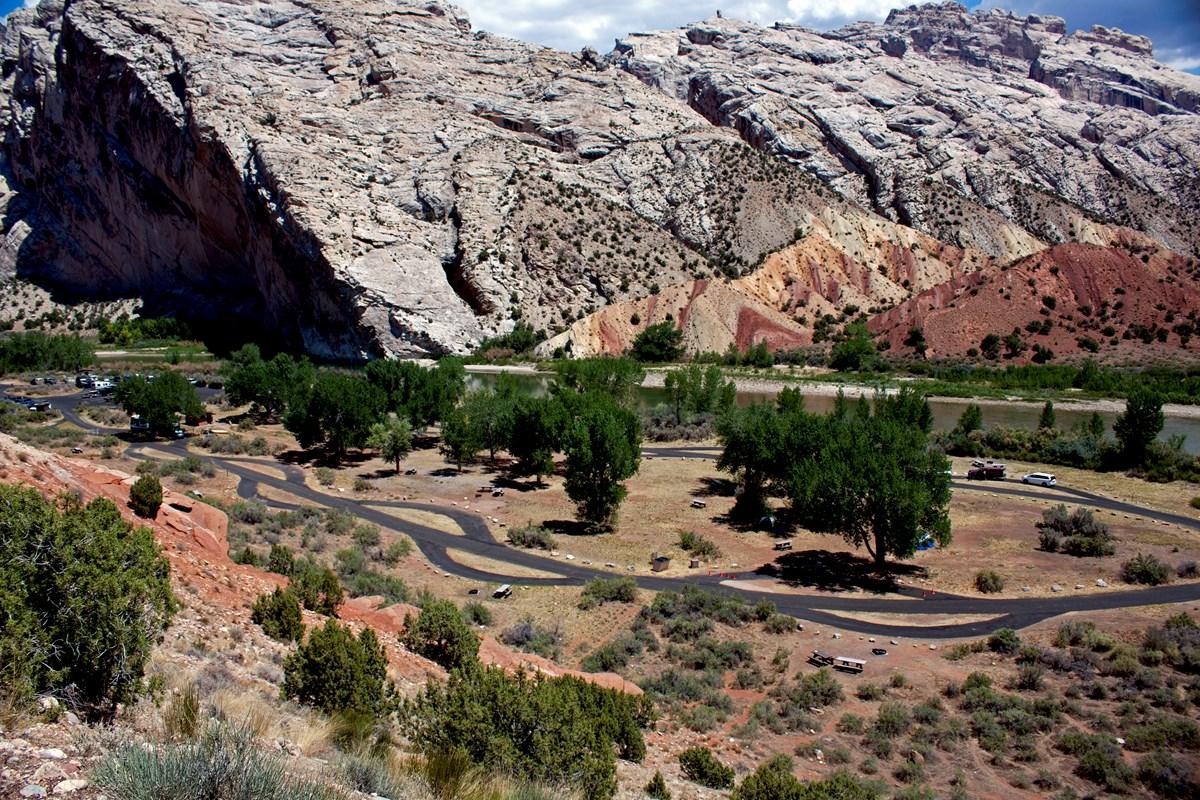
Flaming Gorge Dam is the recreation area’s best-known human landmark, a major concrete structure that changed the Green River valley by creating the long reservoir and regulating flows downstream. The gorge itself is the defining natural landmark: red, orange and pale sedimentary walls descend towards the river, with the scale of the canyon most clearly appreciated from Red Canyon Rim and other overlooks. Flaming Gorge Reservoir forms a contrasting blue corridor through the high desert, while the Green River below the dam remains a recognisable landmark in its own right for its cold water, steep canyon setting and trout fishery. The Sheep Creek Geological Loop adds a different kind of significance, exposing folded and coloured strata that help explain the region’s complex geological character. Together, these features express the close relationship between geology, water engineering and recreation.
-
Visitor center
Flaming Gorge Dam Visitor Center
Discover the breathtaking views and rich history at the Flaming Gorge Dam Visitor Center, your gateway to Utah's stunning landscapes.
-
Scenic spot
Red Canyon Overlook
Discover the natural beauty of Red Canyon Overlook in Utah, a scenic spot offering breathtaking views and unforgettable outdoor experiences.
-
Visitor center
Red Canyon Visitor Center
Discover the breathtaking beauty of Red Canyon Visitor Center, your gateway to the stunning landscapes of Flaming Gorge in Utah.
-
Lake
Flaming Gorge Reservoir
Experience the breathtaking landscapes and outdoor adventures at Flaming Gorge Reservoir, a must-visit destination for nature lovers and thrill-seekers.
Explore Flaming Gorge National Recreation Area on the map
Plan your trip on one map. See where the top attractions, landmarks, restaurants and hotels are, and book hotels and experiences in a few clicks.
Best hotels in Flaming Gorge National Recreation Area
Best restaurants in Flaming Gorge National Recreation Area
Dining within Flaming Gorge National Recreation Area is limited and concentrated in gateway communities rather than distributed along the remote shoreline. Dutch John has the strongest connection with visitors using the lower Green River and reservoir, while Manila provides basic services on the eastern Utah side; travellers should not expect a continuous restaurant district between recreation sites. Local menus commonly reflect the practical character of a rural mountain and reservoir region, with straightforward American meals, burgers, sandwiches, breakfast food and provisions suited to anglers, boaters and campers. Grocery supplies, packed lunches and cooking equipment are useful for longer stays, particularly when exploring distant roads or campgrounds. Food options may also be found in nearby communities outside the recreation area, but opening arrangements are seasonal or changeable, so carrying essentials is prudent.
-
Resort hotel
Dutch John Resort At Flaming Gorge
Experience the beauty of nature at Dutch John Resort - your gateway to adventure in Flaming Gorge with fishing, rafting, and cozy accommodations.
-
 Hotel
HotelFlaming Gorge Resort
Discover tranquility and adventure at Flaming Gorge Resort - your gateway to outdoor fun in Utah's stunning landscapes.
-
Grill
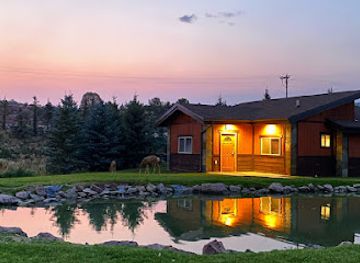
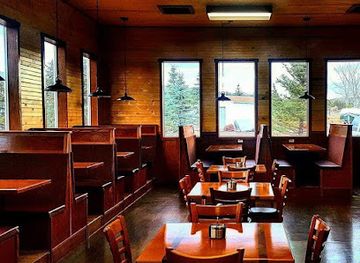
Green River Bar Grill And Steak House Dutch John Resort At Flaming Gorge
Experience delightful dining at Green River Bar Grill And Steak House—where great food meets breathtaking views in Dutch John Resort.
-
Western
Red Canyon Lodge Restaurant
Experience authentic Western cuisine amidst breathtaking landscapes at Red Canyon Lodge Restaurant in Dutch John, Utah.
Best bars in Flaming Gorge National Recreation Area
Flaming Gorge is a quiet outdoor destination with little conventional nightlife. Evening activity is centred on rural restaurants, lodge-based hospitality and community establishments in Dutch John and Manila, where the atmosphere is generally informal and oriented towards anglers, boaters, campers and local residents rather than late-night entertainment. There is no established nightlife district or concentration of nightclubs within the recreation area. After dark, visitors more often gather at accommodation or campsites, stargaze, or enjoy the stillness of the reservoir and canyon landscape, subject to fire regulations and campsite rules. A wider choice of bars and evening venues requires travelling to larger towns outside the recreation area, so visitors should treat entertainment as an incidental part of a nature-focused stay rather than a principal attraction.
-
State park
Flaming Gorge National Recreation Area
Explore the stunning Flaming Gorge National Recreation Area, a paradise for outdoor enthusiasts with breathtaking landscapes and diverse wildlife in Utah.
-
Visitor center
Flaming Gorge Dam Visitor Center
Explore the Flaming Gorge Dam Visitor Center for a blend of engineering history and stunning natural beauty in Utah.
-
Lodge
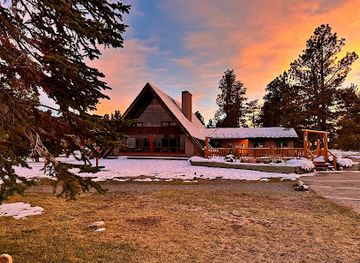
Red Canyon Lodge
Discover the perfect blend of comfort and adventure at Red Canyon Lodge in the stunning landscapes of Utah.
-
Scenic spot
Red Canyon Overlook
Explore the stunning Red Canyon Overlook in Utah, where vibrant rock formations and breathtaking views await every visitor.
Best nightclubs in Flaming Gorge National Recreation Area
Flaming Gorge is a quiet outdoor destination with little conventional nightlife. Evening activity is centred on rural restaurants, lodge-based hospitality and community establishments in Dutch John and Manila, where the atmosphere is generally informal and oriented towards anglers, boaters, campers and local residents rather than late-night entertainment. There is no established nightlife district or concentration of nightclubs within the recreation area. After dark, visitors more often gather at accommodation or campsites, stargaze, or enjoy the stillness of the reservoir and canyon landscape, subject to fire regulations and campsite rules. A wider choice of bars and evening venues requires travelling to larger towns outside the recreation area, so visitors should treat entertainment as an incidental part of a nature-focused stay rather than a principal attraction.
-
State park
Flaming Gorge National Recreation Area
Explore the stunning landscapes of Flaming Gorge National Recreation Area, where breathtaking views and outdoor adventures await every visitor.
Best shops in Flaming Gorge National Recreation Area
Shopping opportunities are modest and practical, with most supplies concentrated in Dutch John, Manila and other nearby gateway settlements rather than inside remote parts of the recreation area. Visitors may find fuel, groceries, fishing equipment, boating provisions, outdoor clothing and basic camping supplies, while local businesses and accommodation providers may offer regionally themed gifts or recreation-related goods. The most characteristic purchases are likely to be useful items for time on the water or in the high desert, along with food for self-catering and packed excursions. Larger retail selections are available only by travelling to more substantial towns outside the immediate recreation area, so specialist equipment and substantial provisions are best obtained before arrival. There is no extensive shopping street or permanent destination-wide market associated with Flaming Gorge.
-
State park
Flaming Gorge National Recreation Area
Explore the breathtaking landscapes and endless outdoor adventures at Flaming Gorge National Recreation Area in Utah, a true natural wonder.
-
Visitor center
Flaming Gorge Dam Visitor Center
Explore the Flaming Gorge Dam Visitor Center: Experience breathtaking views, learn about dam engineering, and immerse yourself in nature's beauty.
-
Resort hotel
Dutch John Resort At Flaming Gorge
Discover the beauty of Flaming Gorge and the adventure-filled Dutch John Resort, where relaxation meets outdoor excitement in Utah's stunning landscapes.
-
Lake
Flaming Gorge Reservoir
Experience the breathtaking landscapes and outdoor adventures at Flaming Gorge Reservoir, a hidden gem in Utah perfect for nature lovers and thrill-seekers.
Get your free copy of our complete guide to Flaming Gorge National Recreation Area, delivered straight to you.
Everything on this page, from attractions and restaurants to essentials and local phrases, in one PDF you can read offline, print or share.
Already have an account? Sign in
Your Flaming Gorge National Recreation Area guide is ready.
We'll send it to · Not you? Sign out

Getting your guide ready…
We are putting together a fresh copy of the Flaming Gorge National Recreation Area guide. This can take up to a minute.
This can take a few moments. If your browser asks, choose Allow so the download can start. You'll find the guide in your Downloads folder.
Nothing happened? Download it again
Sorry, the guide is taking longer than usual. Please try again in a minute, or get it by email instead.
Flaming Gorge National Recreation Area essentials
Currency and Payment
Safety
Emergency Situations
Do's and Don'ts
Local Tips
From Eve
Local phrases worth knowing
You don't need to get them perfect. A few words go a long way, and locals appreciate the effort.
Basics
| English | Local | Say it |
|---|---|---|
| Hello | Howdy | [hou-dee] |
| Goodbye | See ya later | [see yuh lay-ter] |
| Yes | Yup | [yuhp] |
| No | Nah | [nah] |
| Please/You're welcome | Please and thank you | [pleez and thank yuh] |
| Thank you | Thanks a bunch | [thanks uh bunch] |
| Excuse me/Sorry | Pardon me | [par-dun me] |
| How are you? | Howdy partner? | [hou-dee par-tnur] |
| Fine. And you? | Just dandy. You? | [just dan-dee. yuh?] |
| Do you speak English? | Y'all speak English? | [yawl speak ing-glish?] |
| I don't understand | I ain't a clue | [I aint uh kloo] |
Eating & Drinking
| English | Local | Say it |
|---|---|---|
| I'd like to see the menu, please | Can I take a gander at the menu? | [kan aye take uh gan-der at the menu?] |
| I don't eat meat | I'm a vegetarian | [I'm uh ve-jeh-tair-ee-un] |
| Cheers! | Bottoms up! | [bot-ums up] |
| I would like to pay, please | Can I settle up? | [kan aye set-ul up] |
Emergencies
| English | Local | Say it |
|---|---|---|
| Help! | Send help! | [send help] |
| Go away! | Scram! | [skram] |
| Call the Police! | Get the Sheriff! | [get the sher-iff] |
| Call a doctor! | Fetch a doc! | [fetch uh dok] |
| I'm lost | I'm disoriented | [I'm dis-or-ee-ent-ed] |
| I'm ill | I ain't feeling right | [I aint feel-ing rite] |
Shopping
| English | Local | Say it |
|---|---|---|
| I'd like to buy... | I reckon I'll take... | [I rek-uhn aye'll take] |
| I'm just looking | Just browsing | [just brow-sing] |
| How much is it? | What's the damage? | [whats the dam-ij] |
| That's too expensive | That's a bit steep | [thats uh bit steep] |
| Can you lower the price? | Can you cut me a deal? | [kan yuh kut mee uh deel] |
Time & Numbers
| English | Local | Say it |
|---|---|---|
| What time is it? | What's the time o' day? | [whats the time uh day] |
| It's one o'clock | It's high noon | [its hi noon] |
| Half past (10) | Ten-thirty | [ten-thur-tee] |
| Morning | Mornin' | [morn-in] |
| Afternoon | Afternoon | [after-noon] |
| Evening | Evenin' | [even-in] |
| Yesterday | Yest'day | [yest-day] |
| Today | Today | [to-day] |
| Tomorrow | Tomorrer | [tom-or-er] |
| 1 | One | [wun] |
| 2 | Two | [too] |
| 3 | Three | [three] |
| 4 | Four | [four] |
| 5 | Five | [five] |
| 6 | Six | [six] |
| 7 | Seven | [sev-un] |
| 8 | Eight | [ate] |
| 9 | Nine | [nine] |
| 10 | Ten | [ten] |
Transport & Directions
| English | Local | Say it |
|---|---|---|
| Where's a/the...? | Where's the... | [wheres the] |
| What's the address? | What's the location? | [whats the loh-kay-shun] |
| Can you show me (on the map)? | Can you point it out (on the map)? | [kan yuh point it out on the map] |
| When's the next (bus)? | When's the next transit? | [whens the next trans-it] |
| A ticket (to ....) | A pass (to ....) | [uh pass to] |
History of Flaming Gorge National Recreation Area
A River Through Ancient Strata
The landscape around Flaming Gorge records a long geological history rather than a single human event. The Green River has cut deeply through layered rocks of the Uinta Mountains and surrounding plateaux, exposing bands of red, orange and pale sediment in the canyon walls. Reservoir waters now cover parts of the former river valley, but the gorge and its rock layers remain visible from overlooks and along the river corridor. The distinctive landforms around the modern recreation area are therefore the product of uplift, erosion and changing river courses over immense geological timescales.
Indigenous Homelands and Early Travel
The Green River corridor and the surrounding high desert were used by Indigenous peoples long before the arrival of Euro-American settlement. Ute communities have longstanding connections with northeastern Utah, while neighbouring landscapes were also travelled and used by other peoples of the wider Colorado Plateau and Great Basin. Rivers, springs and seasonal uplands shaped movement through an otherwise demanding environment. Archaeological evidence and cultural resources in the wider region reflect this deep history, although individual sites may be protected, sensitive or closed to public access.
Exploration and Settlement
During the nineteenth century, the Green River became an important route for explorers, trappers, surveyors and emigrants moving through the interior West. John Wesley Powell’s expeditions along the Green River and through the canyon country helped bring wider scientific and public attention to the region, although the area was already known and used by Indigenous peoples. Later settlement developed around ranching, transport and resource use in the Uintah Basin and adjacent Wyoming, with small communities and working landscapes replacing neither the river’s importance nor the region’s geographic isolation.
The Dam and a Changing River
Flaming Gorge Dam was constructed by the United States Bureau of Reclamation in the 1960s as part of the Colorado River Storage Project. Its completion created Flaming Gorge Reservoir and transformed the seasonally variable Green River into a regulated waterway below the dam. The reservoir altered former river and valley environments, while releases from the dam helped create the cold-water conditions for which the lower Green River became widely recognised as a trout fishery. The dam also introduced new recreational, engineering and water-management interests to the region.
Recreation and Conservation
Flaming Gorge National Recreation Area was established in 1968 and is administered by the Ashley National Forest, with the wider recreation area extending into Wyoming. Its designation reflects the combined importance of the reservoir, river corridor, canyon scenery and surrounding forest and desert landscapes. Recreation has grown around boating, fishing, camping, hiking and scenic driving, but these uses continue alongside wildlife management, water regulation and protection of archaeological and natural resources. Modern visits are shaped by this balance between public access and the conservation of a large, dispersed landscape.
Flaming Gorge National Recreation Area in Photos
Browse through our photo collection highlighting the charm and character of the destination.
Neighbouring destination travel guides
The closest destinations to Flaming Gorge National Recreation Area, if you have time for more than one.
-

-

-

-

-


Swipe for more destinations
Explore more
Explore more of Uintah Basin
Explore Utah's Uintah Basin for dinosaur fossils, Ute heritage, red-rock canyons, river recreation and mountain landscapes around Vernal and Roosevelt.
Explore Uintah Basin
Explore more of Utah
Explore Utah's stunning national parks, rich cultural heritage, and year-round outdoor adventures. Discover why this diverse state is a top destination for travelers.
Explore Utah