Almindingen Travel Guide
Free Guide: Vast reforested heart of Bornholm, where granite cliffs, echoing valleys, castle ruins and European bison meet a web of trails under a deep green canopy.


A brief summary of Almindingen
Vast reforested heart of Bornholm, where granite cliffs, echoing valleys, castle ruins and European bison meet a web of trails under a deep green canopy.
Sprawling across the heart of Bornholm, Almindingen is one of Denmark’s largest forests and the island’s wild green core. Once common grazing land, this carefully reforested landscape now unfolds as a mosaic of deep woods, rocky rift valleys, still forest lakes and open glades. Well-marked trails lead to highlights such as Ekkodalen echo valley, the Rytterknægten lookout tower, castle ruins and a fenced reserve where European bison roam, making Almindingen a rewarding escape for walkers, cyclists and nature lovers.
On-site amenities
 Restrooms
 Seating areas
 Picnic areas
 Trash bins
 Information boards
 Visitor centre
- Address
- Bornholm
Getting there
Car from Rønne
Bus from Bornholm towns
Bicycle from Aakirkeby area
Discover more about Almindingen
Bornholm’s Green Heart Reborn from Common Land
Almindingen stretches across the centre of Bornholm, forming one of Denmark’s largest continuous forest areas and the island’s verdant backbone. For centuries this plateau was shared pastureland rather than dense woodland, its name roughly meaning “the common” or “all men’s possession”. By around 1800, overgrazing and woodcutting had stripped most trees from the landscape.A royal decree launched a vast reforestation project, led by forester Hans Rømer. Stone walls were raised to keep grazing animals out, and new oaks, beeches and conifers were planted. Over the next two centuries Almindingen expanded dramatically as municipal plantations merged with the original forest. Today you wander through a man-made yet seemingly ancient landscape, where careful management blends commercial forestry with protected pockets of near-wild nature.
Granite Cliffs, Rift Valleys and Quiet Forest Lakes
The character of Almindingen is shaped by Bornholm’s ancient granite bedrock. In many places it pushes through the thin soils as crags, boulders and rocky ground, giving the forest a distinctly Nordic feel. On the western side, steep rock walls and blocks line the trails, while hidden forest lakes and peat bogs lie tucked into hollows between low hills.Among the most striking features are Bornholm’s rift valleys. Ekkodalen, the longest, cuts a dramatic groove through the forest with cliffs up to 20 metres high and a famous natural echo bouncing off the stone. Elsewhere, small bogs and wetlands provide habitat for birds and dragonflies, best appreciated from simple wooden towers set beside reed-fringed pools. Even short walks here can take you from shady conifer stands to open heather, juniper thickets and mossy beech groves.
Rytterknægten, Ancient Castles and Living History
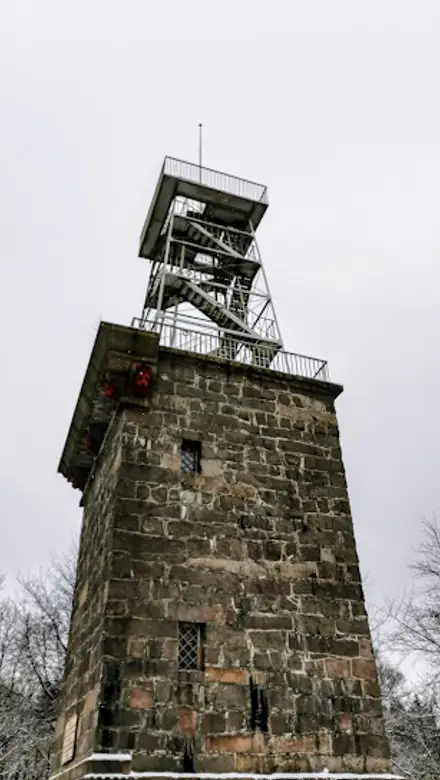
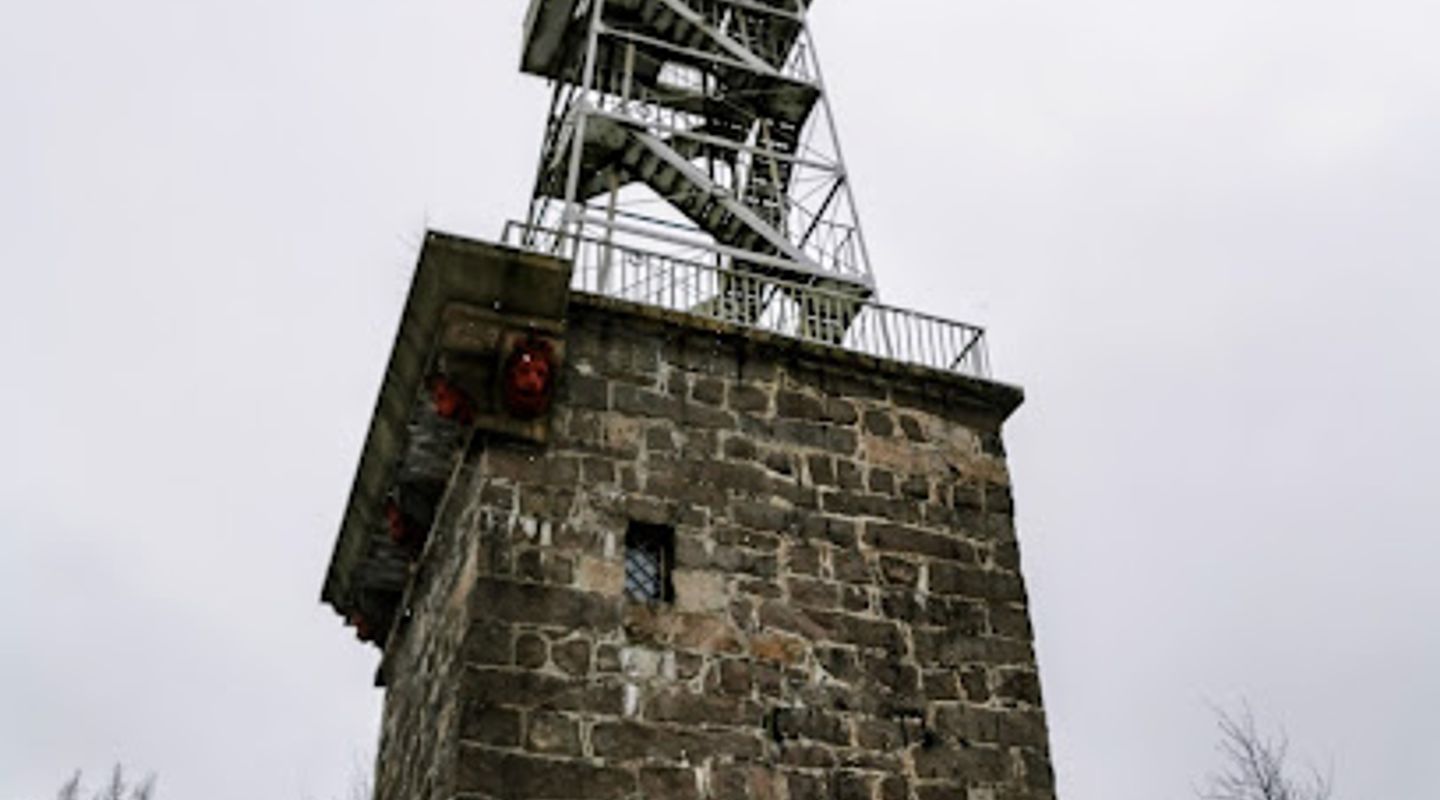
In the middle of the forest rises Rytterknægten, at 162 metres the highest point on Bornholm. A tower and viewing platform crown the summit, offering broad views across the tree canopy and, in clear weather, towards the island’s coast. The monument here also commemorates a royal visit in the 19th century, tying the landscape to national history as well as local forestry efforts.Scattered through the woods are reminders of much earlier eras. The ruined fortresses of Gamleborg and Lilleborg sit on rocky knolls, once guarding routes across the island. From their crumbling walls you look out over tree-tops rather than medieval farmland, but the strategic siting remains easy to sense. Forest lanes lead to old ranger houses, an arboretum of tree species collected from similar latitudes, and sections of heath that preserve what Almindingen looked like before replanting, with juniper, birch and heather instead of tall timber.
Bison, Birdlife and Subtle Wildlife Encounters
Almindingen’s varied habitats support rich flora and fauna, from fungi and lichens to songbirds, owls and raptors that hunt over clearings and marshes. Simple observation towers overlook lakes and bogs, giving you a quiet perch from which to scan for waterbirds and listen to the forest’s layered soundscape. In spring, wild garlic can carpet some valleys, while autumn brings intense colour and an abundance of mushrooms along the paths.A standout feature is the fenced bison enclosure, where a small herd of European bison – reintroduced here in the 21st century – graze within a large woodland paddock. Designated viewpoints allow you to look for these heavy, shaggy silhouettes among the trees. Sightings are never guaranteed, but the possibility adds a sense of wilderness unusual in Denmark. Red deer no longer roam freely as they once did, yet Almindingen still feels like an active, living ecosystem rather than a static park.
Exploring on Foot, by Bike or on Horseback
The forest is laced with waymarked hiking trails of different lengths and difficulty levels, many of them themed routes linking viewpoints, lakes and historic sites. Broad forest roads and gentler paths suit family walks, while narrower tracks climb rocky slopes or wind along the base of rift valleys. Cyclists can follow gravel roads and designated routes, and there are specific bridle paths and paddocks for riders.Almindingen also caters to unhurried stays. Primitive campsites and simple shelters invite multi-day excursions, and picnic tables or clearings near lakes make natural lunch spots. Information boards in key areas explain geology, history and wildlife, helping you read the landscape as you go. Whether you come for a short stroll under the canopy, a full-day hike between valleys and viewpoints, or a quiet evening listening to birds over a forest bog, the experience is one of immersion in Bornholm’s reimagined wild core.
Evendo Review Centre
 Google
Guest reviews
Best time to go
Quietest: Jan, Feb & Mar · before 6am or from 10pm
Busy times are Evendo estimates for a typical year, to help you plan. Actual crowds vary with events, school holidays and the weather.
Explore Almindingen on the map
A handpicked selection of must-see spots near Almindingen, mapped for you.
Get your free copy of our complete guide to Almindingen, delivered straight to you.
Everything on this page, from opening hours and how to get there to Eve’s tips and the best time to go, in one PDF you can read offline, print or share.
Already have an account? Sign in
Your Almindingen guide is ready.
We'll send it to · Not you? Sign out

Getting your guide ready…
We are putting together a fresh copy of the Almindingen guide. This can take up to a minute.
This can take a few moments. If your browser asks, choose Allow so the download can start. You'll find the guide in your Downloads folder.
Nothing happened? Download it again
Sorry, the guide is taking longer than usual. Please try again in a minute, or get it by email instead.
Other nearby places you may find interesting
The closest places of the same kind, if this one is not quite what you had in mind.
-
-
-
-
-


Swipe for more places
More to explore near Almindingen

 Best experiences near Almindingen
 Best hotels near Almindingen
 Best landmarks near Almindingen
 Best attractions near Almindingen
 Best shops near Almindingen
 Best restaurants near Almindingen
 Best bars near Almindingen
Do you manage this location?
Take control to get all the benefits, like improved information, better appearance, and stronger visibility across AI-powered discovery.
Explore more

Explore more of Bornholm
Explore Bornholm: Denmark's Baltic gem, offering stunning nature, rich history, and vibrant local culture. Perfect for nature lovers, history buffs, and food enthusiasts.
Explore Bornholm
Explore more of Denmark
Discover Denmark: A perfect blend of history, modern design, and the cozy concept of hygge. Explore vibrant cities, serene landscapes, and world-class cuisine.
Explore Denmark