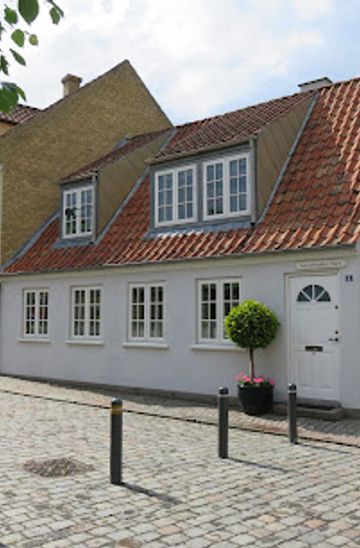
Sortebrødre Torv (Blackfriars Square), Odense
Cobblestoned Blackfriars Square blends medieval streets, colourful timber houses and a bustling twice‑weekly market in the historic heart of Hans Christian Andersen’s Odense.
Sortebrødre Torv, or Blackfriars Square, is a cobbled, intimate square in the heart of Odense’s old town, just steps from the Hans Christian Andersen House. Framed by colourful historic houses, including 17th‑century merchant buildings now linked to the Møntergården museum, it blends medieval roots with everyday city life. Twice weekly, the square fills with a lively fresh food market, while cafés, a classic Danish restaurant and nearby museums make it an atmospheric pause on any walk through old Odense.
A brief summary to Blackfriars Square
- Odense, Odense C, 5000, DK
- Click to display
- Duration: 0.5 to 2 hours
- Free
-
 Outdoor
- Mobile reception: 5 out of 5

Know before you go
Hi, I'm Eve. Here are a few practical things to know before exploring Blackfriars Square.
- Time your visit for a Wednesday or Saturday morning to experience the fresh food market when the square is at its liveliest.
- Combine a stroll around the square with a visit to the nearby Hans Christian Andersen House and the Møntergården museum for a deeper sense of Odense’s history.
- Bring a camera: the colourful timber façades and cobblestones are especially photogenic in soft morning or late‑afternoon light.
- Wear comfortable shoes suitable for cobblestones, particularly if you plan to explore the surrounding old‑town streets on foot.
- In cooler months, warm up at one of the cafés or restaurants that line or overlook the square between short walks outside.
Do you manage this location?
Take control to get all the benefits, like improved information, better appearance, and stronger visibility across AI-powered discovery. Learn more
Activate your presenceOther nearby places you may find interesting

Getting There
-
From central Odense by walking
From Odense Banegård Center, the main train and bus hub, allow about 10–15 minutes on foot to reach Sortebrødre Torv. The route leads through flat, largely pedestrian streets in the city centre and is suitable for most visitors, including those with strollers; wheelchair users may find some cobblestones in the old town uneven but manageable with care.
-
By city bus to the old town area
Several Odense city bus lines stop within roughly a 5–10 minute walk of Sortebrødre Torv via central stops near Kongensgade and Vestergade. Typical single tickets within the city cost around 20–30 DKK depending on zones and purchase method, and services generally run every 10–20 minutes during the day, with reduced frequency in the evening and on Sundays.
-
By bicycle within Odense
Odense is a bicycle-friendly city with dedicated lanes leading toward the historic centre. From most central neighbourhoods you can expect a 5–15 minute ride to reach streets around Sortebrødre Torv, after which you must dismount and walk, as parts of the old town are pedestrian only. Public bike racks are available in nearby streets, though they can fill up during busy periods.
-
By taxi from the train station
Taxis are readily available outside Odense Banegård Center. The ride to the streets bordering Sortebrødre Torv usually takes about 5–10 minutes depending on traffic. Daytime fares within central Odense typically range from about 80–140 DKK, with higher rates in the evening and at weekends; taxis will drop you on an adjacent street, as the square itself is in a pedestrian-focused area.
For the on-the-go comforts that matter to you
-
 Restrooms
-
 Drink Options
-
 Drinking Water
-
 Food Options
-
 Seating Areas
-
 Sheltered Areas
-
 Trash Bins
-
 Information Boards
-
 Visitor Center
Discover more about Blackfriars Square
Medieval echoes in a modern city square
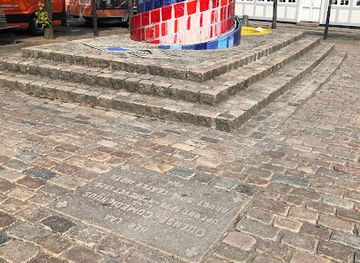
Sortebrødre Torv, known in English as Blackfriars Square, sits at the core of Odense’s old town, where narrow lanes and low, colourful houses still hint at the city’s medieval street plan. The name recalls the Blackfriars, or Dominican monks, whose monastery once stood nearby and anchored religious life here for centuries. Although the monastic buildings have long since vanished or changed purpose, the square preserves a sense of enclosure and intimacy that feels distinctly older than the city around it.Walking onto the cobblestones, you are surrounded by gabled façades that lean slightly toward one another, their timber frames and painted plaster telling stories of merchants, craftsmen and townsfolk who lived and traded here long before Odense grew into Denmark’s third‑largest city. The scale is human and compact, and even on busy days the square feels like an outdoor living room for the historic quarter.Market mornings and everyday food culture
Twice a week, on Wednesday and Saturday mornings, Sortebrødre Torv transforms into a fresh food market, continuing a tradition of open‑air trading that has defined this space for generations. Stalls set up across the cobbles, offering local produce, cheeses, flowers and seasonal specialties from Funen’s fertile countryside. Vendors chat with regulars, and the morning air fills with the sound of bargaining, gossip and clinking crates.Beyond market hours, food remains central to the square’s character. A classic Danish restaurant, Grønttorvet, has long anchored one side of the plaza, serving traditional fare in surroundings that match the historic setting. Around the edges and in the nearby lanes, cafés and eateries spill tables outdoors in warmer months, so the square becomes a natural place to linger over coffee or lunch while watching the rhythm of the old town.Historic houses and links to Møntergården
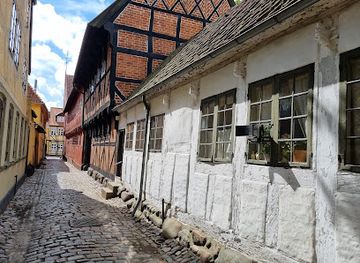
One of the most striking sights on Sortebrødre Torv is the yellow half‑timbered complex that forms part of the Møntergården museum. Dating back to the early 17th century, these buildings were once the premises of prosperous merchants and tradesmen. Their carved beams, painted emblems and slightly irregular lines show how the city looked in Hans Christian Andersen’s childhood, when Odense was still a compact market town.Today the complex is integrated into the museum, which explores Funen’s urban and regional history. Even if you do not step inside the exhibitions, simply viewing the façades from the square offers a curated glimpse into Odense’s past. The juxtaposition of these preserved timber houses with more recent buildings around the square highlights how carefully the historic core has been woven into the modern city.In the footsteps of Hans Christian Andersen
Sortebrødre Torv is an important waypoint on walks dedicated to Hans Christian Andersen, who was born and grew up only a few streets away. The square lies close to the new Hans Christian Andersen House, a museum complex that reinterprets his life and fairy tales through immersive architecture and exhibitions. Moving between the museum and the square, it is easy to picture the young Andersen navigating these same cobbles on his way through town.The surrounding network of lanes includes some of Odense’s most photogenic streets, where low, vividly painted houses and hollyhocks recreate the atmosphere that later seeped into Andersen’s stories. In this context, Sortebrødre Torv feels less like an isolated attraction and more like a focal point in a lived‑in literary landscape.Atmosphere through the seasons
The character of Blackfriars Square changes subtly with the seasons and times of day. On bright summer mornings, the market and outdoor tables create a lively, almost village‑like buzz. In autumn, low light and fallen leaves lend warmth to the timber façades and cobbles. Winter can be quiet and contemplative, with crisp air and a clearer view of architectural details once foliage disappears.Even on ordinary weekdays, locals cross the square on daily errands, children cut across on their way to school, and museum visitors pause between sights. The combination of small‑scale architecture, regular market days and its role as a crossroads makes Sortebrødre Torv a place where Odense’s history and everyday life still meet in the open air.Planning your visit on foot
Because it sits in a pedestrian‑friendly part of the old town, Sortebrødre Torv is best experienced at a walking pace. Many visitors fold it into a broader exploration of nearby museums, churches and Andersen‑related sites. An unhurried circuit around the square allows time to notice the details: the pattern of the cobblestones underfoot, the angles of the roofs, the signage of long‑established businesses and the way the façades catch the shifting Danish light.Whether you arrive during a bustling market morning or a quiet afternoon, the square rewards those who pause on one of its edges or at a café table and let the layered history of Odense reveal itself slowly.Explore the best of what Blackfriars Square has to offer













More about Funen
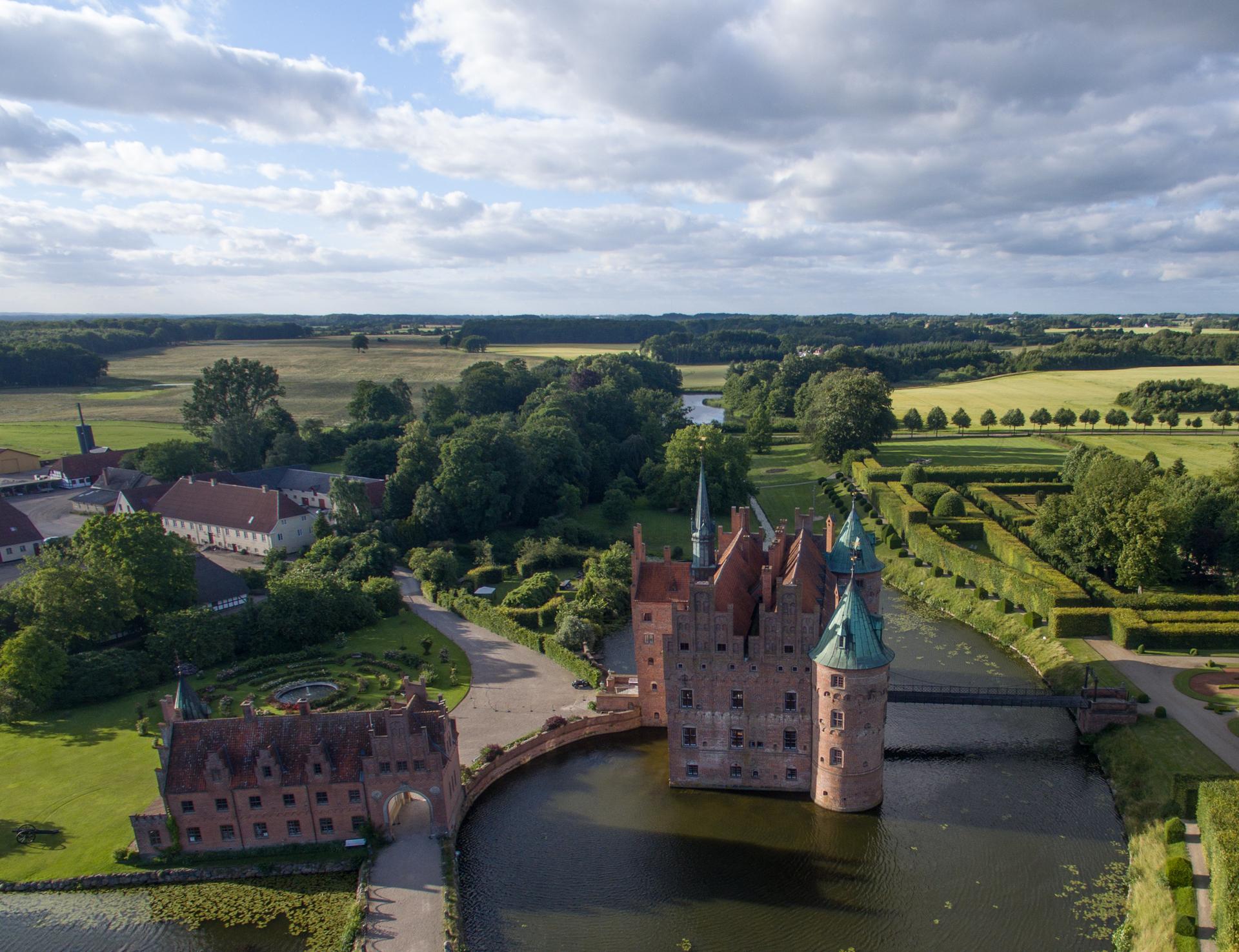
Discover Funen, Denmark's lush island treasure, where fairy tales come to life amidst scenic landscapes, historic castles, and vibrant cultural heritage.
Tell me more about Funen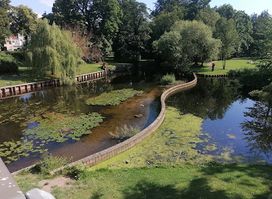
A quiet, story-rich bend of Odense River where legends of a sunken bell and Hans Christian Andersen’s fairytale imagination deepen an otherwise modest city waterscape.
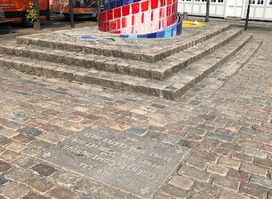
On Sortebrødre Torv, the lost Odense Comediehuus lives on in stories of young H.C. Andersen, vanished footlights and a square that still hums with everyday drama.