Gråsten Palace, South Jutland Travel Guide
A lived‑in royal summer palace with romantic lakeside gardens, a lavish Baroque church and centuries of Danish history quietly unfolding in southern Jutland.
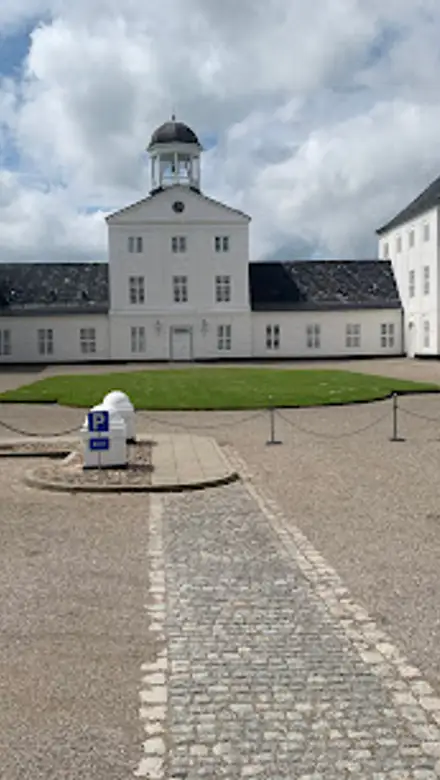
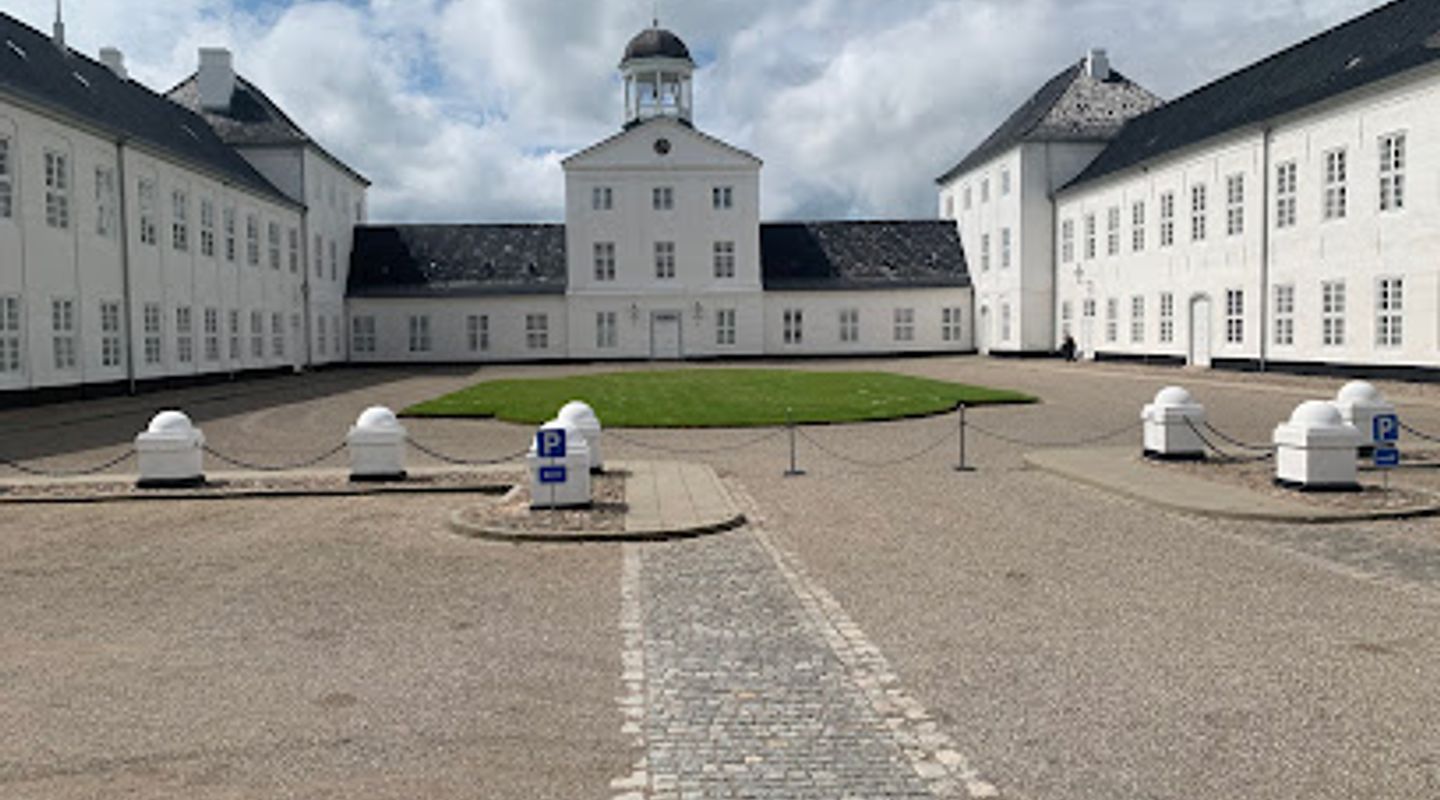
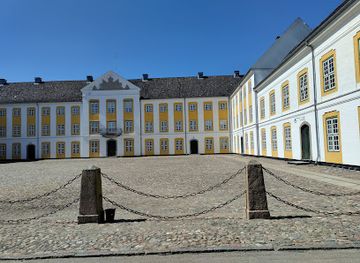
Gråsten Palace in southern Jutland is the cherished summer residence of the Danish royal family, set beside a lake on the edge of the small town of Gråsten. The current white Rococo palace, rebuilt from 1759 and expanded in 1842, rises behind romantic English-style gardens shaped by flower‑loving Queen Ingrid in the 20th century. While the royal apartments remain private, the landscaped grounds and the atmospheric palace church are normally open when the royal family is not in residence, making this a graceful window into Danish royal life.
A brief summary to Gråsten Palace
- Slotsbakken, Gråsten, 6300, DK
- Click to display
- Duration: 1 to 3 hours
- Free
-
 Outdoor
- Mobile reception: 4 out of 5

Know before you go
Hi, I'm Eve. Here are a few practical things to know before exploring Gråsten Palace.
- Check in advance whether the royal family is in residence, as the gardens and church are closed during the summer stay but generally open at other times.
- Allow time to wander the palace gardens slowly, following the paths down towards the lake for the most atmospheric views across water and woodland.
- If you are in Gråsten at midday on a day with royal presence, watch the Royal Life Guard’s march and changing of the guard outside the palace.
- Bring a light jacket or windproof layer, as the exposed lakeside setting can feel cooler than the town, even on bright summer days.
- Photography is ideal in the soft light of early morning or late afternoon, when the white façades and gardens are less harshly lit.
Do you manage this location?
Take control to get all the benefits, like improved information, better appearance, and stronger visibility across AI-powered discovery. Learn more about listing your business on Evendo
Activate your presenceOther nearby places you may find interesting
The closest places of the same kind, if this one is not quite what you had in mind.
Explore Gråsten Palace on the Map
A handpicked selection of must-see spots near Gråsten Palace, mapped for you.
Getting There
-
Regional train and short walk from Sønderborg
From Sønderborg, take a regional train towards Tinglev or Flensburg and get off at Gråsten Station; the journey typically takes 15–20 minutes and trains usually run at least once an hour in daytime. A standard adult ticket costs roughly 40–70 DKK one way, depending on discounts and time of purchase. From the station it is an easy, mostly level 15–20 minute walk through town to the palace area, suitable for most visitors with basic mobility but not ideal for heavy luggage.
-
Long-distance train from Flensburg (Germany)
If you are arriving from northern Germany, take a regional train from Flensburg towards Denmark and change as directed for services stopping at Gråsten; total travel time is usually 35–55 minutes including the connection. A one‑way adult ticket generally falls in the range of 70–130 DKK depending on the specific route and fare type. From Gråsten Station you reach the palace on foot in about 15–20 minutes on paved, gently undulating streets.
-
Car from Sønderborg and southern Jutland
Driving from Sønderborg or other parts of southern Jutland, plan on 20–30 minutes from Sønderborg and up to an hour from towns such as Kolding, using the main regional roads towards Gråsten. There is public parking in the town within walking distance of the palace area, but spaces can be limited on fine summer days or when the royal family is in residence, so arriving earlier in the day helps. There is no separate entrance fee for simply viewing the palace from outside, though events or nearby attractions may have their own charges.
-
Bicycle from Gråsten and nearby villages
The gently rolling countryside around Gråsten makes cycling a pleasant option in the warmer months. From most parts of Gråsten town you can reach the palace area by bike in around 5–10 minutes along ordinary streets and cycle‑friendly roads, with generally smooth surfaces but some mild inclines. There is no cost beyond any bike rental you may arrange elsewhere in the region, and this option suits visitors comfortable riding in light mixed traffic; helmets and lights are strongly recommended.
For the on-the-go comforts that matter to you
-
 Restrooms
-
 Drinking Water
-
 Seating Areas
-
 Sheltered Areas
-
 Trash Bins
-
 Information Boards
-
 Visitor Center
Discover more about Gråsten Palace
A royal summer home in southern Jutland
Gråsten Palace sits on the outskirts of the town of Gråsten in southern Jutland, close to the Danish–German border and surrounded by lake, woodland and gently rolling fields. Best known today as the summer residence of the Danish royal family, it combines an intimate scale with a sense of ceremony. When the royal split flag flies from the bell tower and the Royal Life Guard takes up position, the palace feels very much like a working royal home rather than a museum piece.The current complex dates mainly from the 18th and 19th centuries, but the site has hosted noble residences for centuries. Pale façades, clipped hedges and gravel forecourts create a bright, orderly first impression, softened by the green curtain of trees and the shimmer of water beyond.From hunting lodge to Rococo palace
The story of Gråsten begins in the mid‑1500s with a modest hunting lodge built in the surrounding forests. That early building was lost to fire in 1603, and a new residence arose around the spot now occupied by the south wing. Later, in the late 1600s, Chancellor Frederik Ahlefeldt and his son commissioned an imposing Baroque palace here, signaling the site’s growing prestige within ducal and royal circles.Disaster struck again in 1757 when fire devastated that Baroque complex. Only the palace church and a few small pavilions survived. Out of the ashes came the present palace: a Rococo south wing completed in 1759, later joined by the central main building in 1842. The result is a compact, harmonious ensemble rather than a sprawling court palace, reflecting both changing tastes and the practical needs of its owners.Royal families and changing frontiers
Over the centuries, Gråsten passed through the hands of powerful noble families and the Danish state. The Dukes of Augustenborg owned the estate for much of the 18th and 19th centuries, a period when the Schleswig region’s allegiance and borders shifted repeatedly. These political changes shaped who could actually live at Gråsten and for how long, as wars and treaties recast ownership and use.In the 20th century the Danish state once again took control and adapted the palace to civic functions, using parts of it as a courthouse, library and housing for officials. Only in the 1930s did Gråsten become firmly anchored as a royal residence, when it was placed at the disposal of the then crown prince couple as their summer home after an extensive restoration.Gardens shaped by a queen’s imagination
Encircling the palace is Gråsten Palace Garden, laid out in a romantic style at the end of the 18th century and later transformed in the spirit of English landscape design. Open lawns sweep towards the lake, framed by mature trees, winding paths and generous beds of roses and perennials. The mood is relaxed rather than formal, inviting slow walks, quiet pauses on benches and changing views of water and woodland.In the 20th century Queen Ingrid, famed for her love of flowers, took a personal interest in the gardens, influencing plantings and layout. Her eye for colour and seasonal variation helped turn the grounds into a living canvas that still changes subtly from spring blossoms to late‑summer roses and autumn leaves. Today the gardens are normally open to visitors when the royal family is away, offering an unusually close look at a royal landscape that still feels lived in.The richly decorated palace church
One of the most atmospheric parts of the complex is Gråsten Palace Church, housed in the north wing and among the few survivors of the 1757 fire. Serving as a parish church since the mid‑19th century, it blends local religious life with royal tradition. Inside, a towering Baroque altarpiece fills the end wall from floor to ceiling, its carved figures, columns and paintings richly highlighted against a light interior.Overhead, a stucco ceiling with angels and putti set against a pale blue sky adds an almost theatrical sense of height and lightness. The walls are lined with dozens of historic paintings, many dating back to the palace’s earlier incarnations. Even when restoration work limits access, the church remains central to the site’s identity as a place where courtly ritual and everyday worship have met for generations.Experiencing Gråsten today
For visitors, Gråsten Palace offers an interplay of quiet observation and royal pageantry. When the royal family is in residence, access to the gardens and church is restricted, but the changing of the Royal Life Guard outside the gates brings a burst of music and marching precision to the otherwise peaceful setting. At other times, wandering the grounds lets you imagine the rhythms of a royal summer: walks along the lake shore, riders crossing the lawns, children playing near the smaller buildings on the estate.The palace itself remains closed to the public, preserving its role as a private home. Yet the combination of open gardens, richly decorated church and the wider lake and forest landscape gives a rounded sense of place. Gråsten feels both stately and approachable, a palace woven into the fabric of a small Danish town and its surrounding countryside.












Your all‑in‑one travel companion app
Explore expert travel guides, compare and book tours, experiences, hotels, and more—all from the palm of your hand. Download now for seamless trip planning wherever your wanderlust takes you.


Explore More of South Jutland
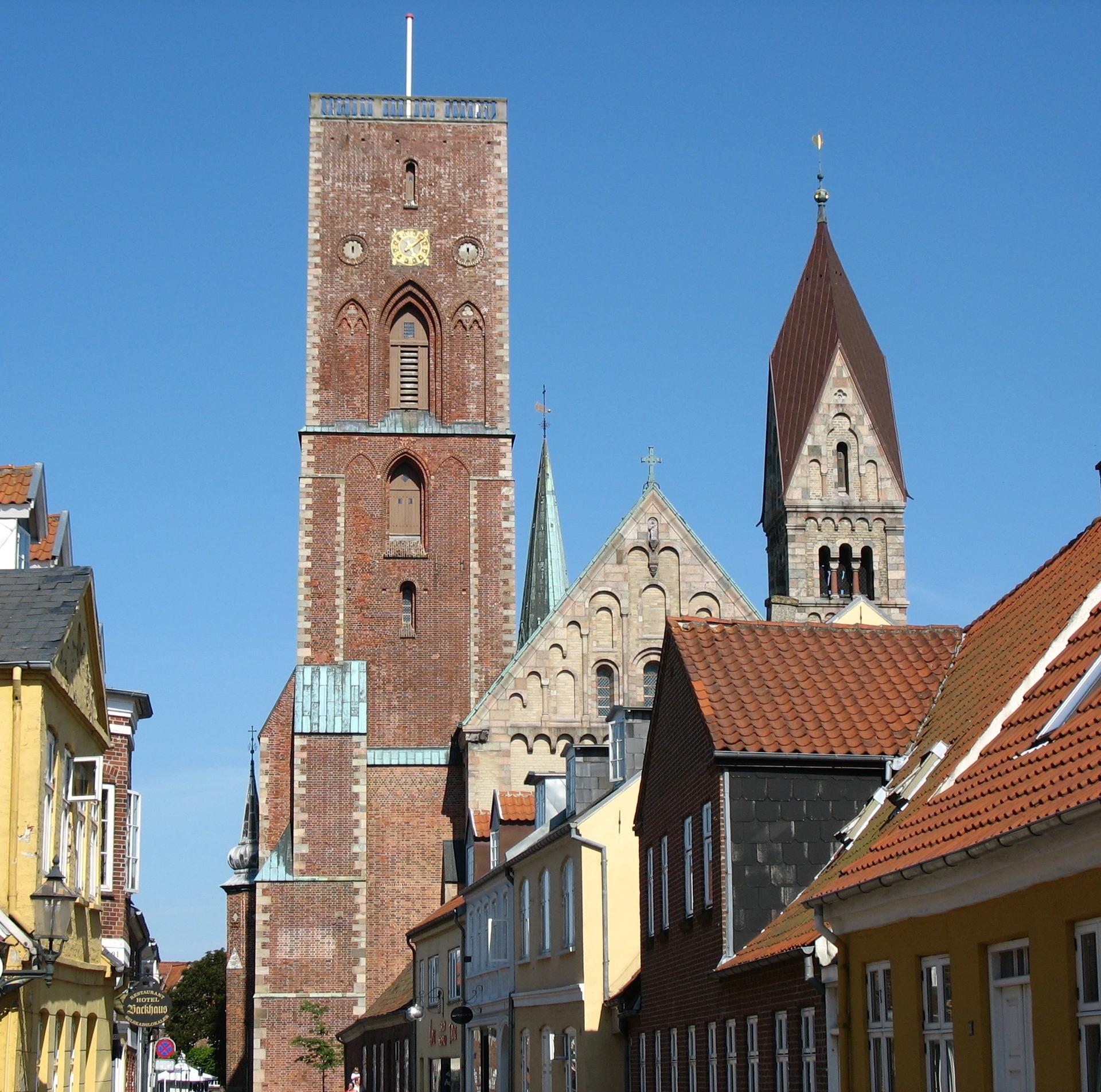
Looking beyond Gråsten Palace? Discover South Jutland for broader travel guides, local hot-spots, and regional highlights.
Explore South Jutland