Køge Sønakke, South Zealand Travel Guide
Wind, waves and wide horizons at a quietly wild corner of the Bay of Køge, where anglers, walkers and nature lovers share an unspoiled Danish shoreline.
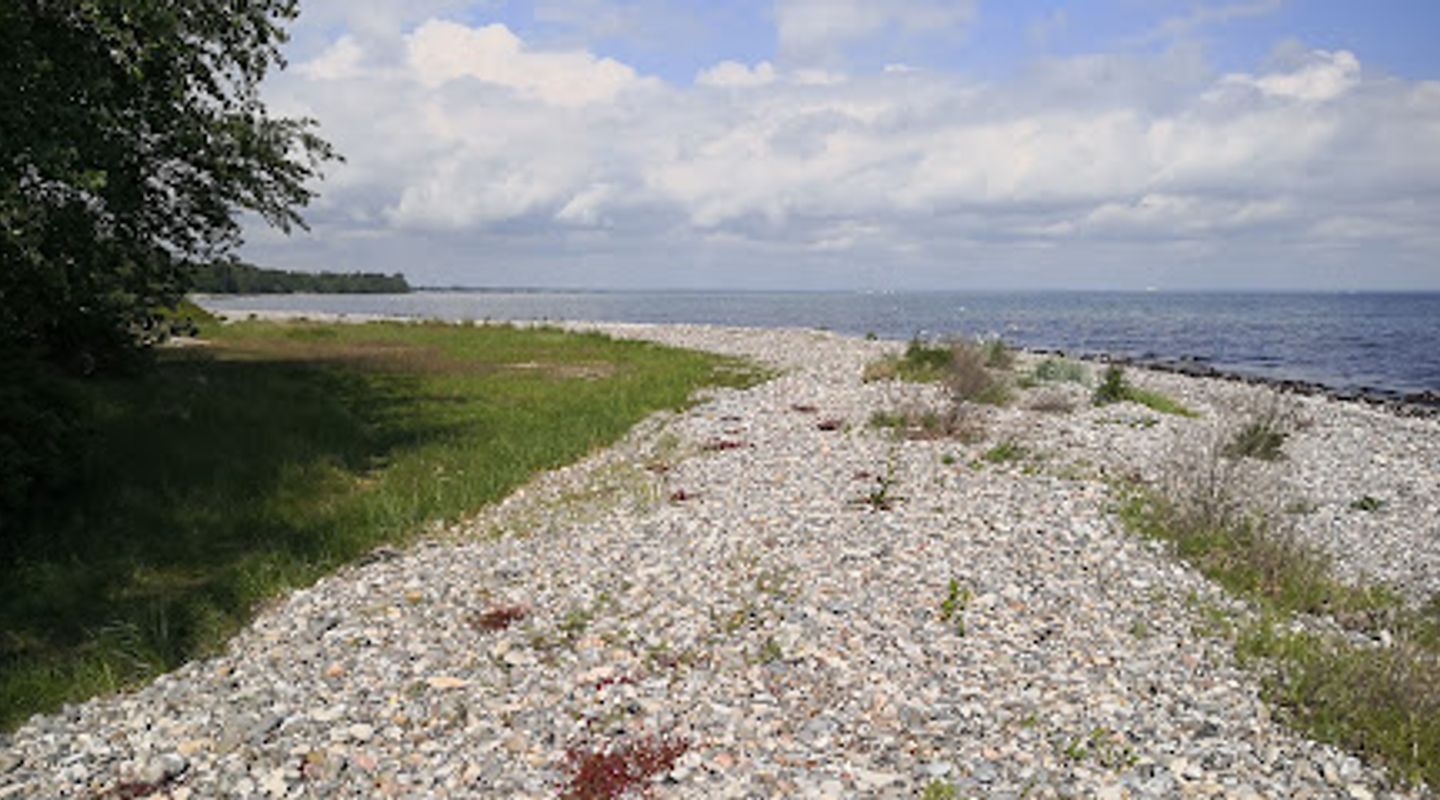
Køge Sønakke is a quietly spectacular coastal headland and beach on the Bay of Køge near Klippinge in southeastern Zealand. Framed by low cliffs, reefs and wide skies, it is beloved by sea-trout anglers, walkers and nature lovers seeking wind, waves and open horizons. Expect a mix of sand, stones and seaweed-rich “leopard bottom”, birdlife over the bay and a refreshingly undeveloped stretch of Danish shoreline that still feels wonderfully wild and local.
A brief summary to Køge Sønakke
- Klippinge, 4672, DK
- Duration: 1 to 4 hours
- Free
-
 Outdoor
- Mobile reception: 3 out of 5

Know before you go
Hi, I'm Eve. Here are a few practical things to know before exploring Køge Sønakke.
- Wear sturdy shoes or sandals suitable for mixed sand and stones; the seabed and upper beach are uneven and can be slippery with seaweed.
- If you plan to fish for sea trout, check local regulations in advance and bring appropriate coastal gear, including waders and warm, windproof clothing.
- Bring your own drinks and snacks, as there are no kiosks on the shore; a thermos and a simple picnic make the most of the quiet setting.
- Visit outside the middle of the day for softer light and more atmosphere—sunrise, sunset and overcast days all suit the open seascape well.
Do you manage this location?
Take control to get all the benefits, like improved information, better appearance, and stronger visibility across AI-powered discovery. Learn more about listing your business on Evendo
Activate your presenceOther nearby places you may find interesting
The closest places of the same kind, if this one is not quite what you had in mind.
Explore Køge Sønakke on the Map
A handpicked selection of must-see spots near Køge Sønakke, mapped for you.
Getting There
-
Regional train and local walk from Copenhagen
From Copenhagen, take a regional train toward Store Heddinge and get off at Klippinge station; the journey typically takes about 1–1.5 hours and costs roughly 80–120 DKK one way in standard class. From Klippinge, allow 45–60 minutes on foot along minor roads and tracks through fields and small woodland to reach the coastal area around Køge Sønakke. Paths are generally easy but can be muddy after rain, so waterproof shoes are useful.
-
Car from Køge and nearby towns
Driving from Køge or other towns on Zealand, plan for around 25–40 minutes on country roads to reach parking areas serving the coast near Køge Sønakke. There is usually informal, free parking close to access paths rather than large marked car parks. In high summer or on calm weekends the few available spaces can fill up, so arriving earlier in the day helps. From parking, expect a short walk across fields or along farm tracks to the shoreline, which may not be suitable for wheelchairs or prams.
-
Bicycle approach on rural roads
Køge Sønakke works well as a destination on a cycling tour of the Stevns Peninsula. From Køge or Store Heddinge, allow 60–90 minutes by bike depending on route and pace, mostly on paved rural roads with light traffic and occasional gentle hills. There is no dedicated bike infrastructure at the shore itself, so you will need to leave your bicycle near an access path in a safe, unobtrusive spot. Strong winds along the bay can make the final stretch more demanding, especially in colder months.
For the on-the-go comforts that matter to you
-
 Trash Bins
-
 Information Boards
Discover more about Køge Sønakke
Wild edge of the Bay of Køge
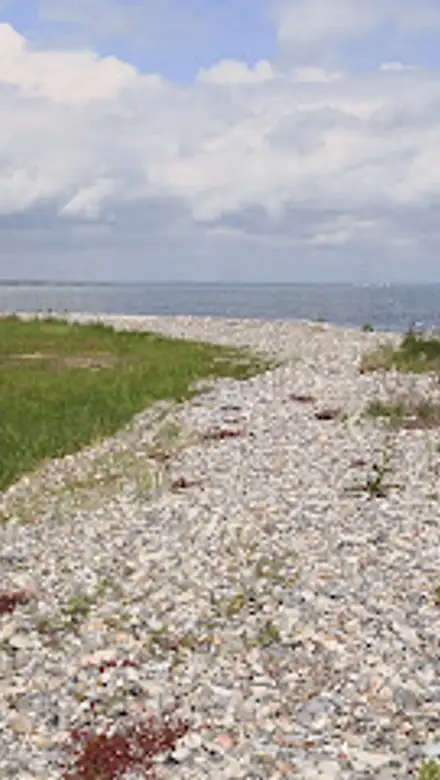
Køge Sønakke sits on the open curve of the Bay of Køge, a low, gently protruding nose of land facing straight into the Baltic. Here the coast feels stripped back and elemental: no promenade, no fairground, just sand, stone and the rhythmic hiss of waves rolling up the beach. The shore alternates between pale sand and belts of rounded rocks, with patches of seaweed breaking the surface just offshore.Because the land rises only slightly above sea level, the horizon seems to swallow most of the view. On clear days you can trace the coastline north toward Køge and south along the Stevns Peninsula, while in murkier weather the landscape becomes a study in muted greys and greens. The constant presence is the wind, often brisk, tugging at jackets and carrying the tang of salt and seaweed.Leopard-pattern seabed and angler’s favourite
Just beneath the surface, Køge Sønakke hides what anglers call “leopard bottom”: pale sand interspersed with darker patches of stones and bladderwrack seaweed. This broken pattern creates pockets of shelter and ambush points for prey, making the shallows especially attractive to sea trout. Long, gently shelving water allows wading far from the beach when conditions are calm.The site is widely known in Danish fishing circles as a productive sea-trout reef, particularly in the cooler months when fish cruise close to shore. You will often see anglers in waders spaced along the coast, casting methodically and working lures or flies across the varied bottom. Even if you are not fishing, watching their slow progress through the water adds a quiet, meditative rhythm to the scene.Between forest, fields and sea
Inland from the shoreline, the landscape quickly shifts to a patchwork of farmland, small woods and nearby Magleby Skov. Paths and farm tracks link the coast to these greener interiors, so a visit to Køge Sønakke can easily be combined with a longer walk through fields and forest. The transition from the sheltered trees to the fully exposed beach heightens the sense of arrival when you emerge at the water’s edge.Birdlife responds to this mosaic of habitats. On the beach and offshore you may spot gulls, terns and wading birds probing the shallows, while skylarks and other small songbirds provide a soundtrack from the fields behind. The relative lack of buildings and traffic allows natural sounds to dominate: wind in grass, distant surf, the occasional call of a seabird.Quiet recreation in all seasons
Køge Sønakke is not a classic sun-lounger beach, but it is rewarding in every season. In summer, hardy swimmers pick their way over stones into clear water, and families walk the shoreline collecting shells and driftwood. Spring and autumn are prime times for anglers and walkers who enjoy crisp air and shifting light, with sunsets stretching across the bay. Winter brings a starker beauty: ice-cold waves, low sun and sometimes a dusting of snow on the sand.This is a place for simple outdoor pleasures: a thermos of coffee on a driftwood log, a short stroll after lunch, or a longer coastal hike linking neighbouring stretches of shore. There are no built attractions demanding attention, which makes it easy to slow down and let the subtle details of sea and sky take centre stage.A natural escape close to Copenhagen
Despite its low-key feel, Køge Sønakke lies within easy reach of larger towns on Zealand, making it a convenient escape when you need wide horizons and salty air. Its character is defined by understatement: no grand cliffs, no dramatic mountains, just an authentic slice of Danish coastline where daily life recedes as soon as you hear the surf.For many visitors, the real charm lies in how ordinary yet absorbing it is. A few hours here can reset your internal pace, whether you come with a fishing rod, a camera or simply good walking shoes. As you leave, grains of sand in your shoes and the lingering smell of seaweed are quiet reminders of a shoreline that still feels pleasingly untamed.












Your all‑in‑one travel companion app
Explore expert travel guides, compare and book tours, experiences, hotels, and more—all from the palm of your hand. Download now for seamless trip planning wherever your wanderlust takes you.


Explore More of South Zealand
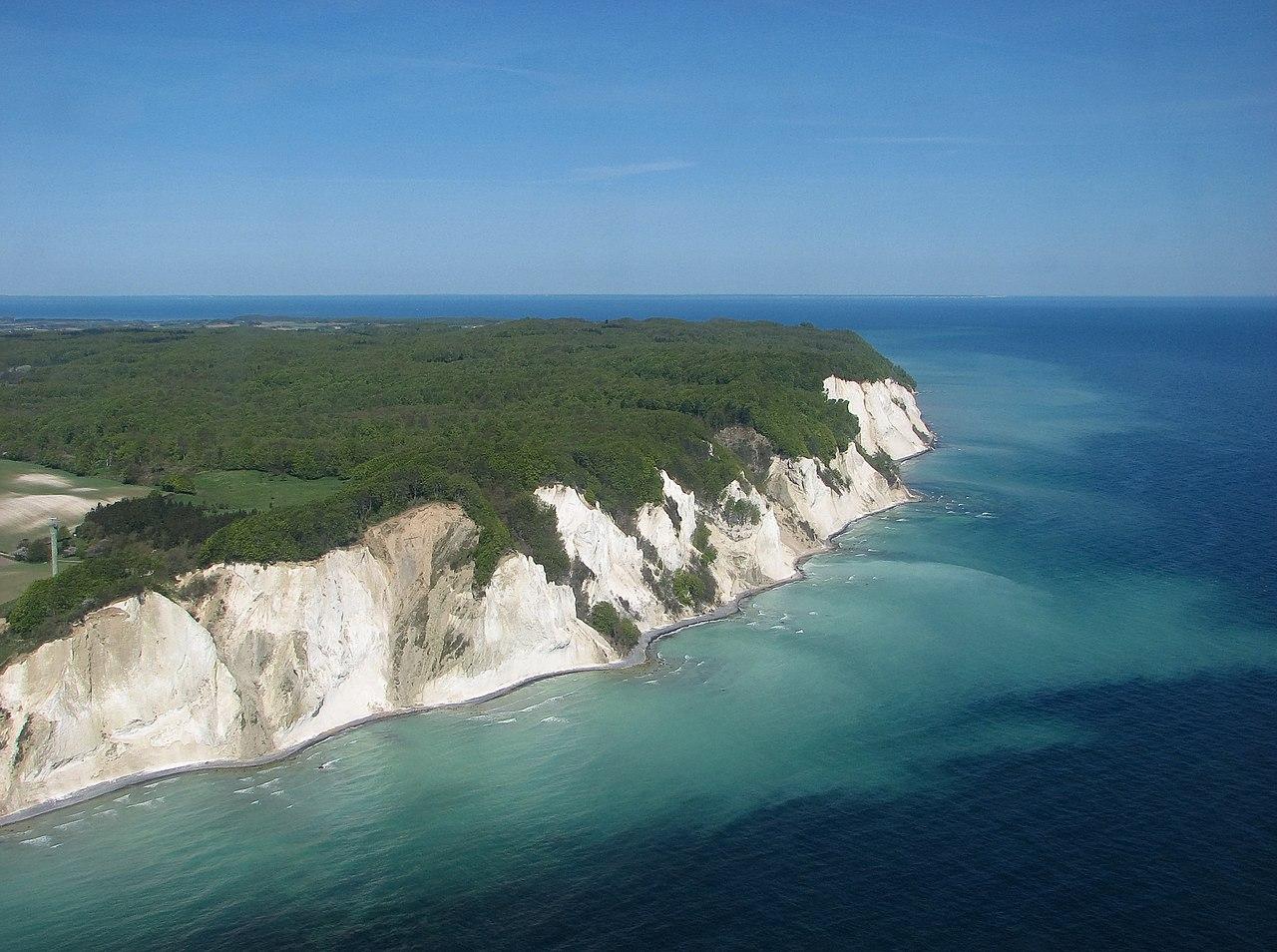
Looking beyond Køge Sønakke? Discover South Zealand for broader travel guides, local hot-spots, and regional highlights.
Explore South Zealand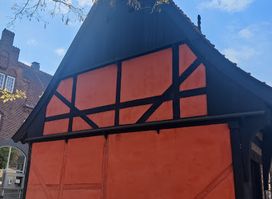
One of Denmark’s oldest dated half‑timbered houses, this 1527 gem in Køge’s old town now hosts a cosy children’s library and atmospheric vaulted cellar.

One of Denmark’s oldest inhabited medieval castles, Gjorslev combines Gothic stonework, moats and beech forest walks in a quietly atmospheric manor landscape.