

Iwami Ginzan Silver Mine Travel Guide
Free Guide: Explore Japan's rich mining history at the Iwami Ginzan Silver Mine, a UNESCO World Heritage Site in Shimane Prefecture. Discover preserved mines and cultural landscapes.


A brief summary of Iwami Ginzan Silver Mine
Explore Japan's rich mining history at the Iwami Ginzan Silver Mine, a UNESCO World Heritage Site in Shimane Prefecture. Discover preserved mines and cultural landscapes.
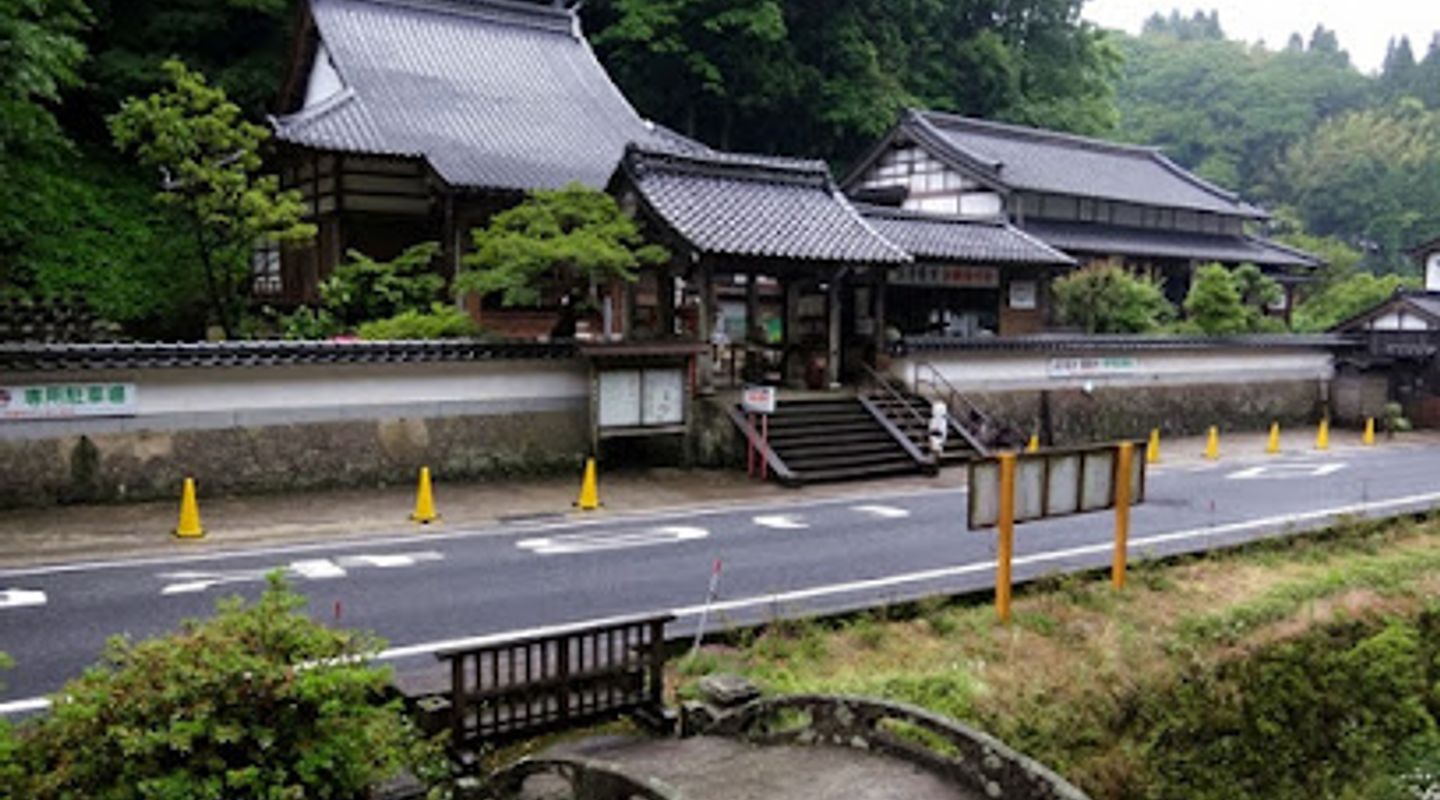
The Iwami Ginzan Silver Mine, a UNESCO World Heritage Site, flourished from the 16th to the 20th centuries as one of the world's leading silver producers. Located in Oda, Shimane Prefecture, the mine offers a glimpse into Japan's rich mining history and the cultural landscape that developed around it. Visitors can explore preserved mineshafts, refinery ruins, and the charming town of Omori, which once thrived as a mining settlement.
Opening hours
- Every day9 am–5 pm
Opening hours as listed on the venue’s Google Business Profile. Hours can change for services and special events, so check with the venue before you go.
- Address
- Omoricho, Oda, Shimane 694-0305
- Phone
- Website
Getting there
Public Transport
Walking
Ginzan Cart
Car
Discover more about Iwami Ginzan Silver Mine
Overview
Nestled in the verdant mountains of Shimane Prefecture, the Iwami Ginzan Silver Mine stands as a testament to the ingenuity and prosperity of feudal Japan. Discovered in 1526, it rapidly became a major source of silver, contributing significantly to global trade. During its peak in the early 17th century, the mine was said to produce a third of the world's silver.The Iwami Ginzan Silver Mine played a pivotal role in East Asian trade, where silver was a key currency. The mine's prosperity was such that it was known as the "Silver Mine Kingdom" on maps of the period. What sets Iwami Ginzan apart is its sustainable approach to mining, which resulted in less deforestation, erosion, and pollution, earning it recognition as a UNESCO World Heritage Site in 2007.Today, visitors can explore the well-preserved Ryugenji Mabu Mine Shaft, a 273-meter-long tunnel that offers a glimpse into the past. The Iwami Ginzan World Heritage Center provides insights into the mine's history and its impact on global trade through interactive exhibits and detailed models. The surrounding cultural landscape includes the serene Sahimeyama Shrine, the Shimizudani Refinery Ruins, and the charming town of Omori, with its traditional shops, cafes, and temples. A visit to the Caves of the 500 Arhats is also highly recommended.Walking trails connect the mine to the ports of Okidomari and Tomogaura, offering scenic routes through the surrounding countryside. The 12-kilometer route to Okidomari is part of the Chugoku Nature Trail, while the 8-kilometer route to Tomogaura offers stunning views of the Sea of Japan.
Evendo Review Centre
 Google
Guest reviews
Explore Iwami Ginzan Silver Mine on the map
A handpicked selection of must-see spots near Iwami Ginzan Silver Mine, mapped for you.
Get your free copy of our complete guide to Iwami Ginzan Silver Mine, delivered straight to you.
Everything on this page, from opening hours and how to get there to Eve’s tips and the best time to go, in one PDF you can read offline, print or share.
Already have an account? Sign in
Your Iwami Ginzan Silver Mine guide is ready.
We'll send it to · Not you? Sign out

Getting your guide ready…
We are putting together a fresh copy of the Iwami Ginzan Silver Mine guide. This can take up to a minute.
This can take a few moments. If your browser asks, choose Allow so the download can start. You'll find the guide in your Downloads folder.
Nothing happened? Download it again
Sorry, the guide is taking longer than usual. Please try again in a minute, or get it by email instead.
Unlock the best of Iwami Ginzan Silver Mine
Skip-the-line tickets, guided tours with entry, and walking tours of the area, booked in a few clicks.

Other nearby places you may find interesting
The closest places of the same kind, if this one is not quite what you had in mind.
-
-
-
-
-


Swipe for more places
More to explore near Iwami Ginzan Silver Mine
-
 Best experiences near Iwami Ginzan Silver Mine
-
 Best hotels near Iwami Ginzan Silver Mine
-
 Best landmarks near Iwami Ginzan Silver Mine
-
 Best attractions near Iwami Ginzan Silver Mine
-
 Best shops near Iwami Ginzan Silver Mine
-
 Best restaurants near Iwami Ginzan Silver Mine
-
 Best bars near Iwami Ginzan Silver Mine


Do you manage this location?
Take control to get all the benefits, like improved information, better appearance, and stronger visibility across AI-powered discovery.
Explore more

Explore more of Chugoku
Discover Chugoku: Explore Japan's serene landscapes, rich history, and delectable cuisine in this captivating region of Honshu island.
Explore Chugoku
Explore more of Japan
Discover the harmony of tradition and modernity in Japan, where ancient temples and cutting-edge technology coexist in perfect balance.
Explore Japan
