Nijō Castle: A Shogun's Kyoto Residence
Explore Nijō Castle in Kyoto: a UNESCO World Heritage Site, former residence of the Tokugawa shoguns, and a treasure of Japanese history and architecture.
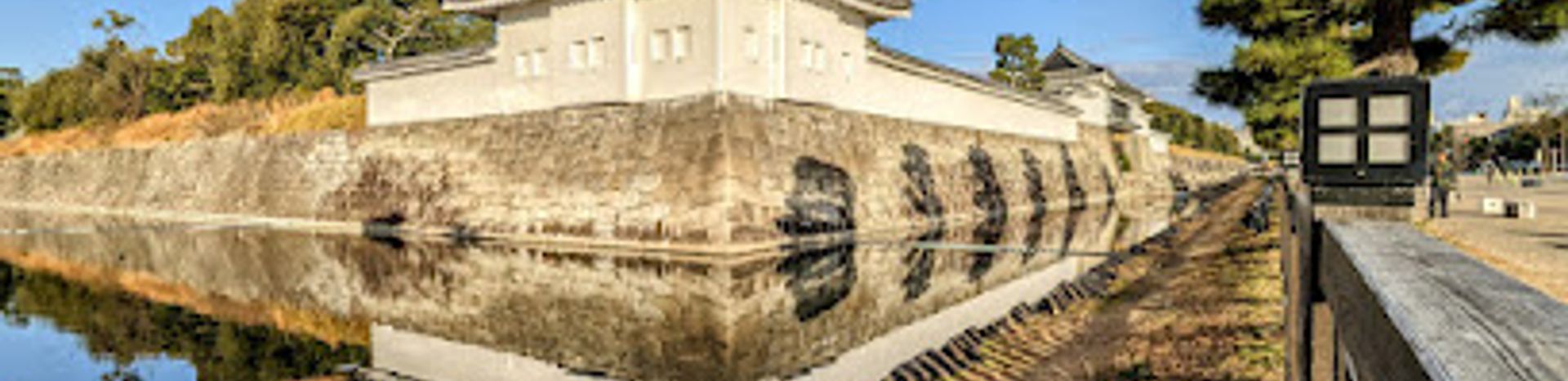
Nijō Castle, a UNESCO World Heritage site in Kyoto, Japan, was built in 1603 as the Kyoto residence of Tokugawa Ieyasu, the first shogun of the Edo Period. The castle showcases the power of the shogunate and features impressive architecture, including the Ninomaru Palace with its famous 'nightingale floors'.
A brief summary to Nijō Castle
- 541 Nijojocho, Kyoto, Nijojocho, Nakagyo Ward, Kyoto, 604-8301, JP
- +8175-841-0096
- Visit website
Local tips
- Rent an English audio guide at the entrance to enhance your understanding of the castle's history and significance.
- Wear comfortable shoes, as you'll be doing a lot of walking on the castle grounds.
- Visit during the cherry blossom season (late March to late April) or in late November for stunning autumn colors.
- Check the official website for closure dates, special events, and Honmaru Palace opening information.
- Purchase a Kyoto City Subway One-Day Pass or Subway and Bus One/Two day Pass for discounted admission to the castle grounds.

Getting There
-
Public Transport
From Kyoto Station, take the Karasuma Subway Line to Karasuma-Oike Station, then transfer to the Tozai Line to Nijojo-mae Station. The entrance to Nijō Castle is a short walk from the station. The subway trip takes approximately 15 minutes and costs 260 yen. Alternatively, take Kyoto City Bus numbers 9 or 50 from Kyoto Station to the Nijojo-mae bus stop, which is close to the castle. The bus ride takes 15-20 minutes and costs 230 yen.
-
Walking
If you are in central Kyoto, consider walking to Nijō Castle. The walk can be a pleasant way to see the city, typically ranging from 20 to 40 minutes depending on your starting location. From Kyoto Station, it is approximately a 50-minute walk.
-
Taxi
Taxis are readily available throughout Kyoto and can take you to Nijō Castle from any part of the city. A taxi from Kyoto Station takes about 4 minutes and costs approximately 1,900-2,400 yen. This is a convenient option, especially on rainy days.
-
Car
If driving, there is paid parking available at Nijō Castle. Parking Lot 1 (east of the castle) costs 600 yen for 40 minutes, with a maximum of 1,800 yen for the same day. Parking Lot 3 (south of the castle) costs 1,000 yen for the first two hours, with an additional 200 yen per extra hour. Note that parking spaces may be limited, especially during peak tourist seasons. For the safety of road users, visitors arriving by car are asked not to wait or park on nearby roads.
Discover more about Nijō Castle
Iconic landmarks you can’t miss

Kyoto Samurai Experience/和樂Waraku
0.9 km
Experience the rich history of the samurai at the Kyoto Samurai Experience, where tradition meets adventure in the heart of Japan.
Karasuma Oike ruins, Heian-kyo mark
1.1 km
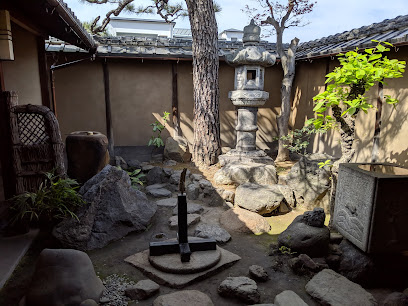
Explore the Karasuma Oike ruins in Kyoto, where ancient history meets modern charm, offering a captivating glimpse into Japan's imperial past.
Japan Wonder Travel
1.3 km
Explore Kyoto's hidden gems and iconic landmarks with Japan Wonder Travel's expert-guided tours, immersing yourself in the city's rich culture and history.
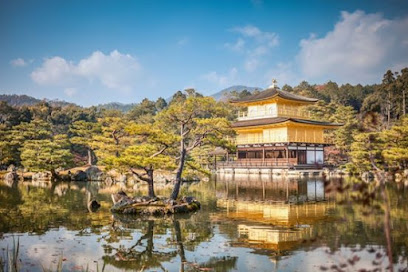
KIMONO TEA CEREMONY KYOTO MAIKOYA at NISHIKI
1.8 km
Discover the tranquility of Japanese culture with an authentic tea ceremony experience in the heart of Kyoto, dressed in a traditional kimono.
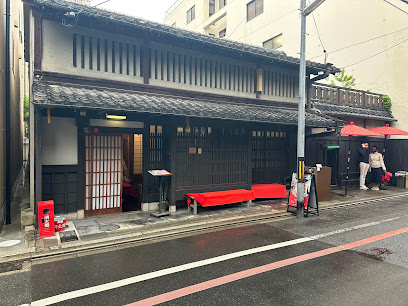
Tenshō-ji Temple
1.8 km
Explore the serene beauty and rich culture of Tenshō-ji Temple, a must-visit Buddhist temple in Kyoto's Nakagyo Ward.
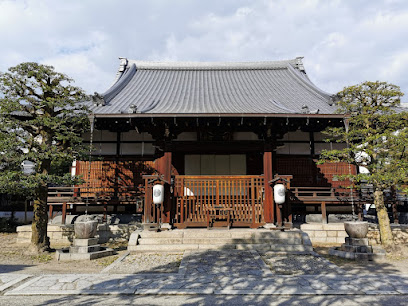
Kyoto Shinkyogoku Shopping Street
1.9 km
Explore the vibrant Kyoto Shinkyogoku Shopping Street, where tradition meets modern shopping and dining in the heart of Kyoto.
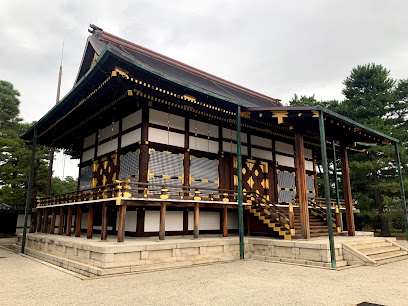
Shinkyogoku Shopping Street Union
1.9 km
Explore the unique shopping and culinary delights of Shinkyogoku Shopping Street Union, where tradition meets modernity in the heart of Kyoto.
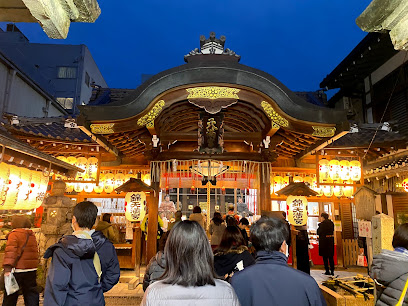
KYOTO OWL'S FOREST
2.0 km
Experience the magic of Kyoto Owl's Forest, an urban sanctuary where you can interact with stunning owls and enjoy a unique wildlife encounter.
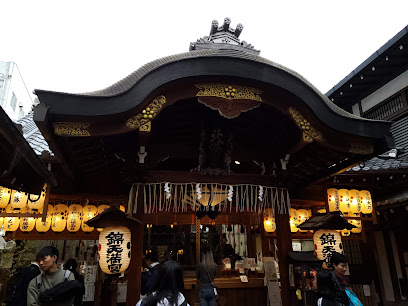
Shinkyogoku Park
2.0 km
Experience tranquility and natural beauty at Shinkyogoku Park, an urban oasis in the heart of Kyoto, perfect for relaxation and cultural exploration.
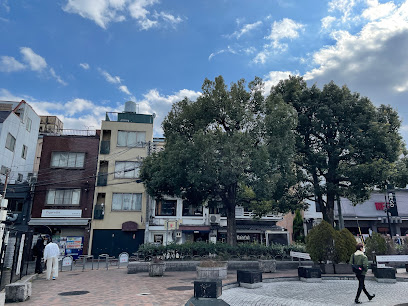
The Ritz-Carlton, Kyoto
2.0 km
Discover unparalleled luxury and serene beauty at The Ritz-Carlton, Kyoto, a perfect blend of tradition and modern elegance.

Kawaramachi-dori Street
2.2 km
Explore the vibrant Kawaramachi-dori Street in Kyoto, a perfect blend of shopping, dining, and cultural experiences in the heart of Japan's ancient capital.
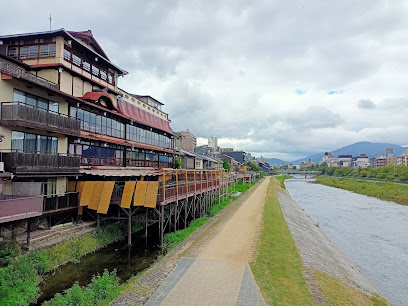
Statues of Yaji-san & Kita-san
2.2 km
Discover the enchanting Statues of Yaji-san & Kita-san in Kyoto, a captivating blend of folklore, artistry, and cultural heritage.
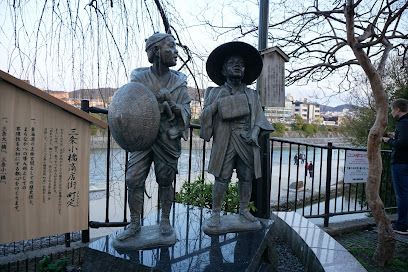
Kiyamachi Dori
2.2 km
Explore the scenic beauty and vibrant atmosphere of Kiyamachi Dori in Kyoto, where tradition meets modernity along the charming riverside.
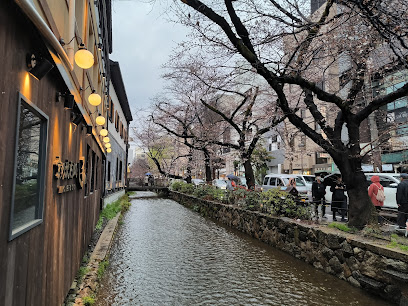
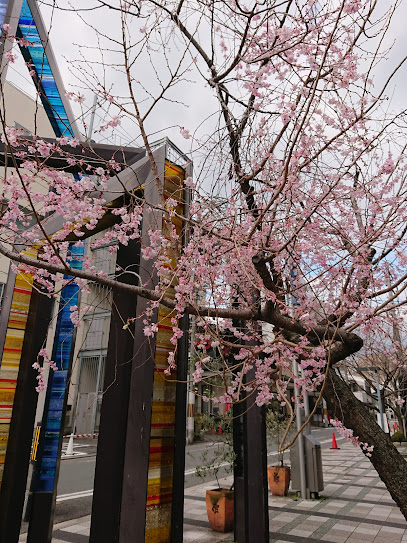
The Flower Corridor
2.2 km
Discover the enchanting beauty of The Flower Corridor in Kyoto, a serene path adorned with vibrant flowers and exquisite stone carvings.
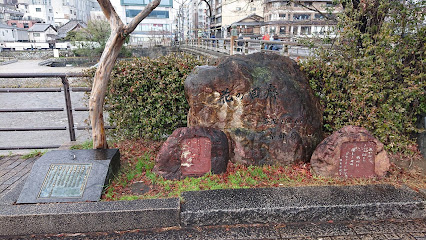
Pontocho Park
2.2 km
Discover tranquility at Pontocho Park, a serene green space in Kyoto that offers a perfect blend of nature and culture amidst the city's vibrant atmosphere.
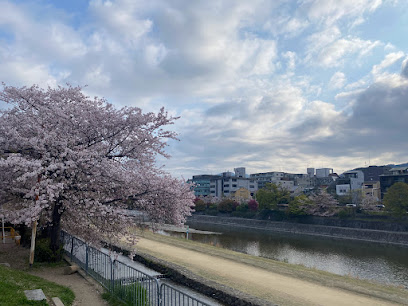
Unmissable attractions to see

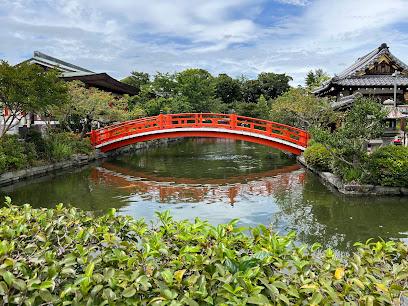
Shinsen-en
0.3 km
Experience the tranquil beauty of Shinsen-en, a historic Buddhist temple and garden in the heart of Kyoto, where nature and spirituality converge.
Japanese Cooking Class Roujiya クッキングクラス ろうじ屋
0.6 km
Experience authentic Japanese cooking in Kyoto with Roujiya's hands-on culinary classes, perfect for food lovers and tourists.
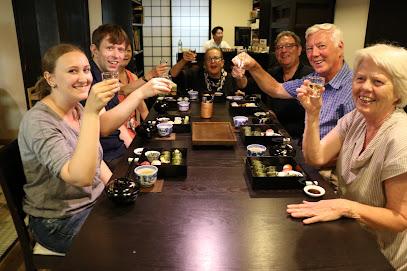
さくら日本文化体験 二条城教室 / SAKURA Experience Japanese Culture Nijo Home
0.6 km
Explore the heart of Japanese culture through authentic cooking classes and a serene traditional teahouse experience in Kyoto.
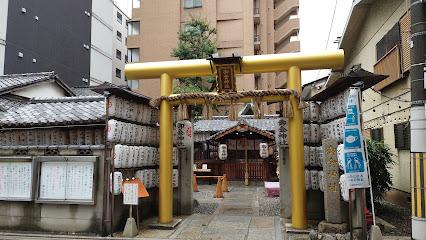
Mikane Shrine
0.6 km
Experience the serene beauty and rich cultural heritage of Mikane Shrine, a must-visit Shinto shrine in the heart of Kyoto.
Shinsen
0.6 km
Discover the serene ambiance of Shinsen Café in Kyoto, where local flavors meet tranquil surroundings for the perfect coffee break.
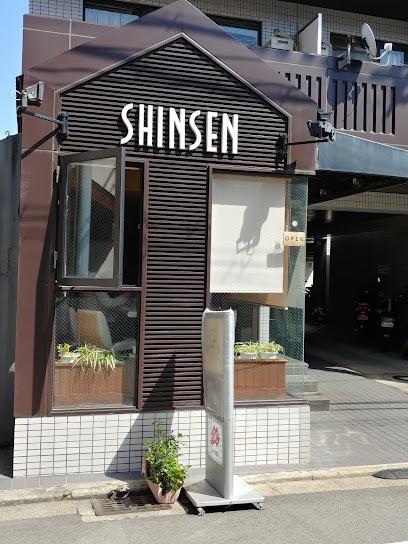
Kyoto Shibori Museum
0.7 km
Discover the exquisite art of shibori at Kyoto Shibori Museum, where tradition meets creativity in stunning textile exhibits and hands-on workshops.
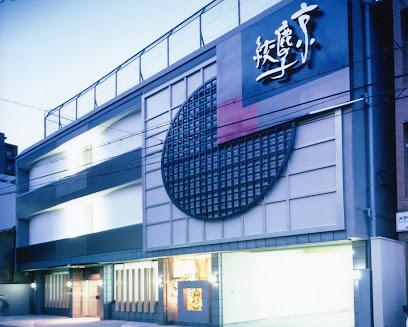
Face House
0.8 km
Discover the artistic wonder of Face House in Kyoto, where tradition meets contemporary creativity in a stunning architectural masterpiece.
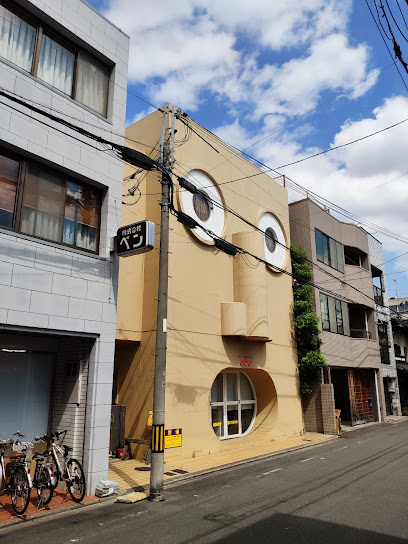
Kyoto International Manga Museum
1.0 km
Immerse yourself in the world of manga at the Kyoto International Manga Museum, a cultural gem showcasing Japan's rich comic art heritage.
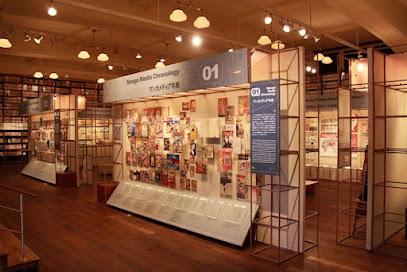
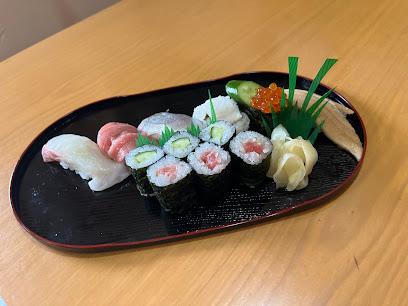
Kyoto-Sushimaking
1.1 km
Discover the authentic art of sushi making in Kyoto, where culinary skills meet cultural heritage in an unforgettable experience.
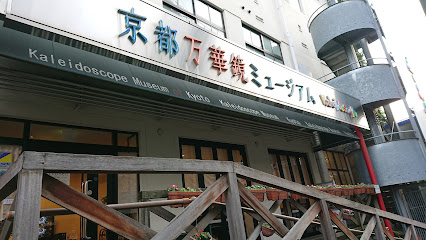
京都万華鏡ミュージアム 姉小路館
1.3 km
Explore Kyoto's rich tradition of craftsmanship at the Mingei Museum, showcasing exquisite artifacts and interactive workshops in a serene setting.
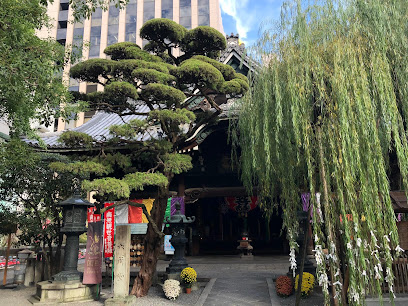
六角柳
1.3 km
Experience the serene beauty of Japanese flower arrangement at Ikenobo in Kyoto, the birthplace of ikebana artistry, blending nature and creativity.
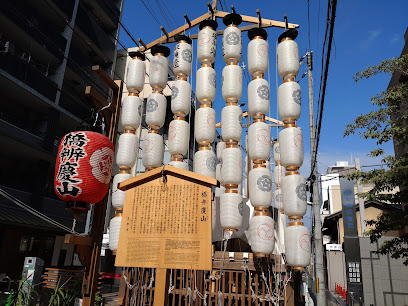
橋弁慶山(後祭)
1.3 km
Explore the tranquil beauty and rich culture of Hashibenkeicho, a hidden tourist attraction in Kyoto, perfect for peaceful strolls and cultural immersion.
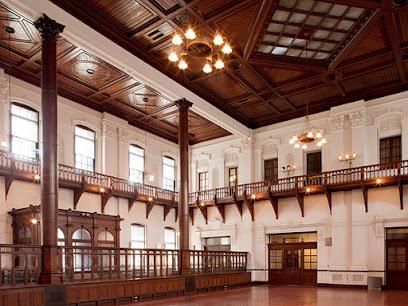
The Cultural Museum of Kyoto
1.4 km
Explore the Cultural Museum of Kyoto, where history and tradition come alive through engaging exhibits and immersive experiences.
Kyoto Seishu Netsuke Art Museum
1.4 km
Explore the exquisite craft of netsuke at Kyoto Seishu Netsuke Art Museum, where tradition meets artistry in a serene cultural setting.
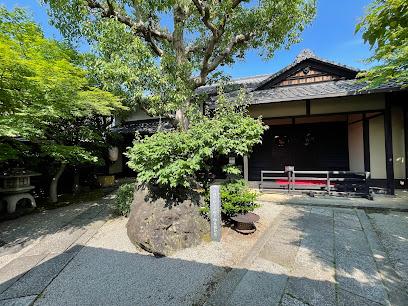
御池桜
1.5 km
Experience the calming allure of Yamashiro Onsen, a historic hot spring village offering relaxation, culture, and stunning natural beauty in Kyoto.
Essential places to dine

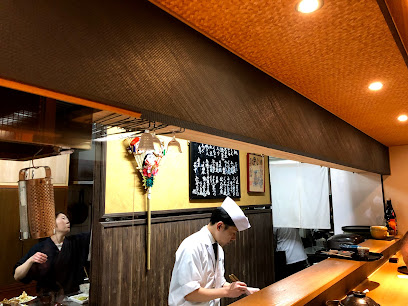
Tategami
0.6 km
Experience authentic Kyoto-style Japanese cuisine at Tategami - where tradition meets innovation in every bite.
Honke Owariya Main Branch
1.1 km
Experience authentic Kyoto flavors at Honke Owariya Main Branch - renowned for its handcrafted soba noodles and traditional Japanese sweets.
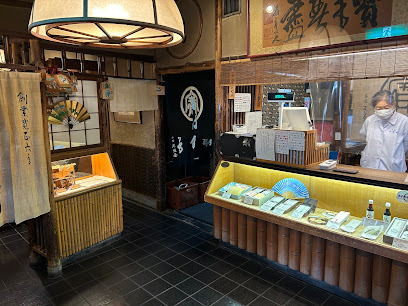
Bingo
1.2 km
Experience authentic Japanese cuisine at Bingo, an izakaya in Kyoto renowned for its warm atmosphere and exquisite dishes.
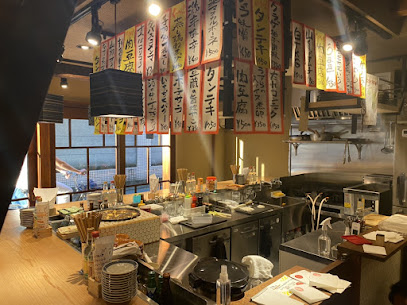
Hyoto Shijo Karasuma
1.3 km
Experience authentic Japanese flavors with exquisite hot pot and Kaiseki dishes at Hyoto Shijo Karasuma in Kyoto.
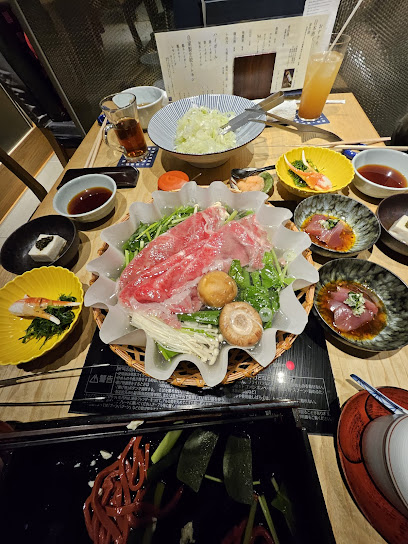
Kikkoya
1.4 km
Experience the authentic taste of Japan at Kikkoya in Kyoto - where tradition meets culinary excellence.
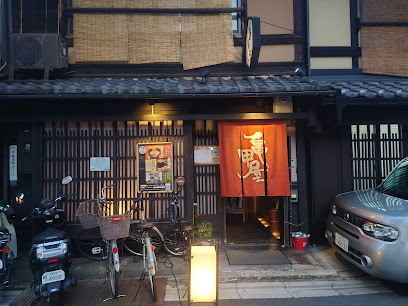
Yoshikawa
1.5 km
Experience authentic kaiseki cuisine at Yoshikawa in Kyoto – where tradition meets culinary excellence.
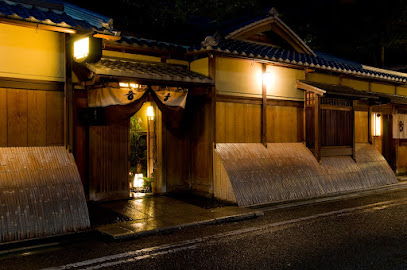
和牛料亭bungo 四条大宮
1.6 km
Discover authentic Kyoto-style cuisine at 和牛料亭bungo, where high-quality wagyu beef meets traditional Japanese hospitality.
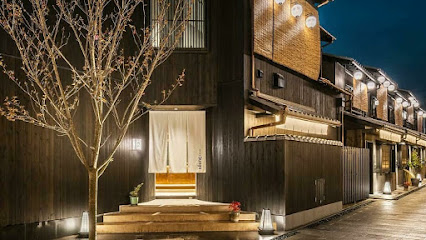
Nakamura
1.6 km
Experience authentic Kaiseki cuisine at Nakamura in Kyoto – where every meal is a masterpiece celebrating Japan's culinary artistry.
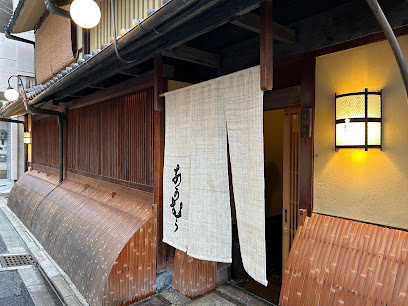
Hafuu
1.6 km
Discover Hafuu in Kyoto: where premium Japanese beef meets culinary excellence in an elegant setting.
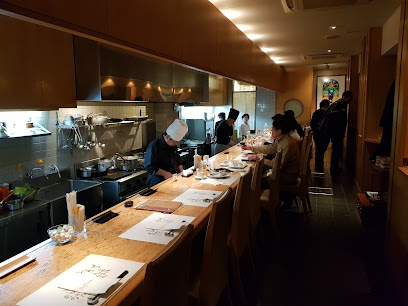
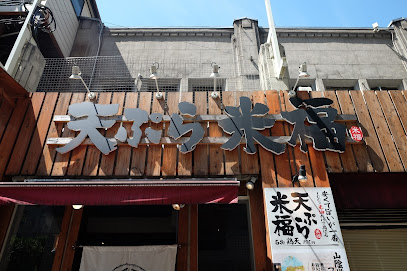
Komefuku Shijo Karasuma
1.6 km
Experience authentic Japanese izakaya culture at Komefuku Shijo Karasuma in Kyoto, renowned for its exquisite tempura and seasonal delights.
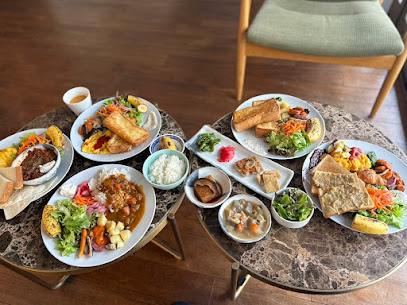
Vegetable Dishes ”OKI” SHIJO
1.6 km
Experience the vibrant flavors of organic vegetarian cuisine at Vegetable Dishes 'OKI' SHIJO in Kyoto's charming culinary scene.
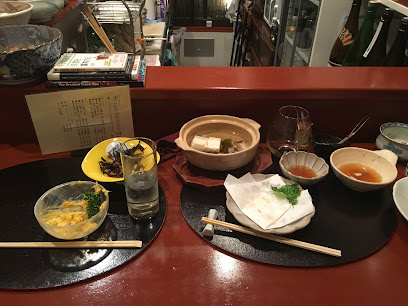
Saishuan Shiraki
1.6 km
Discover the authentic flavors of Japan at Saishuan Shiraki - a premier izakaya experience in the heart of Kyoto.
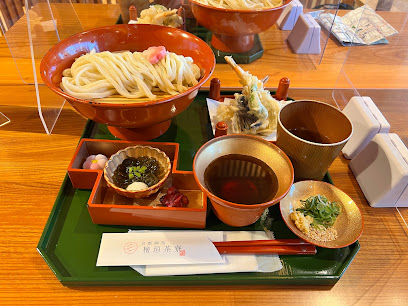
Restaurant Higakisaryo
1.6 km
Experience authentic Japanese cuisine at Restaurant Higakisaryo in Kyoto - where tradition meets culinary excellence.
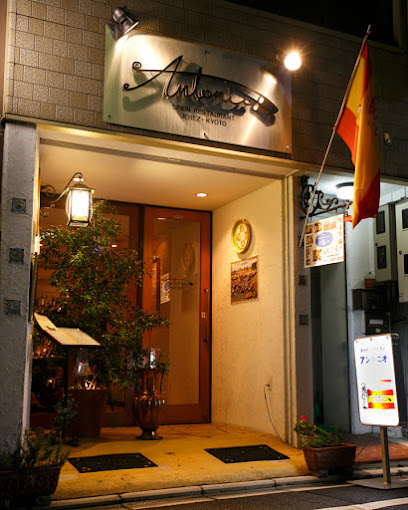
Antonio
1.7 km
Discover authentic Spanish flavors at Antonio in Kyoto – where culinary artistry meets vibrant ambiance.
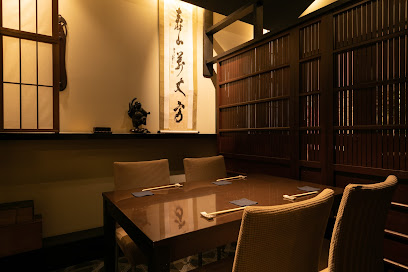
熟成刺身と旨い酒 京都 ひとしお
1.7 km
Savor the finest aged sashimi and sake at Hitoshio Kyoto - A must-visit izakaya for authentic Japanese dining experiences.
Markets, malls and hidden boutiques

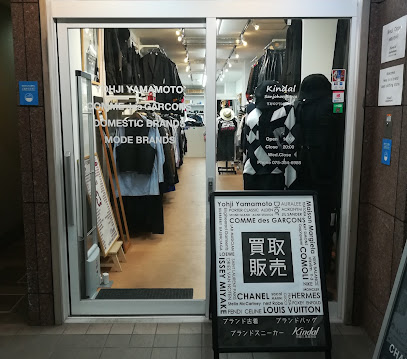
kindal kyoto sanjo horikawa second hand store
0.6 km
Explore Kindal Kyoto Sanjo Horikawa for unique second-hand clothing and sustainable shopping in the heart of Kyoto's vibrant culture.
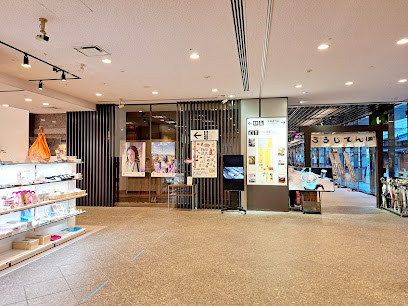
Rōji Tempo
1.4 km
Discover the vibrant shopping experience at Rōji Tempo, where Kyoto's rich culture meets modern retail in a beautiful setting.
Daimaru Kyōto Department Store
1.7 km
Explore the vibrant shopping scene at Daimaru Kyōto Department Store, where tradition meets modernity in the heart of Kyoto.
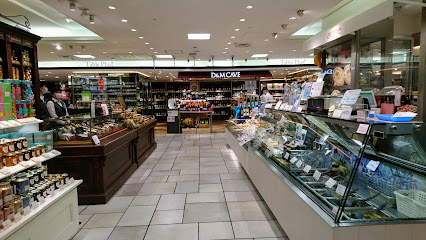
Kyoto Crafts Store
1.7 km
Explore the essence of Kyoto's artistry at the Kyoto Crafts Store, where traditional handicrafts meet contemporary charm.
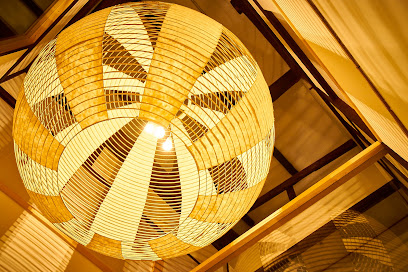
The Hamono Collection
1.7 km
Explore the artistry of Japanese knife-making at The Hamono Collection, a must-visit destination for culinary enthusiasts in Kyoto.
京都・うつわ・食器 / Gallery Nisui 而水
1.7 km
Explore the exquisite artistry of Kyoto at Gallery Nisui, your premier destination for fine chinaware and unique ceramics.
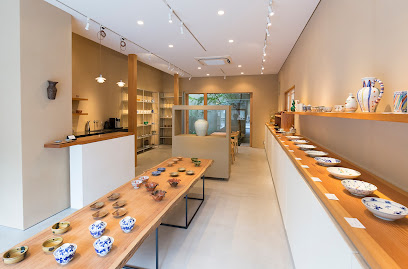
Daikichi
1.7 km
Explore the exquisite collection of antiques at Daikichi, where every piece tells a story of Japan's rich cultural heritage in the heart of Kyoto.
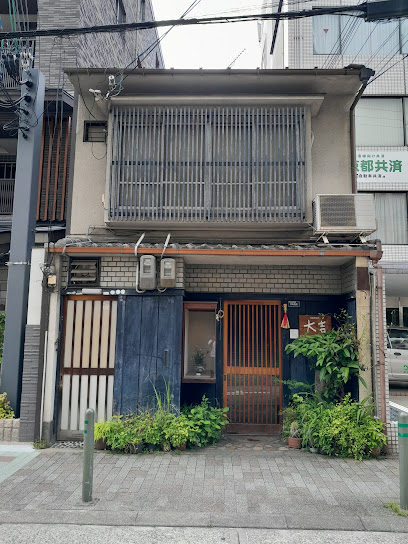
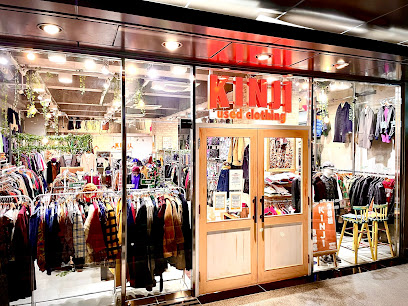
Furugiya KINJI Kyototen
1.7 km
Explore Furugiya KINJI Kyototen in Kyoto for a delightful vintage shopping experience featuring unique pre-loved clothing and accessories.
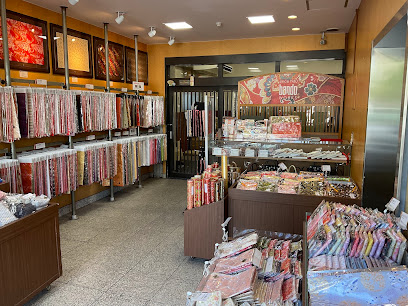
Bando Kinran - Co., Ltd. Bando Store
1.7 km
Explore the colorful tapestry of Kyoto at Bando Kinran, a premier fabric store offering exquisite textiles and crafting workshops.
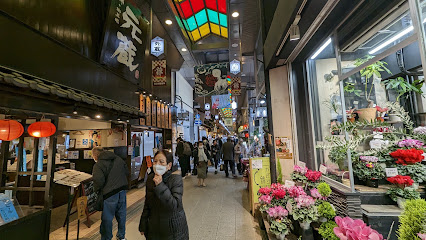
Kazari Nishiki
1.7 km
Discover Kazari Nishiki, Kyoto's premier destination for authentic Japanese souvenirs that capture the essence of Japan's rich culture and craftsmanship.
D_MALL京都
1.7 km
Discover unique fashion accessories in Kyoto at D_MALL, where local style meets contemporary trends in a vibrant shopping atmosphere.
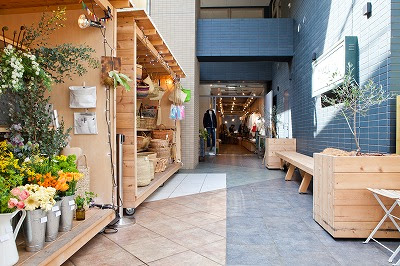
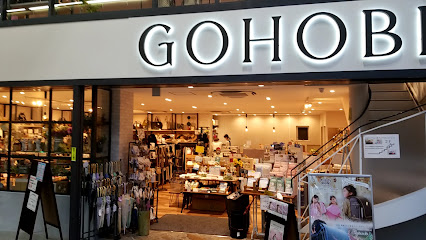
GOHOBI - Kyoto Sanjo-Teramachi
1.8 km
Explore a variety store in Kyoto offering unique bags, confectioneries, teas, and women's clothing, all reflecting the city's rich culture.
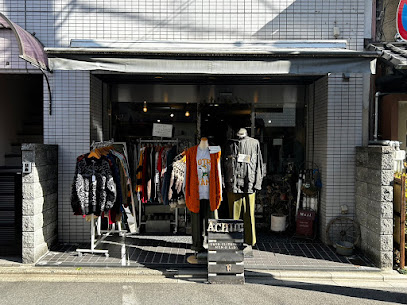
Achuu
1.8 km
Discover Achuu, Kyoto's premier thrift store for unique clothing treasures that blend style, sustainability, and local culture.
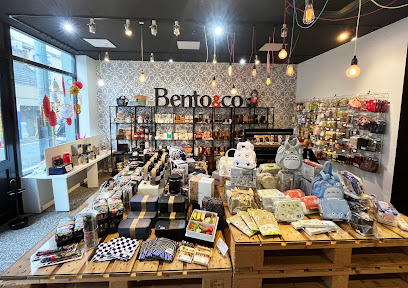
Bento&co Kyoto
1.8 km
Explore Bento&co Kyoto for unique Japanese kitchen supplies and bento boxes, perfect for souvenirs and culinary enthusiasts.
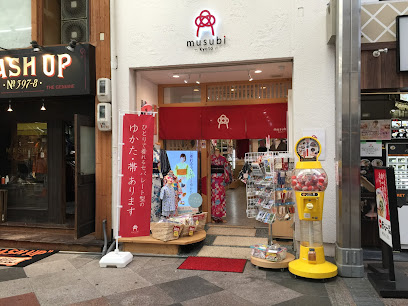
musubi -kyoto-
1.8 km
Discover the beauty of traditional kimonos and fashion accessories at Musubi, a gem in the heart of Kyoto’s cultural landscape.
Essential bars & hidden hideouts

SAMGHA
1.1 km
Discover SAMGHA, Kyoto's premier wine bar, offering an exceptional selection of beverages in a cozy and welcoming atmosphere.
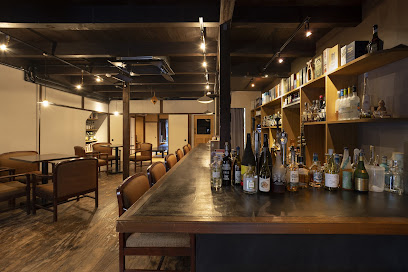
別館 BAR K家
1.6 km
Immerse yourself in Kyoto's nightlife at 別館 BAR K家, where traditional charm meets innovative cocktails.
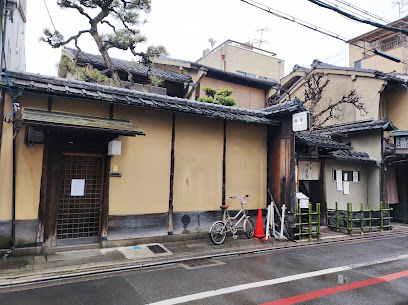
bar K-ya main building
1.8 km
Experience the vibrant nightlife of Kyoto at Bar K-ya, where cozy ambiance meets an eclectic drink selection in the heart of the city.
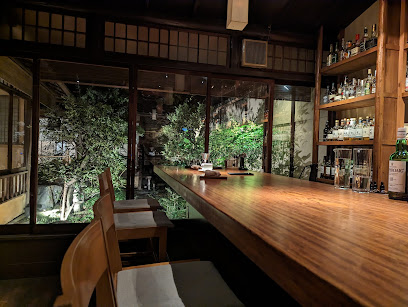
Oku
1.8 km
Experience the enchanting atmosphere of Oku, a hidden bar in Kyoto offering exquisite cocktails and a cozy ambiance for the perfect night out.
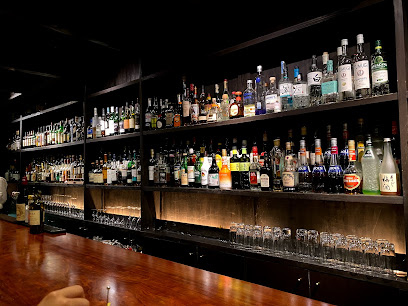
House of KI NO BI
1.9 km
Experience the serene ambiance and exquisite craft cocktails at the House of KI NO BI, a must-visit bar in Kyoto for every traveler.
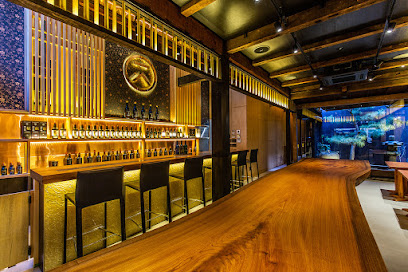
Bar G3
2.0 km
Discover Bar G3, a vibrant Kyoto bar blending traditional charm with a modern twist, perfect for an unforgettable night out.
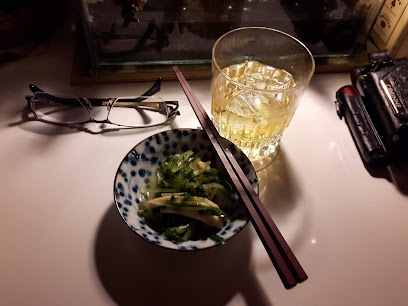
White door speakeasy
2.0 km
Discover the hidden charm of Kyoto at the White Door Speakeasy, where craft cocktails and vintage ambiance create an unforgettable nightlife experience.
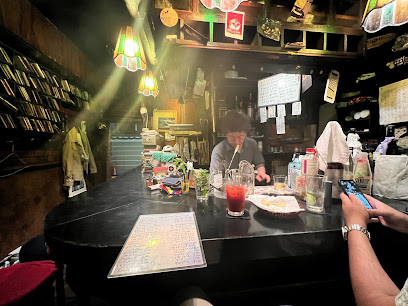
Bar K6
2.0 km
Discover the perfect blend of modern cocktails and traditional ambiance at Bar K6, a lively bar in the heart of Kyoto's nightlife.
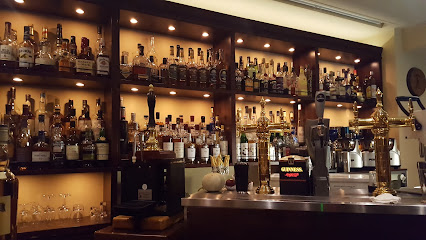
cafe&bar Miltons Kyoto
2.1 km
Experience the vibrant nightlife of Kyoto at Miltons, a cozy bar offering exceptional drinks and a welcoming atmosphere in Nakagyo Ward.
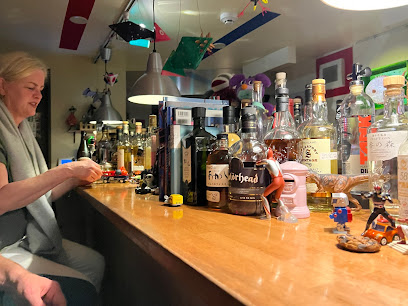
Bar Fishbowl
2.1 km
Discover the vibrant nightlife of Kyoto at Bar Fishbowl, where innovative cocktails and stunning city views await you.
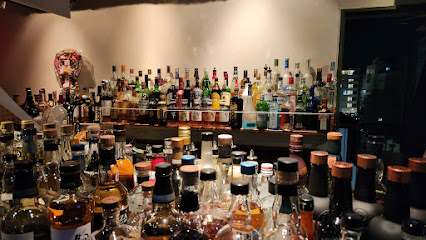
Macho Bar
2.1 km
Experience the dynamic nightlife of Kyoto at Macho Bar, where cocktails meet entertainment in a bustling izakaya atmosphere.
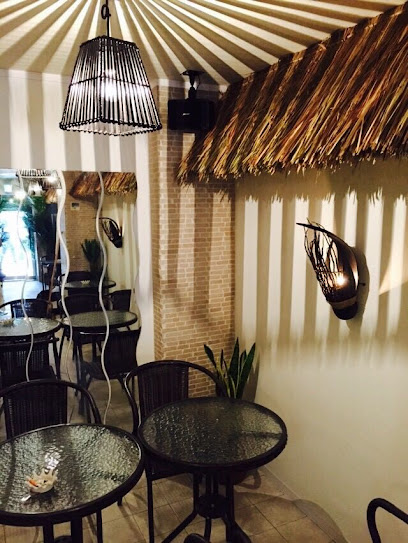
Caamm bar
2.1 km
Discover the lively spirit of Kyoto at Caamm Bar, where traditional hospitality meets modern nightlife in a vibrant setting.
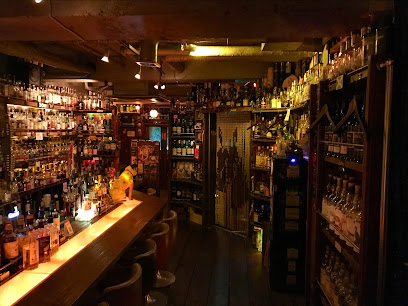
UNDERBAR-KYOTO
2.1 km
Dive into Kyoto's vibrant nightlife at UNDERBAR-KYOTO, where cocktails, darts, and music create an unforgettable evening.
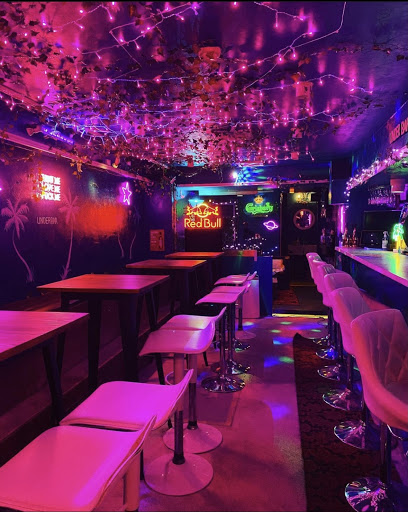
Kyoto Pub
2.1 km
Experience the vibrant nightlife of Kyoto at Kyoto Pub, where local brews and traditional hospitality come together in a lively atmosphere.
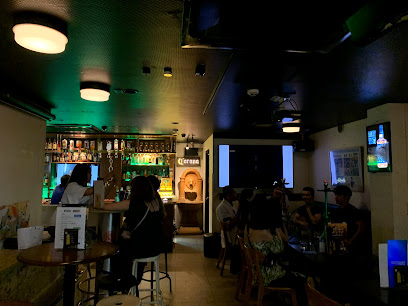
Pachanga
2.1 km
Discover Pachanga: Kyoto's lively bar and musical club where unforgettable nightlife meets vibrant culture.
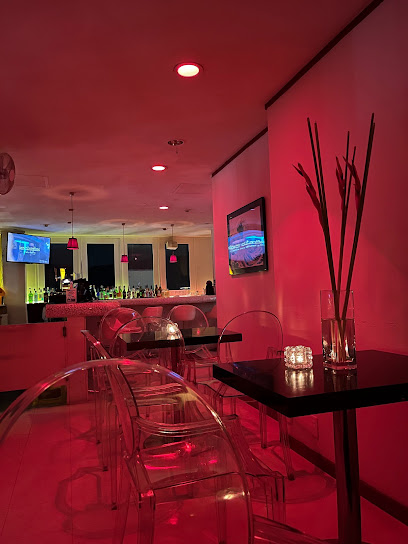
Nightclubs & after hour spots

THE PINK KYOTO
2.0 km
Discover the heartbeat of Kyoto's nightlife at The Pink Kyoto, where unforgettable nights and vibrant energy await every visitor.
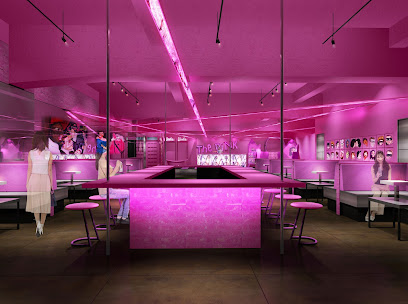
KYOTO Chambers
2.1 km
Immerse yourself in the electrifying nightlife of Kyoto at KYOTO Chambers, where unforgettable experiences await in a stylish setting.
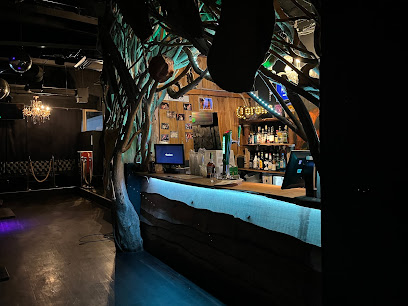
Octave
2.1 km
Discover Octave, the pulse of Kyoto's nightlife, where cocktails flow and music ignites the dance floor in a vibrant atmosphere.
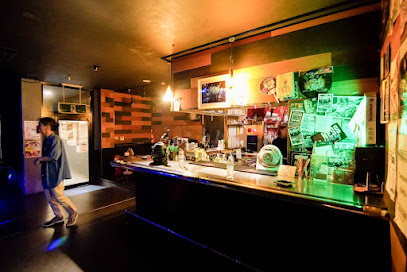
Club CK Discotheque Kyoto
2.1 km
Discover the electrifying nightlife of Kyoto at Club CK Discotheque, a premier destination for dancing, drinks, and unforgettable entertainment.
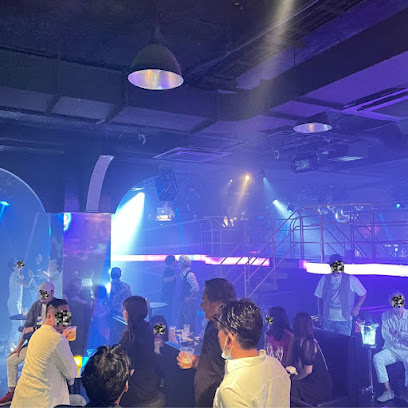
BABEL KYOTO
2.1 km
Discover the vibrant nightlife at BABEL KYOTO, where electrifying music, stunning ambiance, and unforgettable experiences await every night.
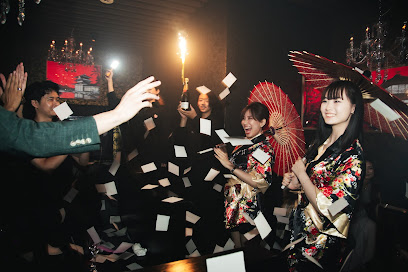
KITSUNE KYOTO
2.1 km
Dive into the electrifying nightlife of KITSUNE KYOTO, where vibrant music and exceptional atmosphere meet in the heart of Kyoto.
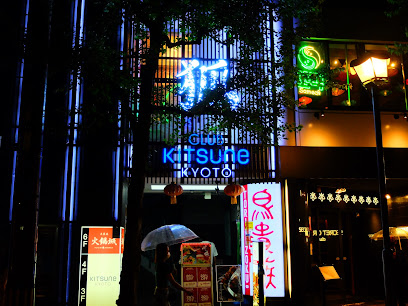
West Harlem
2.2 km
Discover the vibrant nightlife of West Harlem, a unique night club in Kyoto, where local music and a lively atmosphere come together for an unforgettable experience.
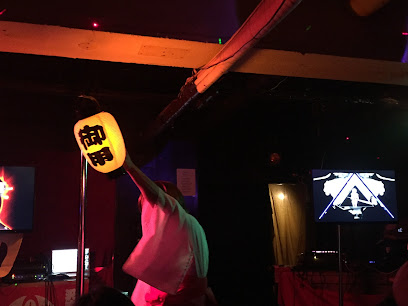
Barcode
2.2 km
Explore Barcode, Kyoto's ultimate karaoke bar and dance club, where unforgettable nights of music, fun, and culture await you.
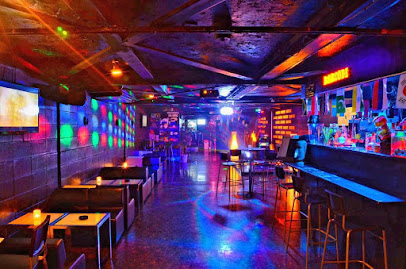
CLUB METRO
2.2 km
Discover the electric nightlife of Kyoto at CLUB METRO, a vibrant night club offering eclectic music and unforgettable performances.
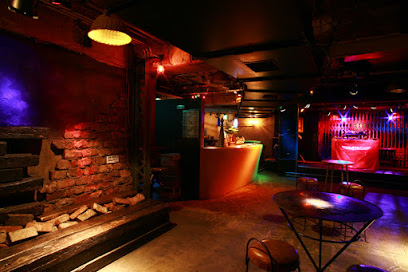
WORLD KYOTO
2.3 km
Immerse yourself in the vibrant nightlife of Kyoto at WORLD KYOTO, where music, dancing, and cultural fusion come alive in an unforgettable experience.
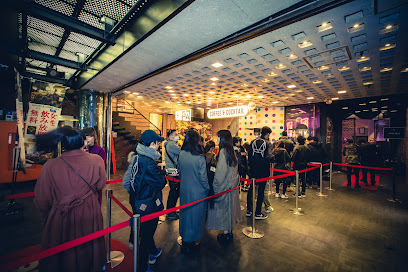
キャバクラ Club MET 京都
2.3 km
Discover the excitement of Kyoto's nightlife at Club MET, where cabaret charm meets modern entertainment in a luxurious setting.
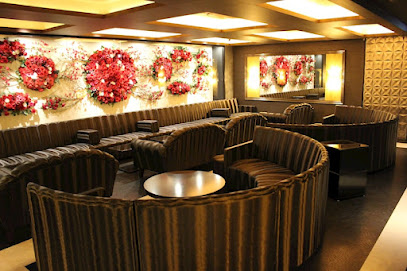
VAL LOUNGE BAR フィリピン
2.4 km
Unwind at VAL LOUNGE BAR in Kyoto, where modern elegance meets vibrant nightlife, offering exquisite drinks and a chic atmosphere for all.
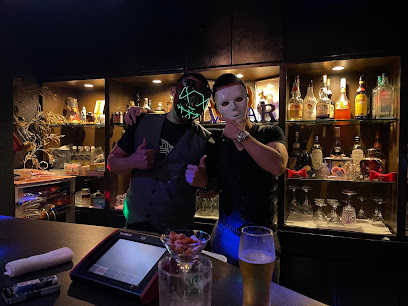
Bizarre Lounge BARBARA
2.4 km
Experience the eclectic charm of Bizarre Lounge BARBARA, Kyoto's premier destination for innovative cocktails and local culture.
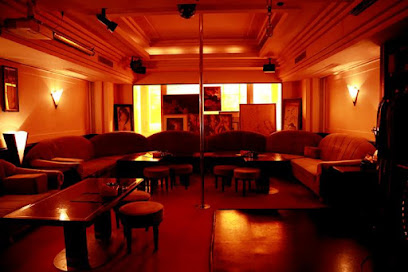
CLUB 夜上海
2.6 km
Discover the electrifying nightlife of Kyoto at CLUB 夜上海, where music, dance, and unforgettable memories come together.
祗園フィリピン club ROYAL(クラブ ロイヤル)
2.6 km
Discover the vibrant nightlife of Kyoto at Club Royal, a premier lounge blending traditional charm with modern entertainment.