From Eve
Know before you go
Hi, I'm Eve. Here are a few practical things to know before exploring Kōetsu-ji.
Local know-how to help you travel smarter and make the most of every moment.

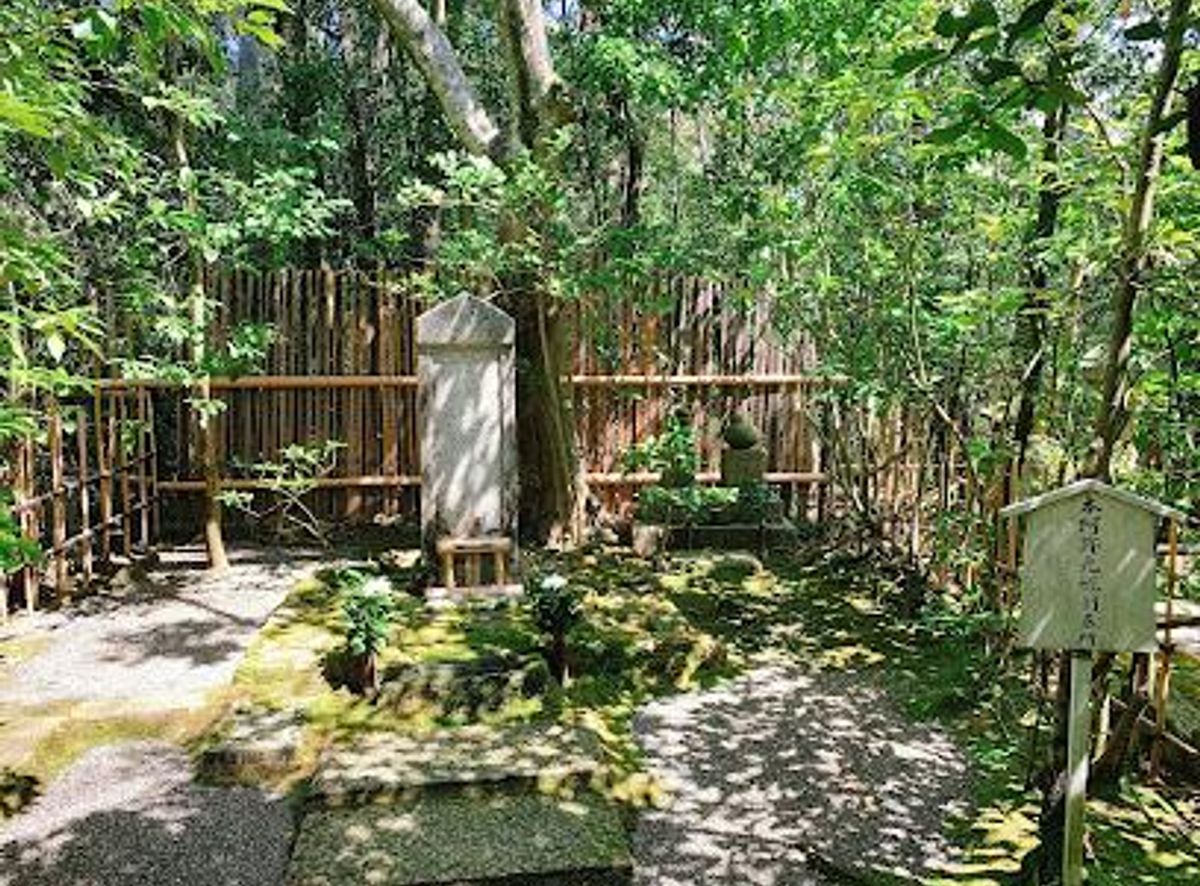
Discover Kyoto's hidden gem: Kōetsu-ji Temple, a serene escape blending art, nature, and history in the tranquil Takagamine district.
Kōetsu-ji Temple, nestled in Kyoto's Takagamine district, is a serene Buddhist temple that was once an artist colony established by Honami Kōetsu, a renowned artist and calligrapher. Known for its beautiful gardens and teahouses, it offers a peaceful escape from the city.
Opening times, essentials, and a few local tips gathered into one calmer, easier-to-scan planning section.
Hi, I'm Eve. Here are a few practical things to know before exploring Kōetsu-ji.
Local know-how to help you travel smarter and make the most of every moment.
Public Transport
From Kyoto Station, take the Kyoto Municipal Subway Karasuma Line to Kitaoji Station. Transfer to the #Kita 1 (北1) Kyoto City Bus from Kitaoji Bus Terminal and alight at the Takagamine Genkoan-mae bus stop. The temple is a short 2-minute walk from the bus stop. The subway fare is between 220-350 yen, and the bus fare is a flat rate of 230 yen within the city.
Taxi
Taxis are readily available throughout Kyoto. A taxi from Kyoto Station to Kōetsu-ji Temple will cost approximately 2,090 JPY. The base fare is 490 JPY for the first 1 km, with an additional 320 JPY per kilometer.
Use Tower Bridge as your starting point for nearby food, family ideas, nightlife, and more local discoveries.

Explore expert travel guides, compare and book tours, experiences, hotels, and more—all from the palm of your hand. Download now for seamless trip planning wherever your wanderlust takes you.
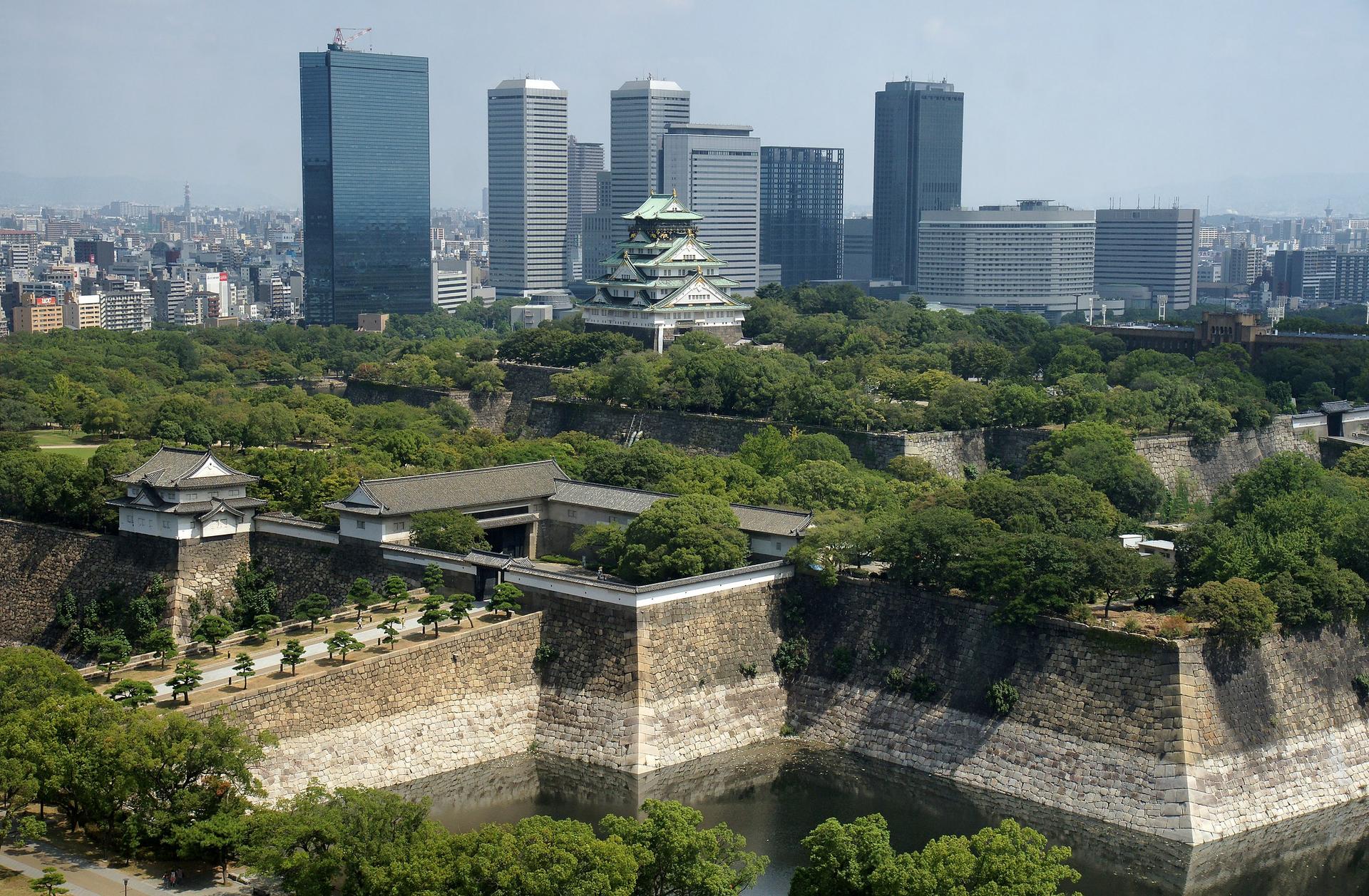
Discover Osaka, Japan’s lively metropolis where tradition meets modernity, renowned for its culinary delights, historic landmarks, and vibrant nightlife.
Tell me more about Osaka